

 EN
EN  NL
NL
 DE
DE
 FR
FR

Everything You Need to Know About Cannes
Cannes is a name that immediately conjures images of azure seas, palm-lined boulevards, and a glittering red carpet. Yet beyond the glamorous headlines, this coastal city on the French Riviera charms visitors with a layered history, a deeply rooted Provençal culture, and a rhythm of daily life that blends seaside relaxation with urban sophistication. Whether you are drawn by the iconic film festival, the soft sands, creative cuisine, or the refined shopping, Cannes offers a complete experience in a compact, walkable setting. This guide brings together everything you need to know to make the most of Cannes—its neighborhoods, traditions, events, nature escapes, and practical advice—so you can plan with confidence and explore with ease within the wider Gulf of Saint-Tropez region.
Introducing Cannes: A Riviera Classic with Modern Spark
Cannes sits on the Bay of Cannes, with the Esterel mountains framing its western edge and the Lérins Islands just offshore. Its waterfront promenade, La Croisette, is one of the most recognized in Europe, but it’s only part of the city’s appeal. Behind the promenade lie bustling market streets, quiet residential neighborhoods, leafy squares, and historic vantage points with sweeping Mediterranean views. Cannes is elegant yet approachable, cosmopolitan yet intimate. A day here can flow effortlessly from a morning espresso at a local café to a midday swim, an afternoon museum visit, and an evening performance—all against a backdrop of sea breezes and soft Mediterranean light.
Seasonal rhythms shape the city: spring brings cultural festivals and mild weather, summer brings beach days and long evenings, autumn offers warm seas and quieter promenades, and winter provides sunlit days perfect for sightseeing. The city’s year-round calendar, strong transport connections, and compact scale make it an inviting base for discovering the wider Côte d’Azur.
Cannes in Context: A Brief History
Cannes has evolved from a modest Mediterranean fishing village into an international cultural stage. The city’s origins stretch back to antiquity, with the nearby Lérins Islands playing a strategic role throughout history. On the mainland, the hillside district known as Le Suquet preserves hints of medieval Cannes: narrow lanes, stone staircases, and fortifications that once guarded the coastline. For centuries, the economy relied on fishing, small-scale agriculture, and coastal trade.
The turning point arrived in the 19th century, when the European aristocracy popularized wintering on the Riviera for health and leisure. Cannes benefited from new roads and rail links, a mild climate, and the alluring scenery of the bay. Elegant villas, gardens, and promenades took shape, and the city’s reputation grew as a fashionable seaside destination. In the 20th century, Cannes embraced the arts and international congresses, culminating in the inaugural Cannes Film Festival in 1946. Since then, the festival has become a defining symbol of the city’s cultural identity, attracting filmmakers, artists, and visitors from around the world.
Today, Cannes balances heritage and innovation. The old town remains a focal point of local life, while the waterfront and congress venues host global gatherings. The city’s maritime traditions endure too—in the fishing boats that still land their catch and in the enduring relationship between Cannes and the Lérins Islands.
Understanding the Layout: Neighborhoods and Landmarks
Navigating Cannes is straightforward, thanks to clear landmarks and a pedestrian-friendly core. Exploring on foot is a pleasure, and you can easily move between historic viewpoints, shopping streets, and beaches in a single day.
La Croisette
La Croisette is the city’s glamorous stage: a curve of waterfront adorned with palm trees, gardens, and elegant storefronts. The promenade runs from the Palais des Festivals et des Congrès—home to the Cannes Film Festival—toward Pointe Croisette. It offers gentle sea breezes, morning joggers, and sunset strolls. Just inland, you will find avenues lined with boutiques, art galleries, and cafés. The ambience changes throughout the day: early mornings are serene, afternoons lively, and evenings glow with the light of the bay.
Le Suquet
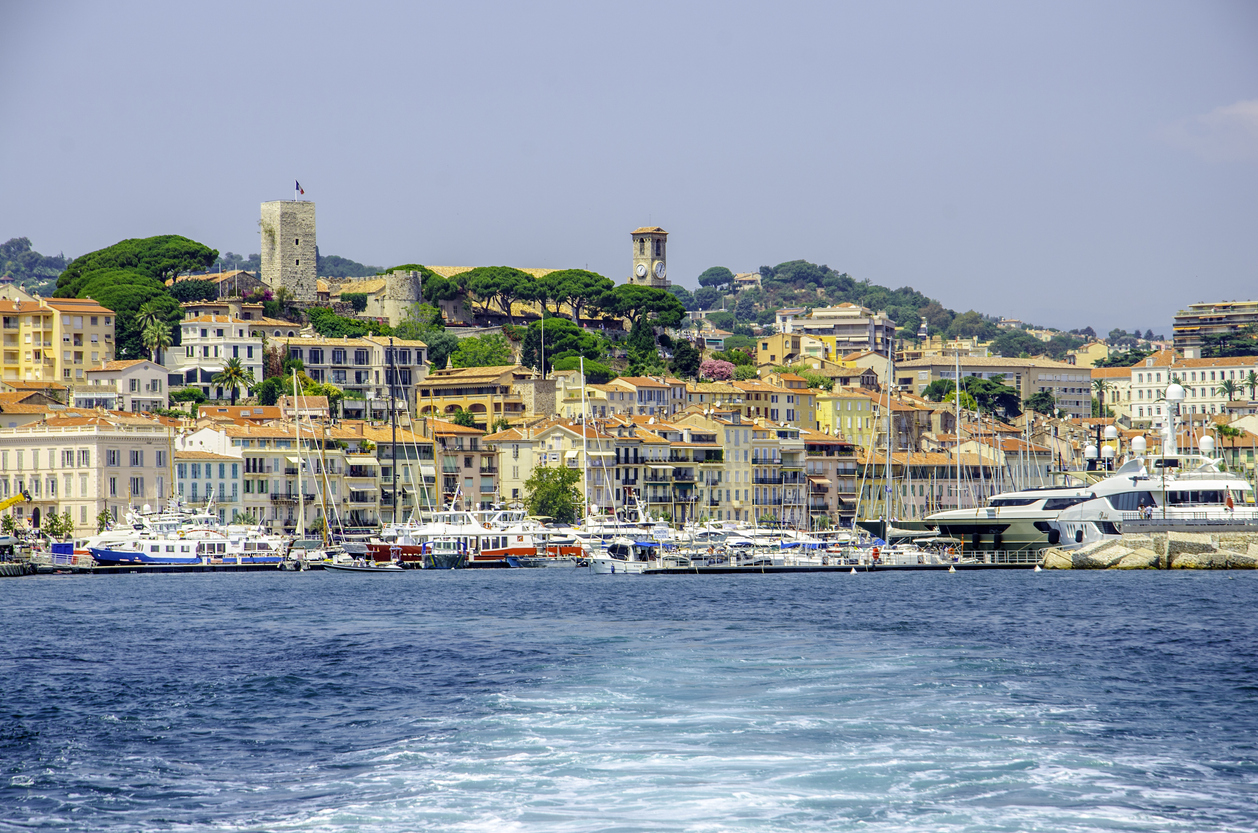
Le Suquet is the historic heart. This hilltop quarter rises above the Old Port, its lanes winding past pastel facades and small squares. At the top, a vantage point near the church and ancient fortifications grants panoramic views over the harbor, the city roofs, and the sea. Wandering here reveals a slower tempo: artisan shops, inviting terraces, and the feel of a Provençal village nestling within the city.
Vieux Port (Old Port)
The Old Port anchors Cannes to its maritime roots. Fishing boats bob next to sleek yachts, and the quayside hums with the rhythm of arrivals and departures. From here, ferries head to the Lérins Islands. The port is also a vantage point for admiring the cityscape: the hillside of Le Suquet on one side, La Croisette unfurling on the other. Sunrise and sunset offer especially photogenic light.
La Bocca
West of the center lies La Bocca, a district with a more residential feel and broad sandy beaches. It is popular with locals for leisurely swims and sunset walks. The sands here slope gently, making it a good choice for families who prefer quieter stretches away from the busiest sections of the Croisette. Markets and small squares add a neighborhood atmosphere.
Pointe Croisette and Port Canto
At the eastern end of the bay, Pointe Croisette offers sweeping views and a sense of openness. Port Canto provides moorings, a promenade, and access to calm waterfront spots. It is also a gateway to water sports and coastal walks, with landscaped areas ideal for a pause between activities.
Climate and the Best Times to Visit
Cannes enjoys a classic Mediterranean climate: warm, dry summers and mild, bright winters. The sea moderates extremes, and breezes keep summer temperatures pleasant by the water. Expect blue-sky days in most months, with occasional showers bringing freshness to the gardens and hills.
Spring (March–May) is one of the most appealing times to visit. Wildflowers bloom, markets brim with seasonal produce, and daytime temperatures are comfortable for city exploration and island hikes. Early spring also hosts cultural events, though accommodation demand rises during major congresses.
Summer (June–August) brings long daylight hours, peak beach season, and a busy events calendar. The sea is warm, and evenings invite al fresco dining. If you enjoy a lively atmosphere and seaside energy, this is your moment. For a quieter beach experience during summer, aim for early mornings or late afternoons.
Autumn (September–November) offers warm seas and fewer crowds. September remains vibrant thanks to nautical events and late-summer sunshine, while October and November are ideal for relaxed sightseeing, coastal walks, and markets. Many consider early autumn the sweet spot: still-summery weather with a gentler pace.
Winter (December–February) is calm and mild. Days are often clear and bright, making it excellent for photography, museums, and day trips inland. Festive decorations and seaside lights lend charm to year’s end, and walking the promenade in winter light is a quiet pleasure.
The Cannes Film Festival: How It Works and How to Experience It
The Cannes Film Festival is a cornerstone of the global cinematic calendar, known for premieres, artistic discovery, and industry networking. While the screenings are largely reserved for accredited professionals, the event transforms the city and offers a unique atmosphere for all visitors.
The Festival at a Glance
Each May, the world’s film community converges on the Palais des Festivals et des Congrès for a program that includes the Official Selection (Competition, Un Certain Regard, Out of Competition), parallel sections, and a bustling film market. The red carpet and evening premieres are highly choreographed affairs. Film professionals access screenings and events through accreditation badges, and many screenings occur across multiple venues.
Experiencing the Festival as a Visitor
Even without accreditation, you can feel the festival’s pulse. The atmosphere around the Palais is electric, with red-carpet arrivals drawing onlookers. Giant screens and public events sometimes complement the official program. The city often hosts open-air screenings on the beach during the festival period, offering a taste of the cinematic magic under the stars. Outside the immediate festival zone, Cannes continues to function smoothly: morning market visits, coastal walks, and island trips are all very feasible, especially if you plan around peak red-carpet hours.
Etiquette and Practical Notes During Festival Time
- Expect security checks near the Palais and temporary pedestrian flows during premieres.
- Dress codes vary. While formal attire is a hallmark of evening gala screenings, smart-casual is appropriate elsewhere.
- Restaurant reservations are advisable during peak days; flexible dining hours help avoid rush periods.
- Public transport and walking are often the easiest ways to move around the center during high-traffic moments.
Museums, Art, and Culture
Cannes supports a lively cultural scene that extends far beyond film. Small but distinctive museums, outdoor art, and seasonal exhibitions create a rewarding circuit for art lovers and curious explorers.
Musée des Explorations du Monde
Perched in Le Suquet within historic fortifications, this museum offers a mix of ethnographic collections, Mediterranean artifacts, and exhibitions that reflect the region’s connections to distant cultures. The setting is part of the experience: stone courtyards, quiet galleries, and terraces with far-reaching views over the bay. It’s a compelling stop for understanding how Cannes connects to broader histories of travel and exchange.
La Malmaison Art Center
On La Croisette, the La Malmaison art center hosts rotating exhibitions, with programming that often highlights modern and contemporary art. The scale is intimate, inviting thoughtful encounters with works rather than rushed walkthroughs. Combine a visit here with a promenade stroll or a stop at nearby gardens to balance art and sea air.
Public Art and Creative Corners
Street-level creativity is increasingly visible in Cannes. Murals, sculptures, and cultural installations dot the urban fabric, sometimes themed around cinema and local heritage. Keep an eye out along side streets and near cultural venues. These open-air artworks add color and narrative to the cityscape and are easy to fold into a day of exploring.
Beaches and the Seaside Culture
Beaches in Cannes line the curve of the bay, offering a blend of public stretches and serviced areas. The sands are generally fine and golden, and the water is calm thanks to the protective arc of the shoreline. Beach culture is woven into daily life—morning swims, leisurely lunches, and evening strolls are all part of the coastal cadence.
Public and Private Beaches
Public beaches provide free access and a relaxed spirit. Pack a towel, a hat, and sunscreen, and you’re set. Many public areas offer showers and seasonal lifeguards. If you prefer additional comforts, serviced beach sections can provide amenities. In summer, early arrivals secure the best spots, while late afternoons are peaceful and photogenic as the sunlight softens.
Water Activities
Calm conditions make the bay well-suited to gentle water sports. Stand-up paddleboarding, kayaking, and snorkeling along rocky corners can be especially rewarding in the morning, when the sea is glassy. Offshore, sailing and diving excursions reveal a different perspective on the coastline, while sunset cruises showcase the Esterel turning coral and gold.
Gastronomy and Markets: The Taste of Cannes
Cannes’ culinary scene blends Provençal traditions with Mediterranean ingredients, from fresh seafood to sun-sweet vegetables, aromatic herbs, and olive oil. The focus is on freshness, seasonality, and balance—flavors that sing without heaviness.
Marché Forville
Marché Forville is the city’s gourmet heart. Under its covered hall, vendors display seasonal produce, flowers, olives, cheeses, charcuterie, spices, and the catch of the day. The atmosphere is convivial, and the colors are irresistible: tomatoes in a dozen varieties, fragrant peaches, glossy peppers, and baskets of herbs. Arriving early lets you see chefs and home cooks choosing ingredients side by side. Around the market, small eateries serve plates that highlight market bounty.
Local Specialties and Flavors
Culinary influences draw from across Provence and the Mediterranean. You’ll encounter socca and pissaladière in the region, along with aioli, anchoïade, ratatouille, and fresh salads composed of tomatoes, olives, and fragrant basil. Seafood is a staple: grilled fish, shellfish platters, and soups perfumed with saffron and fennel. For a sweet finish, try candied fruits from nearby confectioners or classic tarts showcasing regional apricots and figs. Pair meals with rosé from Provence, crisp whites that suit seafood, or light reds that complement herb-laced dishes.
Dining Rhythm
Lunch typically stretches from midday into early afternoon, while dinner begins later than in some countries. Reservations are advisable at popular addresses in peak seasons, though you can often find a table by opting for earlier or later seatings. Outdoor terraces remain a highlight of Cannes dining, especially when a sea breeze drifts in at sunset.
Shopping and Style in Cannes
Cannes is synonymous with style, and shopping here covers the spectrum from luxury houses to independent artisans. The pleasure lies as much in the browsing as the buying—window displays, attentive service, and well-curated selections are part of the experience.
La Croisette
Along the Croisette, high-end boutiques showcase the latest collections, jewelry, and accessories. The windows alone are a visual treat, and seasonal installations often spill onto the promenade. During major events, you may find special displays and capsule offerings that add to the sense of theater.
Rue d’Antibes
Parallel to the Croisette, Rue d’Antibes is a lively artery for ready-to-wear fashion, shoes, and design shops. It’s a good place to find a balance between prestige labels and contemporary brands, with frequent new arrivals and a sociable shopping vibe.
Rue Meynadier and the Old Town
For a more local feel, Rue Meynadier near the Old Port hosts delicatessens, chocolate shops, and artisanal addresses. In the lanes of Le Suquet, you’ll meet craft makers, galleries, and specialty stores ideal for thoughtful souvenirs—olive wood, ceramics, and regional pantry staples that travel well.
Events Beyond the Film Festival
Cannes is a year-round city of events, with a calendar that blends creativity, business, sports, and maritime culture. While the Film Festival is the most visible, many other gatherings add energy and diversity to the year.
- International congresses and trade fairs: Cannes hosts significant events across sectors such as real estate, advertising, music, luxury goods, and technology. These bring a cosmopolitan crowd and an international perspective.
- Yachting and maritime events: The bay becomes a showcase for nautical expertise, from yacht shows to regattas. Even as a spectator, it’s a pleasure to see sails and hulls set against the Riviera light.
- Gastronomy and lifestyle festivals: Seasonal fairs celebrate regional produce, culinary artisans, and the art of living well by the sea.
- Music and performance: Open-air concerts, classical recitals, and contemporary performances dot the calendar, particularly in spring and summer.
During major events, the city’s rhythm quickens. If you value a quieter visit, consider shoulder-season weeks outside the busiest congress dates. If you’re drawn by the energy of global gatherings, plan accordingly and enjoy the cultural cross-pollination they bring.
Nature Escapes: The Lérins Islands
Just a short ferry ride from the Old Port, the Lérins Islands are Cannes’ natural sanctuary. Two principal islands—Île Sainte-Marguerite and Île Saint-Honorat—offer pine and eucalyptus forests, rocky coves, and translucent waters. A day trip here is a quintessential Cannes experience, balancing culture, history, and nature.
Île Sainte-Marguerite
The larger of the two islands, Sainte-Marguerite is a tapestry of shaded trails, fragrant groves, and quiet inlets. The Fort Royal crowns the island, its museum exploring maritime history and the legend of the Man in the Iron Mask. From the fort, paths radiate outward to shores where the sea turns shades of sapphire and emerald. Pack water and simple picnic provisions; the pleasure is in finding a shoreline nook and settling into the island’s tranquil rhythm.
Île Saint-Honorat
Smaller and more contemplative, Saint-Honorat is home to a community of monks. The island’s historic abbey and chapels are set among vineyards and pines, and the coastline offers sheltered spots to gaze back at the mainland. Visitors are welcome to stroll respectfully and absorb the serenity. The contrast between these two islands—Sainte-Marguerite’s spacious woodlands and Saint-Honorat’s spiritual quiet—makes visiting both especially rewarding.
Practical Notes for Island Visits
- Ferries depart regularly from the Old Port, with more frequent service in peak seasons.
- Wear comfortable shoes for walking on natural paths and bring sun protection; shade is plentiful but the light is strong.
- Swimming is possible in designated areas; water shoes can be useful along rocky sections.
- Carry out what you bring in to protect the islands’ fragile ecosystems.
Outdoor Activities, Sports, and Wellbeing
Cannes rewards an active approach. The city’s seafront, parks, and nearby hills create a diverse playground where you can mix gentle wellness routines with more energized pursuits.
Joggers and walkers find the Croisette ideal at dawn, when the water is still and the promenade quiet. Cyclists can trace the waterfront and branch into surrounding neighborhoods, while stand-up paddleboarders skim along calm morning waters close to shore. Sailing schools and boat charters allow you to test the wind beyond the breakwater, and divers explore areas where rocky seabeds support rich marine life.
Inland, the Estérel massif offers dramatic volcanic rock formations and trails with expansive views. The red cliffs meet the sea in sculptural ridgelines, and coastal paths provide photo-worthy outlooks around every bend. Golfers will find courses in the broader region; early tee times in summer make the most of cool hours and soft light.
Wellness is woven into the daily routine: a swim before breakfast, a peaceful hour in a shaded garden, or a stretching session on the beach at sunset. The city’s parks and green spaces, including moments of calm near the port and along the promenade, invite pauses that help balance an active itinerary.
Nightlife and Entertainment
Cannes after dark shifts into a refined, social mood. Evenings begin with an apéritif on a terrace, followed by dinner that lingers into late conversations. Summer amplifies the options with outdoor performances and seasonal programming, while the rest of the year maintains a dependable rhythm of live music, theater, and cinema.
The city’s venues range from intimate cocktail bars to waterfront lounges. Look for spots hosting acoustic sets, jazz nights, or DJ sessions, and check weekly listings for cultural events. Some evenings, pop-up installations or temporary exhibitions add spontaneity. As always on the Riviera, the dress code skews elegant without being overly formal—smart-casual works for most situations, with dressier touches for special evenings or festival-related events.
Family-Friendly Cannes
Cannes is accessible and manageable for families, offering gentle beaches, easy transport, and a compact center that limits long transfers. Child-friendly activities include beach days with soft sands and gradual entry into the sea, island excursions where trails are simple and shaded, and parks with space to run off energy. Markets introduce young travelers to new flavors and colors, and outdoor art provides playful visual discovery.
Consider structuring your day around the Mediterranean rhythm: active mornings before the strongest sun, a leisurely lunch, a quiet afternoon break, and a return to the promenade in the early evening. Public beaches often have lifeguards in summer, adding reassurance. For an educational twist, museums like the one in Le Suquet offer digestible exhibitions in atmospheric settings that capture children’s imaginations.
Getting There and Getting Around
Cannes is well connected by air, rail, and road, and moving within the city is straightforward thanks to walkable distances and a reliable local bus network.
Arriving by Air
The nearest major gateway is the international airport in Nice, which offers flights from numerous European and intercontinental cities. From there, Cannes is reachable by regional train, airport coach services that connect to the coast, or car hire. Travel time is typically under an hour depending on the mode and traffic conditions. Private transfers and ride-hailing services are also options from the airport to Cannes.
Rail Connections
Cannes sits on the coastal rail line that links key Riviera cities. Regional TER trains connect Cannes with Antibes, Nice, Menton, and westward to Saint-Raphaël and beyond. High-speed services from Paris reach the Riviera with a single train change in some timetables or direct seasonal options. The city’s central station is a short walk from La Croisette and the Old Port, making rail a convenient choice for many travelers.
Local Transport
The local bus network covers the city and suburbs, including routes that stretch along the coast and inland. Timetables are frequent on main lines, especially during the day. Taxis and ride-hailing operate throughout the city; during major events, booking in advance can be helpful. Cycling is increasingly facilitated with designated lanes in parts of the city and along the promenade, and bike-sharing or rental outlets are typically available. Many visitors find walking the most enjoyable option for the center, with shaded streets and frequent cafés for pauses.
Driving and Parking
Driving along the Riviera offers scenic views and flexibility for day trips. In the city center, parking garages are often the easiest solution, especially during busy periods. Pay attention to signage, as certain streets become more controlled during major events. If your plans combine beach time with urban sightseeing, consider parking slightly outside the peak zone and finishing by foot or bus.
Day Trips from Cannes
Cannes is an excellent base for exploring the wider Côte d’Azur. Trains, buses, ferries, and scenic drives open up options from hilltop villages to perfume ateliers and striking coastal cliffs.
- Antibes: A short train ride east, Antibes blends historic ramparts, a vibrant market, and a shoreline dotted with sandy coves. Its old town lanes and harbor provide a picturesque contrast to Cannes’ Croisette.
- Nice: The regional capital offers museums, grand squares, and a sweeping seafront. From Belle Époque architecture to modern art collections, Nice rewards a full day. The train ride hugs the coast, making the journey part of the pleasure.
- Grasse: Inland from Cannes, Grasse is famed for perfume. Explore perfume workshops, learn about traditional distillation, and enjoy cooler hill breezes and views over olive groves.
- Saint-Paul-de-Vence: This hilltop village has inspired generations of artists. Walled lanes, galleries, and stone archways create a day steeped in art and history.
- Théoule-sur-Mer and the Estérel: West of Cannes, dramatic red rocks plunge into the sea. Coastal trails and lookouts reveal striking geology and hidden coves.
- Saint-Tropez by sea: Seasonal ferries offer a scenic route across the gulf, avoiding summertime road traffic. The journey becomes a mini-cruise, and the destination’s harbor and lanes await on arrival—making it an ideal way to discover everything about Saint-Tropez.
- Sainte-Maxime: Located across the Gulf, Sainte-Maxime offers a more relaxed yet refined Riviera atmosphere, with sandy beaches, a charming town center, and easy access to the surrounding coastline. It’s an ideal destination for those looking to experience everything about Sainte-Maxime at a gentler pace than its glamorous neighbor.
When planning day trips, consider an early start to maximize time on the ground. If you’re relying on public transport, check return schedules—especially for ferries—to ensure a smooth trip back to Cannes.
Cannes for Business and Congress Travel
Cannes is well established as a hub for international congresses and professional gatherings. The Palais des Festivals et des Congrès sits at the heart of the city, steps from the port and the Croisette, which streamlines logistics for attendees. The compact footprint means many meetings, exhibitions, and dinners are within walking distance.
During large events, the city adapts to the professional rhythm: early starts, working lunches, and evening receptions. Public spaces host networking moments, and pop-up installations and branded art add a citywide dimension to business weeks. If your visit coincides with a major congress, plan extra time for transfers and consider dining reservations to align with your schedule. Outside of event hours, the Croisette and Old Port offer restorative walks that balance the intensity of the day.
Practical Tips, Etiquette, and Safety
Small adjustments can enhance your experience in Cannes, from navigating social customs to staying comfortable under the Mediterranean sun.
- Language: French is the official language, and a few phrases go a long way. A friendly bonjour and merci are appreciated. English is widely understood in central areas, especially in shops and cultural venues.
- Greetings and Politeness: Begin interactions with a greeting before diving into requests. In markets and small shops, this sets a positive tone.
- Dining Etiquette: Lunch and dinner often unfold at a leisurely pace. If you have time constraints, let your server know at the outset. Tipping is appreciated as a courtesy—rounding up or leaving a small amount—since service is typically included.
- Beach Etiquette: Respect designated smoking and non-smoking areas where signposted. Keep music to a considerate volume and dispose of waste properly. Many beaches encourage the use of ashtrays and provide recycling points.
- Sun Safety: The light can be strong even on breezy days. Sunscreen, hats, and hydration make beach and promenade time more enjoyable. Consider a shaded lunch break during peak midday hours in summer.
- Personal Belongings: As in any popular destination, keep an eye on valuables in crowded areas, especially during major events or in busy markets.
- Dress Code: Casual elegance suits Cannes. Smart-casual works for daytime and early evening; more formal attire may be expected for specific gala events or upscale dining rooms.
- Cash and Cards: Cards are widely accepted, but it’s handy to carry small cash for markets, tips, or small purchases.
Sustainability and Responsible Travel
Cannes’ natural setting is central to its appeal, and local initiatives increasingly emphasize preservation. Visitors can participate through simple choices that support a cleaner coastline and healthier marine ecosystems.
- Respect Protected Areas: On the Lérins Islands, stay on marked paths and observe signs that protect flora and fauna. Avoid collecting shells or disturbing marine life.
- Reduce Waste: Bring a reusable water bottle; look for municipal fountains or refill points. Sort recycling where bins are provided, especially at beaches and public spaces.
- Choose Low-Impact Transport: Walk, cycle, or use public transport for short trips. Ferries to the islands operate regular schedules—opt for off-peak times to reduce crowding.
- Support Local Producers: Markets and small shops emphasize seasonal, regional goods. Buying local reduces transport emissions and sustains regional agriculture and fisheries.
- Mind the Water: In summer, water conservation matters. Shorter showers and mindful use help the region manage seasonal pressures.
Small steps add up, and the reward is a Riviera experience that remains vibrant for generations to come.
Cannes Through the Seasons: What to Expect
Each season reshapes Cannes’ palette and rhythms, offering different gifts to travelers.
In spring, the city feels freshly minted. Gardens unfurl, markets glow with asparagus, strawberries, and artichokes, and watersports resume in earnest. Cultural programming picks up, and outdoor terraces regain their daily hum. Temperatures invite layers: a light jacket for mornings and evenings, with shirtsleeves by midday.
Summer is sensory. Lavender and pine scent the air, the sea warms to inviting temperatures, and evenings stretch tendrils of twilight late into the night. Plan beach days with shade in mind and consider pre-booking watersports at the height of the season. Expect a festive mood and a full calendar.
Autumn brings golden serenity. The sea remains warm through much of September and October. Trails on the Lérins Islands and in the Estérel are at their most pleasant, and cultural life stays busy without the summer peak. Menus pivot toward mushrooms, figs, and late tomatoes, with crisp air arriving gradually.
Winter shifts the focus to introspection and light. Sunny days are excellent for photography—sharper contrasts, calmer seas, and fewer crowds. Museums and markets feel intimate, and cafés become havens for reading and conversation. Occasional showers are brief interludes rather than extended disruptions.
Photography and Iconic Views
Cannes’ light has a painterly quality that rewards early risers and sunset seekers. For elevated panoramas, climb to the viewpoints in Le Suquet, where terracotta roofs and the curve of the bay echo classic Riviera scenes. Along the Croisette, align palm trees against morning skies or capture reflections in the calm water near Port Canto. On the islands, look for compositions that combine pines, pale rocks, and translucent coves—a study in Mediterranean hues. During events, candid street scenes around the Palais tell the story of a city in conversation with the world.
Well-Planned Itineraries: Suggestions by Interest
With so much to do, a themed approach can help you focus your time.
- Classic Cannes in a Day: Morning stroll on La Croisette; coffee near the Old Port; climb Le Suquet for views and a museum visit; lunch by the market; afternoon beach time or island trip; evening promenade and a cultural event.
- Art and Culture: Start at La Malmaison; explore public art and galleries along Rue d’Antibes and side streets; head to Le Suquet’s museum and finish with a sunset over the port.
- Sea and Nature: Early ferry to Île Sainte-Marguerite; hike coastal paths; swim in a sheltered cove; return for a late-afternoon paddle or sail along the bay; dinner with a sea breeze.
- Gastronomy and Markets: Morning at Marché Forville; tasting stops for olives, cheeses, and pastries; a cooking class or workshop when available; evening dedicated to seafood and local wines.
- Family Discovery: Beach play on a gentle public stretch; picnic on the islands; ice cream along the port; a carousel or park stop; nightfall stroll with street performances in summer.
Cultural Conventions and Local Character
Part of Cannes’ charm is its blend of global polish and local warmth. The city welcomes international visitors without losing sight of its Provençal roots. You’ll see this in the patience of a market vendor discussing seasonal produce, the pride of a fisherman describing the morning’s catch, or the quiet care taken with public gardens and seaside promenades. Embracing the local pace—never rushed, always attentive—makes your time here more rewarding.
Cannes on a Balanced Budget
Cannes can be tailored to many budgets with a little planning. Public beaches provide free, beautiful settings for those who bring towels and a simple picnic. Markets and bakeries are perfect for assembling lunches of bread, cheeses, and fruit. Museums and cultural centers often feature modest entry fees, and city parks and island trails are free to explore beyond ferry costs. For dining, mix casual lunches with a few special-occasion dinners, and seek out neighborhood addresses just off the busiest streets for value and atmosphere.
What Makes Cannes Enduringly Special
Ask a dozen visitors what they loved most about Cannes, and you’ll hear different answers. Some will mention the clarity of the light and the theater of La Croisette. Others will recall a quiet island cove, a market tomato that tasted of sunshine, or the unexpected delight of a street performance on a warm evening. Film aficionados will never forget their first glimpse of the red carpet; sailors might dream of the bay fringed by the Esterel. The common thread is a city that stages both spectacle and simplicity, allowing you to move easily between public glamour and private moments of wonder.
Conclusion
Cannes is more than a glamorous postcard—it is a complete destination where heritage, culture, nature, and contemporary life intersect. Its neighborhoods invite unhurried exploration; its beaches and islands offer restorative calm; its markets and restaurants celebrate Mediterranean abundance; and its events connect the city to the wider world. Whether you come for cinema, seaside days, or the pleasure of discovering a refined Riviera town at your own pace, Cannes welcomes you with variety and balance. Plan a few anchors—an island hike, a museum hour, a market morning—and leave space for the serendipity that Cannes does so well: a sunset that stops you mid-step, a small gallery that becomes a highlight, a conversation with a vendor who turns a simple taste into a memory. In Cannes, the essentials are all within reach; the art is in how you arrange them to make the city your own.
Exploring the French Riviera? Discover our carefully selected holiday villas on the Côte d’Azur and find the perfect place to stay.

