

 EN
EN  NL
NL
 DE
DE
 FR
FR

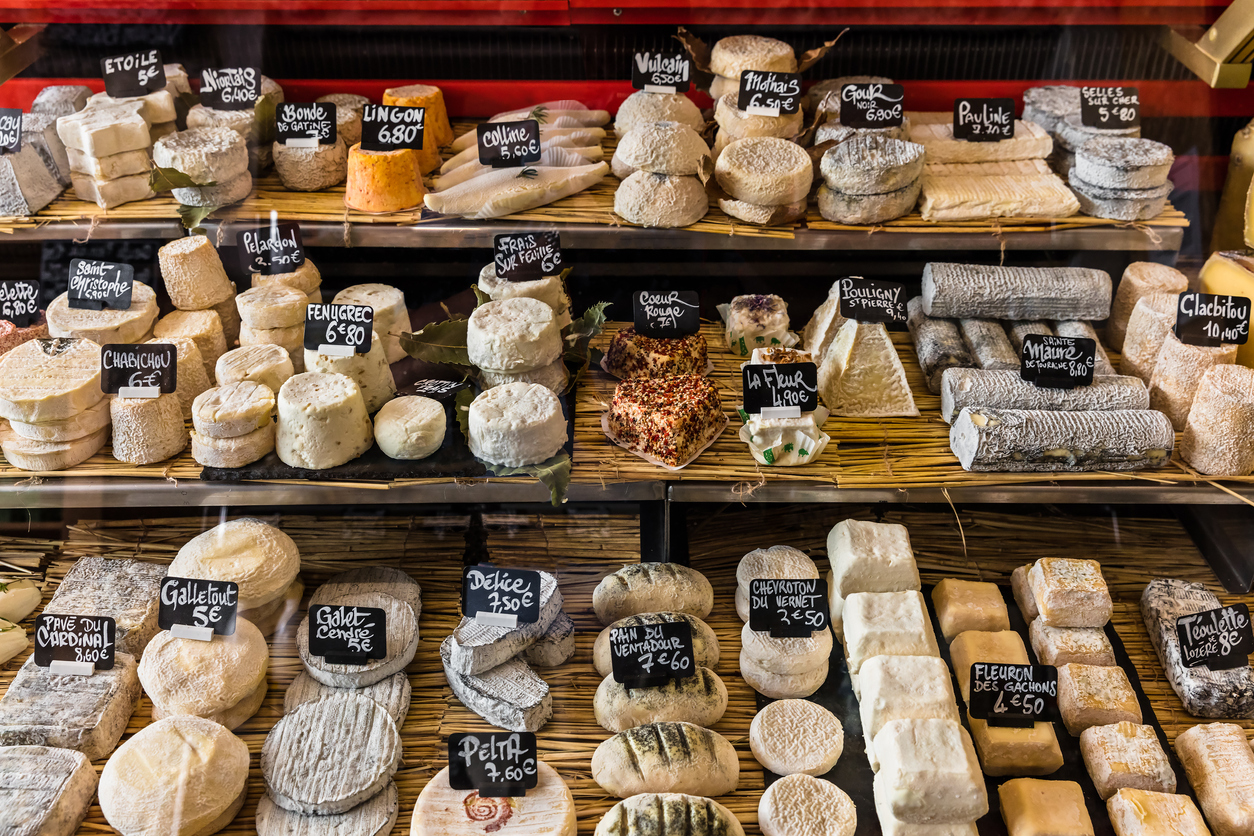
Cheese from the Var and Provence – Discover the Flavours of the Côte d’Azur
Sun-glazed hills, fragrant garrigue, and Mediterranean breezes set the stage for one of Southern France’s most soulful pleasures: cheese. From the Var’s chestnut forests and red-rock massifs to the high pastures of the Alpes-Maritimes, the Côte d’Azur hides a world of small-batch, character-rich cheeses that are as much a part of local life as rosé and ripe figs. This guide takes you beyond postcard views to the rustic markets, hillside farms, and village festivals where cheese is made, sold, and savoured. Think Banon wrapped in chestnut leaves, airy brousse fresh enough to spoon, and tommes that carry the scent of thyme, savory, and wild fennel straight from the scrubland. If you love discovering a place through your senses, Provence and the Var offer a delicious path into the region’s culture.
Why Provence and the Var Taste the Way They Do
Côte d’Azur cheeses are born from their landscape. Goats and sheep browse low on thyme, rosemary, and savory, lending their milk a naturally herbaceous depth. On the coast, mild sea air keeps pastures green longer than in many inland regions; in the interior, limestone plateaus and mica-schist massifs create microclimates that influence everything from grazing patterns to maturing cellars. In summer, animals move to higher ground where the herbs are still fresh. In winter, they feed on stored hay and straw, which softens the milk’s aromatics and yields gentler cheeses. This ebb and flow shows up on your plate: bright and floral in spring, lush and creamy in early summer, firmer and nuttier as autumn leads into the cooler months.
The soil and rock matter too. Limestone-rich areas around the plateau of Caussols north of Grasse favor cheeses with a delicate minerality. The granites of the Maures near La Garde-Freinet and the volcanic reds of the Estérel around Agay yield pastures dotted with broom and rockrose; goat cheeses here often have a subtle resinous perfume that’s fabulous with a drizzle of local honey. On the eastern edge, near the Italian border, alpine pastures in the Roya and Vésubie valleys give tommes with higher aromatic complexity and a longer finish.
A Short History of Cheese-Making in Provence
Cheese-making in Provence dates back to Roman times, when shepherding was a pillar of everyday life. For centuries, small farms produced simple, fresh goat cheeses known as lactiques—delicate rounds set with natural cultures and shaped in perforated molds. In the mountains, shepherds crafted firmer tommes that could be transported and stored. The culture of transhumance—the seasonal movement of herds between lowland winter pastures and summer grazing in the high country—still shapes production rhythms. Today, many family-run farms continue this tradition, often using raw milk and hand-ladling techniques that preserve the milk’s nuances. A handful of cheeses have achieved protected status, and many more are quietly exceptional, discovered at a stall tucked into a village lane or from a farmer selling direct from the gate.
Meet the Stars: Iconic Cheeses of the Côte d’Azur
Banon AOP: The Provençal Classic in Chestnut Leaves
Known for its chestnut leaf wrapping and soft, creamy heart, Banon is an AOP cheese from the foothills of the Alps, especially around Banon and the Forcalquier region. Traditionally made with goat’s milk, Banon is aged for a short time before being wrapped in chestnut leaves and tied with raffia. The leaves protect the cheese, hold in moisture, and guide its flavor: think gentle hazelnut notes, hints of forest after rain, and a texture that becomes spoonable when ripe. Ask your cheesemonger about the maturity: a young Banon will have a firmer heart and a tangy edge, while a more advanced one oozes under the leaves and sings with sweet, lactic warmth.
When you’re inland in the Var, look for Banon at weekly markets in Lorgues (Tuesday), Aups (Wednesday and Saturday), and Cotignac (Tuesday). In season, certain farms showcase their own leaves collected in the autumn—a small detail that makes a noticeable difference in the cheese’s aroma.
Brousse du Rove: A Delicate Spoonable Treasure
Brousse du Rove is a delicate fresh cheese from the Rove goat, traditionally produced around the Marseille calanques and into Provence. Light and airy, it’s somewhere between ricotta and a soft curd, with a barely-there sweetness and a whisper of herbs. Look for molded, slightly conical forms eaten the day they’re made or within 48 hours. A drizzle of lavender honey or a few shards of candied lemon peel turns it into a perfect afternoon treat. You’ll often spot it at markets around Aubagne, Aix, and occasionally drifting eastward toward Toulon and the Var. If you come across a brousse that’s been lightly salted and paired with olive oil and black pepper, don’t hesitate—this savory version is gorgeous beside ripe tomatoes or grilled courgettes.
Tommes of the Alpes-Maritimes and the Haut-Var
Head north from the coast into the foothills and mountains—Saint-Martin-Vésubie, the high villages above Grasse, or the plateau near Caussols—and you’ll find firm and semi-firm tommes made from goat, sheep, or mixed milks. These tommes often develop a natural rind, sometimes dusted with specks of blue-grey mold that signal a healthy flora rather than overpowering funk. Expect flavors that evolve from buttery and lactic to nutty and herbaceous as the months pass. In the Roya and Tinée valleys, summer milk yields tommes with aromatic lift and a longer finish—ideal for slicing thin over a salad of fennel and orange or nibbling with olives cured from the local Cailletier variety.
Sheep’s Milk Discoveries from Haute-Provence and the Verdon
While goat’s milk dominates closer to the coast, sheep thrive on the windy plateaus of Haute-Provence and the Verdon region. Their cheeses—firm tommes and supple semi-soft rounds—carry a sweet creaminess and a lingering, slightly lanolin note that pairs beautifully with stone fruit or chestnut honey. Look for small wheels with washed rinds that take on apricot hues, and ask for “printemps” or “été” milk for brighter, floral aromas. In winter, sheep’s milk tommes are richer and make a satisfying centerpiece with roasted almonds and a glass of red from Bandol.
Farmstead Goat Cheeses of the Maures and Estérel
The Maures Massif between La Garde-Freinet and Collobrières and the Estérel’s rust-red hills near Agay and Les Adrets nurture a mosaic of small herds. Many farmers here produce lactic goat cheeses in a range of maturities: fresh buttons, ash-coated logs, wrinkled discs with a fine, brainy geotrichum rind, and firmer, aged versions with a fragile, ivory crust. When fresh, these cheeses are bright, citrusy, and delicate; as they age, they become more concentrated, sometimes developing a pleasant mushroomy hint.
Where to look if you want that “only locals know” feeling:
- The Fayence plateau: between Seillans and Callian, roadside farm stands often sell chèvre frais early in the day. If you drive the D56 route at breakfast time, especially in spring, you may catch signs for “fromage de chèvre” pointing down narrow lanes.
- Collobrières backroads: near the Chartreuse de la Verne, small farms sometimes offer cheese at the gate. Combine the drive with a walk under chestnuts and a stop in the village for candied chestnuts—an unexpectedly lovely partner for gently aged goat cheese.
- Gorges du Blavet near Bagnols-en-Forêt: hike among red cliffs in the morning, then head into the village to find a seasonal stall with ash-coated chèvres that travel well for a picnic.
A Seasonal Calendar for Provençal Cheeses
Seasonality matters. It shapes textures, intensities, and even availability. Here’s how to plan:
- Late winter to early spring (February–April): First kidings bring small-batch chèvre frais—vibrant, ultra-delicate cheeses perfect with citrus, peas, and spring herbs. Brousse is at its best, and Banon begins to appear again in earnest.
- Late spring to early summer (May–June): Peak goat’s milk quality. Look for slightly aged lactic cheeses that hold their shape but still melt on the tongue. Tommes from early summer milk start developing expressive aromas.
- Midsummer (July–August): Production can slow as heat stresses animals. Seek mountain cheeses from higher pastures—Vésubie, Tinée, and Ubaye valleys—or choose firmer tommes made earlier in the season. Fresh chèvres remain available but sell out early in the morning at markets.
- Autumn (September–October): A golden window. Cheeses have concentration without heaviness. Banon wrapped in chestnut leaves shines, and sheep’s milk tommes show gentle sweetness. Pair with figs, late-season grapes, and olive oil from the new harvest.
- Winter (November–January): Firmer tommes, cheese matured longer in cave, and hearty pairings. Look for market stalls at truffle fairs in Aups to bring home cheese for shaving with Tuber melanosporum.
Where to Taste and Buy: Markets, Village Fairs, and Summer Pastures
Big Markets with Serious Selection
The Côte d’Azur’s marquee markets are reliable places to meet veteran cheesemongers who curate local and seasonal finds.
In Nice, the Cours Saleya morning market has stalls where you can ask for chèvre “bien fait” (more mature) or “mi-sec” (mid-aged). On Saturdays, the Libération market buzzes with producers from the arrière-pays bringing tommes and brousse. Cannes’ Marché Forville is a magnet for high-quality dairy; come early if you want brousse before it disappears. In Antibes, the Marché Provençal under the covered hall is a lovely spot for Banon AOP and ash-coated logs, especially midweek when crowds thin.
Hidden Village Markets and Fairs
Several inland markets are less flashy but deeply rewarding. The Tuesday market in Lorgues is one of the Var’s most abundant; look for stalls from small goat farms on the road to Taradeau. In Cotignac, the Tuesday market spreads beneath cliffs and troglodyte caves—grab a wedge of sheep’s tomme and a loaf of fougasse for a picnic under plane trees. Aups hosts a truffle market in winter, but year-round you’ll find goat’s cheeses from the foothills of the Verdon. Try asking for “la cendrée d’hier” if you like a slightly drier ash-coated round.
A lesser-known detour: the Thursday market in Le Val, just north of Brignoles. It’s modest, with a couple of producers who sell gently wrinkled chèvres that are excellent with olive tapenade or confit lemons. If you’re near Fayence on a Saturday, swing through Seillans’ small morning market and then walk up to the church square for panoramic views—perfect for tasting a newly acquired round of moelleux goat cheese.
Summer Mountain Pastures and Alpine Huts
From late June to early September, some producers set up temporary sales at high pastures. In the Vésubie valley, near Saint-Martin-Vésubie, ask in town for directions to a bergerie open to visitors; you might find tommes maturing in cool stone rooms and fresh yogurt-like laits caillés served in simple cups. Farther north around Castérino and the Vallée des Merveilles, hikers often stumble upon shepherds selling slices of tomme or fresh curds by weight—bring cash and a container. It’s rustic and not guaranteed, but stumbling upon a wedge of cheese with a view of larch forests and ancient rock engravings is the kind of memory that anchors a trip.
Pairing Cheese with Local Wines, Oils, and Honey
Provençal cheeses are naturally sociable. Pairing them with local bottles and cupboard staples ties your tasting directly to place.
- Rosé from Côtes de Provence: A chilled, bone-dry rosé from subzones like Sainte-Victoire or La Londe is tailor-made for fresh chèvre. The wine’s delicate red-fruit notes and saline edge echo the cheese’s brightness.
- White from Cassis: Mineral, citrus-tinged whites from Cassis AOP are gorgeous with brousse and lightly aged goat cheeses. A squeeze of lemon zest over brousse and a splash of local olive oil bridges the pairing.
- Red from Bandol: For firmer sheep’s tomme and matured Banon, Bandol offers structure without overpowering. Look for vintages with a few years in bottle to soften the tannins.
- Bellet whites from the hills of Nice: Rare and perfumed, Bellet whites lift nuanced tommes from the arrière-pays with floral and herb accents that feel made for each other.
- Olive oils: In the Var, Bouteillan and Aglandau produce peppery, green oils that cut through rich textures, while in the Alpes-Maritimes, AOP Nice oil from Cailletier olives is softer and almond-like—ideal for brousse or delicate chèvre frais.
- Honey: Try lavender honey with fresh chèvre; chestnut honey with Banon; and maquis honey (wildflower blends from scrubland) with semi-firm tommes.
Cheese in Provençal Cuisine: Simple Dishes, Big Character
Provençal cooking treats cheese with restraint. Instead of blanket melting, you’ll find thoughtful tosses, drizzles, and dollops that let the milk sing.
For a warm starter, grill a small round of goat cheese on a slice of country bread and top with thyme and a spoon of fig jam. Drizzle with olive oil and serve over peppery arugula. In Nice, tourte de blettes—an iconic chard tart—often includes brousse for a silkier filling. Barbajuans, the Riviera’s savory turnovers, are sometimes packed with chard and fresh cheese; they’re a smart way to use brousse you bought that morning. In Marseille and around the calanques, tartes à la brousse—sweet or savory—showcase its airy texture. And if you pick up sun-warmed tomatoes and basil from the market, crumble a mid-aged chèvre over them with lemon zest for a five-minute lunch that tastes like summer.
Don’t overlook fromages forts and marinated cheeses. A Provençal grandmother’s trick: mash the last bits of several cheeses with garlic, herbs, a splash of local white wine, and olive oil for a spread that begs for toast and olives. You’ll also see semi-dried goat medallions preserved in olive oil with thyme and pink peppercorns—delicious on a board beside roasted peppers or grilled artichokes.
A Coastal-to-Hinterland Cheese Trail: Three Days of Tasting
If you want to weave cheese into your exploration of the Côte d’Azur, try this relaxed loop. It keeps distances short and leaves room for swims, hill walks, and long lunches.
Day 1: Nice and the Hills Above
Start at the Cours Saleya in Nice. Grab fresh brousse and a wrinkled chèvre, then wander the old town with a cup of iced coffee. Drive up toward Saint-Paul-de-Vence for art and shady lanes; nearby, the tiny chapel at Saint-Jeannet opens onto a lookout favored by paragliders. If you’re up for a detour, continue to the plateau of Caussols. The windswept limestone scenery and old stone bergerie huts bring the pastoral history to life. Back down, pick up a Bellet white from a hillside domaine and pair it with your morning cheeses on a terrace at sunset.
Day 2: Cannes to the Fayence Plateau
Begin at Forville market in Cannes and ask for Banon at peak ripeness—your cheesemonger will likely slip a small plastic tray under the leaf-wrapped cheese for safe travels. Head west along the coast, then turn inland to Bagnols-en-Forêt for a short walk near the Gorges du Blavet’s dramatic red sandstone. Continue to Fayence or Seillans for rustic goat cheeses at a village stall. Consider a mid-afternoon stop at the lookout in Seillans’ upper square; when the bells strike, it feels timeless. For dinner, slice semi-firm tomme into a salad of roasted peppers, tapenade, and anchovy. The combination is salty, sweet, and utterly Provençal.
Day 3: Central Var and Chestnut Country
Set your compass for Collobrières via La Garde-Freinet. The chestnut groves hum with cicadas in summer; in autumn, they glow copper. Visit the Chartreuse de la Verne, a serene 12th-century monastery tucked deep in the hills. Afterward, hunt for ash-coated chèvres from roadside farms or a small market stall. If it’s Tuesday, swing by the bustling market in Lorgues to complete your board with bread, olives, and fruit. For a late-day pause, drive to Sillans-la-Cascade for a shady walk to the turquoise waterfall—a lovely spot to savor your haul before the last light fades.
Understanding Texture and Rind: A Crash Course in Affinage
Cheese language can be simple. Here’s what you’re likely to encounter in Provence and the Var, and what it tells you.
- Lactique chèvre frais: Fresh goat cheeses set with lactic cultures and little rennet. Textures range from creamy-spreadable to lightly chalky. Flavors are bright, citric, and clean. Great with olive oil, pepper, and herbs.
- Geotrichum rind: The natural, wrinkled “toad skin” rind on many small goat cheeses. It brings a mushroomy, yeasty aroma. Underneath, the paste gets runny as it matures. If you like intensity, choose a round that has just begun to slump.
- Ash-coated logs or discs: Ash neutralizes the surface acidity, encouraging even ripening and offering a hint of mineral flavor. These look dramatic on a board and travel well.
- Leaf-wrapped cheeses: Banon’s chestnut leaves protect and perfume the cheese. Aroma terms you might hear: underbrush, hazelnut, sweet cream.
- Tommes: Semi-firm to firm cheeses with natural rinds. Expect butter, nuts, hay, and, in mountain versions, a clean alpine note. Sliced thin, they become elegant rather than heavy.
Practical Tips for Buying, Storing, and Serving in the Mediterranean Climate
Heat, sun, and salt air are part of the charm here, but they’re not cheese’s best friends. A few practical moves will keep your finds in peak condition.
- Shop early: Market cheeses are freshest in the morning. By midday, delicate brousse can wilt.
- Ask by maturity: Use “très frais,” “mi-sec,” or “bien fait” to signal your preference. Cheesemongers are happy to cut or choose accordingly.
- Transport smart: Carry a small insulated bag with a cold pack. Your wine merchant may offer a frozen sleeve; it works for cheese too.
- Store loosely: At home, wrap cheese in breathable paper (many stalls provide it) or parchment. Avoid plastic wrap for goat cheeses, which traps moisture and blunts aromas.
- Serve cool, not cold: Remove cheese from the refrigerator 30–45 minutes before serving. In high summer, 20–25 minutes is enough.
- Season with restraint: A thread of olive oil, a crack of pepper, a few leaves of thyme. Let the milk lead.
- Refresh leftovers: If a fresh chèvre dries slightly, crumble it over pasta with grilled zucchini, lemon, and mint.
Lesser-Known Spots for Cheese Lovers
Beyond the marquee markets, the Côte d’Azur is dotted with small places where cheese fits naturally into the day’s wanderings.
Try the plateau at Caussols north of Grasse, where an easy loop walk passes dry-stone sheepfolds and fields of wild thyme. On the way back, stop in Gourdon for an espresso and a slice of tomme with quince paste. East of Saint-Tropez, the narrow road up to the Chapelle Notre-Dame de Constance in Bormes-les-Mimosas leads to a breezy belvedere; bring a picnic of Banon and local tomatoes to enjoy with sweeping views of the Golden Isles. In the Tanneron hills, especially January to February when mimosas bloom, pull over at a small viewpoint and pair a mid-aged chèvre with citrus fruit picked up from a roadside stand—one of those tiny luxuries that become a touchstone memory.
For a blend of culture and taste, head to Le Thoronet Abbey, a masterpiece of Cistercian austerity tucked in a silent valley. After a visit, drive ten minutes to a nearby village café and order a simple assiette de fromages. With luck, it will include a local tomme and a wrinkled mini-chèvre alongside fig confit. If you’re around Salernes, known for terracotta tiles and small ceramic studios, look for a craftsperson’s open atelier sign and pop in before the town’s market; the juxtaposition of clay and curd says “Provence” without a word.
Sustainability, Breeds, and the Human Story
Cheese here is a human-scale story. The Rove goat—adapted to the dry, scrubby hills around Marseille and the Var—produces milk that’s low in volume but high in flavor. Its resilience keeps herds viable on rough terrain, and its milk underpins brousse and many small lactic cheeses. In higher country, the Préalpes du Sud sheep and other hardy breeds sustain a pastoral rhythm that keeps landscapes open and resilient against fire. Many producers practice transhumance, which spreads grazing pressure and protects biodiversity. Buying cheese from market stalls and small shops directly supports these practices, preserving both taste and tradition.
Waste is minimal: whey from cheesemaking feeds pigs or enriches soil; leaf wrappings and raffia ties are compostable. Some cheesemakers experiment with solar-powered maturation rooms and rainwater capture. Ask questions when you buy—farmers love to talk about their herds, their hay, and the plants that shape the milk. You’ll learn quickly that each cheese is a landscape in miniature, changed by sun, rain, and the shepherd’s daily choices.
Building the Perfect Côte d’Azur Cheese Board
To bring the region to your table, mix milk types, textures, and maturities, and add a few local extras. A balanced board might include:
- Fresh brousse: Spoonable and lactic. Serve with olive oil, lemon zest, and flaky sea salt.
- Wrinkled goat disc: Geotrichum-rinded “mi-sec” cheese for mushroomy depth.
- Banon AOP: Leaf-wrapped, soft, and nutty. Open the leaves at the table for aroma theater.
- Firm sheep’s tomme: Nutty and slightly sweet, sliced thin.
- Optional ash-coated log: Adds visual contrast and a lightly mineral note.
Round it out with black olives from the hills above Nice, a dish of candied citrus peel, roasted almonds, grape clusters, and a few slices of fougasse. For wine, choose a rosé from a subzone you haven’t tried or a Bellet white to spark conversation. If you want a no-alcohol option, chilled verbena or thyme infusion complements goat cheeses beautifully.
How to Talk to a Provençal Cheesemonger
Shopping is more fun when you speak the local cheese dialect. A few phrases go a long way:
- “Plutôt frais, s’il vous plaît” (rather fresh, please): for delicate goat cheeses.
- “Mi-sec” (mid-aged): balanced moisture and flavor.
- “Bien fait” (fully ripe): runny under the rind with pronounced flavor.
- “Pour aujourd’hui ou pour demain?”: they’ll tailor the cheese to when you plan to eat it.
- “Sans trop de sel”: if you prefer lower salt.
Let them guide you. Say what you’re serving—salad, picnic, apéritif—and they’ll suggest shapes and maturities that travel well and fit your plan. Many stalls will pack cheeses separately with a cool pack if you ask, especially in mid-summer.
Picnics with a Sense of Place
Provence and the Var invite picnics. A few scenic spots where cheese naturally tastes better:
- Cap d’Antibes coastal path: Start early to beat the sun, and stop at a shady bench overlooking sparkling coves. A wrinkled chèvre and a handful of cherry tomatoes make a simple feast.
- Estérel’s Corniche d’Or pullouts: Between Saint-Raphaël and Théoule-sur-Mer, small roadside niches open onto red cliffs and blue sea. Bring firm tomme—it handles the heat.
- Caramy Gorges near Carcès: A shaded riverside path with turquoise pools; pick a cool rock and slice Banon with peaches.
- Domaine du Rayol Mediterranean Gardens: After strolling the themed landscapes, find a quiet bench above the sea. Brousse with olive oil and lemon is perfect here.
From Market Bag to Table: A Day of Provençal Eating
Morning: Pick up brousse, a small ash-coated chèvre, tomatoes, basil, and a loaf with a good crust. Breakfast is brousse with honey and a few strawberries. Save the rest for lunch.
Lunch: Slice tomatoes, scatter torn basil, and add coins of chèvre. Drizzle with olive oil and lemon zest. Finish with cracked pepper. If you found anchovies at the market, lay a few on the side and nibble between bites of cheese to contrast salt and cream.
Apéritif: Bring out a leaf-wrapped Banon and open it at the table. Pour glasses of dry rosé. Offer almonds, olives, and a small dish of apricot jam. The jam lifts Banon’s nutty sweetness without overpowering it.
Dinner: Grilled vegetables—peppers, zucchini, fennel—tossed with thin shavings of sheep’s tomme. A handful of herbs from the garden and a few capers tie everything together. If you have a day-old end of chèvre, crumble it into an omelet for an easy second course.
What to Watch for and When to Be Picky
Even in paradise, not every cheese is perfect. Skip anything that smells sharply of ammonia or has a sticky rind on goat cheeses that should be dry to the touch. On hot days, avoid soft cheeses that have sat in direct sun. For leaf-wrapped Banon, look for leaves that are supple and slightly glossy rather than brittle and brown; the cheese inside should bulge softly without leaking. If you prefer gentler flavors, choose fresh chèvres no larger than a palm—they ripen faster and tend to be brighter. For tommes, ask for a “talon” (end piece) if you like a thicker rind and deeper flavor; ask for a center slice if you prefer a milder profile.
A Note on Raw Milk and Food Safety
Many of Provence’s best cheeses are made with raw milk, which preserves complex aromas. If you’re pregnant or immunocompromised, seek pasteurized versions—most market cheesemongers clearly label their products and will happily guide you. For everyone else, keep cheeses cool, consume within a couple of days for fresh styles, and let matured cheeses breathe briefly before serving. Reasonable care preserves both pleasure and peace of mind.
When Cheese Meets the Sea: A Riviera Twist
Coastal markets often pair cheese with Mediterranean accents: sea fennel, preserved lemon, and anchovy-laced condiments. Try a thin smear of tapenade on toast under a slice of mid-aged chèvre; the olive’s bitterness highlights the cheese’s sweetness. Or tuck a sliver of preserved lemon into a brousse tartine with black pepper for a sunny, briny bite. In the fishing villages around La Seyne-sur-Mer and Bandol, you may see goat cheeses sold beside jars of bottarga; shaved lightly over a simple goat cheese salad, it adds a whiff of the sea that somehow makes perfect sense on the Côte d’Azur.
Bringing It Home
Cheese travels best when it’s firm. If you’re carrying a taste of Provence home, choose small tommes and mid-aged goat logs. Ask for vacuum sealing where available—it’s common for tommes and safe for a week or two. Keep brousse and leaf-wrapped Banon for on-the-spot enjoyment; these are about immediacy, not souvenirs. For gifts, olive oil, honey, and local almonds complement cheese-loving friends and survive journeys with less fuss. A bottle of rosé from a subzone you discovered along the way will anchor your memory to a place and a day.
Conclusion: The Côte d’Azur, on a Board
Cheese in the Var and Provence is more than a delicacy; it’s a conversation with the land. Every stop—from a shaded stall in Aups to a windswept pasture above Vence—adds a page to the story. You don’t need a checklist or a map of certifications to enjoy it. Follow the markets, ask a few questions, taste often, and let a cheesemonger guide you toward what’s best that morning. Tuck a round into your bag, drive up to a chapel that watches the sea, and take a bite while the cicadas hum. The flavors will tell you where you are: among thyme and stone, salt and wind, in a corner of France that still knows how to let simple things shine.
Exploring the French Riviera? View all our holiday villas on the Côte d’Azur.

