

 EN
EN  NL
NL
 DE
DE
 FR
FR

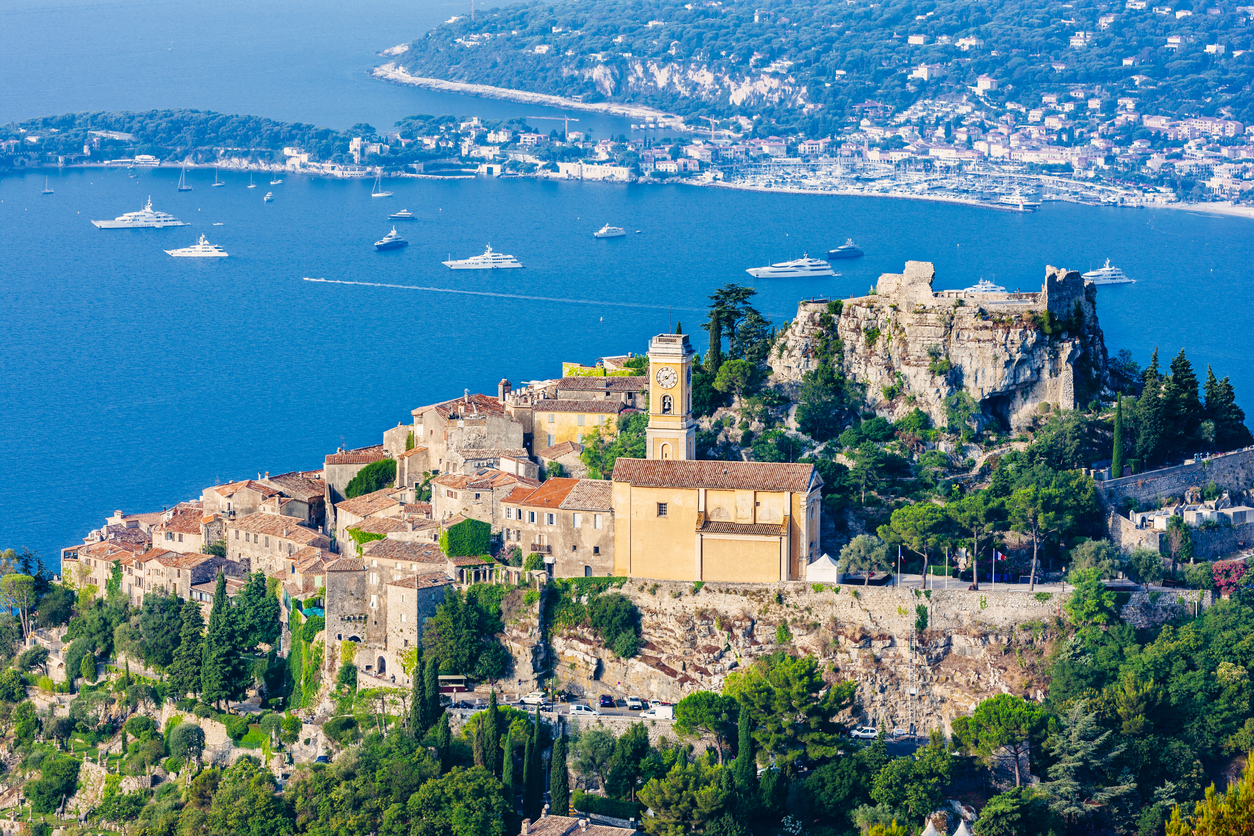
Day Trip to Èze: A Hidden Gem on the French Riviera
Discovering Èze: A Hilltop Village with Sea-Born Light
Perched dramatically between the turquoise sweep of the Mediterranean and the serrated foothills of the Alpes-Maritimes, Èze is a village that feels suspended in time. Stone lanes spiral upward like a shell, past ivy-draped archways, bougainvillea, and hand-carved doors burnished by centuries of salt air. From its vantage point, the horizon appears almost infinite, dotted with sailboats that seem to drift beneath your feet. Whether you’re traveling from Nice, Monaco, or elsewhere along the French Riviera, a day in Èze is a chance to slow down and experience a quieter cadence of Côte d’Azur life—one scented with citrus, wild herbs, and the unmistakable notes of perfume that have shaped the region’s cultural identity.
This guide offers a detailed roadmap to help you make the most of a single day in Èze. From practical route options and a curated walking plan to deep context on history, perfume craft, and local cuisine, you’ll find thoughtful suggestions for a day that balances beauty with insight. The aim is to help you experience more than just the views—though those are spectacular—but also the textures, sounds, and stories that define this remarkable village.
Why Èze Makes a Perfect Day Trip
Èze’s charm is intensely concentrated, making it ideal for a day visit. You can traverse its cobbled lanes, explore artisan ateliers, and take in world-class viewpoints in a compact yet satisfying loop. The village is small enough to retain a sense of intimacy while being rich enough in detail to reward slow exploration. Add to this its strategic location between Nice and Monaco, and Èze becomes an effortless detour that dovetails well with broader Côte d’Azur itineraries.
The village can be enjoyed in different ways depending on your travel style. Wanderers will love getting a little lost in its labyrinth of passageways, while culture enthusiasts will appreciate the church, the curated botanical garden, and the region’s perfume heritage. Nature lovers can lace up for the Nietzsche Path, a steep and rewarding trail that runs between seaside Èze-sur-Mer and the hilltop village. Food lovers will find Mediterranean flavors in cafés, bistros, and small specialty shops. In short, Èze delivers a complete experience without requiring long travel times or logistical acrobatics.
Getting to Èze Without the Stress
Èze sits conveniently between two major hubs, which makes it simple to reach by public transportation or car. The village proper—Èze Village—is distinct from Èze-sur-Mer, the seaside hamlet below. If you arrive by train, you’ll disembark at Èze-sur-Mer and either hike up via the Nietzsche Path or transfer to a local bus or taxi. If you arrive by bus or car, you’ll come directly to Èze Village, which is the medieval heart perched high above the sea.
From Nice
Nice is one of the most common starting points for a day trip to Èze. Buses run from Nice to Èze Village throughout the day, with stops that place you within a short walk of the village’s entrance. Travel time varies with traffic, but you can generally expect a journey of under an hour. Alternatively, you can take a regional train to Èze-sur-Mer and then connect upward by taxi or bus. If you love a challenge and scenic views, consider hiking the Nietzsche Path from the seaside station to the village, starting early to avoid midday heat.
From Monaco
Monaco is just a few kilometers away, and buses regularly connect the principality with Èze. The ride is short and scenic, hugging coastal cliffs and revealing vignettes of the Mediterranean as you climb. Another attractive option is to take a train to Èze-sur-Mer and then continue up the hill by bus or on foot. If you’re traveling during peak summer months, allow extra time, as the coastal roads can become busy.
Driving and Parking
If you’re driving, approach Èze Village thoughtfully. The final stretch is a gently winding road that requires patience and attention. Parking is provided near the village entrance, and it’s recommended to arrive earlier in the day for a smoother experience, particularly during spring and summer. Once parked, you’ll proceed on foot into the pedestrian-only village. Wear shoes with good grip; even in dry weather, the stone surfaces can be slick.
The Nietzsche Path: A Mythic Climb
The Nietzsche Path (Chemin de Nietzsche) is a steep, rocky trail connecting Èze-sur-Mer to Èze Village. It’s historically associated with the philosopher Friedrich Nietzsche, who is said to have found inspiration here for his writing. The hike can take 45 to 90 minutes depending on fitness and heat. If you choose to ascend, start early, bring water, and protect yourself from the sun; there’s little shade. Descending can be easier on the lungs but tougher on the knees; manage your pace carefully and opt for supportive footwear. The reward is both physical and poetic: an unfolding panorama of sea, sky, and stone that frames the village in new perspectives at each turn.
A Brief History and the Spirit of Place
Èze’s history is written in its stones, its strategic perch, and the shifting sovereignties that have defined the Riviera. The village’s position provided defensive benefits long before tourism redefined its fortunes. Over the centuries, Èze fell under various influences—local counts, broader regional powers, and eventually modern France—each leaving an imprint on architecture, trade, and daily life. What endured is the medieval street plan, a tight weave of alleys that naturally funnel breezes and offer shade in summer heat.
Historically, the area’s economy was tied to agriculture, coastal trade, and crafts. In more recent history, perfume production and the broader arts have enriched Èze’s cultural vocabulary. Today, visitors experience a place where the old walls and vaulted passages feel alive, animated by artisans who work leather, glass, ceramics, and aromas into objects that belong to this landscape. The sound of church bells, the rustle of palm fronds, and the hum of conversation drift through lanes that seem tailored for slow, mindful movement.
What to See: A Curated Walking Route
Once you pass the village entrance, the first temptation is to look up the nearest stairway and follow the promise of a view. That’s a lovely instinct, but it’s worth crafting a gentle loop to experience Èze in layers: sights, craft, scent, taste, and finally, vistas. The following sequence works well for a first-time visitor.
The Jardin Exotique d’Èze: Where Stone Meets Sky
Set at the village’s highest point, the Jardin Exotique is a sculpted oasis where succulents, aloes, cacti, and Mediterranean flora cling to terraces above the sea. The garden’s careful curation highlights both the resilience of these plants and the artistry of landscaping in a harsh, sun-baked environment. Sculptures—often ethereal, with an earthy grace—add a contemplative dimension. From the belvederes, the sea is a glassy plane stretching towards the horizon, while the coastline folds into bays and peninsulas. The garden charges a modest entrance fee that supports conservation and maintenance. Allow at least 30 to 45 minutes to linger; the best photographs often come from simply slowing down and watching how light moves across rock and leaf.
Eglise Notre-Dame de l’Assomption: Quiet and Continuity
The village church, with its pale façade and serene interior, offers a counterpoint to the sunlit drama outside. Step in to appreciate the hushed acoustics, modest ornamentation, and a sense of continuity that anchors Èze in faith and tradition. As in any place of worship, observe respectful etiquette: keep voices low, avoid flash photography if services are in session, and dress with modesty in mind. The church doesn’t take long to visit, but it enriches your understanding of how community is woven through time here.
Viewpoints and Vestiges
Èze rewards curiosity. Even short detours can deliver surprising vignettes: a stone lintel carved with symbols, a tiny square where sunlight pools, or a viewpoint where the sea frames a single cypress. Seek out the village’s natural lookouts by following signs to belvederes and terraces. Though the original defenses have softened into the landscape, the village’s defensive logic remains visible in narrow passageways, staggered entrances, and fortified segments. This is a place designed to be climbed, discovered, and appreciated with patience.
Artisan Workshops and Galleries
One of Èze’s pleasures is meeting the makers. Artisans here work with materials that suit the Riviera’s sensibility—glass that catches light, ceramics in sun-washed tones, jewelry that echoes the contours of shells and leaves. Galleries range from contemporary fine art to playful crafts. If you’re interested in a piece, ask about the story behind it. Many artists and craftspersons can describe the local inspirations, firing techniques, or sourcing practices that make their work unique. It’s a way to take home a meaningful object rather than a generic souvenir.
Perfume Heritage: Following the Scent of the Riviera
The French Riviera’s perfume tradition flows through Èze like a quiet current. Orange blossom, jasmine, rose, and lavender have long perfumed the region, and nearby perfume houses developed techniques that helped define French perfumery globally. In Èze, you can learn about distillation methods, scent pyramids, and the craftsmanship that goes into blending a balanced fragrance. Some perfumeries in or near Èze offer guided experiences that explain raw materials, maceration, and extraction; others let you browse at your leisure and test blends at a fragrance bar.
Factory Tours and Demonstrations
Several established perfume companies maintain visitor-friendly spaces where you can observe or learn about production processes. Demonstrations may walk you through classic techniques—steam distillation for essential oils, enfleurage historically used for delicate blossoms, and modern methods designed to preserve volatile aromatic compounds. Interpreters often explain the structure of a fragrance: top notes that rise first, heart notes that define character, and base notes that linger. Even if you’re not planning to purchase, the educational aspect can deepen your appreciation for how scent is composed.
Choosing a Signature Scent
When sampling, give yourself time. Try a maximum of a few scents at once, letting each settle before deciding. Fragrances evolve: what you initially perceive may shift as top notes dissipate and heart notes reveal themselves. Consider seasonality—lighter citrus or herbal notes for summer, woodier or spicier profiles for cooler months. You can also think in terms of place: scents inspired by the Mediterranean often reflect aromatic plants, citrus, and mineral warmth. Buying a small bottle or discovery set can be a practical way to live with a fragrance for a few weeks before committing to a larger flacon.
Food and Drink: Mediterranean Simplicity with Riviera Flair
Food in Èze leans toward refined simplicity, highlighting produce that thrives in this climate: tomatoes bursting with flavor, olives with a peppery edge, and fish that tastes like it just left the sea. You’ll encounter bakeries with crusty loaves and delicate pastries, cafés offering salads and tartines, and bistros that interpret Provençal classics with seasonal nuance. The joy here is not just in the food but in where you eat it—courtyards draped with vines, intimate terraces, or shaded corners where the village seems to press the pause button on time.
Casual Bites and Local Specialties
For a quick lunch, explore casual spots serving regional staples. Look for dishes such as:
- Pan bagnat, the Niçoise sandwich with tuna, crisp vegetables, and olive oil on a round loaf
- Pissaladière, an onion tart with anchovies and olives
- Socca, a chickpea pancake with a smoky, charred edge
- Salads with local tomatoes, basil, and fresh goat’s cheese
Pair your meal with a glass of rosé from nearby appellations or a crisp white that complements citrus and herb-driven flavors. If you’re not drinking, seek out artisanal lemonades or herbal infusions that refresh without overwhelming.
Scenic Lunches and Slow Afternoons
Èze’s setting makes a leisurely lunch feel like an event. Opt for a terrace or courtyard where you can linger over a main course of grilled fish, a vegetable tart, or a seasonal pasta, followed by a simple dessert like lemon sorbet or fruit tart. Many menus shift with availability, so ask what’s recommended that day. When the sun is high and the village is abuzz, choosing a shaded spot can be a gift to yourself, allowing the afternoon to unfold at a pace that suits the setting.
Sweet Treats and Cafés
Finish with a pastry or artisanal chocolate—often infused with citrus, almond, or floral notes that echo the Riviera palette. Espresso or a café crème provides a pleasant bridge between lunch and your next exploration. If you’re visiting in cooler months, a hot tea with local honey can be comforting, especially after a breezy visit to the garden’s highest vantage points.
Èze-sur-Mer: The Seaside Below the Village
While Èze Village claims the drama, Èze-sur-Mer offers a gentle counterpoint: a pebbled shoreline edged by translucent water that shifts from azure to deep cobalt. It’s an appealing place to begin or end your day, particularly if you’re arriving by train. The beach has a relaxed, local feel, with the surrounding headlands creating a natural amphitheater for swimming, sunbathing, or simply listening to the tide converse with the stones.
Beach Access and Etiquette
Pack water shoes or sandals you don’t mind getting wet; pebbles can be tough on bare feet. Bring what you need, as facilities are limited outside peak season. Respect the environment by carrying out any waste and leaving stones and shells where they belong. Keep music at a considerate volume and maintain a courteous distance from other beachgoers. Early morning is especially peaceful, with soft light and calmer water.
Water Activities
On calm days, the bay is ideal for gentle swimming and floating. If you enjoy light adventure, look for opportunities to rent a paddleboard or kayak nearby in the broader coastal area, checking local guidelines and weather conditions. The underwater clarity can be excellent; a basic mask and snorkel reveal fish and rock formations that glimmer like mosaics. Always prioritize safety—currents and conditions can change, and lifeguard presence varies by season.
Suggested Itineraries: Make the Most of Your Day
To keep your time in Èze both efficient and pleasurable, a flexible itinerary helps. Consider your energy level, interests, and the season. Here are three tried-and-true outlines that you can adapt on the fly.
Classic Full-Day Plan
- Morning arrival at Èze Village by bus or car. Enter the village while it’s still quiet and stroll unhurried through the lanes, pausing at artisan workshops.
- Late morning in the Jardin Exotique. Take time for photographs and read plant labels to better appreciate the curation.
- Midday lunch on a shaded terrace or in a cozy courtyard. Aim for a menu that reflects seasonal produce.
- Early afternoon visit to the church and nearby viewpoints. Allow for a reflective pause—Èze rewards stillness.
- Late afternoon perfume discovery: explore a perfumery for a guided explanation or personal sampling session.
- Optional golden-hour descent along the Nietzsche Path to Èze-sur-Mer, or a relaxed coffee before returning to your base.
Half-Day Highlights
- Arrive by late morning to miss the earliest rush. Walk directly to the Jardin Exotique for panoramic views.
- Loop back through the village to the church, pausing for photographs along the way.
- Quick tasting session at a perfumery and a light lunch or pastry before departing mid-afternoon.
Add-Ons with Nearby Sights
Èze combines naturally with other Riviera destinations. Consider pairing it with:
- Villefranche-sur-Mer for a harbor stroll and pastel architecture
- Cap-Ferrat for coastal walks framed by pines and villas
- Monaco for gardens, museums, and urban contrast
- Nice for markets, galleries, and evening promenades
When planning multi-stop days, prioritize one “anchor” experience (Èze Village) and add a complementary stop that doesn’t require extensive backtracking. Factor in daylight hours and traffic patterns, especially in summer.
Traveling Styles: Tailoring Èze to You
One reason Èze resonates with different travelers is its versatility. It can be contemplative or energetic, indulgent or frugal, social or solitary. Consider the following suggestions to fine-tune the experience to your interests.
Families
For families with children, focus on tactile experiences: identifying plants in the Jardin Exotique, spotting lizards sunning on stone, or learning how fragrances are made. The village has numerous steps and uneven surfaces, so strollers may be cumbersome; a baby carrier can be a better choice for very young children. Build in snack breaks and choose flatter segments for little legs to rest. If you plan to hike the Nietzsche Path, assess the group’s comfort level and heat tolerance; it’s best attempted in cooler hours.
Couples
Èze is naturally romantic. Plan a late afternoon arrival when the village glows in warm light, then linger over a slow meal. Explore side lanes away from the main flow of pedestrians; often, the most intimate moments arise in quieter corners. A shared scent discovery can become a meaningful keepsake, especially if you select a fragrance together that recalls your day on the Riviera.
Photographers
Light is everything in Èze. Early morning brings soft illumination and fewer people, while late afternoon adds a golden wash that reinforces texture on stone and foliage. Bring a polarizing filter to tame glare from bright surfaces and the sea. Wide-angle lenses help capture sweeping views from the garden, while a short telephoto can isolate architectural details and candid street scenes. Consider a compact tripod for stable shots in low light, but be mindful of space in narrow lanes.
Solo Travelers
Solo exploration suits Èze’s pace. Move slowly, follow your curiosity, and make space for conversation with artisans and perfumery staff. If you enjoy journaling or sketching, you’ll find inspiring perches in little squares and shaded terraces. Safety-wise, Èze feels comfortable; as always, stay aware of your surroundings and avoid hiking the Nietzsche Path in the hottest part of the day.
Practical Tips for a Seamless Visit
Successful day trips are often defined by small choices—when you arrive, what you carry, and how you sequence activities. A few forethoughts can shape a stress-free day.
When to Go
Spring and early autumn are superb. Flowers are in bloom, temperatures are pleasant, and the village is lively without feeling congested. Summer brings bright days and a festive rhythm, but also stronger sun and more visitors; plan for morning starts and built-in shade breaks. Winter is quiet and atmospheric, with softer light and a contemplative feel. Many shops remain open, though hours may be reduced.
What to Wear and Pack
Prioritize comfortable footwear with tread. Bring a light layer for breezes, a hat, sunscreen, and a refillable water bottle. A small daypack is sufficient; large bags can be unwieldy in narrow lanes. If you plan to swim at Èze-sur-Mer, pack a compact towel and water shoes. For fragrance shopping, a small notebook can help track favorites and impressions as scents evolve on your skin.
Accessibility Considerations
Èze’s beauty owes much to its medieval layout, which means steps, slopes, and uneven surfaces are typical. Some viewpoints and lanes are more accessible than others. If mobility is a concern, focus on the gentler paths near the village entrance and inquire locally about the least steep routes. The garden includes stepped sections; those who prefer minimal elevation changes can choose alternate vantage points lower in the village that still offer excellent views.
Safety and Etiquette
Stay hydrated and take sun protection seriously, especially from late morning to mid-afternoon. In the garden and along trails, keep a respectful distance from plants and do not collect cuttings or seeds. In religious spaces, follow local customs and be mindful of active services. Photo etiquette matters too: seek permission for close-ups of residents or artisans at work. These small courtesies preserve Èze’s welcoming atmosphere.
Shopping: Scent, Craft, and Edible Souvenirs
Thoughtful shopping in Èze can yield keepsakes that genuinely echo the place. Beyond perfume, look for handmade ceramics, glass, textiles, olive wood utensils, and artisan soaps. Food items—such as tapenades, sea salt blends, honey, and candied citrus—travel well and make excellent gifts. Taste before buying when possible, and ask about origin and production methods. If you’re considering fragile items, discuss packaging options and whether shipping is available, as navigating steep lanes with breakables can be tricky.
Beyond the Postcard: Understanding Èze’s Landscape
Èze is more than a viewpoint; it’s a microcosm of Mediterranean ecology. The vegetation—rosemary, thyme, pine, agave—illustrates how life adapts to wind, salt, and sun. Stone terraces, ancient and modern, prevent erosion and capture scarce water. The garden champions resilience by highlighting plants that thrive in tough conditions. This synergy of human craft and natural constraint defines much of the Riviera’s beauty: it’s not lushness but restraint that creates such stark elegance. Recognizing this makes the village feel even more remarkable, like a poem written with a disciplined vocabulary.
A Photographer’s Map: Composition and Light
Plan for dynamic range. Stone alleys can be shadowy while the sky burns bright—a challenge for cameras. Meter for highlights when shooting vistas to keep the sea from washing out; consider bracketing exposures for later blending if you’re comfortable with post-processing. In the garden, seek side light that reveals texture on spines and leaves. Use people thoughtfully: a single figure in a bright shirt walking through an arch can provide scale and a focal point. Finally, leave time for serendipity; often the most memorable shot is the unexpected juxtaposition—a ceramic blue door, a terracotta pot, and the sudden shimmer of sea glimpsed through the gap.
Mindful Travel: Preserving Èze’s Magic
Places like Èze thrive when visitors engage with care. Choose reusable bottles and bags, tread lightly on trails and terraces, and support businesses that value craftsmanship. Savor the pace of the village rather than racing through checklists. Even small acts—buying from local producers, learning a few French phrases, greeting shopkeepers with a friendly bonjour—can make a difference. The exchange becomes reciprocal: the village offers beauty and story, and you respond with attention and respect.
Èze for the Senses: A Multi-Layered Experience
Much of Èze’s allure lies in how it engages the senses at once. The eye catches the interplay of rough stone and vibrant flowers. The ear tracks the soft rush of wind and the soft echo of footsteps in narrow lanes. The nose recognizes layers of scent: citrus peel, resinous pine, dry herbs, and—on the breeze—an ephemeral trace of perfume. Taste follows close behind, with olive oil that carries the warmth of the sun and pastries that crunch delicately before yielding sweet cream or fruit. The hand meets the village in textures: smooth ceramic, sun-warmed railings, and the pleasantly cool interior stones of a shaded passage.
Frequently Asked Questions
How long should I spend in Èze?
A relaxed half-day can cover essentials: a village stroll, the Jardin Exotique, and a meal. A full day allows for a perfume experience, more time in artisan shops, and perhaps time at Èze-sur-Mer or a hike on the Nietzsche Path.
Is the Nietzsche Path difficult?
It’s steep and can be strenuous, especially in heat. The path is well-trodden but rocky; good shoes, water, and an early start are recommended. Budget 45 to 90 minutes each way, depending on pace.
What’s the best time of day to visit the garden?
Early morning and late afternoon provide softer light and cooler temperatures. Midday can be bright and warm, but the vistas are beautiful at any hour with appropriate sun protection.
Can I visit Èze year-round?
Yes. Each season offers a different atmosphere, from spring blossoms to winter calm. Some shops may adjust hours in the off-season, so flexible expectations help.
Are there good options for vegetarian or light meals?
Absolutely. Salads, vegetable tarts, cheese plates, and dishes featuring tomatoes, olives, and herbs are common. Menus often emphasize fresh, seasonal produce.
Is Èze suitable for visitors with limited mobility?
The village includes many steps and uneven surfaces. Portions can be explored with care, especially near the entrance, but some areas may be challenging. Consider planning shorter walks and pausing frequently.
What should I bring for a summer visit?
Sturdy shoes, a hat, sunscreen, sunglasses, a refillable water bottle, and light layers. If you’ll visit Èze-sur-Mer, pack swimwear and water shoes.
Is photography allowed in the church and perfumeries?
Policies vary. In the church, avoid photographing during services and respect posted guidelines. In perfumeries, ask staff before taking pictures, especially of displays or demonstrations.
Can I buy plants from the garden?
The Jardin Exotique is a curated space focused on preservation and education. For souvenirs, look to nurseries and shops elsewhere along the Riviera that specialize in Mediterranean plants, and be mindful of transport regulations.
What if it rains?
Rain adds a moody charm to the village. Seek shelter in cafés, artisan boutiques, or a perfumery’s educational area. The stone can be slippery when wet, so use extra caution and slow your pace.
A Thoughtful Day, Well Spent
By day’s end, Èze leaves an imprint that feels larger than the village’s footprint. It’s in the memory of climbing through winding lanes where each corner reveals a new tableau; in the scent you discovered that now lingers on your wrist; in the taste of olive oil and sea salt that defines Riviera food. It’s also in the contrast—the intensity of the view from the garden’s highest terraces and the embrace of a shaded passage that invites you to pause. That balance between spectacle and intimacy is Èze’s enduring signature.
Carry a piece of Èze forward in your travels: a handcrafted object, a tiny bottle of perfume, a sketch on a page, or simply the habit of looking closely. The village teaches that beauty is often revealed by attention, that the grandest vistas are anchored in small details, and that time slows when you let it. Whether Èze is a detour on a broader Riviera journey or the day’s central destination, it offers a rare combination of depth and delight—one that invites return visits and rewards them anew.
Exploring the French Riviera? View all our holiday villas on the Côte d’Azur.

