

 EN
EN  NL
NL
 DE
DE
 FR
FR

Everything You Need to Know About Grimaud
Grimaud is a rare place on the French Riviera where time seems to run along two parallel tracks. One brings you through the winding stone lanes of a fortified medieval village perched above vineyards and cork oak forests. The other drifts you past pastel façades and bobbing masts in an iconic waterside community built just decades ago. Together, they form a destination of striking contrasts and effortless harmony: Grimaud village and Port Grimaud, the hill and the harbor, the Provençal past and the Riviera present.
This comprehensive guide brings clarity to that dual identity and helps you plan a seamless, culturally rich, and memorably relaxing visit. You will find the essential context—history, architecture, and geography—alongside practical tips for getting around, choosing the best time to come, enjoying beaches and nature, and experiencing the food, wine, and festivals that define the local rhythm. Whether you are returning to the Gulf of Saint-Tropez or discovering it for the first time, here is everything you need to know about Grimaud.
Where Grimaud Sits on the French Riviera
Grimaud lies on the northern arc of the Gulf of Saint-Tropez in the Var department of Provence-Alpes-Côte d’Azur. To the south, the gulf opens to the Mediterranean; to the north and west stand the forested ridges of the Massif des Maures. The landscape alternates between windswept viewpoints and gentle slopes parcelled into vineyards and olive groves. From the village’s ramparts, you can see across coastal plains to the sea, while down by the water you step into a realm of yachts, canals, and sandy coves.
Its position makes it a strategic base for exploring the peninsula and the inland hills. The famous town of Saint-Tropez sits just across the bay, and the neighboring communities of Gassin, Ramatuelle, Cogolin, La Croix-Valmer, and Sainte-Maxime are within comfortable reach. Yet for all that proximity, Grimaud itself retains a quieter, more residential character, with the medieval settlement functioning as a living village rather than a stage set, and the canal-side Port Grimaud carefully designed as an intimate, walkable harbor town.
A Tale of Two Grimauds: Hilltop Village and Port Grimaud
The Medieval Village
Grimaud village crowns a hill that once dominated trade routes and guarded the gulf. Its narrow lanes lead past honey-colored stone houses wrapped in jasmine and bougainvillea, with wooden shutters painted in muted Mediterranean tones. Here, everyday life still plays out on small squares beneath plane trees, and artisan workshops spill soft light onto cobblestone alleys. The pace is unhurried: a morning coffee on a shaded terrace, a casual conversation outside a bakery, the murmur of footsteps around the church.
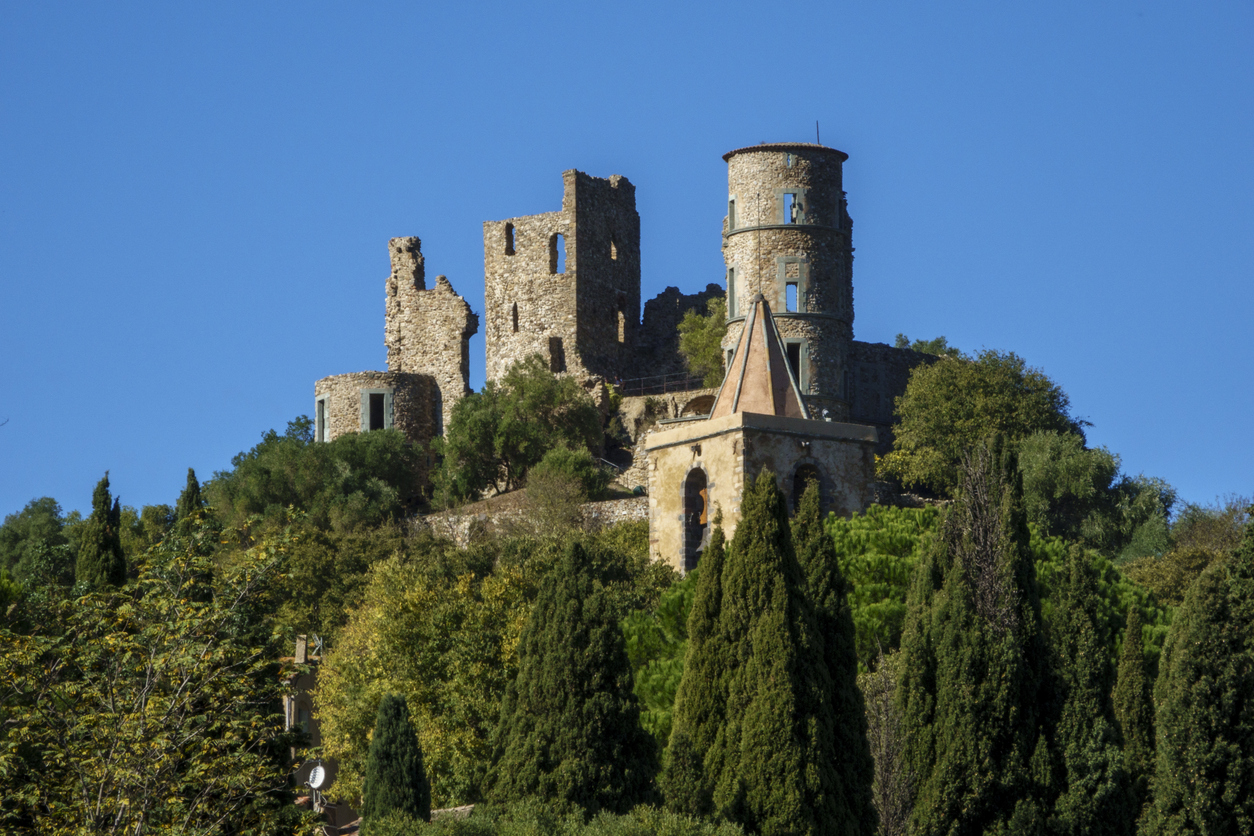
As you wander, you will notice the village’s layers of history in subtle details—the worn stone thresholds, protective corners on streets for cart axles, the irregular footprints of homes that grew organically over centuries. Rising above it all, the ruins of the castle remind you that this was a stronghold long before the Riviera came to signify leisure and luxury. The village is compact, navigable on foot, and ideal for those who prefer a traditional Provençal ambience and elevated views.
Port Grimaud, a 20th-Century Icon
A short distance away by the shoreline, Port Grimaud introduces a radically different setting. Conceived in the 1960s by architect François Spoerry, the harbor town is a masterclass in blending regional aesthetics with contemporary needs. Instead of building vertically, it extends across waterways, creating islands of homes with private moorings. The result is a low-rise, human-scaled environment painted in soft pastels, where balconies overlook canals and small squares open onto cafés and quaysides.
Port Grimaud is often nicknamed the “Venice of Provence,” a comparison that hints at its labyrinth of canals and pedestrian bridges, but its spirit is rooted firmly in the local vernacular: terracotta roofs, timber shutters, curved stucco façades, and a color palette drawn from sunlight, sea, and stone. It is a place for strolling, boating, and savouring the maritime atmosphere. The village on the hill and the city by the canals are two halves of a single destination that complement rather than compete.
A Concise History: From Castle Stronghold to Seaside Icon
Long before Saint-Tropez became a global symbol, this broad, protected bay was known as the Gulf of Grimaud. The hilltop village emerged as a fortified settlement in the Middle Ages, its castle securing lines of trade and communication between the coast and the interior. Over centuries, Grimaud prospered through agriculture—vines, olives, cork—and occasional maritime activity, while enduring the ebb and flow of regional conflicts and epidemics that shaped so many Provençal communities.
The castle you see today bears the marks of those centuries: early medieval foundations expanded and refortified across periods, eventually damaged and left as evocative ruins. The village pressed on, its church and chapels anchoring daily life, its stone houses adapted and maintained by generations. In the 20th century, the area’s destiny shifted with the rise of Riviera tourism and leisure boating. Spoerry’s Port Grimaud answered a modern desire: to live close to the sea and one’s boat, without sacrificing architectural harmony or a sense of locality. In a single frame, Grimaud now shows you a thousand years of settlement, from feudal ridge to navigable lagoon.
Architectural Highlights You Should Notice
Château de Grimaud Ruins
The castle ruins are more than a photo stop: they are an open-air chapter of medieval Provence. Reach them via a short, steep walk from the village center. The ascent rewards you with defensible views over sea and hills—the precise vantage that once gave the lords of Grimaud their control. The surviving walls and towers outline what was a powerful seat, and if you look closely, you can see evidence of multiple building stages, the result of repairs and expansions through turbulent eras.
Bring the past to life by imagining the structures not as romantic fragments but as working architecture. Picture storage rooms for grain, cisterns for water, and the flow of messengers and guards. Castle precincts often doubled as refuges for villagers in times of insecurity. Even in ruin, the site tells a story of resilience and adaptation, echoed by the surrounding terraces and paths that still follow medieval routes.
Churches and Chapels
Religious buildings anchor a community’s sense of place, and Grimaud’s are textbook examples of Provençal restraint and durability. The early church of Saint-Michel, with its modest Romanesque lines, embodies the region’s preference for solid massing and minimal ornamentation. A short stroll away, smaller chapels—built by confraternities or for specific devotions—add nuance to the spiritual map of the village. Their whitewashed interiors and quiet courtyards offer cool respite from the sun and a different kind of perspective on the village’s past.
If you time your visit with a concert or a local mass, you will appreciate their acoustics and function beyond architecture: these are places where community meets. When entering, observe respectful attire and hushed voices. Small details matter: look for carved lintels, wrought-iron grilles, or inscriptions that record repairs after fires or wars.
Port Grimaud’s Church and Design Details
Down by the canals, Port Grimaud’s Church of Saint Francis of Assisi is a modern landmark, its minimalist lines softened by regional textures. The church speaks to Spoerry’s philosophy: contemporary design in conversation with tradition. Inside, the interplay of light and color reveals artworks that underscore Port Grimaud’s dialogue with modernity and the sea. Around it, note the urban planning gestures—public squares for mingling, arcades that create shade, and building heights that maintain a village atmosphere despite being a new development.
Stroll the bridges and quays to grasp the careful proportions at work. Doorways lead to tiny courtyards; staircases disappear behind tiles and stucco; the waterfront is punctuated with mooring rings and short flights of steps. All of this is designed for slow movement on foot, by bike, or by boat. The details add up to a cohesive sense of place that feels surprisingly timeless for a town barely a few decades old.
Culture, Festivals, and Events
Les Grimaldines: Music Under the Stars
Each summer, Grimaud hosts a world music and performance series known for bringing international artists to intimate stages, from the castle to village squares. The programming blends genres—jazz, folk, fusion, and classical crossovers—so it’s easy to find a night that suits your taste. What makes it special is the scale: audiences are close to performers, and the setting—stone ramparts, evening cicadas, distant sea—adds a dimension no indoor hall can replicate. Tickets and schedules vary annually, and many events are paired with street performances or exhibitions that turn an evening into a full cultural outing.
Concerts, Exhibitions, and Village Evenings
Beyond the headline festival, Grimaud maintains a year-round cultural calendar with chamber concerts, choral evenings, and contemporary art shows staged in heritage venues. Organ recitals, string quartets, and vocal ensembles sound especially resonant in the acoustics of Romanesque and Gothic spaces. Seasonal “nocturnes” or evening openings invite you to browse galleries and artisan studios after sunset, often accompanied by tastings or demonstrations. The scale remains human and the atmosphere relaxed, encouraging conversation with artists and locals alike.
Traditional Fêtes and Provençal Customs
Local fêtes celebrate the agricultural cycle and patron traditions—harvest gatherings, nativity scenes in winter, and processions that wind through the village with candles and music. Traditional dress appears at times, and you may see folk dances performed by local associations. These events offer insight into an identity older than leisure tourism: one grounded in the land and its rhythms. If you attend, join respectfully, follow the lead of residents, and savor the sense of continuity that makes these gatherings meaningful.
Beaches and the Coastline
Family-Friendly Sands
The Grimaud shoreline offers gentle, sandy stretches with typically calm water, ideal for relaxed swimming and family time. Dunes and low vegetation frame the coast in places, and the views across the gulf to the Saint-Tropez peninsula are consistently pleasing. Early mornings are especially rewarding for a quiet swim, a sunrise walk, or a beach picnic before the day warms. Bring reef-safe sunscreen, water shoes if you plan to explore rockier edges, and a light windbreaker outside peak summer months when breezes can pick up.
Water Sports and Boating
Given the sheltered gulf, this is a hub for sailing, paddleboarding, kayaking, and snorkeling. Equipment rentals and schools in the area cater to beginners and enthusiasts alike, and conditions are suitable for learning on calm days. If you boat, respect navigation channels, swimming zones, and local speed limits, and keep an eye out for protected areas marked by buoys. Anchoring guidance can change with environmental considerations, particularly where seagrass meadows are present; follow posted rules to protect the marine ecosystem.
Nature and Outdoor Activities
Walks to Pont des Fées
One of the most rewarding short hikes around Grimaud leads to the Pont des Fées, the “Bridge of the Fairies,” an old stone aqueduct tucked into a green valley below the village. The walk is accessible and scenic, passing terraces and small watercourses that hint at premodern ingenuity in bringing water to hill communities. Take time to observe dry-stone walls and the way paths curve naturally along contours—a landscape shaped not just by nature but by centuries of human labor.
Forest and Hill Trails in the Maures
The Massif des Maures invites longer rambles through cork oak forests, aromatic shrubs, and chestnut groves. Trails vary from leisurely loops with viewpoints to steeper climbs that grant wide panoramas over the gulf. Late spring and early autumn are ideal: bright but not too hot, and with a high possibility of clear air for far-reaching vistas. Carry water, wear sturdy shoes, and check trail advisories during summer when fire risk can close certain areas to hikers. The rewards are abundant: scents of thyme and pine, glimpses of wild boar tracks, and the subtle shift of light on slate-colored ridgelines.
Cycling Tips
Cyclists will find both gentle coastal segments and more demanding inland climbs. The coastal plain allows smooth spins suitable for e-bikes and families, while the roads threading up into the Maures test fitness with steady gradients and switchbacks. Start early to avoid midday heat and peak traffic, and equip bikes with lights if you plan dawn or dusk rides. For gravel or mountain biking, stay on designated tracks and be mindful of erosion, particularly after rain. Always yield to hikers on shared paths and keep speeds in check on blind corners.
Food, Wine, and Local Flavors
Provençal Staples
Grimaud’s culinary identity reflects the Mediterranean pantry. Expect an abundance of olive oil, garlic, and herbs—thyme, rosemary, savory—infusing dishes with brightness rather than heaviness. Tapenade and anchoïade accompany crisp vegetables or artisanal bread. Market stalls brim with tomatoes and courgettes in summer, and you may encounter aioli served communally with steamed fish and vegetables. The coastline brings fresh seafood, while inland farms supply goat cheeses and charcuterie. For something sweet, local bakeries conjure fruit tarts and brioche specialties from nearby towns on the gulf.
Rosé Country
The area sits at the heart of Côtes de Provence rosé, among the most renowned pink wines in the world. Nearby estates produce vibrant, dry styles with notes of citrus, red berries, and a saline touch that suits coastal cuisine. Tasting rooms in the surrounding plain and foothills offer a chance to explore not only rosé but also characterful whites and structured, aromatic reds. Appointments and opening times can vary by season, and some properties host art installations or small exhibitions that make tastings an aesthetic experience as much as a gustatory one.
Markets and Seasonal Produce
Markets are a staple of village life. While days can shift with the season and location (village or seaside), the principle is constant: arrive early for the best produce, bring a basket, and chat with vendors. Look for seasonal standouts—spring asparagus, summer figs and peaches, autumn mushrooms, and winter citrus. Provence also shines in preserved specialties: olives cured in various styles, fish spreads, and candied fruits. When buying cheese or charcuterie, ask for advice on pairing with local wines or breads; vendors are usually happy to guide you.
Artisans and Shopping
What to Buy
Shopping in and around Grimaud favors locally made goods and everyday items imbued with Provençal character. Consider woven baskets, hand-printed linens, olive-wood utensils, and small ceramics that pack easily into luggage. Perfumery and soaps carry scents of lavender, verbena, and citrus. Food gifts—honey from the Maures, herb blends, or artisanal jams—are reliably appreciated back home. To keep mementos authentic, ask about provenance and materials; many artisans will gladly explain their process.
Where to Browse
In the hilltop village, tiny ateliers and galleries tend to cluster around main squares and along the lanes leading to the castle. Window-shopping here is as pleasurable as purchasing, thanks to the interplay of history and craft in intimate spaces. In Port Grimaud, boutiques line canals and small plazas, with an emphasis on resort wear, nautical items, and contemporary decor. Seasonal evening openings and pop-up stalls add variety during the warmer months. As always, spontaneity rewards the curious—turn down that quiet side street and you may find a studio in mid-creation.
Practicalities: Getting There and Around
By Air and Rail
Several airports serve the region within a broad radius. From there, rail links connect to coastal hubs such as Saint-Raphaël or Les Arcs–Draguignan. Taxis, rideshares, and regional buses complete the last stretch to Grimaud village or Port Grimaud. Travel times vary widely with traffic, especially in summer; building in slack time makes the journey more pleasant. If arriving by train, consider coordinating your arrival during daylight hours, which simplifies wayfinding and offers your first views of the gulf in natural light.
By Road and Parking
The road network around the gulf is straightforward but can be congested at peak times and in high season, particularly on weekends and during major events. Early morning arrivals help avoid queues. In the hilltop village, parking areas sit below or at the edge of the historic center, which remains best explored on foot. In Port Grimaud, vehicle access is tightly controlled within the residential quarters; visitors typically park in designated areas and enter through pedestrian gates. Signage is clear; follow posted instructions and respect residential privacy.
Local Transport and Sea Shuttles
Regional buses connect Grimaud to nearby towns, though frequencies can shift with the season. Taxis and rideshares supplement service, particularly for evening returns. In summer, sea shuttles often operate across the gulf, offering a scenic and sometimes quicker way to reach nearby destinations without a car. Services are weather-dependent and schedules change, so check timetables locally. If you plan to rely on public transport, sketch out a simple plan for key days and build flexibility around it.
When to Visit and What to Expect
Weather by Season
Spring (April to early June) brings wildflowers, mild temperatures, and increasing daylight. It is an excellent time for hiking and cycling, with the sea warming but still brisk for long swims. Summer (mid-June to August) delivers hot, sun-drenched days and warm seas, ideal for beach time and boating but busier across the board. Autumn (September to October) is a local favorite: the water remains pleasant, the light turns golden, and vineyards are harvested. Winter is quiet, cool, and often sunny, with crisp air on hill walks and a slower village rhythm that reveals day-to-day Provençal life.
Crowd Levels and Rhythm
Peak months see a lively atmosphere at beaches, markets, and quays, with extended evening hours and expanded cultural calendars. The shoulder season balances activity and breathing room, making it popular with repeat visitors. If you prefer near-empty lanes and easy parking, late autumn through early spring are comfortable—just be aware that some seaside services operate reduced hours or pause altogether. Regardless of season, mornings are calmer than late afternoons, and midweek is generally softer than weekends.
Responsible and Respectful Travel
Protecting Coastal Habitats
The gulf’s ecology is fragile, especially the seagrass meadows that stabilize sand and provide nurseries for marine life. Swim, paddle, and anchor only where allowed, and avoid trampling dunes or vegetation when accessing beaches. Choose reef-safe sunscreen and pack out all rubbish, including tiny items like bottle caps and cigarette ends, which cause outsized harm. Respect wildlife distances; close encounters are memorable, but stress can be lethal for animals during breeding and nesting seasons.
Fire Prevention and Trail Closures
In summer, the Maures hills are at risk of wildfires. Authorities may close trails on high-risk days; heed all advisories and signage. Never light fires, dispose of cigarette butts carefully, and avoid parking vehicles on dry grass. If you see smoke, report it immediately from a safe location. A cautious mindset protects not only landscapes but also the communities that depend on them for homes, livelihoods, and identity.
Local Etiquette
A few simple habits go a long way. Greet shopkeepers and market vendors with a brief “bonjour” before beginning a transaction. Dress modestly when entering religious sites and speak quietly. On narrow village lanes, yield to residents’ vehicles and deliveries. At night, keep voices low in residential quarters. These courtesies make you a welcome guest and preserve the calm that makes Grimaud special.
Accessibility and Family Tips
Mobility Considerations
The medieval village’s charm comes with practical constraints: cobblestones, steps, and occasional steep sections. Comfortable walking shoes are essential, and those with mobility considerations may prefer exploring at a slower pace with rest stops on shaded benches. In contrast, much of Port Grimaud is level and designed with broad quays and ramps, which can be more accessible for strollers and wheelchairs. If you plan a castle visit, consider the most gradual route and avoid the hottest hours of the day.
With Children
Grimaud is welcoming to families. Beaches with gentle slopes and clear water are forgiving for young swimmers, and boat-watching along the canals captivates children of all ages. Create a rhythm that alternates short cultural visits—such as a church or small exhibition—with open-air play in a square or on the sand. Pack sun hats, refillable water bottles, and light layers; coastal breezes can cool down late afternoons even in summer. Many eateries are accustomed to families; early dinners mitigate wait times and keep evenings relaxed.
Day Trips and Nearby Highlights
Saint-Tropez and the Peninsula Villages
A short journey across or around the bay brings you to Saint-Tropez and the well-preserved hill villages of Gassin and Ramatuelle. Each offers a distinct experience: a port humming with art and fashion, and perched settlements where stone lanes open onto breathtaking views. Beaches on the peninsula range from wild stretches backed by dunes to more organized settings with water sports. Combine a morning visit with a siesta back in Grimaud, or plan an evening stroll when the light softens and crowds thin.
Inland Escapes
Turn your gaze inland toward La Garde-Freinet and the deeper Maures. Here, chestnut groves, cork oak glades, and narrow country lanes replace the salt air of the coast. Picnic spots abound, and small museums and workshops reveal the history of cork harvesting and rural crafts. Wine routes thread through the plain between the hills and the sea, and each estate’s terroir tells a slightly different story, shaped by slope, breeze, and sun exposure. For a full-day outing, pair a hike with a leisurely lunch in a village square, then return to Grimaud for sunset over the gulf.
Planning Your Stay in Grimaud
Choosing the Right Base: Hilltop or Harbor
Your ideal base depends on how you want to spend your days. If you picture sunrise walks up to castle ruins, lingering afternoons in shady alleys, and a traditional Provençal atmosphere, the hilltop village is the natural choice. If you prefer a maritime setting—morning canal walks, easy access to the beach, and the leisure of watching masts trace the horizon—then Port Grimaud may be your best fit. Many visitors split time between the two, using one area as a daytime destination and the other as an evening retreat. Think in terms of mood: stone and sky above, or water and light below.
What to Pack
Prioritize comfort and sun protection. Pack breathable clothing, a brimmed hat, sunglasses with high UV protection, and SPF suitable for long outdoor days. Walking shoes with grip suit both cobblestones and trails. A light sweater or scarf helps on breezy evenings, even in summer, and a compact rain layer covers spring or autumn showers. Refillable water bottles reduce waste and keep you hydrated; many public spaces offer fountains or refill points. For the beach, consider a quick-dry towel and water shoes if you plan to explore rocky areas.
A Thoughtful Three-Day Itinerary
Day 1: Begin in the hilltop village. Start with coffee on a square, then visit the church and stroll lanes toward the castle. Enjoy a leisurely lunch, followed by an afternoon walk to the Pont des Fées. As the sun lowers, circle back to the ramparts for a panoramic view and listen for swallows looping through the warm air.
Day 2: Dedicate the day to the shore. Head to Port Grimaud early to wander canals, photograph bridges in soft light, and savor a waterfront lunch. Spend the afternoon at the beach—swimming, paddleboarding, or simply reading under an umbrella. Time your evening for a cultural event if available, or take an unhurried sunset walk along the quays.
Day 3: Venture into the Maures. Hike a loop with viewpoints, then visit a nearby estate for a tasting and cellar tour. Return to Grimaud for a market browse, selecting ingredients for an al fresco dinner. If your visit aligns with a concert or festival evening, cap the trip with music under the stars at the castle.
Frequently Asked Questions About Grimaud
Is Grimaud the same as Port Grimaud?
No. Grimaud village is the medieval hilltop settlement; Port Grimaud is the seaside town built in the 20th century on canals. They belong to the same municipality and complement each other but offer distinct experiences: stone and history above, water and boating below.
How long should I stay?
Two to three days allow you to appreciate both village and harbor at an unhurried pace. With five to seven days, you can add hikes, coastal excursions, tastings, and day trips to nearby towns while still leaving room for beaches and late-morning coffees.
Do I need a car?
Not strictly. You can combine regional buses, taxis, rideshares, and in season, sea shuttles. That said, a car offers flexibility for hill walks, vineyard visits, and off-peak travel times. If you plan to drive, choose parking on the edges of historic areas and explore centers on foot.
Are beaches sandy or pebbly?
Most beaches around Grimaud are sandy or a mix of sand and fine gravel, with gentle entries suitable for families. Conditions can vary after storms; water shoes are a useful back-up if you plan to wade along rocky edges or explore tidal pools.
When is market day?
Market days and hours vary by season and location (village or Port). You will typically find at least one weekly market in each area during most of the year, with more frequent markets in summer. Check current schedules locally upon arrival.
Is the village stroller-friendly?
Parts of the village are manageable with a sturdy stroller, but expect cobblestones, steps, and slopes. Consider a baby carrier for steeper sections and plan breaks in shaded squares. Port Grimaud’s level quays are generally more stroller-friendly.
What about swimming safety?
In season, many areas are monitored and marked with swimming zones. Respect flags and lifeguard guidance, watch currents near inlets, and be mindful after storms. On calm days, visibility is good for snorkeling; wear a bright swim cap if you venture farther from shore.
Is Grimaud crowded in summer?
Yes, summer is lively and busy, especially on weekends and during festivals. Mornings and late evenings are calmer. For a quieter experience with warm seas, consider early September, which often offers excellent conditions with fewer crowds.
Are there wine estates nearby?
Yes. The surrounding plain and foothills are dotted with producers, many of whom welcome visitors for tastings. Opening hours, tours, and tastings vary; contact estates in advance or stop by during published opening times, especially in high season.
Can I visit both village and Port in one day?
Easily. Start early in the village to enjoy cool temperatures, then descend to the shore for lunch and an afternoon by the water. Return to the village for sunset at the castle or plan your evening along the canals. The contrast in atmospheres is one of the region’s pleasures.
Conclusion: Why Grimaud Leaves a Lasting Impression
Grimaud succeeds because it never asks you to choose between authenticity and ease, between heritage and the sea. The hilltop village gathers centuries into a compact, walkable tapestry of stone, shade, and views. Port Grimaud, conceived within living memory, demonstrates that careful design can create a place with genuine character—welcoming to boaters, walkers, and anyone drawn to light on water. Together they embody the best of the Gulf of Saint-Tropez: a landscape of sun and breeze, a culture shaped by vineyards and tides, and a pace of life that invites you to slow down and stay a little longer.
Allow yourself time to wander without agenda: linger at a wall draped in flowers, pause to listen to a guitar in a square, watch the boats turn gently in their berths. When you leave, it will not be a checklist of sights that you remember most, but the texture of days and the way light colored your hours—gold on stone above, silver on water below. That duality is Grimaud’s signature, and it stays with you long after the trip ends.
Thinking of Grimaud? Browse our villas in Grimaud.

