

 EN
EN  NL
NL
 DE
DE
 FR
FR

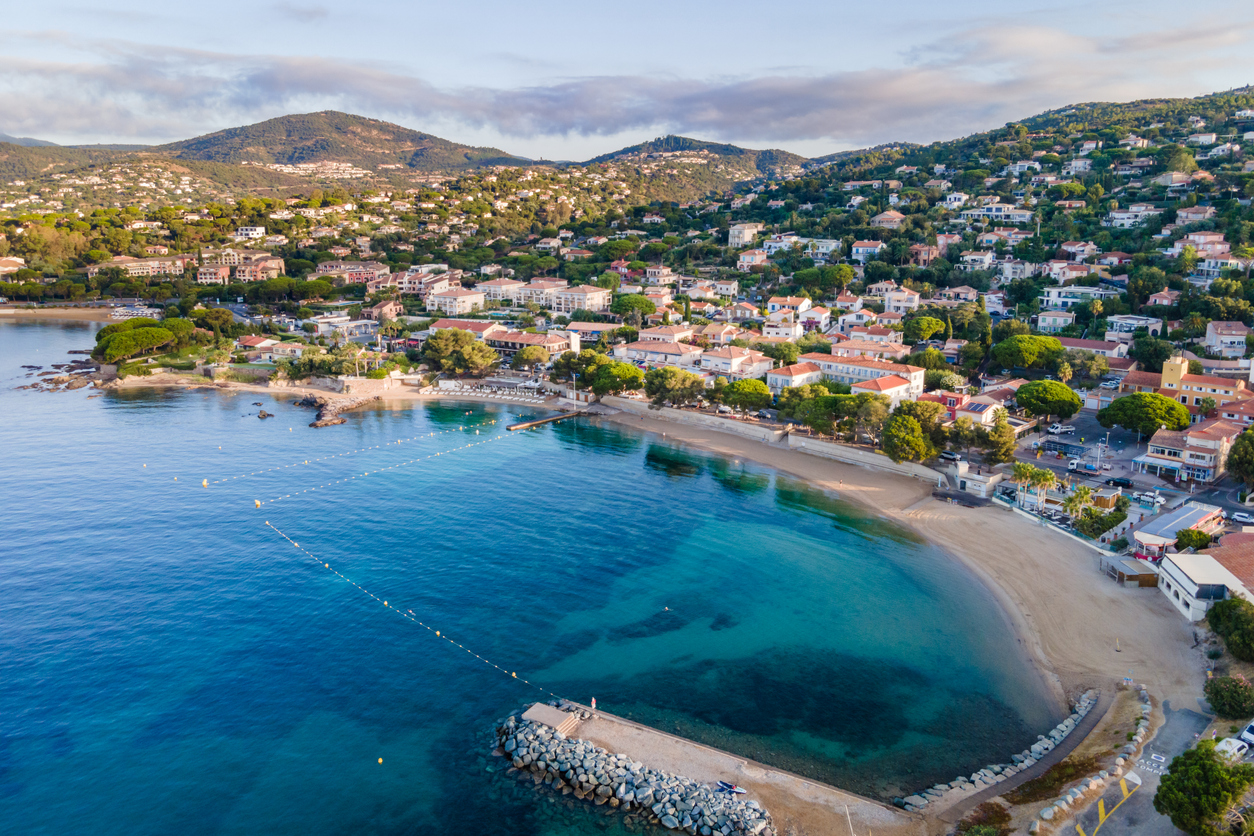
Everything You Need to Know About Les Issambres
Les Issambres is one of the French Riviera’s most quietly captivating stretches of coastline, tucked between the pine forests of the Maures, the red-rock drama of the Estérel, and the sparkling Gulf of Saint-Tropez. With a string of sandy coves, a human-scale marina, family-friendly promenades, and panoramic coastal paths, it’s the kind of place where the pace of life naturally slows—without sacrificing access to the Riviera’s celebrated culture, cuisine, and day-trip possibilities. Whether you’re planning a sun-drenched escape, a wellness-focused break, or a base for exploring the larger region, this guide will help you understand the soul of Les Issambres and make the most of your time there.
Where Exactly Is Les Issambres?
Les Issambres is the seaside district of Roquebrune-sur-Argens in the Var department of Provence-Alpes-Côte d’Azur. It runs along the D559 coastal road between Sainte-Maxime to the west and Fréjus/Saint-Aygulf to the east. The area’s heart is the village of San Peire, where you’ll find a pleasant waterfront promenade, the marina (Port des Issambres), and everyday services. From here, beaches and rocky coves unfold in both directions, backed by fragrant umbrella pines and low-slung Mediterranean scrub.
This location places you in an ideal sweet spot. You’re a short coastal drive or ferry ride from Saint-Tropez, close to the historic Roman heritage of Fréjus, and within easy reach of inland vineyards, village-perched hills, and the hiking trails of two distinct mountain chains. Crucially, Les Issambres manages to feel authentically local even in peak season—a community first, a seaside resort second.
A Snapshot of History and Character
While the Riviera’s celebrity lore often headlines destinations, Les Issambres has a quieter, deeply Provençal story. Its coastline has been inhabited for centuries, shaped by fishing, small-scale agriculture, and maritime trade. Like much of the Côte d’Azur, it saw more consistent development in the 20th century as road access improved and travelers sought sun, sea, and simplicity. The result today is a low-key retreat that embraces natural contours—the road bends with the bays, villas settle into wooded slopes, and ancient paths still trace sea-sprayed cliffs.
Architecturally, expect Mediterranean styles rather than high-rise skylines—terracotta roofs, pale stone, and warm stucco. Citrus trees, oleanders, and bougainvillea spill over garden walls. The maritime heritage remains visible at the marina, where leisure boats bob next to small fishing vessels, and the catch of the day often appears on blackboards at waterfront eateries. The defining character is one of openness and ease: a place designed less for spectacle and more for long swims, long lunches, and sunset strolls.
Neighborhoods and Natural Setting
Les Issambres stretches across several micro-neighborhoods, each bringing a slightly different mood:
- San Peire: The convivial heart. You’ll find the compact marina, seafront promenade, grocery shops, bakeries, and a relaxed dining scene. It’s the best choice if you want everything within a short walk.
- La Gaillarde: West of San Peire, known for its generous sandy beach and family-friendly feel. The surrounding headlands gift big-sky sunsets and calm, shallow waters on still days.
- Calanques and the Tardieu headland: Rugged and intimate. Between broader beaches are petite rocky inlets perfect for snorkeling, rock pooling, or reading under a pine.
- Hills above the coast: A patchwork of villas and lanes where cicadas hum. These slopes offer glimpses of Saint-Tropez across the gulf, with shade from pines and cork oaks.
Nature is never far. Even in the livelier summer months, you can slip onto the coast path, find a hidden bench overlooking translucent water, and feel like you have the Mediterranean to yourself. Inland, the terrain rises gently, offering walking loops with views toward the Maures and, on clear days, the distant Alps.
Beaches and Secluded Coves
Les Issambres is a classic Riviera tapestry of sandy crescents, pebbly pockets, and rocky shelves that slide into incredibly clear water. Each beach has its personality, often shaped by the day’s wind and swell. On gentle, windless mornings, it’s a snorkeler’s dream: posidonia meadows, darting bream, and the occasional octopus if you’re patient.
Soft-Sand, Family-Friendly Shores
The area’s best-known sandy stretches are ideal for families and relaxed swims. Their gradual slopes into the sea and typically calm waters make them reliable choices for a beach day with varied ages.
- Plage de San Peire: Right by the village and marina, this is an easy option if you want facilities within a few minutes’ stroll. It has a friendly neighborhood spirit and is great for a quick dip before lunch.
- Plage de la Gaillarde: A wide ribbon of golden sand west of San Peire with a backdrop of dunes and pines. It’s popular yet spacious, perfect for early swims, sandcastles, and long barefoot walks at twilight.
- Plage des Gireliers: A smaller, inviting strand where the light is especially flattering in late afternoon. Expect transparent water and a tranquil ambiance outside peak hours.
Wild Calanques and Snorkeling Corners
If you prefer coves with a rugged edge, head to the rocky inlets and headlands that bracket the main beaches. Here, the shore is punctuated by stone shelves and tiny pebbly halves of bays. Bring mask and fins, go early, and aim for midweek outside of school holidays if you crave space.
- Calanque de Tardieu: Compact, photogenic, and often protected from light winds. The rocky seabed and seagrass attract fish, while nearby shade from pines offers a natural canopy on hot days.
- Pointe des Issambres: Around the headland, you’ll find nooks of rock where the water deepens quickly. Confident swimmers will love the easy access to deeper snorkeling territory close to shore.
- Hidden shelves between beaches: Walk the coast path and keep an eye out for unmarked tracks down to mini coves. They can be narrow or steep; wear sturdy sandals and pack light.
As always on rocky shores, mind your footing and be respectful of fragile plant life. Avoid trampling the seagrass beds in the shallows—they’re vital nurseries for marine species and help keep waters clean.
The Coastal Path: Sentier du Littoral
One of Les Issambres’ greatest pleasures is the section of the Sentier du Littoral, the historic coast path that follows the Mediterranean for miles. It weaves along cliff edges and across sandy arcs, sometimes wide and smooth, sometimes rugged and narrow, but always immersive. On these paths, you inhale maritime pines, watch cormorants dry their wings on the rocks, and glimpse porpoise-silver sea as far as the eye can see.
Practical tips for the coastal path:
- Footwear: Choose grippy sandals or light hiking shoes. Sections can be uneven.
- Timing: Early mornings bring cooler temperatures and softer light. Late afternoons offer golden-hour photography and a chance for a post-walk swim.
- Respect: Follow marked routes and avoid fragile cliff edges. Take all litter home—bins can be scarce on more remote stretches.
Whether you walk a short loop near San Peire or tackle a longer coastal stretch, it’s the most authentic way to feel the region’s rhythm—wave by wave, cove by cove.
On the Water: Sailing, Kayaking, and Diving
With a compact marina and varied shoreline, Les Issambres is thoughtfully positioned for days afloat. You’ll see sailboats catching afternoon breezes, stand-up paddlers exploring coves at dawn, and kayakers skimming in and out of rocky cuts. The shallow shelves near sandy beaches are ideal for beginners, while deeper pockets off the headlands reward experienced snorkelers and divers.
Popular ways to enjoy the sea:
- Kayaking and SUP: Launch from quieter sections of the beach, skirt the rocks, and stop at a small cove to swim. Morning is best for calmer seas and lighter traffic.
- Sailing: The Gulf of Saint-Tropez typically offers gentle to moderate winds, making it a comfortable environment for learners and casual sailors. If you’re chartering, consider a loop that includes Sainte-Maxime and a view of Saint-Tropez’s ochre skyline.
- Diving and snorkeling: The underwater landscape features rocky boulders, sandy patches, and sea meadows. Visibility is often excellent, especially outside of windy spells. Bring a light rash guard, sun protection, and water shoes for rocky entries.
For safety, always check local weather forecasts and sea conditions. Summer afternoons can bring breezier conditions; if in doubt, schedule water activities in the morning.
Day Trips and Nearby Highlights
Les Issambres is a launchpad for a curated range of excursions that add texture to your stay. With careful planning, you can enjoy the buzz of world-famous towns and still return to a peaceful base by evening. For those who want to stay in the heart of the Gulf while enjoying easy access to these destinations, our villas in Les Issambres offer comfort, privacy, and an ideal location on the Côte d’Azur.
Sainte-Maxime: A lively neighbor with a long waterfront, leafy squares, and a well-curated events calendar. It’s easy to reach by road or by boat during the high season. The promenade is tailor-made for an evening passeggiata and an ice cream.
Saint-Tropez: Iconic, yes, but still charming in the cool hours of morning. Browse the old port, step into backstreets where pastel shutters glow, and time your visit for quieter midweek periods. Seasonal boat shuttles from Les Issambres simplify logistics and avoid parking headaches.
Grimaud: A short drive inland reveals a more timeless atmosphere, with stone houses, narrow lanes and views across the Gulf of Saint-Tropez. The contrast between historic village life and the nearby coastline adds depth to any stay.
The Estérel Massif: Hiking among red porphyry peaks that plunge into the azure sea is a Riviera must. Trails range from easy coastal walks to half-day routes with sweeping views.
Plan day trips with traffic patterns in mind—summer afternoons can be busy on coastal roads. Consider boat shuttles where available, and aim for shoulder-season or early-day departures for a calmer experience.
Markets, Food, and Local Specialties
The flavors of Les Issambres lean Provençal—bright, herbal, anchored in the sea, and best enjoyed outdoors. Begin with the weekly market in San Peire, where you’ll find seasonal produce, local cheeses, olives, and sun-warmed fruit. The joy is in grazing: a bag of tomatoes at peak ripeness, a slab of fougasse, and a pot of tapenade can turn a simple picnic into a memory.
Key tastes to look for:
- Tapenade and anchoïade: Salty, punchy spreads that transform a slice of baguette.
- Pissaladière: A caramelized onion tart topped with anchovies and olives—sweet, savory, and deeply local.
- Aioli: Garlic-forward and luxurious, served with fish and steamed vegetables.
- Rosé from Côtes de Provence: Light, aromatic, and made for summer plates. Consider visiting nearby vineyards for tastings to appreciate the spectrum from pale salmon to slightly more robust styles.
- Seafood: From simply grilled fish to bouillabaisse-style soups, you’ll find preparations that respect the day’s catch. In high season, ask about local line-caught specials.
For an easy lunch, gather picnic fixings and claim a shady bench along the coast path. For dinner, book ahead in peak months—waterside tables are sought after when the sky turns rose and gold. If you prefer to cook, neighborhood bakeries and greengrocers keep excellent hours, and rotating market days in nearby towns broaden your options.
Wellness and Slower Living
Beyond beaches, Les Issambres has a strong wellness current, aided by a thalassotherapy tradition in the area. Sea-salt air, mineral-rich water, and temperate weather create the right conditions for rest and recovery. You’ll find places to enjoy marine-inspired treatments, saunas, and relaxing spa circuits, often paired with views of the gulf.
But wellness here also means simplicity: morning swims, barefoot strolls, siestas in shade, and sunsets that ask nothing of you. If you thrive on routine, consider a day that begins with a coastal walk, pauses for a long lunch under pines, and ends with a quiet paddle or a stretch class on a terrace.
Practical Tips: Getting There and Getting Around
Reaching Les Issambres is straightforward, with a range of options depending on your starting point and preference for road, rail, or sea.
- By car: The A8 motorway provides fast east–west travel across the Côte d’Azur. From inland exits, you descend to the coast via scenic departmental roads. The D559 coastal road threads through Les Issambres, connecting to Sainte-Maxime and Saint-Aygulf. In summer, allow extra time and aim for early arrivals to secure convenient parking.
- By train: The nearest major rail hub is Saint-Raphaël–Valescure, served by regional and long-distance trains. From there, taxis and regional buses continue to Les Issambres.
- By boat: Seasonal ferry services typically link Les Issambres with Saint-Tropez and sometimes other coastal points. These can be the most pleasant way to avoid traffic while enjoying sea views.
- By bus: Regional lines connect coastal towns along the D559. Schedules vary by season; plan ahead and check the latest timetables when you arrive.
Once you’re in Les Issambres, you can combine walking, cycling, and short drives. Many daily errands—from the bakery to the beach—can be handled on foot if you’re staying near San Peire. For exploring hill paths and inland villages, a car remains useful. If you drive an electric vehicle, consult up-to-date maps to locate charging options in the wider area.
When to Visit: Weather and Seasons
Les Issambres enjoys a classic Mediterranean climate—hot, dry summers and mild winters with more changeable skies. Your ideal season depends on your priorities.
- Late spring (May–June): Arguably the sweet spot. Wildflowers linger along the coast path, sea temperatures are climbing, and the region feels lively without peak-season intensity.
- Summer (July–August): Warm, bright, and social. Expect busier beaches and a fuller events calendar. Early mornings and evenings are the best times to move around comfortably.
- Early autumn (September–October): Balmy seas persist, days are still long, and the grape harvest lends a festive note inland. It’s an excellent time for boating and hiking.
- Winter (November–March): Quieter and more contemplative. Crisp, clear days are common, and you can have entire coves to yourself. Some seasonal services reduce hours, but walkers and cyclists will love the cool air and uncluttered trails.
Whenever you visit, plan around the Mistral and other regional winds, which can bring bracing breezes and choppier seas. On windier days, pivot to inland walks, market browsing, or long lunches—another invitation to slow down.
Activities for Families
Les Issambres is especially well-suited to multi-generational holidays. Distances are short, beach choices are varied, and there’s always a low-effort alternative if small children get tired or the weather shifts.
- Beach mornings: Start early when the sea is calm. Bring a simple kit: umbrella, reef-safe sunscreen, masks and snorkels, and plenty of water.
- Treasure hunts on the coast path: Turn a short walk into a game—spot sea birds, identify shell types, and count sailboats. Choose shaded segments for midday rambles.
- Picnic culture: Shop the market for fruit, cheese, and fresh bread, and set up near a cove. Keep things light and leave no trace.
- Boating moments: A short boat excursion can be a highlight for kids, especially if they can sit outside and feel the breeze. Time trips for morning or pre-dinner windows.
- Hands-on cooking: If you’re staying in self-catering accommodation, make a simple Provençal dinner together—ratatouille, a salad niçoise, or grilled fish with local herbs.
The rhythm that works well with families is predictable: activity early, long rest at midday, and an easy evening walk with gelato or a simple meal on a terrace.
Outdoor Lovers: Hiking, Biking, and Scenic Drives
The coast path is the headline, but outdoor options extend inland. The Maures offer a rolling, forested counterpoint to the sea, while the Estérel’s volcanic rock delivers cinematic views and photogenic contrasts of red stone and blue water.
- Hiking: Combine short cliffside segments with pine-scented loops in the hills above the coast. Start at daybreak in summer; carry water and a hat.
- Cycling: The D559 has stretches popular with road cyclists outside peak hours, while quieter inland roads offer gradients for every fitness level. Consider e-bikes to broaden your range without fatigue.
- Scenic drives: Trace the shoreline toward the Estérel for rugged sea-and-rock panoramas, or head inland to vineyard-scattered valleys. Aim for weekdays to minimize traffic.
If you’re venturing onto unpaved tracks, use a proper map or GPS, respect private property, and avoid wildfire risks by following local guidance in summer when restrictions may apply.
Arts, Culture, and Events
While Les Issambres is primarily about seaside living, the broader area is rich in culture. Small galleries, artisan workshops, and pop-up markets showcase local craft traditions: ceramics, textiles, and olive-wood carving. In summer, outdoor concerts, firework displays, and village fêtes animate evenings in nearby towns. A few standout happenings in the region include jazz nights along the gulf, art fairs, and nautical festivals that celebrate maritime heritage.
If you’re interested in history, plan a circuit that includes the Roman remains of Fréjus and the maritime museum in Saint-Tropez. For contemporary art, keep an eye on seasonal exhibitions in cultural centers around Saint-Raphaël and beyond. Evening is prime time for cultural exploration—cooler air, lighter crowds, and that unmistakable Riviera glow.
Sustainable Travel Tips
Protecting the fragile Mediterranean ecosystem is part of the pact when you enjoy Les Issambres. Simple steps can significantly reduce impact.
- Leave no trace: Carry a small bag for your litter and consider picking up stray bits you find along the coast path.
- Respect seagrass: Avoid anchoring or standing on posidonia meadows. Enter the water where the seabed is sandy.
- Choose reef-safe products: Sunscreens formulated without oxybenzone and octinoxate help keep marine life thriving.
- Shop local: Buying from market vendors and small producers supports the community and reduces transport footprints.
- Time your travel: Walk or use boats for nearby trips where possible; time car journeys to off-peak hours.
By traveling thoughtfully, you contribute to preserving the very features that make Les Issambres special: clear waters, unspoiled coves, and authentic local life.
Real Estate and Lifestyle Snapshot
Many visitors are charmed enough by Les Issambres to consider spending longer periods here, drawn by the blend of seaside living and tranquil neighborhoods. The architectural language tends toward discreet villas and apartments framed by gardens, with heights limited by terrain rather than towers. From hill perches, the Gulf of Saint-Tropez appears like a shifting canvas—morning haze lifting to reveal low swells and afternoon yachts gliding by.
The lifestyle is convivial and outdoorsy. Early risers walk to the bakery for a still-warm baguette; by mid-morning, beaches sprinkle with swimmers and readers; afternoons slow to nap pace; and evenings shift to convivial aperitifs. Even during busy weeks, there are always pockets of quiet—a side street, a pine grove, a bench angled right at the horizon. It’s a way of life that values beauty in small rituals.
Essential Services and Everyday Conveniences
If you’re staying for a week or more, the small practicalities matter. Les Issambres covers daily needs without fuss.
- Groceries and bakeries: San Peire has shops for fresh bread, fruit, and pantry staples. Morning hours are busiest; plan an afternoon top-up for shorter lines.
- Pharmacies and healthcare: You’ll find pharmacies in the village and clinics in nearby towns. Keep your health insurance details handy when traveling.
- Parking: Beachfront parking fills fast in summer. Arrive early, consider walking from your accommodation, or time swims later in the day when turnover increases.
- Marina: Port des Issambres caters to small and mid-sized boats, with seasonal berths, fuel, and marine services. As always, plan ahead for peak months if you’re arriving by sea.
- Safety: Lifeguard posts operate seasonally on major beaches. Observe flag systems, supervise children closely, and heed any advisories regarding jellyfish or strong currents.
With a little planning, you can settle into a comfortable routine and focus on what truly matters: the sea, the sun, and unhurried days.
Two Sample Itineraries
To help structure your time while keeping things flexible, here are two sample itineraries—one for a long weekend, one for a full week. Adjust for weather, energy levels, and your interests.
Long Weekend: Three Days in Les Issambres
Day 1 (Arrival and Orientation): Check in and take a gentle stroll around San Peire. Pick up supplies and orient yourself to the marina, bakery, and beach access points. Swim at Plage de San Peire before dinner. End with a sunset walk along the promenade.
Day 2 (Sea and Coast Path): Early breakfast, then a half-day coastal walk toward the Tardieu headland. Pause in a cove for snorkeling. After lunch, unwind on La Gaillarde beach. As the day cools, enjoy an alfresco dinner featuring local seafood and a glass of chilled rosé.
Day 3 (Boat and Market): If conditions allow, take a morning boat shuttle to Saint-Tropez for a harbor stroll and a coffee in the old town. Return by early afternoon for a siesta and a final swim. Wrap up with a market-inspired picnic at a lookout point.
One Week: Slow Riviera Living
Day 1: Settle in. Beachtime near your accommodation, then explore San Peire for your first taste of local flavors. Early night to sync with the Mediterranean rhythm.
Day 2: Walk longer sections of the Sentier du Littoral, stopping at two coves for swims and snacks. Evening aperitif and dinner by the water.
Day 3: Inland excursion through vineyard country. Enjoy a leisurely lunch in a village square and a short forest walk before returning to the coast.
Day 4: Full beach day alternating reading, swimming, and paddleboarding. Late-afternoon gelato, then a simple home-cooked meal.
Day 5: Culture and history day—Fréjus for Roman sites, a seafront promenade in Saint-Raphaël, and a casual dinner back in Les Issambres.
Day 6: Wellness and restoration. Book a spa session, practice yoga at sunrise or sunset, and take an unhurried evening swim.
Day 7: Free day. Revisit your favorite cove, browse the market for edible souvenirs, and savor a final meal al fresco.
Insider Tips for a Seamless Stay
Small adjustments can make a big difference to your comfort and enjoyment.
- Chase the light: Photographers should favor sunrise for coves and late golden hour for headlands. The Gulf of Saint-Tropez often delivers painterly skies.
- Swim smarter: Bring a lightweight rash guard and a wide-brim hat. Pack a quick-dry towel and a dry bag for keys and phones.
- Beat the heat: Plan activities in two blocks—morning and evening—leaving midday for shade, siesta, or long lunches.
- Local etiquette: Greet shopkeepers with a simple bonjour before launching into requests. It’s appreciated and sets a friendly tone.
- Noise discipline: Sound carries by the sea; be mindful at dawn and after dark, especially in residential lanes.
These small habits keep you in tune with the place and help you experience the Riviera at its best—unrushed, attentive, and open to the little details.
A Brief Note on Weather, Sea, and Safety
Coastal microclimates can change quickly. Check the day’s forecast and sea state before planning boat trips or long swims. If you see jellyfish warnings, consider beaches with lifeguard posts or pivot to a hiking day. After rain or strong winds, water clarity can vary; wait for calmer windows if snorkeling is a priority. Always hydrate generously and wear sun protection, even on breezy days—the sun is stronger than it feels.
Why Les Issambres Feels Different
There’s a subtlety to Les Issambres that reveals itself over days, not hours. It’s in the way the coast path threads locals and visitors together. It’s in the hush that descends after dinner when the sky is still smoldering with color. It’s in routines that keep you close to the elements—coffee on a balcony with the sound of waves, an unplanned swim, a spontaneous detour into a cove you hadn’t noticed before.
Unlike more boisterous Riviera addresses, Les Issambres prizes balance. It sits adjacent to some of the Côte d’Azur’s biggest names, yet remains content with its own virtues: gentler pace, abundant nature, and everyday pleasures. If you’re seeking a base that lets you dip in and out of the region’s highlights without surrendering to constant bustle, you may find your rhythm here.
Conclusion
From softly shelving beaches to wild calanques, from morning markets to evening boat rides, Les Issambres offers a complete Riviera experience on an intimate scale. Its location—between vibrant neighbors and dramatic natural backdrops—means your days can be as active or as relaxed as you like. You can wake to a coastal walk, swim in crystalline water at noon, explore art and history by afternoon, and end with a simple meal overlooking the gulf. And you can do all of that without losing the sense of being part of a real community, one that values the sea, good food, and time well spent.
Come for the sunshine and the sea, stay for the feeling of belonging that sneaks up on you. With thoughtful planning and an openness to small pleasures, Les Issambres can be not just a place you visit, but a place that stays with you—calm, clear, and quietly unforgettable.
Inspired by Les Issambres? Discover our holiday rentals in Les Issambres.

