

 EN
EN  NL
NL
 DE
DE
 FR
FR

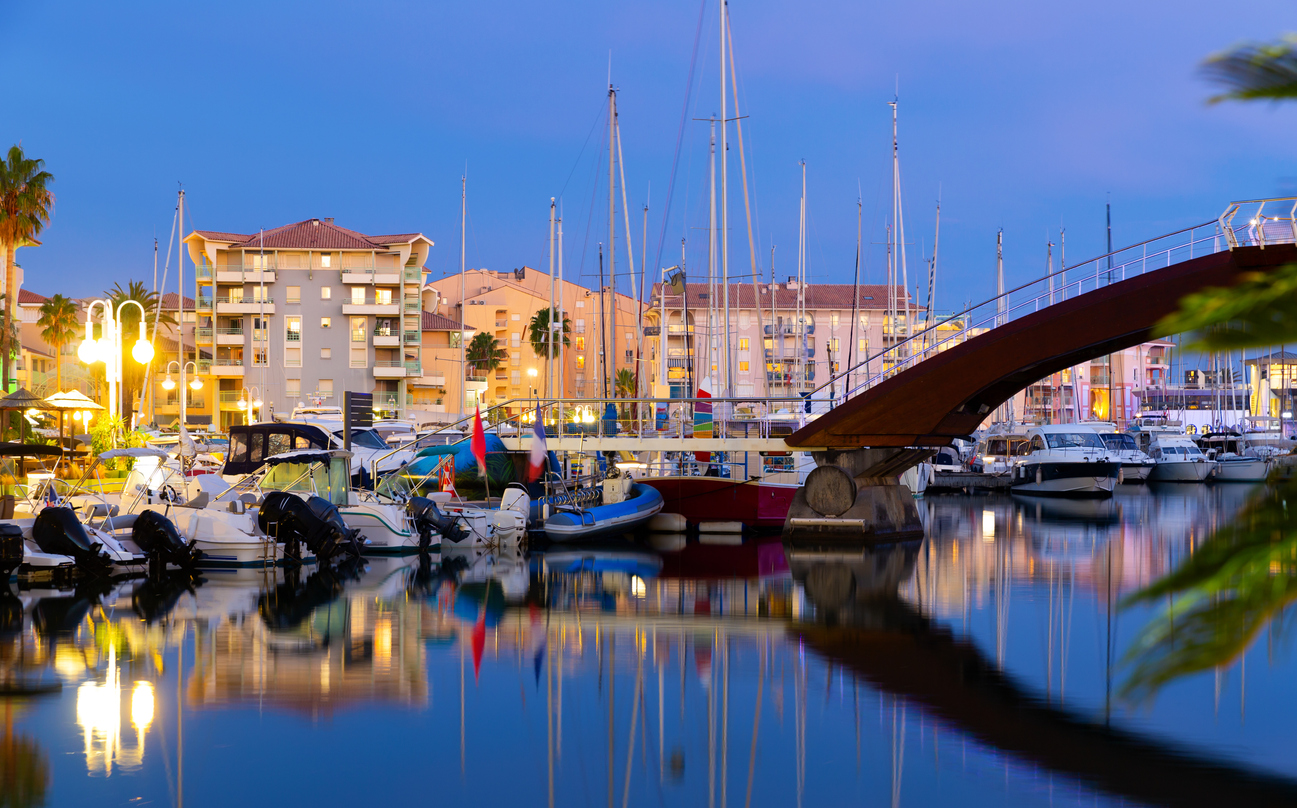
Everything You Need to Know About Saint-Aygulf and Fréjus
Bordered by the red cliffs of the Estérel and framed by long, sandy bays, Saint-Aygulf and Fréjus form one of the Côte d’Azur’s most rewarding duos. Together they offer a balanced blend of Roman heritage and natural wetlands, family-friendly beaches and coves, carefree seaside promenades, and a calendar of cultural events that gives the area depth beyond summer. Whether you are planning a quiet escape, a family holiday, or an active break that centres on hiking, swimming and soft adventure, this guide will help you understand the area’s character, plan your days, and find experiences that suit your pace.
Where Saint-Aygulf and Fréjus Fit on the French Riviera
Saint-Aygulf is a coastal district of the commune of Fréjus in the Var department, midway between Cannes and Saint-Tropez. It sits just east of the Étangs de Villepey, a protected wetland, and west of the main arc of Fréjus-Plage. The wider Fréjus–Saint-Raphaël conurbation spreads along a generous bay that captures sunrise on the water and pastel sunsets behind the Maures hills. The setting is classic Riviera yet distinctly Var: gentler, less vertical than the Corniche farther east, with broad sands, pockets of rocky coves, and the red porphyry of the Estérel Massif glowing at golden hour. The Mediterranean climate is kind in shoulder seasons, with mild winters and warm, dry summers tempered by sea breezes. That climate makes outdoor living a year-round possibility, from sea-view strolls in January to paddleboarding in April and October, and languid beach days in July.
A Brief History Shaping Today’s Character
Fréjus is one of the Riviera’s oldest cities, founded by the Romans as Forum Julii. The legacy is more than a footnote: it is woven into the layout, architecture, and cultural life of the present-day town. Saint-Aygulf, for its part, grew later as a seaside quarter celebrated for its beaches, limestone coves and access to nature. Understanding that arc of history helps explain why the area balances heritage sightseeing with relaxed coastal living so well.
Roman Fréjus: Forum Julii
The Roman Forum Julii was a strategic harbour and administrative centre. Remains of the aqueduct still punctuate the landscape; if you look closely when driving inland you will spot segments of arches that once carried water to the settlement. The amphitheatre, capable of holding thousands of spectators in antiquity, speaks to the city’s scale and importance as a regional hub. Archaeological finds, mosaics, and inscriptions illuminate everyday life, from trade and governance to entertainment. The Roman grid and axes influenced later urban development; even where buildings have changed, the sense of a planned city persists.
Medieval to Modern
After the Roman harbour silted up, Fréjus adapted, layering medieval streets and religious architecture over classical foundations. The cathedral complex with its baptistery and cloister preserves a solemn tranquillity that contrasts with the seaside bustle. In the nineteenth and twentieth centuries, Fréjus re-emerged as a coastal centre with promenades, gardens and public spaces that still shape the town today. Contemporary life brings markets, festivals and performances into historic settings, making heritage feel living rather than frozen.
Saint-Aygulf’s Seaside Identity
Saint-Aygulf developed as a leisure enclave, with a long sandy strand at Esclamandes and a necklace of calanques tucked into limestone edges. The area’s proximity to the Villepey wetlands gives it a softer, wilder mood, with dunes, reeds and birdlife close to the beach. It feels a touch more open and horizontal than the dense urban centre of Fréjus, while still integrated enough to share amenities and cultural life.
Getting There and Getting Around
Most visitors arrive via the coastal rail line, nearby airports, or the A8 autoroute. The nearest TGV stop is at Saint-Raphaël–Valescure, about 5–10 minutes by road from Fréjus centre and within easy reach of Saint-Aygulf by local bus or taxi. Nice Côte d’Azur Airport is the principal gateway, roughly a one-hour drive in moderate traffic, while Toulon–Hyères Airport sits to the west. The coastal road that links Saint-Raphaël, Fréjus-Plage and Saint-Aygulf is straightforward to navigate, with clear signposting and periodic viewpoints where you can pause for photos.
Public Transport and Local Mobility
Local bus services connect Saint-Raphaël, Fréjus, Saint-Aygulf and nearby districts on regular schedules, with additional services in summer. For those staying near the seafront, walking and cycling often cover most day-to-day needs thanks to promenades, cycle lanes and flat terrain. Bike-sharing and e-bike rentals are commonly available in season, providing a congenial way to move along the coast without parking stress. Taxis and ride-hailing operate in the area, useful for evening returns from events or dinner.
Driving and Parking Tips
Driving gives freedom to explore the Estérel, Provence villages and beaches beyond walking range. In high season, head out early for popular beaches and trailheads to secure parking and avoid midday heat. Where parking extends along dunes or near protected zones, respect signage and designated areas to protect sensitive habitats and avoid fines. In town centres, blue-zone timing and pay-and-display apply; keep a close eye on signs and meters. If you are planning evening concerts or festivals, arrive before dusk to find a space and enjoy a pre-event stroll.
Eco-Friendly Movement
The geography encourages human-scale movement. If you like to explore at a gentler pace, try the coastal path that links sections of the bay, or hire an e-bike to glide between Fréjus’s historic core, Fréjus-Plage and Saint-Aygulf. Many amenities cluster close to seaside promenades; with a bit of planning you can enjoy most days without getting into a car. This lowers your stress, supports local air quality, and simply matches the atmosphere of the coast.
Landscapes and Natural Highlights
Beyond the beach towels and café terraces lies a mosaic of nature: coastal wetlands alive with birds, red-rock hills that plunge into the sea, and limestone pockets carved into intimate coves. Together they form a distinctive landscape that rewards both casual enjoyment and deeper exploration.
Étangs de Villepey Nature Reserve
Between Saint-Aygulf and Fréjus sits the Villepey wetlands, a protected reserve of ponds, channels and dunes. Birdwatchers quietly work the edges at dawn and dusk, spotting herons, egrets and migratory species resting in reeds. Elevated walkways and viewpoints let visitors observe without disturbing. Keep to marked paths; dune vegetation is delicate and stabilizes the shoreline. Bring binoculars if you can, and a light windbreaker; even on warm days the breeze across the water can be cool.
The Estérel Massif
To the east, the Estérel Massif rises suddenly with crags of volcanic red rock. One of the best coastal drives in France, the Corniche d’Or, cuts through its lower slopes and offers pull-offs where the sea glitters below. Hikers can choose routes ranging from gentle loops to summit ascents with panoramic views over the Riviera and inland hills. The terrain is rocky and sun-exposed; sturdy footwear, water, and sun protection are essential even for short excursions. Spring and autumn reward with mild temperatures and crisp visibility.
The Sentier du Littoral
The coastal path threads along cliffs and beaches, giving an intimate view of geology and plant life: pines bending to the wind, cistus and rosemary scenting the air, small inlets where fish flicker in clear water. Sections near Saint-Aygulf run between coves and open sand, while stretches nearer Fréjus-Plage settle into long sweeps beside the promenade. Where the path steps onto rocks, watch your footing; after waves or rain, surfaces can be slick. Early morning is the calmest time, when you share the way with joggers and seabirds.
Beaches: From Wide Sands to Hidden Calanques
Saint-Aygulf and Fréjus together provide a range of beach moods. Wide, shallow-entry sands invite families and long swims; smaller rocky alcoves suit snorkellers and readers who prefer the hush of waves against stone. The sea is typically calm in the morning, with gentle swell developing later if winds freshen.
Plage des Esclamandes, Saint-Aygulf
The signature beach of Saint-Aygulf, Esclamandes, is a long ribbon of pale sand with room to spread out even in summer. Shallow slopes make it a forgiving place for cautious swimmers, and its length suits relaxed walks at sunrise and sunset. On breezy days you will see kites in the distance and stand-up paddlers tracing lines along the shore. Dune systems back sections of the beach; use established paths to access the water and help protect the flora that holds the sand in place.
Saint-Aygulf’s Small Coves
Just a short hop from the main strand, limestone coves nestle into low cliffs. Their water is usually clear, revealing sea grass meadows and boulders where small fish congregate. Bring a mask if you enjoy casual snorkelling, and water shoes to navigate rock shelves. These spots fill quickly on weekends; arrive early and keep volumes low to preserve the tranquil ambience that draws people there in the first place.
Fréjus-Plage and the Promenade
Fréjus-Plage stretches along a smooth promenade that pairs beach access with cafés, ice cream counters and shaded benches. Families appreciate the easy logistics: level access, lifeguard posts in season, and a choice of open sand. The water deepens gradually, and mornings often bring glassy conditions ideal for a first dip of the day. In the late afternoon, the promenade softens into a social space where strollers, cyclists and sunset watchers drift in a leisurely flow.
Beach by the Base Nature
Near the Base Nature François Léotard, an expanse of sandy beach opens beside lawns and sports areas. It suits active visitors who like to mix a swim with a run or a skate session, or who simply enjoy reading under a tree between dips. The setting feels open and modern, with wide skies and views back toward the Estérel. On windy days, you may see kitesurfers offshore; keep a respectful distance and watch for signage that delineates zones for different uses.
Cultural Sights You Should Not Miss
History here is not confined to dusty vitrines. Roman masonry supports contemporary art, medieval cloisters host choral music, and revived amphitheatres stage summer performances. The blend makes sightseeing varied and absorbing, even for those who do not consider themselves history buffs.
Fréjus Amphitheatre
The amphitheatre stands as a firm reminder of the city’s Roman past. Its geometry is immediately legible: tiers stepping up from an oval arena, vaults and corridors that channel crowds. Restoration has made the site safe and legible without erasing age, allowing you to imagine spectacles that once filled the seats. Photographers will find strong lines and shadows in late afternoon; history enthusiasts will appreciate on-site information that contextualizes the structure within Roman Provence.
Cathedral and Cloister
The Cathedral of Saint-Léonce with its cloister offers a deliberately quieter experience. The cloister’s timbered roof and painted beams create a sheltered square around a small garden, and the baptistery connects the visitor to early Christian rites. Stone carvings and modest chapels project a sense of continuity, a counterweight to the extroversion of the Roman arena. If you enjoy sacred architecture, give yourself time to sit and absorb rather than just pass through for photos.
Archaeological Museum and the Aqueduct
Fréjus’s archaeology museum gives a digestible overview of the city’s ancient life—with artefacts, models and concise explanations—while the visible remains of the aqueduct outside town hint at the engineering ambition of the Romans. If you plan a themed day, pair the museum visit with a walk by aqueduct arches and an hour at the amphitheatre to stitch together the story.
Memorial and Pagoda
The Indochina War Memorial in Fréjus is a place of reflection, set on a landscaped site that encourages quiet thought. Not far away, a Buddhist pagoda adds a surprising note to the Riviera setting, testifying to diverse communities woven into the town’s fabric. Both sites reward those who travel to understand as well as to enjoy, providing context that enriches the rest of the trip.
Family-Friendly Activities with Broad Appeal
Beyond sun and sand, families will find activities designed to welcome different ages and energy levels. The key is balance: mix active mornings with relaxed afternoons, and leave space for spontaneity.
Luna Park Evenings
During summer, Luna Park brings a festive mood after sunset with rides and games that light up the bay. Even if thrill rides are not your focus, the atmosphere can make for an enjoyable evening walk. Go early with younger children when lines are shorter and the noise level more manageable, or later for a classic night-time Riviera scene.
Water Park Day
On hot days, a water park in Fréjus offers slides and pools that keep children engaged for hours. It may be busy in peak season; consider arriving at opening and taking midday shade breaks. Pack high-SPF sunscreen and quick-dry clothing so you can comfortably switch between attractions and downtime.
Base Nature François Léotard
The Base Nature is a favourite for locals and visitors alike: fields for informal games, skate parks, running loops and wide open lawns that flow into the beach. It is a place to move, yet the spirit is easygoing. If you like to combine a workout with a swim, or if your group spans different interests, this is a space that accommodates everyone without fuss.
On the Water: Sports and Serene Moments
The coastline lends itself to gentle exploration as much as to sport. On calm mornings, the sea can feel like a vast pool; on breezier days, it becomes animated, rewarding those who love motion and spray.
Paddleboarding and Kayaking
Stand-up paddleboards and kayaks are popular ways to explore close to shore, especially between Saint-Aygulf’s coves and the broad waters off Fréjus-Plage. Beginners should choose early morning windows when wind is minimal and stay within buoy lines. A small dry bag for keys and a hat with a strap spare you common frustrations, while a long-sleeved rash guard adds sun protection that does not wash off.
Snorkelling and Casual Diving
In rocky pockets along Saint-Aygulf, snorkelling reveals fish grazing on sea grass and darting among boulders. Bring simple gear and take your time; you do not need depth to enjoy small dramas in the shallows. For certified divers, local clubs run boat dives to offshore sites with better visibility and varied topography. Always follow guidance on currents and protected areas, and give space to marine life.
Boat Charters and Coastal Cruises
Several operators offer boat rentals and small-group cruises that let you see the Estérel cliffs from the water or visit neighbouring bays. If you prefer a low-effort option, choose a guided coastal ride; if you have experience, a day rental gives freedom to drop anchor in calm coves and swim at your leisure. Respect speed limits near shore and navigate conservatively around swimmers and paddlers.
Food and Markets: Flavours of the Var
Cuisine in Saint-Aygulf and Fréjus celebrates the Mediterranean pantry: tomatoes and olive oil, herbs, lemons and fresh fish, all accompanied by local wines. The rhythm of meals adapts to heat and light, with leisurely lunches and later dinners in summer. Markets anchor the week and provide ingredients as well as atmosphere.
Market Days and What to Look For
Weekly markets in Fréjus and Saint-Aygulf lay out produce pyramids of peaches, apricots and figs in season, alongside goat cheeses, olives and tapenades, cured meats and Provençal breads. Ask vendors for tasting recommendations and ripeness windows; many will guide you to the best variety for a salad versus dessert. Bring a basket or reusable bag and small change to make transactions smooth and quick.
Local Specialities
You will find versions of Riviera classics such as pissaladière with caramelised onions and anchovy, socca made from chickpea flour, stuffed vegetables, aioli platters, and grilled fish dressed simply. Bakeries often carry fougasse, sometimes scented with rosemary or olives. On the sweeter side, seasonal fruit tarts sit beside lemon sorbets and nougat. For wines, look to Côtes de Provence rosés—crisp and pale—or a mineral white for seafood. If you enjoy olive oil, you may be able to sample single-estate bottles and note differences in fruitiness and pepper.
Seaside Snacks and Ice Cream
Seafront promenades make it easy to punctuate walks with a cone or a chilled drink. In hot months, plan a mid-morning pause for sparkling water and fruit, then an afternoon treat after the day’s main swim. If travelling with children, set a rhythm—market mornings, simple picnic lunches on shaded benches, and an evening stroll—that keeps energy steady and avoids meals under the harshest sun.
Art, Events and Festivals
The calendar runs from intimate exhibitions to open-air performances. While summer naturally concentrates larger events, shoulder seasons bring smaller festivals that pair well with quieter beaches and clearer hiking trails.
Performances in Historic Settings
Restored Roman venues in Fréjus sometimes host concerts and theatrical performances, which turn a night out into a time-travel experience. Stone amplifies music; shadows play across arches. If you love photography and atmosphere, choose seats that give you some architectural context rather than the closest view alone.
Les Nuits Auréliennes and Seasonal Highlights
Theatre has a place of honour in the area, with festivals such as Les Nuits Auréliennes celebrated by enthusiasts. You may also encounter jazz evenings, classical recitals, and choral performances in churches and cloisters. Summer often includes fireworks displays along the bay on selected dates, which you can watch from the promenade or the sand. Check local listings as dates and programs vary year to year.
Day Trips Within Easy Reach
Saint-Aygulf and Fréjus make a strong base for broader exploration. With a car or by train, you can open the map in several directions and build balanced days that return you to the beach by sunset.
Saint-Raphaël and the Corniche d’Or
Saint-Raphaël lies next door, with its own seafront, church and ferry terminal. From there, the Corniche d’Or traces the edge of the Estérel, with viewpoints overlooking sea-sculpted rocks and small inlets. Plan a half-day that mixes short walks from the road with a leisurely lunch, then return via inland roads for a different view of the massif. Early starts offer quiet stops and easier parking at viewpoints.
Roquebrune-sur-Argens and the Lakes
Inland, the medieval village of Roquebrune-sur-Argens rests under a dramatic rocky outcrop. Wander its lanes for an hour, then head to nearby freshwater lakes for a change of mood. Picnics under trees and gentle paddles on calm water make a refreshing contrast to salt and sand. Combine with a farm shop stop for honey or olive oil on your way back.
Cannes, Antibes and Nice by Rail
For urban culture, day trips to Cannes, Antibes or Nice are straightforward by train from Saint-Raphaël–Valescure. Cannes offers film lore and a compact old quarter; Antibes has ramparts, a Picasso museum and a lively port; Nice delivers grand promenades, markets and large museums. Time your departure to avoid commuter peaks, and consider a late return after dinner to enjoy the evening city light without driving.
Inland Provence and the Verdon
If you have the appetite for longer drives, the Gorges du Verdon deliver limestone drama and turquoise water. Alternatively, explore smaller Provençal villages on the way—Fayence, Seillans, Bargemon—to break the trip into soft steps. Take it slow, stop for a shaded coffee in a square, and return via a different route to keep the day varied.
Sensible Sustainability and Safety Tips
With beauty comes responsibility. The coast and wetlands around Saint-Aygulf are resilient yet sensitive, and summer conditions require smart choices to stay comfortable and safe.
Respecting Nature
Dunes and wetlands are living systems that protect the shoreline and host diverse species, including the shy Hermann’s tortoise in the Var. Stay on marked paths, pack out everything you bring, and avoid disturbing nesting or resting birds. In coves, do not trample sea grass or pry at rocks for shellfish. Refillable bottles, reef-friendly sunscreen and lightweight trash bags are simple additions that reduce your footprint.
Heat, Sun and Sea Conditions
In peak summer, plan strenuous activities for early morning or late afternoon. Midday is best for shade, museums, or leisurely lunches. Hydration and sun protection are non-negotiable: wide-brimmed hats, high-SPF sunscreen reapplied regularly, and light, long-sleeved layers. Pay attention to lifeguard flags and noticeboards that indicate jellyfish presence or strong currents. After windy days, small purple jellyfish can drift near shore; avoid contact and teach children to recognise them.
Polite Coexistence on Shared Spaces
Promenades and coastal paths are shared by walkers, runners and cyclists. Keep right, announce overtakes with a soft call, and maintain moderate speeds in busy stretches. On the beach, leave generous spacing, especially near families with small children. If you enjoy music, keep volumes low; one of the area’s pleasures is the natural soundtrack of waves and wind.
A Balanced 3-Day Itinerary
Use this sample plan as a framework you can tune to your interests and the season. It mixes heritage, nature and beach time without rushing.
Day 1: Roman Roots and Seaside Ease
Morning: Start in Fréjus’s historic centre. Visit the amphitheatre when the light is soft and crowds are thinner, then walk to the cathedral and cloister for a contrasting atmosphere. If you enjoy museums, weave in the archaeology museum for context.
Lunch: Choose a shaded terrace in the old town and explore local specialities. Keep it light if the afternoon will be on the beach.
Afternoon: Head to Fréjus-Plage. Alternate swims with a book on the promenade benches. If you are travelling with children, take a break for ice cream and a flat wander along the waterline.
Evening: Time your dinner to finish around sunset, then stroll the promenade as the sky fades. If a performance is scheduled in a historic venue, reserve an evening for it during your stay.
Day 2: Saint-Aygulf’s Sands and Coves
Morning: Walk the edge of the Villepey wetlands. Bring binoculars and be patient; the birds reward stillness. Move on to Plage des Esclamandes for an unrushed swim and a beach walk along the dunes.
Lunch: Picnic from the market—ripe tomatoes, cheeses, bread and fruit—under natural shade. Keep plastic use to a minimum and pack out all waste.
Afternoon: Explore a small cove for snorkelling. If winds freshen, shift to a protected spot or return to the long beach for space. Finish with a slow coffee at a seafront café.
Evening: If you are visiting in summer, consider a family-friendly outing to Luna Park. Alternatively, enjoy a quiet dusk along the coastal path and an early night.
Day 3: Estérel Outlooks and a Taste of Town
Morning: Drive or take a tour along the Corniche d’Or. Park at designated viewpoints and take short walks into the Estérel. Photograph the red rock against the blue sea and pale green pines. Carry water and sun protection even for brief outings.
Lunch: Stop in Saint-Raphaël or in a small inland village for a simple meal. If you prefer a quicker pace, assemble a picnic and find a viewpoint under trees.
Afternoon: Return for a final swim at the Base Nature beach. If you enjoy movement, add a jog or casual skate before cooling off in the sea.
Evening: Mark your last night with a special dinner in Fréjus, then seek out a small concert or exhibition if one is scheduled. Close with a final promenade and a few quiet minutes by the water.
Practical Essentials for a Smooth Stay
A handful of simple practices will make your time more comfortable and help you fall into the local rhythm quickly.
Language and Etiquette
French is the everyday language; a few polite words go a long way. Begin interactions with a friendly bonjour, and you will usually be met with warmth. Service norms are relaxed by big-city standards; people take time. A small thank-you in French—merci beaucoup—adds grace to transactions in markets and shops.
Payments, Hours and Tipping
Cards are widely accepted, but carrying some cash is useful for markets and small purchases. Many shops close for a lunch break, re-opening in the late afternoon, and Sunday hours can be reduced. Tipping is not obligatory as service is included, but rounding up or leaving a small extra amount for attentive service is customary.
Connectivity and Convenience
Mobile coverage is strong in urban areas and along the main beaches. If you plan to work remotely, ask beforehand about quiet corners and power availability in cafés, and consider scheduling calls in the morning when venues are calmer. Public restrooms are available at intervals along promenades; carry a small bottle of hand sanitiser for comfort.
Accessibility
Fréjus-Plage’s promenade is generally level and suitable for wheelchairs and strollers, with ramps to the sand at designated points. Some beaches offer seasonal beach mats and assistance at lifeguard stations; confirm availability locally as services vary through the year. In the historic centre, expect cobbles and occasional steps; plan accordingly if mobility is a consideration.
Living the Lifestyle: Buying Time, Not Things
One of the region’s charms is how easily you can build a day from simple pleasures: a morning swim, a market lunch, an hour with a novel on a bench, a sunset stroll with a gelato, and a concert under the night sky. For extended stays, many visitors find a gentle routine—market days, a weekly Estérel walk, a standing coffee spot—anchors the experience and reduces decision fatigue. The area comes into its own outside peak weeks, when temperatures soften, light grows golden, and locals take their time. If you are considering a longer stay, balance your schedule with practicalities like grocery runs and laundry early in the day, leaving afternoons free for the seaside and evenings for culture.
Insider Tips That Elevate Your Experience
Small choices can make a visible difference in comfort and enjoyment. Try these to tilt your days toward effortless.
- Start early. A 7:30 a.m. swim or coastal walk gives you the bay at its calmest and frees the rest of the day.
- Pack a lightweight beach kit. A microfiber towel, reusable bottle, sun shirt, hat and compact mask cover most needs without bulk.
- Build shade into your plan. Midday is for museums, markets, or a siesta. Save exertion for mornings and evenings.
- Alternate textures. Pair a sandy day with a rocky cove day to vary swims and keep enthusiasm high.
- Watch the wind. If the forecast shows afternoon breezes, paddle or snorkel early and save reading for later.
- Use markets strategically. Shop every second day for peak freshness and lighter loads.
- Leave buffer time. Coastal traffic can slow in summer; a 15-minute margin means you arrive calm for events.
Conclusion: A Riviera Pair That Rewards Curiosity
Saint-Aygulf and Fréjus work as a single destination with two distinct energies. Fréjus lends history, promenades and cultural depth. Saint-Aygulf brings big skies, long beaches and the breathing space of wetlands and coves. Together they create an easygoing setting where you can tune your days toward rest or activity without friction. The essentials—walkable seafronts, a spectrum of beaches, accessible heritage—sit within minutes of each other, and the wider Riviera opens via scenic drives and reliable trains. Plan a few anchors, leave room for serendipity, and let the place set the tempo. You will find that the best moments often happen between agenda items: the first morning swim, a heron lifting from reeds, the hush of a cloister, and the soft blue hour along the promenade as the bay settles into night.
Exploring the French Riviera? View all our holiday villas on the Côte d’Azur.

