

 EN
EN  NL
NL
 DE
DE
 FR
FR

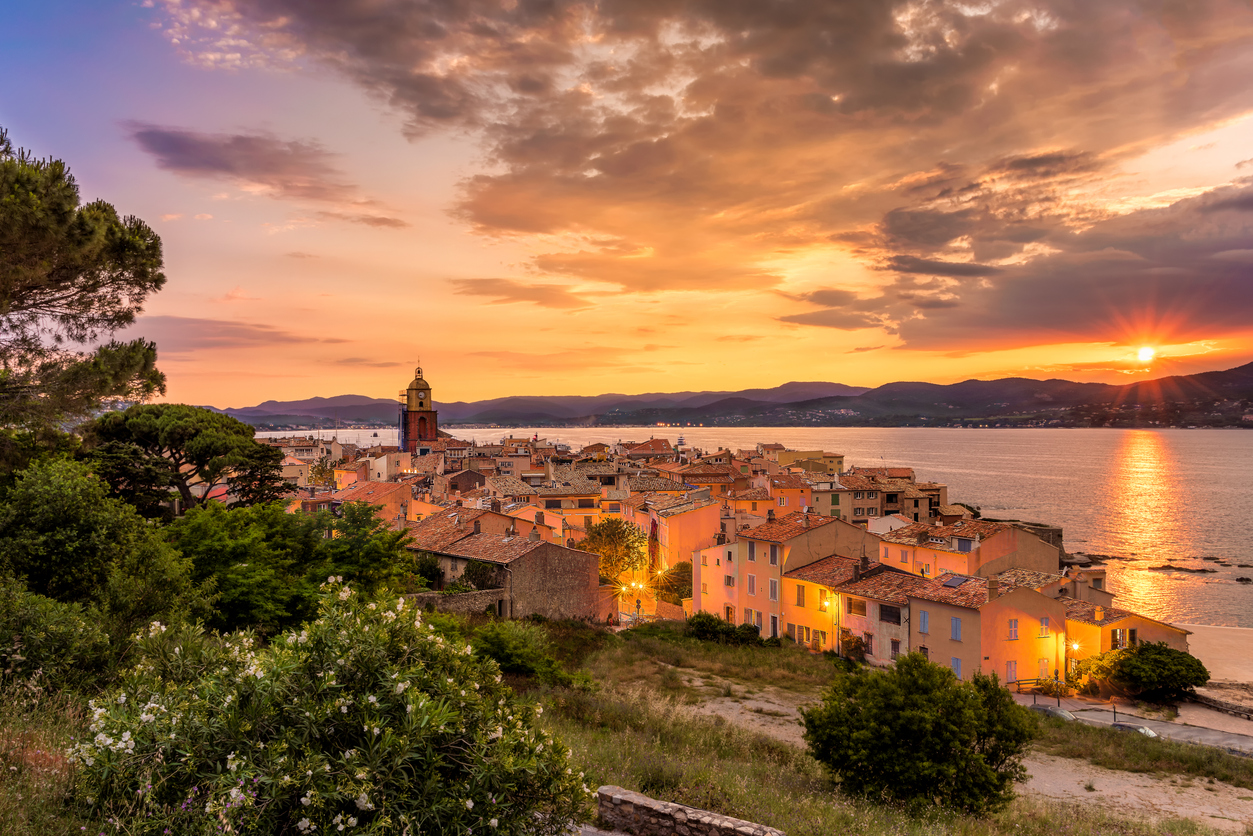
Everything You Need to Know About Saint-Tropez
Few names evoke the effortless glamour of the French Riviera quite like Saint-Tropez. Once a modest fishing village, this Mediterranean haven rose to international fame in the 20th century and has since become a byword for sun-drenched style, modern art and design, waterfront café culture, and legendary beach life. Yet behind the glossy façade is a place of layered history, Provençal traditions, maritime adventures, and authentic flavors. Whether you come for the yachts and beach clubs, the pastel streets and markets, or the sweeping bays and coastal paths, Saint-Tropez rewards curious travelers who slow down and let its rhythms take over. This comprehensive guide unpacks the peninsula’s character, from iconic landmarks and cultural events to practical tips that will help you savor every moment like a local.
Where Exactly Is Saint-Tropez and What Makes It Unique?
Saint-Tropez sits on a rocky headland that curves into the Gulf of Saint-Tropez, in the Var department of southeastern France. It is part of the broader French Riviera—often called the Côte d’Azur—stretching between Toulon and the Italian border. The town’s setting is uniquely cinematic: narrow lanes tumble down from ocher-colored houses to the old port where fishing boats and superyachts share the same shimmering water. Across the gulf lies Sainte-Maxime; to the south and east, pine forests shelter sandy crescents that give way to crystalline shallows.
Unlike many seaside towns, Saint-Tropez combines an intimate village scale with a global cultural footprint. The old town’s tiny squares host pétanque games beside artisan bakeries, while just a few kilometers away sweeping beaches unfurl for miles. The peninsula’s microclimate favors long, bright seasons punctuated by the occasional Mistral wind—those brisk, cleansing gusts that clear the sky to a sharp, luminous blue. Beyond style and scenery, part of Saint-Tropez’s magnetism lies in contrast: it is both discreet and dazzling, rustic and refined, blissfully relaxed yet effortlessly cosmopolitan.
A Short History of Saint-Tropez
Saint-Tropez’s roots reach back to antiquity. The town takes its name from Torpes of Pisa, a Roman officer turned Christian martyr whose legend made the area a site of veneration. In medieval times, the settlement remained small, tucked safely behind fortified walls to guard against pirates who prowled the coast. Commerce and fishing shaped daily life for centuries, supported by vineyards and olive groves inland.
The Citadel, the hexagonal fortress that still crowns the town, dates to the early 17th century and bears witness to Saint-Tropez’s strategic importance. Over time, maritime trade expanded, bringing prosperity and skilled shipbuilders. In the late 19th and early 20th centuries, the quality of the light and the quiet charm of the town attracted artists like Paul Signac and later Raoul Dufy, who captured the port’s brilliant reflections in pointillist and fauvist canvases. Their presence, followed by writers and avant-garde circles, planted the seeds for a cultural renaissance.
The postwar years ignited Saint-Tropez’s transformation. Brigitte Bardot’s breakout films shot here in the 1950s helped project the town into the collective imagination. The 1960s cemented the Tropezian myth: wide-brimmed hats, striped mariner tops, soft leather sandals, and a nonchalant dolce vita. Yet amid the fame, locals preserved age-old traditions, and the town’s economy diversified from fishing to fashion, wine, gastronomy, and the arts. Today, Saint-Tropez is a rare blend of heritage and modernity—an international stage that still feels intimately, unmistakably Provençal.
The Myth, the Mood, the Allure
What exactly is the Tropezian aura? It starts with light: a luminous clarity that makes colors pop, especially at dawn and sunset when the port turns to rose gold. It continues with ritual: a morning espresso at a waterfront café, a stroll past market stalls fragrant with basil, a siesta amid cicadas, a late lunch where conversation lingers, and a dip in water that looks neon-blue under the midday sun. Fashion plays its part too—light linens and stripes, simple shapes in natural textures, leather sandals handmade by local artisans.
Yet for all the celebrity and spectacle, Saint-Tropez thrives on understatement. The best experiences are often the simplest: a quiet corner of the old town with a view of terracotta rooftops; the hush of pines along the coastal path; the thrill of watching classic sailing yachts parade past the lighthouse at the port’s entrance. This is a place to embrace a slower, Mediterranean rhythm while discovering world-class culture and cuisine side by side with age-old village life.
Arriving and Getting Around
Saint-Tropez’s relative seclusion is part of its charm. The nearest major airport is Nice Côte d’Azur to the northeast, while Toulon-Hyères lies to the west and Marseille Provence farther beyond. In summer, traffic along coastal roads can be heavy; planning arrivals early in the day or midweek can make a notable difference. Many visitors choose to combine rail to Saint-Raphaël or Toulon with a taxi or rideshare for the final stretch. Seasonal maritime shuttles across the gulf, for example between Sainte-Maxime and Saint-Tropez, offer a relaxed alternative with scenic harbor views.
Once in town, walking is often the fastest way to soak it all in. The old port, Place des Lices, the Citadel, and waterfront promenade are compact and inviting. E-bikes make zipping to beaches and vineyards easy; dedicated bike lanes improve every year, though caution is wise on shared roads. Local buses connect the town center with the main beaches, especially during peak months. Taxis are available, but booking ahead for late-night returns from beach clubs is a smart practice. Parking exists at several lots near the old town; during peak season, aim for early arrival, or consider park-and-ride services when offered to avoid unnecessary circling.
The Lay of the Land: Neighborhoods and Beaches
Saint-Tropez is more than its postcard port. Knowing the peninsula’s geography helps you match your mood to the moment.
Vieux Port and La Ponche
The Vieux Port is the town’s beating heart, home to traditional pointu fishing boats and gleaming yachts. Terraces line the quay, perfect for people-watching with a coffee or a coupe de rosé. Just behind, La Ponche—the oldest quarter—winds through tiny alleys and stairways that open onto small coves and tiny chapels. This is the Saint-Tropez of films and paintings, best explored early morning or at dusk when shadows play across pastel walls.
Place des Lices and the Market
A short stroll inland, plane trees shade the broad Place des Lices, gathering spot for pétanque and the twice-weekly market. On market mornings, stalls explode with Provençal flavors: sun-warmed tomatoes, olives, lavender sachets, artisan linens, and local pastries. Outside market days, cafés spill onto the square and locals linger over the news with a noisette or a glass of anise-scented pastis.
La Bouillabaisse and Les Canoubiers
Close to the port, La Bouillabaisse beach faces the gulf with gentle shallows, appealing for families and sundowners with panoramic views across to Sainte-Maxime. Les Canoubiers, on the east side of the peninsula, is beloved for its expansive bay backed by pines—great for paddleboarding and relaxed swims. Both offer a softer alternative to the bigger surf of Pampelonne.
Pampelonne and the Wild Capes
Stretching southeast of Saint-Tropez near Ramatuelle, Pampelonne is the peninsula’s iconic sweep of sand, broken into named sections with a mix of public areas and private beach clubs. Farther along the coastal path lie more rugged treasures: Cap Camarat’s dramatic lighthouse, Cap Taillat’s untouched isthmus with Caribbean-blue waters, and pockets of sand reached only on foot. These are idyllic for snorkeling and photography on calmer days.
Pampelonne: Beach Culture, Clubs, and Quiet Corners
Pampelonne symbolizes the modern Saint-Tropez experience, but it rewards a thoughtful approach. The beach spans several kilometers, so choose your base according to your mood and the day’s conditions.
Finding Your Spot
The northern and central sections tend to be livelier, with music-forward clubs renowned for long, leisurely lunches that slide into golden-hour gatherings. The southern stretches toward Cap Camarat feel quieter, with more space between loungers and fewer crowds outside peak weeks. Public zones make it easy to visit without committing to a lounger; bring a lightweight parasol, water, and sandals suitable for hot sand.
Beach Clubs and Lunch Culture
Beach clubs along Pampelonne range from laid-back barefoot places to sleek addresses where design and cuisine are part of the draw. Reservations are common during the high season, especially on weekends. Every establishment has its rhythm: some favor acoustic sets and family-friendly vibes; others dial up DJs and bottle parades late in the afternoon. The signature experience is an unhurried lunch—think grilled fish, tomatoes slick with olive oil, fennel salads, and tarte tropézienne for dessert—paired with chilled Côtes de Provence rosé from nearby estates.
Etiquette and Practicalities
- Sun protection is essential; the breeze can make the sun feel gentler than it is.
- Respect the dunes and marked paths—these fragile ecosystems are protected.
- If driving, arrive early; otherwise, consider bike, bus, or seasonal shuttles.
- Bring a light sweater for late afternoons if the Mistral picks up.
Art, Museums, and Creative Life
Saint-Tropez’s artistic legacy is everywhere once you look for it. The same light that captivated Signac continues to lure painters and photographers today.
Museums and Cultural Spaces
The Citadel’s maritime museum traces the town’s seafaring past, with models, maps, and portraits that bring the port’s history alive. In the old town, art spaces exhibit modern and contemporary works, often spotlighting Riviera themes—sea, sky, and the interplay of shadow and stone. Seasonal pop-ups showcase design, photography, and sculpture, while discreet galleries champion local and international artists.
Street-Level Creativity
Beyond formal venues, creativity thrives in everyday life: chalkboards announcing the daily catch, artisan shoemakers cutting leather into classic Tropezienne sandals, pâtissiers crafting glossy fruit tarts, and textile shops displaying table linens in sun-washed hues. Market days double as cultural encounters, blending craftsmanship with conversations that linger over the provenance of a cheese or the finest way to slice a melon.
Shopping: From Market Baskets to Maison Boutiques
Saint-Tropez is a shopping destination that balances global brands with local know-how.
Luxury and Designer Streets
Close to the port, flagship boutiques present seasonal collections alongside travel-friendly accessories. Window displays are artful in their own right, shifting with the light and reflecting nautical motifs. Even if you are just browsing, these streets are an education in Riviera style: effortless silhouettes, natural fibers, and a palette that echoes sky and sea.
Local Finds and Edible Souvenirs
In and around Place des Lices, specialty shops supply Provençal herbs, olive oils, and tapenades. Seek out fleur de sel harvested from nearby salt flats, candied citrus peels, and lavender honey. For fashion with roots, craftspeople make the emblematic Tropezienne sandals to order, and straw market baskets are both practical and beautiful. Food lovers gravitate to pâtisseries for a slice of tarte tropézienne, a cream-filled brioche whose origin story is intertwined with the town’s cinematic fame.
Dining and Nightlife: Sunlit Lunches, Starlit Evenings
Eating well in Saint-Tropez means embracing the Mediterranean tempo. Lunch is often the star—an extended ritual by the water or under a trellis of vines—while dinners can be intimate, lively, or both.
What to Eat
Local menus celebrate the sea: grilled sea bream, prawns with aioli, octopus with lemon and olive oil, and bouillabaisse-inspired compositions. From the land, expect Provençal staples such as ratatouille, stuffed vegetables, and roasted lamb with thyme. Snacks can be irresistible: pissaladière (caramelized onion tart), fougasse with olives, anchovy-laced anchoïade, and socca where offered. Finish with stone fruits in season, almond tarts, or the signature cream brioche.
Where to Eat
Options run the gamut from portside brasseries—perfect for seafood platters and yacht-watching—to intimate bistros tucked into La Ponche’s backstreets. Along Pampelonne, beach restaurants pair inventive Mediterranean plates with sandy toes and sea breezes. Inland, vineyard tables host relaxed lunches and tastings overlooking vines and umbrella pines.
Nights Out
Saint-Tropez’s evenings begin with an apéritif—perhaps a pale rosé or a fragrant pastis—taken on the port or in a shaded square. Later, bars and lounges warm up with live music and DJ sets. Some beach venues shift into low-slung nightspots with dancing on weekends, while in town cozy wine bars offer quieter conversation. As with daytime dining, summer reservations are often necessary; shoulder seasons feel spontaneous and pleasantly unhurried.
Adventure and the Outdoors
Beyond the scene, the Saint-Tropez peninsula is an outdoor playground.
On the Water
The gulf’s gentle waters invite stand-up paddleboarding at sunrise, kayaking to hidden inlets, and snorkeling along rocky points where posidonia seagrass shelters shoals of fish. Sailing is a highlight—watching classic yachts under full canvas is unforgettable—and private charters are available if you want to explore capes and coves at your pace. On windy days, look for windsurfers and wing foilers carving across the bay.
On Foot and by Bike
The sentier du littoral, a well-marked coastal path, threads along the peninsula. Favorite segments include the stretch from Plage des Salins to Cap Camarat, where fragrant maquis shrubs meet sculpted rock and turquoise water, and the route to Cap Taillat’s slim sandbar. Wear sturdy shoes, bring water, and respect posted conditions. Cyclists enjoy early-morning rides on rolling inland roads toward Ramatuelle and Gassin; e-bikes make the peninsula’s hills accessible for all levels.
Events and Festival Season
Saint-Tropez’s calendar balances tradition with high-seas spectacle.
Les Bravades
Each May, Les Bravades celebrates the town’s patron saint and historic militia. Residents don ceremonial uniforms, process through the streets with fifes and drums, and fire muskets in the air. It’s a vivid reminder that behind the glamour lies a fiercely guarded local identity.
Les Voiles de Saint-Tropez
In late September and early October, Les Voiles brings fleets of classic and modern yachts to the gulf. The regattas are as photogenic as they are competitive; spectators gather along the port and viewpoints near the lighthouse to watch starts and finishes. On shore, exhibitions and gatherings give the town a convivial, celebratory buzz.
Summer Highlights
Throughout summer, expect music, arts, and food events, from open-air concerts to fireworks on national holidays. Market days swell in energy, and wine estates hold tastings and seasonal dinners. The shoulder seasons host cultural weekends and art fairs, ideal for travelers who prefer cooler temperatures and more space.
Easy Day Trips from Saint-Tropez
The peninsula is a perfect springboard for broader exploration.
Hilltop Villages
Ramatuelle and Gassin perch above vineyards with sweeping views of the gulf. Both offer cobbled lanes, stone houses dressed in bougainvillea, and small squares where time seems to pause. Pair a visit with a winery stop to sample Côtes de Provence rosés and whites.
Port Grimaud and the Lagoon
Port Grimaud, a modern canal town designed with Venetian flair, is a short drive away. Its network of waterways and bridges makes for a charming stroll or a gentle boat ride. Nearby Grimaud village adds medieval ambiance and castle ruins to the mix.
Nature Escapes
Follow the coast west to the red rock cliffs of the Estérel Massif for hikes with sea views, or venture by boat to the Îles d’Hyères on seasonal excursions to discover protected waters and pine-scented trails. For a taste of urban Riviera, Cannes and Nice are reachable for a day of museums and promenades.
Local Etiquette, Style, and Pace
Part of blending into Saint-Tropez’s fabric is reading its subtle codes—nothing fussy, everything gracious.
Dress the Part
Think “resort casual” by day: linens, cottons, sensible sandals. Evenings tilt a notch smarter: a light dress or trousers and a shirt. Beachwear stays on the beach; a pareo or light cover-up is appreciated when leaving sandy areas.
Dining Manners
Lunch is unhurried. If you have a reservation, arrive on time and let your host know if delayed. Service is typically included in prices, but rounding up or adding a modest tip for excellent service is welcome. A simple “bonjour, merci, au revoir” goes a long way.
On the Road and Beach
Drive courteously on narrow lanes, give cyclists room, and avoid parking on verges or in protected dunes. On beaches, keep music to a considerate volume and pack out all litter. The same goes for the coastal path—leave wild places as you found them.
Travel Lightly: Sustainability on the Peninsula
The Gulf of Saint-Tropez area is actively protecting its coastline and biodiversity. Visitors can help by making simple, meaningful choices.
- Favor walking, biking, buses, or boat shuttles over car trips where possible.
- Carry a refillable bottle; many cafés are happy to top up water.
- Respect roped-off dune systems and nesting areas.
- Choose reef-friendly sunscreen and minimize single-use plastics.
- Support local producers and seasonal menus to reduce food miles.
Off-season visits lighten pressure on infrastructure and offer rich rewards: softer light, calmer lanes, and a chance to connect with locals beyond summer’s rush.
When to Visit and How to Plan
Saint-Tropez shifts with the seasons, each with distinct appeals.
Peak Summer (late June to August)
Expect maximum buzz: lively beaches, late dinners, and a roster of events. The sea is warmest and days are reliably sunny. Plan early for popular restaurants and beach spots; early morning and late afternoon are golden for quieter moments.
Shoulder Seasons (May to mid-June, September to October)
Many consider these the sweet spot. The water is pleasant, the air is balmy, and there is space to breathe. September’s sailing scene adds excitement, while October offers gentle days perfect for long coastal walks and vineyard visits.
Winter and Early Spring
Calmer weather with occasional Mistral days, cooler temperatures, and a hushed, romantic mood. While some seasonal venues pause, village life continues, markets roll on, and sunsets can be spectacular. It’s ideal for art, food, and nature lovers who value tranquility.
A Three-Day Sample Itinerary
- Day 1: Arrive early, stroll the Vieux Port and La Ponche. Climb to the Citadel for gulf panoramas, then a market lunch at Place des Lices. Sunset promenade by the lighthouse; dinner in a tucked-away bistro.
- Day 2: Morning paddle or swim at Les Canoubiers. Head to Pampelonne for a long lunch, then nap on the sand or walk the coastal path toward Cap Camarat. Aperitif on the port; music-laced evening in town.
- Day 3: Vineyard visit and tasting near Gassin or Ramatuelle. Explore a hilltop village and linger over a terrace lunch. Late-day shopping in the old town and a final seaside stroll before departure.
What Things Cost and How to Budget
Saint-Tropez can be as indulgent or as simple as you choose. A little strategy goes a long way.
Food and Drink
Expect a range: coffee at a local bar is modestly priced; waterfront terraces command a premium. Many restaurants offer lunch specials or set menus—excellent value for trying seasonal dishes. Rosé by the glass or carafe keeps costs reasonable, while estate bottles vary widely by vintage and fame.
Beach Days
Public beach areas are free; bring your own towel, shade, and snacks. Private club loungers come with a fee that varies by location, day, and position. Booking ahead in high season helps avoid surprises, and arriving early can unlock better choices.
Activities
Walking the coastal path, exploring hilltop villages, and market browsing are free. Museum entries are modest. Watersports and boat charters span from accessible group outings to bespoke experiences; ask about inclusive pricing for fuel and gear.
Saint-Tropez with Kids
Families find plenty to love when they plan around the rhythm of the day. Choose mornings for beach time when winds are calmer and the sea is glassy. Beaches like La Bouillabaisse and Les Canoubiers have gentler gradients and are easier with little ones. Bring sun-protective clothing, hats, and water-friendly shoes. Midday naps or quiet hours under shade keep energy high for evening strolls, crêpes, and gelato on the port. For activities, consider paddleboarding in tandem, boat trips on flat days, and educational museum stops where maritime history comes alive.
Wines and Flavors of the Peninsula
The Gulf of Saint-Tropez is woven into the Côtes de Provence appellation, and vineyards sculpt the hills around Gassin and Ramatuelle. Rosé dominates, ranging from delicate salmon hues to slightly deeper shades, with aromas of citrus, white peach, and wild herbs. Increasingly, estates craft expressive whites and structured reds too. Tasting rooms are welcoming and often pair wines with olive oils or regional products. In town, cavistes curate bottles for every budget, making it easy to assemble a picnic with cheese, charcuterie, bread, and a chilled rosé for sunset.
Iconic Sights You Shouldn’t Miss
A few landmarks anchor the Saint-Tropez experience. The Citadel’s ramparts provide the best natural overview of the gulf, especially near sunset. The lighthouse at the port entrance, visible from the quays, is a magnet for evening strolls as the sky turns apricot. La Ponche’s tiny beach and tangle of alleys evoke the town’s fishing past. Place des Lices delivers market magic and a sense of community in any season. And Pampelonne, whether booming or serene, reveals the essential interplay of nature and style that made Saint-Tropez famous.
A Glossary of Tropezian Essentials
- Tarte tropézienne: A cream-filled brioche whose secret recipe is an emblem of the town.
- Pétanque: A Provençal ball game played under plane trees with infectious conviviality.
- Pointu: The traditional wooden fishing boat with a pronounced prow, still common in the port.
- Rosé de Provence: The quintessential Riviera wine, served well-chilled with seafood and salads.
- Sentier du littoral: The coastal footpath tracing the peninsula’s wild edges.
Putting It All Together
Saint-Tropez is more than a destination; it is a mood composed of light, salt air, ripe tomatoes, and the soft thud of pétanque balls in a shaded square. It’s a curated balance between simplicity and sophistication, where a barefoot beach day can be followed by a gallery opening, a market picnic can rival a fine lunch, and a sailor’s regatta can share the stage with a centuries-old procession. To get the most from your visit, travel with curiosity, plan lightly but wisely, and leave room for serendipity—because in Saint-Tropez, the best moments often arrive with the breeze.
Exploring the French Riviera? View all our holiday villas on the Côte d’Azur.

