

 EN
EN  NL
NL
 DE
DE
 FR
FR

Everything You Need to Know About Sainte-Maxime
Sainte-Maxime is a coastal town in the Var department that brings together all the elements people love about the south of France: a sun-drenched shoreline on the Gulf of Saint-Tropez, gentle hills perfumed with pine and cork oak, bustling markets, and a charming old town where café life still sets the rhythm of the day. Long loved by writers, artists, and families seeking an easygoing Riviera ambiance, Sainte-Maxime offers the best of the Côte d’Azur without fuss—beautiful beaches, authentic Provençal culture, and a friendly, walkable center that invites you to slow down and savor.
Whether you’re planning a short escape or a long stay, this guide covers the essentials: when to visit, where to go, what to eat, how to get around, and the experiences that make Sainte-Maxime distinctive. From sunrise swims at Plage de la Nartelle to evening rosé on the promenade, you’ll find a balanced mix of leisure, culture, and nature in a setting that’s both vibrant and relaxed.
A Snapshot of Sainte-Maxime: Location and Atmosphere
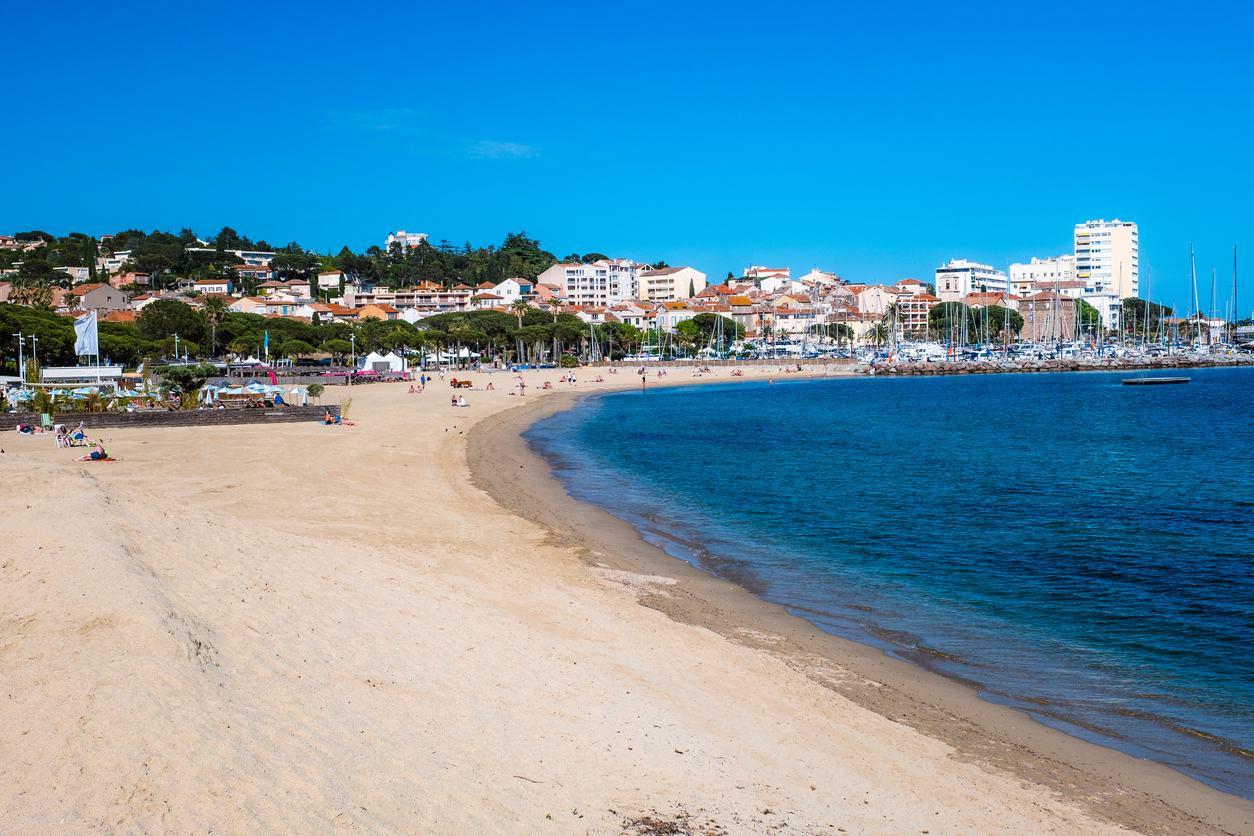
Set on the northern curve of the Gulf of Saint-Tropez, Sainte-Maxime faces the famous village of Saint-Tropez across a sparkling expanse of blue. The Massif des Maures hills rise behind the town, creating a protective backdrop that helps moderate the climate. The result is a favorable weather pattern: mild winters, bright springs, warm summers tempered by sea breezes, and mellow autumns that stretch well into October. With palm-lined promenades, a handsome marina, and ochre-toned façades in the old town, Sainte-Maxime radiates Mediterranean light and color.
Unlike some parts of the Riviera that lean heavily toward high-octane nightlife, Sainte-Maxime cultivates an atmosphere of easy conviviality. Mornings begin with the clink of coffee cups and the bustle of the covered market; afternoons drift by on the beaches or over long lunches shaded by parasols. As evening arrives, locals and visitors mingle on the seafront esplanade for a passeggiata-style stroll. It’s a family-friendly, welcoming town that still celebrates the simple pleasures of coastal life.
A Brief History Shaping the Town
Sainte-Maxime’s story is deeply Mediterranean. Archaeological evidence points to ancient activity in the area, but the town as we know it is rooted in medieval development, maritime trades, and the rhythms of agricultural life. Thanks to abundant cork oak forests in the nearby hills, cork production was a defining industry for centuries. Fishing—particularly for sardines and anchovies—also shaped the local economy and diet.
In the early 20th century, Sainte-Maxime began to attract writers and artists drawn by its light and its calm compared to neighboring hotspots. The interwar period saw an expansion of leisure-oriented infrastructure along the waterfront. Though the wartime years left their mark on the coast, the town rebuilt and emerged into the postwar boom as a sought-after seaside destination. Today, you can feel both the legacy of tradition (in the market, the Tour Carrée museum, and the Provençal calendar of festivals) and the modern confidence of a well-kept resort town that doesn’t need to shout to be heard.
Neighborhoods and Areas to Know
Sainte-Maxime’s layout is intuitive: the old town and marina form the heart, with residential neighborhoods and beach areas fanning east and west along the coast and climbing gently into the hills. Each area has its own spirit.
The Old Town and Marina
At the core is the old town, a walkable grid of streets around the port. Here you’ll find the covered market, boutiques, ice-cream parlors, cafés, and the Tour Carrée, a small stone tower that houses a local heritage museum. The marina is busy but not overwhelming, lined with restaurants and terraces that catch both sunshine and sea breeze. It’s the place to people-watch and set your bearings, and many of the town’s events and markets spill into this area.
La Nartelle
To the east of the center, La Nartelle is known for its broad, golden-sand beach backed by pines. The bay is especially photogenic with azure shallows and views across the gulf to Saint-Tropez. The area blends private beach clubs with stretches of public sand, and in the shoulder seasons it’s blissfully quiet for morning walks. Inland, low-rise villas tuck into the hillside, making it a tranquil residential zone with easy beach access.
La Croisette and the Promenade
West of the port, the seafront promenade sweeps along La Croisette toward the Jardin Botanique des Myrtes. This stretch is perfect for strolling, cycling, and sunset views. The botanical garden showcases Mediterranean species—myrtle, olive, palm—and serves as a green pause between the town and the beaches.
The Madrague and Les Bateaux District
Continuing east past La Nartelle, the Madrague area mixes small sandy coves and rocky promontories. It’s popular with snorkelers who appreciate the clear water and posidonia meadows offshore. For a quieter beach day, the intimate scale of these coves contrasts nicely with the wide-open feel of La Nartelle.
The Beaches of Sainte-Maxime
Sainte-Maxime offers a choice of beaches to suit different moods, from family-friendly sands with gentle slopes to snug coves and water sports hubs. They’re accessible, regularly cleaned, and boast clear, swimmable water from late spring through early autumn.
Plage de la Nartelle
The star of the coastline, La Nartelle stretches long and wide with a mix of public sections and beach clubs. The sandy entry and typically calm conditions make it excellent for families. Early risers can enjoy glassy water for paddleboarding; by late morning, it’s a classic scene of sunbathers, swimmers, and leisurely lunches. If you’re visiting in July or August, arrive early for parking and the best spot on the sand.
Plage du Centre-Ville
Steps from the marina and shops, the central beach is the most convenient if you want to pair a swim with market browsing or a seaside meal. It’s an easy choice for a quick dip and popular with children thanks to the gentle slope. The proximity to the promenade and amenities makes it a practical pick, especially outside peak times when it’s less crowded.
Plage de la Madrague
Smaller and more intimate than La Nartelle, the Madrague beaches are ideal for those who enjoy cove-style swimming and snorkeling. Bring a mask to look for fish darting among the rocks, and water shoes can be helpful for rockier entries. The landscape here feels a touch wilder, with pine-scented breezes and natural shade.
Plage des Éléphants
A picturesque strand near La Nartelle, Plage des Éléphants is named for a beloved literary character and has a quietly local feel. It’s a good place for sunrise and sunset, with photogenic views across the gulf. The shore is a mix of sand and small pebbles; check the wind forecast and aim for lighter-breeze days for the clearest water.
Outdoor Activities and Nature
The Gulf of Saint-Tropez is a natural playground, and Sainte-Maxime is an ideal base for sea and hill adventures.
- Stand-up paddleboarding and kayaking: Mornings are best for calm conditions along La Nartelle and the Madrague coves. Rentals are typically available in season.
- Sailing and boating: The bay’s predictable summer breezes make it inviting for sailing. Sightseeing boat trips operate from the marina during the warmer months.
- Snorkeling: Look for rocky points and clear-water days. Always give space to posidonia seagrass beds—they are protected and vital to the marine ecosystem.
- Cycling: The coastal road offers scenic rides, but the hills behind town offer quieter lanes. Early mornings in summer provide the best temperatures and lighter traffic.
- Hiking: The Massif des Maures has marked trails through cork oak and pine. Views sweep over the gulf, especially on routes near the semaphore hill and inland ridgelines.
- Golf: Golfers will find courses within a short drive of Sainte-Maxime, some with sea-view fairways.
For slower-paced nature, the Jardin Botanique des Myrtes is a pleasant stop, particularly in spring and early summer when Mediterranean species are in bloom. Bring water, sun protection, and comfortable footwear if you plan to explore beyond the shoreline.
Culture, Arts, and Events
Sainte-Maxime blends Provençal traditions with a contemporary program of cultural events. The calendar is liveliest from late spring through early autumn, with concerts, markets, and seaside festivities.
The Tour Carrée museum in the old stone tower introduces local heritage, from fishing to crafts. Throughout the year, you’ll find rotating exhibitions and artisan fairs in and around the town center. Summer evenings often bring open-air concerts and family-friendly performances along the promenade or in public squares. Firework displays typically mark national holidays and key summer dates, drawing crowds to the waterfront.
Autumn and winter unveil a quieter cultural side: regional food fairs, santon nativity figurine markets, and Christmas lights that transform the seafront into a festive stroll. For music lovers, watch for jazz, classical, and chanson performances scheduled in municipal venues across the seasons. The tone is convivial—events are designed to be enjoyed by locals and visitors together.
Gastronomy and Local Produce
Food in Sainte-Maxime is unmistakably Mediterranean: olive oil, tomatoes, garlic, herbs, and the day’s catch served in straightforward, delicious preparations. Expect salads layered with sun-ripe vegetables, grilled fish with fennel or lemon, and Provençal classics like ratatouille and pissaladière. A bowl of soupe de poisson with rouille is an evocative taste of the coast.
The town’s markets overflow with seasonal produce—zucchini blossoms in summer, figs and grapes in late August, and citrus in winter. Local goat cheeses and olives are staples, and regional charcuterie makes an easy picnic pairing with crusty baguette. Don’t miss the patisserie scene: glossy fruit tarts, flaky croissants, and almond-rich treats that make breakfast or a mid-afternoon pause feel like a celebration.
As for wine, Sainte-Maxime sits at the heart of Côtes de Provence rosé country. Pale, dry rosés dominate summer tables, but local whites and reds can be excellent too. Winery visits in the wider gulf area offer a chance to learn about blends, terroir, and the harvest cycle. If you prefer to shop in town, dedicated cavistes can guide you to bottles that match your taste and budget.
Markets and Shopping
The covered market is the town’s beating heart, open most mornings and especially vibrant on market days. Here, producers sell fruit and vegetables, seafood, cheeses, charcuterie, tapenades, and pastries, while stalls outside complete the scene with flowers and Provençal textiles. It’s the place to practice your French greetings and pick up ingredients for an al fresco lunch.
Beyond food, Sainte-Maxime has a compact but appealing shopping district near the port and along the pedestrian streets. Boutiques mix resort wear, artisan leather goods, ceramics, and homewares. Summer pop-up markets bring additional crafts and designer stalls to the promenade in the evenings. If you’re seeking souvenirs, look for items made in Provence—olive-wood utensils, lavender sachets, Marseille soap, and locally produced olive oil.
Practical note: Many shops close for a mid-day pause outside the peak summer months. Plan shopping for morning or late afternoon to find doors open and streets lively.
Getting There and Getting Around
Sainte-Maxime is well connected without feeling overrun. Although there’s no train station in town, nearby rail and road links make arrival straightforward.
- By air: The nearest major airports are Nice Côte d’Azur and Toulon-Hyères, with Marseille Provence as another option. From any of these, it’s a road transfer of roughly 1–2 hours depending on traffic.
- By train: High-speed and regional trains serve Saint-Raphaël–Valescure. From Saint-Raphaël, buses and taxis connect to Sainte-Maxime. The coastal road is scenic but can be busy in July and August.
- By car: The A8 autoroute provides the main approach. Exit toward Sainte-Maxime via well-signed departmental roads. In peak season, aim for early or late transfers to avoid mid-day congestion, and consider using public parking areas then walking or using local shuttles.
- By boat: Passenger shuttles run across the gulf between Sainte-Maxime and Saint-Tropez, providing a relaxed, traffic-free alternative for day trips. Companies operate frequent services in summer and a more limited schedule off-season, weather permitting.
Once in town, walking is the easiest way to enjoy the center, the marina, and nearby beaches. Cycling is increasingly popular, and dedicated paths exist along parts of the seafront. Local buses connect the main districts and outlying beaches. If you’re driving, watch for one-way streets in the center and plan to park then explore on foot.
Day Trips and the Wider Gulf of Saint-Tropez
Part of Sainte-Maxime’s appeal is how easily you can pivot from beach time to broader explorations. The gulf and the surrounding Var countryside are full of rewarding day trips.
- Saint-Tropez by sea: A short boat ride lands you in the old port of Saint-Tropez. Visit in the morning for market day, explore the citadel’s views, and return by mid-afternoon to swerve the heaviest crowds.
- Port Grimaud: Sometimes called the “Little Venice of Provence,” Port Grimaud is a planned waterside village of canals and pastel façades, accessible by road or boat services.
- Plan-de-la-Tour and the hinterland: Inland villages offer a slower pace, shaded squares, and wine estates. You’ll find scenic drives through cork oak forests and tranquil picnic spots.
- Coastal walks toward Les Issambres: West of Sainte-Maxime, seafront paths and rocky inlets make for peaceful rambles with sea views and swimming coves along the way.
- Massif des Maures: Trails and scenic roads reward hikers and photographers with sweeping panoramas over the gulf and the Var plains.
Always check local visitor office information for trail conditions, event schedules, and seasonal transport timetables, especially outside the summer months.
Family-Friendly Sainte-Maxime
Sainte-Maxime is a natural fit for families, with shallow-entry beaches, carousels, playgrounds, and straightforward logistics. You’ll find plenty of kid-friendly menus, gelato stops at every turn, and soft-sand beaches that make sandcastle building a daily ritual.
- Beach days: Choose La Nartelle for space and gentle waves, or the central beach for quick swims combined with snacks and shade on the promenade.
- Water fun: In summer, floating water parks sometimes set up near the main beaches, and paddleboard rentals are widely available for older children and teens.
- Parks and gardens: The Jardin Botanique des Myrtes doubles as a shaded wander with discovery boards about Mediterranean plants.
- Adventure activities: Seasonal adventure parks and mini-golf in the wider area give variety to beach-focused days. Check opening times outside July–August.
- Boat trips: Short coastal cruises are a hit with children and provide a fresh perspective on the shoreline.
Practical family tips include early beach starts to avoid midday heat, UV-protective swimwear, and frequent water breaks. Many stretches of beach have lifeguards in high season—observe the flag system and any posted notices about currents or marine life.
Practical Tips and Seasonal Advice
When you visit can shape your experience. Sainte-Maxime has a long season, but each period offers distinct advantages.
- Spring (April–June): Wildflowers on the hills, bright but comfortable temperatures, and a lively but not overcrowded town. Sea temperatures warm through May into June. Ideal for hiking, cycling, and long lunches on terraces.
- Summer (July–August): Peak season brings the fullest events calendar and the warmest sea, alongside busy beaches and roads. Plan early starts, lunch in the shade, and evening swims. Book restaurant dinners in advance in this period.
- Early Autumn (September–October): A prime time with warm sea, softer light, and fewer crowds. Vineyards buzz with harvest activity, markets brim with figs, and the weather remains beach-worthy.
- Winter (November–March): Quiet and atmospheric, with crisp, sunny days. Great for walkers, photographers, and those seeking empty promenades and a local rhythm. Some seasonal services reduce schedules, so plan accordingly.
Pack layers for shoulder seasons and a light windbreaker for occasional Mistral days. In summer, a straw hat, high-SPF sunscreen, and a reusable water bottle are essentials. For shopping and dining, note that many places accept cards, but keeping some cash on market mornings speeds things up at smaller stalls.
Real Estate and Long Stays
Staying longer in Sainte-Maxime invites a deeper relationship with the town: you learn the rhythm of market days, make friends with a favorite baker, and find your perfect swimming cove. Many visitors opt for self-catering villas or apartments to enjoy more space, kitchens for market finds, and terraces for slow breakfasts or sunset aperitifs.
When choosing an area, consider how you’ll spend your days. If you love morning coffees and evening strolls, the center and marina area make walking effortless. If sea time is your priority, look to La Nartelle or the Madrague for quick beach access. Families might seek homes with gardens or pools on the hillside roads above town, trading a few minutes’ drive for privacy and views.
For month-long stays, pay attention to practicalities: proximity to supermarkets, parking availability, and noise levels in peak season. If you plan to work remotely, confirm internet speed and workspace options before committing. Finally, consider the calendar—early autumn is especially attractive for long stays thanks to beach-friendly weather, quieter streets, and favorable rates compared with high summer.
Sustainable Travel in Sainte-Maxime
Sainte-Maxime’s natural beauty is its greatest wealth. A few mindful choices help protect it for the future.
- Respect posidonia seagrass: These underwater meadows keep beaches sandy and oceans healthy. Avoid anchoring on seagrass, and never disturb it. On shore, you may see dried posidonia; it’s part of a natural cycle.
- Choose low-impact transport: Walk, cycle, or use local buses and gulf ferries when possible. In peak season, this often saves time as well as emissions.
- Reduce plastic: Carry a reusable bottle and bag. Many fountains and cafés are happy to refill your water.
- Stay on marked trails: In the Maures hills, keep to designated paths to prevent erosion and protect wildlife.
- Mind the sea: Use reef-safe sunscreen, and give space to marine life. If you see litter, pick it up—every small act counts.
Local initiatives often include beach cleanups and educational displays about coastal ecosystems. Participating not only supports the environment but also connects you with the community.
A Sample 3-Day Itinerary
This flexible plan balances beach time, culture, and exploration. Adjust based on season and interests.
Day 1: Seafront and Old Town
Morning: Start with coffee and a croissant on a terrace by the marina. Wander the covered market to sample olives, goat cheese, and fresh fruit, then step into the Tour Carrée to understand the town’s maritime roots. If the weather is warm, stroll to the central beach for a mid-morning swim.
Afternoon: Enjoy a long lunch at a seafront bistro, then walk west along the promenade to the Jardin Botanique des Myrtes. Pause under the shade of palms and explore the garden’s plantings. Return via the waterfront for gelato, and plan a gentle cycle or a book on a bench as the heat recedes.
Evening: As dusk approaches, the marina lights glimmer and the promenade fills. If there’s an open-air concert or street performance, it’s a pleasant way to end the day. Dine in the old town, choosing seafood or Provençal specialties.
Day 2: La Nartelle and Water Time
Morning: Head early to Plage de la Nartelle. Rent a paddleboard if the sea is calm, or simply swim and relax. With clear conditions, snorkel near the rocks to spot small wrasse and bream.
Afternoon: After a seaside lunch, continue east toward Plage des Éléphants or the Madrague coves for a change of scenery. The smaller beaches offer a different mood—less bustle, more coastal textures and rocky points.
Evening: Return to town for an aperitif on a terrace. If it’s summer, check for evening markets or fireworks on the waterfront. Try a rosé from a nearby estate with a plate of anchovies, tapenade, and local bread.
Day 3: Across the Gulf and Into the Hills
Morning: Catch a boat across the gulf to Saint-Tropez. Browse the market or climb to the citadel for harbor views. A few hours is plenty to appreciate the scene without spending the entire day in the thick of the crowd.
Afternoon: Back in Sainte-Maxime, drive or cycle into the foothills of the Maures for a scenic lookout. If you prefer to stay coastal, follow a section of the seafront path toward Les Issambres, stopping to swim in a small cove along the way.
Evening: Close with a leisurely dinner and a promenade stroll. If the weather is warm, consider a night swim—an unforgettable way to say au revoir to the gulf’s glittering water.
Frequently Asked Questions
Is Sainte-Maxime good for non-drivers? Yes. The center, marina, and nearby beaches are walkable, and local buses and boats connect key points. For deeper countryside or late-night returns, taxis are an option. If you plan mainly beach-and-town days, you can manage comfortably without a car.
When is the sea warmest? Typically from late June through September, with September often offering the best combination of warm water and fewer crowds. Shoulder months can still be lovely for bracing swims on sunny days.
Are there quiet spots in peak season? Early mornings are tranquil almost everywhere. Opt for smaller coves east of town, explore west along the coast toward Les Issambres, or head into the hills for shade and panoramic views while midday crowds concentrate on the main beaches.
What should I pack? Lightweight clothing, swimwear, a hat, sunglasses, reef-safe sunscreen, and comfortable walking shoes. A light sweater for breezy evenings in spring and autumn is handy, and a compact beach umbrella can be useful if you prefer public stretches of sand.
Insider Tips for a Smoother Stay
- Market mornings: Go early for the best produce and fewer lines. If you buy cheese or charcuterie, ask for vacuum sealing if you’re storing them for a couple of days.
- Sun strategy: In midsummer, plan beach time before 11 a.m. or after 4 p.m., saving indoor activities or shaded lunches for the hottest hours.
- Promenade hours: The seafront is especially charming at golden hour; photographers and walkers can’t go wrong with a sunset stroll.
- Sea state: On breezier days, consider coves with natural rock protection. If the flag system indicates rough conditions, choose alternate plans—botanical garden, market, or a hill drive.
- Local flavors: Ask for a tasting flight at wine shops to discover rosé styles, and look for seasonal specials on menus—octopus in spring, grilled sardines in early summer, figs in late summer.
Why Sainte-Maxime Stands Out
There are many beautiful towns along the Côte d’Azur, but Sainte-Maxime balances ease and authenticity. The scale is human, the beaches generous, the old town genuinely lived-in. If you like your Riviera with a side of real life—morning markets, families on bikes, and friendly faces behind café counters—this is your place. Add in the simplicity of boat hops across the gulf and the green quiet of the Maures hills, and you have a destination where each day can be as active or relaxed as you wish.
Conclusion
Sainte-Maxime is a Mediterranean classic with a Provençal soul. The town’s charms reveal themselves in small, satisfying ways: the scent of pine as you descend to a cove; the creak of mooring lines in the marina at dawn; the clatter of pétanque on a shaded square; the first sip of a chilled rosé after a long swim. Between sea and hills, markets and gardens, promenades and coves, you’ll find a rhythm that’s easy to fall into—and hard to leave behind.
Plan your days around the essentials: morning market, midday shade, afternoon swim, evening stroll. Explore the old town, reach out along the coast, and venture into the Maures when you crave height and horizon. With thoughtful planning and a light, flexible itinerary, Sainte-Maxime offers a deeply satisfying Riviera experience—sunny, flavorful, and just the right amount of serene.
Find your ideal holiday villa in Sainte-Maxime: https://www.azurselect.com/search/holiday/sainte-maxime/provence-alpes-cote-dazur/france

