

 EN
EN  NL
NL
 DE
DE
 FR
FR

Everything You Need to Know About the Côte d’Azur
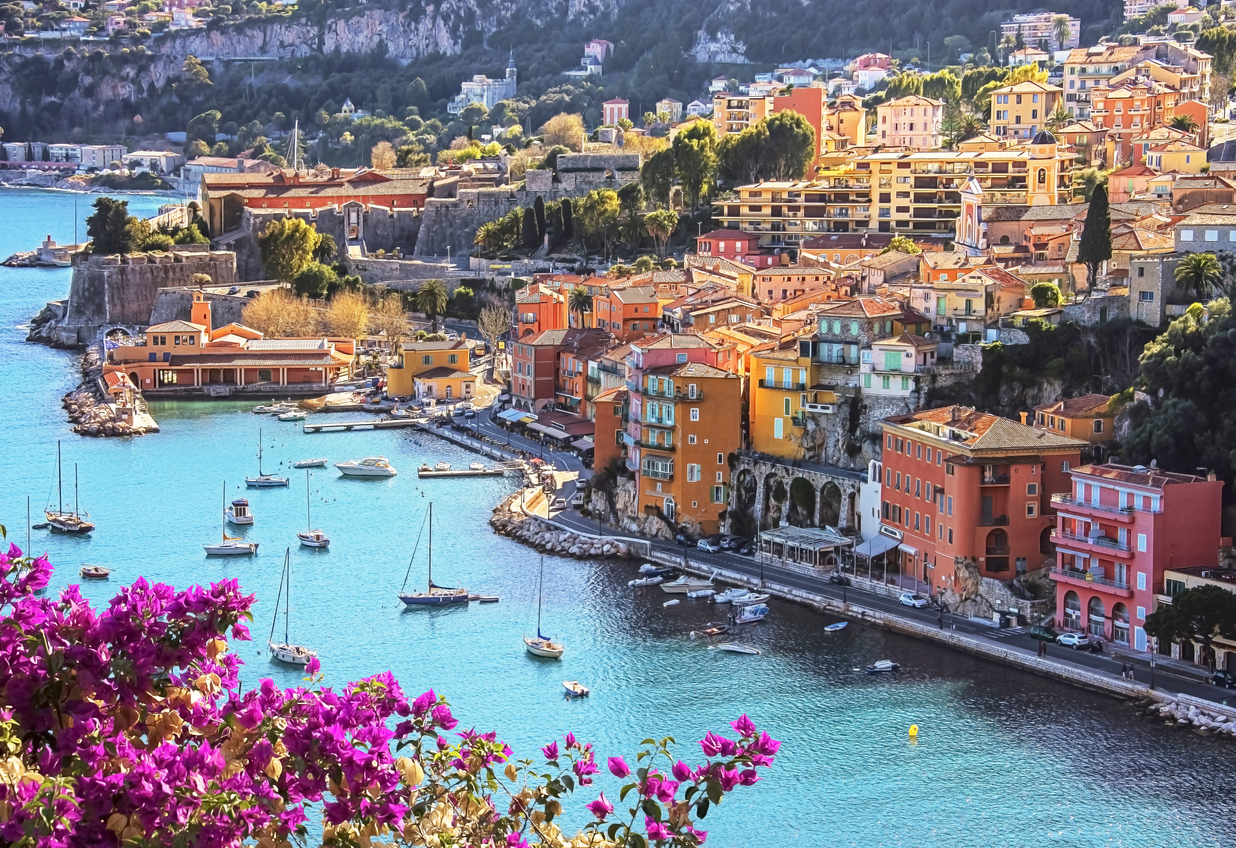
The Côte d’Azur—also known as the French Riviera—has captured imaginations for well over a century. With its luminous light, pastel towns, and sparkling Mediterranean, it blends coastal glamour with Provençal authenticity, culture with nature, and a lived-in maritime heritage with contemporary creativity. Whether you are drawn by art and architecture, food and wine, sailing and beaches, or scenic hikes in the hills, this coastline offers a diversity that rewards both first-time visitors and seasoned travelers, including iconic areas such as the Gulf of Saint-Tropez. This in-depth guide will help you understand the region’s character, plan meaningful days, and discover experiences beyond the obvious postcard views.
The Character and Geography of the Côte d’Azur
Stretching roughly from Cassis and Toulon in the west to Menton and the Italian border in the east, the Côte d’Azur includes both well-known cities and intimate fishing villages. The coast alternates between broad, family-friendly bays and dramatic headlands where terraced paths skirt cliffs. Inland, the landscape rises quickly into pine-shaded hills, then into the high limestone of the Prealps and, eventually, the rugged Mercantour mountains. Sunlight is a key feature here; artists came to capture it because it softens edges, heightens color, and seems to hover even in winter.
Across the Riviera, you will notice recurring elements: pale stone, ochre façades, pastel shutters, and tiled roofs; coastal pines and Aleppo pines sculpted by wind; olive groves; and bougainvillea climbing over walls. The maritime culture is also omnipresent—from small wooden “pointus” boats in historic harbors to the modern marinas sheltering sailing and motor yachts. This diversity means you can tailor your time: a morning at a market, a coastal path walk in the afternoon, and an art-filled evening—without too much time in transit.
A Brief History: From Ancient Ports to Golden Age Glamour
The Riviera’s story begins long before its 20th-century fame. The Ligurians and Greeks traded along this coast, followed by the Romans, who left milestones and amphitheaters. Medieval villages were fortified against piracy, and coastal towns traded salt, olives, and wine. From the 18th century onward, Europe’s aristocracy discovered the region’s winter climate. The Belle Époque era gave Nice, Cannes, and Menton grand promenades, gardens, and seaside villas.
In the 20th century, artists and writers sought refuge and inspiration. Matisse made Nice his home; Picasso spent time in Antibes; Chagall settled in Saint-Paul de Vence; Jean Cocteau left his mark in Menton. The arrival of film in Cannes and motorsport in Monaco refined the Riviera’s glamorous identity. Yet many ports retained their lived-in rhythms—fish markets at dawn, pétanque in village squares, and seasonal agricultural cycles inland. Today, the Côte d’Azur balances its heritage and contemporary life, a place where global events coexist with simple Mediterranean routines.
Climate and the Best Time to Go
The Côte d’Azur benefits from a Mediterranean climate: mild winters, warm springs and autumns, and hot, dry summers tempered by sea breezes. Expect around 300 days of sunshine a year. Summer (June to August) brings beach days, long evenings, and a lively social calendar. Spring (April to early June) and autumn (September to October) are ideal for hiking, cultural visits, and vineyard tours, with balmy weather and fewer crowds.
Winter can be delightful: citrus trees ripen in Menton, mimosas bloom in February around Mandelieu and Tanneron, and museum galleries are peaceful. The sea may be too cool for prolonged swims in winter, but coastal walks are at their best. If your plans include major festivals or regattas, book activities well in advance, and remember that shoulder seasons offer a more relaxed pace while still delivering quintessential Riviera experiences.
Signature Destinations Along the Coast
Nice
Nice blends Italianate old-town charm with French urbanity and serves as one of the cultural capitals of the Côte d’Azur. Stroll the Promenade des Anglais, explore the Cours Saleya market for flowers and produce, and venture into the narrow lanes of Vieux Nice for socca (a chickpea pancake) and Niçoise specialties. The city is a cultural heavyweight, home to the Matisse Museum in Cimiez, the Museum of Modern and Contemporary Art, and the Marc Chagall National Museum. From Castle Hill, the panoramic view reveals the curve of Baie des Anges.
Cannes
Famous for its film festival, Cannes also draws visitors with its Croisette promenade, palm-lined boulevards, and refined seaside atmosphere, making it one of the most elegant coastal cities on the Côte d’Azur. The historic Le Suquet quarter climbs toward a hilltop church and watchtower, and the morning market at Forville is a feast of local produce. Offshore, the Lérins Islands provide a serene escape with pine forests, coves, and a sense of timelessness only a short ferry ride away.
Antibes and Juan-les-Pins
Antibes blends a fortified old town, a lively Provençal market, and a harbor that ranges from traditional fishing boats to superyachts at Port Vauban. The Picasso Museum occupies the Grimaldi Castle, where the artist worked in 1946. Around the headland, Juan-les-Pins offers sandy beaches and a celebrated jazz heritage, especially lively in summer. The Cap d’Antibes coastal path, called “Tire-Poil,” is a scenic highlight with waves rolling into red and gold rock.
Saint-Tropez and Ramatuelle
Once a quiet fishing village, Saint-Tropez gained global renown in the mid-20th century and remains one of the most iconic destinations on the French Riviera. The old harbor retains charm with colorful façades and morning routines, while the village lanes host galleries and boutiques. Nearby Ramatuelle backs the celebrated Pampelonne Beach, a long arc of sand bordered by dunes and low Mediterranean scrub. Venture into the vineyards of the peninsula for Côtes de Provence rosé and winding roads with sea views.
Monaco and Roquebrune-Cap-Martin
Monaco is compact, vertical, and intense—known for its harbor, the Oceanographic Museum, the Prince’s Palace, and the serpentine Formula 1 circuit. Adjacent Roquebrune-Cap-Martin is quieter, cherished by architects and walkers alike. Here you can find Le Corbusier’s Cabanon and, further along the coast, Eileen Gray’s villa E-1027. The coastal path between Cap-Martin and Menton offers a breezy walkway just above the waterline.
Menton
Menton is famed for its lemon groves, Belle Époque architecture, and gardens. Its old town climbs the hillside in a cascade of warm colors. Several historic gardens here—like Val Rahmeh and Serre de la Madone—reveal an enduring passion for botany. Its location near the Italian border gives its cuisine and dialect a distinct flavor, with delicate pastries and seasonal citrus specialties.
Fréjus and Saint-Raphaël
Fréjus retains Roman heritage in its amphitheater and aqueduct remains, while Saint-Raphaël provides a resort-town feel with a fine seafront. This stretch is the gateway to the Estérel massif, where red volcanic rock meets blue sea in a photogenic palette. Snorkeling, kayaking, and scenic drives along the Corniche d’Or make this area a favorite for outdoor enthusiasts.
Hinterland Villages: Saint-Paul de Vence, Èze, Gourdon, and Mougins
A short drive from the coast unlocks a quieter world. Saint-Paul de Vence is a hilltop enclave associated with artists, with stone lanes, views to the sea, and the Fondation Maeght nearby. Èze perches above the water with a cacti-filled exotic garden and an eagle’s-eye vista of Cap Ferrat. Gourdon and Tourettes-sur-Loup offer flower fields, artisan workshops, and cool breezes on summer afternoons. Mougins attracts food lovers and art collectors in a village setting.
Beaches and Coastal Experiences
Beaches vary widely along the Riviera. In places like Cannes and Juan-les-Pins, you will find long sandy stretches, while in Nice and parts of Menton, smooth pebbles define the shore. Around headlands—Cap Ferrat, Cap d’Antibes, Cap Dramont—small coves reward exploration, sometimes accessed by short footpaths with stairs carved into rock. On windy days, headlands can be choppy while sheltered bays remain calm; local conditions change quickly, so observe flags and guidance at the beach.
On summer afternoons, the sea can be glassy and inviting for stand-up paddling or snorkeling. Early mornings are ideal for a quiet swim, before the day warms and beaches get busy. Many towns maintain accessible seaside facilities and ramps, making the water easier to enjoy for all ages and abilities. Remember, Mediterranean sun is strong: seek shade midday, hydrate, and bring reef-friendly sunscreen.
On the Water: Boating, Sailing, and Diving
The Riviera’s coastal panorama is arguably best appreciated from the water, especially when exploring areas around Sainte-Maxime with its long sandy beaches and relaxed Mediterranean atmosphere. Local operators offer boat tours, sailing excursions, and paddle rentals across ports such as Antibes, Cannes, Nice, and Saint-Raphaël. Experienced sailors gravitate to steady summer breezes in the late afternoon, and sheltered anchorages dot the coast—though rules regarding protected areas must be respected. The waters around the Lérins Islands, the Estérel coves, and Cap Ferrat are especially popular for snorkeling, with seagrass meadows and rocky outcrops sheltering marine life.
Divers will find accessible shore-entry sites and organized outings to reefs and wrecks. Conditions are generally calm, with visibility improving outside peak months. If you’re kayaking or paddling, always account for boat traffic, and wear a life vest. For families, short coastal cruises can be a serene way to break up beach days and discover the coastline’s hidden corners.
Art, Museums, and Cultural Heritage
The Côte d’Azur has an artistic pedigree rivaled by few regions. The Matisse Museum and Chagall National Museum in Nice showcase modern masters who found unique light and color here. The Picasso Museum in Antibes presents a dialogue between the artist and the Mediterranean, while the Fondation Maeght near Saint-Paul de Vence offers a modernist setting amid pines and sculptures. Along the coast and in the hills, galleries display contemporary work inspired by sea and sun.
The Riviera’s cultural heritage extends beyond painting. Jean Cocteau’s touches in Menton and at the fisheries chapel in Villefranche-sur-Mer capture surrealist whimsy. Perfume houses in Grasse, such as Fragonard, Molinard, and Galimard, connect flowers of the hinterland to centuries-old craftsmanship, with opportunities to understand sourcing, distillation, and composition. Music is central too: jazz has deep roots in Juan-les-Pins, while classical and contemporary festivals take advantage of open-air venues and long summer evenings.
Architecture, Villas, and Gardens
Architecture on the Riviera showcases an eclectic spectrum, from Belle Époque elegance to radical modernism. Villa Ephrussi de Rothschild on Cap Ferrat combines Italian Renaissance inspiration with themed gardens that overlook both sides of the peninsula. Near Beaulieu-sur-Mer, the Villa Kérylos pays homage to ancient Greece with erudite detail. Moving east, Le Corbusier’s minimalist Cabanon in Roquebrune-Cap-Martin embodies essential living, while Eileen Gray’s E-1027 explores modernist domesticity through light, form, and relationship to the sea.
Gardens thrive in this climate. The Jardin Exotique de Monaco, planted into cliffside rock, hosts succulents and vantage points above the port. In Menton, Val Rahmeh and Serre de la Madone feature rare plants and layers of botanical history. Inland, olive terraces and citrus groves frame quiet lanes, and around Tanneron in late winter, mimosa blooms through the hillsides in a curtain of yellow.
Food, Wine, and Market Culture
Riviera cuisine draws on the Mediterranean pantry: ripe tomatoes, peppers, eggplant, anchovies, olives, lemons, and herbs like thyme, rosemary, and basil. Signature dishes include pissaladière (caramelized onion tart with anchovies), salade niçoise, pan bagnat (a sandwich that echoes the salad), and soupe de poisson with rouille. In Nice, try socca hot from the oven; in Menton, sample pastries infused with citrus. Along the coast, seafood is central, from grilled sardines to local tuna and sea bream when in season.
The Riviera is also part of the broader Provence wine region, with Côtes de Provence rosé an emblem of summer afternoons. Rosé here ranges from pale and mineral to fruit-forward, pairing effortlessly with Mediterranean fare. Red and white wines are produced as well, and the Bellet AOC above Nice offers unique, small-scale vineyards with views across the bay. Olive oil mills dot the hinterland, often with tasting rooms where you can learn about varietals such as Cailletier. For sweets, look for calissons and candied fruits in market stalls.
Markets are integral to daily life. Morning markets in Antibes (Cours Masséna), Nice (Cours Saleya), Menton, and Cannes brim with vegetables, fruit, fresh herbs, cheeses, and olives. They are excellent places to gather picnic supplies. When shopping, follow the seasons—tomatoes taste best late summer, while mushrooms and truffles appear in cooler months inland. Local etiquette favors polite greetings and reusable bags.
Festivals, Events, and the Social Calendar
The Côte d’Azur’s calendar is rich and varied. The Cannes Film Festival in May turns the Croisette into an international stage. Shortly after, Monaco hosts the Formula 1 Grand Prix, a unique urban race threading through the principality’s streets and harbor. Jazz à Juan animates Juan-les-Pins with established and emerging artists, echoing the area’s storied jazz past. Throughout summer, classical music, opera, and contemporary concerts fill courtyards and seaside amphitheaters.
In winter and early spring, the Nice Carnival brings floats, flower battles, and themed parades. Menton’s Lemon Festival showcases astonishing citrus sculptures. In autumn, Les Voiles de Saint-Tropez gathers classic and modern yachts for racing and display, best admired from the quays or surrounding headlands. Smaller local fêtes, from olive harvest celebrations to village saint days, provide a direct line to regional traditions.
Outdoor Adventures: From Sea to Summits
Beyond the beach, the Riviera rewards walkers, cyclists, and nature lovers. Coastal paths encircle several headlands: the Cap Ferrat sentier littoral offers pine shade and coves; Cap d’Antibes’ Tire-Poil brings you close to spray and sound; Cap Dramont near Saint-Raphaël delivers views over red rock. Many routes have steps and uneven surfaces, so comfortable footwear is essential. Go early or late for calmer temperatures, and carry water.
For hiking inland, the Estérel massif offers red-volcanic trails and panoramic summits such as Pic de l’Ours. North of the coast, the Préalpes d’Azur and the Mercantour National Park open a high-mountain world in reach of the sea. In the Vallée des Merveilles, ancient rock engravings record human presence over millennia. Cyclists enjoy coastal promenades and hill climbs into the arrière-pays, with switchbacks and balcony roads providing challenge and spectacle. Paragliding, canyoning, and via ferrata are also available in selected valleys for those seeking adrenaline.
Family-Friendly Experiences
The Côte d’Azur is well-suited to families, with a range of low-effort, high-reward activities. Many beaches slope gently and offer calm mornings for swimming. The Oceanographic Museum in Monaco fascinates with aquariums and maritime exhibits. In Nice, Phoenix Park combines botanical gardens with a small wildlife area. Short ferry rides to the Lérins Islands transform an ordinary day into an adventure, with picnic spots beneath umbrella pines.
Hands-on experiences are memorable for children: perfumery workshops in Grasse introduce the chemistry and artistry behind scent; glassblowing demonstrations in Biot reveal the craft of bubbly glass; and pottery in Vallauris connects families with the area’s ceramic traditions. Markets provide an informal culinary education—invite children to choose a new fruit or cheese to try each day, and watch how producers explain their craft.
Shopping and Craftsmanship
Shopping ranges from designer boutiques to regional crafts rooted in centuries of practice. In Cannes and Nice, major avenues showcase international brands alongside French maisons. Antibes, Saint-Paul de Vence, and Mougins excel in galleries featuring local painters and sculptors. For something distinctly Riviera, consider Biot glass, known for its trapped air bubbles and subtle hues; Vallauris ceramics, often with modernist lineage; and hand-printed Provençal textiles in deep indigo, saffron, and olive tones.
Gourmet souvenirs are plentiful: olive oils, tapenades, artisanal salts, lavender honey, and confits. In coastal towns and hill villages, watch for small ateliers with open doors and makers at work. Buying directly supports artisans who keep traditions alive. When shopping, ask about materials and provenance; many producers are happy to share their methods and sources.
Practical Planning: Getting Around and Local Etiquette
Nice Côte d’Azur Airport is the principal air gateway, positioned right on the seafront. From the airport, the coastal train (TER) connects most towns between Toulon and Ventimiglia, with frequent service and scenic views. The region’s rail backbone is efficient for day trips, though headland villages may require local buses or short taxi rides. Driving offers flexibility, especially for hinterland excursions, but expect summer traffic and plan for parking in marked areas. Along the coast, trams operate in Nice, and buses link key points throughout the Riviera.
Local etiquette is straightforward: a simple “bonjour” or “bonsoir” goes a long way when entering shops or markets. Tipping is modest; service is typically included, though small change for good service is appreciated. Dress codes are relaxed but neat—beachwear belongs on the beach rather than in town centers. Hydration and sun protection are vital in summer. Respect fire restrictions in forests, particularly in the Estérel and hinterland during dry periods. On beaches, observe posted rules related to swimming zones and lifeguard hours.
Sample Itineraries: Maximizing a Few Days or a Week
Three-Day Highlights
Day 1: Begin in Nice. Walk the Promenade des Anglais at sunrise, explore the Cours Saleya market, and ascend Castle Hill for vistas. In the afternoon, visit the Matisse or Chagall museum. For sunset, take a short tram-then-bus or taxi to the Mont Boron area for views across the bay.
Day 2: Antibes and Cap d’Antibes. Tour the Provençal market, then the Picasso Museum. Walk part of the Tire-Poil path or relax on a nearby beach. In late afternoon, continue to Juan-les-Pins for a swim and an early dinner.
Day 3: Cannes and the Lérins Islands. Stroll the Croisette in the morning, then ferry to Sainte-Marguerite Island for shaded walks and quiet coves. Return for an early evening promenade through Le Suquet’s lanes.
Seven-Day Coast and Hinterland
Day 1–2: Nice as a base for museums and old town. Include a half-day to Villefranche-sur-Mer and its deep, curved bay.
Day 3: Cap Ferrat gardens and coastal path, with time at a beach cove. If inclined, visit a historic villa along the peninsula.
Day 4: Antibes and Biot for glassblowing; continue to Saint-Paul de Vence for late afternoon golden light and galleries.
Day 5: Cannes and Lérins Islands; or head west to the Estérel for hiking and scenic drives along the Corniche d’Or.
Day 6: Discover the hidden coves of Les Issambres and enjoy a quieter stretch of coastline with beautiful sea views.
Day 7: Visit Grimaud, a historic hilltop village with its castle and sweeping views over the Gulf of Saint-Tropez.
These outlines balance coast and hills, art and nature, while keeping daily travel times manageable. Adjust according to interests and the season, leaving room for unexpected discoveries.
Responsible Travel: Preserving the Riviera
The Côte d’Azur’s environment is delicate. Marine seagrass meadows stabilize beaches and shelter young fish; coastal scrublands and pine forests are prone to summer fires. Support conservation by staying on marked trails, disposing of waste properly, and reducing plastic where possible. Choose reef-friendly sunscreen and avoid anchoring on seagrass. In towns, prioritize public transport for short hops, and walk when distances are reasonable. Markets are excellent for buying local, seasonal produce that reflects the land’s cycles.
Respect for cultural heritage is equally important. Historic chapels, villas, and gardens require ongoing maintenance; entrance fees and responsible tourism sustain preservation. When you meet artisans, ask about their work—conversations are part of the experience and foster appreciation for the skills that define the region’s identity. Traveling with awareness ensures that the Riviera’s beauty remains more than a backdrop; it becomes a shared, protected resource.
Insider Tips and Lesser-Known Highlights
Short detours enrich an itinerary. The coastal walk from Saint-Jean-Cap-Ferrat to the lighthouse reveals hidden coves where the water shifts from turquoise to deep navy. Near Théoule-sur-Mer, lesser-frequented Estérel beaches feel wild, especially on weekday mornings. In Antibes, the ramparts at twilight glow amber, and the old town’s lanes quiet after markets close. In Menton, lingering on the seafront at dusk offers some of the gentlest light on the coast.
Inland, the villages of Tourettes-sur-Loup and Bar-sur-Loup specialize in flowers and citrus; small producers sell candied violets and marmalades. If architecture interests you, plan time for Villa Kérylos and Villa Ephrussi de Rothschild in a single day to appreciate contrasting interpretations of classical and Renaissance aesthetics. For a serene morning, head to a local olive mill for tastings when crowds are light.
Wellness, Leisure, and the Pace of the Day
Life on the Riviera often aligns with the sun. Mornings begin early at markets and bakeries; midday slows for lunch and, in summer, rest. Late afternoons bring a second wind, with swims and strolls as shadows lengthen. Wellness here is straightforward: sea swims, simple food, and time outdoors. Beach yoga and coastal runs at dawn are common sights, and shaded park benches invite reading with cicadas as soundtrack. Evenings are for convivial meals and gentle promenades, with street musicians providing ambiance in town centers.
Photography and the Riviera’s Light
Photographers are drawn to the Côte d’Azur for its clarity and color. Golden hour casts warm tones over pastel buildings and textured stone, while midday sun heightens water hues. In Nice, climb to Castle Hill for panoramic shots. On Cap d’Antibes, frame waves against honeycomb rock. The Estérel’s reds and the intense blues of deep coves make striking contrasts. Inland, stone villages photographed from slightly below capture their vertical drama. A polarizing filter helps reduce glare on water and emphasizes cloud textures on breezy days.
Safety, Accessibility, and Seasonal Considerations
Safety on the Riviera is comparable to other European coastal regions. Standard precautions apply in busy areas: keep valuables secure, particularly in crowded markets and transit hubs. On coastal paths, watch for uneven surfaces and limit cliffside selfies when paths are narrow or windy. In summer, jellyfish can appear after certain currents; local notices typically indicate presence, and lifeguards provide guidance. Forest fire risk is real in dry months—heed closures and warnings.
Many seaside promenades, trams, and museums in larger towns offer good accessibility. Beaches increasingly provide ramps or matting to reach the water. If you plan hikes, research route difficulty and elevation changes, and avoid peak heat hours. Shoulder seasons provide ideal conditions for longer walks with fewer people on trails.
Understanding Local Flavors Through Experiences
Beyond eating at restaurants, engaging with producers deepens appreciation for the region. A morning spent at a market reveals not just ingredients but relationships—growers greet regulars by name, and cheesemongers explain affinage. At a perfumery, you’ll trace the path from bloom to bottle. In a glass studio, you’ll see how sand, soda, and fire become translucent forms. These experiences bridge visitor and place, connecting daily scenes to deeper narratives about craft, climate, and community.
Conclusion: A Coast of Many Worlds
The Côte d’Azur is not one place but many: a series of sheltered bays and bold headlands, garden terraces and rugged peaks, market mornings and art-filled afternoons. It invites you to slow down, to notice the play of light on water, to taste tomatoes warm from the sun, to round a bend on a coastal path and see the sea shift color. Whether your plans center on museums and music, sailing and snorkeling, or a blend of all, the Riviera rewards curiosity and a measured pace. Its true luxury is the ease with which a single day can contain both quiet and spectacle—a seaside swim, a hilltop view, and a twilight walk under plane trees—leaving you with the feeling that there is always more to discover just beyond the next curve of the coast.
Exploring the French Riviera and looking for a place to stay along the Côte d’Azur? View all our holiday villas on the Côte d’Azur here.

