

 EN
EN  NL
NL
 DE
DE
 FR
FR

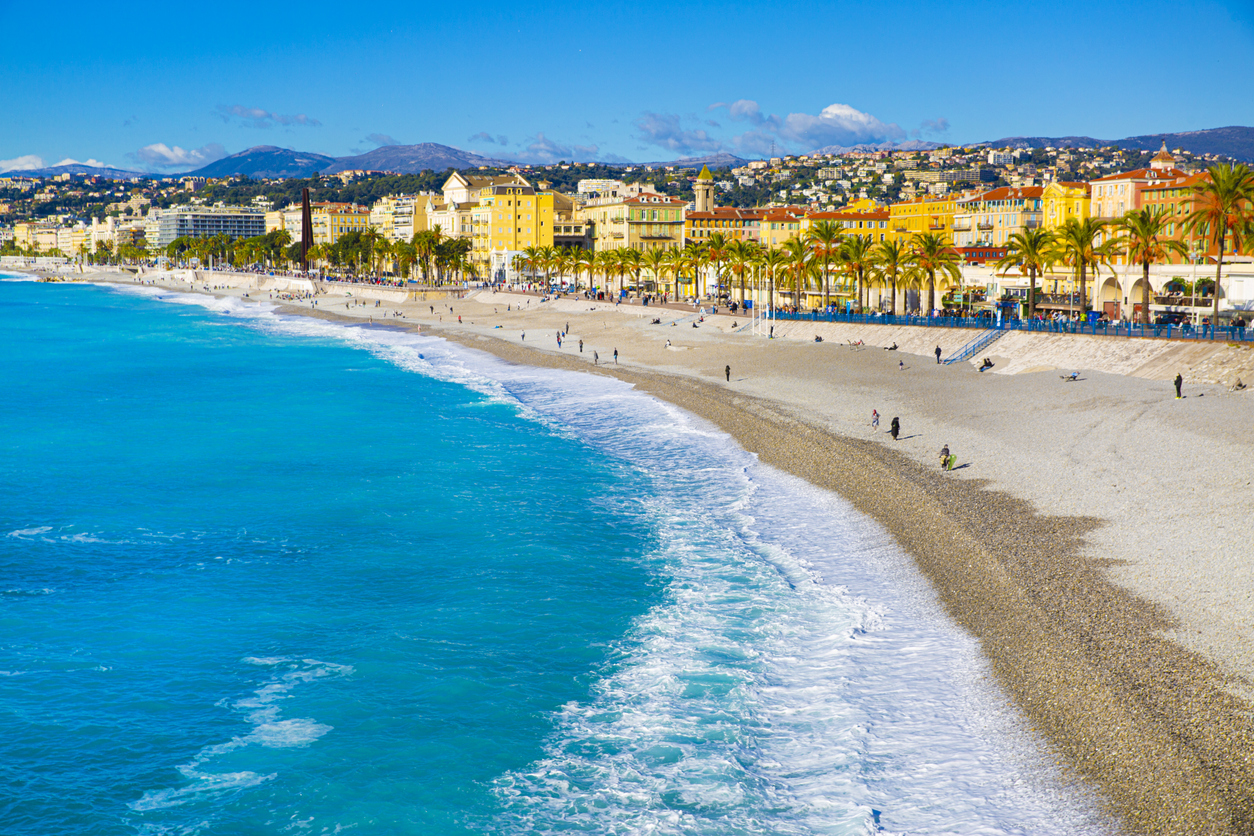
Everything You Need to Know About Nice
Nice is a city that rewards the curious traveler. Sunlit yet layered with history, cosmopolitan yet unmistakably local, it stands at the heart of the French Riviera as both a seaside retreat and a cultural destination in its own right. From the curve of the Baie des Anges to the ochre alleys of the Old Town, Nice invites you to slow down, explore on foot, and savor the city’s Mediterranean rhythm—one market stall, museum gallery, and panoramic viewpoint at a time. This guide brings together the essentials: how the city is laid out, what to see and eat, how to make the most of the seasons, and which experiences reveal the true character of Nice. For a broader understanding of the region, explore the Gulf of Saint-Tropez travel guide.
A Snapshot of Nice: Location, Climate, and Character
Nice sits on the southeastern coast of France, at the meeting point of Alpine foothills and the Mediterranean Sea. The city’s unique geography shapes both the skyline and the lifestyle. Hills slope toward a long seafront promenade, with neighborhoods stacked like amphitheater seats above the bay. Its climate is temperate year-round, with mild winters, early springs, and long, sun-filled summers tempered by sea breezes. Even in winter, café terraces are busy and the soft light draws painters, photographers, and flâneurs alike.
Beyond weather and views, Nice’s identity is rooted in its history as a crossroads. Greek mariners, Roman settlers, and centuries of Ligurian influence from neighboring Italy coexist in local architecture, recipes, and dialect. The result is a city that feels both French and distinctly Niçoise: friendly but reserved, proud of its baroque churches and street markets, and protective of local food traditions that have gained international renown.
A Short History That Shaped the City
Nice’s origins go back at least to the 4th century BCE, when Greeks established a settlement named Nikaia in honor of Nike, the goddess of victory. The Romans built a robust presence on the hill of Cimiez—then called Cemenelum—leaving traces of baths, an amphitheater, and a network of roads tying the region into the wider empire.
In the medieval era, Nice aligned closely with Italian states, and later came under the House of Savoy. That long Italianate influence still shows in the Old Town’s narrow lanes, shuttered facades, and culinary traditions. In 1860, following a plebiscite, Nice was annexed to France, sparking urban changes that aligned the city with Haussmann-era aesthetics and French administration, while leaving room for a very local identity.
The late 19th and early 20th centuries brought winter visitors from across Europe. Belle Époque architecture flourished, the Promenade des Anglais took shape, and Nice became a stage for leisure and the arts. In the decades that followed, artists such as Matisse and Chagall deepened the city’s cultural credentials. More recently, Nice has evolved into a thriving year-round destination, with upgraded public spaces, tram lines, and a modernized museum scene, all while carefully stewarding its historic core.
Getting Oriented: Districts and Neighborhoods
Nice is easy to explore once you grasp its simple geography: the sea to the south, the hills to the north, and a grid of districts fanning out in between. Each quarter has a distinct mood and purpose, so planning your days around neighborhoods helps pace your visit.
- Vieux Nice (Old Town): A labyrinth of ochre alleys, baroque chapels, spice-scented delis, and neighborhood cafés. This is the city’s original heart, where market mornings and evening passeggiate define the tempo.
- Promenade des Anglais and Seafront: A long, scenic waterfront with bike lanes, benches, and pebble beaches. It’s the city’s front porch, loved by runners at sunrise and strollers at sunset.
- Place Masséna and Carré d’Or: The elegant center, anchored by a checkerboard square and the green ribbon of the Promenade du Paillon. Look for classical facades, designer boutiques, and grand avenues.
- Port Lympia: A photogenic harbor framed by colorful buildings and hills. Street-side terraces and authentic eateries make it a good area to sample Niçoise specialties.
- Cimiez: A serene, upper neighborhood with Roman ruins, olive groves, and museums dedicated to Matisse and archaeology. It’s the place to pair culture with leafy parkland.
- Mont Boron: Residential hills overlooking the bay, with forests, cliffside viewpoints, and trailheads. Great for short hikes and sunset panoramas.
- Libération and Gare du Sud: A lively quarter north of the station, defined by food markets, independent shops, and the repurposed train hall of Gare du Sud, now home to eateries and cultural spaces.
- Musiciens and Fleurs: Central districts with calm streets named after composers and floral motifs, ideal for noticing Belle Époque facades and neighborhood squares.
- Fabron and the Western Seafront: Breezy residential slopes with sea views, easy beach access, and modern art venues nearby.
- Arenas and Grand Arénas: The business gateway near the airport, with contemporary architecture and transit links. Useful for arrivals and departures.
With this mental map, you can string together walks that pair a morning museum with a seaside lunch, or a market visit with a hilltop viewpoint, without doubling back.
Architectural Highlights You Shouldn’t Miss
Nice’s architecture is a mosaic of eras. Elegant Belle Époque buildings, baroque churches, and contemporary public spaces sit comfortably side by side, reflecting the city’s open yet protective approach to heritage.
- Place Masséna: Framed by arcaded red facades and black-and-white paving, the city’s central square feels theatrical. From here, the Promenade du Paillon park flows north like a green corridor through the center.
- Promenade du Paillon: This linear park replaced an old bus terminal and highways with lawns, fountains, and playgrounds. It offers shade, space for picnics, and a cooling mist area that’s especially welcome on summer afternoons.
- Baroque churches of the Old Town: The Cathedral of Sainte-Réparate on Place Rossetti exemplifies the city’s Italian influence, with curved lines, marble altars, and a sense of theatrical devotion typical of baroque interiors.
- Russian Orthodox Cathedral: Topped with emerald onion domes, this early 20th-century church brings a Byzantine note to Nice’s skyline. The icon-filled interior tells the story of the city’s historic Russian community.
- Seafront facades: The Promenade des Anglais presents a catalog of seaside styles from different decades. Pause to appreciate ironwork balconies, sculpted cornices, and the rhythm of palm trees against the bay.
- Gare du Sud: Once a train station, this Belle Époque hall has been converted into a buzzing food and cultural hub. The restored structure showcases ironwork, glass, and graceful proportions that invite lingering.
- Port Lympia ensembles: Brightly painted buildings along the harbor echo Ligurian towns in color and texture. Early morning or late afternoon light reveals the patina of shutters and stucco.
Even short walks in Nice become architecture tours. Look up for painted trompe-l’oeil details in Old Town, or step into quieter side streets in Musiciens where stucco scrolls, floral motifs, and wrought iron come together in understated elegance.
The Seafront Experience: Beaches and the Promenade
Nice’s coastline is iconic: the long, crescent-shaped Baie des Anges flanked by the Promenade des Anglais. The beaches are mostly pebble rather than sand, which lends the water its sparkling clarity and deep, shifting blues. Many stretches are public, interspersed with private beach clubs that provide loungers and parasols for a fee. Either way, the routine is classic: arrive early to claim a spot near the waterline, bring water shoes if you have tender feet, and keep an eye on posted flags that indicate swimming conditions.
The promenade itself is a stage for daily life. Cyclists and joggers share the path with families, street musicians, inline skaters, and people simply sitting on the signature blue chairs facing the sea. Sunrises are quiet and pink; late afternoons bring a social hum; evenings become a gentle parade under streetlights. In winter, when the air is crisp and the sea steel-blue, the promenade can feel almost private—a good time for mindfulness walks or photography.
To the east, after the harbor, a coastal path leads toward rocky coves and viewpoints. To the west, the seafront broadens near parks and residential districts, with wider stretches of beach and space for relaxed picnics. Always pack sunscreen, drink water, and respect lifeguard instructions during the high season.
The Soul of the Old Town
Vieux Nice is the city’s sensory core. Step off Place Masséna into a network of lanes where laundry lines and bell towers create a skyline. Here, light filters narrowly between buildings, mornings begin with market clatter, and aproned proprietors chat with regulars as they set out baskets of olives, tapenade, and candied fruits.
Cours Saleya is the main stage. On most mornings, stalls brim with seasonal produce—zucchini blossoms, sun-warmed tomatoes, figs, and basil—alongside cut flowers and regional specialties. Mondays transform the space into a celebrated antiques and brocante market, where you can browse everything from vintage glassware to 20th-century posters. Around the square, cafés hum without rush, and the backdrop of pastel facades keeps this a supremely photogenic spot.
Beyond the market, narrow streets hide artisan workshops and specialty food shops. Look for nougat makers, olive oil boutiques highlighting regional AOP labels, and bakeries displaying tourte de blette sucrée, a traditional chard tart dusted with sugar. Gelato counters are a temptation; classic and inventive flavors reflect the city’s openness to both tradition and experimentation.
When you need a moment of quiet, duck into a baroque chapel. The contrast between the cool, incense-scented interiors and the bright lanes outside captures the essence of Vieux Nice: energetic yet contemplative, layered with centuries of everyday life.
Art and Museums: From Matisse to Modern Masters
Nice is one of the Riviera’s cultural anchors, with a museum network that reflects both local history and global artistic currents. The city inspired artists with its light and colors; visiting their museums contextualizes what you see on the streets and seafront.
- Musée Matisse (Cimiez): Housed in a Genoese-style villa amid olive groves, this museum traces Henri Matisse’s decades in Nice. Sketches, paintings, and personal objects show how the city’s light guided his late-career innovations.
- Musée National Marc Chagall (Cimiez): Built to Chagall’s specifications, this museum centers on his Biblical Message series. Stained glass and bold colors glow in natural light, with a meditative garden inviting slow reflection.
- MAMAC (Museum of Modern and Contemporary Art): Near Place Garibaldi, MAMAC presents European and American movements from the 1960s onward, including New Realism and Pop Art. Don’t miss terrace views over the city’s rooftops.
- Musée des Beaux-Arts Jules Chéret: A collection of 16th–20th century works, including pieces by Dufy, Fragonard, and the poster art of Jules Chéret, housed in a noble 19th-century residence.
- Musée Masséna: On the seafront, this villa-museum explores Nice’s history from the Napoleonic era through the Belle Époque, with period rooms and gardens that mirror the city’s elegance.
- Archaeology in Cimiez: The archaeological museum and adjacent Roman site reveal baths, mosaics, and artifacts from Cemenelum, grounding Nice’s ancient narrative in tangible ruins.
- Terra Amata: An archaeological site and museum that documents one of Europe’s earliest known human habitations, including evidence of controlled fire use, discovered during urban construction.
Practical tips improve your museum days: pair Matisse and Chagall in a single morning, break for a picnic in Cimiez’s olive groves, and tackle MAMAC in the afternoon when the rooftop light is ideal. Consider pacing your time—two or three museums in a day is the sweet spot to keep the experience meaningful without fatigue.
Culinary Nice: What to Eat and Where to Find It
Niçoise cuisine is coastal, seasonal, and grounded in market produce. Rather than heavy sauces, expect olive oil, herbs, and the clean brightness of vegetables and citrus. The best approach is to combine market grazing with sit-down meals at bistros and street-food counters.
- Socca: A thin, wood-fired chickpea pancake, crisp at the edges and tender inside, dusted with pepper. It’s essential to order it hot; locals eat it simply, sometimes with a glass of rosé or a lemonade.
- Pissaladière: An onion tart cooked until the onions are melting and sweet, topped with anchovies and black olives. Best enjoyed at room temperature, it’s a classic market snack.
- Pan bagnat: Essentially a salade niçoise stuffed into round bread that’s “bathed” in olive oil. Expect tomatoes, hard-boiled egg, anchovies or tuna, olives, and crunchy vegetables—no mayonnaise. It’s beach picnic perfection.
- Salade niçoise: The real thing is a composition of raw seasonal vegetables (tomatoes, green beans, peppers), olives, eggs, and anchovies or tuna, dressed with olive oil. No cooked potatoes in the strictest traditional versions.
- Petits farcis: Vegetables like zucchini, tomatoes, and onions stuffed with herbed meat or vegetarian mixtures, baked until tender. A comforting lunch dish common at traiteurs and bistros.
- Daube niçoise: A slow-cooked beef stew with red wine, orange zest, and olives, often served with polenta or fresh pasta. A winter favorite, aromatic and deeply satisfying.
- Gnocchi and ravioli à la niçoise: Handmade pasta traditions thrive here, with fillings that reflect the garden and the sea.
- Tourte de blette: A sweet tart made from Swiss chard, pine nuts, raisins, and sugar—a surprising dessert that captures Nice’s resourceful culinary heritage.
Pair these dishes with wines from the hills of Nice. The Bellet AOP, produced within city limits in small volumes, includes reds, whites, and rosés with a mineral, Mediterranean character. Local olive oils also carry protected status; tasting flights at specialty shops illuminate how terroir shapes flavor.
For street food, seek out simple counters that specialize in one or two items and turn them over fast—you’ll taste freshness. At markets, follow the line of locals to find the most trusted vendors and ask what’s in season. Midday dining is typically 12:00–14:00; evening service often begins around 19:00. Reservations at popular restaurants are advisable during the high season, while neighborhood spots in Libération and the Port can be pleasantly spontaneous.
Shopping and Local Crafts
Shopping in Nice spans practical and artisanal. The city center offers broad retail avenues, while markets and small workshops highlight regional crafts and specialties that make meaningful souvenirs.
- Avenue Jean Médecin: The main commercial artery, lined with fashion chains, shoe stores, and household goods, culminating near the Place Masséna. The Nice Étoile mall and department stores such as Galeries Lafayette provide convenient one-stop shopping.
- Rue Paradis and Carré d’Or: A more upscale grid of boutiques featuring French and international designers, fine jewelry, and curated accessories in elegant storefronts.
- Markets: Cours Saleya’s daily market offers edible gifts—candied citrus peels, jam, herbes de Provence blends—while the Monday antiques market invites deeper browsing for ceramics, posters, and vintage linens.
- Specialty producers: Look for confiseries producing candied fruits using traditional methods; perfumeries and soap makers connected to nearby Grasse; and olive-wood artisans crafting boards, spoons, and bowls that last decades.
- Art galleries: From contemporary spaces near Place Garibaldi to small studios in Old Town, the city supports a healthy ecosystem of painters, photographers, and sculptors. Many offer works at a range of price points, including prints.
Shopping etiquette is straightforward: greet shopkeepers with a simple bonjour, handle goods respectfully, and ask before photographing. For tax refunds, keep receipts and ensure they include the necessary forms if you’re eligible as a non-EU visitor.
Culture and Events Throughout the Year
Nice maintains a full calendar of cultural events that reflect its personality: festive, international, and community-centered.
- Nice Carnival (February): One of the world’s great carnivals, featuring illuminated floats, flower parades, and street performances. The city center becomes a joyous stage for two weeks, with themed costumes and confetti traditions.
- Nice Jazz Festival (July): A historic event showcasing international headliners and emerging artists. Set in central gardens, it’s a rare chance to enjoy top-tier jazz with a Riviera backdrop.
- Fête de la Musique (June 21): A nationwide celebration of music, when musicians take to streets and squares. In Nice, you’ll encounter everything from classical ensembles to DJs and choirs.
- Christmas Market and Winter Lights (December): Seasonal stalls, a skating rink, and illuminated streets enliven the center, with a family-oriented atmosphere.
- Sporting events: Road races, triathlons, and cycling challenges make use of the promenade and surrounding hills. The city’s stadium, Allianz Riviera, hosts football matches and major concerts via venues such as Palais Nikaïa.
During large events, plan ahead. Public transport often runs extra services, but central streets may be cordoned off. Arrive early for parades, and consider less crowded vantage points slightly outside the main squares.
Getting Around: Practical Transport Tips
Nice is compact, walkable, and well-connected. Combine your feet with public transport and you can explore efficiently without a car.
- Trams and Buses: Modern tram lines link the airport to the city center and major districts, while buses fill in the gaps across neighborhoods and into nearby towns. Purchase and validate tickets before boarding where required, and keep them handy for inspectors.
- Trains: TER trains along the coastal line connect Nice with Antibes, Cannes, Menton, and Monaco, typically with frequent service. Stations in the center and at Riquier serve different ends of the city; check which is closer to your starting point.
- Airport access: The airport sits just west of town, with tram and bus links into the center. Travel times are modest; factor in a cushion for security and check-in during peak seasons.
- Cycling and scooters: Dedicated bike lanes along the seafront and through the center make cycling pleasant. Public bike-share systems and rental shops provide options for a few hours or a day. Observe local rules for e-scooters and park thoughtfully.
- Driving and parking: If you do drive, use parking garages at the city’s edge or underground facilities near major squares to avoid circling for street spaces. Old Town and seafront areas can be congested; strolling is often faster and more enjoyable.
Practical note: summer heat can slow you down. Plan outdoor walking in the morning and late afternoon, using trams and shaded parks in the midday hours.
Day Trips and Seaside Neighbors
One of Nice’s great advantages is its position within a constellation of remarkable towns and landscapes. Day trips range from cliff-top villages to modern art foundations and perfumeries.
- Villefranche-sur-Mer: Just next door, wrapped around a deep natural bay with a sandy cove and pastel houses. The Citadel and small alleys offer quiet exploration and postcard views.
- Saint-Jean-Cap-Ferrat: A peninsula of villas and Mediterranean maquis, encircled by coastal paths. The walk from the village to the lighthouse reveals coves, pines, and uninterrupted sea views.
- Èze: A medieval hilltop village with cobbled lanes and a succulent-filled exotic garden at the crest. The Nietzsche Path descending to the coast offers a strenuous but scenic hike.
- Antibes: A fortified old town with markets, ramparts, and the Picasso Museum in the Château Grimaldi. The Cap d’Antibes coastal walk is among the most beautiful on the Riviera.
- Cannes: Known for its film festival, but also a pleasant old quarter (Le Suquet), sandy beaches, and a compact center for dining and shopping. A visit offers a perfect complement to Nice, especially if you want to discover everything about Cannes.
- Gulf of Saint-Tropez: A little further along the coast, the atmosphere shifts toward a more relaxed Riviera rhythm, where destinations like Saint-Tropez and Sainte-Maxime each reveal their own character within the same bay. Along the same coastline, Les Issambres offers quieter coves and sea views, while Grimaud adds a historic hilltop perspective overlooking the gulf.
- Monaco: A short train ride brings you to the principality’s cliffside districts, gardens, and museums, including the famed Oceanographic Museum.
- Saint-Paul-de-Vence and Fondation Maeght: Inland, this art-rich village and modern art foundation make an inspiring pairing, combining galleries and sculpture gardens.
- Grasse: The historical heart of French perfumery, with visitor-friendly fragrance houses and a perfume museum that explains the craft from field to bottle.
Most of these destinations are manageable by public transport. If you prefer to hike, bring sturdy shoes, water, and sun protection; many coastal paths offer little shade.
Outdoors and Active Experiences
Beyond the beach, Nice is an outdoor playground where hills, sea, and urban parks converge. You don’t need to be an endurance athlete to enjoy it—short, scenic routes are abundant.
- Mont Boron: Trails wind through pine forests to outlooks over Nice and the harbor. A loop of one to two hours fits easily into a half-day plan, with picnic spots overlooking the bay.
- Parc du Vinaigrier: A quieter green space above the city with terraced paths, ideal for contemplative walks and birdwatching.
- Coastal paths: From the Port toward Cap de Nice and around Cap-Ferrat, paths grant eye-level views of turquoise water and sea cliffs. Watch footing on rocky sections and respect posted guidance.
- Water sports: Calm summer mornings suit stand-up paddleboarding and kayaking. Rockier coves east of the harbor are popular for snorkeling when seas are gentle.
- Running and cycling: The Promenade des Anglais offers a forgiving, flat surface for runners. Cyclists can challenge themselves on climbs like Col d’Èze and the Grande Corniche for switchbacks and cinematic views.
Remember to share multi-use paths courteously, carry out any litter, and carry more water than you think you need when temperatures rise.
Family-Friendly Nice
Nice’s blend of parks, pedestrian areas, and hands-on museums makes it a low-stress destination for families. The city center’s green corridor is a ready-made playground, with lawns, climbing structures, and the ever-popular mirror fountain and mist jets that refresh on hot days.
On the western edge of town, Phoenix Park combines botanical gardens with a lake and themed zones where children can learn about plants and ecosystems. Along the seafront, look for playgrounds built into small public squares; many are shaded with sails and sit close to cafés for easy breaks.
Several museums incorporate interactive elements. Terra Amata appeals to children fascinated by archaeology, while the archaeological site in Cimiez allows kids to imagine Roman daily life among ruins. The small tourist train that loops through Old Town and along the seafront provides a low-effort overview that often delights younger travelers.
For beach days, bring water shoes, flotation aids if needed, and plan for smoother entry points along the seafront. Shade is essential midday; consider scheduling beach time in the morning or late afternoon, pairing it with park play or a museum during peak sun.
Responsible Travel and Local Etiquette
Nice has invested heavily in pedestrian spaces, public transit, and parks. As a visitor, a few simple practices help keep the city clean and welcoming:
- Dispose of trash and recycling in marked containers; bins are frequent along the promenade and in parks.
- Conserve water, especially during dry summer months. Refill reusable bottles at public fountains where indicated as potable.
- Dress respectfully when visiting churches; shoulders covered and hats off is a good rule of thumb.
- Greet shopkeepers and market vendors with a brief bonjour before asking questions or browsing.
- In restaurants, tipping is discretionary; service is included in prices, but small rounding up or a few euros for attentive service is appreciated.
- Keep noise down in residential streets late at night, particularly in the Old Town where sound carries.
- On beaches, respect flagged zones, lifeguard directions, and avoid smoking where prohibited.
These gestures align with Niçois courtesy and support the city’s efforts to maintain high-quality public spaces for everyone.
When to Visit and Seasonal Strategies
Nice is truly year-round, but each season shapes the experience in distinct ways. Choosing your timing depends on the balance you want between sea time, festivals, and crowd levels.
- Spring (March–May): Blossoms, mild temperatures, and longer days make this ideal for walking and museum-hopping. The sea may still be cool for extended swimming, but terraces are lively and markets burst with early produce.
- Summer (June–August): Peak season brings warm seas, long evenings, and an event calendar in full swing. Plan early starts, siesta-like pauses at midday, and late dinners. Reserve key experiences to avoid disappointment.
- Autumn (September–November): Often the sweet spot—sea temperatures remain pleasant in September and early October, crowds thin, and sunsets intensify. Harvest flavors appear on menus, and hiking conditions improve.
- Winter (December–February): Quiet seafront walks, clear light for photography, and cultural events like the Nice Carnival define winter. It’s a rewarding time for museum-focused trips with the bonus of fewer people at top sights.
Whenever you visit, check the local event calendar, as major festivals or races can influence hotel availability and transit patterns. Pack layers even in summer, as sea breezes can cool evenings, especially after sunset.
Safety, Accessibility, and Useful Basics
Nice is generally safe and well-policed, particularly in tourist areas. As in any city, remain aware of your surroundings, especially in crowded markets and on public transit where pickpockets may operate. Keep valuables close and avoid displaying expensive items unnecessarily.
For health and minor emergencies, pharmacies are easy to spot by their green cross signs; staff can advise on over-the-counter remedies. In urgent situations, the European emergency number 112 connects to police, fire, and medical services. Basic English is widely understood in tourist-facing roles, but learning a few French phrases is appreciated.
Accessibility has improved markedly: tram stops are step-free, the Promenade des Anglais is flat and wheelchair-friendly, and several museums offer lifts and accessible restrooms. In summer, certain public beaches install access mats and provide beach wheelchairs during lifeguard hours—check in advance for current details and locations.
Wi-Fi is common in cafés and public spaces, and mobile coverage is generally strong. For payments, cards are accepted widely; keeping a small reserve of cash is still useful for markets and smaller purchases.
A 48-Hour Suggested Itinerary
Day 1: Old Town, Seafront, and Modern Art
Morning: Start on Place Masséna and stroll through the Promenade du Paillon to wake up with the city. Turn into Vieux Nice and head for Cours Saleya while the market is in full swing. Grab a slice of pissaladière or a still-warm socca for a mid-morning snack, then continue into the Old Town’s lanes. Visit the Cathedral of Sainte-Réparate and pause on Place Rossetti for a coffee or a gelato.
Lunch: Choose a bistro in Old Town or near Place Garibaldi. Order a salad with local olives and anchovies, or sample petits farcis for a taste of home-cooking flavors.
Afternoon: Walk to MAMAC for modern and contemporary art. Take in the exhibitions at your pace, then head to the rooftop for panoramic views. Meander through the streets toward the Port, noticing the color palette shift from Old Town’s ochres to the brighter harbor facades.
Evening: Wander back along the seafront at golden hour. Find a spot on the promenade or a simple terrace for dinner—grilled fish, pasta with Mediterranean herbs, or a vegetable-forward plate. Close the day with a slow walk, the sound of waves at your side.
Day 2: Hilltop Art, Roman Roots, and Harbor Vistas
Morning: Make your way to Cimiez. Visit the Musée Matisse and stroll through the olive groves. If time allows, step into the archaeological museum and the Roman amphitheater for a direct connection to Nice’s ancient chapter.
Lunch: Picnic in Cimiez, or return toward Libération for a market-driven meal near the Gare du Sud. The repurposed station hall offers a choice of casual eateries under a striking iron-and-glass canopy.
Afternoon: Head to Mont Boron for an easy hike and lookouts over the Baie des Anges and Port Lympia. Alternatively, follow the coastal path east of the Port to discover rocky coves and natural swimming spots when seas are calm.
Evening: Conclude with a sunset stroll on the Promenade des Anglais. If you’re keen on music, look for a concert listing at venues across town, from classical in historic churches to contemporary acts at larger arenas. A final scoop of gelato or a slice of tourte de blette makes a fitting farewell.
Variations for Different Interests
- Art-focused: Swap the afternoon coastal walk for the Musée National Marc Chagall, then add the Musée des Beaux-Arts the next morning. Leave time to browse galleries near Garibaldi.
- Food-focused: Structure your mornings around markets—Cours Saleya one day, Libération the next—and plan tastings of socca, pan bagnat, and local pastries along the way.
- Active: Add an early run on the promenade or a cycling outing into the hills, and reserve a morning for stand-up paddleboarding when the sea is calm.
Insider Tips for a Smoother Visit
Small adjustments elevate your time in Nice. Start early to have Old Town lanes and viewpoints to yourself; even in summer, pre-10:00 walks feel tranquil. Carry a compact beach kit—a microfiber towel, water shoes, and a refillable bottle—so you can make spontaneous stops along the seafront. For photography, scout Place Masséna and the Port in late afternoon when facades glow. If a restaurant is full, wander two or three streets back from main squares; you’ll often find quieter spots where menus lean more local.
Lastly, plan a free hour simply to sit. Whether on a blue chair by the sea, a bench in the Promenade du Paillon, or the steps facing Place Rossetti, the city reveals itself in passing conversations, the rhythm of scooters, and the play of light on stucco and stone. Those unscripted moments become the memories that last longest.
Conclusion
Nice blends the elemental pleasures of a seaside city—light, salt air, leisurely meals—with the depth of a cultural capital. Understanding its neighborhoods helps you move smoothly between markets and museums, hills and harbor. Embracing its culinary traditions connects you to a living heritage, while day trips expand the horizon to cliff-top villages and coastal paths. Whether you’re here for galleries or gelato, jazz festivals or sunrise runs, Nice offers a pace and texture that invite you to slow down and look closely. In doing so, you’ll find the city’s essence: a quietly confident Riviera capital where everyday life is as compelling as the postcard scenes.
Exploring the French Riviera? Discover our carefully selected holiday villas on the Côte d’Azur.

