

 EN
EN  NL
NL
 DE
DE
 FR
FR

Everything You Need to Know About the Provence
Provence has a way of lingering with you long after you leave: the shimmer of olive groves in summer light, the scent of thyme and rosemary in the hills, the hum of conversation around a shaded village square. It is a region of layers—ancient and modern, seaside and mountain, refined city culture and quiet rural rhythms—where every corner offers a new facet. This guide brings together the essential context, places, flavors, and practical insights to help you understand Provence in a way that makes your time there richer, calmer, and more rewarding, especially if your journey also extends toward the Gulf of Saint-Tropez and the Mediterranean coast.
What and Where Is Provence?
Provence is both a landscape and a cultural idea, shaped by traditions, architecture, and lifestyles that still define southern France today. Historically, it stretches across southeastern France from the lower Rhône to the Italian border and from the Mediterranean coast deep into lavender hills and mountain foothills. Today it overlaps closely with the administrative region often known as Provence-Alpes-Côte d’Azur. Within its orbit are famed cities and pockets of countryside that have shaped European art, cuisine, and the leisurely pace so associated with the south of France.
Its geography has a remarkable range. You can swim in aquamarine coves along limestone cliffs in the morning and, by afternoon, be wandering the ochre canyons and hilltop villages of the Luberon. West of the Rhône delta lies the Camargue, a watery mosaic of salt flats, lagoons, and marshes where pink flamingos feed and white horses splash through shallows. To the north, the Mont Ventoux stands sentinel above vineyards and stone hamlets. South and east, the coast alternates between long sandy strands and rocky inlets that lead into the deeper blue of the Mediterranean.
People often use “Provence” and “French Riviera” interchangeably, but they refer to different emphases. Provence includes inland valleys, Roman towns, and wide agricultural areas beyond the coast, while the Riviera names the crescent of coastline and its seaside culture. Many journeys combine both, and this contrast becomes particularly clear when exploring the coastline around Saint-Tropez and its surrounding towns, but it helps to know that one name points more to the countryside and the other to the sea.
A Brief History That Shaped Provence
Provence’s history reads like a compact version of the Mediterranean world. Greeks founded Massalia (modern Marseille) around 600 BCE, importing wine, olives, and ideas that connected this corner of Gaul with far-flung trade networks. The Romans followed, and their imprint remains vivid: amphitheaters, bridges, triumphal arches, and a sense of urban planning that still shapes certain city centers. In Arles and Orange you can sit where spectators once watched gladiators and drama; stones from that era are daily backdrops for cafés and market stalls.
After the fall of Rome, Provence became a crossroads of medieval powers and local counts. The troubadour tradition flourished here, singing of love in the Occitan language and giving birth to poetic forms that traveled across Europe. In the 14th century, Avignon served as the Papal capital, a period that left the city with imposing walls, a grand palace, and an international cultural role that continues through its festivals and arts organizations.
The modern image of Provence owes much to the 19th and 20th centuries, when artists and writers found the light and landscapes inexhaustible. Cézanne’s countless studies of Montagne Sainte-Victoire reshaped modern painting. Van Gogh distilled the sun, cypresses, and night skies of Arles and Saint-Rémy into works that changed the way we see color. In the 20th century, filmmakers, photographers, and contemporary artists continued to use the region as both subject and laboratory. Each generation adds its layer to the story, but the constant is the dialogue between intense light, simple materials, and remarkably varied terrain.
Landscapes of Remarkable Variety
Provence’s appeal is tied to how quickly the scenery changes. Within a short drive, you can move from high plateaus to seaside coves, from fragile wetlands to fragrant scrublands known as garrigue. This variety makes the region an ideal destination for travelers who like to blend quiet exploration with a sense of discovery.
In the Luberon, hills topped by villages like Gordes and Bonnieux descend into valleys of orchards and vineyards. Trails wind through oak forests and along terraces cut long ago for crops and sheep. The color palette shifts toward stones and greens until you reach Roussillon, where ochre cliffs gleam in shades of rust and gold.
The Camargue feels like another world entirely—open sky, glinting water, and signs of life at the edges: a flight of flamingos, a herd of semi-wild horses, a line of fishermen. The Alpilles are more intimate: limestone ridges breaking through olive groves, with villages tucked below them. Further northeast, the Gorges du Verdon cut a dramatic canyon of turquoise water and towering walls, a playground for hikers and paddlers. Along the coast, the Calanques between Marseille and Cassis offer fjord-like inlets framed by white cliffs and intense blue sea.
The Climate and the Mistral Wind
Provence enjoys a Mediterranean climate with hot, dry summers, mild winters, and abundant sunshine. Rain tends to come in the transitional seasons, and downpours can be brief but intense. You may encounter the Mistral, the powerful northerly wind that clears the air and saturates colors. It can arrive suddenly and last a few days, making skies crystal-clear, pushing clouds far away, and giving the sea its crisp mineral edge.
Summer heat rewards early morning walks and late dinners. Spring and autumn are often ideal: warm days, cool nights, and fewer crowds. Winter is quieter and evocative, with a clarity of light that artists love and markets that shift toward citrus, greens, and the savory warmth of stews. Packing layers is advisable any time of year, particularly in areas exposed to the wind or at higher elevations.
Cities, Towns, and Villages to Know
Each place in Provence has its own rhythm, from vibrant coastal towns to quieter inland villages. You might fall for a compact city with museums and plazas, or for a hamlet where the baker knows everyone by name. Consider blending a few hubs with smaller villages to experience the full range.
Aix-en-Provence
Aix is elegant without being stiff. Plane-tree-shaded boulevards, fountains at quiet corners, and a network of old streets make it a pleasure to wander. The daily market fills squares with olives, cheeses, herbs, and seasonal produce. Museums showcase painting and decorative arts, and you can step inside studios tied to Cézanne’s life, sensing the continuity between the city’s present and its artistic past. Cafés spill onto sidewalks, and the cadence of conversation in the evening evokes a local art of living.
Avignon
Avignon’s walls immediately set a mood, and within them the Palais des Papes looms like a ship of stone. The city blends theatrical energy, student life, and heritage. July transforms Avignon during its renowned theater festival; the rest of the year, it rewards slow-paced exploration of churches, gardens, and small museums. The Rhône is never far, and from the famous bridge remains, you can look back at the skyline and understand why the site was chosen for power and pageantry.
Arles
Arles is compact yet layered, a city where Roman stones provide the canvas for contemporary art and photography. Its amphitheater rises amid narrow streets punctuated by sunlit squares. The annual photography festival draws a global audience, while the streets remain anchored by bakeries, ateliers, and market stalls selling herbs, cured meats, and Camargue rice. Van Gogh’s legacy is present but never overwhelms the daily life of a city that is both working and artistic.
Marseille
France’s oldest city, Marseille, is a port with a big spirit. Sailboats rock in the Vieux-Port, shaded fish markets sell the morning’s catch, and neighborhoods climb the hills in a mosaic of cultures. The city’s museums and contemporary architecture tell stories of trade, migration, and reinvention. Gastronomy leans to the sea, with bold flavors and a love of garlic and herbs. Nearby, the Calanques offer a sudden entry into wild nature, with trails to overlooks and quiet coves for swimming on calm days.
The Luberon Villages
Names like Gordes, Ménerbes, Roussillon, and Lourmarin lure travelers for good reason. Each has a distinct character: stone houses seemingly balanced on a ridge, vineyards wrapping around a slope, ochre paths leading to surprising views. Life here moves with the clock of the market, the bakery’s morning line, and the gentle buzz of a café terrace in late afternoon. Visit early for quieter streets, and allow time to walk the edges of town, where you can see the patchwork of fields and orchards that supply the tables below.
Saint-Rémy-de-Provence and Les Baux
Beneath the Alpilles, Saint-Rémy blends tradition and refinement. Roman ruins sit just outside town, markets flow with olive oils and tapenades, and lanes lead to shady gardens and old stone facades. Above, the cliff-top village of Les Baux looks over a sculpted landscape of white rock and green plains. Contemporary art installations in former quarries nearby lend an unexpected and moving contrast between darkness and light, stone and image.
The Camargue
South of Arles, the Camargue is defined by water and salt. It is a place of low horizons, big skies, and constant movement of birds across lagoons. Small towns serve as gateways to the marshlands and sandy stretches where wind shapes the dunes. It is a region for simple pleasures: watching the changing colors at sunset, seeing horses canter through shallow water, and tasting a cuisine that reflects a meeting of land and sea.
The Var and the Islands
East of Marseille, the Var coast offers forested headlands, clear bays, and views that change with the angle of the sun. Inland, quiet villages are surrounded by vines and chestnut groves. Offshore, the islands are havens for biking and walking, with sandy beaches contrasting with rocky coves. The rhythm here tends to be outdoor-focused: mornings on trails or shoreline paths, afternoons under pine shade, evenings marked by cicadas and the scent of wild herbs carried on a breeze.
Art and Culture: From Antiquity to Modern
Culture in Provence begins underfoot—Roman paving stones and amphitheater steps polished by centuries—and extends to world-class contemporary programs. Ancient theaters still host performances, creating a living continuity that few regions can match. Museums range from archaeology to design, often housed in historical buildings whose walls are part of the story.
In the realm of visual art, Provence shaped and was shaped by modern masters. Cézanne’s rigorous exploration of form unfolded against orchards, quarries, and the mass of Sainte-Victoire. Matisse and others found the southern light a catalyst for color. In the 20th and 21st centuries, new institutions, galleries, and festivals extended this tradition into photography, architecture, and multimedia works. Across the region, ateliers maintain craft traditions—ceramics, textiles, and woodwork—alongside younger spaces experimenting with materials and methods.
Music and performance thrive outdoors. Summer evenings bring concerts to courtyards and plazas; choral works and opera echo off stone walls; dance finds space in cloisters and gardens. The result is a cultural landscape as diverse as the physical one, where you can move from a Roman stage to a contemporary installation in the span of an hour.
Provençal Markets and Gastronomy
Markets are the heartbeat of Provence, deeply connected to local products such as olive oil, cheeses, and seasonal produce. They are the place to understand seasonality, meet producers, and assemble a picnic that tastes of where you are. You will see patterns as you wander: ripe tomatoes, narrow cucumbers, baskets of apricots in June, peaches and plums in high summer, wild mushrooms and greens in autumn. Olives appear in dozens of formats, from brine-cured green fruit studded with fennel to the silky black paste known as tapenade.
Provençal cooking tends toward clarity—good products, prepared in ways that let their strengths shine. An aioli platter combines garlic mayonnaise with seasonal vegetables and fish. Ratatouille is a careful balance of stewed eggplant, peppers, zucchini, and tomatoes, each cooked to bring out texture and sweetness. Soups draw on leeks, potatoes, and herbs when the weather cools. On the coast, fish and shellfish shape menus, while inland you will find lamb, goat cheeses, and dishes perfumed with thyme and rosemary.
Bread and sweets have their own local signatures. Fougasse ranges from savory loaves scented with olives to sweet versions in some towns. In Aix, almond-based confections show refined craftsmanship. Orange flower, anise, and honey fragrances appear in many bakeries. The region’s olive oils vary by terrain and variety; tasting a few will help you understand the subtleties between grassy, peppery, and ripe-fruit styles.
For markets, arrive early. Bring a basket or cloth bag, and a small pouch for coins. Vendors appreciate patience and a greeting. If you ask for recommendations, be prepared for a short conversation about ripeness and how you plan to cook. This exchange is part of the experience, and it connects you directly to the region’s agricultural rhythms.
Wines of Provence
Provence’s wine reputation has been reshaped by an international appreciation for dry rosé, but the region’s vineyards and cellars hold far more diversity than that headline suggests. You will find distinctive whites and reds that reflect local grapes and specific microclimates—from coastal limestone to stony inland terraces.
Rosé styles range from pale, citrus-driven wines designed for aperitif and summer tables to more structured versions with spice and stone-fruit notes. Reds often draw on Grenache, Syrah, and Mourvèdre, yielding wines that can be savory, herbal, and age-worthy depending on where they are grown. White wines might showcase Rolle (Vermentino), Clairette, or Ugni Blanc, with profiles that can be floral, peachy, or saline.
Appellations spread across the map: Côtes de Provence is the best known, with sub-zones that specify terroir. Along the coast, you may encounter wines with distinctive identities built on limestone cliffs and sea breezes. Inland, areas around Aix, the Luberon, and Ventoux produce lively, food-friendly wines with great value. If you visit an estate, tastings are typically informal and welcoming. Bring basic questions—grape varieties, soil, and food pairings—and you will often leave with stories as well as bottles.
A few etiquette notes help. Avoid wearing strong perfume on tasting days. Ask before stepping into vineyards, especially in the growing season. If you plan to purchase, consider the challenges of heat and travel—wines are happiest in the cool and dark, which Provence’s summer sun does not provide.
Outdoor Experiences and Nature
Provence rewards anyone who likes to be outside. Hiking options range from gentle canal paths to technical scrambles in the Calanques or Verdon. Early morning is best in hot months; always bring water and a hat, and check local advice about trail closures due to fire risk. In shoulder seasons and winter, you will often have trails to yourself, with views sharpened by clear air.
For paddling and swimming, the Verdon and its tributaries offer emerald waters set against cliff faces. On calmer coastal days, small coves invite snorkeling and quiet swims. Cyclists can choose between rolling vineyard lanes and serious climbs; the approach to Ventoux, in particular, is a pilgrimage for many riders, but quieter loops through the Luberon or Alpilles can be just as satisfying.
Birders should not miss the Camargue, where seasonal migrations bring variety and drama. Bring binoculars, and prepare for sun and wind; observation decks and hides can make viewing more pleasant. Families will find plenty of easy walks, gentle riverbanks, and shaded picnic areas in regional parks. The key is to match the day’s plan to weather and energy, leaving room for unplanned stops when a viewpoint or village lane calls to you.
Lavender Season and Flower Routes
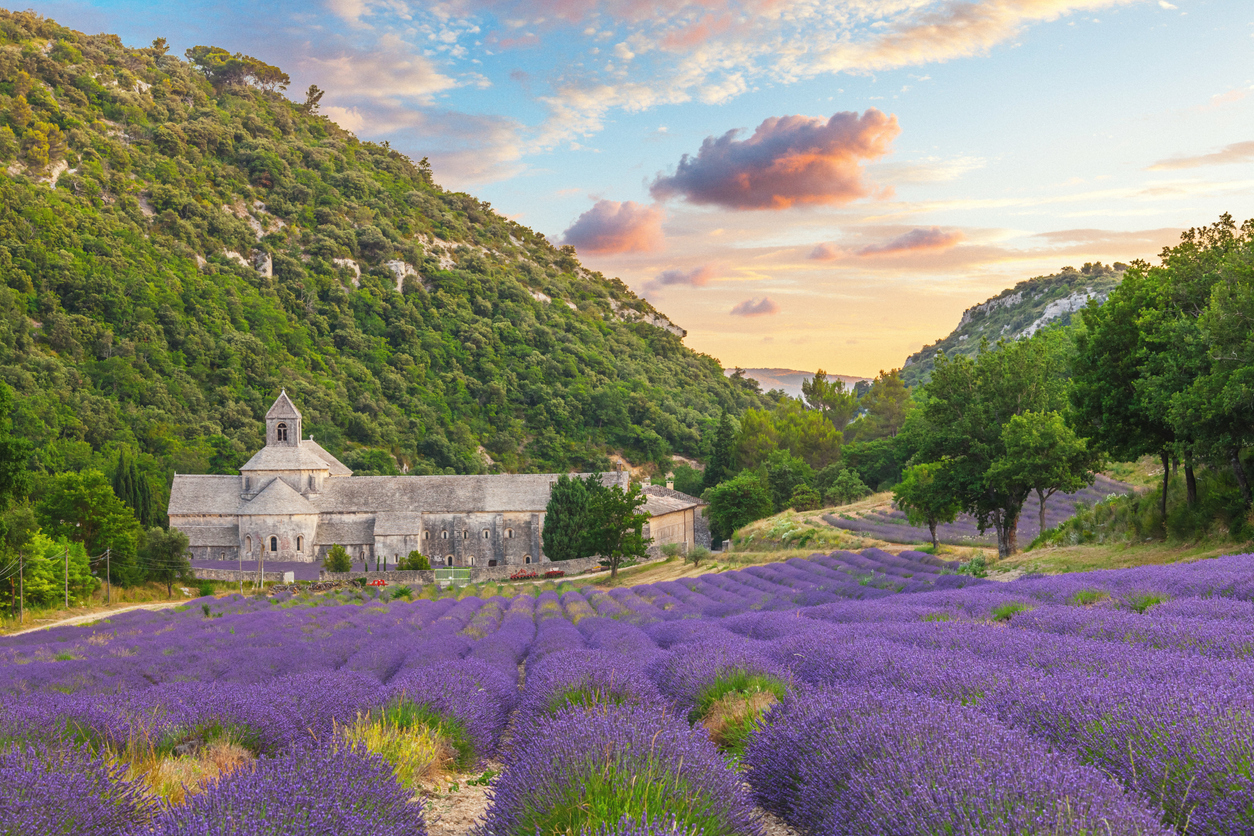
Lavender fields are one of Provence’s most iconic sights, and their bloom is understandably popular. Timing is key: most plateau zones turn purple from late June to mid-July, with harvesting beginning in July and sometimes continuing into early August depending on location and weather. Each area blooms differently—Valensole’s broad perspective differs from the mosaic fields around Sault and on the Plateau d’Albion, where altitude delays the peak.
Driving a lavender route is more than chasing a color; it is also a way to connect with rural life. Distilleries show how the plant becomes essential oil, and small shops offer soaps, sachets, and culinary products made with lavender or its wild cousin, lavandin. If you visit fields, remain on edges and paths. Farmers depend on the plants’ health, and trampling causes damage that lasts beyond the photo moment.
Beyond lavender, Provence’s floral calendar includes almond blossoms in early spring, cherry orchards that blush in late spring, and sunflower fields that ignite at summer’s height. Oleander hedges streak roadsides with color, and rosemary blooms can surprise you in winter. Each season enriches the palette and rhythms of daily life.
Local Crafts and Traditions
Provençal identity lives in objects as well as flavors. In workshops and studios, you will find textiles stamped with motifs derived from Indian block prints, a style adopted by Marseille cloth merchants centuries ago and now synonymous with the region. Ceramicists continue a lineage of plates and pitchers that started as everyday tools and now balance utility with aesthetics. In certain villages, glazes and forms are specific, passed down through families and updated by contemporary hands.
Santons—handmade figurines that depict nativity scenes and village life—blend craft with storytelling. Markets and fairs dedicated to them appear before the winter holidays, but you can find makers year-round. Soap-making traditions center on Marseille and beyond, emphasizing olive oil and simple ingredients; it is worth learning how to recognize authentic methods if you are shopping for gifts.
Festivals tie craft to community. Events celebrate honey, olives, lavender, truffles, and olives pressed into new oil in winter. The calendar includes seasonal ancient rites, religious processions, and secular gatherings where local music and food set the mood. If you attend, you will be welcomed as another participant rather than an observer—one of Provence’s understated strengths.
Practical Itineraries: One Week, Ten Days, Two Weeks
Provence rewards both targeted trips and meandering stays. The following sample outlines give you a sense of how to structure time without overloading each day. Adjust according to interests, season, and energy.
One week: Anchor yourself in or near one of the central towns—Aix, Avignon, or Saint-Rémy are good bases—and explore in loops. Dedicate a day to the Luberon villages, a day to Arles and the Camargue, one to the Alpilles with time in Saint-Rémy and Les Baux, and one to Marseille and the Calanques if sea and city tempt you. Leave a flex day for a market morning and an unplanned country drive. This approach lets you absorb contrasts without rushing.
Ten days: Add the Var coast or Verdon Gorge to your plan. A night or two closer to the sea allows walks along headlands and time on sheltered beaches in calmer weather. Alternatively, place yourself near the Verdon for hiking, paddling, or simply watching light move across the canyon walls. Include an inland wine day around Aix or the Luberon. With ten days, slow your pace: trade one activity for a long lunch under plane trees.
Two weeks: Give the itinerary breathing room. You might divide the stay between a central inland base and a coastal or canyon base, dedicating a few days to each area’s nuances. Add in second-tier villages where daily life takes precedence over sightseeing. Consider a day of cycling or an art immersion day around quarries, foundations, or photography exhibits. Use Sundays and market days to structure your village visits, and set aside pockets of time simply to read in a garden or sit by a fountain.
Travel Practicalities: Getting Around and Timing Your Visit
The easiest way to move through Provence depends on where you are focusing your time. For city-to-city travel, the rail network is efficient, and major hubs connect directly to national high-speed lines. Buses complement trains for shorter hops. If you plan to explore rural areas, a car provides flexibility, but be prepared for narrow village streets and limited parking. It is wise to time your arrivals early in the day, especially when markets are in full swing.
Driving in Provence is straightforward if you allow patience for winding roads and give way in tight passages. Roundabouts are common; practice lane discipline and signage. Speed limits change frequently, especially near villages, and cameras enforce them. Outside cities, fuel stations can be sparse late at night. Always carry water, particularly in summer, and do not underestimate the effect of heat on longer drives.
In terms of timing, spring and autumn balance pleasant weather with manageable visitor numbers. Summer brings energy and late evenings, along with higher temperatures and busy coastal roads. Winter offers calm streets, open vistas, and distinct seasonal cooking. Whatever the season, check local advisories for trail access and fire risk in natural areas, and confirm opening hours for museums and sites, which can vary.
Family-Friendly Provence
Families find Provence friendly, varied, and manageable. Distances between activities are short, and outdoor options offer healthy ways to burn energy. Younger travelers often enjoy simple pleasures: choosing apricots at a market, feeding ducks along a canal, scrambling over old stones at Roman sites under supervision, or spotting flamingos at a wetland overlook.
Choose a mix of short activities with longer relaxations. Shaded gardens and squares make good pauses between visits. Many towns have carousels and small playgrounds, and evening strolls fit naturally into the local rhythm. On hot days, plan water-based moments in rivers or calm coves where swimming is permitted, and bring water shoes for rocky beaches. Museums often have concise exhibits that work well for mixed ages; pick one or two rather than stacking several.
Food can be a highlight for families. Picnic lunches let children sample local breads, cheeses, and fruits at their own pace. Pacing is the essential ingredient—allow a late start after a busy day, schedule a rest day in the middle of the week, and balance adult and child interests in each plan.
Sustainable and Respectful Travel in Provence
Provence’s landscapes are at once resilient and fragile. They have weathered centuries of human use, but modern pressures require care. Simple habits make a difference. Bring a reusable water bottle, and refill at public fountains where potable; many towns mark them clearly. Carry a small bag for your waste, and recycle where possible. In markets and shops, accept minimal packaging, and favor local producers whose livelihoods support the region’s ecological mosaic.
In natural areas, stay on marked paths to prevent erosion and protect habitats. Summer’s dryness raises fire risk; observe all rules about barbecues, smoking, and trail access. If you spend time in the Camargue or other wetlands, keep a respectful distance from wildlife, and use established vantage points for photography and viewing.
Ethical choices extend to what you bring home. Look for crafts made locally with traceable materials, ask makers about their process, and resist mass-produced items marketed as artisanal. The more you understand the story behind an object, the more meaningful it is—and the more it anchors your memories of Provence.
Festivals and Events Calendar
Festivals animate Provence in every season. Summer is the headline act, with theater, music, and photography attracting international audiences. Performances unfold in open-air courtyards and ancient theaters, where the setting is as much a part of the experience as the program. Contemporary exhibitions and city-wide events encourage you to wander, discovering small venues alongside main stages.
Spring and autumn bring culinary and agricultural festivals. Olive oil, honey, and truffles each have their moments, with tasting stands, demonstrations, and modest competitions. Harvest events in vineyards invite visitors to understand the rhythm of the year, while village fairs bundle crafts, food, and music into days that feel both festive and local.
Winter in Provence holds its own magic. Holiday markets light squares with warm color, and traditions—both religious and secular—keep community ties strong through the cooler months. If you plan around a festival, book ahead for cultural tickets and allow time on either side for quieter exploration; it is the alternation between lively gatherings and slow morning walks that makes a trip feel balanced.
Insider Tips: Dining, Language, and Pace
A few simple practices elevate experiences in Provence. Begin with greetings: a friendly “Bonjour” opens doors, and a “Merci, au revoir” closes them gracefully. Even if your French is basic, small efforts are appreciated, and many people will happily meet you halfway. If you need to ask for English, do so politely; locals are used to visitors but still value courtesy.
Dining follows rhythms that may differ from what you are used to. Lunch is a midday anchor, with many kitchens closing mid-afternoon. Dinner begins later, often after 7:30 p.m. Reservations are common at popular places, especially on weekends and in summer. If you arrive without one, early or late slots may be easier. The “menu du jour” can be excellent value and a good window into the chef’s seasonal ideas. Tipping is modest; a small addition for good service is appreciated but not required.
For markets, check which town hosts which day; locals shape their week around this calendar. Aim to arrive early for easier parking and quieter browsing. Carry small bills and coins, and send one person to scout lines while another explores nearby stands. Bring a lightweight scarf or extra layer; shade can be cool even on warm days, and sudden winds are not uncommon.
Above all, keep your plans flexible. The best days often include a discovery you could not have scheduled: a view from a side street, a conversation with a maker, a detour to a chapel on a hill. Provence rewards curiosity and a willingness to slow down.
Provence for Different Travel Styles
Provence adapts well to varied interests. For art and architecture seekers, the concentration of Roman sites and museums combines with strong contemporary programs in major towns. For food travelers, markets, producers, and seasonal menus form a satisfying itinerary on their own. For outdoor enthusiasts, the mix of sea cliffs, rivers, and hills allows you to design days that range from serious exertion to gentle strolls.
Well-being travelers will find spas and thermal traditions in some areas, but the most reliable wellness experiences are simple: long walks under plane trees, swims in clean water, conversations in a vineyard at dusk. Photographers have endless material, but the region also invites you to put the lens down and absorb scenes with your eyes alone. Solo travelers appreciate safe, walkable centers and welcoming cafés, while groups can structure days to balance shared experiences with solitude.
Seasonal Flavors and What to Taste When
Eating with the seasons is not a trend in Provence; it is how people cook. In spring, markets brighten with asparagus, tender peas, and strawberries. You might find salads built on early greens, broad beans dressed with olive oil and lemon, and goat cheeses at their freshest. Summer expands into tomatoes, peppers, melons, and stone fruit—menus become light, and meals stretch into the evening. Grilled fish and vegetables, chilled soups, and rosé set the tone.
Autumn enriches the table with wild mushrooms, figs, quince, and the first game. Harvest season fills shelves with new wines from certain areas and early olive oils with peppery bite. In winter, citrus and long-simmered dishes warm the body: daubes perfumed with orange zest and spices, soups dense with leeks and potatoes, and desserts that combine nuts, dried fruit, and hints of anise and honey. Learning these patterns enhances restaurant choices and market purchases; ask vendors what is at its peak and how they cook it at home.
Well-Chosen Souvenirs
Souvenirs carry the region home with you. Look for items that reflect the land and its craft practices. Olive oils and tapenades from small producers make practical gifts, as do honeys with distinct floral origins—lavender, thyme, and chestnut each tell a different story. Sea salt from the Camargue, scented with herbs or left natural, is easy to pack and useful in any kitchen.
Textiles—table runners, napkins, and aprons—bring color and pattern to daily life and last longer than most mementos. Ceramics, if well wrapped, travel safely and can brighten a table for years. Soaps and simple skincare made from regional oils and plants are lightweight and appreciated. When in doubt, choose fewer items of higher quality, and ask how to care for them; makers are proud to share their knowledge.
Health, Safety, and Comfort
Provence is generally easy and safe to navigate. The main concerns are practical ones tied to climate and terrain. In summer, heat and sun exposure are significant; plan your most active hours in the morning, seek shade midday, and always carry water. A hat and sunscreen are not optional in July and August and remain wise in shoulder seasons. Good footwear makes even village wanderings more comfortable; cobblestones and uneven steps are beautiful but unforgiving.
In natural areas, check trail conditions. Avoid cliff edges in the Calanques when winds are strong, and heed posted warnings about fire risks. Swimming should be adapted to the day’s conditions; inlets can be calm one day and choppy the next. In the Camargue, lightweight clothing and repellents help in buggy hours. Common sense and preparedness go a long way, and locals are happy to advise when you are unsure.
A Thoughtful Approach to Photography
Provence photographs beautifully, which is both an opportunity and a challenge. Sunrise and late afternoon deliver the most flattering light for landscapes and villages. In summer, this means early starts and leisurely late meals. Diffuse light on overcast days can be ideal for markets, portraits, and architectural details.
Etiquette matters. Always ask before photographing people at close range, especially in markets and workshops. Be respectful in religious spaces and at cultural events. In lavender fields and vineyards, stay on paths; drone use is restricted in many areas, and permissions are required. The best images often come not from chasing a famous angle but from noticing small relationships: a shadow on a stone wall, the way two colors meet in a window box, the arc of swallows above a square at dusk.
Budgeting and Value
Provence can be as simple or as elaborate as you choose. Markets and picnics offer satisfying, affordable meals, while restaurants range from casual to celebratory. Entrance fees for museums and sites are typically reasonable, and many villages invite you to wander freely. Transportation costs vary with your approach; public transit lowers expenses between cities, while a car adds flexibility and fuel costs.
To maximize value, aim for shoulder seasons, where prices moderate and availability increases. Plan a few anchor experiences—perhaps a guided site visit or a cooking workshop—and keep the rest of the schedule open. Often the richest days have little to do with spending and much to do with time: a morning at a market, an afternoon under trees, an evening of conversation. Provence rewards intention more than consumption.
Conclusion: The Many Ways of Provence
Provence is not one story but a collection of them, each told in a different medium—stone, light, herbs on the air, conversations in shaded squares. Whether you come for art, landscapes, food, or the feeling of slowing down, you will find enough variety to shape a journey that fits your pace and interests. The more you understand the region’s textures—its Roman bones, its painterly light, its steady agricultural heart—the more it comes alive in everyday moments. Bend your plans to the season, leave room for chance, and you will carry away not just images but ways of seeing that endure.
Exploring the French Riviera? Discover our curated selection of holiday villas on the Côte d’Azur.

