

 EN
EN  NL
NL
 DE
DE
 FR
FR

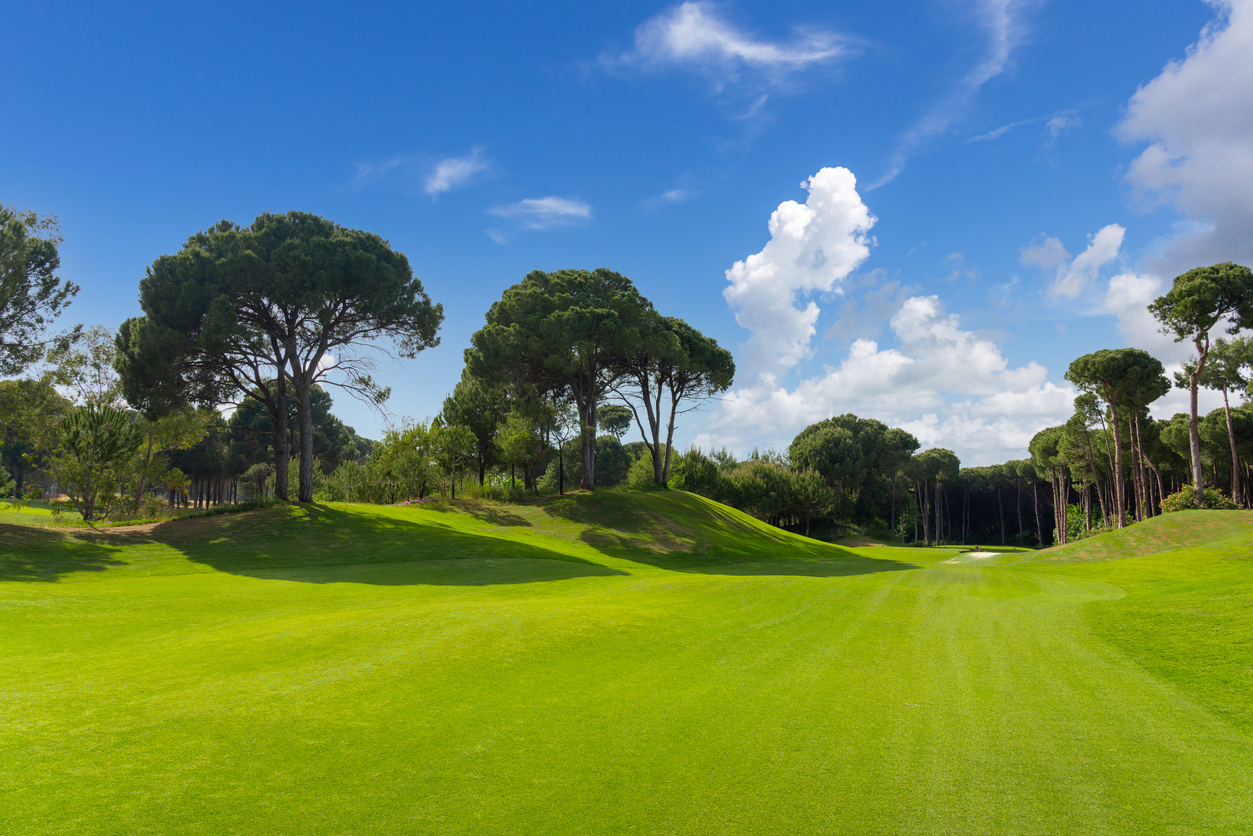
Best Golf Courses in Roquebrune-sur-Argens for an Unforgettable Round
Where Riviera Romance Meets Pure Golf: Why Roquebrune-sur-Argens Belongs on Your Shortlist
Roquebrune-sur-Argens occupies a rare sweet spot on the French Riviera: close enough to the sparkling coast to catch Mediterranean breezes and panoramic sea views, yet nestled among pine forests, ochre cliffs, and the famous Rocher de Roquebrune that give Provence its soul. For golfers, that blend of terrain and climate creates rounds that are both strategic and scenic. Fairways tumble over hillsides, greens are framed by umbrella pines and red rock, and the light—especially late in the day—turns bunkers and water features into works of art. It’s the kind of golfing environment that repeatedly rewards imagination, precision, and a healthy respect for elevation changes.
Beyond the postcard views, Roquebrune-sur-Argens offers access to a remarkable concentration of courses within a short drive: championship-level tracks built to host elite play, classic forested layouts with old-world charm, and breezy seaside designs where the wind is every bit as important as your choice of club. Whether you’re chasing a low handicap round or introducing someone to the game in a beautiful setting, this corner of the Var quietly delivers some of the Riviera’s most memorable golf.
The Golfing Landscape: Terrain, Climate, and the Var’s Distinct Playing Personality
Expect elevation changes, intricate fairway contours, and strategic use of natural landforms. Many holes play from elevated tees to valley fairways or vice versa, forcing careful club selection and trajectory control. The soils tend toward the well-draining and sandy, which means courses can stay firm underfoot even after rain, while summer conditions often favor the running game. Regional flora—pines, cork oaks, and the aromatic scrub of the garrigue—often lines fairways and frames shots, offering both beauty and a clear boundary for errant drives.
Climate-wise, the Var enjoys generous sunshine and long playing seasons. In shoulder months, mornings can be crisp and afternoons mild. Summer rounds often benefit from sea breezes; on particularly warm days, teeing off early keeps pace brisk and conditions comfortable. The prevailing winds can change a hole’s character from one day to the next: a reachable par 5 under calm skies becomes a three-shot puzzle when the breeze turns. That variability is part of the area’s charm, rewarding golfers who can flight the ball and think strategically from tee to green.
Golf de Roquebrune: The Headline Act Overlooking the Mediterranean
Set on the hills above the Argens plain, Golf de Roquebrune is the area’s signature course and a quintessential Riviera experience. The routing climbs and dips across ridgelines, unfolding a series of elevated tees, tight landing areas, and greens that sit alluringly beneath backdrops of sea, sky, and the Rocher de Roquebrune. It’s the sort of course that seizes your attention from the opening tee shot and never lets go, especially as the light shifts into late afternoon.
The design rewards placement over brute force. Aggressive lines are available, but they frequently cross hazards, hug slopes, or flirt with bunkers that sit exactly where a confident golfer wants to land the ball. For players who prefer to build a round with smart angles and well-paced aggression, the course is a masterclass in patience and reward. Fairways are typically generous enough when you choose the correct side; miss to the wrong side and you may discover how a slope, tree line, or cleverly placed bunker turns a straightforward approach into an up-and-down contest.
Green complexes are varied and engaging. Some rise subtly from the approach, while others sit slightly elevated, guarded by mounding or bristling with bunkers that require both height and spin to clear comfortably. Expect a healthy mix of front and back pin positions that can change the risk profile of approaches by a full club or more. When greens run quick, the slopes are fair but exacting, and solid lag putting becomes one of the surest ways to protect your scorecard.
The scenery cannot be overstated. On clear days, the Mediterranean shimmers beyond the hills, and you can trace the coastline while you line up a tee shot. On the inland holes, the Rocher’s rust-red mass serves as a dramatic aiming point or backdrop, a reminder that you’re playing golf in a landscape unlike anywhere else.
How to Play Golf de Roquebrune: Strategy for an Intelligent Round
Local wisdom quickly converges on a few keys: mind the wind, play to the fat side, and respect elevation. Tee shots from higher ground have that irresistible “hang time” feel; it’s tempting to launch driver everywhere, but restraint often pays. On downhill par 4s where driver brings trouble into play, a fairway wood or long iron can set up a full wedge and keep you in the scoring mindset. Likewise, uphill holes often play a club—or even two—longer than their yardage suggests, particularly if the breeze is into you.
Approach play at Roquebrune rewards precise yardages and stable trajectories. When the green sits above you, prioritize a flighted shot that takes spin out of the equation and lands softly. When the green is below you, check where the misses are: many greens punish long more than short, especially when slopes feed balls toward chipping hollows or bunkers. On two-shot holes with narrow entrances, a slightly shorter approach that leaves a full, spinning wedge is often preferable to muscling a low-percentage mid-iron at a tucked flag.
The par 3s often provide the course’s most dramatic moments. Elevated tees, shifting winds, and visually striking hazards can play tricks on depth perception. Commit to a yardage and a shape—fading the ball into a right pin or drawing it into a left pin—and stick to it. If you allow the view to dictate the shot, you might find yourself over-swinging or guarding against the wrong trouble. A stock, confident swing almost always earns a look at par, and on these holes, par is precious.
Short game preparation pays off. Even when you hit greens in regulation, you’ll face breaking putts and tiers that demand careful speed control. From around the greens, trajectory choice can make or break your up-and-down rate. A low-running chip may be ideal when the ground is firm; elsewhere, a soft-landing pitch that carries a slope and releases just a pace or two is the percentage play. Practice from tight lies before the round and you’ll be ready for the course’s most common short game tests.
Facilities and Practice at Roquebrune: Fine-Tune Before You Tee
The practice area supports a complete warm-up: a driving range with targets for distance control, a short game zone for bunker and pitch shots, and putting surfaces that mirror the contours and pace you’ll meet on course. A focused routine—wedges, mid-irons, a few drivers, then ten minutes of chipping and putting—will set you up for fast starts on holes where the first tee shot matters. On warmer days, hydrated, steady-tempo swings not only preserve energy on the hills but also sustain ball-striking through the finish.
The clubhouse setting adds to the experience: views over the course, a relaxed terrace, and an atmosphere where post-round reflections come easily. It’s the sort of place where you can replay your best shots while the light slides across the fairways below.
Seaside Panoramas and Breezy Tests: Sainte-Maxime and Beauvallon
For golfers who love the mix of sea air and hillside drama, two nearby courses often top the wish list. Golf Bluegreen Sainte-Maxime is a charismatic layout that climbs from Mediterranean foothills to commanding viewpoints, then swoops back through valleys where the wind can funnel unpredictably. Fairways tend to be slender, doglegs are thoughtfully angled, and aggressive lines rarely forgive the slightest push or pull. The result is a course that sharpens your decision-making and rewards shot-shaping more than pure distance.
Club selection is the story at Sainte-Maxime. On holes that tumble downhill toward a green, gravity tempts you to ride the ball with the wind. Yet dependable scoring usually comes from knocks-downs and flighted irons that neutralize gusts and find the center of the green. Expect to alter your stock yardages: a seven iron becomes a six when the breeze is up, then reverts—unexpectedly—when you turn into shelter. Pre-shot routines that account for wind and topography are worth their weight in strokes saved.
Golf de Beauvallon, across the gulf, complements Sainte-Maxime neatly. It is a gently rolling layout nearer the shoreline, with a handful of holes that present sweeping views toward Saint-Tropez. The design interleaves generous landing zones with angles that reward precise placement: a fairway from the right leaves you open to a receptive green; from the left, a tree or bunker edge can intrude just enough to complicate your line. The breeze is again a factor—often subtler here—teasing approaches off-line and changing the calculus of going for a par 5 in two.
Together, these two courses serve up the essence of coastal Provence golf: vivid horizons, fluctuating wind, and holes that ask for a deft, adaptable game. If you enjoy reading the day and letting your shot selection evolve across nine holes, these are essential stops.
Forested Classics in Saint-Raphaël: Valescure and l’Estérel
Drive northeast and you’ll enter Saint-Raphaël’s golfing heartlands, where two contrasting courses reward accuracy and course management. Valescure is one of the region’s oldest and most storied layouts, a tree-lined gem that prizes placement over power. The fairways appear welcoming from the tee, yet they subtly pinch at traditional driver landing zones. Pushing too hard often means flirting with overhanging pines or navigational bunkers that short-circuit par-saving approaches. The charm of Valescure lies in its old-fashioned, shot-maker’s rhythm: position, wedge, putt.
Greens here are fair but thoughtfully contoured. Pins tucked near edges invite you to play to the heart of the green, accepting a longer putt and the likely two-putt par. When you do take on a tucked flag, ensure the angle is perfect; a miss on the short side can turn into a creative-but-precarious recovery with branches shaping your trajectory choices. It’s the sort of course where you’ll find satisfaction in a tidy scorecard and a steady heart rate—no heroics required, just clean execution.
By contrast, l’Estérel, a Robert Trent Jones Sr. design, leans into the visual drama of the region’s red-rock formations and fragrant pines. The bunkering, as you’d expect, is strategic and elegant: clusters that frame landing areas, cross-bunkers that challenge indecision, and greenside traps that push you to commit to a specific shape and spin. The routing builds momentum through a balanced rhythm of short and long holes, entwining temptation with wise restraint. If you play to strengths—fade on the fade holes, draw on the draw holes—you’ll find scoring opportunities without unnecessary risk.
Both courses ask for sharp tee-to-green discipline but express it differently. Valescure rewards conservative lines and precise wedges; l’Estérel rewards confident shot-shaping and bold-but-calculated approaches. Golfers who sample both will come away with a richer sense of the Riviera’s design diversity and the distinct pleasures of forest golf.
Championship-Caliber Day Out: Terre Blanche’s Dual Personalities
A bit farther inland, Terre Blanche presents two modern, impeccably maintained courses whose reputations are well-earned. The layouts are expansive and architecturally sophisticated, with pristine conditioning, immaculate bunkers, and greens that test even polished strokes. The “Château” course stretches your long game and demands crisp iron play, while the “Riou” often feels a shade more intimate and tactical, rewarding players who can shift gears from power to finesse with ease.
If you’re seeking a day that measures your whole game—strategy, patience, athleticism—Terre Blanche is an excellent choice. It’s not the hillside drama of Roquebrune or the classic tightness of Valescure; it’s the Riviera’s modern championship statement, and it plays as such. Savor the challenge and lean into the course management lessons it offers.
Dramatic Provence Golf: Saint Endréol and the Adventurous Draw of Barbaroux
Domaine de Saint Endréol in La Motte sits amid an amphitheater of rugged Provençal scenery—red rocks, water features, and valleys sculpted to produce sudden reveals from tee to green. The course is as photogenic as it is strategic. Expect par 3s that flirt with ravines and water, par 4s that loop through natural hollows, and par 5s that make you weigh ambition against a prudent lay-up. It rewards players who can embrace both carry and control: the carry to crest a hazard, the control to hold greens in crosswinds. Many golfers leave with one hole seared into memory—a soaring tee shot over shimmering water or a precision iron toward a green perched over a gorge.
Barbaroux, deeper in the Var, is a pilgrimage for players who relish bold, modern design. Crafted with an eye toward dramatic risk–reward, it integrates broad lakes, muscular bunkering, and large, finely contoured greens. The challenge starts on the tee: choose the correct line and yardage, and the hole opens; miss your line, and the angle tightens into a puzzle. Approach shots demand the courage to fly hazards balanced with the restraint to leave the high-side miss. If you thrive on tactical golf that punishes hesitation but rewards commitment, Barbaroux earns its reputation as a must-play, even if it sits a bit beyond the immediate Roquebrune orbit.
Choosing the Right Course for Your Group
Matching course personality to player profile is the surest way to craft an unforgettable day. Consider the following frameworks:
- For scenic drama and variety: Golf de Roquebrune offers the Riviera postcard on repeat—elevated tees, sea glimpses, and greens wrapped in Provençal texture.
- For wind-shaped coastal golf: Sainte-Maxime and Beauvallon deliver breezy strategy, with lines and club selections shifting as often as the gusts.
- For classic tree-lined tests: Valescure provides a measured, old-world rhythm; l’Estérel amplifies the aesthetic and strategic boldness.
- For modern championship polish: Terre Blanche delivers the complete test and a taste of tour-level conditioning.
- For dramatic carries and bold gambles: Saint Endréol and Barbaroux satisfy the appetite for spectacular shots and big decisions.
Within your group, balance preferences and skill levels. If one or two players are newer to the game, choose a course with forgiving landing zones and clear sight lines for at least one of your rounds. On more demanding days, consider forward tees to keep the fun factor high and pace brisk. A mix-and-match approach—one hillside day, one forest day, one coastal day—often leaves everyone with a favorite.
When to Play: Seasons, Tee Times, and Pace of Play
In spring, fairways come alive and greens hold well, making it an ideal time for scoring. Morning rounds offer cool air, rising warmth by the turn, and typically steady breezes. Summer brings peak sunlight and that quintessential Riviera glow, especially in late afternoon. If you tee off early, you’ll enjoy calmer air and fresher conditions; if you prefer a golden-hour experience, start later and be ready for firmer turf and a bit more roll. Autumn rivals spring for overall golf quality: settled weather, quieter fairways, and the region’s landscapes taking on warmer hues.
For tee times, consider the course’s orientation and terrain. At hillside courses, earlier starts make uphill holes less taxing and keep the breeze gentler. On forested tracks, midday light often helps with depth perception and target recognition through the trees. Choose a start time that aligns with your goals: chasing a personal best, enjoying a leisurely round with photos between shots, or practicing shot shapes under varying winds.
Pace-wise, thoughtful strategy and realistic tee selection make the difference. On courses with significant elevation, use a cart if available or a light trolley and a streamlined carry setup. Agree on ready golf within your group—walk to your ball, assess as you go, and be prepared to play when it’s your turn. These small habits keep momentum high without sacrificing enjoyment.
Course Conditioning and Sustainability in Provence
Expect professional-level conditioning across the area’s premier courses. Fairways are typically dense and springy underfoot, with warm-season grasses thriving in summer and overseeding dialing in color and coverage in cooler months. Greens run true and reward a well-struck putt; you’ll encounter slopes that challenge but rarely cross into the unfair. Bunker sand is generally consistent and well-maintained, a plus when up-and-downs are part of your scoring plan.
Sustainability practices matter in the Var’s climate. Many courses deploy efficient irrigation systems, native plantings, and water-conscious turf strategies to preserve the look and playability of the course while respecting the environment. Naturalized areas—those wispy borders and rugged out-of-play zones—often support biodiversity and reduce water usage, all while adding visual character that feels authentically Provençal.
Practical Tips: Equipment, Attire, and Riviera Etiquette
Gear matters more than you think in hilly, breezy conditions. Pack a rangefinder that accounts for slope if permitted, a couple of extra wedges you trust for tight lies and fluffy rough alike, and at least one lower-spin ball option for windy days. If the course is firm and fast, a ball that launches slightly lower can keep approaches pin-high and reduce surprises on crosswinds. On short-game shots, experiment on the practice area to see how your preferred ball reacts out of local sand and semi-rough—confidence there pays off on the scorecard.
Attire should balance performance and comfort. Breathable layers for spring and autumn, sun protection for summer, and lightweight, grippy footwear for the hills. A compact, refillable water bottle is a smart addition, and a small towel for hands and grips keeps the swing steady when the air is warm. On especially bright days, polarized lenses make it easier to pick up contours and read grain, particularly late in the round.
Etiquette follows universal best practices with a Riviera touch. Repair ball marks, fill divots where sand is provided, and smooth bunkers thoroughly—many complexes are prominently in play and deserve care. Respect the group ahead’s space, keep pace with the match behind, and observe local rules for paths and protected areas. On holes with sweeping vistas, take the photo—but do it decisively between shots to keep the rhythm of play intact. Course staff take pride in conditioning; helping them preserve it is part of the day’s pleasure.
Beyond the Fairways: Off-Course Pleasures Around Roquebrune-sur-Argens
Part of what makes a round “unforgettable” is what surrounds it. In Roquebrune-sur-Argens, the landscape itself leads the way. The Rocher de Roquebrune invites contemplation from afar or, for the energetic, exploration of its trails and lookouts. Down toward the coast, Les Issambres offers coves and promenades where the Mediterranean seems to breathe in and out with the day. inland, the Argens valley reveals vineyards and orchards that trace the seasons in color and scent.
Local markets bring Provençal life to your fingertips: seasonal fruit, artisan breads, olive oils, cheeses, and sweets that capture the region’s generous spirit. Even a simple picnic assembled from these treasures can feel like a small celebration, especially when enjoyed after a satisfying round. In villages nearby, squares spill into cafés, and the pace slows to the rhythm of conversation and the clink of cutlery. Art galleries, ateliers, and small festivals pop up throughout the year, providing texture to an itinerary that balances golf with culture and leisure.
If you’re drawn to the water, consider a post-round stroll along seaside paths where you can watch boats trace lines across the gulf as the sun drops. If mountains call to you, the Esterel massif rewards short hikes with red-rock vistas that echo the colors you’ll have played among on the golf course. The point isn’t to rush, but to let the day breathe—golf in the morning, a wander in the afternoon, and the sense of a day well spent by evening.
A Three-Day Golf Blueprint Around Roquebrune-sur-Argens
With numerous courses within easy reach, you can craft a short, concentrated golf break that showcases the region’s variety without feeling rushed. Here’s a flexible three-day structure designed for flow and contrast:
Day 1: Hillside Headliner
Start at Golf de Roquebrune. Arrive early enough to loosen up on the range and settle your putting stroke. On the front nine, play within yourself—choose conservative lines off the tee, favor center-of-green targets, and give yourself makeable pars. As you turn, the course’s rhythm and your comfort will increase; that’s the moment to take on a couple of flagsticks when the angles are right. Pause on the elevated tees to take in the sea views, then finish strong by trusting your pre-shot routine even as the photogenic closing stretch tries to tug you into shot-making heroics.
Day 2: Coastal Breeze and Forest Calm
In the morning, head to Sainte-Maxime. Expect the breeze to build, so capitalize on earlier, lighter wind if possible. Embrace trajectory: knock-downs into headwinds, soft floats when the wind is helping. Keep the driver in check on narrow holes and relish wedges to receptive greens. After a break, transition to an afternoon nine or a leisurely session on a forested course like Valescure or l’Estérel. The contrast—coastal angles in the morning, pine-lined precision later—brings out the best in your game and your appreciation of the region’s range.
Day 3: Inland Grandeur
Close with a day that tests your all-around game. Choose Saint Endréol for dramatic carries and unforgettable par 3s or plan a longer excursion to Terre Blanche for modern championship rigor. For Saint Endréol, set a strategy before each tee shot: conservative line for a clean approach, or bold carry to open a birdie look. At Terre Blanche, pace yourself and treat every decision as a small puzzle—angles, wind, slopes. Finish the day with a slow walk through a village square, letting the images of the week—elevated tees, red rocks, sea horizons—capture what makes this slice of the Riviera so special.
Insider Shot-Making Notes for Var Courses
Small technical adjustments unlock big gains on these courses:
- Into the wind: Take more club, shorten the backswing slightly, and feel a three-quarter finish. The lower flight preserves distance and spin control.
- Downwind approaches: Consider landing the ball shorter than usual and favor trajectories you can repeat. High floaters can stall; a penetrating flight often stops closer to the intended yardage.
- Sidehill stances: On uphill lies, play for a higher launch and a slight draw; on downhill lies, a lower launch with a soft fade tends to emerge. Aim and club accordingly.
- Firm greens: Land approaches on the front edge or use backstop slopes to funnel the ball. Putting from below the hole remains the golden rule.
- Bunker play: Riviera sands are typically consistent but can vary slightly in moisture. Build a pre-round feel with a handful of practice blasts to calibrate entry point and speed.
Managing the Round: Mental Game for Scenic, Demanding Golf
These courses are visually rich, and that can cut both ways. The best rounds often come from routines that acknowledge the view, then narrow the focus. Before each shot, pick a precise intermediate target, commit to a shape, and swing with tempo rather than force. On holes with high penalty for a miss, choose the club that eliminates your big miss—even if it leaves a longer approach. Boiling decisions down to simple, repeatable choices is the surest way to keep momentum on layouts where distraction is as common as beauty.
Set mini-goals that match the course’s rhythm. For example, on a stretch with two narrow par 4s flanking a scorable par 5, aim for fairways on the 4s and circle the 5 for your birdie chance. If a par 3 presents a tough carry, commit to the center and relish a par rather than pining for a tucked flag. Turn the course’s architecture into an ally by letting its intended strategies guide you.
Group Play: Keeping Everyone Engaged and the Pace Quick
The region’s variety makes it ideal for mixed groups. A few practices keep the day smooth for all:
- Tee selection: Base choices on carry distance and typical dispersion rather than pure handicap. Shorter tees can turn a grind into a flow state.
- Ready golf: Walk toward your ball, pick a line, and be prepared. The rhythm becomes enjoyable when no one waits unnecessarily.
- Shared strategy: Before each hole, talk about ideal landing zones and “good misses.” The group’s collective eyes will improve decisions.
- Photo breaks: Agree on key scenic spots to capture images—then return to play without extended pauses.
When everyone feels seen and supported, the day’s narrative writes itself: tricky stretches embraced together, brilliant recovery shots cheered, and a final hole played with full attention and a smile.
Weather, Wind, and Course Setup: Reading the Day
The same course can play three different ways across a week. On calm mornings, you’ll find receptive greens and clear decisions. On breezy afternoons, flags stiffen and landing zones shrink, calling for controlled flights and smarter misses. After light rain, fairways soften and rewarded carries become more achievable. On dry, sunny streaks, roll-out increases and greens require precise spin control and landing angles.
Course staff often adjust pin positions and mowing patterns to match conditions. That means an awareness walk on the first green is invaluable: feel the grain with your feet, note uphill or downhill putts, and check how chips release. Assign each hole a mental rating—aggressive, neutral, conservative—based on the setup. That one-minute investment can save multiple strokes over 18 holes.
Common Mistakes to Avoid on Riviera Hill and Forest Courses
Golfers new to the region sometimes fall into patterns that inflate scores. Guard against these:
- Over-swinging on elevated tees: The view invites a full lash. A balanced swing and a focus on center-face contact produce better outcomes.
- Ignoring the “good miss”: Many greens are designed with a safe side. Missing in the right place preserves par chances.
- Chasing distance on narrow par 4s: A controlled fairway wood or hybrid often sets up a stress-free par.
- Underestimating uphill approaches: Add a club, sometimes two, and trust the math even if the flag looks close.
- Forgetting hydration and tempo: Hills and sun demand steady energy. Small sips every two holes keep focus sharp.
Etiquette Extras: Playing Harmoniously in a Scenic Setting
Beyond the basics, small courtesies make a big difference on courses where elevation and vistas attract players of varied experience. Communicate from the tee: if your ball enters a blind area, announce it and play a provisional when appropriate. On shared cart paths or tight crossings, offer a wave-through to maintain flow. Keep music low or use earphones if you prefer background sound. And remember the unique local soundscape—cicadas in summer, breeze through pines—adds to the day’s character; let it be part of your concentration, not a distraction.
Final Thoughts: Turning a Beautiful Round into an Unforgettable One
Roquebrune-sur-Argens and its surrounding courses deliver a rare combination of visual grandeur, architectural nuance, and year-round playability. Plan a sequence that highlights contrasts—hillside drama at Golf de Roquebrune, breezy coastal strategy at Sainte-Maxime or Beauvallon, forested precision at Valescure or l’Estérel, and, if time allows, a modern championship test inland. Bring a thoughtful approach to tee selection, a smart short game, and a willingness to let the landscape guide your choices. Do that, and the region will reward you with rounds that linger in memory—birdies, pars saved from unlikely places, and vistas that reappear whenever you think of the French Riviera and the pure joy of golf.
Dreaming of the Côte d’Azur? Discover our full collection of villas: https://www.azurselect.com/search/holiday

