

 EN
EN  NL
NL
 DE
DE
 FR
FR

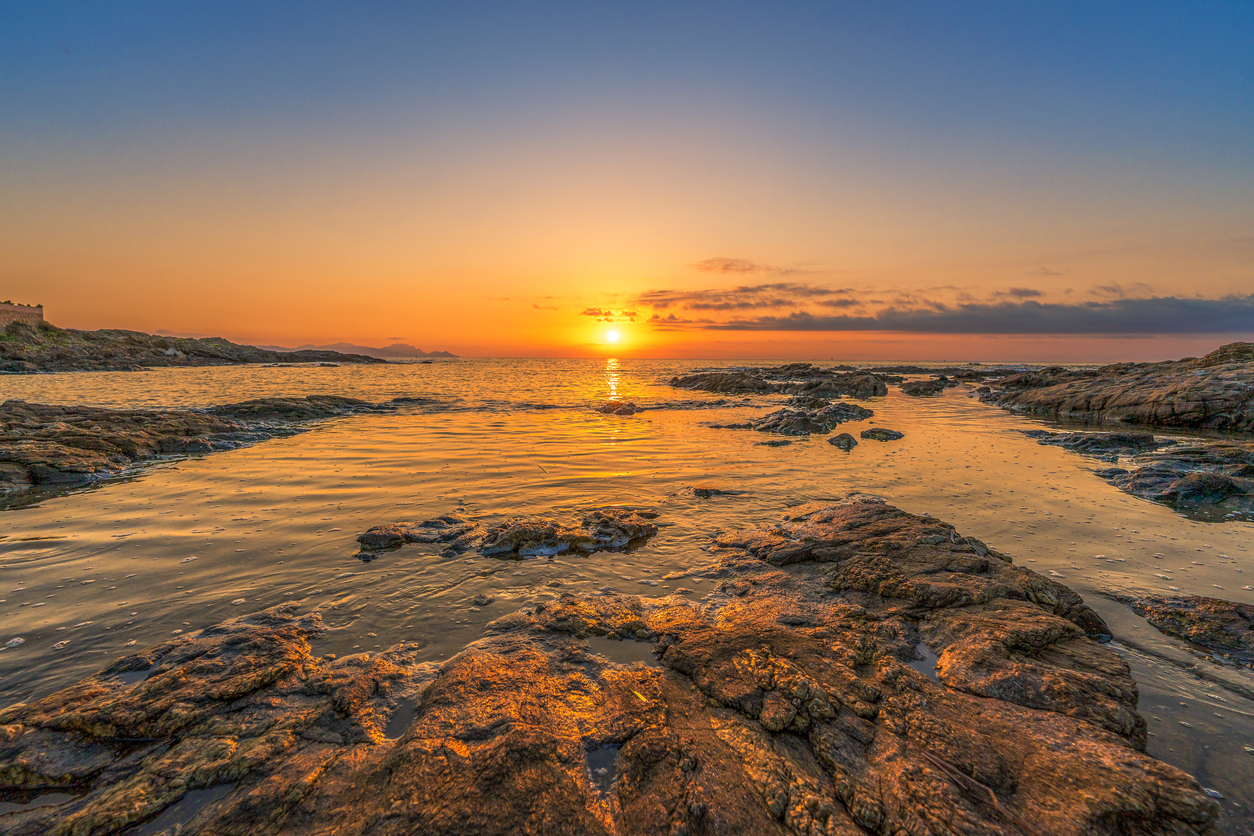
Bicycle Day Trips in Les Issambres | Cycling Along the Côte d’Azur
Les Issambres sits quietly between Sainte-Maxime and Fréjus, a sun-washed stretch of the Côte d’Azur where the Mediterranean meets crescent coves and low, pine-scented hills. It’s a place that invites unhurried exploration, and few ways are more rewarding than by bicycle. With its mix of smooth coastal tarmac, short but satisfying climbs, and easy links to nature reserves and historic villages, Les Issambres makes an excellent base for day trips on two wheels. Whether you’re pedaling a road bike, hopping on an e-bike, or simply rolling to a seaside picnic with the family, you’ll find routes here that feel relaxed, scenic, and decidedly local.
This guide gathers the most enjoyable rides from Les Issambres along the Côte d’Azur, with practical tips, insider stops, and route ideas that balance seaside beauty with lesser-known gems. Think calanques you can’t see from the road, a Roman fishpond hiding in plain sight, and a pine-shaded path where herons and flamingos feed. Bring your curiosity, a little appetite, and a spare camera battery—you’ll use them all.
Getting Oriented in Les Issambres
Les Issambres is the coastal district of Roquebrune-sur-Argens, a ribbon of neighborhoods and beaches centered around the village hub of San Peïre. The main coastal road, the D559, connects you westward to Saint-Aygulf and Fréjus and eastward to Sainte-Maxime. It rolls gently, hugging the curves of the shoreline, with sections of shoulder and painted lanes in places. You’ll pass small squares and port basins, like Port des Issambres, where morning fishermen unload boxes that clink with ice.
The coast here is dotted with rocky inlets—calanques—between sandy beaches like La Gaillarde. Inland, the hills lift quickly and offer climbs that are short but punchy, such as the Col du Bougnon behind Les Issambres. Even on a busy day, you can easily pivot off the main road and find quieter lanes that hover above the water or wind towards vineyards and umbrella pines.
The microclimate favors early starts. Expect light breezes in the morning, occasionally the mistral—a northerly wind that clears the sky to crystal blue. Most days are rideable year-round, but spring and autumn feel tailor-made for cycling: warm sun, open views, and calmer traffic than in peak summer.
When to Ride and What to Expect
Timing makes a noticeable difference here. In summer, traffic builds mid-morning and eases later in the afternoon. If you roll out at sunrise, you’ll have glassy water, empty bays, and bakery counters still warm from the oven. The sea glints between pine trunks, and by the time the beaches fill, you’ll already be lingering over coffee in Sainte-Maxime or cooling your feet at a tiny cove west of San Peïre.
In spring and autumn, days are longer than you expect, and road surfaces dry quickly after showers. Winter can be brilliant, with clean air and far-reaching views—just keep an eye on wind forecasts. On weekends, local cyclists frequent the Bougnon climb and the bays towards Fréjus. You’ll get friendly nods, a useful gauge of pace, and sometimes a tip about a new bakery or a newly paved stretch.
What to Bring and Bike Options
Road bikes suit most rides starting from Les Issambres, but e-bikes open routes to more riders, especially for the steeper inland detours. Gravel bikes are handy if you want to explore forest tracks above Sainte-Maxime or short stretches of compacted paths near the Villepey ponds.
Pack light but prepared. The sun here can be deceptively strong even in shoulder season. A lock is useful for short swims or when you stroll a market. If you plan to split off the paved routes for a few scenic detours, slightly wider tires (28–32 mm) feel reassuring on occasional rough patches or gravel shortcuts.
- Helmet, sunglasses, sunscreen, and a light wind layer
- Two bottles and electrolyte tabs in summer
- Compact lock for café and swim stops
- Tube, pump/CO₂, multitool, and a quick link
- A small towel and a swimsuit if you’re coastal hopping
- Cash or card for cafés and markets
Safety, Rules, and Local Etiquette
Drivers on the Côte d’Azur are accustomed to cyclists, but coastal curves can be narrow. Ride single file on busy stretches of the D559 and be visible when passing lay-bys where cars pull in for views. Roundabouts appear frequently—signal clearly, hold your line, and avoid wobbling toward the inside lane.
The Sentier du Littoral is a footpath that threads the coast; it’s a beautiful place to stretch your legs, but it’s not for bikes. Lock up near an access point and take a short walk instead—you’ll often find a secluded cove within minutes. Respect fire restrictions if you venture onto forest tracks during summer. And as a courtesy when you ask to refill bottles at a café, order a coffee or pastry to sit and enjoy the pause. It keeps everyone smiling.
Easy Coastal Spin: Les Issambres to Sainte‑Maxime
For a gentle ride with sterling views, follow the D559 east from San Peïre to Sainte-Maxime. It’s roughly 8–10 kilometers one way, rolling with the coast, and it makes a fine morning or sunset outing. You’ll glide past petite coves, low-slung umbrella pines, and the occasional boules court by the sea. As you near Sainte-Maxime, the Gulf of Saint-Tropez opens—a wide amphitheater of water with boats drifting towards the horizon.
Once in Sainte-Maxime, a promenade leads you through tidy gardens and shaded benches, ideal for a short stroll. The old town edges up from the waterfront, and you’ll find bakeries that still honor the morning’s first batch of brioches—ideal alongside an espresso after the ride in. If you prefer green space, step into the Jardin Botanique des Myrtes, a quiet botanical garden just west of the center with palms, myrtles, and oddly soothing lawn edges that beg a picnic.
This out-and-back works well for families or for a soft pedal day when you’re acclimating to the terrain. If you prefer a loop, you can add a small inland detour above the coast where short climbs reveal balcony views of the gulf before you glide back to Les Issambres.
Secret Stops on the Way to Sainte‑Maxime
Make time for two insider stops along this stretch. First, Pointe des Sardinaux sits on a little peninsula with remnants of wartime bunkers and a tiny marine reserve. The water is unusually clear, and on calm days, you can spot small shoals close to shore. There’s a bike rack near the entrance to the headland path; lock up and wander for ten minutes. Second, detour to a stretch of beach between Plage des Gireliers and the quieter nooks closer to San Peïre. The sand is soft and the water shallow, a friendly stop for a quick dip before the final roll home.
In spring, keep an ear out for the metallic click of pétanque balls near the seaside boulodrome. It’s a distinctly local soundtrack that pairs nicely with the first sip of coffee after a ride.
Nature-Focused Ride: Les Issambres to Saint‑Aygulf and the Villepey Ponds
Head west from Les Issambres toward Saint-Aygulf, and after a few coves the road straightens alongside a string of beaches. Behind this ribbon of sand lie the Étangs de Villepey—the Villepey ponds—where reeds, saltwater lagoons, and low sandbars shelter herons, egrets, and, in certain seasons, flamingos. A wooden boardwalk and footpaths skirt parts of the reserve. Park your bike and walk a short loop; you’ll hear the rattle of reed warblers and see the water shift like mercury under the breeze.
Saint-Aygulf provides several bakeries and fruit stands to refill your pockets. The return ride offers fresh views as you track the curvature of the coast back toward Les Issambres, a chance to watch windsurfers skipping across the chop if the breeze picks up.
Optional Extension to Fréjus Old Town
If you have extra time, continue from Saint-Aygulf into Fréjus. The Base Nature François Léotard, a former airfield turned recreation park, has wide, flat paths that are perfect for a breather. From there, it’s a short ride to Fréjus’s Roman heritage: the amphitheater, remains of the aqueduct, and the cathedral with its ancient baptistry and cloister. The old town is compact. Lock your bike near the main square and explore on foot for an hour, then return along the shoreline as evening light softens the red stone.
Classic Climb: Col du Bougnon to Roquebrune‑sur‑Argens
For a taste of climbing without committing to a mountain day, the Col du Bougnon is a local favorite. From Les Issambres, the road bends inland and up, climbing for a few kilometers at a steady, moderate grade. It’s enough to get the heart working without scaring off newer riders—an e-bike makes it very approachable—and the views back to the sea unfold with each switchback. Pines lean over the road, giving you moments of shade. You’ll recognize the top by the change in light and the quick glimpse toward the inland hills.
From the summit, descend toward Roquebrune-sur-Argens, a medieval village framed by the striking red rock outcrop known as the Rocher de Roquebrune. The old lanes are narrow and photogenic, and the fountains in the squares provide a welcome refill. If you’re inclined, ride or walk a little farther towards the base of the rock for a fuller view of its fractured crimson face. On market days, the village hums with stalls selling local honey, olive tapenade, and, if you’re lucky, a sliver of the region’s light goat cheese wrapped in chestnut leaves.
Loop back via quieter lanes through the Argens plain and rejoin the coastal road near Saint-Aygulf, or return over the Bougnon for a second helping of that sea view. The double ascent is short enough to be agreeable and often sunnier on the return.
Detour to the Dolmen de la Gaillarde and the Roman Fishpond
Two small but fascinating reminders of the past hide close to Les Issambres. Above the coast near La Gaillarde sits the Dolmen de la Gaillarde, a prehistoric burial site tucked among low maquis and pines. It’s reached by a short path—lock your bike and walk in for a few minutes to find it. The stones are weathered and modest, but the sense of age is palpable. Nearby, at the water’s edge of La Gaillarde, look for the remains of a Roman fishpond, a vestige of engineering that once circulated seawater to keep live fish. At low tide, its outlines appear in the rock. These are the kinds of details that reward a slow ride and an inquisitive pause.
The Three Bays Loop: Coastal Views and Village Lanes
If you’re up for a medium-distance loop that showcases variety without overreaching, link Les Issambres to Sainte-Maxime, then swing inland towards the quiet lanes near Plan de la Tour before tracking back to the coast. You’ll start with sea views, climb gently through cork oak and broom, and pass vineyard parcels where tractors trundle between rows. The lanes are slower and quieter here, stitched with low stone walls and occasional farmstands selling seasonal fruit.
Return via the lower roads that rejoin the D559 near Sainte-Maxime, then roll the familiar coastal curves back to Les Issambres. The loop works beautifully in spring, when the hills smell of warm pine resin, but it’s enjoyable any time with an early start. Expect a satisfying mix of terrain and a sense of having traveled somewhere, even if you keep the total distance in the 50–70 kilometer range.
Red Rock Adventure: Day Trip into the Estérel
For riders eager to stretch the legs, continue past Saint-Aygulf through Fréjus and Saint-Raphaël, then follow the route towards Agay along the Corniche. The Estérel Massif rises here in dramatic rust-red rock, steeping the coastline in color that shifts with the light. Short tunnels and cliff-side views lend a sense of theater to the ride, but take care—some sections are narrow. The payoff is a panorama: the Île d’Or standing just offshore, headlands layered one behind the other, and the water turning from deep blue to jade near the coves.
Pause at Le Dramont for a beach where history meets scenery—the site of the Provence landings in August 1944 is marked here. It’s an ambitious day out from Les Issambres, but for experienced cyclists it’s one of the region’s signature rides, a satisfying out-and-back that leaves you with salt on your lips and a tidy sense of accomplishment.
Family-Friendly Paths and Picnic Ideas
Not every ride needs to be a challenge. Families and casual riders can stitch together a delightful day with short segments of cycling linked by time on foot. From Les Issambres to Saint-Aygulf, the coast offers frequent pull-offs you can reach by bike in a few minutes, with safe places to lock up and access to shallow beaches. The Base Nature in Fréjus is particularly friendly: wide, flat paths where kids can pedal safely, grassy areas for picnics, and easy access to the sea.
For a picnic with shade and botanicals, take your bikes to the Jardin Botanique des Myrtes in Sainte-Maxime, then drift down to the promenade for an ice cream. If you prefer something low-key and local, spread a cloth near Pointe des Sardinaux, where the sea stays relatively calm and you can pick your own rock ledge for a quiet meal. Just remember to pack out all your litter and avoid glass near the water.
Gravel and Quiet Lanes Above the Coast
Gravel riders can turn the day into a gentle exploration of forest tracks above Sainte-Maxime. These pistes, when open and permitted, thread through cork oak and stone pine, with occasional glimpses down to the gulf. Surfaces range from smooth dirt to lightly stony, and gradients tend to be friendly. In dry months, ride early before the heat and mind any posted fire restrictions.
If you prefer tarmac but still want quiet, seek out the balcony roads above Les Issambres that parallel the coast without the volume of the D559. You’ll find tidy villas, pockets of maquis, and sudden coastal vistas—all at a relaxed pace, punctuated by the scent of thyme warming on a stone wall.
Coffee, Bakeries, and Market Days
One of the joys of cycling here is how naturally food punctuates the day. In San Peïre, the heart of Les Issambres, mornings start with the clatter of cups and the smell of butter meeting heat. There’s a public fountain near the main square for water, and a handful of cafés that never mind a rider stepping in with helmet hair. Monday mornings bring the local market to Les Issambres, with stalls offering olives, tapenades, and big tomatoes that taste like the sun looks.
Sainte-Maxime’s markets are lively and worth timing a ride to catch. You’ll find everything from socca to seasonal fruit to jars of artisanal jams that travel well tucked into a jersey pocket. In Saint-Aygulf and Fréjus, seaside promenades provide both snacks and people-watching. Don’t overlook a simple baguette, a wedge of cheese, and a handful of apricots as a satisfyingly light, portable lunch.
Practicalities: Rentals, Repairs, and Route-Finding
If you need a bike, neighboring towns make it straightforward. Sainte-Maxime has several rental shops offering road, city, children’s, and e-bikes, often with helmets and locks included. In Roquebrune-sur-Argens and Saint-Raphaël you’ll also find shops equipped for quick repairs, parts, and occasional guided outings. It’s wise to reserve in high season or plan an early pick-up.
For routes, keep things simple: your phone with an offline map and a handlebar mount is enough for most day trips. Look for municipal cycling maps at local tourist offices; the Office de Tourisme des Issambres often has paper maps that show bikeable stretches and points of interest, and staff generally know which construction projects might affect coastal riding. If you’re unfamiliar with roundabouts and local traffic patterns, a short spin around San Peïre on day one helps you settle into the rhythm before venturing farther afield.
Parking is generally manageable near the port area if you’re arriving by car with bikes. Early arrivals get the shadiest spots, and shade matters when you return in the afternoon.
Sample One-Day Itineraries
Here are three flexible day plans that balance cycling with discovery. Tweak the distances and timing to suit your pace and the season.
- Sea and Gardens Morning (Easy)
Start in Les Issambres after sunrise. Ride the coastal D559 to Sainte-Maxime, pausing at Pointe des Sardinaux. Lock up and stroll the headland, then roll into town for coffee and a croissant. Visit the Jardin Botanique des Myrtes for a shaded break. Pedal back before lunch, stopping at a quiet cove for a swim. Total cycling: roughly 20–25 kilometers, almost flat with gentle rollers. - Nature and Heritage (Moderate)
Ride west to Saint-Aygulf and the Villepey ponds. Park your bike and walk the boardwalk for birdwatching. Continue to the Base Nature in Fréjus for an easy spin and a picnic on the grass. Loop into Fréjus old town to see the amphitheater and cathedral, then return along the coast. Total cycling: about 35–45 kilometers, mostly flat with short rises. - Climb and Village Views (Moderate to Challenging)
Tackle the Col du Bougnon from Les Issambres for a compact climb with sweeping sea views. Descend to Roquebrune-sur-Argens, explore its medieval core, and refill bottles at a village fountain. Return either via the Argens plain to Saint-Aygulf or re-climb Bougnon for a direct route home. Add a detour to the Dolmen de la Gaillarde or the Roman fishpond either before or after the climb. Total cycling: 40–55 kilometers, with a notable climb.
Lesser-Known Corners You’ll Be Glad You Found
Part of the joy of riding from Les Issambres is collecting details that don’t always make it into quick lists. The Chapelle Saint-Pierre near San Peïre is a simple, serene stop if you appreciate quiet religious architecture. A modest viewpoint above La Gaillarde gives you a wide-angle look at the gulf without the crowds—ask locally for the best access as paths can shift. In spring, the verges along the balcony roads flower with cistus and wild thyme, and the scent lingers on your gloves after a rest. And near the waterline by certain calanques, you’ll come across polished pebbles banded with pink and grey; they’re irresistible to turn over in your hand, little souvenirs for the mind if not the pocket.
Wind, Weather, and Water
Coastal weather is generally kind to cyclists, but it pays to be attentive. The mistral can turn a flat ride into an effort against invisible hills; if you check the forecast and plan your direction accordingly, you can make the wind your friend and return with a tailwind. On hot days, refill whenever you pass a public fountain—there’s one in San Peïre’s square and more in Sainte-Maxime and Fréjus. By mid-summer, road surfaces heat up and soft shoulders can get dusty; favor morning starts and shaded breaks.
After rainfall, pine needles can gather on corners; keep your line clean and your braking smooth. If you do get caught in a brief shower, the light on the water after the clouds break is something to see—the coast gleams, and the red rock inland looks newly painted.
Photography and “Stop-and-Stare” Moments
Bring a small camera or keep your phone handy. The best frames often appear in motion: a curving stretch of road framed by pines, a freighter crawling across the gulf like a toy, a lone paddleboarder cutting a dark line across early-morning silver. From the Bougnon ridge, the sea looks layered, almost brushed on; at the Villepey ponds, a wind ripple turns the lagoon into hammered metal. At Pointe des Sardinaux, stand quietly and you’ll hear fish flick near the rocks, signaling water so clear it looks unreal.
If you like architectural details, the Roman stones in Fréjus and the medieval alleys of Roquebrune are ready-made backdrops. Early or late light turns the ochres and terracottas warm and forgiving. And don’t skip the humble subjects: a basket of apricots at the Monday market, or a baguette riding shotgun in your bottle cage for the last kilometers home.
Making the Most of an E‑Bike
E-bikes shine in Les Issambres. They flatten the Bougnon and make detours into the hills far more inclusive. Use eco or tour modes for most of the ride, saving higher assistance for climbs or when a headwind turns stubborn. If your battery allows, explore both directions along the coast in a single day: Sainte-Maxime for coffee in the morning, Saint-Aygulf for a late lunch near the ponds, and a lingering swim at a Les Issambres cove before sunset.
When stopping at cafés, ask if there’s a discreet corner to park and lock the bike; a compact, high-quality lock is sufficient for short breaks. If you plan a long day, bring your charger and top up during a leisurely meal. Be considerate with placement—don’t block walkways or terraces—and you’ll find most places happy to help.
Events and Seasonal Highlights
Autumn brings a notable event to nearby Fréjus: the Roc d’Azur, which turns the Base Nature and surrounding trails into a weeklong celebration of cycling. Even if you don’t participate, the atmosphere is contagious—exhibitors, test rides, and a general buzz about bikes. It’s a good time to discover new kit or simply enjoy the energy that fills the promenade. Spring weekends sometimes see local rides cresting the Bougnon; if you fall in with a friendly group for a few kilometers, you’ll pick up route ideas you won’t find on any map.
Respecting the Coast and Environment
The landscapes around Les Issambres reward care. Stick to marked paths when you leave the road, especially around the Villepey reserve and coastal headlands, where nesting birds and fragile plants can be easily disturbed. In summer, obey fire restrictions and avoid smoking near the maquis. For coastal swims, choose existing access points rather than cutting new tracks through fragile dunes. And in the bustling months, share promenades generously—smiles tend to open space more easily than bells.
Refill bottles at public fountains where possible to minimize plastic use, and consider a small reusable bag for any pastries or fruit you pick up along the way. It’s a small gesture that aligns nicely with the unhurried, attentive style of travel that cycling invites.
Final Thoughts: Why Les Issambres Works So Well on Two Wheels
Some coastal towns feel best from a sun lounger; Les Issambres finds its rhythm at the speed of a bike. Distances are forgiving, views are immediate, and variety is at your fingertips—calanques and coves one hour, olives and old stones the next. The D559 lays out a simple spine to follow, but the real pleasure lies in slipping off to a headland, cresting a small climb for a new perspective, or parking your bike by a boulodrome to watch a game unfold in the shade.
What stays with you isn’t just the scenery but the way the day assembles itself: a quiet start past fishermen at the port, a climb rewarded with the smell of warm pine and a wide view, a market tasting you didn’t expect, and an easy glide home along a coast you’ve come to know curve by curve. Plan loosely, bring curiosity, and let the coastline lead. Les Issambres will do the rest.
Discover this relaxed coastal setting and explore our holiday villas in Les Issambres throughout the year.

