

 EN
EN  NL
NL
 DE
DE
 FR
FR

Bicycle Day Trips in Saint-Aygulf and Fréjus | Cycling the Côte d’Azur
If you’re picturing the French Riviera as a ribbon of turquoise sea and gleaming promenades, you’re not wrong. But around Saint-Aygulf and Fréjus, there’s more to discover on two wheels than sea views. This corner of the Côte d’Azur rolls from lagoon-fringed flats and Roman landmarks to pine-scented forest climbs and red-rock coastlines. It’s varied, compact, and wonderfully rideable for every level. Think leisurely coastal spins, shady nature reserves, and quiet lanes that wind towards the fiery Estérel massif—it’s an easy place to fall in love with cycling again.
Consider this a friendly guide, the kind you’d get from a local who has pedaled these roads in every season. We’ll map out classic routes, family-friendly rides, and lesser-known detours: a Vietnamese pagoda tucked in the hills, a Cocteau-designed chapel, bird hides overlooking lagoons, Roman aqueduct arches in the Reyran valley, and the ancient sea fishpond cut into the rocks at La Gaillarde. You’ll also find practical tips on wind, traffic patterns, and where to stop for a proper picnic with views.
Whether you’re based in Saint-Aygulf or Fréjus—or just hopping in for the day—you’ll be able to mix coast and countryside without complicated logistics. Bring a bit of curiosity, a bottle or two, and a willingness to pause. On the bike here, the best moments often happen between the “sights.”
Saint-Aygulf and Fréjus at a Glance
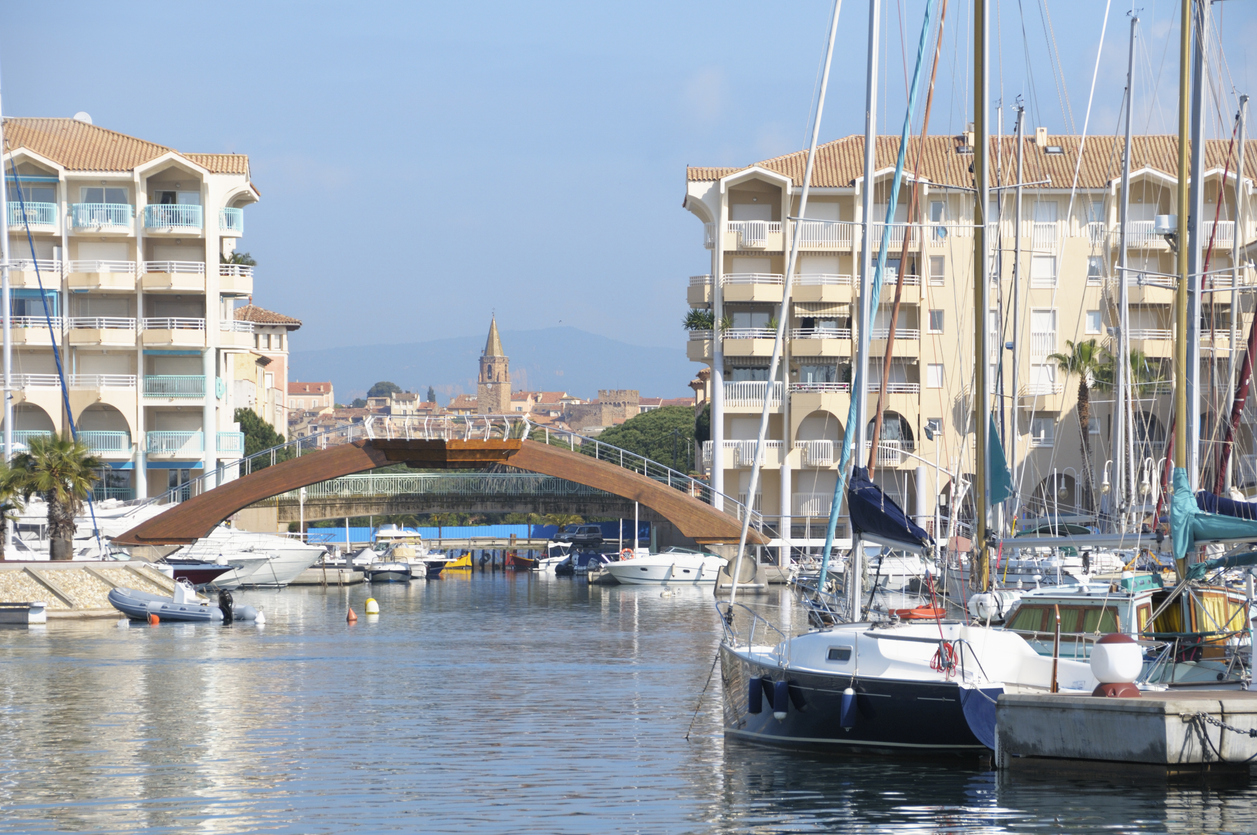
Saint-Aygulf sits just west of Fréjus-Plage, a seaside neighborhood with wide promenades and direct access to the water. It’s known for sandy beaches and the Étangs de Villepey, a protected zone of shallow lagoons that feel a world away from the busy D559 corridor. Fréjus itself is older and grander, with Roman bones holding up a lively Mediterranean town: amphitheatre, theater, and aqueduct remnants tucked amid modern streets. Between them, you’ve got a long, flattish strip perfect for relaxed coastal riding, with quick access inland to quiet roads and forest tracks.
To the east, the Estérel rises in red volcanic ridges—photogenic, aromatic with pine and cork oak, and threaded with both paved roads and gravel options. To the west, the coast curves towards Les Issambres and beyond, dotted with calanques, little headlands, and pockets of sea-sculpted rock. It adds up to a dense menu of day rides that can be tailored to mood and weather.
When to Ride: Seasons, Sun, and Wind
Spring and autumn are sweet spots: mild temperatures, reliable light, and fewer crowds. By late spring, mornings are fresh and afternoons warm, making earlier starts a pleasant habit. In summer, start early to beat heat and traffic, then plan swims or shaded park breaks during midday. Many paths along the coast are rideable even in high season if you time them around the lunch lull.
Wind is the wild card. A Mistral day can be bright and dry but gusty, often strongest in open areas like the promenade or across the Étangs. If you wake to flags snapping, consider a route that dips into the Estérel’s sheltering folds or weaves inland through Fréjus’s urban grid and parks. Southerly sea breezes build in the afternoon, making a tailwind return trip an enjoyable bonus if you plan your loop clockwise or counterclockwise accordingly.
Gear, Bikes, and Navigation
A road or hybrid bike is ideal for the coastal roads and urban sections. If you’re tempted by the forest routes in the Estérel, a gravel bike or a hardtail mountain bike opens up a lot of scenic options. For families, city bikes and e-bikes make everything feel flatter and more fun. You’ll find local shops in and around Fréjus, Saint-Raphaël, and Saint-Aygulf that can help with rentals, tune-ups, and basic repairs; call ahead in peak months if you’re particular about frame sizes or e-bike availability.
Navigation is straightforward on the coast, where the D559 tracks the shoreline and promenades link beaches and marinas. For inland and Estérel rides, download offline maps and look out for forest-road signage. The Base Nature area is well signposted, and the Étangs de Villepey paths have clear markers. Carry at least one spare tube, a multitool, and a small lock if you plan to duck into a market or a quick viewpoint detour.
Road Etiquette and Safety
Locals are used to cyclists, but it pays to ride predictably and hold a tight line along shoulder markings. Many seafront paths are shared with pedestrians, so dial back speed as you pass families or rollerbladers. If you’re on a group ride, single up on narrow stretches and keep chatter to calm zones. In summer, suncream and hydration trump bravado; top up your bottles at beachfront fountains and parks when you see them.
A bell is useful around the Étangs and in park settings. At dawn and dusk, add a rear blinky even on clear days; the low sun can dazzle drivers and riders alike. And if you venture into the Estérel’s gravel sectors, respect closures during high fire-risk days and give right of way to hikers and wildlife.
Coastal Classic: Saint-Aygulf to Fréjus-Plage and Base Nature
If you want an effortless orientation ride, start in Saint-Aygulf and roll east towards Fréjus-Plage. Mornings are magic here: soft light, calm water, cafés setting out chairs. You’ll follow a mix of promenade, bike path, and low-traffic road, with frequent chances to stop for photos. From the sea-facing neighborhoods, angle towards the Base Nature François Léotard, a sprawling waterfront park with wide, smooth paths that invite easy laps.
Highlights and Simple Routing
Begin near the Saint-Aygulf seafront and head toward Fréjus along the signed bicycle corridor paralleling the coast. Once you reach Fréjus-Plage, keep the sea on your right and glide onto the Base Nature perimeter loop. The park is a friendly place to spin a few kilometers, watch kiteboarders on blustery days, and enjoy shaded lawns perfect for a stretch. On your way back, weave through the quays around Port-Fréjus for a hint of marina life before rejoining the coastal path.
Why You’ll Love It
It’s flat, it’s scenic, and it tells you everything about the local rhythm. You’ll see joggers, kids learning to ride, and a surprising number of cyclists out for a lazy spin. Add a dip at Fréjus-Plage or a picnic on the grass at Base Nature, and you’ve got a complete, low-effort day.
Lagoon and Birdlife Loop: Étangs de Villepey
Northwest of Saint-Aygulf lies a cluster of shallow lagoons—Étangs de Villepey—one of the region’s most peaceful riding areas. The loop is composed of quiet lanes and designated paths that circumnavigate the wetlands, connecting bird observatories and footbridges with woodland fringes. It’s largely flat and perfect for families or anyone craving a slow day.
What to Look For
Keep an eye out for egrets, herons, and migratory visitors resting among reeds. The wooden hides offer serene pauses; bring binoculars if you have them. The light changes constantly here, reflecting off brackish pools and sand ridges. You might also notice interpretive panels describing local flora and dune preservation—give the marked restoration zones a wide berth to help the habitat recover.
Tips for a Smooth Ride
Because the routes skirt sensitive zones, stay on marked paths. Some edges are gravelly; wider tires are more comfortable. Start in Saint-Aygulf, loop clockwise to keep crossing points on your right, and consider a detour to Parc Areca, a compact botanical garden that’s an easy stop for a shaded bench and a quick stroll. It’s one of those small places you wouldn’t travel across the world for, but together with the lagoons, it creates a day full of gentle surprises.
Roman Fréjus Heritage Circuit
Fréjus wears its history without fuss. A dedicated loop through town brings you close to the amphitheatre, the Roman theater, and cathedral cloister—plus stray bits of aqueduct and masonry that pop up when you least expect them. Plan for frequent stops and a short lockup period if you want to step inside monuments that are open to visitors.
Route Sketch
From Fréjus-Plage, pedal inland towards the historic center, using bike lanes to reach the amphitheatre. Continue towards the cathedral and its cloister, then navigate towards the Roman theater. For a longer extension, trace the old aqueduct’s line northward to find surviving arches in the Reyran valley. You’re never far from a café-lined square if you need a break.
Small Moments to Savor
Look down at the paving stones and up at the warm-toned facades; you’ll notice fragments of older stones reused in walls. Don’t miss the hush of the cathedral cloister, where it’s easy to forget you’re minutes from the sea. If you’ve got time, climb gently to Parc Aurélien: tucked green spaces, scattered ruins, and a vantage that frames the town against the blue sweep of the Mediterranean.
Argens Valley and Roquebrune Loop
When the sea breeze starts to stiffen, an inland loop towards Roquebrune-sur-Argens offers calm roads and village charm. The route traces the Argens river plain before curling under the dramatic red monolith of the Rocher de Roquebrune. It’s a fine choice for intermediate riders who want a mix of farmland, river glints, and a compact hilltown visit without long climbs.
Route Sketch
Leave Fréjus or Saint-Aygulf and angle northwest, crossing agricultural lanes where greenhouses and vineyards alternate. Follow signs for Roquebrune-sur-Argens, looping around the base of the Rocher for classic photos. If you prefer a shorter version, turn back along a different set of lanes for a neat lollipop shape. To deepen the day, look for quiet backroads that parallel the busier arteries; they take a touch longer but pay back with birdsong and near-empty tarmac.
Local Flavor
Time your arrival for a village square pause. Roquebrune’s streets host seasonal markets and casual cafés spilled onto cobbles. Before you leave, take in views from the foot of the Rocher—its flanks change color through the day. It’s also a pleasant place to top up bottles at public fountains before cruising downstream towards the coast.
Red Rocks and Sea Spray: The Estérel Corniche
East of Fréjus, the coastal road towards Boulouris and Agay is a dreamscape of red cliffs and blue coves. The Corniche section has its busy hours, but if you start early, it feels like a private cinema: low light on oxblood promontories, swells folding into volcanic inlets, and fragrant pines leaning over the verge.
Route Sketch
From Fréjus-Plage, head east through Saint-Raphaël, then follow the coastline towards Boulouris, Le Dramont, and Agay. Pause at the viewpoint near Le Dramont for that classic look towards the Île d’Or—a little island that looks pulled from a Tintin frame. Continue to Agay’s circular bay, which catches reflections beautifully, then either loop back the same way or climb inland towards the Estérel for a more demanding return.
Hidden Corners
Near Le Dramont, the coastal path offers short detours to war-era remains and quiet lookouts where cormorants dry their wings. Lock your bike for ten minutes and follow a signed footpath to a low promontory if you want a wind-in-your-hair moment. As always, be respectful of foot traffic and fragile cliff edges; it’s about savoring, not speed.
Into the Estérel: Forest Roads and Mont Vinaigre
If you crave climbing and a taste of wilderness, the Estérel delivers. The paved D37 and connecting roads lead towards viewpoints and passes; the forest network of wide gravel tracks expands the possibilities for adventurous riders. Mont Vinaigre, the high point of the massif, rewards with regional panoramas on clear days.
Route Sketch
From Fréjus, work your way to the D37 or D4 and follow signs toward the Estérel’s interior. For a paved challenge, aim for the Col du Testanier and stitch together a loop returning via Les Adrets or a partial backtrack. If your bike is gravel-friendly, seek out the forest pistes that branch from the main roads—smooth enough in dry weather but demanding in places.
What to Know
Summer fire risk can close tracks, so check posted notices at access points. Bring extra water and a snack—services thin out quickly. It’s a quieter, more contemplative ride than the coast, with the soundtrack shifting from waves to cicadas and wind in the pines. When you reach a crest like Mont Vinaigre, take a moment to pick out landmarks: the blue strip of the Mediterranean, the Argens plain, and the serrated line of the Alps on exceptionally clear days.
Westward Wander: Saint-Aygulf to Les Issambres
Heading west from Saint-Aygulf, the coast hums with calmer energy. You’ll ride past sandy arcs and rocky shelves, with short rollers that wake up the legs without punishing them. The route threads near La Gaillarde, where remnants of a Roman fishpond—the Vivier—are carved into seaside rock, a subtle, almost secret landmark visible at lower tides.
Route Sketch
Leave Saint-Aygulf on the coastal road and follow the bike-friendly markings towards Les Issambres. You’ll skirt little coves and lacy inlets that beg for a pause. At Pointe de la Gaillarde, dismount and peer along the waterline to spot the ancient fish tanks. Continue to the headland at Pointe des Issambres, where views swing wide, and loop back when the breeze turns favorable.
Why It’s Special
This ride captures the Riviera’s gentler side: fewer high-rises, more sky and sea, and a rhythm that says take your time. If you love to hop off for a swim or an unhurried coffee, it’s your kind of day.
Family Days: Parks, Promenades, and Easy Wins
If you’re riding with children or new cyclists, base your day around the Base Nature, the Saint-Aygulf seafront, and the Étangs. These areas combine separated paths, low speeds, and frequent stopping points. A simple loop might include a promenade spin, a short bird-watching pause, a play area stop, and a beach break. It doesn’t need to be long to be memorable.
Pack a picnic and a frisbee. The lawns at the Base Nature are made for it, and shady corners offer relief during the midday sun. If you time your day for late afternoon, the light gets softer, the heat fades, and you’ll still have time for a sunset roll along Fréjus-Plage before dinner.
Local Markets, Picnic Spots, and Refills
One of the pleasures of riding here is knowing you’re never far from a good picnic. Fréjus’s historic center hosts regular markets with produce, olives, cheeses, and the kind of tomatoes that make you revise what you thought tomatoes could be. Around the coast, bakeries supply the essential baguette-and-treat combo; stash it in your handlebar bag for a beachside lunch.
Picnic-friendly spots include the grassy edges of Base Nature, benches near the Étangs de Villepey observatories, and sheltered nooks on headlands west of Saint-Aygulf. Water refills are available at public fountains in central squares and parks; keep an eye out as you pass, because not every fountain is marked on maps. If you’d like a panoramic snack stop, ride up to the Butte Saint-Antoine in Fréjus for a quiet viewpoint over rooftops and sea.
Culture Beyond the Obvious: Cocteau Chapel and Hông Hien Pagoda
Two sights often missed by casual visitors sit on the edges of Fréjus. The Chapelle Notre-Dame-de-Jérusalem, designed with the imprint of Jean Cocteau, is a small, evocative stop that blends art, color, and light in a unique way. It’s an easy spur off a hillside loop and adds a lyrical note to any day ride.
Equally unexpected is the Hông Hien Pagoda, a Vietnamese temple set in tranquil grounds. It’s a quiet counterpoint to beach bustle, and arriving by bike makes the visit feel even more contemplative. Both require a short lock-up if you want to step inside, so bring a cable and respect visiting hours and attire guidelines.
Photography and Golden-Hour Moments
Sunrise has a special pull in Saint-Aygulf. If you’re up early, pedal to the dunes near Plage des Esclamandes and watch the sky open across the Étangs and sea. The light treats the sand and reeds with gentleness, and you’ll share the scene with a couple of photographers and a lone jogger or two.
Come evening, the Estérel ignites. From Le Dramont to Agay, the red rock faces catch warm tones that seem to linger longer than the actual sun. If you’re staying closer to Fréjus, angle for a return along the promenade as the lights blink on along the marina—a maritime glow that is both modern and timeless.
Three Ready-to-Ride Day Plans
1) Gentle Coastal and Lagoon Sampler
Morning: Roll from Saint-Aygulf to Fréjus-Plage for a coffee and an easy lap around Base Nature. Midday: Cruise back via the Étangs de Villepey, stop at an observatory, and picnic in the shade. Afternoon: A relaxed swim near home and a short sunset spin if legs allow. Distance: 20–30 km. Terrain: Flat. Ideal for families and first-day orientation.
2) Roman Landmarks and Argens Backroads
Morning: From Fréjus-Plage, visit the amphitheatre, cathedral, and theater on a heritage loop. Late morning: Head inland on quiet lanes towards the Argens valley. Lunch: Square-side picnic in Roquebrune-sur-Argens. Afternoon: Return via alternate lanes with a brief stop at Parc Aurélien. Distance: 45–60 km. Terrain: Mostly flat to rolling. Perfect for curious riders who like history with their kilometers.
3) Red Rocks Challenge
Morning: Early departure along the Corniche towards Agay to beat traffic and relish the views. Midday: Climb into the Estérel’s interior via a paved pass; pause at a crest for a snack and panorama. Afternoon: Descend toward Saint-Raphaël and follow the coast home. Distance: 60–85 km. Terrain: Rolling with sustained climbs. Best for confident riders who enjoy a steady effort.
Events and Seasonal Notes
October brings a surge of mountain bikers for the Roc d’Azur, one of Europe’s major off-road cycling events that uses the Base Nature as a hub. If you’re visiting then, the atmosphere is festive and the trails are lively; road riders can still enjoy quieter routes by steering towards the Corniche early in the day or exploring the inland lanes around the Argens.
In summer, long daylight expands your options, but heat and traffic build from late morning. Use siesta hours to your advantage: a long lunch and shade time make a post-4 pm ride a pleasure. Winter riding can be crisp and clear; coastal routes remain friendly, and the Estérel often feels like your private park on a still day.
Practical Notes: Trains, Buses, and Car-Free Starts
If you’re arriving by regional train, the Saint-Raphaël–Valescure station is the main gateway, a short roll from Fréjus-Plage and the coastal paths. Off-peak services usually accommodate bikes; check carriage markings and avoid peak commuter windows when possible. Local buses may carry folded or partially disassembled bikes depending on the route and season; policies shift, so confirm before you count on it.
Once here, you can comfortably ride most days without a car. The coastal artery is continuous, and lanes through Fréjus connect quickly to parks and neighborhoods. For inland ventures, plot a simple out-and-back on quieter roads and you’ll be surprised how quickly rural calm replaces seaside buzz.
Micro-Adventures and Lesser-Known Detours
• Parc Areca in Saint-Aygulf: intimate gardens with palms and shade, perfect for a mid-ride pause.
• Butte Saint-Antoine: a gentle climb in Fréjus that gifts you a contour of city-and-sea views without the time investment of a full hill ride.
• Vivier at La Gaillarde: the Roman fishpond carved into rock is subtle but rewarding, especially at lower tides when its layout shows.
• Reyran Aqueduct Arches: scattered stonework in the valley hints at the scale of Roman engineering that once supplied ancient Fréjus.
• Le Dramont headlands: short, respectful on-foot detours lead to knobby rocks and WWII-era remnants, with the photogenic Île d’Or just offshore.
• Hông Hien Pagoda and the Cocteau Chapel: cultural counterpoints to beaches and markets, both easy to embed in a medium-length loop.
Food Stops and Tasteful Treats
A good day ride often hinges on a good bite. Coastal neighborhoods deliver dependable boulangeries and seaside terraces, while village squares inland make for unhurried lunches. If you’re more picnic-inclined, prioritize markets in Fréjus’s old town for cured meats, local cheeses, olives, and fruit. In harvest seasons, small roadside stands sometimes sell figs or honey—light, packable boosts that make simple food feel like a feast.
A few wineries dot the hinterland near Fréjus; if your ride plan accommodates a brief stop, you can add a tasting to your cultural loop. As always, keep it modest if you still have kilometers ahead, and lock the bike in view.
Making the Most of Weather and Light
On hot days, think in arcs: an early coastal glide, a shaded inland section, then a sea-breeze-assisted return. On breezy days, start into the wind so it pushes you home. Cloud cover can be beautiful around the Estérel, painting the rocks with moody contrasts—don’t write off a ride because the sky isn’t postcard blue. And if rain threatens, the promenade and Base Nature offer safer, drainable surfaces than steep forest tracks.
Respect for Nature and Neighbors
It’s worth saying: the dunes near Saint-Aygulf are fragile. Stay off restoration zones and use designated paths. Around the Étangs, move quietly and keep to bike routes to avoid disturbing birds. In town, a smile and a wave go a long way; the Riviera can be busy, but it’s also friendly when you are. If you’re riding pre-8 am through residential streets, keep voices low and freehubs quiet.
Putting It All Together: A Perfect Cycling Day
Start with a dawn roll along Fréjus-Plage while the water is flat and the sky peels open. Warm your legs with a lap of Base Nature, then follow your curiosity: maybe the Roman heritage loop if you’re feeling cultural, or the Étangs if you’re in a tranquil mood. If it’s a big-ride day, push to Agay for red-rock drama and loop back over a small Estérel pass. Picnic, swim, pause at Parc Areca—or climb a little to the Butte Saint-Antoine for a late-afternoon look over everything you covered.
What makes Saint-Aygulf and Fréjus special for cyclists isn’t a single headline climb or a famous monument. It’s the way the pieces fit together: coast and countryside cheek by jowl, history and nature accessible in a single morning, and a sense that you can change plans on a whim because everything is close. Bring that spirit to your rides, and you’ll leave with a dozen favorite corners you didn’t know to look for.
Conclusion
Saint-Aygulf and Fréjus give you a Riviera that’s easy to cycle yet rich in texture, where a flat spin can be as satisfying as a summit push. You can trace Roman waterlines, listen to reeds whisper around lagoons, and watch waves burn orange against red stone—all in the space of a day. Choose your direction by mood and weather, pack a simple picnic, and keep an eye out for those small detours that end up defining the trip. That balance—between planned routes and serendipity—is the secret to great riding here.
Discover Saint-Aygulf and Fréjus and explore all our holiday villas to experience this varied coastal landscape throughout the year.

