

 EN
EN  NL
NL
 DE
DE
 FR
FR

Olive Oil in the Var: Tradition, Terroir and Provençal Craftsmanship
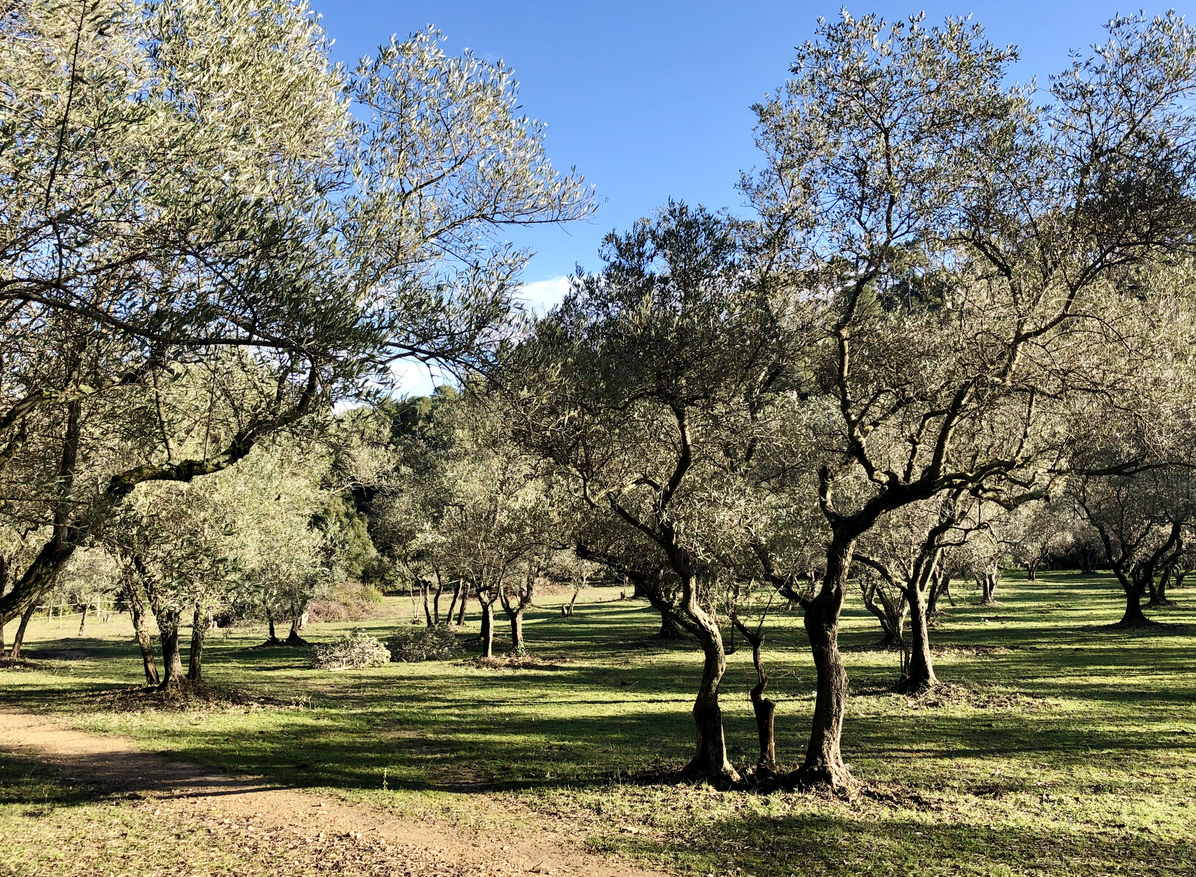
Olive oil in the Var is far more than a local specialty. It is the expression of a landscape shaped over millennia, a living thread of Provençal heritage, and a craft that combines agricultural precision with instinct, patience and reverence for the land. From the Mediterranean coastline to the stone-lined terraces of the Haut-Var, olive trees define the region’s identity. Their silvered leaves shimmer in the wind, their twisted trunks testify to centuries of seasons, and their fruit gives rise to oils that carry the essence of Provence in each drop. To understand olive oil in the Var is to understand the deep relationship between people, terrain and tradition, and to discover a product shaped not by scale but by devotion.
Travellers who wish to immerse themselves in this authentic Provençal atmosphere will find that the region reveals its character most beautifully when experienced from a thoughtfully chosen villa in the heart of the Var.
The Landscape and History of Olive Oil in the Var
The Var enjoys the quintessential Mediterranean climate that the olive tree requires. Long hours of sunlight, scarce rainfall in summer, mild winters and well-drained soils create ideal conditions for olives to flourish. The region’s geological diversity, ranging from limestone ridges to sandy basins and schist terraces, contributes to an equally diverse aromatic spectrum in its oils. The olive tree thrives in adversity, and the Var’s rugged terrain has always compelled it to do so.
Olive cultivation in the region dates back more than two thousand years. The Phoenicians and Greeks are believed to have introduced the first trees, while the Romans expanded plantations and formalised the craft of oil production. Traces of Roman infrastructure remain visible today, hinting at the strategic importance of olive oil for trade. During the Middle Ages, monasteries became centres of agricultural knowledge. The Cistercian abbey of Le Thoronet, located in a pristine valley, once cultivated vast groves and pressed its own oil in accordance with strict monastic routines. These methods would influence Provençal rural life for centuries.
This continuity was shattered in 1956, when an exceptionally severe frost destroyed almost all olive trees in Provence. Temperatures reached levels unimaginable for the region, and entire hillsides that had been covered in groves since antiquity became silent and barren. Many families abandoned the activity, but a determined few restructured their terraces, nurtured surviving tree shoots and replanted patiently. Their perseverance laid the foundation for the revival that began in the 1980s, when a renewed interest in terroir and artisanal food culture brought fresh recognition to the olive oils of Provence.
Today, the Var remains one of France’s most respected olive-growing departments, producing modest volumes but exceptional quality.
The Olive Varieties that Define the Var
The Var is home to several emblematic olive varieties, each contributing distinct flavours that form the backbone of its oils.
Aglandau is the most iconic, producing assertive green oils with notes of artichoke, fresh-cut grass, green apple and a characteristic peppery finish. Bouteillan is more aromatic and lively, with hints of almond, herbs, citrus zest and green banana. Cayon offers gentler, rounder profiles that bring softness and floral nuances to blends. Picholine, often associated with table olives, contributes refined bitterness and structure. Rarer varieties such as Verdale or Ribeyranne still exist in pockets of the Haut-Var and contribute to limited but remarkable single-varietal oils.
The regional diversity of microclimates shapes these varieties in subtle ways. Coastal areas around Sainte-Maxime and Grimaud produce softer, more delicate oils, thanks to maritime breezes and moderate temperatures. Around Draguignan, Flayosc and Lorgues, deeper soils and warm inland climates create balanced oils with generous fruitiness. Higher elevations near Tourtour and Aups yield oils with intense herbal vibrancy and clarity.
Mills and Producers to Visit in the Var
Olive oil is best understood where it is made. The Var offers exceptional opportunities for visitors to explore mills, meet producers and learn the craft behind the oil. Several estates welcome the public for tastings, tours and cultural experiences.
Moulin de Callas, one of the region’s most respected mills, offers visits that allow guests to observe each step of modern oil production, from washing and crushing to cold extraction. The tasting room showcases oils made from Aglandau, Bouteillan and regional blends, allowing visitors to compare aromas and textures. This mill is renowned for its purity and precision.
Moulin du Flayosquet, located near Draguignan, is another signature estate. Its stone buildings and contemporary equipment form a striking contrast, symbolising the union of tradition and innovation. The mill offers tastings, seasonal demonstrations and explanations of the sensory components that define extra virgin olive oil. Many visitors appreciate the estate’s elegant, harmonious oils, which reflect the complexity of the surrounding terroir.
Moulin Saint-Michel in Le Thoronet lies amid vineyards and olive groves in a serene valley close to the abbey. It is one of the best places to immerse oneself in the region’s heritage. The estate produces a range of oils, from vibrant green to softer golden styles, and offers guided tastings and seasonal tours during the harvest period.
Domaine de Taurenne in Villecroze is one of the Var’s larger estates and is particularly well suited for visitors. The magnificent stone mill, the surrounding groves and the panoramic views create a memorable introduction to olive culture. The estate produces several high-quality oils, all available for tasting, and the mill often hosts workshops introducing guests to sensory analysis.
Maison des Huiles d’Olive in Aups serves as a tasting centre where visitors can discover oils from multiple producers in the Haut-Var. It is an excellent stop for those wishing to compare styles and understand how different terroirs influence flavour.
Along the coast, smaller but charming producers near Sainte-Maxime, Grimaud and Roquebrune-sur-Argens maintain groves influenced by the sea’s microclimate. Some offer casual tastings and boutique sales, especially in summer.
Artisanal producers, often working family plots on terraces unreachable by machines, also form a key part of the Var’s identity. Many of these small estates welcome guests, but only by appointment. Around Tourtour, Salernes, Callas and Fayence, such artisans offer intimate, personalised visits in which guests walk through the groves, learn about pruning and harvesting practices, and sample limited-production oils unavailable elsewhere. These encounters reveal the human scale and emotional depth of olive cultivation.
Recommended Routes for Exploring Olive Culture
Travellers wishing to immerse themselves in olive landscapes can follow several scenic routes.
One of the most rewarding circuits begins in Draguignan and passes through Flayosc, Callas and Claviers. This route offers a succession of mills, tasting rooms and traditional estates. Its winding roads reveal terraced hillsides and groves that capture the region’s agricultural spirit. Visitors can combine tastings with leisurely strolls through the charming village squares.
Another route explores the valley of Le Thoronet. The abbey, with its Cistercian purity, serves as a quiet centre from which to discover the surrounding groves and producers. Many visitors choose to spend an entire day in this area, pairing oil tastings with the abbey’s guided tours.
The Haut-Var route includes Aups, Moissac-Bellevue, Villecroze and Tourtour. Here, the altitude and the dramatic views intensify the olive experience. Tastings often take place in serene rooms overlooking mountains and valleys, and the oils produced in this zone tend to have remarkable aromatic clarity.
Coastal routes, though offering fewer estates, allow visitors to enjoy the interplay between sea breezes and olive groves, creating an appealing contrast with inland landscapes.
How to Experience an Olive Oil Tasting in the Var
Olive oil tasting is a refined and sensory experience. Visitors are often surprised by the complexity and precision involved. Tastings typically begin with a small cobalt-blue glass designed to conceal the oil’s colour. The glass is warmed gently in the hand to release aromas. One inhales deeply to identify fruitiness, which may evoke green vegetables, nuts or ripe fruit.
On the palate, bitterness and pungency are key indicators of freshness and antioxidant richness. These sensations are not flaws but virtues. The finish reveals the oil’s harmony, elegance or intensity. Experienced tasters can identify notes of artichoke, almond, tomato leaf, wild herbs, citrus, pepper or fresh apple.
Visitors are encouraged to avoid wearing perfume, which can mask delicate aromas. Tastings usually last fifteen to thirty minutes and may be combined with small food pairings. Many producers explain which dishes best suit each oil: robust green oils with grilled vegetables, soft oils with fish or salads, complex blends with roasted poultry or Provençal stews.
Practical Advice for Visiting Producers
The harvest season, from late October to mid-December, is the ideal time to witness the full production cycle. Mills operate daily, the air carries the scent of crushed olives, and the atmosphere is vibrant. However, it is also the busiest time for producers. Visitors wishing to see the mill in action should call ahead or reserve online.
Spring and summer offer calmer but equally enjoyable visits. Producers have more time for personalised tastings, and the groves are at their most photogenic. For artisan estates operating by appointment, early contact is essential. These visits are often among the most memorable because they take place in small family environments where tradition and passion are palpable.
Visitors travelling through the Var by car will find most estates well signposted. Parking is generally available on-site, and many producers offer small boutiques where oils, tapenades and regional treats are sold.
The Cultural Role of Olive Oil in the Var
Olive oil permeates every aspect of life in the Var. Markets celebrate the year’s first oils, restaurants design seasonal menus around new harvests, and families gather under the trees during picking season. Even villagers who own only a handful of trees bring their olives to the local mill, maintaining a tradition that reinforces the community’s bond with its land.
For travellers seeking authenticity, understanding olive culture offers profound insight into Provençal identity. The landscape, the flavours and the hospitality of producers together reveal a world in which history, nature and human skill remain inseparable.
A Final Reflection
To explore olive oil in the Var is to encounter a territory shaped by sunlight, stone and centuries of knowledge. Its oils reflect not only their varieties and soils but the spirit of the people who tend the trees and honour this ancient craft. A visit to the Var’s mills and groves is both a sensory journey and a cultural discovery, allowing travellers to taste Provence in its purest form.
If the world of Var olive oil inspires you to explore the region further, discover our refined selection of holiday villas on the Côte d’Azur — the ideal base for experiencing the landscapes, flavours and traditions that shape this remarkable terroir.

