

 EN
EN  NL
NL
 DE
DE
 FR
FR

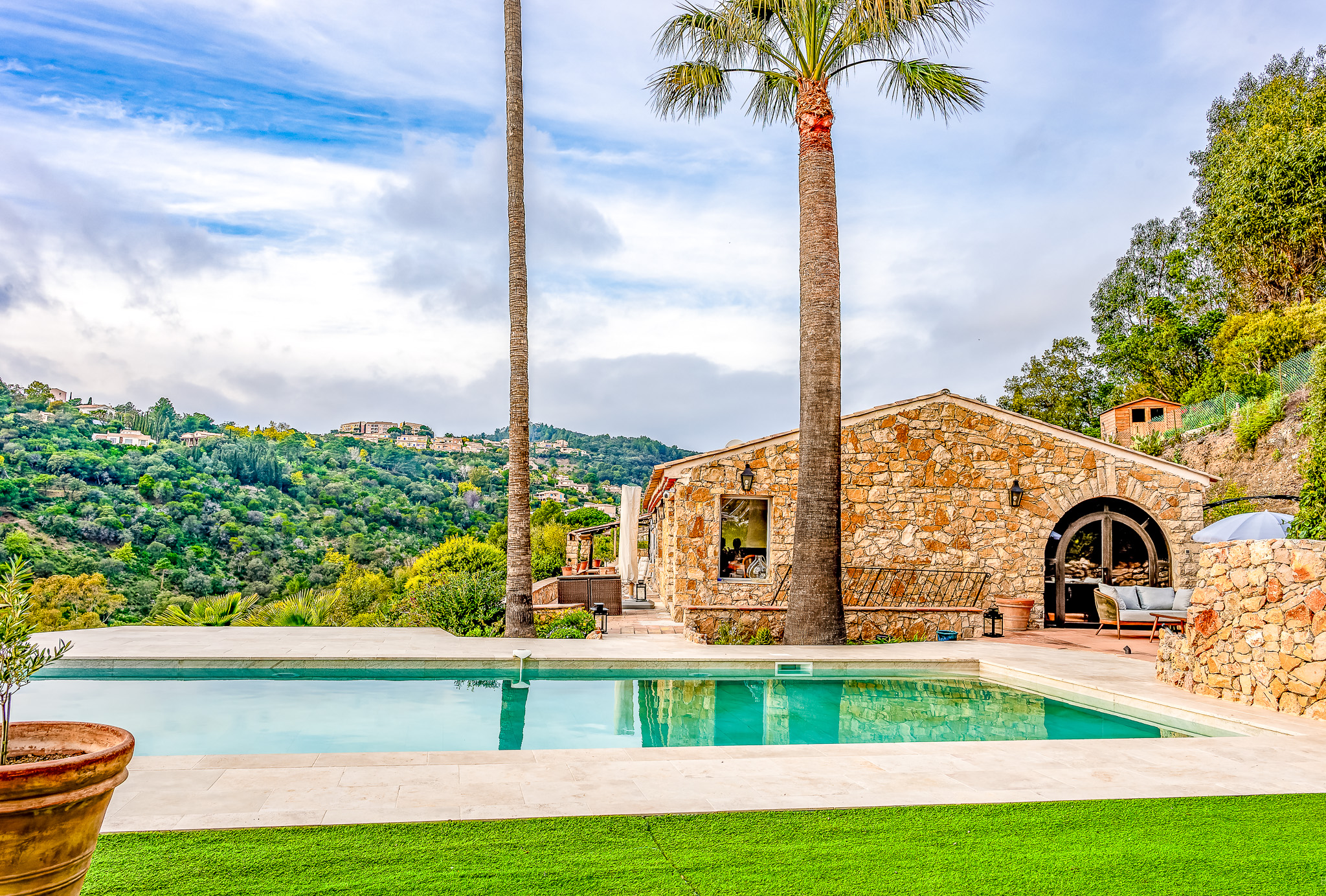
Provençal Houses: Timeless Charm of the South of France
The Irresistible Allure of a Provençal House
There is a moment, usually just after you push open the painted shutters and the first breath of rosemary-scented air drifts in, when a Provençal house reveals why it captures so many hearts. It’s not simply the ochre walls or the terracotta roof tiles, nor the cedar doors smoothed by decades of use. It’s the atmosphere. Provençal houses feel lived-in, sun-warmed, and quietly dignified—even when they’re new or newly restored. They are designed around a rhythm of daylight and shadow, of long lunches under a plane tree and languid evenings on a stone terrace. In the South of France, life is meant to spill outside, and these homes are built to make that effortless. This article explores the world of Provençal houses, how they are built, what makes them distinctive, and why this type of property is so appealing to those looking to rent a holiday home in South of France.
Think of a Provençal house as an architecture of welcome. From a low-slung mas cocooned by vineyards to a hilltop bastide with a view that sweeps out to the Mediterranean, every detail points to comfort and conviviality: deep eaves to temper the sun, shutters that filter light like a veil, walls thick enough to hold the cool night long into the afternoon. And then there’s the setting. Whether perched above the red porphyry cliffs of the Estérel or tucked into the chestnut forests of the Maures, these houses feel anchored to their landscapes. They don’t shout; they whisper—and invite you to slow down and listen.
Hallmarks of Provençal Architecture
Walk through any village in the Var or the Alpes-Maritimes and you’ll notice a family resemblance among the homes. The materials, forms, and colours are not just aesthetic choices but the result of centuries of adapting to climate and craft traditions. Knowing these clues helps you read a house like you would a good story.
Stone Walls and Limewash
Local stone—limestone in the east, schist and sandstone further west—gives Provençal houses heft and personality. In older properties, thick walls are often left exposed or coated in breathable limewash that lets the structure regulate moisture naturally. You’ll see rough-hewn corners, ashlar quoins, and subtle variations in stone tones from honey to dove grey. Where stone isn’t exposed, lime-rendered facades wear a patina that softens with time, turning brighter pigments into sun-faded poetry.
Roman Tiles and Gentle Rooflines
Those curved terracotta tiles, known as tuiles canal, are more than iconic. Their shape channels rain efficiently and allows air to circulate, cooling roof spaces. Roofs slope gently, often with generous overhangs to create shade over windows and terraces. Look closely and you might notice timeworn variations—tiles reused, handmade pieces with irregular edges, or decorative ridge caps called tégulae that add a discreet flourish.
Shutters, Doors, and Ironwork
Provençal shutters are not purely decorative. They act like climate control with character, managing light and heat. Colours range from faded sage and lavender grey to sea-washed blue. Doors are often cedar or chestnut, sometimes studded or framed with stone lintels. Wrought iron brings finesse—balustrades, lantern brackets, even tiny window grilles with scrolling patterns. It’s common to find a mix of artisan-made pieces and salvaged ironwork from local brocantes.
Mas, Bastide, Mazet: The Typologies Explained
Not all Provençal houses are alike. Their forms tell you about their origins—agricultural, defensive, or domestic—and each type offers a distinct living experience.
Mas
A mas is the archetypal Provençal farmhouse: long, low, and oriented to face away from the mistral winds. Historically self-sufficient units, they often have thick stone walls, small openings on the north side, and larger windows toward the south or east. Inside, expect a straightforward layout—kitchen and daytime living on the ground floor, bedrooms above—plus outbuildings that have been folded into modern living as studios or guest suites.
Bastide
The bastide is typically a larger, more formal country house, often from the 17th or 18th century. Square or rectangular in plan with symmetrical facades, bastides speak the language of order and restraint. High ceilings, central staircases, and generous salons point to a life of hospitality. They sit within landscaped grounds—rows of cypress, stone fountains, perhaps a formal parterre—offering a sense of arrival as you come up the drive.
Mazet
A mazet is the small, often one-room rural retreat or cottage that was historically used during harvests or seasonal work. Today, mazet-style homes make deeply charming hideaways. Expect compact proportions, cosy interiors, and maybe a vine-draped pergola. The beauty of a mazet lies in its simplicity and the close connection it fosters with the surrounding land.
Bergerie and Remise
Convertions of former sheepfolds (bergeries) and farm sheds (remises) have become beloved. Their pared-back bones—thick walls, timber beams—invite creative adaptation. A beautifully restored bergerie can feel both primitive and luxurious, with cool interiors and just enough modern polish to support a slow, pleasurable daily routine.
The Interior Rhythm: Layout, Light, and Materials
Inside a Provençal house, rooms tend to be arranged for comfort first, ceremony second. The day’s passage shapes how these spaces are used, and the materials amplify the sense of calm.
Floors Underfoot
Terracotta tomette tiles are the classic choice—hexagonal or square, their hand-pressed texture almost velvety to the touch. Limestone flagstones are common too, cool underfoot in summer and elegant year-round. In upper floors, you may find warm chestnut parquet or bleached boards that brighten smaller rooms.
Ceilings and Beams
Timber beams, sometimes whitewashed, sometimes kept dark, add graphic lines and a sense of history. In bastides, higher ceilings promote air circulation; in mas or mazet homes, lower beams contribute to a cocooning feel. Plaster ceilings with subtle curves soften acoustics and make rooms feel hushed.
Living Spaces and Kitchens
Provençal living rooms invite slow time: deep sofas, a fireplace with a stone mantel, woven reed or rush seating, and a mix of heirloom and brocante finds. The kitchen often forms the emotional centre. Expect open shelving, thick stone or wood counters, ceramic or zellige backsplashes in chalky whites and mineral greens. A large table is essential—meals are long, informal, and usually peppered with local ingredients from the nearest market.
Bedrooms and Quiet Corners
Bedrooms favour softness: washed linens, linen gauze curtains, and baskets for beach gear and market loot. Shutters do the heavy lifting for darkness, a boon for siestas. You’ll often find reading nooks by a window, a small writing desk, and a woven rug that eases the step from cool floor at dawn.
Outdoor Living: Terraces, Pergolas, and Peaceful Nooks
In Provence, you don’t need a calendar to tell you the season—your terrace will. Outdoor living is woven into the very idea of home here, and houses are designed to host it gracefully.
Stone Terraces and Shaded Spots
A stone terrace is where the day stretches out. The best have a pergola clothed in grapevine or wisteria, a simple outdoor kitchen or plancha, and a table long enough for happy chaos. Low dry-stone walls frame herb beds and potted geraniums. You’ll notice intentional shade: chestnut or plane trees, reeds woven into pergolas, and parasols that tilt with the sun.
Water as Sound and Relief
The gentle splash of a fountain cools the air and acts like an exhale for a garden. Pools—often rectangular and lined in pale stone—mirror the sky. Many older homes feature a restored wash basin or lavoir as a decorative piece that nods to a self-sufficient past. In places like Ramatuelle or Gassin, sea breezes drift inland, making late afternoons particularly serene.
Spaces for Play and Pause
A pétanque court, or boulodrome, is a quintessential feature, and even a small one can anchor hours of friendly competition under the trees. Hammocks, low-slung chairs, and a bench with a view of distant hills round out the picture. In coastal pockets such as Agay and Le Dramont, it’s common to orient terraces toward the russet cliffs of the Estérel, catching sunset light that turns stone to ember.
The Provençal Palette: Colour, Texture, and Patina
Colour in Provence is sunlight moderated by materials. Walls lean toward ochres, clay pinks, and warm neutrals that shift with the day. Shutters pick up the colours of sky and vegetation—pale blue-grey, olive green, soft lavender. Against this, textures add depth: rough stone, nubbly linen, straw, clay, ceramic. A well-composed interior here is less about perfection and more about harmony: the patina of an old farm table, the simplicity of a woven rush chair, the way a ceramic jug throws a shadow in late afternoon.
It’s also a region of subtle pattern: hand-printed boutis quilts, Provençal motifs on table linens, and terracotta tiles that carry the imprint of a thumb or a maker’s mark. Newer homes sometimes nod to this language with lime-plastered walls, reclaimed wood, or hand-glazed tiles. The guiding principle is humility—materials that look better with time and tell their story quietly.
Gardens and Scents: A Landscape in Miniature
Open a gate and the fragrance greets you first: rosemary, bay laurel, thyme underfoot, and the citrusy lift of a lemon or bitter orange tree. A Provençal garden is less lawn and more Mediterranean mosaic—dry-tolerant plants, gravel paths, drifts of lavender, silver-leafed olives, and roses that tumble along old walls. The garden is a sensory extension of the house: in the morning it’s a place for coffee and birdsong, in the evening it’s a cool refuge.
Along the Côte d’Azur, especially near Grasse, scent is part of the fabric of daily life. Jasmine trained on trellises, tuberoses in clay pots, and clusters of violets near Tourrettes-sur-Loup hint at the region’s perfumery heritage. In winter, the Tanneron hills blush with mimosa, and homes often bring branches inside to brighten rooms with soft yellow pompons. In the Var, kitchen gardens pair tomatoes and basil with artichokes and figs, and you may find a small plot dedicated to saffron or heritage beans from a neighbour’s seed swap.
Seasons in a Provençal House
The house feels different in every season, and part of the pleasure is discovering its moods. Spring is a soft crescendo: almond blossoms, markets spilling over with asparagus and strawberries, and light that lengthens your days. Doors stay open and rooms smell faintly of fresh limewash and iris soap. By summer, shutters play their full role—closed against the noon glare, open in the early morning and evening to breathe. Meals drift outdoors, and the stone floors are a gift beneath bare feet.
Autumn brings clarity: grape harvests, hikes under cork oaks, and baskets of mushrooms from shady paths in the Maures. Kitchens work again, simmering daubes and roasting local pumpkins. In winter, a Provençal house turns inward but not somber. Fireplaces crackle, thick curtains are drawn at dusk, and terraces host sun-seeking lunches on still days. Villages come alive with holiday markets and a slower, neighbourly pace. The house holds all these rhythms effortlessly, offering comfort in every register.
Villages and Hamlets: Where the Spirit Lives
To understand Provençal houses, spend time in the villages where they’ve evolved. Each pocket of the Côte d’Azur carries its own flavour.
In the Var, Seillans and Bargemon offer a gentler tempo, with steeper lanes and viewpoints that seem to fold out like postcards. Look for the high belvedere at Mons for a panoramic sweep across forests and far peaks. Near Draguignan, Flayosc and Lorgues pair lively weekly markets with quiet lanes and stone lintels marked by centuries of handprints. Cotignac is another jewel, its troglodytic caves above the village a reminder that habitat here stretches back in surprising ways.
Towards the sea, La Garde-Freinet keeps a slightly wild spirit, surrounded by chestnut groves and crossed by footpaths that lead to ruined watchtowers. Bormes-les-Mimosas is as pretty as its name suggests, particularly in late winter when mimosas bloom and house facades glow against blue skies. Around Saint-Paul de Vence and Vence, creamy stone and walled gardens create intimate scales, while Biot’s warm stone lanes lead to working glass studios that keep the village humming.
Less talked about but deeply rewarding: La Colle-sur-Loup, with antique shops tucked behind modest facades; Le Rouret, where small olive mills offer tastings if you ask at the right time; and Cabris, a little perch with a powerful view. Each village shifts the lens, and visiting a cluster of them will show the varied ways Provençal houses adapt to slope, exposure, and lifestyle.
Coastal Landscapes That Shape the Home
On the coast, the land meets the sea in ways that influence how houses face the sun and wind. The Estérel massif, with its volcanic red rock, creates pockets like Agay and Le Dramont where the light is especially saturated. Houses here often open toward the sunsets, using pergolas and deep terraces to frame the evening show. Below the Maures, around Rayol-Canadel, villas borrow cues from the Domaine du Rayol’s Mediterranean gardens, favouring layered planting and sightlines that cascade down toward the water.
Further east, capes like Saint-Jean-Cap-Ferrat and Antibes curve into the sea, protected by pine and cypress. Homes tuck into slopes, catching morning or evening light while avoiding daytime glare. Coastal paths—like the Sentier du Littoral around Cap Ferrat or the walk from Plage du Débarquement at Le Dramont toward Cap du Dramont—offer a lesson in orientation: the best houses read these same cues and place terraces accordingly. Inland breezes and careful shading do as much as air-conditioning here, and the architecture supports that age-old wisdom.
Artisan Touches and the Beauty of Imperfection
What makes a Provençal house feel so human is the hand of the maker. You notice it in the pottery thrown in Vallauris, in a Biot glass jug with its trademark bubbles, in hand-forged iron by a village smith. Salernes, known for its tiles, adds colour underfoot, while Fayence is a gentle hub for ceramics that pair well with simple linens. In Tourrettes-sur-Loup, violets flavour sweets and perfumes, and you’ll sometimes spot violet-coloured glass or enamel as a playful nod to the village’s signature flower.
Brocantes—flea markets and antique dealers—provide the finishing touches. Isle-sur-la-Sorgue is famous, but in the Côte d’Azur you’ll also find small, revelatory troves: a Saturday market in Le Cannet, a hidden courtyard shop in Antibes behind a thick wooden door, a roadside dealer near La Motte with stacks of weathered shutters. A Provençal house wears these finds lightly: a ladder repurposed as a towel rack, a farmhouse table with burnished edges, a plain linen grain sack turned cushion. Imperfection is not just tolerated; it’s embraced as character.
Food, Kitchens, and the Market-to-Table Life
The kitchen is the heart because the markets beat so close by. In Nice, the Cours Saleya is a riot of colour in the morning, with stalls piled high with sun-warmed tomatoes, courgette flowers, and piles of basil. In Cannes, Marché Forville delivers a daily masterclass in seafood and seasonal produce. Lorgues’ Tuesday market fills every lane with cheeses, olives, and saucissons. You can also find smaller gems: the covered market in Fréjus that rewards early risers, or a pop-up producer stall on the road to Callas selling figs and honey in late summer.
Provençal kitchens are built for this abundance. Think wide ceramic sinks and big cutting boards, a copper pan for socca batter if you’re experimenting with chickpea flatbread, and a dish for niçoise olives always at the ready. Herbs grow outside in terracotta pots, a mortar and pestle stand ready for pistou, and a chill carafe of local rosé waits in the shade. Meals spread casually across a long table: anchoïade with raw vegetables, grilled sea bream with fennel, a peach tart, and perhaps a caillette or a sliver of Banon cheese wrapped in chestnut leaves.
Art, Literature, and the Soul of Place
Artists have a way of choosing homes that suit their eyes. In Vence, Matisse found sanctuary and light, and his chapel remains a quiet pilgrimage for lovers of colour and line. In Le Cannet, the Bonnard Museum whispers of domestic intimacy—bathers, tables laid simply, windows open to gardens—echoing the feeling of many Provençal interiors. Renoir’s former home in Cagnes-sur-Mer shows a painter’s garden of filtered light and olive trees, a living study in green and grey.
On the coast, the Cocteau-decorated bastion in Menton reveals a playful, poetic mind at work beside the sea. In Antibes, the Garoupe lighthouse and chapel sit above a swathe of sea that once captivated writers like F. Scott Fitzgerald, who understood that the Côte d’Azur’s light can turn a room into a stage. These legacies seep into the region’s houses. A simple whitewashed wall becomes a canvas for shadows from a lemon tree, a small window frames a square of sea like a painting, and libraries fill with paperbacks bought from second-hand shops in Vallauris or Saint-Paul de Vence.
Renovation and Sustainability: Respecting the Old, Embracing the New
If you’re smitten with the idea of restoring or staying in a traditional home, there are principles that keep its soul intact. Breathable materials matter: lime plaster allows walls to exchange moisture, preventing trapped humidity that can mar stone and timber. Insulation can be discreet—beneath roof tiles, under floors—and paired with natural ventilation strategies that Provençal homes already do well. Shutters and awnings provide shade more elegantly than heavy mechanical systems, and planting deciduous trees near south-facing facades tempers summer heat without blocking winter sun.
Inside, aim for light-touch improvements that respect proportion and materials. Keep floors if you can; add underfloor heating only where it won’t compromise original stone or terracotta. In kitchens and baths, mix quietly modern fixtures with tactile surfaces: lime render, timber, enamel, hand-thrown tiles. Water conservation is practical as well as environmental. Collecting rainwater for garden use and choosing native, drought-tolerant plants keeps the garden lush without strain. The result is a house that looks after you and the landscape that supports it.
Etiquette and Everyday Rhythms
Part of enjoying a Provençal house is easing into local rhythms. Mornings start early, especially in summer, when boulangeries perfuming lanes with warm bread open before sunrise. Afternoons slow by design; houses are kept gently dim to ride out the heat, and you’ll hear small villages exhale into a quiet lull. Evenings are social. If your home has a gate onto a lane, you’ll likely learn neighbours’ names within a day or two.
Practical notes: shutters are not mere decoration—use them to manage temperature and light. Waste sorting is widely practiced, with separate bins for recycling and compost where available; check village guidelines. Water is precious in summer, so short showers and minimal irrigation go a long way. If you’re near a historic centre, be mindful of sound carrying along stone lanes—late-night conversations are best saved for the inner terrace. And on market days, go early; by mid-morning, the stalls are at their best and the air is still cool.
Experiencing Provençal Houses Today
You don’t need to own a house to adopt its way of life. Many villas and village homes across the Côte d’Azur embody the qualities that make these places unforgettable—intelligent shading, simple, honest materials, and a layout that nudges you outdoors. When browsing curated selections on AzurSelect, look for telltales that signal authenticity and comfort: limewashed walls, traditional shutters, tomette floors, and terraces oriented to morning or evening light rather than midday glare.
Consider how the house engages with its surroundings. Is there a herb plot near the kitchen? Are there mature trees casting shade where you’ll want to linger? Does the dining table sit where a breeze passes through? These small details often matter more than grand statements. In Provençal living, it’s the sum of quiet decisions that create ease.
A Day in a Provençal House: A Simple Story
Morning begins with light pressing through the slats of the shutters. You swing them open and the garden steps forward: rosemary brushed with dew, the olive tree quietly silvering in the early sun. Coffee on the terrace tastes faintly of the breeze. A short walk brings back a paper bag of croissants and a chat with the woman at the greengrocer about whether the figs have turned sweet yet. Back home, the kitchen hums: a handful of cherry tomatoes tumble into a bowl, a jug of water with a sprig of mint beads on the table.
By late morning, the sun finds its angle. You close the shutters on the street side and move to the shaded table under the pergola. Someone sets up the pétanque balls near the lavender; someone else starts the grill. Lunch is long and unrushed—grilled sardines, a salad of fennel and orange, a slice of goat cheese with thyme. In the heat of the afternoon, you retreat inside to a book on a cool sofa. The house makes a soft hush, like a chapel of summer.
As the shadows lengthen, you wander out again. Perhaps an hour’s drive brings you to the red rocks of the Estérel near Le Dramont, where the sea throws back the sun in shards. Or you stay close, walking a lane in Seillans or a path above La Garde-Freinet and looking down over a patchwork of roofs and trees. Back at the house, the terrace becomes the stage. A dish of olives appears, glasses catch the last light, and dinner folds together simply. Later, the shutters close, the air cools, and you fall asleep to a distant owl and the soft stir of leaves.
Planning Your Base Along the Côte d’Azur
Choosing where to stay is like choosing a lens for the region. If you want hilltop calm with big-sky views, look to villages such as Gassin, Ramatuelle, and Grimaud inland from the Gulf of Saint-Tropez. For a mix of beach and red-rock drama, the arc from Agay to Le Dramont puts you near coastal paths and the Estérel’s hiking trails, including the climb up Cap Roux. If artisan villages call to you, Biot (glass), Vallauris (pottery), and Tourrettes-sur-Loup (violets) layer workshops and galleries into everyday life.
Culture-focused travellers might anchor near Vence or Le Cannet for easy access to museums dedicated to Matisse and Bonnard, with day trips to the Cocteau sites in Menton. If you crave gardens and coastal scenery, the Domaine du Rayol near Le Rayol-Canadel is an eye-opener, and the Sentier du Littoral around Saint-Jean-Cap-Ferrat offers a contemplative walk past pines and sea-splashed rocks. Quiet discoveries await too: La Colle-sur-Loup’s antiques quarter, the small chapel above Cabris with its view to eternity, the Rue Obscure in Villefranche-sur-Mer where the Middle Ages still seem half-awake.
As you refine your search, think in terms of how you want to live. A bastide with a big table under plane trees invites gatherings; a mazet tucked into olive terraces invites retreat. Getting the light right matters—an east-facing terrace for breakfasts, a west-facing corner for sunset. From there, the Côte d’Azur opens easily, by winding lane or coastal road, revealing the many faces of the South of France.
Small Pleasures and Lesser-Known Moments
It’s the small things that fix themselves in memory. A glass of lemonade beneath the lime trees at the Jardin du MIP in Mouans-Sartoux after wandering perfume plants. An hour on the Ile Saint-Honorat walking quietly past the monastery vineyards and watching light shift across stone. The cool, shaded passage of the Rue Obscure in Villefranche-sur-Mer, a stretch of medieval street hidden beneath arches. A detour to the Château de la Napoule in Mandelieu, where gardens and a whimsical folly meet the sea.
Inland, the Chartreuse de la Verne above Collobrières feels hushed and otherworldly, its green-glazed tiles gleaming after rain. The short walk to Sillans-la-Cascade rewards with turquoise water and a pocket of cool air on a hot day. And if you find yourself near La Turbie, the Roman Trophy of Augustus stands like a sentinel above the coast, a reminder that these hills have watched travelers pass for millennia. You don’t have to see everything. Choose a few of these fine-grained experiences and let the rest of the day unfold back at the house.
Design Notes: Details That Make a Difference
A few small design choices turn any stay into an exercise in ease. Consider a simple outdoor hand shower near the pool or garden, a clay bowl by the door for collected shells and sprigs of thyme, and a low reading lamp near every armchair. A jug for water is essential—ceramic or Biot glass holds coolness beautifully. Keep a basket near the door for market runs and a soft throw on the terrace for shoulder-season evenings. Inside, a tray for morning coffee encourages slow starts, and a bowl piled with lemons or apricots makes the kitchen feel alive.
Lighting matters. Warm, low light in the evening keeps the house calm and eyes rested. On terraces, soft strings or simple lanterns guide without glare. If there’s a fireplace, stack olive or oak logs neatly, and keep the tools handy; the ritual of laying a fire is part of winter pleasure. Finally, a slim shelf of local guidebooks—hikes in the Estérel, flora of the Maures, village walks—turns whim into action when curiosity strikes.
Walking, Wandering, and Coming Home
One of the gifts of a Provençal house is that even a short walk becomes a chapter in your day. Early morning, you might follow a path through olive terraces where cicadas crescendo after sunrise. Late afternoon, a gentle loop around your village reveals tiled roofs, a fountain where swallows drink, and a glimpse through a half-open gate of someone else’s lemon tree. On the coast, choose a stretch of the Sentier du Littoral to let the sea reset your thoughts; inland, a track through cork oak forest near La Garde-Freinet or a stroll at the edge of the Lac de Saint-Cassien yields an entirely different mood.
Returning to the house completes the circuit. Shutters open, water sits cool in a jug, and the terrace waits in patchwork shade. Perhaps you pick a sprig of rosemary for dinner or rearrange chairs to catch the evening breeze. Travel here dissolves the gap between sightseeing and home life. In a good Provençal house, wherever it is, you feel not like a visitor but like someone who has briefly joined the neighbourhood’s quiet conversation.
Conclusion: Why These Houses Endure
Provençal houses endure because they’re built on attentiveness—to climate, to craft, to daily rituals that make life more generous. They show how architecture can be both modest and deeply pleasurable. The materials age gracefully, the forms make sense, and the spaces nudge you toward community and rest. In them, the South of France reveals its truest self: a place where the outdoors is part of the living room, where shade is an art form, where a bowl of peaches on a table is decoration enough.
For those who would like to experience this atmosphere for themselves, AzurSelect offers a carefully selected collection of holiday homes in South of France, ranging from authentic Provençal houses to elegant coastal villas.
Whether you find yourself on a hillside bastide terrace near Grimaud, a vine-draped pergola outside Biot, or a quiet courtyard in La Colle-sur-Loup, the feeling is the same. These homes don’t perform; they welcome. They ask little and give much—coolness at noon, warmth at night, a soundtrack of bees and distant voices. And when you leave, it’s with the sense that you’re not just taking memories, but a way of living you can fold into your own life, wherever you are.
To experience the charm of Provençal living and enjoy the French Riviera at your own pace, you can explore all villas on the Côte d’Azur here.

