

 EN
EN  NL
NL
 DE
DE
 FR
FR

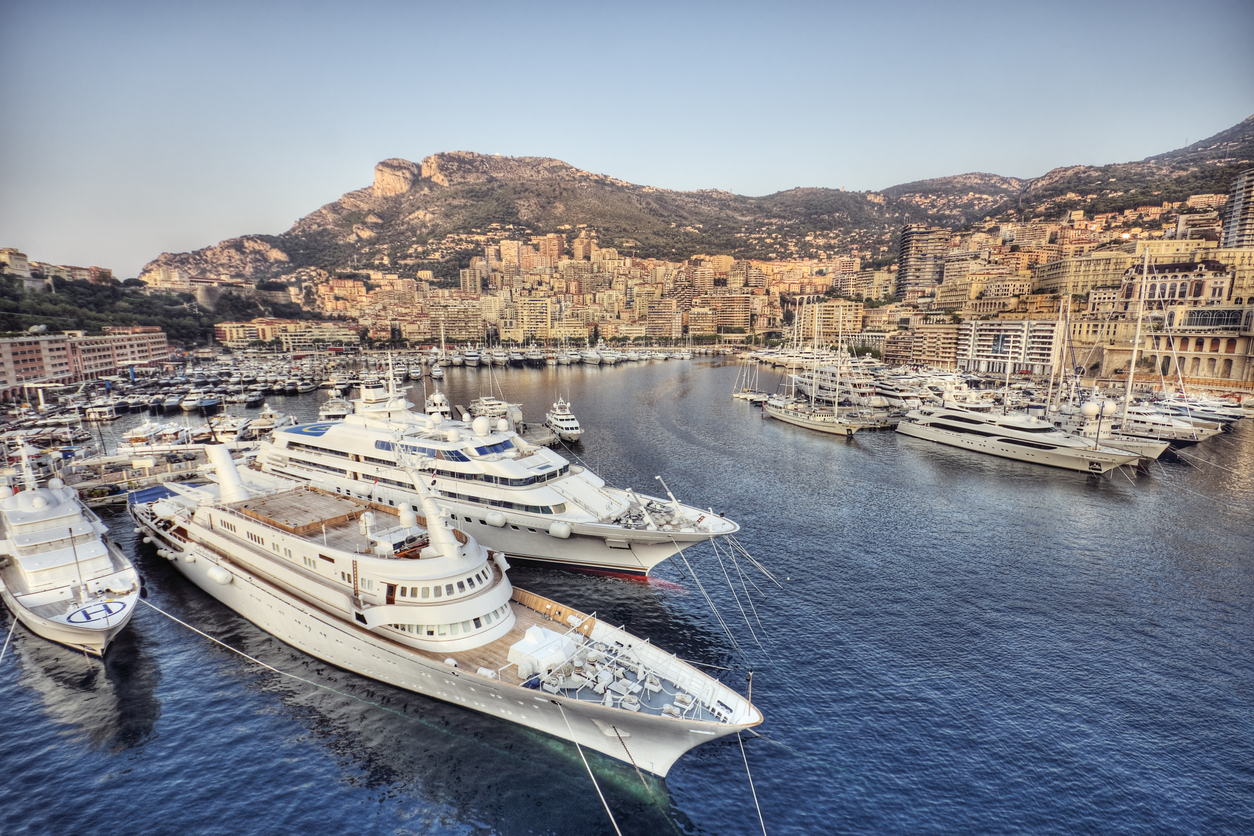
The Port of Monaco: Luxury Yachting at Its Finest
Monaco’s waterfront has a way of stopping you in your tracks. Somewhere between the sweep of superyacht masts, the glint of chrome railings, and the limestone cliffs of the Rock of Monaco rising behind them, you realize the Port of Monaco is more than a marina. It’s a stage set for seafaring theater—polished, precise, but always alive with movement. Whether you’re arriving by yacht, stepping off a tender for lunch, or strolling the quays at dusk, Port Hercule turns the idea of yachting into a full sensory experience. I’ve spent countless days here watching the rhythm of the harbor: the crew in crisp polos tuning lines, the ripple of tenders gliding between stern platforms, and the quiet moments when the sea mirrors the sky and the city glows in soft gold. If you’re curious about luxury yachting at its most refined, Monaco is where to start. For a broader perspective on refined travel and life along the Côte d’Azur, explore more curated insights at AzurSelect.
And while the headlines always mention the superyachts, the real charm lies in the details—the impeccable berthing service, the elegant Yacht Club rising above the quay, the hidden swimming platforms built into the sea wall, and the way Monaco’s centuries-old maritime history blends with modern engineering. Consider this your insider’s guide to enjoying the Port of Monaco, whether you’re docking, day-cruising, or simply exploring by foot between pontoons and promenades.
A Natural Harbor Turned Icon
From Ancient Anchorage to Port Hercule
The story begins long before the stainless steel rails and teak decks. The bay beneath the Rock of Monaco offered safe anchorage to traders and sailors in antiquity, a natural indentation in the coast where vessels could shelter. The name Port Hercule nods to those origins—the mythical hero who appeared on Roman coinage and gave an aura of strength and protection to the site. Over centuries, Monaco’s rulers invested in the harbor, developing quays and shaping the shoreline. The most visible modern transformation came in the 20th century with major works that expanded capacity, stabilized the basin, and later added the impressive sea wall that keeps the outer swell at bay during rough weather. Today, what looks like effortless elegance is actually the result of complex engineering and meticulous planning, designed to hold yachts from nimble day boats to the largest of floating palaces.
The Modern Marina’s Layout
Port Hercule is compact yet remarkably efficient. The main harbor opens wide to the southeast, sheltered by a high concrete breakwater that doubles as a scenic promenade. Inside, a network of slips and quays accommodates yachts of different sizes, all with direct access to shore services. The quays themselves—broad, bright, and scrupulously clean—are built as much for strolling as for servicing vessels. Walking the perimeter, you’ll pass the elegant curve of the Yacht Club de Monaco, maintenance and fueling points, and a string of friendly cafés where crew and guests blend naturally with locals on their daily routines. Everything seems close: the market, the old town, the opera, the famous corners of the Formula 1 circuit. It’s a marina at the heart of a city, but it still feels like a waterfront village when the pace slows after sunset.
Two Marinas, Two Personalities: Port Hercule and Fontvieille
Monaco actually offers two distinct marinas. While Port Hercule gets most of the attention, the Port of Fontvieille, tucked beneath the Rock on the southwestern side, delivers a different vibe. Understanding both helps you match the setting to your plans.
Choosing the Right Berth for Your Yacht
Port Hercule suits yachts that want to be in the thick of things—close to events, nightlife, and the day-to-day buzz of Monaco’s waterfront. It’s ideal for larger yachts, high-profile calls, and those who appreciate a grand entrance. Fontvieille, by contrast, is quieter and more intimate, protected by the cliffs and the curved breakwater. Here you’ll find a family-friendly feel, waterside promenades, and immediate access to landscaped parks and the charming network of quayside paths. For many yacht owners, it’s the best of both worlds: the energy of Port Hercule when you crave it, and the calm of Fontvieille for quieter overnights. Transfers between the two are simple by tender or a quick taxi—Monaco is small enough that nothing is ever far away.
Signature Events That Shape the Port
Monaco Yacht Show: A Global Stage
Each autumn, the Monaco Yacht Show transforms the port into a living catalog of the world’s most ambitious superyacht design. New builds line up stern-to, designers unveil concepts, and the global yachting community converges. It’s not just about spectacle. It’s a deeply practical moment for owners and captains to inspect technology, sustainability solutions, and next-wave toys—everything from silent tenders to advanced shore power integration. If you’re attending, a good tip is to arrive early for quieter boardings and to plan a loop that includes the outer sea wall promenade; it delivers a sweeping vantage point over the entire show without the crowds.
Classic Week and the Love of Heritage
Classic Week is Monaco’s tribute to maritime heritage: varnished wood gleaming in the sun, period rigging set proudly against the limestone cliffs, and crews in traditional gear bringing history back to life. This event offers a gentler pace than the Yacht Show, encouraging spectators to linger along the quays and chat with owners who are often happy to share the stories behind their vessels. The harbor feels like a living museum, with the added thrill of timed events that send classic yachts slipping past the breakwater in perfect formation. If you appreciate craftsmanship and heritage, pencil this one in.
Grand Prix Week on the Water
No conversation about Monaco is complete without the Formula 1 Grand Prix, and from the perspective of the port, it’s uniquely immersive. Portions of the circuit wrap the harbor, and during race week many yachts become floating hospitality lounges. The harbor soundtrack shifts from halyards and seagulls to engine notes and ovations from the stands. Even if you’re not a motorsport obsessive, the atmosphere is electric in a way you won’t experience anywhere else. Just remember berths are planned and confirmed far in advance for this period, and access rules around the quays evolve during the build-up and tear-down. If your plan is to enjoy the ambiance without the crush, book a berth outside the busiest days and enjoy “Goldilocks” moments during practice sessions.
How to Arrive by Sea, Stress-Free
Formalities, Customs, and Check-in Tips
Arriving at Monaco by yacht is straightforward if you’re prepared. Carry standard vessel documents, proof of insurance, and crew/guest passports. Though Monaco is not in the European Union, it is closely aligned with Schengen Zone practices—captains typically coordinate formalities through the port office and follow familiar procedures for arrival and departure. If you’re moving along the Riviera with stops in France and Italy, keep an eye on customs requirements for non-EU flagged vessels and any limits relating to onboard goods such as fuel or provisions. Communication with the harbor master before arrival is always recommended, especially during peak season, to confirm berth allocation and timing.
Radio Calls, Pilots, and Approaches
Approach the port slowly and attentively, especially on late afternoons when tender traffic and day-boat returns peak. Contact the harbor authorities on the designated VHF channel as you approach, provide your vessel details, and await instructions. A pilot is typically not required for yachts of leisure craft size, but larger yachts coordinate movements closely with the port for safe maneuvering. Keep speed to a gentle crawl once you’re near the breakwater, and be mindful of paddle boarders or small craft just outside the entrance. If swells are running from the east, give yourself margin and let the sea wall do its job; inside the basin it’s usually calm, but that first turn past the digue benefits from patience and space.
Berthing, Services, and Shore Power Explained
Fuel, Water, and Shore Power Best Practices
Monaco’s reputation for service is well-earned. Dedicated fueling points, potable water supply on the quays, and robust shore power connections are standard. Superyachts can request high-capacity electricity, while smaller yachts plug into more conventional sockets. If your onboard systems are sensitive, confirm voltage and frequency compatibility ahead of time, and consider a quick test before powering down generators. Crew appreciate that the port’s operations team is punctual and safety-focused—lines are handled with care, and assistance is available for complex mooring setups. Best practice is to call in your fueling window early, keep spill kits at hand, and coordinate with your neighbors on timings to avoid congestion on tight quays.
Waste Handling and Sustainability at the Dock
Waste sorting is taken seriously here. Expect clearly marked bins for recycling and general waste, and specialized procedures for oily rags, batteries, and black or grey water disposal. Many yachts now favor a “silent night” with generators off, relying on shore power to reduce emissions and noise. If you’re traveling with water toys—seabobs, scooters, or drones—check the latest port guidance to ensure compliance with safety and noise rules. Monaco has been advancing sustainability initiatives across the waterfront, so working with the system isn’t just a courtesy; it’s part of keeping the harbor as pristine as it looks in postcards.
Inside the Yacht Club de Monaco
Culture, Racing, and Member Life
The Yacht Club de Monaco is a beacon on Port Hercule—both literally, with its tiered terraces, and culturally, through its programming. Membership is private, but the club drives the pulse of local sailing and social life, from regattas to forums that explore innovation in marine technology. If you’re involved in racing or youth sailing, you’ll find a community that blends tradition and forward thinking. Even from the outside, it’s worth pausing along the promenade to take in the architecture and watch the activity on the docks below. On breezy afternoons, you’ll catch the white triangles of training dinghies dancing just beyond the sea wall, a timeless counterpoint to the gleaming motor yachts inside.
Day Cruising Itineraries from Monaco
Westbound: Cap d’Ail and the Secret Coves of Mala
Slip out of the port, turn right, and within minutes you’re along Cap d’Ail’s dramatic cliffs. The turquoise bowl of Plage de la Mala is one of the coast’s most seductive anchorages on calm days. Arrive early to secure a good position, deploy a stern line if you’re close to the rocks, and set a gentle swim ladder for easy dips. The color of the water here—shifting from cobalt to pale jade—has to be seen to be believed. A lesser-known tip: hug the shoreline and you’ll find small caves and ledges where the sun warms the stone. The coastal path above, known locally as the sentier littoral, offers a breathtaking walk if you decide to tender ashore and stretch your legs.
South and East: Roquebrune, Menton, and the Italian Border
Head east for Roquebrune-Cap-Martin, a coastline of pine-topped promontories and quiet swims. Beyond lies Menton, a pastel dream with a deep maritime history and a gentle microclimate that keeps lemons and tropical plants flourishing. Menton’s old town is easily explored on foot from the quay, and the sea can be astonishingly clear in shoulder season. On very calm days, consider continuing to the rock formations near the Italian border at Balzi Rossi, where the coastline becomes rugged and wild; it feels delightfully remote despite being so close to Monaco. Keep an eye on cross-border rules and local restrictions for anchoring, as these can change seasonally.
North-west: Villefranche, Cap Ferrat, and Saint-Jean Anchorage
Turn the bow towards Nice and you’ll quickly reach Villefranche-sur-Mer, one of the Mediterranean’s most photogenic natural harbors, with a deep bowl and steep hillside town. The anchorage off Cap Ferrat is a classic for a reason—sheltered, scenic, and perfect for a long lunch and a swim. The color here is a painter’s palette, and the coast along Saint-Jean-Cap-Ferrat includes some of the prettiest walking paths above the sea. If you’re timing a sunset return to Monaco, the light across the bay of Villefranche can be spectacular, especially after a mistral clears the air.
Onshore Essentials Within Walking Distance
Provisioning and Markets
One of the joys of Port Hercule is how quickly you can be face-to-face with local produce. The Marché de la Condamine, a covered market a short stroll from the quays, is a favorite for fresh fruit, vegetables, charcuterie, and cheeses. It also has a lively food court where you can sit for a simple lunch—perfect for crew breaks or a casual bite before a cruise. For those stocking a yacht, you’ll find quality bakeries and patisseries around the market square, and small specialty shops that carry excellent olives, tapenades, and spices. If you prefer a quieter scene, a morning visit is relaxed and comes with the bonus of early light on the port.
Marine Chandlers and Technical Support
Monaco’s marine ecosystem is well developed, and you’ll find chandlers and service providers with quick access to both parts and expertise. Whether you need a last-minute fitting, a new tender line, or onboard electronics support, solutions are typically a phone call away. The upside of Monaco’s compact geography is that technicians can often be at your stern platform within minutes, and logistics for deliveries are streamlined. For haul-outs and more complex refits, nearby facilities along the Riviera provide options, but for day-to-day operations, the port’s network covers most needs elegantly.
Fitness, Wellness, and Crew Downtime
Staying active is easy around the port. The wide quays become morning running tracks, and the steps up to the Rock make for short, intense cardio sessions with a view. The outdoor pools at the Rainier III Nautical Stadium sit right on the harbor, and the sea-bathing platforms on the breakwater let you dive into the Med without leaving the city. Crew often carve out quiet downtime on the benches near the Saint-Martin Gardens, or grab smoothies and salads in the Condamine neighborhood. If you’re looking for a soothing end to the day, a slow stroll along the outer sea wall at twilight is hard to beat.
Dining and Nightlife by the Docks
Casual Bites at the Condamine Market
For an unfussy, delicious meal, the Condamine market’s food stalls are a favorite. Pull up a stool at a counter, order socca hot from the oven or a plate of stuffed vegetables, and watch the city breeze by. It’s the kind of place where you might overhear a captain discussing weather windows two seats down, while at the next counter a family samples local tarts. If you prefer a sit-down café, the streets radiating out from the market square offer relaxed terraces where you can recharge without stepping far from your berth.
Late-evening Vibes around Quai des Etats-Unis and La Rascasse
Evenings on the port have their own rhythm. Along Quai des Etats-Unis and nearby, you’ll find lounges and live music spots that draw a mix of visitors and locals. The area around La Rascasse becomes a focal point during major events, but on standard nights it’s lively without being overwhelming, especially outside peak season. If you’d rather keep things low-key, a glass of wine on a quieter terrace facing the boats can be just as satisfying. The trick is to wander a bit before you commit—Monaco rewards curiosity with tucked-away wine bars and charming corners that feel hidden in plain sight.
Quiet Corners and Lesser-known Lookouts
Solarium Sea Bathing and the Rainier III Nautical Stadium
Monaco’s sea wall hides one of the port’s best-kept secrets: the Solarium, a series of sun decks and ladders built into the outer breakwater. On calm days, it’s a gem for a quick dip, and the views back towards the yachts are unforgettable. Nearby, the Rainier III Nautical Stadium offers seawater pools set right over the harbor. Both spots capture Monaco’s knack for blending urban design with direct access to the sea. They’re also excellent places to stretch out after a long passage and reset your sea legs.
Fort Antoine and the Ramparts at Golden Hour
For a serene vantage point, climb to Fort Antoine, a small 18th-century fort turned open-air theater perched above the port. It’s a tiny world of stone walls, blue horizon, and gulls cruising at eye level. Sunset from here is special—the kind of view that can stop conversation mid-sentence. If you continue along the ramparts, you’ll find little outposts where you can lean against the stone and watch the harbor lights blink on. It’s free, quiet, and never fails to make you feel part of the city while standing a little apart from it.
The St-Martin Gardens and Oceanfront Path
Wrap around the Rock’s seaward side and you’ll stumble into the Saint-Martin Gardens, a series of terraced paths shaded by Mediterranean flora. It’s peaceful even on busy days. Look for stairways that dip towards viewpoints of the open sea, and the sculptural installations that appear in surprising corners. If you follow the garden’s outer paths, the ocean soundtrack becomes more present, and on windy days you can feel the mist from waves curling against the cliffs below. The Oceanographic Museum crowns this route—its foundations literally embedded in the rock above the sea.
Villa Paloma Gardens and Tête de Chien Panoramas
For a different perspective, head uphill to Villa Paloma, one of the Nouveau Musée National de Monaco sites. The villa’s grounds frame some of the best aerial views over the port, especially beautiful in morning light. If you’re up for a short excursion beyond Monaco proper, the Tête de Chien promontory above La Turbie delivers a sweeping panorama of the entire Riviera, with the harbor a perfect miniature below. It’s a reminder of how compact and dramatic this coastline is, and how close the mountains sit to the sea.
Family-friendly Monaco by the Water
Mini-golf, Skatepark, and Open Spaces in Fontvieille
Fontvieille surprises families with its gentle pace. You’ll find playgrounds, a skatepark, and open spaces that invite easy picnics between palm trees and roses. The Roseraie Princesse Grace—an elegant rose garden—has paths that wind among hundreds of varieties, and it’s blissfully calm on weekday mornings. If your itinerary includes young travelers, Fontvieille’s quays are ideal for a safe, scenic stroll, with benches positioned for watching boats come and go. It’s the sort of place where time stretches in the best way.
Oceanographic Museum by Sea
The Oceanographic Museum of Monaco stands like a ship’s prow on the cliffs above the sea. If you approach it by water—perhaps after a swim near the sea wall—you get a sense of its maritime soul. Inside, the galleries mix history and marine science in a way that captivates children and adults alike. Visiting after a morning on the water makes the exhibits feel freshly relevant, from coral conservation to deep-sea exploration. If you enjoy connecting your outings, pair a museum visit with a walk in the Saint-Martin Gardens for a full ocean-themed afternoon.
Practicalities for Charter Guests and Owners
When to Book a Berth and Seasonal Pricing
Monaco is in demand year-round, with a pronounced swell in activity from late spring through early autumn. If your visit aligns with major events—the Monaco Yacht Show, Classic Week, or the Grand Prix—confirm berth arrangements as early as possible. Outside event windows, you’ll still want to plan ahead in peak months, especially for larger vessels. Shoulder seasons, like May and September, can be sweet spots: warm water, settled weather, and a bit more breathing room on the quays.
Weather, Swell, and the Digue’s Protection
The port’s outer breakwater, the digue, dramatically improves comfort inside the harbor, but you’ll still want to keep an eye on forecasts. Easterly swells can build outside the entrance, and occasional mistral-driven seas from the northwest can ricochet in complex ways. Most days are tranquil, but prudent skippers time arrivals and departures to avoid busy evening rush hours and keep an extra watch when the sea carries a bit of energy. Inside the basin, the water is usually calm enough for fuss-free tender operations and restful nights at the dock.
Safety, Security, and Etiquette in Port
Local Courtesy on the Quays
Monaco’s quays are open and inviting, and the etiquette is simple: be courteous, be tidy, and respect the shared nature of the waterfront. Lines should be coiled neatly, passerelles set safely, and any work that creates noise coordinated with neighbors. You’ll notice crews greeting each other in the morning, swapping practical tips, and lending a hand when a maneuver gets tricky. It’s a culture of professionalism with a friendly edge—part of what makes time in the port pleasant.
Noise, Speed Limits, and Tender Operations
The harbor maintains speed limits to keep wake under control, and it makes a big difference when everyone plays along. Tenders should keep speeds to a minimum near berths and watch for paddle craft and swimmers near the sea wall. If you’re planning a late return from an evening ashore, a quick call ahead to coordinate tender pickup can save idling near the quay. Keep music onboard at a considerate volume—lively conversation carries beautifully over water, but bass lines do too. A little thoughtfulness goes a long way.
Sustainability and the Future of Monaco’s Port
Shore Power Upgrades and Clean Energy Initiatives
Monaco has been stepping up its environmental programs across the waterfront. Shore power capacity continues to evolve, encouraging yachts to limit generator use at the dock. Waste-water management, recycling streams, and cleaner fueling practices are standard expectations rather than nice-to-haves. You’ll see more hybrid tenders, increasingly efficient hull designs, and operational changes that reflect a broader industry push toward sustainability. The port’s approach is practical: make it easier to do the right thing, and most boaters will.
Protecting Posidonia and Clear Seas
Along the Riviera, Posidonia oceanica meadows are the quiet heroes of marine health, stabilizing the seabed and clarifying the water. Anchoring regulations increasingly protect these grass beds, and Monaco supports the effort with guidance and marked areas. If you’re day-anchoring outside the port, use sandy patches, consider a non-invasive anchoring system, or grab a mooring where available. The payoff is immediate: cleaner water for swimming, thriving fish populations, and that crystalline clarity that makes the coast so photogenic.
A Perfect Day Outline: From Dawn Patrol to Night Lights
If you’ve only got one day to soak up Port Hercule life, here’s a simple way to savor it without feeling rushed. Start at first light with a quiet walk along the outer sea wall. Watch the harbor wake up—crews rinsing decks, gulls tracing the harbor mouth, the first tenders testing engines. Swing by the Condamine market for coffee and a fresh pastry, then stock a tote with fruit and a few snacks. Late morning, cast off for Cap d’Ail. Anchor near Mala if the sea is calm, swim until your shoulders feel loose, and linger for a lazily assembled lunch on deck. Return mid-afternoon and plug into shore power for a silent rest—maybe a nap, maybe a book on the aft deck as the city cools.
Towards evening, head up to Fort Antoine for golden hour. Let the view reset you, then wander back down to the quays for a low-key dinner and a walk past the yachts. Stop at the Solarium if the water is still, and dip into the sea under the first stars. End the night with a slow loop along the quay—there’s something about the sound of halyards ticking in the breeze and the reflection of the city lights in the hulls that stays with you long after you cast off.
Conclusion: Why the Port of Monaco Captivates
Ports can be practical or they can be beautiful. Monaco manages to be both. It offers the efficiency and amenities that yacht owners and crews need, but wraps everything in a setting that feels cinematic. What you remember are the moments: a sunrise walk on the breakwater, a spontaneous swim from the sea-bathing platforms, a lazy lunch at anchor just around the headland, the hush that falls across the harbor when the wind drops at dusk. You also remember how easy everything felt. Distances are short, services responsive, and each neighborhood—Condamine, the Rock, Fontvieille—brings its own character within a compact footprint.
In the end, that’s the magic. The Port of Monaco isn’t just a place to moor a yacht. It’s the living room of a small principality with a big maritime heart. Come with a plan, but leave room for serendipity. Sit on a bench above the quay and watch the choreography unfold. Take a swim off the sea wall you just walked across. Start a conversation with the crew two slips down. This is luxury yachting not as spectacle, but as a way of inhabiting the sea with grace and ease. And that’s what keeps you plotting your return before you’ve even left the berth.
Exploring the French Riviera? Discover our handpicked villas on the Côte d’Azur.

