

 EN
 NL
 DE
 FR

Art Galleries in Fréjus, Saint-Raphaël and Saint-Aygulf: Creativity on the French Riviera
Between the Roman heart of Fréjus, the lively seafront of Saint-Raphaël, and the breezy coves of Saint-Aygulf, the eastern Var coast reveals a compact, quietly confident art scene. It’s not a place of cavernous white cubes or blockbuster auctions; instead, you’ll find a human-scale network of municipal exhibition halls, independent studios, pop-up summer shows, and cultural spaces that reflect the region’s layered identity—Roman stone, Belle Époque boulevards, and the rust-red glow of the Estérel framed by the Mediterranean.
To discover more about the beaches, cultural highlights and atmosphere of this part of the coast, explore our guide to Fréjus and Saint-Aygulf.
If you approach these three towns as one artistic string—linked by coast road, cycling paths, and an easy local bus network—you’ll come away with a clear narrative: Fréjus leans into heritage and thoughtful, sometimes scholarly exhibitions; Saint-Raphaël thrives on the interplay between marina life and contemporary showcases; and Saint-Aygulf offers intimate encounters with creators who tune their palettes to salt air and lagoon light. Below is a locally minded guide to exploring galleries, cultural sites, and artist-led moments across this small but rewarding corner of the Côte d’Azur.
A coastline that shaped the art scene
Art here is inseparable from the landscape. The Estérel massif—its volcanic cliffs crumbling into a brilliant blue sea—casts a particular warmth across canvases and photographs. That saturated coral color you’ll notice in many local paintings isn’t an affectation; it’s a faithful response to light bouncing from iron-rich stone. The towns themselves also contribute their palette: ochre façades and louvered shutters in Fréjus’ old streets; the pale stone of Saint-Raphaël’s basilica; Saint-Aygulf’s low-slung villas peeking through umbrella pines.
Another defining trait is scale. Galleries and municipal art rooms aren’t sprawling or austere; they’re places where curators can shake your hand and artists greet returning collectors by first name. In summer, the scene spills outdoors—ephemeral sculpture in gardens overlooking the sea, photography hung along promenades, plein-air painters concentrating on coves as evening markets hum around them. In cooler months, the rhythm slows and the most rewarding shows often land in heritage buildings, where curators can borrow gravitas from old stone and quiet courtyards.
Fréjus: Roman stones and contemporary eyes
Fréjus, resolved and self-contained behind its Roman fortifications and medieval lanes, feels made for thoughtful looking. Art doesn’t loudly announce itself here—rather, it appears in small spaces with excellent acoustics for contemplation: a cloister’s filtered light, a vaulted room off a cobbled square, a villa turned cultural venue inside a park of umbrella pines. The town’s administration nurtures a steady flow of temporary exhibitions that make smart use of heritage sites, and a handful of independent ateliers keep projects percolating even in the off-season.
Old town passages: intimate halls and small ateliers
Begin with a slow loop around the lanes near the cathedral complex—look for the tight weave of streets around Place Formigé, where subtle signage points you to municipal exhibition rooms that host rotating shows in painting, sculpture, illustration, and photography. These spaces tend to favor curated themes (Mediterranean light; Roman heritage seen through contemporary art; nature studies along the Estérel), creating a bridge between what you’ve just seen outside and what’s inside on the walls.
Independent studios often appear behind simple doors—call-bell entries or wooden thresholds that reveal workbenches, pigment jars, and finished canvases propped for conversation. If a door is open and a sign invites you in, step through. The etiquette in Fréjus is easy: greet the artist, take your time, ask about materials and process. Many studios accept card payments and will package small works securely for travel; for larger pieces, artists usually have a preferred local framer or shipper they trust and can recommend without fuss.
Villa Aurélienne: a 19th‑century setting for curated exhibitions
Set in a landscaped estate just north of the center, the Villa Aurélienne is a finely restored 19th-century residence that Fréjus uses as a cultural space. The villa’s scale makes it perfect for smartly edited shows—photography that dialogues with the building’s windows and sightlines; sculpture staged to lead you room-to-room; drawing and printmaking that rewards close looking. Exhibitions here tend to be temporary and well signposted in town; when open, they make a serene counterpoint to the busier seafront.
Part of the pleasure is contextual: from the villa’s grounds, you can let the eye travel across cypresses and pines before coming back to an installation indoors. If you collect, ask about catalogs or booklets—the villa’s shows often come with slim, well-designed publications that make excellent records of lesser-seen regional artists.
Chapelle Notre‑Dame‑de‑Jérusalem (the Cocteau Chapel)
A short drive from the center, in the quartier of La Tour de Mare, stands one of the coast’s most distinctive art experiences: the chapel conceived by Jean Cocteau, completed after his death. It’s a jewel of modern sacred art, intimate enough that you can feel the artist’s hand in the line-work and stained glass. Even if your primary interest is contemporary galleries, this chapel deserves a careful visit—many local artists cite its controlled color and lyrical drawing as an influence, and you’ll notice its echoes in regional work that favors expressive outline over heavy modeling.
Because it’s small, visit unhurriedly. Start with the exterior tiles and ironwork, then step inside and let your eyes adjust. Everything is designed to harmonize: the light, the drawings, the way color blooms rather than shouts. It’s easy to see why regional curators sometimes organize small off-site talks or companion exhibits that resonate with what Cocteau achieves here.
Museums and cloisters: when history frames art
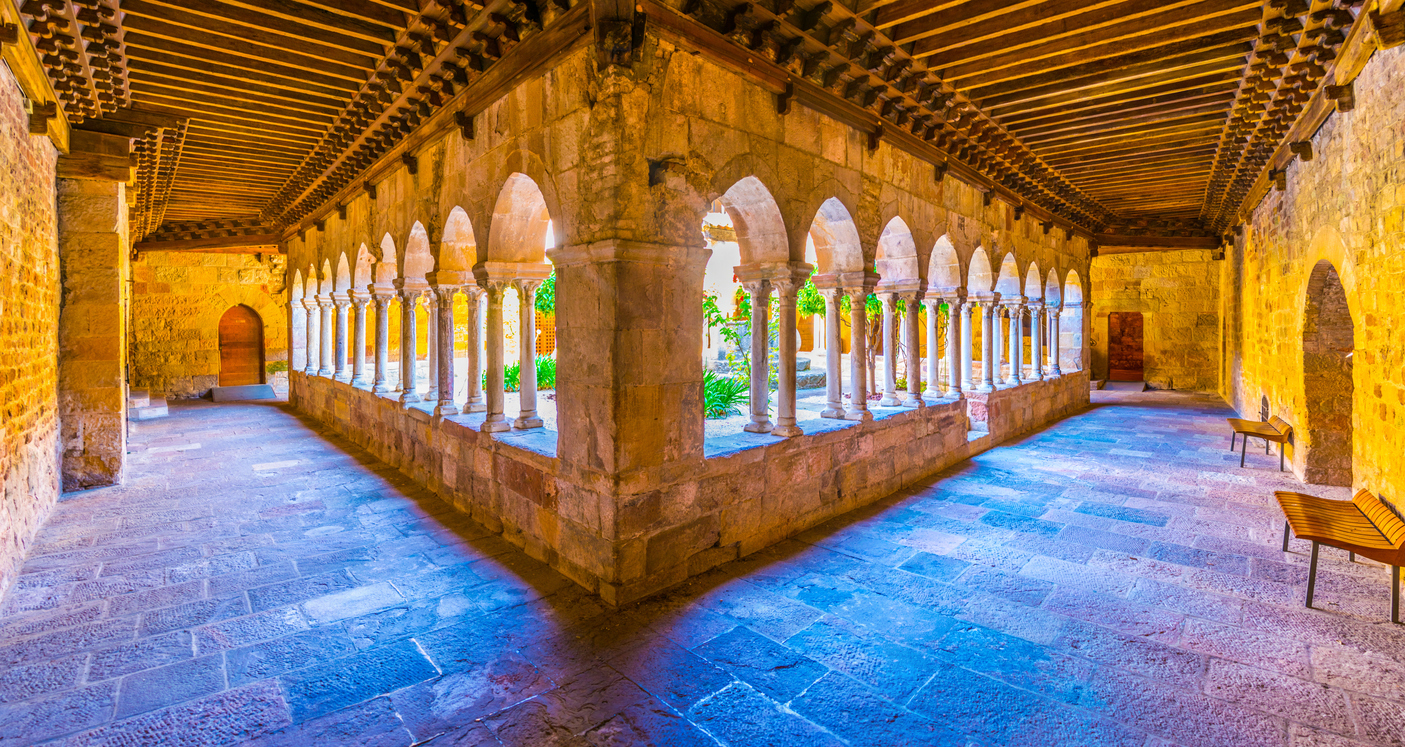
The Museum of Archaeology in Fréjus offers a reliable tonic against sensory overload: Roman fragments, inscriptions, and artifacts placed with scholarly care. Periodically, the town will anchor temporary exhibitions—historical photography, documentary drawing, or contemporary responses to antiquity—in the museum’s orbit or in adjacent municipal rooms. The cloister near the cathedral, with its wooden gallery and cool shade, sometimes hosts small-scale art moments that borrow the quiet hum of medieval craftsmanship to enrich new work.
These exhibitions are rarely bombastic; they succeed through contrast and context. A contemporary ceramicist exploring amphora forms; a photographer meditating on the aqueduct’s geometry; a printmaker tracing marine life once traded through the ancient port—this interplay feels particular to Fréjus and rewards visitors who like their art experiences grounded in place.
Saint‑Raphaël: sea light, salons, and seafront shows
Saint-Raphaël moves faster and shines brighter, in the best sense. The basilica’s rosy stone, marina masts ticking against the sky, and palm-shaded promenades make for a town that likes to show, not simply tell. Here, temporary exhibitions carry the energy of the waterfront, and outdoor installations often join the conversation. If you time it right, you may find a photography series mapped across public spaces, sculptures set into a garden overlooking the boats, or a painting salon inside a modern hall with floor-to-ceiling glass.
Musée archéologique: art meets maritime memory
Climb toward the old tower and you’ll find Saint-Raphaël’s archaeology museum, compact but carefully curated. While anchored in history—wrecks, amphorae, traces of ancient navigation—the museum periodically hosts exhibits that lean into visual culture: maritime etchings, contemporary photography exploring the coastline’s strata, or mixed-media pieces that dialogue with the sea’s archaeology. It’s a good way to place the town’s livelier gallery scene into a longer timeline: people have been making, trading, and dreaming through images here for a long time.
Jardin Bonaparte: sculpture and photography in the open air
Above the old port sits Jardin Bonaparte, a tiered public garden with a sea view that could soften the sternest critic. In summer, the city has been known to use the garden’s pathways and alcoves for site-specific shows—sculpture that picks up the wind, or large-format photography printed to weather the sun. Don’t expect a permanent collection; rather, keep an eye out for the temporary. A sunset pass through the garden after a gallery visit is a quiet way to extend your looking session, with the bonus of masts clinking and a low sea breeze.
Port Santa Lucia and the Palais des Congrès: fairs and salons
South of the main center, Port Santa Lucia is a well-kept marina with an understated modernist congress hall. The Palais des Congrès occasionally hosts themed salons—painting and sculpture weekends, illustration showcases, artisan design fairs—where local and regional artists take booths and the vibe is friendly rather than transactional. These are excellent for meeting creators, comparing mediums, and discovering work at approachable price points. If you’re serious about buying, arrive early; the best drawings and small-format oils tend to find new homes before lunch on opening day.
Independent galleries around the basilica and market streets
Within a few blocks of the Basilique Notre‑Dame de la Victoire, the streets tuck and fold into a walkable circuit of boutiques, cafés, and compact galleries. While names and addresses can change from season to season, the pattern holds: storefront spaces showing regional landscape painting (the Estérel from every mood and angle), crisp maritime photography, and small-batch ceramics. Stop where the window curation makes you curious; the best hosts here are conversational and informed without the hard sell.
Pro tip: On market days, when the streets are lively and the basilica plaza hums, take a second loop after lunch. Some galleries hang a fresh small work in the front or rotate a few pieces to respond to footfall. It’s a gentle way to sense what the owners are most excited to show right now.
Saint‑Aygulf: small‑scale studios between lagoon and sea
Saint-Aygulf, administratively part of Fréjus yet with its own shore-hugging character, offers art experiences that feel personal. The coastline zigzags into little coves and flat rock shelves, and behind it all lies the protected Étangs de Villepey—a mosaic of lagoons where light changes by the minute. It’s no surprise that the artists who choose to work here prize intimacy: notebooks full of quick studies, small canvases carried home by visitors, and ceramic glazes matched to water under mistral skies.
Pop‑ups and seasonal exhibitions along the promenade
From late spring into autumn, you’ll often find pop-up art shows in community halls near the center and along the seafront promenade: painter collectives organizing weekend salons, photographers installing coastal studies, artisans showing sculpture in wood and stone. What’s charming about Saint-Aygulf is how easy it is to drift into one of these shows from a morning walk—no velvet ropes, just a handwritten poster, an open door, and a table stacked with postcards and small-format prints. If you’re after originals that will actually fit into a carry-on, this is fertile ground.
Nature as gallery: Étangs de Villepey and the sketchbook tradition
The Étangs de Villepey, a short stroll from the center, shape the local artistic eye: reedbeds, sandbars, and wintering birds against a pale sky. Even if you’re not a photographer, bring a camera; the light pools gently across the water and invites slow framing. Many of the area’s painters keep a Villepey sketchbook—watercolor studies, ink notations, graphite maps of shorelines—and the aesthetic filters back into studio work you’ll see in town. For visitors, an early walk around the lagoons before dropping into a studio visit captures the creative loop in real time: observe, reduce, translate, refine.
When to visit: the local art calendar
The rhythm on this coast is seasonal but not simplistic. Here’s how it tends to flow:
- Winter (January–March): Quiet contemplation. Heritage venues schedule considered exhibitions—photography, drawing, thematic group shows. Studios are open by appointment, and conversations run deeper because time allows it.
- Spring (April–June): Momentum builds. Municipal galleries roll out programming, fair weekends begin to appear at the congress hall in Saint-Raphaël, and pop-up shows start peppering Saint-Aygulf’s calendar. Landscapes warm, and you’ll see fresh plein-air pieces drying in back rooms.
- Summer (July–August): Outdoors comes alive. Night craft markets along the seafront in Fréjus and Saint-Raphaël often include painter and photographer booths. Jardin Bonaparte may host open-air displays, and community halls run frequent, short-run exhibitions. Expect extended opening hours and lively openings.
- Autumn (September–November): The sweet spot. Light is exquisite, crowds thin, and serious shows often land in September. Artists return from mountain or island residencies with strong new work. It’s an excellent time to buy: fresh stock, calmer rooms, relaxed gallery owners.
Exact event names and dates shift year to year, so think in patterns rather than fixed labels. The beauty of this corridor is that even without a major-fair infrastructure, you can count on a steady cadence of quality exhibitions anchored in place.
How to approach gallery‑hopping here
You don’t need a rigid schedule to have a rich art day between Fréjus, Saint-Raphaël, and Saint-Aygulf. A modest loop, a curiosity for small signs, and time to linger will do most of the work. Two itineraries tend to unfold naturally:
Morning in Fréjus, afternoon in Saint‑Raphaël
Start in Fréjus’ old quarter. Wander the lanes around the cathedral, stepping into any municipal space or studio that’s open. If Villa Aurélienne has a current exhibition, follow it with a slow walk through the grounds to reset your eyes. Grab a coffee on a square—something simple that lets you sit and watch the rhythm of locals crossing in and out of shops.
After lunch, take the short hop to Saint-Raphaël. Visit the archaeology museum to anchor your afternoon in the long view, then make a slow descent toward the basilica and marina. If a show is mapped into Jardin Bonaparte, thread that in as a dusk passage; otherwise, sample two or three small galleries around the commercial streets near the basilica, where storefronts switch from fashion to framed work in a few steps. If there’s an evening opening (vernissage), it will be posted on doors and often includes a quick artist talk.
A Saint‑Aygulf day: sketches and sea breezes
Devote a morning to Saint-Aygulf when the forecast is gentle. Walk the Étangs de Villepey with a notebook or phone camera set to black-and-white, forcing yourself to notice value and contrast. Return to the center, check for any pop-up exhibitions in community halls or along the promenade, and let serendipity play guide—here, small discoveries often trump set-piece shows. Rotate between studio visits and a quiet stretch of shore (the flat rocks are perfect for twenty-minute drawing sessions), and end with a last loop through town to see if an artist you met earlier has put a new piece in the window.
Collecting on the Riviera: practical tips
Whether you’re collecting your first regional print or adding a strong landscape oil to an established wall, these three towns make it both approachable and rewarding. The following field-tested tips keep the pleasure high and the logistics simple.
Understanding price labels, editions, and certificates
Price labels in small regional galleries are usually straightforward: the figure includes tax, framing if shown framed, and ready-to-travel packaging for small works. If you’re considering photography or printmaking, ask how the edition is structured (numbered limited edition versus open edition) and whether you can see the certificate of authenticity. For paintings, request a short written description on letterhead (artist, title, medium, dimensions, date) and an invoice—galleries and studios here are used to providing both, even for modest purchases.
Don’t be shy about provenance questions. If a piece has exhibited at a municipal venue like Villa Aurélienne or in a themed salon at the congress hall, that context is worth noting on the paperwork. Collectors appreciate these breadcrumbs later, and artists take pride in them now.
Shipping, framing, and aftercare in the Var
For pieces under 50 cm on the long side, most galleries offer travel-friendly packaging (corner guards, bubble wrap, a rigid outer sandwich). If you’re flying, ask for a slim foamcore box that tucks into a suitcase and consider carrying frames separately or removing glass to avoid breakage. For larger works, local framers and shippers in Fréjus and Saint-Raphaël handle regular runs across France and internationally; the gallery or studio can introduce you, and you can coordinate directly without intermediaries.
Humidity along the coast is generally kind to oil and acrylic but can be tough on paper in peak summer. If you’re buying works on paper, look for conservation mats and UV-filter glazing; if you’re rolling a canvas to frame later, ask for a protective interleaving and clear rolling instructions. A basic care sheet from the artist—how varnish will cure, what cleaning to avoid, and when to reframing—is always a welcome extra.
Navigating VAT and paperwork
France applies reduced VAT rates to certain categories of original art when sold by the artist; dealers and galleries may operate under margin or standard regimes. Rather than memorizing rules, keep it simple: ask the gallery to itemize tax on the invoice so you understand the total, and clarify whether prices include framing. If you’re an international visitor, discuss export paperwork and shipping declarations at the point of sale. Galleries along this coast handle these queries routinely and will guide you through without drama.
For families and curious newcomers
These towns are good at making art feel natural rather than hushed. If you’re introducing children to galleries, choose Saint-Raphaël on a sunny day: a quick museum visit near the old tower followed by a hunt for “favorite color” in windows around the basilica keeps attention high. In Fréjus, the cloister’s geometry and the villa’s period rooms prompt focused looking without fatigue. In Saint-Aygulf, a five-minute sketch on the rocks turns the whole coastline into a studio; afterward, stepping into a pop-up show lets kids recognize how sketches become finished work.
Most artists and gallerists here are generous with process explanations. If you’re new to looking, say so; ask what to notice first, what surprised the artist while working, how a glaze was built or a monoprint was pulled. In a place where sales are personal, curiosity is the best calling card.
For artists: where to connect and create
Visiting artists find this corridor unusually hospitable. You’re never far from a place to set up an easel: the shaded edges of Jardin Bonaparte, the promenade gaps with peeks onto the beach in Saint-Raphaël, a bench above Villepey’s reeds, or a quiet square in Fréjus where the cathedral tower keeps time. Informal plein-air meetups materialize in fine weather—if you see three easels, ask if you can drop in for an hour. People tend to share pigment recipes, local paper sources, and good framing contacts.
Community halls in Saint-Aygulf are often available for short-term group shows, especially shoulder season. In Fréjus, keep an eye on calls for submissions tied to municipal spaces—photographic responses to heritage sites are a recurring theme. Meanwhile, Saint-Raphaël’s congress hall salons are a good test bed: one weekend of showing can spark a season’s worth of collector relationships. Bring a small, well-edited selection, with prices and labels ready, and a concise story about why the Estérel or Villepey informs your work.
Places to pause: cafés, bookshops, and art supplies
Good looking needs good pausing, and each town offers gentle refueling points within a few steps of exhibition spaces:
- Fréjus old town: Around Place Formigé and the lanes that radiate from the cathedral, small cafés with zinc counters and outdoor tables invite a mid-morning stop. You’ll overhear the day’s errands rather than tourist chatter—ideal for grounding yourself between shows.
- Saint-Raphaël near the basilica: Coffee-and-pastry spots along the commercial streets behind the seafront make natural gallery intermissions. Independent bookshops here often stock slim regional monographs—look for volumes on Estérel painting, Riviera photography, or Cocteau’s work in the Var.
- Saint-Aygulf center and promenade: A few sea-facing terraces sit within steps of community halls that host art pop-ups. It’s pleasant to alternate ten minutes of drawing with sips of something cold while the breeze flips your sketchbook pages.
If you need materials, small stationers and art corners in general stores carry the basics: charcoal, graphite, school-grade watercolor. For specialized supplies, artists often make a run to larger shops in nearby towns, but you’ll manage perfectly with a half-pan travel set, a water brush, and a handful of decent papers picked up locally.
Responsible visits: etiquette and conservation
Most spaces you’ll enter are intimate and community-minded. A few small habits help keep them that way:
- Ask before photographing. Many artists are comfortable with general shots but prefer you to skip close-ups of works not yet released online.
- Mind drink and food. In pop-up shows near the seafront, it’s tempting to wander in with an ice cream; better to finish it outside and enter with clean hands.
- Handle with care. If a gallerist invites you to hold an unframed work on paper, keep it flat, support from beneath with both hands, and avoid touching the image area.
- Speak up about air and light. If strong sun is hitting a work you love, mention it politely—gallery owners here are practical and will adjust blinds without fuss.
Finally, remember that many exhibition rooms reside in heritage buildings. Old floors creak; doors don’t always seal perfectly; humidity can drift. This is part of the region’s charisma, and curators manage it daily—patience and a slower pace make everything work.
A few micro‑neighborhood cues to sharpen your eye
Because these towns reward granular attention, orient yourself to tiny cues that seasoned visitors use:
- Fréjus: Look up at shutters for small, hand-painted signs signaling a studio on the second floor. Ground-level plaques by doors often indicate temporary municipal exhibits—follow them; they seldom disappoint.
- Saint-Raphaël: Around the basilica, tilt your head slightly to catch reflections in gallery windows—the Estérel’s red and the sea’s blue mingle in glass and subtly influence how you perceive color inside.
- Saint-Aygulf: On breezy days, stand in the lee of low walls along the promenade to sketch; your lines tighten when the page doesn’t buffet. Later, compare your quick marks with similar rhythms you’ll notice in local work.
These micro-techniques are about becoming porous to place. On this stretch of coast, the most rewarding gallery visits are the ones in which your own looking becomes part of the fabric.
Behind the scenes: how shows come together here
It’s easy to imagine that exhibitions simply appear, but in Fréjus, Saint-Raphaël, and Saint-Aygulf they’re often the result of nimble collaboration between municipal cultural teams, independent curators, and artist collectives. A photographer returning from winter work on the Estérel may propose an April show in a heritage room; a sculptor group might time an outdoor installation for midsummer in Jardin Bonaparte; a painter collective in Saint-Aygulf could self-organize a weekend salon when visitor flow peaks. This cooperative spirit keeps programming dynamic, even without deep-pocketed institutions.
For visitors, the upshot is to ask questions. “What’s coming next month?” “Is there a companion talk?” “Will this series travel to a sister venue?” Gallerists and cultural coordinators will often tip you off to alignments you’d otherwise miss—like a ceramics exhibit that echoes a contemporary archaeology theme or a late-season landscape show hung just as the autumn light turns gold.
What makes buying local feel different
Collectors often report that acquisitions here feel anchored more strongly to memory than purchases from big-city galleries. It’s not just the view out the door; it’s the cadence of the conversation, the way an artist’s studio smells faintly of salt and linseed, the evidence of place in pigments and subject. A small oil of the Estérel or a graphite study of Villepey’s reeds doesn’t travel home alone; it brings the low clink of masts, the hush of a cloister, the palette of a sea seen through pines.
If you respond to that connection, say so. Artists and gallerists along this corridor value specificity of response: “this blue feels like late light off the marina wall,” “that line is exactly the wind at Villepey,” “the stone here carries Fréjus under the paint.” Such readings deepen the exchange and just might nudge a price, a frame choice, or the inclusion of an extra study tucked into your package.
Practical orientation for a smooth day
A little planning keeps your feet happy and your eyes fresh:
- Footwear: Streets in Fréjus old town are cobbled; shoes with soft soles help you stand longer in small exhibition rooms.
- Timing: Many galleries close for a midday pause; use that window for a slow lunch or a walk in Jardin Bonaparte or along Saint-Aygulf’s rocks.
- Transport: The short distances between the three towns make local buses and cycling sensible; if you drive, look for shaded parking near the marina in Saint-Raphaël and on the edges of Fréjus old town.
- Weather: On bright days, consider starting indoors (Fréjus heritage rooms), then shifting to outdoor displays later (Jardin Bonaparte), saving Saint-Aygulf’s pop-ups for breezy late afternoons.
In closing: three towns, one thread of light
Fréjus, Saint-Raphaël, and Saint-Aygulf are different chords of the same coastal music. In Fréjus, art soaks up history’s patience; in Saint-Raphaël, it mingles with marina life and open-air ease; in Saint-Aygulf, it keeps company with wind and water line. The galleries are modest, the conversations unguarded, the exhibitions thoughtfully scaled to their rooms and seasons. What binds everything is the long, red-blue light of the Estérel coast—a light that asks artists to condense, visitors to slow down, and collectors to choose with care.
Give yourself time to walk between these towns. Notice how a horizon in one place completes a brushstroke in another, how a chapel’s line-work reappears in a studio’s charcoal, how a lagoon’s hush steadies your eye before you step into a room of paintings. If you do, the art you bring home won’t just depict this coast; it will carry its measure and light.
Looking for the perfect base to explore the galleries, cultural venues and coastal scenery of Fréjus, Saint-Raphaël and Saint-Aygulf? Discover our holiday villas and holiday homes on the Côte d’Azur.

