

 EN
EN  NL
NL
 DE
DE
 FR
FR

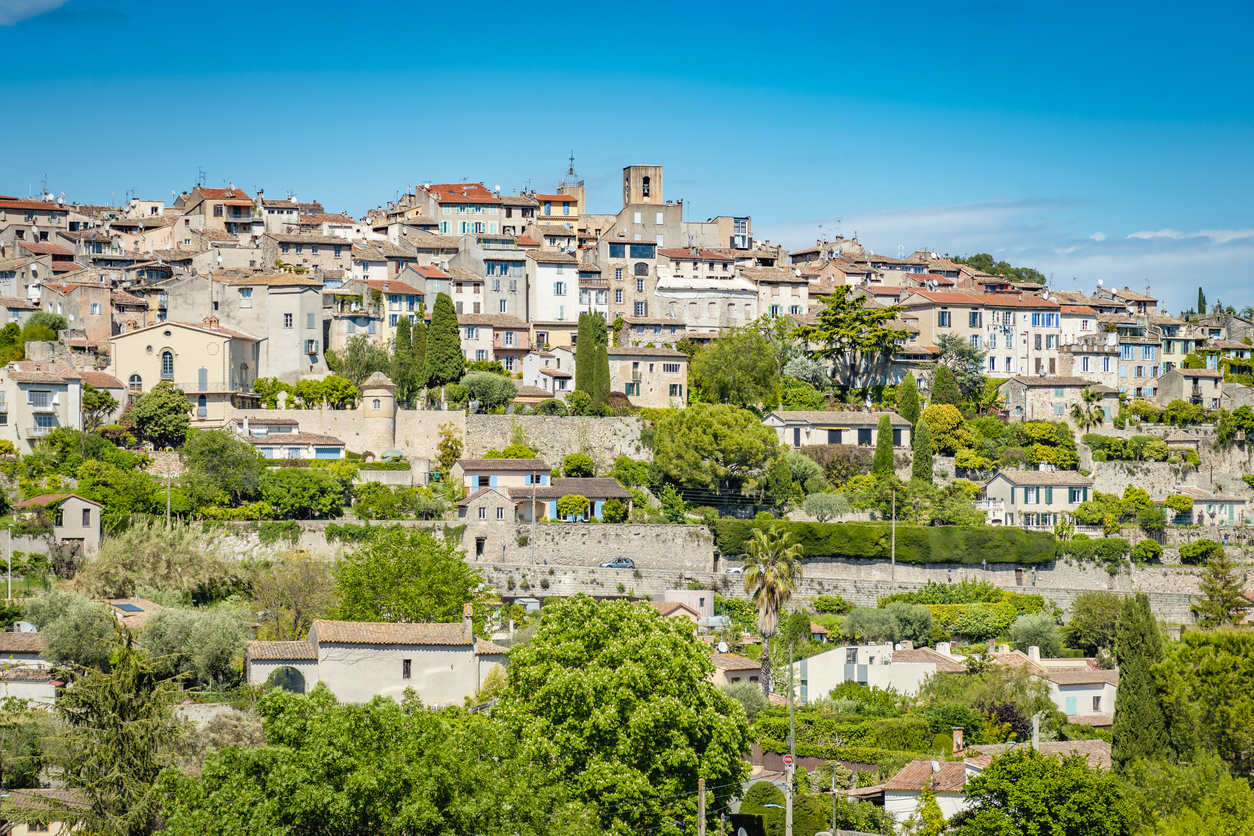
Everything You Need to Know About Biot
Biot is the kind of Côte d’Azur village that surprises you with its depth. Perched on a gentle hillside a short drive from the Mediterranean, it balances a centuries-old craft lineage with a quietly contemporary spirit. Walk its ochre lanes and you’ll pass working glass furnaces, discreet ceramic studios, a national museum devoted to modern art, and doorways framed by jasmine and ironwork. It’s intimate but not sleepy, creative without fanfare, and perfectly positioned between sea, river valley, and the wooded plateaus that edge Sophia Antipolis.
Planning a wider Riviera itinerary too? For a broader orientation to the region west of here, this thoughtfully curated Gulf of Saint-Tropez travel guide is a helpful companion.
Where Biot Sits and Why It Feels Different
Biot lies inland from the Baie des Anges, roughly between Antibes and Valbonne. Its heart is the compact hilltop old town, encircled by vestiges of medieval walls and little belts of terrace gardens. Below and to the north runs the Brague River, a shallow, stony waterway that carves a shady green corridor all the way to Valbonne. To the south, the land slopes toward the coast and the railway line. This mix of maritime proximity and wooded hinterland gives Biot a gentle microclimate—warmer in winter than the interior, cooler in high summer than the seafront.
Geographically and culturally, Biot looks two ways: toward the coast, whose light and colors shaped the work of the area’s painters, and inland to the working traditions that made the village prosperous (jars, then glass). You taste that duality in the food (Mediterranean produce meets hearty Provencal classics) and feel it in the rhythm of the day—busy studios and galleries by morning, a slow-flowing evening as locals take an apéritif on cobbled squares.
A Short History, From Knights to Glass
Biot’s story is longer than its compact size suggests. In the Middle Ages, the area around Biot was associated with the Knights Templar, then—after the Templars’ suppression—with the Knights Hospitaller. The fortified village endured waves of hardship, from raids to plague, and was gradually repopulated and rebuilt by farming families and artisans. By the 16th century, Biot was renowned for large terracotta jars—robust, honey-colored amphora-like vessels used for storing and transporting olive oil and other goods. These “jarres de Biot” traveled widely; a few have even been recovered from shipwrecks, a testament to the village’s export reach.
Glass is a more recent chapter, sparked in the mid-20th century when a master ceramicist experimented with capturing air in molten glass, creating the now-iconic “verre bullé” (bubble glass). Establishing a furnace in Biot in the 1950s, the movement drew artisans to the village and seeded a community of studios. Around the same period, Fernand Léger—whose bold, graphic work bridged painting, sculpture, and architectural mosaic—left an imprint that led to Biot’s museum devoted to his art. Today the village’s identity braids those threads: medieval stone and terraces; terracotta and olive trees; bright, modern art and glowing furnaces.
Navigating the Old Town: Alleys, Fountains, and Hidden Corners
Biot’s historic center is a pocket-sized maze designed for wandering. Lanes tilt and coil around one another, slipping under little passages and breaking suddenly onto small squares where sandstone glows warm, even on winter afternoons. The topography is part of the charm: you’ll find short flights of stone steps leading to quiet cul-de-sacs, house doors painted in Mediterranean blues and greens, and windows strung with herbs to dry.
An easy way to see the essentials is to make a leisurely loop. Start at one of the signed car parks below the old town and enter through a lower gate, working your way uphill to the church. The Church of Sainte-Marie-Madeleine is modest from the outside, but step inside to note its cool, leveled light and painted details—evidence of the village’s layered past. From here, ease west and south along lanes lined with galleries and workshops; you’ll hear the low click of tools behind half-open doors. Detour often. Some of Biot’s prettiest glimpses open unexpectedly—a shadowed arcade, a painted niche, a glimpse between rooftops toward Cap d’Antibes on a clear day.
Five Small Details to Notice as You Walk
- Pebble mosaics underfoot (calades), sometimes patterned, that help channel rain and give a springy feel to the steps.
- Old ironwork—hinges and knockers shaped like fish, hands, or pomegranates—echoes of the sea and the harvest.
- Cool fountains in pocket squares. Stand still for a minute and you’ll hear them before you find them.
- Stone lintels engraved with dates, some 17th-century, marking rebuilds after hard times.
- A lavoir (communal washhouse) tucked near the lower lanes—a reminder of the everyday labor that once animated the village.
Glass in Biot: The Art of Bubbles
Biot’s bubble glass didn’t happen by accident. In the 1950s, master craftsman Éloi Monod refined a technique that intentionally trapped tiny air pockets in thick-walled glass. The result was both practical—the “bulles” help insulate and strengthen—and poetic, as if a river’s sparkle had been fixed into form. The style took hold, and Biot became synonymous with drinking tumblers, carafes, vases, and tableware shimmering with pinprick constellations.
Today, large furnaces and small ateliers work side by side. At a major glassworks just below the village, you can watch teams at the furnace: a gather of molten glass taken on the end of a blowpipe, a deft roll in colored powders, a measured breath to inflate, then a dance of reheating, shaping, and cutting. Morning is usually best for demos—the glassworkers are fresh, and the cooler air makes the glow and color of the furnaces more dramatic. Expect a clink-and-whoosh soundtrack: tongs tapping, flashes of fire, and quiet concentration.
Meeting Independent Glass Artists
Beyond the headline furnaces, Biot nurtures many independent studios. Some specialize in tableware with modern lines—think smoke-gray tumblers or pistachio-green pitchers—while others push into sculptural work. If a door stands open, step in with a simple “Bonjour” and take your time; most artisans are happy to explain the differences between soda-lime and borosilicate glass, or to show how rim color is applied at the last moment. Ask before photographing, as some designs are prototypes.
In late spring and early summer, you may catch open-studio days or village-wide glass events that bring visiting artists for demonstrations and talks. These are low-key, hands-on affairs where you might see techniques like cane work, incalmo (joining different colored glass sections), or cold-working through cutting and sandblasting.
Buying and Caring for Biot Glass
- Authenticity: Look for a discreet stamp or etching on the base. Some studios include a small card explaining the bubble technique and care.
- Function: Bubble glass is sturdy but doesn’t love thermal shock. Avoid pouring boiling water directly into cold glass; let it come to room temperature.
- Cleaning: Hand-washing preserves the clarity, especially for pieces with colored overlays. If you use a dishwasher, a gentle cycle helps.
- Shipping: Many shops offer packing; if you’re carrying pieces home yourself, ask for individual boxes and save the receipt in case you need to show VAT details at the airport.
Beyond Glass: Ceramics and the Famous Jarres de Biot
Long before glass, Biot was a ceramic center. The classic jarre de Biot—tall, round-shouldered, with a narrow neck—was perfectly engineered for the region’s olive oil trade. The exterior typically remained unglazed, a warm sand color mottled by firing marks, while the interior was sealed with a pale glaze or beeswax. These jars lined cellar walls across Provence and sailed on ships heading for far-off ports.
Several potteries near the village keep the spirit alive. You’ll find planters echoing the jarres’ form (scaled down for terraces), glazed tableware with herbal greens and saffron tones, and contemporary ceramics that reinterpret Provençal motifs. If you like to understand process, ask about clay sources and firing temperatures; many potters use earthenware clays that vitrify at lower temperatures, lending a subtle, velvety surface that pairs beautifully with matte Mediterranean colors.
A note on antiques: Authentic 17th–19th-century jarres occasionally appear in local antiques yards and design showrooms, often with a charming tilt and weather-softened rims. Prices vary widely based on condition and size. If shipping a large antique piece, factor in crating and freight costs early; reputable dealers can advise on logistics and restoration if needed.
The Fernand Léger National Museum: Color, Rhythm, Modernity
On Biot’s lower flank, the National Museum of Fernand Léger occupies a luminous, modernist building surrounded by lawns and cypresses. Even before you enter, you meet Léger’s language writ large: a monumental exterior mosaic composed of bold color blocks and mechanomorphic figures that stride across the façade. Inside, the collection traces the artist’s arc from Cubist inflections to the humanist, architectural style he developed mid-century—paintings, studies for murals, ceramics, and films that reveal a restless curiosity about how art lives in public space.
Highlights include dynamic canvases scored with black contours, polychrome ceramic reliefs, and models that show how Léger envisioned art woven into the fabric of buildings and cities. The galleries are airy and well-paced, with benches by windows framing pines and sky. Leave time for the garden: the interplay of sculpture, mosaic, and Mediterranean landscaping makes for an especially satisfying pause on bright days.
- Allow 60–90 minutes for a relaxed visit; more if you enjoy reading wall texts and watching archival films.
- Family angle: Look for children’s activity sheets or short workshops that invite kids to build with color and shape—Léger is unusually accessible for younger eyes.
- Pairing tip: Visit a furnace first, then the museum; the contrast between molten craft and crisp modernism deepens both experiences.
Nature on Your Doorstep: The Brague River Walk
Slip five minutes below the village and the atmosphere changes. The Brague River unspools under alder and chestnut trees, dappled with light. A well-maintained path follows the watercourse in the direction of Valbonne, crossing little wooden footbridges and skirting old mill ruins. It’s one of the Riviera’s best short rambles: shaded, remarkably quiet even in summer, and rich in small-life interest—dragonflies, songbirds, and the satisfying gurgle of shallow cascades after spring rains.
The full path between Biot and Valbonne is roughly 9 km one way. You don’t need to commit to the entire distance; an out-and-back stroll of an hour gives you a generous taste. Wear trainers rather than beach sandals—the ground is uneven in places—and bring water. After wet weather the stones can be slick; in high summer, start early or go late to enjoy the coolest hours.
Short and Family-Friendly Loops
With children, pick a section where the river braids into small side pools. Flat rocks near the banks are perfect for picnics and stone-skipping. The path is mostly level, and although it’s not stroller-perfect throughout, short stretches near village access points are manageable. Keep an eye out for interpretive panels that explain the area’s riparian ecology and the heritage of mills that once used the Brague’s flow to grind grain.
Eating and Drinking in Biot: From Starred Tables to Simple Terraces
Biot’s dining scene suits its character: artisanal, seasonal, and personal. On the fine-dining end, a long-established restaurant in a former pottery workshop has earned a Michelin star for cuisine that balances Riviera brightness with hearth notes—think Mediterranean fish with garden herbs, delicate jus around slow-cooked veal, and desserts that make restrained use of citrus and honeys. The room tends toward stone and linen, with warm service and a wine list that roams across Provence and neighboring regions. Book ahead, especially in summer weekends and during holidays.
For laid-back lunches, the village offers bistros tucked into vaulted spaces and sunlit terraces where you can linger over tartes fines, grilled vegetables, or a plate of ravioli niçois topped with mountain cheese. Look for daily chalkboards; cooks often write to market rhythm, bringing in courgette flowers in season, blood oranges in winter, and baby artichokes in early spring. A good local ritual is to order a glass of pale rosé, a small bowl of olives, and a slice of pissaladière to share while you decide the rest.
Where to Try Local Produce
Biot’s weekly Provençal market brings growers from the surrounding hills with goat cheeses, lavender honey, tomatoes that smell of the sun, and breads baked with anise or olives. Even outside market day, you’ll find small épiceries with jars of tapenade, artichoke spreads, and olive oils from the back-country. Ask about which mills pressed the oils; the flavors range from grassy and peppery to soft and nutty, and a taste is often offered before you buy. For a sweet finish, search out candied orange peel dipped in dark chocolate or a slab of almond-pistachio nougat.
Craft Shopping: What’s Worth Taking Home
The truest Biot souvenirs are made in the village or shaped by its traditions. Start with bubble glass—tumblers, small carafes, and tea-light holders travel well and carry that distinctive constellation of bubbles. For ceramics, consider a modern take on the jarre form as a planter for balconies, or a stack of hand-thrown bowls glazed in the soft blues and greens you see in the valley in spring.
Beyond glass and clay, a few other items have strong local resonance: olive-wood utensils carved in simple, timeless lines; woven market baskets for beach and market days; and limited-edition artist prints sourced from gallery shows or the museum bookshop. If fragrance is your thing, soaps from nearby perfume country find their way into Biot’s boutiques—favor formulations with local olive oil, which lather luxuriously and are gentle on skin.
- Tip: Ask about wrapping for travel; many shops will double-box glass and ceramics for flights.
- Tip: If you fall for a large planter or garden piece, inquire about made-to-order options that can be shipped later.
A Perfect Day in Biot: Two Sample Itineraries
Itinerary 1: Art and Design
- Morning in the furnace: Arrive shortly after opening to watch glassblowers at work, when the workshop is coolest and the teams are fresh.
- Gallery stroll: Wander the old town’s lanes, popping into small studios and design shops. Give yourself permission to slow down; half the joy is in conversation.
- Lunch: Reserve a table at the village’s gastronomic address or choose a terrace for a salad of local tomatoes, anchovies, and eggs with warm olive-oil bread.
- Afternoon at the Fernand Léger Museum: Take in the galleries, then linger in the garden. If you collect art books, the shop is well-curated.
- Sunset: Climb back into the lanes for a last walk as the light softens the stone. Aperitif on a small square—order a glass of local rosé or a citron pressé.
Itinerary 2: Nature and Village Life
- Morning walk: Head down to the Brague for an hour’s shaded ramble. Bring a simple picnic—cheese, bread, peaches, and a bottle of water.
- Midday ceramics stop: Visit a pottery on the village edge to watch a wheel in action and talk glazes.
- Lunch: Back in the old town for a relaxed bite—omelette with herbs, grilled courgettes, and a crisp salad under an awning.
- Afternoon craft crawl: Compare glass styles across two or three studios; choose a couple of pieces to take home.
- Gelato and people-watching: Conclude with a scoop of lemon-basil sorbet and a bench in the shade.
Practicalities: Getting There, Parking, and Getting Around
By train: The TER line that links Nice, Antibes, and Cannes stops at a station named for Biot along the coastal corridor. From there, local buses run up to the village, or you can take a taxi. The walk from the station is long and mostly uphill; in warm weather, transport is the better option.
By car: Exit the A8 at Antibes and follow signs to Biot; the approach roads are straightforward. Park in the signed lots around the base of the old town and make the short uphill walk inside the walls. Spaces fill on summer weekends and during events; arrive early or plan a late afternoon visit for easier parking and softer light.
On foot: The village itself is walkable but stepped. Bring comfortable shoes with grip; the cobbles can be smooth. Strollers are feasible on the main lanes, but some shortcuts involve stairs; a baby carrier is handy if visiting with very young children.
- Water and shade: Biot can be hot in July–August. Carry a bottle; some fountains offer potable water, but check local signage.
- Opening hours: Many galleries and small shops close for lunch and on certain weekdays outside high season. If you have a must-visit studio, confirm hours the day before.
- Accessibility: The museum and larger glassworks have level access; the historic core is older and more uneven, with narrow passages.
Timing Your Visit and Avoiding Crowds
For calm lanes and good light, arrive mid-morning on a weekday outside school holidays. If you’re visiting in peak summer, consider splitting your day: glass and galleries in the morning, a siesta or river walk in early afternoon, then a return to the old town toward evening when the stone gives back warmth and terraces hum. Rainy day? The combination of a glass workshop tour and the Léger Museum makes an excellent plan B; you can stay mostly under cover and still feel you’ve truly met Biot.
Biot With Kids
Biot is surprisingly child-friendly if you pace things and mix craft with green time. The magic trick is to give kids a role in each stop. At the glassworks, talk through what you’re seeing—“That’s the gather; this is the punty; watch the color change”—and if the workshop offers any child-oriented demonstrations, grab a front-row spot. In studios, many artisans will let children touch samples of cold glass or clay, which helps demystify the making process.
Down by the Brague, the river invites play. Set a challenge for the smoothest skipping stone or see who can spot the most shades of green in five minutes. Back in the village, share a crêpe or gelato on a shady bench, then pop into a shop for a small, useable souvenir—a soap with verbena scent or a hand-painted cup—so the day travels home with them.
- Safety: Furnaces are hot and studios can be compact; keep little hands close and follow workshop guidance.
- Breaks: The museum grounds offer space to decompress, and many cafés are used to families.
Seasonal Calendar and Not-to-Miss Events
Biot runs on a very Mediterranean calendar. Spring brings the first open-studio days and a refreshed energy in galleries. Around late spring or early summer, look for the village’s glass-focused events that invite international artists and showcase techniques—from live blowing sessions to exhibitions and talks. They’re convivial without being crowded, and you’ll likely see pieces emerge from furnace to finishing bench in real time.
Another notable fixture is a summer festival that plays on Biot’s glass identity with a wordsmith’s wink: part street arts, part conversation about sustainable futures. Expect installations in the lanes, performances on small squares, and family-friendly workshops that spill into the early evening. Throughout the year, the museum programs special exhibitions and occasional outdoor concerts in the garden; the setting, ringed by pines and mosaic, is worth the detour alone.
As for traditional village life, expect celebrations around the patron saint’s day in mid-summer, with processions and community gatherings that bring the square to life after dusk. Autumn, meanwhile, is harvest time in spirit if not literally within the village—think new olive oils at the épiceries and a return to heartier menus in restaurants.
Photographing Biot: Light, Angles, and Views
Biot rewards a thoughtful eye. In the old town, keep your lens wide for stone corridors that taper to a burst of sky, then switch to a normal focal length for doorways, iron knockers, and those time-worn lintels. Early morning skims light across the cobbles and reveals textures in the plaster; blue hour makes house colors glow and smooths out any midday glare you may have caught earlier.
For skyline and sea glimpses, work your way to the edges of the village near the church or upper lanes. On crystalline days, you can frame rooftops against the distant silhouette of Cap d’Antibes or the far hills that guard the Var. Down by the Brague, look for reflections—a leaf caught on a current, the ruffled mirror of alder branches in the stream. When photographing in studios, always ask first; many makers are proud to show, but appreciate control over how work-in-progress is shared.
Responsible Travel Notes
Biot’s charm is fragile in the best way—human-scaled, made of handwork and old stone. A few simple choices help keep it that way. Buy from the source when you can; the conversation you have with an artisan becomes part of the piece you take home, and your purchase sustains the village economy. Bring a refillable bottle and use public fountains where permitted. On the Brague path, stay on marked trails and carry out what you bring in; the river is lively but shallow, and its banks erode easily if short-cuts take hold.
Summer fire risk is real in the surrounding scrubland. Respect trail closures during high-risk days, and skip any kind of open flame, even a tiny picnic candle. In the village, patience goes a long way: opening hours reflect owner-run businesses where the person who greets you is often the person making what you’re buying.
Frequently Asked Questions About Biot
Is Biot worth a half day or a full day?
If you’re focused on highlights, a half day can cover a glass demo, a gentle village wander, and a café stop. But a full day lets you weave in the Fernand Léger Museum, browse multiple studios without rushing, and take a river walk. If you have only one day on the Riviera earmarked for a village that blends craft and calm, Biot is an excellent candidate.
How far is Biot from the sea?
The village is a short drive from the Mediterranean—typically 10–20 minutes depending on your exact coastal point. This proximity means you can easily pair Biot with an early swim or late beach sunset if you’re based along the shore.
Are shops open on Sundays?
It varies. In peak months, some galleries and studios open on Sundays, especially in the afternoon. Outside summer, many close. Restaurants tend to keep their own rhythms; always check a day or two ahead if you have your heart set on a particular table.
Can I visit a glass workshop without a reservation?
At the larger furnaces, yes—walk in during visitor hours and watch from a safe distance. Smaller studios are more personal; they may open late morning or after lunch, and some close certain days. A quick call or message the day before helps ensure you catch the maker at work.
Is the river safe for kids?
The Brague is shallow in many sections and popular with families, but currents vary with season. Keep an eye on children, avoid slippery stones after rain, and treat the river with standard respect. Good walking shoes help everyone enjoy the path.
Can I combine Biot with another stop in the same day?
Absolutely. Biot pairs naturally with a coastal stroll in Antibes or a wander through a nearby inland village. If you prefer to go deeper rather than broader, spend the extra hours discovering second- and third-line studios you might otherwise miss, or sipping coffee while sketching a doorway—you’ll remember that as vividly as another checklist stop.
Insider Touches That Make a Difference
A few small habits will make your Biot time richer. Start conversations. Ask a glassblower what drew them to the furnace, or a ceramicist why they prefer a certain glaze. You’ll often be pointed to a colleague around the corner whose work you’ll love. Eat seasonally and locally; when a server suggests a dish because the ingredient just came into market, say yes. And leave room for serendipity: a side lane you’ve never tried, a poster for an evening concert you hadn’t planned on. Biot is built for these small surprises.
Conclusion: The Soul of a Working Village
In a region known for spectacle, Biot’s strength is its steadiness. It’s a place where you watch things being made, not just displayed; where you sense history not as a set piece but as a thread that ties jars, glass, and modern art into a coherent present. The village gives generously to those who slow down—mornings in a warm-glow workshop, afternoons by a murmuring river, an evening on a terrace as stone releases the day’s heat. Whether you come for a concentrated taste of Riviera craft or build a habit of returning, you’ll find Biot both grounded and quietly inspiring—a bright, human-scale counterpoint to the coastline’s shine.
Exploring the Côte d’Azur and nearby villages like Biot? Browse our curated collection of villas and find the perfect place to stay.

