

 EN
EN  NL
NL
 DE
DE
 FR
FR

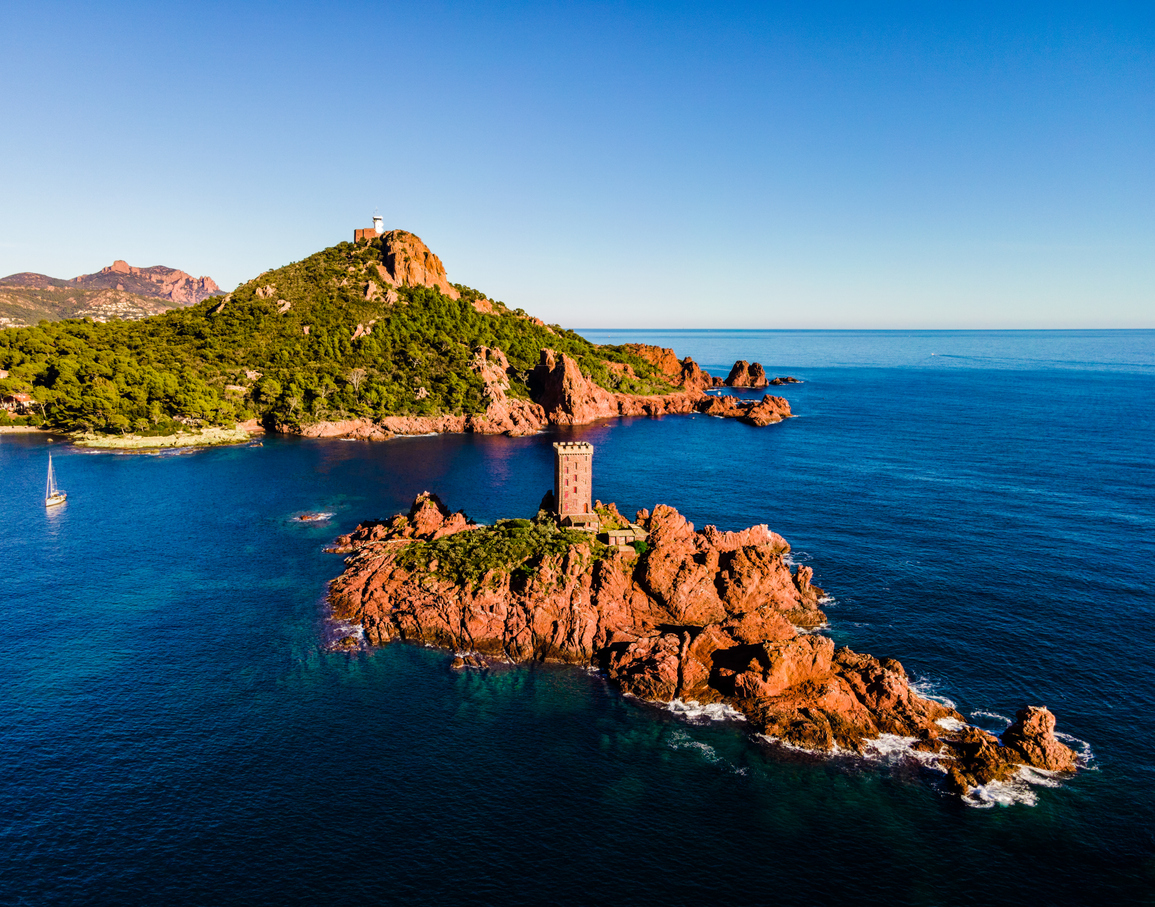
Everything You Need to Know About the Var
The Var is one of those rare places where a single day can carry you from wind-brushed island coves to cork oak forests, from Roman stones to cliffside chapels, and still leave time for a sunset rosé poured a few kilometers from where its grapes were grown. Sitting between the deep red rocks of the Estérel and the luminous bays off Hyères, this Provençal department fuses shoreline glamour with a fiercely local, rural heart. Whether you’re plotting a coastal escape or a slow ramble through hill villages, the Var repays attention to detail—its best corners often sit just beyond the obvious.
For a broader orientation to the eastern shores of the Var—particularly the Saint-Tropez peninsula and its satellite villages—consider this concise regional overview: Gulf of Saint-Tropez travel guide.
Where the Var Sits and What Makes It Distinct
Geographically, the Var stretches along the Mediterranean between the Calanques of the Bouches-du-Rhône and the Alpes-Maritimes. Its coastline runs from Saint-Cyr-sur-Mer to Agay and Saint-Raphaël, with Hyères and the Giens Peninsula anchoring the center. Inland, the land buckles into the dark-green Massif des Maures and the limestone plateaus leading to the Haut-Var—more rugged, more secretive, and remarkably well-preserved.
Climate-wise, the Var is Mediterranean, but microclimates matter. The south-facing, wind-exposed beaches of Almanarre near Hyères attract windsurfers and kiteboarders when the mistral whistles, while a few coves on the Saint-Tropez peninsula or among the Les Issambres headlands can sit in calm, even on breezy days. Up in the Maures and around villages like Collobrières or La Garde-Freinet, summer afternoons run a few degrees cooler than the shore; winters bring crisp mornings and luminous, pine-scented light.
A Brief History You Can Still Walk Through
Many of the Var’s most compelling sights are not museums but living streets and landscapes shaped by layered histories. The coastline bears the stamp of the Romans most vividly in Fréjus, whose amphitheater, theater ruins, aqueduct fragments, and cathedral cloister trace an arc from antiquity to the medieval world. Further west, Toulon developed around its extraordinary natural harbor into the historic heart of France’s Mediterranean navy—its waterfront, cable car up Mont Faron, and maritime heritage give the city a distinctive, quietly fascinating character.
Move inland and the rhythm slows under cork oaks and chestnut trees. Cistercian austerity lives on in the serene cloisters of Le Thoronet Abbey, a masterpiece of stone and silence whose acoustics reward a whispered word. Equally evocative is the Chartreuse de la Verne above Collobrières, a Carthusian monastery hidden in the folds of the Maures, where dark forests give way to wide views across a sea of green. And then there are the cliffside dwellings of Cotignac and the troglodyte sites of Villecroze—human scale in a landscape that still feels unhurried.
Coastal Var: From Red Rocks to Island Bays
The Var’s coastline can feel like three or four coasts in one: volcanic reds in the east, long-shelved sandy strands in the Gulf of Saint-Tropez, crystalline granite coves near Cap Taillat, and the island-laced blues off Hyères.
The Estérel and the Corniche d’Or
Starting near Saint-Raphaël and Agay, the Corniche d’Or unspools along coppery-red cliffs and sea-sculpted inlets. Even a short stop—parking at a layby and taking a 15-minute stroll toward a calanque—delivers that contrast of iron-red rock and intensely blue water. Early morning is especially rewarding as the rising sun lights the cliffs; by late afternoon, the light warms again for photographers. On calm days, bring reef shoes and a mask for a cautious dip off flat rocks; this is fish-rich water, though you should always watch swell and avoid slippery ledges.
The Saint-Tropez Peninsula and Its Secret Pockets
Ramatuelle’s Pampelonne takes most headlines, but the peninsula holds quieter coves and unexpectedly wild corners. Walk the coastal path toward Cap Taillat or Cap Camarat and you’ll find green-shuttered lighthouses, juniper-scented dunes, and granite boulders weathered into soft sculptures. Plage de l’Escalet is a practical starting point—arrive early outside peak summer to find parking—and then push south along the path to smaller inlets with clearer water. Around Sainte-Maxime and Les Issambres, the shore breaks into headlands like La Nartelle or La Gaillarde: a patchwork of sandy pockets and rock platforms where children can explore tide pools while adults keep an easy watch.
The Giens Peninsula and the Îles d’Hyères
Giens is a cartographer’s delight, a double isthmus (a rare “tombolo”) that ties a hilly peninsula to the mainland with two arcs of sand and lagoon shallows in between. On windy days, Almanarre’s long, west-facing beach fills with sails and kites; on calmer ones, the limpid shallows near La Capte on the eastern side suit families or languid swims. From Tour Fondue at Giens’ tip, boats shuttle to the islands: Porquerolles with its car-free lanes and silver-sanded bays; Port-Cros, a marine park where even a snorkel reveals rich seagrass meadows; and the smaller Île du Levant. If you have just one day, Porquerolles bikes and a swim at Notre-Dame or Argent beach make for an easy, unforgettable loop.
Inland Var: Villages, Forests, and Quiet Rivers
Beyond the coast, the Var’s personality shifts. Mountain laurels and cork oaks sway over serpentine roads; stone bell towers announce villages that look lifted from an etcher’s plate.
The Maures Massif and the Plaine des Maures
The Maures feel secretive, even when you’re a dozen kilometers from the shore. Cork oak bark is still harvested here; in autumn the forest floor can smell faintly of mushrooms and leaf tannins. The Plaine des Maures Nature Reserve opens into a mosaic of heathland, umbrella pines, and occasional wet areas—ideal terrain for walkers and for spotting the protected Hermann’s tortoise if you’re lucky and cautious. Collobrières, the historic chestnut capital, celebrates the tree each October with a market that perfumes the streets with roasting marrons.
Stone Villages of the Haut-Var
North of Draguignan and Lorgues, the Haut-Var gathers a string of small places with outsized charm. Cotignac sits beneath a honey-colored cliff riddled with cave homes and chapels; follow the shady promenade to the foot of the rock, then climb toward the troglodyte sites for views across patchwork vineyards. Villecroze presses up a wooded slope, its cool park and waterfall giving way to cliff caves once used for shelter. Aups hosts a winter truffle market where whispers of prices punctuate the smell of damp earth and black diamond shavings. Higher still, Bargème—among the department’s highest villages—offers wide horizons and stone-quiet lanes that seem immune to time.
Waterfalls and Gorges: Short Walks with Big Payoffs
Two pleasing, accessible nature punctuations: Sillans-la-Cascade, where turquoise water fans below viewing terraces in a protected zone (bathing is restricted to preserve the site, so obey local signs), and the Vallon Sourn between Correns and Châteauvert—cliffs reflected in calm green water, popular for beginner-friendly canoe-kayak outings and shaded riverbank picnics. Closer to the coast, the Gorges de Pennafort near Callas carve a narrow, dramatic slot; after rainfall the sound of water ricochets between pink rock walls.
Markets and Food Culture Worth Planning Around
The Var’s table is a conversation between sea and land. Anchovies and octopus meet chestnut honey, truffles, figs, and the green-gold of new olive oil. Local cooks lean on herbs and restraint—dishes rarely hide their main ingredients under sauces—and the result is food that tastes like air and light as much as anything on the plate.
Signature Flavors of the Var
Along the coast, you’ll find tapenade (black or green olive), anchoïade (anchovy-garlic dip with raw vegetables), and pissaladière (onion-topped tart) done simply and well. In Toulon, look for cade, a chickpea flatbread that arrives hot and salty—street food at its best. Inland, truffles (particularly around Aups) and goat cheeses perfume winter and early spring markets; chestnut products from Collobrières appear in soft creams, cakes, and candied forms in autumn. Fish soups vary by locale; near Ramatuelle, some long-running kitchens still serve a robust, saffron-tinted bouillabaisse.
Where and When to Shop the Markets
Market days are the metronome of local life. Two or three well-chosen ones will tell you more about the region than a string of restaurant meals:
- Place des Lices market (Saint-Tropez): Tuesdays and Saturdays. Arrive early, then take a coffee under plane trees; excellent for charcuterie, cheeses, herbs, and summer fruit.
- Lorgues Tuesday market: one of the area’s most substantial, stretching through the center; fine for produce, olives, and local ceramics.
- Aups truffle market (winter, typically Thursday mornings): culinary theater for the curious; go to observe even if you don’t buy.
- Hyères market (Avenue Gambetta, several days weekly): a good cross-section of coastal produce, tapenades, and flowers.
- Fréjus and Saint-Raphaël waterfront markets: seasonal, with a bias toward seafood and easy picnic supplies.
Tip: Bring small bills and a basket or tote; vendors often offer tastes. If you buy cheese or charcuterie for the day, ask for it “sous vide” (vacuum-sealed) if you’ll be traveling later in the heat.
Restaurants and Rustic Tables
In coastal villages around Ramatuelle and Gassin, beachside restaurants are institutions as much as eateries. Some are simple grills and salads served steps from the water; others are polished rooms where a glass of Bandol or a Côtes de Provence rosé lands beside gnocchi with baby squid or grilled rockfish. A couple of long-standing addresses known for their fish soups near Pampelonne keep the old ways alive; on Porquerolles, you’ll find unpretentious spots where the day’s catch dictates the blackboard. Inland, village restaurants cook from the market and garden: rabbit with olives, roast lamb with thyme, and in-season vegetables cooked until they sing. If you spot a chalkboard promising truffle omelets in Aups in midwinter, lean in.
Wine in the Var: Rosé, Bandol Reds, and Estate Visits
Rosé may dominate the conversation, but the Var’s wine identity is more nuanced than most labels suggest. Three anchor notions will help you navigate: coastal Bandol with its structured reds and serious rosés; the broader Côtes de Provence appellation, which covers much of the Var and excels at seafood-friendly, herb-scented rosés; and a set of smaller terroirs inland where altitude and geology deliver freshness and character.
Bandol, centered around villages like Le Castellet and La Cadière-d’Azur, leans on Mourvèdre—sun-loving, tannic, and perfect for aging. Domaines such as Tempier, Terrebrune, and the Tour du Bon have long expressed this character; their rosés are meals in themselves, their reds unfurling over years. Around Gassin and the lower slopes near the Gulf of Saint-Tropez, estates like Château Minuty shape clean, pale rosés that pair well with seafood and summer salads. Inland, look for estates near Pignans and Les Arcs where schist and limestone build complexity into whites and reds often overshadowed by their pink siblings.
Visiting etiquette is simple: call ahead or check the posted tasting hours, keep children close by among barrels and glassware, and buy a bottle or two if you enjoyed the pour. If you’re driving, share sips or use a spittoon—no one will blink. For a cultural detour woven into wine country, the chapel at Château Sainte Roseline near Les Arcs holds art and history alongside vines, making it a rewarding stop for mixed-interest groups.
Active Var: Trails, Ridges, and Clear Water
The Var invites you outdoors with very little fuss. Many of the region’s most beautiful moments have no ticket line: a pine-shadowed path to a cape, the soft rasp of cicadas over a vineyard lane, a stone bench on a village belvedere after a short climb.
Walking the Coastal Path
The sentier du littoral threads much of the Var’s coastline and presents some of its most accessible beauty. Pick short, manageable sections to suit your day and energy:
- Cap Taillat (from Escalet, Ramatuelle): 1.5–2 hours out-and-back; sandy links, low scrambles, sublime water color. Take water and a hat; minimal shade.
- Cap Camarat lighthouse loop: easier terrain with views across Pampelonne and the open sea; good at sunrise or late afternoon.
- Les Issambres headlands: a series of smaller paths connecting coves; look for signed access near La Gaillarde and La Pointe des Issambres.
- Porquerolles north shore: broad, family-friendly paths between Argent and Notre-Dame; bring a picnic and swim gear.
Hiking Highlights and Lookouts
For a bigger leg-stretch, the Maures offer satisfying ridge walks with occasional sea views breaking through umbrella pines. La Garde-Freinet’s trails climb gently onto high ground; on clear days, the islands are visible to the south. Around Bormes-les-Mimosas, tracks crest above terraced hillsides and down to quiet coves west of Cap Bénat. Over in Toulon, the cable car to Mont Faron leads to signposted paths; wander the perimeter for harbor panoramas and warm rock smells on sunny days even in winter.
Cycling and Scenic Drives
Road cyclists cherish dawn circuits looping from Sainte-Maxime through Plan-de-la-Tour and back over low passes; traffic is calmest before 9 am. The ridge from Collobrières through the Maures to La Garde-Freinet is a sinewy classic, best tackled outside peak summer midday heat. For drivers, two scenic ribbons offer outsized returns: the Corniche d’Or east of Saint-Raphaël, and the winding D14/D27 around the Saint-Tropez peninsula, whose side-roads drop to bays and climb to belvederes near Gassin and Ramatuelle. In the Haut-Var, routes between Tourtour, Villecroze, and Aups stitch together olive groves, vineyards, and curtain-drop views.
On, Under, and Beside the Water
When the mistral lays down, the Var is a water lover’s dream. Kayak rentals pop up seasonally around Les Issambres and Sainte-Maxime, allowing you to skirt low cliffs into clear shallows. On glassy mornings, stand-up paddleboards slip from quiet coves below La Croix-Valmer toward Cap Lardier. For snorkelers, the underwater trail off Port-Cros’ Plage de la Palud is a gently guided window into seagrass meadows and rock life; even a basic mask rewards you with darting bream and the slow unfurl of seaweeds. On windy days, Almanarre’s windsurf and kitesurf scene turns the bay into a study in speed and control—compelling to watch from shore if you’re happier with sand than sail.
Culture and Events: Anchored in Place
Festivals in the Var often feel hyper-local in the best way: village squares, marching bands, a procession that’s been reenacted for centuries, or a regatta that turns an entire gulf into living heritage.
Festivals and Traditions
The Bravade of Saint-Tropez, held in May, is a centuries-old celebration honoring the town’s patron saint with muskets, drums, and Provençal costume. In late September and early October, Les Voiles de Saint-Tropez paints the gulf with classic and modern yachts, their sails backdropped by pines and ocher villages. Mimosa festivals brighten winter along the coast around January and February, with Bormes-les-Mimosas often blooming earlier than you’d expect. Inland, Collobrières’ chestnut festival in October binds taste to season with a convivial seriousness—queues, debates about the best marron glacé, and neighbors greeting neighbors across stalls.
Museums and Places That Hold a Story
Two religious sites stand out for their atmosphere: Le Thoronet Abbey and the Chartreuse de la Verne, each a lesson in stone, silence, and patience. In Toulon, the maritime museum and the working harbor speak to a long relationship with the sea. Fréjus’s Roman remnants reward unhurried walks; pair them with a visit to the cathedral for a tangible timeline. On the coast near Rayol-Canadel, the Domaine du Rayol gardens showcase Mediterranean landscapes from around the world in a single, scented hillside—a place to slow down and read the region through plants and design.
Family-Friendly Var: Easy Wins, Lasting Memories
Families gravitate to the Var because days can be simple without being dull. Beaches shelve gently, island trails are wide, and villages reward short attention spans with gelato and fountains.
Gentle Beaches and Shallow Bays
Plage de la Nartelle near Sainte-Maxime has stretches where the sand shelves gradually and lifeguards watch in season; early mornings offer space to spread out. On the Hyères side, La Capte’s shallow edge is toddler-friendly when winds cooperate. In Ramatuelle, the northern ends of Pampelonne offer broad sands and easy access, while the edges near l’Escalet reward a quick walk with rock pools and sheltered dips when the sea is calm.
Nature with Kids, Minus the Logistics
Porquerolles is a family classic: rent bikes with child seats or trailers, pedal under pines, and break for swims at Notre-Dame’s pale arc. Around Villecroze and Cotignac, short walks connect caves, parks, and shady squares with little legs in mind. At Sillans-la-Cascade, the path to the viewpoints is manageable with older kids; teach them why swimming is limited and how that protects a place everyone has come to see. In the Plaine des Maures, keep a lookout for tortoises without disturbing them; bring binoculars for birds in wet seasons.
Practical Orientation: Getting Around the Var
The Var is easy to traverse but rewards light planning. Distances that seem short can stretch in summer when narrow roads meet holiday timetables, so match ambitions to the season.
By car, the coastal road between Sainte-Maxime and Saint-Tropez is famously scenic but congested in high season; early or late departures, or boat shuttles between the two towns, can shave time and add a pleasant water crossing to your day. The A8 autoroute sits well inland, linking Saint-Raphaël/Fréjus to Toulon efficiently, with exits feeding down to beach towns. Rail works well for the western Var: TER trains connect Toulon, Hyères (via a spur), and coastal towns westward; east of Fréjus, the line continues into the Alpes-Maritimes. For air arrivals, Toulon–Hyères airport is a convenient gateway, while Nice serves the eastern Var and Marseille the west.
Parking in small villages like Gassin, Ramatuelle, or Bormes can be tight in summer; use signed lots on the edge and walk a few minutes to the center. Market mornings intensify the squeeze—arrive early and treat breakfast as part of the plan. When visiting Porquerolles or Port-Cros, figure ferry schedules in both directions and mind last departures; winds can shift service patterns, especially in the shoulder season.
When to Visit: Seasons, Light, and the Wind
There isn’t a single “best” time to see the Var; each season redraws the map of what’s special.
Spring
From March into May, wildflowers dapple coastal paths and the Maures turn a deeper green. Sea temperatures lag, but sheltered coves can be swimmable on still afternoons. Markets brim with artichokes, asparagus, strawberries, and the first cherries; village calendars wake up with local fêtes but without summer’s density. Wind can be a wildcard; plan flexible days with inland options when it howls.
Summer
June is often sublime: long days, warm sea, and enough buzz without gridlock. July and August bring energy and heat; beaches are social and late dinners feel normal. Book ferries and restaurant tables ahead if a specific plan matters to you. Keep an eye on wildfire risk in the Maures; trails and forests sometimes close temporarily in high-risk periods—signs are clear, and closures are enforced for everyone’s safety.
Autumn
September slides into a golden season: bathwater sea, emptied roads, grape harvests, and figs in markets. October can hold stable, sunlit weeks with cool evenings—excellent for walking and inland villages. Occasional autumn storms refresh rivers and can color the sea; schedule island days flexibly.
Winter
Winter is the Var’s introspective face. Coastal walks in crisp light, low-angle sun on red rock, and mimosas in bloom around January–February. Some restaurants and shops turn to reduced hours or close, but what’s open welcomes locals and visitors as equals. It’s a season for abbeys, hill walks, and deep breaths.
Responsible Travel: Gentle Footprints, Bigger Joy
Much of what makes the Var compelling is surprisingly fragile. A few simple choices keep it that way:
- Fire safety: Heed trail closures and signage in the Maures; never smoke on forested paths; avoid any flame during summer’s high-risk days.
- Coastal care: Respect roped-off seagrass zones; posidonia meadows underpin the coast’s clarity and marine life. Walk around dunes, not over them.
- Water sense: Summer droughts are a reality; take short showers, refill bottles at village fountains where potable, and skip midday lawn or car rinses if you’re in a home with a hose.
- Market manners: Taste, then buy—or politely decline and thank the vendor. Bring your own bags.
- Noise and night: Villages carry sound farther than you think; keep late-night volume low, especially in stone lanes.
Sample Itineraries that Capture the Var’s Range
Use these as scaffolding; swap days around to match weather and mood.
Three Days on the Coast
- Saint-Raphaël to Agay and the Estérel: Drive the Corniche d’Or early, stopping at two calanques for short walks and swims. Lunch on the waterfront in Agay or Saint-Raphaël. Afternoon wander through Fréjus’s Roman quarter and cathedral cloister; gelato by the marina as dusk paints boats pink.
- Saint-Tropez peninsula: Morning in Saint-Tropez’s old town—quays, backstreets, and the Annonciade Museum if you like early 20th-century painting. Late lunch near Pampelonne followed by a coastal walk from l’Escalet to Cap Taillat for a swim. Sunset viewpoint near Gassin’s belvedere.
- Hyères and Porquerolles: Early ferry to Porquerolles; rent bikes, ride to Notre-Dame or Argent beach, picnic under pines. Return for a late-day stroll through Hyères’ old town: sloping lanes, artists’ studios, and a café on Place Massillon.
Three Days Inland
- Le Thoronet and Lorgues: Start at Le Thoronet Abbey for an hour of quiet and stone. Market lunch in Lorgues (Tuesdays are best), then meander to Château Sainte Roseline’s chapel and vines. Evening in Les Arcs’ medieval quarter.
- Cotignac, Villecroze, and Sillans: Morning beneath Cotignac’s cliff; climb to the troglodyte chapels. Lunch under plane trees, then a short hop to Villecroze’s park and caves. Late afternoon light at Sillans-la-Cascade’s viewpoint.
- Collobrières and the Maures: Coffee in Collobrières, then wind into the Maures toward the Chartreuse de la Verne. Picnic at a shaded pull-off with valley views. Return loop via La Garde-Freinet, stopping for a short ridge walk and an apéritif in the village square.
Lesser-Known Corners to Seek Out
Some of the Var’s most gratifying moments are small: a garden pathway you didn’t expect, a wetlands boardwalk filled with birds, a roadside stand with figs that didn’t travel farther than your appetite. Insights gathered over years from regional visits by the editorial team at AzurSelect often point to these gentle detours.
Gardens, Vistas, and Quiet Paths
- Domaine du Rayol (Rayol-Canadel): A hillside garden that doubles as a geography lesson of Mediterranean climates worldwide. Plan an unhurried morning; the sea below stitches the parts together.
- Mont des Oiseaux (Hyères): A wooded ridge walk with glimpses of salt flats and islands—perfumed by pines and, in spring, blossoms riding the wind.
- Salins d’Hyères and the Pesquiers: At the right season, shallow waters turn into a birdwatcher’s margin with egrets and, if you’re lucky, flamingos filtering the evening light.
- Cap Lardier paths (La Croix-Valmer): Less trodden than Cap Taillat yet no less beautiful; watch for turtles on warm mornings and take breaks on pocket beaches that appear between rocky ribs.
- Gassin’s alley loop: A short, signed circuit through climbing lanes and belvederes that feels like a gallery of light and stone, especially around golden hour.
Gulf of Saint-Tropez and the Var’s Eastern Arc
While the Saint-Tropez name carries far, the day-to-day rhythm of the gulf moves between coastal passes, beaches, and towns that wear their seasonality lightly. Sainte-Maxime’s promenade fills with evening strollers and families savoring a last swim at La Nartelle. Les Issambres pieces together a more intimate coastline—small headlands, path segments, and coves where you can still find a patch of rock to yourself on a Sunday morning. Inland, Grimaud village—stone-wrapped and castle-topped—gives views across olive groves toward the gulf, its lanes strung with bougainvillea in summer. Fréjus anchors the eastern side with both beaches and deep history, while Saint-Aygulf serves up lagoon-adjacent stretches of sand and a boardwalk that catches late light over reeds and water.
Eating and Drinking: A Few Practical Pointers
Menus often read by season; trust the chalkboard. When fish soup appears, ask how it’s served—some include rouille and croutons to stir in, others arrive already composed. If you’re curious about olive oil, many producers offer short tastings in season; peppery, green oils suit tomatoes and simple salads; rounder styles flatter grilled vegetables and goat cheeses. For wine pairings beyond the standard rosé-with-everything rule: try a Bandol red with grilled lamb or beef; a Vermentino (Rolle) from inland estates with grilled fish and fennel-scented dishes; and a darker, food-driven rosé when the plate has richness, like aioli or stuffed vegetables.
Shops and Crafts: What to Seek Out
Look for ceramics in Salernes—tiles and useful pieces with rustic charm—and knives in the Haut-Var, where small ateliers still hand-finish pocketknives meant to be used, not displayed. In Collobrières, chestnut sweets range from simple candied nuts to elaborate cakes; in markets, ask whether the honey you’re eyeing is chestnut, lavender, or “maquis”—each reads the land differently. Soaps scented with local herbs make light, practical gifts. If a vineyard sells estate olive oil, it often reflects the same care as its wines and won’t have traveled far.
How to Pace Your Days
In summer, think in two arcs: mornings and evenings. Reserve the hottest hours for long lunches under shade, siestas, or museum visits. Start island days early to catch first light on water; do market mornings before 10 am. Inland excursions pair well with late afternoons when shadows lengthen and villages cool. On windy days, pivot: the Maures often sit calmer than exposed beaches when the mistral runs; when the sea is a mirror, grab a mask or a paddleboard and make it a water day.
Photo Perspectives that Feel Like the Var
For those who travel with cameras, the Var rewards attention to everyday light. In the Estérel, aim for first or last light when cliffs glow; use a polarizer to manage glare off rock and water, but mind color saturation to keep reds believable. On Porquerolles, shoot north-facing beaches mid-morning when the sun defines ripples in the sand below clear shallows. In villages, let narrow lanes frame your shots; step back to include rooflines, chimney pots, and a sliver of sea if it peeks between hills. At Le Thoronet, watch how light falls in slow bands; a single column capital in side-light carries more mood than a wide hallway in flat noon brightness.
Safety, Comfort, and Small Wisdoms
The Var is friendly terrain, but a few habits elevate comfort. Wear light-soled shoes that grip rock when you plan even a short coastal path. Pack a 1-liter bottle per person in summer for walks over an hour. Reef shoes earn their place on rocky coves; toss a compact towel in your daypack just in case an unplanned swim beckons. Sunscreen is non-negotiable; so is a hat. In markets, mind your phone in crowded lanes, though petty theft is rarer than in big cities. On ferries, secure hats and loose items—the wind you didn’t feel onshore can whisk them away the moment the boat clears the breakwater.
Leaving Room for Serendipity
Perhaps the best advice for the Var is to plan two-thirds of your days and leave the balance open. The last, best swim often happens at a cove you found by following a scent of pine on the air. The most memorable meal might be slices of saucisson, peaches, and a bakery fougasse eaten under a tamarisk by the sea. And a road you nearly didn’t take—up from La Môle into the Maures, say, or along the lagoon edge at Saint-Aygulf at sunset—can rearrange your sense of the place in twenty minutes.
Final Thoughts
Everything you need to know about the Var fits into a paradox: you can chart its marquee sights in an afternoon, and still spend a lifetime learning its tides and shadows. Start with the contours—coast, islands, abbeys, hilltop villages—and then let small choices do the rest. Step onto the coastal path five minutes earlier than planned; pull off at the vineyard with the hand-painted sign; take a side street in a village because you hear a fountain. The Var answers curiosity with generosity, and that’s the only secret you really need.
Exploring the Var and the wider Côte d’Azur? Discover our carefully selected holiday villas and find the perfect base to experience the region at your own pace.

