

 EN
EN  NL
NL
 DE
DE
 FR
FR

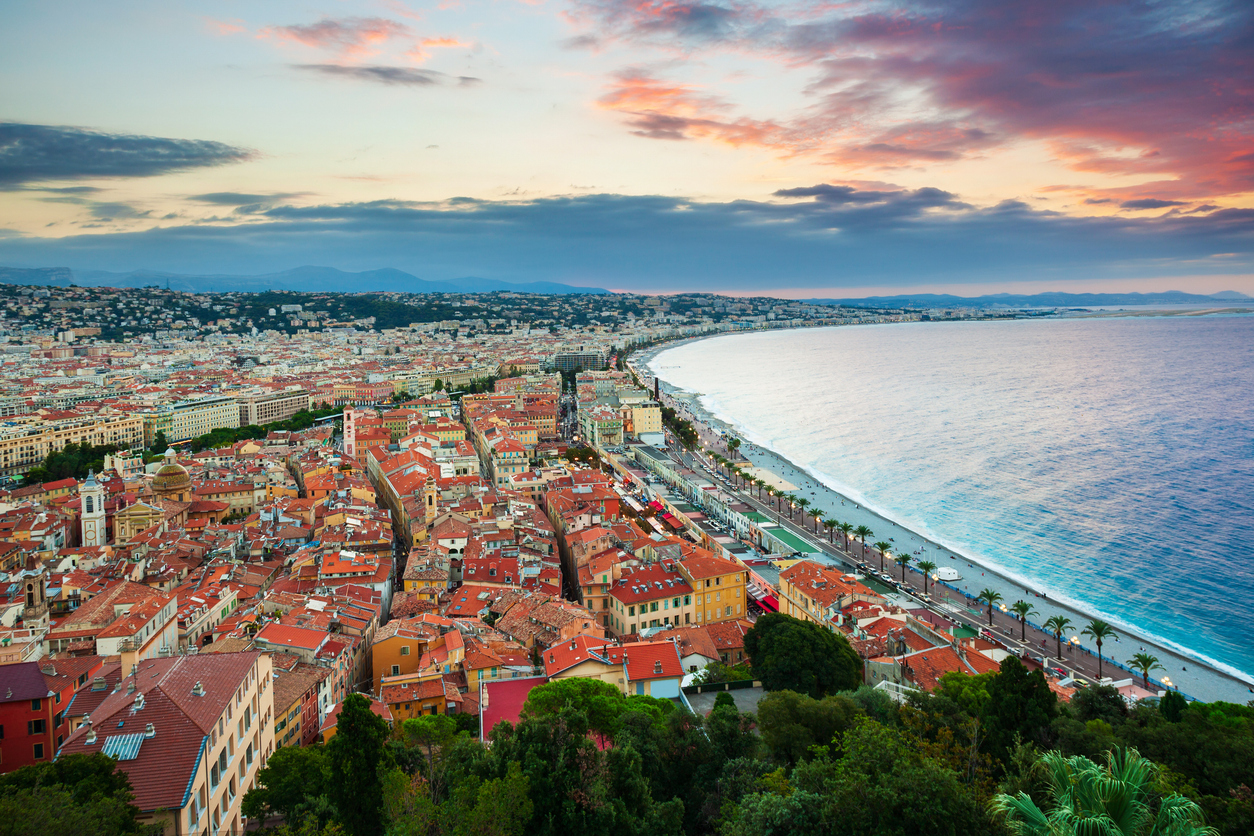
Everything You Need to Know About the Alpes-Maritimes
Between the turquoise sweep of the Mediterranean and the high ridgelines of the southern Alps, the Alpes-Maritimes form one of France’s most varied and habit-forming regions. This is the Côte d’Azur at its most layered: Belle Époque seaside promenades and citrus-scented old towns; capes threaded with wave-sprayed footpaths; perfumed hillsides where jasmine once paid the rent; and, just a dizzying drive inland, granite cirques, glacier lakes, and Bronze Age rock engravings in the Mercantour. Whether you’re skimming a coastal path to a hidden cove or climbing toward the cloud country above the Vésubie, the defining experience here is contrast—and the thrill of linking sea and summit in a single day.
For a broader Riviera orientation just to the west, you might enjoy this concise Gulf of Saint-Tropez travel guide.
Where the Sea Meets the Alps: A Quick Orientation
The Alpes-Maritimes department covers the far southeastern corner of France, a crescent that runs from Théoule-sur-Mer on the Estérel fringe to Menton by the Italian border, and inland through the art towns of Vence and Saint-Paul to the high valleys of the Tinée, Vésubie, and Roya. The coast is blessed with a famously gentle microclimate—Menton, tucked under sheltered ridges, is among the mildest towns in mainland France—while the interior is unmistakably alpine from about 1,500 meters upward. That dual identity defines local life: citrus and olives below; chestnut, larch, and wild thyme above; anchovy-salted snacks at sea level and buckwheat gnocchi (merda de can, if you’re feeling Niçois) in the backcountry.
Three parallel cliff-hugging roads—the Basse, Moyenne, and Grande Corniche—link Nice to Menton in stacked terraces, each with its own pace and views. Between Antibes and Cap d’Ail, coastal headlands offer prized walks and swims in translucent water, while the capes around Antibes and Saint-Jean-Cap-Ferrat protect posidonia meadows that keep the water startlingly clear. Inland, roads corkscrew past perched villages like Gourdon, shift gears through beech and larch stands, and eventually break onto open alpine plateaus with marmots chirping from rock piles.
The Riviera Icons: Nice, Cannes, Antibes, and Menton
Nice: Mediterranean city with a mountain soul
Nice is larger and more lived-in than many visitors expect—a Mediterranean city with an old soul and a taste for the good life. Start with the Promenade des Anglais at sunrise, when local swimmers edge into the blue and cyclists drift toward the port. Slip into the Old Town for a warm socca from a cast-iron pan and an olive-studded pissaladière; mornings on Cours Saleya are a study in abundance, with vendors hawking courgette flowers, bitter greens, and salt-dried anchovies. Monday morphs into a pleasantly rummage-ready antiques market. For art, the hilltop Musée Matisse—steps from the Roman site of Cimiez—gives a crisp sense of the painter’s long Nice years, while MAMAC anchors the postwar avant-garde downtown.
Look for hyper-local rhythms: the lunch crush at tiny bistros where menus are chalked, not printed; the late-afternoon passeggiata across Promenade du Paillon’s fountains; and fishermen selling directly from boats at Port Lympia on calm mornings. If you prefer a quieter swim, continue to Coco Beach beyond the port steps and slip in from the rocks like a local, mask and snorkel in tow.
Cannes: Markets, islands, and film-world fizz
Beyond the springtime glitz of the Festival, Cannes is grounded by mornings at Marché Forville, where a rainbow of tomatoes and the day’s catch fill stands beneath the pink tiles. Order a coffee at the counter of a no-frills bar, then climb through Le Suquet’s lanes to the church terrace for a panorama across the bay. On a still day, the short boat ride to the Îles de Lérins is the best reset: Sainte-Marguerite’s pine-scented trails lead to small rock platforms with steps into an opaque emerald sea; Saint-Honorat is all about vineyards, stone chapels, and slow hours under Aleppo pines. Back on the mainland, the coastal path toward Théoule-sur-Mer skims rust-red porphyry inlets streaked with green maquis.
Antibes and Juan-les-Pins: Headlands, harbors, and Picasso
Old Antibes feels like a place where fishermen and painters signed an unofficial pact to keep things charming. The stone ramparts guard lanes that smell of sardines and soap, and the harbor shelters yachts alongside lateen-sailed dayboats. The Picasso Museum, mounted inside the Château Grimaldi where the artist painted in 1946, is compact but potent. For swims and slow walks, the Cap d’Antibes coastal path from Plage de la Garoupe threads past coves and a former gun battery at the Batterie du Graillon—look for rock pools flushed twice a day by the tide. At sunset, the Pointe Bacon overlook often glows pink before the rest of the coast catches up.
Menton: Gardens and citrus by the Italian border
With its tiered facades and twin campaniles rising above quay and sea, Menton places you within sight of Italy and within reach of lemon groves. The town’s climate adapts itself kindly to winter gardens; the Val Rahmeh and Serre de la Madone offer botanical journeys in miniature. Menton’s market is reliably fragrant—local citrons show up in tartlets, curds, and jars of marmalade—and barbagiuans (fried chard and ricotta parcels) are easy to find around the covered market. Walk east along the promenade to the Bastion to feel wave spray, or west toward Cap Martin for wide-angle views back to the old town.
Capes, Beaches, and Coastal Walks Worth Your Time
The pieds dans l’eau dream of the Alpes-Maritimes is pinned to its coastal paths—sentiers littoraux that move from shade to spray in minutes. They’re not secret, but they reward early starts and unhurried moods.
- Saint-Jean-Cap-Ferrat: The full circuit from the village harbor passes the lighthouse and skirts the Pointe Saint-Hospice chapel and cemetery, a windswept kneecap of land where the sea feels immediate and unmediated. In summer, a marked underwater trail off Plage des Fossettes introduces the posidonia meadows that oxygenate the coast.
- Cap d’Antibes: Start at Plage de la Garoupe and follow sharp-edged rocks and spray-splashed steps past the Batterie du Graillon. Bring water; shady stretches are brief. Mornings are best before the mistral or an easterly swell kicks up chop.
- Cap Martin: The path wraps from Carnolès toward Roquebrune-Cap-Martin, the sea on one side, modernist villas on the other. On calmer days, look for terraced rock shelves used by locals; shoes with grip help you down the ladders.
- La Mala, Cap-d’Ail: A steep staircase lands on a glamorous cove with limpid water framed by limestone. Visit early morning or late afternoon when the day softens and the cliffs start holding shadow.
- Théoule-sur-Mer: West of Cannes, the Pointe de l’Aiguille offers a red-rock theater of mini-coves and a palpable Estérel scent—resin, cistus, and salt.
Always check sea conditions and respect closures, especially after storms; sections can be closed for works or safety. Heat builds quickly even in shoulder seasons, and a wide-brimmed hat makes the difference between ambling and enduring.
Perched Villages and Art Trails in the Middle Country
Just twenty or thirty minutes inland, the foothills host villages built in rings or piles around a church square, each with a particular craft or mood. Here, stone is a constant: steps rubbed smooth, low arches over lanes, olive mills turned into galleries.
- Saint-Paul-de-Vence: Tourist-busy, yes, but utterly disarming if you time it right—early morning, or after the coaches leave. The ramparts curve around cobbled lanes that hide tiny ateliers. Look up at lintels; dates and initials record entire family histories in a handful of carved symbols.
- Vence: Lived-in, with a practical market and an understated cathedral whose mosaic by Chagall feels in tune with the town’s pace. If you linger, order a glass of Bellet white and watch the day lengthen under plane trees.
- Tourrettes-sur-Loup: Known for violets in late winter; jars of confit petals and candied leaves appear in shop windows around February. Outside the ramparts, terraced stone walls pinch thyme and savory into swirls of scent on hot days.
- Gourdon: Perched dramatically above the Gorges du Loup—one of those pull-over-for-the-view places. Down the valley at Pont-du-Loup, a historic confectioner has long offered tours and tastings; the orange peel spent a century in copper basins here.
- Biot: The village’s clear-bubble glassware began as a postwar accident of material availability and has become a signature look; the studios hum most afternoons. In the lanes, hand-thrown ceramics and ironwork share window space with baskets and fig jam.
For a quieter detour, the Plateau de Caussols above Grasse and the neighboring Calern plateau hold a lunar landscape of sinkholes and scrub, as well as the domes of the Observatoire de la Côte d’Azur. On crisp evenings, stars feel unnervingly close; by day, larks and wheatears dart over the pale karst.
Perfume Country: Grasse and Its Hillsides
Once you notice it, the scent map of the Grasse area becomes impossible to unsee: jasmine and rose centifolia climbing trellises; tubs of orange blossom in courtyards; soap and enfleurage wafting from old factory vents. Grasse’s reputation as a perfume capital is more than branding. The climate and soils really do coax out distinctive notes, and generations of growers and noses turned craft into an art. In spring, rose pickers start before dawn; flowers are weighed and whisked into extraction before the day warms.
In the old town, historic perfumeries—think of houses founded in the 18th and 19th centuries—offer guided visits that move from copper stills to maceration and modern extraction, ending with workshops where you can test your own blend. On the hills around town, small farms cultivate rose de mai and jasmine with an attention to soil that feels almost viticultural. Village markets in Plascassier or Châteauneuf often reveal the quieter side of this economy: beeswax candles, lavender sachets, and soaps perfumed with what’s actually blooming that month.
Walkers can follow channels and old mule tracks like the Canal de la Siagne path, a flat, shaded section of aqueduct trail with period stonework and shaped views over the lower country. The Gorges du Loup, all ferny knees and waterfalls, has swimming holes in summer if the flow allows; arrive early and pack out what you bring in—weekends can get crowded.
Mercantour National Park and the High Valleys
Push inland and within an hour of Nice you’re standing under larch trees, the light a golden-green slant. The high valleys—Tinée, Vésubie, and Roya—are the classic gateways to Mercantour National Park, a mosaic of ancient glaciers, stacked granite, and pastoral summer pastures you might share with a flock. Expect conditions to change quickly. A blue-sky morning can bring thunderheads by mid-afternoon, and snow can linger on north faces into early summer.
Highlights worth plotting carefully:
- Madone de Fenestre (Vésubie): From the sanctuary, long switchbacks climb into a cirque where ibex trace improbable lines across rock. Early autumn brings larch needles underfoot and an alpine hush that feels cathedral-like.
- Lacs de Vens (Tinée): A string of high lakes set beneath a crenellated ridge, accessible from the hamlet of Le Pra or the Vens parking. You’ll share the trail with marmots and, occasionally, a chamois that stops to assess your walking style.
- Vallée des Merveilles (Roya): Thousands of Bronze Age engravings—daggers, cattle, ploughs—are etched into glacier-polished stone near Mont Bégo. Visiting the restricted zones is regulated to protect the engravings; the museum in Tende provides context and maps, and guided hikes remain the best way to understand the landscape as people once read it.
- Col de Turini (Vésubie/Bévéra): Famous among rally drivers for its switchbacks, it’s also a cool retreat on summer’s hottest days. Trails fan out under beech and larch; the scent of resin and wood smoke hangs around picnic sites.
- Isola 2000 and the Bonette sector (Tinée): In summer, the high road toward the Cime de la Bonette brings you above tree line into a mineral world where saxifrages and edelweiss tuck into gravel. Cyclists come for the altitude; walkers come for the silence.
Storm Alex in 2020 reshaped parts of the Roya and Vésubie valleys; while access has been restored on key routes, always check the latest local advisories before setting out. In mountain areas, even small changes in weather or trail conditions can matter.
Food and Drink: Market Finds, Seaside Traditions, Mountain Tables
Eating in the Alpes-Maritimes is as much about texture and place as taste: a slice of pissaladière warm from the tray, your fingers shining with anchovy oil; a pan bagnat collapsing into itself in a paper wrapper on a harbor wall; a mountain plate of ravioli niçois buried in sage and butter after a cold start on the trail. If you’re curious where to aim your appetite, lean on markets and short menus that change with the catch or harvest.
Local flavors to recognize immediately:
- Socca: A chickpea-flour pancake seared in a wood-fired oven, best eaten standing up with black pepper. In Nice and its outskirts, regulars know which vendor batches run hottest.
- Pissaladière: A slow-cooked onion tart strung with anchovies and black olives; look for deep, caramelized edges and a dough that flexes rather than crumbles.
- Pan bagnat: Essentially a Niçois salad hugged by round bread and olive oil; purists will side-eye any version with lettuce.
- Poutine (in season): Tiny fry from the spring run, flashed in a pan with eggs or a veil of batter. Strictly seasonal and subject to regulation; worth trying if offered by trusted fishmongers.
- Barbagiuans: Chard-and-ricotta fritters popular around Menton; perfect with a glass of crisp white or a citron pressé.
- Tourte de blette: Sweet or savory Swiss chard pie, often studded with pine nuts and raisins in the sweet version.
- Daube niçoise: A Provençal beef stew scented with orange peel and local herbs; at its best after a day in the hills.
Wine-wise, the Bellet AOP is singular: terraced vineyards within Nice’s city limits and just beyond, where Rolle (Vermentino) yields textured whites with fennel and citrus notes, and Braquet and Folle Noire produce pale reds and rosés with pepper and sage. Tastings often require advance contact; the growing area is small and family-run. Inland, look for country restaurants that treat olive oil like the anchor it is—green, peppery oils from terraces around Opio, Bar-sur-Loup, and Nice feature prominently at the table. On the coast, a handful of beach clubs thread their fare between grilled fish and Mediterranean salads; in Saint-Jean-Cap-Ferrat and around the Garoupe, it’s still possible to find a simple plate of raw fennel and anchovies that tastes like the sea and sun conspired on your behalf.
For a short list of everyday food rituals:
- Start at a real market (Cours Saleya in Nice, Marché Forville in Cannes, Les Halles in Menton) just after opening; buy fruit and cheese for the day, a local olive mix, and ask which tomatoes are best for salad that week.
- Keep one spontaneous lunch: a stand-up socca and a glass of rosé in a shaded square, or a paper-wrapped pan bagnat by the port.
- Plan one mountain meal after a hike: gnocchi or polenta with rabbit, washed down with red from the next valley over.
Cultural Calendar: From Citrus and Carnival to Jazz and Night Skies
Festivals here tend to reflect what the land and sea give. Winter into early spring is surprisingly busy. Nice’s Carnival turns the Promenade into a procession of floats and flower battles; the Menton Lemon Festival builds entire scenes from citrus; Tourrettes-sur-Loup celebrates violets just as the first warm days arrive. Summer is for music: Jazz à Juan brings legends and newcomers to the pines of Juan-les-Pins, the notes mixing with pine resin. Vence’s Nuits du Sud turns town squares into late-night courtyards of sound. Autumn is olive harvest around the lower country and mushroom time higher up; if you see a basket-heavy figure at a trailhead, wish them bonne cueillette and smile at the universal forager’s discretion.
Slow Travel: Scenic Drives, Trains, and Lesser-Known Corners
The coastline is easy to love, but some of the region’s best moments hide just off the main drags. A few slow routes and corners to reclaim your day:
- Train des Merveilles: The morning train from Nice to Tende climbs through the Paillon and Roya valleys, crossing viaducts and carving into tunnels that opened the mountains to the coast. Sit on the left for views on the outbound; plan a stop in Sospel for lunch under the arcades or in Saorge to wander the monastery above the stacked village.
- The Three Corniches: Try a loop—out on the Moyenne Corniche for Èze and La Turbie (pause at the Trophée d’Auguste for a Roman view of power), back on the Basse Corniche through Beaulieu and Villefranche for sea-level light and laundry lines across lanes.
- Backroads to Bellet: From Nice’s northern quarters, vine-striped terraces lead to small estates. Even if you don’t taste, the drive uncorks fine views toward the Baie des Anges.
- Red Rocks of the Lower Country: Aim for the Gorges du Cians and the neighboring Daluis canyon to see ochre and wine-red cliffs eroded into improbable shapes. Late afternoon throws long shadows that dramatize every fold and tower.
If you like your discoveries small-scale: walk the Mont Boron woods above Nice at the golden hour, spy old coastal batteries and fortifications, and drop down to the pastel town of Villefranche-sur-Mer for a swim that resets the week. Or spend a long morning on the Nietzsche Path from Èze-sur-Mer to Èze-Village, a steep, sun-drenched stair master of a trail that pays out in views no camera quite earns.
Outdoor Adventures: Hiking, Cycling, Canyoning, and Diving
Choose your element; the Alpes-Maritimes oblige.
Hiking
At sea level, the Sentier du Littoral is a necklace of manageable stages. In the middle country, circuits above Vence and between Coursegoules and Bézaudun mix forest shade with open views. Higher up, the GR52 peels from the GR5 to stitch a serious transect of the Mercantour: riffling larch, boulder fields, and austere cols that demand sure footing and an eye on the weather. A shorter taste: from Saint-Martin-Vésubie, follow the Boréon valley upstream into a rising hush of spruce, where picnic tables sit between root flares and the river’s voice grows thin.
Cycling
Road cyclists know the trifecta: Col d’Èze (a spring classic with sea views), Col de la Madone above Menton (a quiet, testing climb shaded by pines), and the high, lunar sweep toward the Cime de la Bonette for altitude bragging rights. Early starts and good lights are essential; shade is fleeting and summer sun on south-facing slopes is no joke. Gravel riders find cat’s cradles of tracks behind Biot, Valbonne, and up toward Coursegoules. For e-bikes, coastal promenades and cap circuits turn into low-stress, high-pleasure rambles with plenty of gelato excuses.
Canyoning and gorges
The backcountry is carved by narrow watercourses that, after spring melt or a good storm, offer textbook canyoning. The Clue de la Maglia near Breil-sur-Roya is a favorite for guided descents—think natural slides, cold plunge pools, and rope drops. All canyoning here should be undertaken with certified guides who understand flow rates and access changes; these are dynamic landscapes, and flash floods move stones.
Underwater
Protected meadows of posidonia anchor marine life along Cap Ferrat and Cap d’Antibes. Bring a mask and fins and slip into the water from rock shelves—staying well clear of boat lanes. In summer, the marked underwater trail off Plage des Fossettes at Saint-Jean-Cap-Ferrat introduces the seagrass ecosystem and its residents. For divers, dramatic drop-offs and wrecks dot the coastline; sea conditions and licensing vary, so plan via reputable local operators and observe protected zones.
Art, Museums, and Quiet Rooms with a View
Art here often feels site-specific, and many of the most satisfying visits come with views that cast the work in fresh light. In Antibes, the Picasso Museum opens onto a rampart terrace poised above the sea; you’ll leave nursing the idea that blues here have thickness. In Nice, the Matisse Museum in leafy Cimiez reads like a conversation between forms; nearby, the Roman amphitheater stands open to the sky and the occasional concert. Vence rewards a detour to the Chapelle du Rosaire, Matisse’s late-in-life project and total artwork, where stained glass speaks in lemon and sapphire. On Saint-Jean-Cap-Ferrat, the Villa Ephrussi de Rothschild is part Belle Époque daydream, part serious decorative arts collection, with themed gardens stepping down toward the water.
Archaeology and old stones carry their weight, too. The Trophée d’Auguste at La Turbie, a hulking fragment of imperial might, stares down the coast as if checking its work. Fort Carré in Antibes, star-shaped and stern, rewards those who like their battlements with a view and a breeze. Up the Roya, the Musée des Merveilles in Tende is the best briefing for anyone drawn to the petroglyphs and high valleys—a patient unpacking of symbols that makes the rock faces feel less mute.
Beaches: Pebbles, Sand, and Places to Swim Like a Local
The department’s beaches are mostly pebble and rock shelves, with prized sandy pockets. Locals tend to keep a foldable mat or neoprene shoes in the car; both make pebble beaches a breeze. A quick geography:
- Nice: Pebble beaches line the Promenade; water clarity is good, and evenings bring a convivial crowd with picnic bags. For a more local feel, try the rocks at Coco Beach beyond the port.
- Villefranche-sur-Mer: Plage des Marinières, under the rail line, is sandy-shingle and gentler for families; mornings are quietest.
- Saint-Jean-Cap-Ferrat: Small coves like Les Fosses and Les Fossettes mix pebbles and sand pockets; the water is ribbon-clear.
- Antibes and Juan-les-Pins: Sandy strands front the bay; Cap d’Antibes hides small coves with rock steps into vividly clear water.
- La Mala (Cap-d’Ail): A dramatic cove beneath cliffs; stairs make it a mini-commitment, but that’s half the charm.
- Théoule-sur-Mer: Rust-colored pockets with soft sand and views back along the Estérel. Late light turns everything copper.
Always mind posted flags, swell, and the sharp drop-off common on pebble beaches; shoes make exits far more graceful. Outside high season, seas can be glass one day and churning the next.
Markets and Shops: What to Bring Home
For edible souvenirs, prioritize what tastes of place and travels well. Olive oils from Nice and the lower country, confitures de citron from Menton, dried oregano gathered above Beaulieu, and sea salt mixed with local herbs all fit the bill. In Grasse’s orbit, look for eau de toilette in travel-size bottles and soap stamped with flowers that grow within an hour’s drive. From Biot, handblown glass tumblers and pitchers with signature bubbles catch the light at home; from Vallauris, ceramics continue the Picasso-era tradition in new hands. In Tourrettes-sur-Loup, candied violets and syrups make winter brunch feel Riviera-bright.
Markets worth a morning: Cours Saleya in Nice (produce and flowers most days, antiques on Monday), Marché Forville in Cannes (early, especially for fish), Antibes’ covered market (cheese, charcuterie, and olives that lend themselves to easy aperitifs), and Menton’s market hall (citrus, herbs, and quiet conviviality). Always bring small change, ask before touching fruit, and know that a little French and a smile double your odds of tasting before buying.
Practicalities: Getting Around, Timing, and Local Etiquette
Arrivals and moves are simple if you plan lightly. Nice Côte d’Azur Airport sits minutes from the city; tram line 2 runs from the terminals through central Nice to the port with reliable frequency. The coastal train (TER) links Menton, Monaco, Nice, Antibes, Cannes, and Théoule with short travel times; it’s ideal for beach-hopping and evening dinners with wine. Buses climb inland to Vence, Saint-Paul, and deeper valleys; they’re clean, affordable, and occasionally serpentine. For cap walks and alpine forays, a compact car gives freedom on narrow roads and trailheads off the main lines—just learn to love hairpins and park early in summer.
When to come depends on your tolerance for warmth and bustle. June and September are sweet spots: warm sea, lighter crowds, lavender and figs in markets. July and August bring heat and energy; plan swims and shaded lunches, and consider mountains for a cool day. Winter is a local’s season—clear light, quiet cap walks, citrus festivals, and a sense that people are savoring home turf.
Etiquette is open-handed and practical. Greet shopkeepers and market vendors with a simple bonjour. On the beach, give space; on cliff paths, step aside on the uphill where footing is surer for those descending. In the mountains, close gates, heed herding dogs, and never approach flocks—detouring wide is the norm. Fire risk is real in summer; respect trail closures and do not smoke in scrub. Sea meadows of posidonia are protected: never anchor over them and avoid dragging fins or stepping where they root. Tips are appreciated but not mandatory; round up change or leave a euro or two for particularly kind service.
If you’re curious about the people curating these Riviera insights and regional features, you can learn a bit more about AzurSelect and its editorial approach here.
Day Trips that Capture the Region’s Essence
You could spend weeks zigzagging this department and still feel like you’ve only traced the outline. If time is short, a few well-balanced day plans help you catch the rhythm.
Sea and Cap Circuit
Morning: Coffee in the old port of Nice; buy a sack of apricots and a pan bagnat from a neighborhood bakery. Walk the Rauba-Capeu curve for a photograph and a frame of the Baie des Anges.
Late morning: Drive or bus to Saint-Jean-Cap-Ferrat. Walk the lighthouse loop with a swim at Les Fossettes before lunch—have a simple picnic of olives, tomatoes, and bread on the rocks.
Afternoon: Visit the Villa Ephrussi gardens or, if you prefer salt and spray, continue to Cap d’Ail for a late swim at La Mala as the cliffs start to shade the water.
Art and Perched Villages
Morning: Head to Vence for coffee beneath plane trees and a slow visit to the Chapelle du Rosaire. Continue to Saint-Paul-de-Vence as the galleries open; slip into side lanes to dodge tour groups.
Lunch: A no-fuss meal in Vence or a picnic above Tourrettes-sur-Loup with views through mulberry leaves.
Afternoon: Drive the balcony road to Gourdon for the panorama, then down through the Gorges du Loup for a coffee at Pont-du-Loup and a stroll past the river’s pools.
High Valleys Taster
Early morning: Depart for Saint-Martin-Vésubie. Park at Le Boréon and follow the stream-side path for a couple of hours under spruce and larch; bring a thermos and snack by the water.
Lunch: Mountain fare in the village, or your own bread-and-cheese spread on a wide flat rock by the river.
Afternoon: Drive a segment of the Col de Turini road, stopping for cool air and a short forest walk. Return via Lantosque to see stacked stonework and valley folds catching late light.
Seasonal Notes and Responsible Choices
Seasonality anchors experience here. In late winter, the hills around Menton seem made of citrus; January light feels etched with a finer pen. Spring shifts fast—wisteria drips over gates by April, and the perfume plants around Grasse fill the air between breakfast and lunch. Summer is rosemary, cicadas, and the drumbeat of late-afternoon swims. Autumn turns larch needles to gold in Mercantour and markets to cèpes and chestnuts. Winter hands you cap walks with long views and little company.
Travel lightly: refillable water bottles, a tote for markets, reef-safe sunscreen, and the habit of taking everything you brought to the beach back out again. In the mountains, even straightforward trails can cross protected zones; staying on marked paths protects both plants and the thin soils that hold them. Support small producers when you can—cheese from a stall with one hand-painted sign, honey from a family who can tell you where the hives sit in August. The payoff is a pantry that tastes like the places you walked.
A Short Glossary of Place-Made Tastes and Traditions
Because the Alpes-Maritimes bridge Provence and Liguria, you’ll hear and taste overlaps: pesto and pistou, socca and farinata, fougasse and focaccia. A few terms and niches worth knowing:
- Bellet: The urban-adjacent AOP around Nice’s hills; often mineral, saline whites, and rosés fit for afternoons on balconies.
- Merenda: A simple Niçois meal or snack; also the name of beloved tiny kitchens with low-key service and high-flavor plates.
- Posidonia: A seagrass endemic to the Mediterranean; nurseries for fish and oxygen factories for the sea. The meadows are your friend; treat them like coral.
- Roya/Vésubie/Tinée: The high valleys—geographies and cultures of their own. When a menu mentions honey from the Tinée or cheese from the Vésubie, you’re tasting a specific slope and cluster of flowers.
Final Thoughts: Linking Blue and High Country
The Alpes-Maritimes reward those who ping-pong between elements. Let morning be for a cap walk and a plunge; let midday contain a market, a loaf, and a quick lesson in which olive oil tastes of artichoke and which of almond. Leave the hottest hours to galleries and shade. Then, one day, chase a cool evening up a balcony road into larch and lichen. The next, follow terraced stone walls to a village square and watch how little it takes—a glass, a bowl of olives, the smell of pine—to feel tied to a place. That throughline, more than any list, is everything you need to know: sea, stone, and the road between them are the point, and the pleasure, of being here.
Exploring the Alpes-Maritimes and the wider Côte d’Azur? Discover our carefully selected holiday villas and find the perfect base to experience the region at your own pace.

