

 EN
EN  NL
NL
 DE
DE
 FR
FR

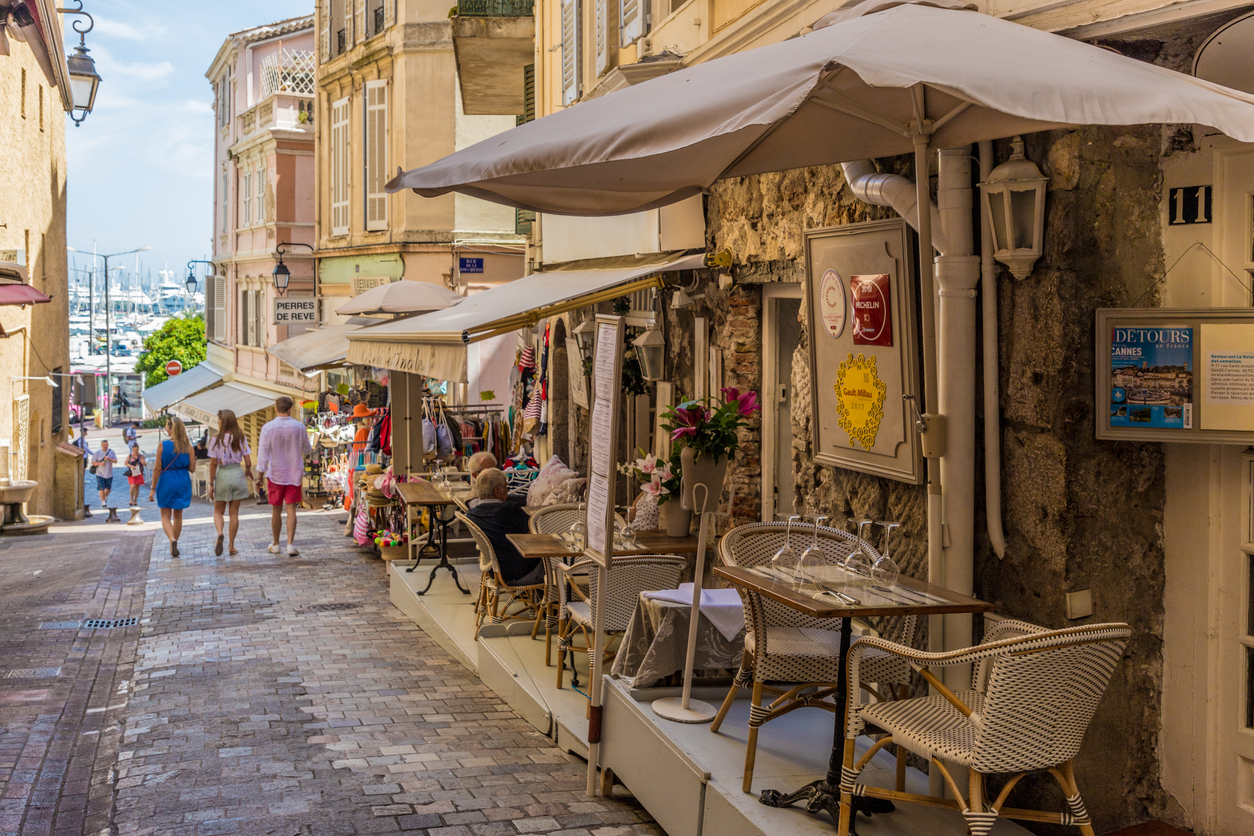
From Boulangerie to Bistro in Cannes: A Day of Eating Like a Local
There is a particular rhythm to eating in Cannes that starts with the aroma of warm butter at dawn and winds down with a glass of pale rosé at sunset. Beneath the city’s glossy surface lies a quietly confident food culture that thrives on seasonality, the sea’s good graces, and time-honored Provençal habits. Spend a day moving from boulangerie to bistro, with detours through markets, wine bars, and island vineyards, and you begin to taste why locals here still shop with baskets, argue cheerfully over tomatoes, and debate the right olive oil for artichokes.
For a broader view of Cannes, its neighborhoods, traditions and local highlights, see our complete guide to Cannes.
Sunrise at the Boulangerie: Where the Day Begins
The streets of Cannes are soft and quiet early, a few café terraces setting out chairs, the sky rinsed in light over the port. Locals start their day not at a sit-down brunch, but at the counter of a neighborhood bakery or patisserie. It’s where the morning’s first choices—croissant or pain au chocolat, crème or citron—set the tone. In Cannes proper, the patissier-chocolatier Jean-Luc Pelé keeps early birds honest with pristine viennoiseries that shatter at the first bite. If you’re curious about regional sweet notes beyond classics, his fruit-forward tarts often lean into Côte d’Azur citrus and seasonal berries, while the macarons speak fluently of almonds and Provençal herbs.
Pastry people also drift to La Tarte Tropézienne, which brought its custard-and-brioche icon from Saint-Tropez to Cannes, now a firm fixture along rue du Commandant André. The brioche is thick, the cream scented discreetly with orange blossom, and locals will argue amiably about whether the mini portions are more balanced than the classic slices. Pair either with a café allongé at the counter and you’re already speaking the language of the city’s morning.
What to Order—and When
Morning is for butter and bread. A few time-tested moves:
- Baguette tradition to go, split later at home with salted butter and fig jam.
- Croissant for standing at the bar; pain aux raisins if you plan to walk the old quarter after.
- Seasonal fruit tart if the market is bursting with strawberries or apricots; citrus tart in winter when the region’s lemons are at their sharpest.
Locals keep breakfast brief. The next stop is the real heart of Cannes’ food culture, and it opens early.
The Heartbeat of the City: Marché Forville
By mid-morning, Marché Forville hums. Framed by terracotta roofs at the foot of Le Suquet, this covered market runs Tuesday to Sunday with plenty of growers at their stands, while Mondays transform into a sprawling brocante. The produce is local by instinct and often by law: look for signs noting “producteur” to find farmers rather than resellers, and don’t be surprised if the person weighing your strawberries picked them that morning in the hills behind Grasse.
Stalls bristle with courgette flowers in summer, tomatoes heavy with scent, and, when the season arrives, the mimosa of nearby Tanneron. Fish counters gleam—red mullet, dorade, and occasionally spiny lobsters that will later anchor a bouillabaisse along the port. Cheese lovers gravitate to the Ceneri counters, where ripened goat rounds and truffled brie sit beside mountain tommes. Olives, too, demand decisions: tiny niçoises for salads, plumper green varieties crushed with lemon peel or fennel seeds for aperitif. Bread baskets are filled later in the day with fougasse, studded with olives or anchovies, a savory cousin to breakfast’s sweeter breads.
Etiquette is simple: greet with a bonjour, let the vendor select soft fruit (they’ll ask when you plan to eat it), and never squeeze anything without asking. If you’re assembling a picnic, point at cheeses “pour aujourd’hui” for ripe choices, and ask for “une petite dégustation” of olives to find your favorite cure.
Rue Meynadier: Old-Town Pantry Street
Just next to Forville, Rue Meynadier holds on to its role as Cannes’ pantry. It’s where many residents detour for charcuterie, olive tapenades, pastries, and chocolates from names they trust. Jean-Luc Pelé’s shop adds a sweet punctuation mark to the street; elsewhere you’ll find butter-rich navettes and even jars of Provençal lavender honey. The street rewards curiosity—look up to spot faded shopfronts, and confirm hours if you plan a late-afternoon pass; many artisans close for a break between lunch and dinner.
Late Morning Rituals: Espresso, Savory Snacks, and the Market’s Spillover
With shopping baskets checked and berries tucked away, locals take a breather at cafés that ring the market and the edges of the old town. A short espresso remains the default; a noisette (a small shot “stained” with milk) for those who prefer a soft edge. On some mornings you might find a stall frying panisses—golden chickpea fritters, crunchy outside and custardy within—sprinkled with salt and eaten hot. Pissaladière, caramelized onions crowned with anchovies and olives, travels well if you’re still planning lunch. And if you see a vendor handing over hefty wedges of socca, the chickpea pancake from nearby Nice, grab a portion while it’s warm and peppery.
This is also the time to drop a jar of rouille into your bag if you’re planning fish soup later, or to order a pan bagnat—salad niçoise in sandwich form—to take to the quay. Cannes may honor the Mediterranean’s many influences, but the small details are steadfastly local: olive oil on everything, anchovies where some might reach for capers, and a fondness for thick-skinned, flavor-packed tomatoes when they hit their stride.
Lunch Like a Cannois: Seafood at the Port and Provençal Plates
Lunch in Cannes typically means sitting down between noon and 2 p.m., with smaller kitchens closing after service. On the port side, a handful of addresses shuttle between the boats and the stove all afternoon. Astoux et Brun has long been a standard for seafood platters and oysters on ice, particularly when the sea is kind and the choice runs deep. Order a plateau mixte, add a side of whelks (bulots) with homemade mayonnaise, and spend an hour prying open the briny, the sweet, and the firm, choosing a crisp white from Provence to match.
A few steps away, Le Caveau 30 handles classics robustly: soupe de poisson with croutons and rouille, grilled sea bream, and occasionally a proper bourride if the day’s catch suits. It’s the kind of place where artichokes barigoule or a simple salad of mesclun with anchovies can round out lunch without weighing it down. If your sights are fixed on Provençal comfort rather than pure seafood, Da Bouttau – L’Auberge Provençale in Le Suquet remains a charter member of Cannes’ old guard. The menu leans toward stuffed vegetables (petits farcis), daube with orange notes, and rabbit with olives, dishes that don’t chase trends so much as keep faith with recipes written for sun, sea, and nearby hills.
When the weather is generous and you have a few hours to spare, a short boat ride changes the frame. On Île Saint-Honorat, La Tonnelle sits almost in the vines, serving simple, sunlit plates that naturally pair with the island wines made by the monks of the Abbaye de Lérins. Think grilled octopus with lemon oil, or a tomato salad punctuated by ripe goat cheese, then a glass of Saint-Césaire or Saint-Honorat to discover that local chardonnay and clairette can show a salty, Mediterranean accent. The island lunch isn’t an everyday thing for most residents, but it’s close enough to feel part of the local week when time and tide allow.
An Afternoon of Artisans: Chocolate, Gelato, and Olive Oil
After lunch, Cannes slows—the afternoon favors a shaded walk and a sweet interlude. The chocolate side of Jean-Luc Pelé’s work comes into focus now: fine-boned bars flavored with herbs or citrus peels, pralines that snap cleanly, and seasonal collections that echo what you saw that morning at Forville. If the day runs hot, choose an ice cream; many makers in town lean toward balanced fruit sorbets—strawberry, apricot, citrus—where ripeness trumps sugar. La Tarte Tropézienne returns here as well: a small cream-filled brioche can strike the right note when you’re thinking ahead to an evening aperitif.
Olive oil is Cannes’ other sweet habit, if you’re inclined to taste it that way. Bottles from the Moulin d’Opio—an old mill in the hills above—often show up on restaurant tables and in deli shops; their green fruit oils deepen a tomato’s flavor or finish a grilled fish with a bit of pepper and grass. Locals tend to keep two oils at home: one mild for cooking and vinaigrettes, and one assertively green for finishing. Explore a few bottles side-by-side, and you’ll start to spot the fruitiness and bitterness dance that signals a good harvest.
Rosé O’Clock: Aperitif Culture and Wine Bars
Around 6:30 p.m., Cannes tilts toward the aperitif. This is not a grab-and-go drink; it’s a buffer between day and dinner, ideally with something salty to nibble. If you’d like to sit among people talking about vintages instead of volume, Le Bar à Vin on rue Marceau keeps a thoughtful selection by the glass and bottle, ranging across Provence and into the Rhône and Burgundy. On many nights you’ll find the tables dotted with small plates—cheeses, charcuterie, olives—enough to build a quiet pre-dinner structure without stealing the appetite.
Closer to the market, Cave Forville plays a similar role on a slightly different wavelength, weaving in local producers and regular tastings. It’s a good place to calibrate your sense of regional rosé: grapes like grenache, cinsault, and tibouren yield different results, and the mineral bite you may taste is less a cliché than a reflection of poor, stony soils and a steady sea breeze. If you’re leaning white, ask after Rolle, the local name for vermentino, which handles grilled seafood deftly. And don’t sleep on reds: lighter-bodied, herbal, and refreshing when lightly chilled, they can be a tonic in shoulder seasons.
Dinner in the Old Town: Bistro Classics with Personality
By dinner, Le Suquet’s lanes are all murmurs and clinked glasses, and Cannes’ bistro culture comes into its own. Mantel – Table 22, headed by chef Noël Mantel, distills the day’s market into plates that read classically but land with precision—maybe roasted monkfish with fennel, or veal with seasonal mushrooms and a light jus. Wines often nod to nearby appellations and the best of Provence, with thoughtful pairings that don’t lean too hard toward fashion.
Le Bistrot Gourmand, just downhill from Forville, lives up to its name with a menu tuned to what’s freshest that morning. Expect dishes like line-caught sea bass with citrus and fennel, zucchini flower beignets when they arrive at market, and a chocolate dessert that tastes of cocoa rather than sugar. L’Affable—city center rather than old town—leans into comfort with finesse: a roasted chicken jus that begs for bread, a crisp-skinned fish with properly glossed vegetables, and a soufflé that’s become a calling card. It’s the kind of place where regulars settle in to talk to the staff about tomatoes as much as they do about wine.
In the fire-and-smoke corner sits Le Maschou, a stalwart of Le Suquet where vine-stem embers and a rustic salad bowl on the table set a different tone. The grill marks are not a gimmick; they’re a signature. The simplicity works because the buying is good, and the seasoning is confident—or, as locals might say, they don’t hide the flavor everyone came for. If you want to dip back into kitchens that remember the city’s earliest restaurants, Da Bouttau makes a fitting encore rather than a repeat visit, particularly if your appetite points toward aioli platters or braised meats when the weather cools.
How Cannois Eat Dinner
- Reservations matter, especially in summer and during festivals; a simple call in the late afternoon helps.
- Kitchen rhythms: many start service around 7:00–7:30 p.m. and hit their stride after 8:00 p.m.
- Bread is often for sauce, not for snacking before the meal; keep a bit aside for the right moment.
- Ask about the day’s fish and the garnish—vegetables are not an afterthought here.
Beyond the Glass: Meeting Local Winemakers and Producers
Part of eating like a local is knowing where the bottle came from. Cannes has a front-row seat to a few unique producers who shape its tables. The monks of the Abbaye de Lérins tend vines on Île Saint-Honorat, crafting cuvées that often age in oak with a careful hand. Small plots and maritime exposure lend the wines a singular personality; try a vertical tasting in town if a restaurant has multiple vintages open, or make a daytime ferry crossing for a vineyard stroll. Whites can be textured without heaviness, reds herbal and elegant, and all of them seem to taste better with the island’s light.”
To the west in Mandelieu-La Napoule, Domaine de Barbossi works a mosaic of terroirs along the Siagne valley. Restaurants in and around Cannes pour their wines alongside olive oils and citrus from the same estate. The style tends to be accurate rather than flamboyant, which suits the Riviera’s food—think grilled dorade, zucchini carpaccio, and shellfish. These producers aren’t marketing machines; they’re neighbors whose bottles drift naturally onto local wine lists.
Further east, Nice’s Bellet appellation often finds its way into Cannes cellars by the curiosity route. Wines from estates such as Clos Saint-Vincent or Château de Bellet bring high-altitude freshness and a distinct set of grapes (folle noire for reds; rolle for whites). If you see Bellet by the glass around aperitif hour, it’s worth a detour—the lift and salinity can reset the palate before dinner.
A Market-to-Table Afternoon: Cooking, Classes, and Tastings
Not every local day is spent fully at the table; some are devoted to simply learning the products. Marché Forville aisles double as a classroom: talk to growers about courgette flowers in June, ask a fishmonger to explain the difference between rascasse and lotte, taste three olive oils to understand fruitiness, bitterness, and pungency. Many wine shops and caves in town host informal tastings in the late afternoon—Cave Forville among them—where a few sips can change how you think about pairing.
Seasonal cycles reward repeat visits. Winter is citrus and leafy greens; spring brings peas, fava beans, and the first strawberries; summer loads the tables with tomatoes, peaches, and late cherries; autumn returns mushrooms and figs. For a broader introduction to the French Riviera beyond Cannes, see our Côte d’Azur travel guide. The best bistros feel in step with these shifts not as an affectation but because their regulars expect it. If a place in Cannes is steadily full without a shouty sign, chances are it has tuned itself to this calendar.
Sweet Finishes and Nightcaps: Gelato, Digestifs, and Old-World Habits
By the time dinner winds down, Cannes returns to a strolling pace. Dessert doesn’t always mean sitting again—on warm nights, a sorbet cone can suffice. Lemon and strawberry often mark the peak of the season, but pistachio, hazelnut, and chocolate hold their own through the year. For those who like a structured finish, ask about local digestifs; a glass of limoncello may appear by habit in some places, though a small pour of marc or a regional eau-de-vie suits cheese plates and chocolate in cooler months.
One strictly local custom worth importing home: lingering without rushing the bill. Service is included in French prices—an extra euro or two left on the table is a nod to kindness, not an obligation. When the last sip lands, a late-evening walk through Le Suquet’s stone lanes or along the port bleeds off the meal and puts you back in step with the city’s night air.
Local Staples to Learn by Heart
If you want to sound like you’ve been eating here for years, order without blinking:
- Socca: a thin, peppered chickpea pancake, ideally warm from the pan.
- Panisses: chickpea fritters—golden, salty, addictive.
- Pissaladière: sweet onions, anchovies, olives on a sturdy crust.
- Petits farcis: vegetables stuffed with herbed meat or rice.
- Aioli: garlicky emulsion served with boiled fish and vegetables; vigorous, not shy.
- Rouille: saffron-garlic sauce for fish soups and bouillabaisse-style dishes.
- Fougasse: olive oil bread, sometimes perfumed with orange flower water or studded with olives.
Practical Notes: Timing, Market Days, and Ordering with Ease
Market rhythm first: Marché Forville runs Tuesday through Sunday in the morning; Monday is for antiques and curios. Arrive early for the fullest choice and gentler heat. Boulangeries start by 7 a.m. or earlier; by 10 a.m., the freshest viennoiseries often vanish. Lunch typically begins at noon and wraps by 2 p.m.; many kitchens close in the afternoon. Dinner service kicks off around 7:00–7:30 p.m. In festival periods and high summer, book dinner ahead—same day is usually fine in the shoulder seasons.
Ordering is friendly and straightforward. A few phrases grease the gears: “Qu’est-ce que vous conseillez aujourd’hui?” at a seafood counter or café bar invites the day’s tip. “Pour aujourd’hui” at a cheese stall signals you want something ripe now. Don’t be shy about tapenade, anchoïade, or new olive oils at deli counters—vendors expect to guide you through them. When it comes to wine, trust by-the-glass menus at stalwart bistros and wine bars; they’re generally curated with the menu and the season in mind.
A Day, a Map, a Memory
What distinguishes a day of eating like a local in Cannes is that it rarely needs a special occasion. It’s a sequence of small rituals: a warm croissant you eat on foot, berries chosen by a farmer who knows the field’s shade line, oysters that taste of the morning tide, a glass of rosé somewhere between conversation and contemplation, then a bistro plate where vegetables feel as considered as the meat or fish beside them. Pepper that with a pastry here, an olive oil there, perhaps an island wine when time allows, and you have the outline of a week, not just a day.
Cannes doesn’t trumpet this rhythm; it assumes you’ll find it if you keep your eyes at street level and ask a few questions. Names help—Astoux et Brun when you crave a platter, Mantel – Table 22 when precision calls, Le Bar à Vin when dusk arrives, La Tonnelle when the sea is calm—but the habit you’re learning is simpler. Wake with the bakers, let the market set your agenda, save appetite for dinner, and keep a hand free for a basket.
Planning a stay on the Côte d’Azur? Explore our collection of holiday villas and holiday homes across the Côte d’Azur.

