

 EN
EN  NL
NL
 DE
DE
 FR
FR

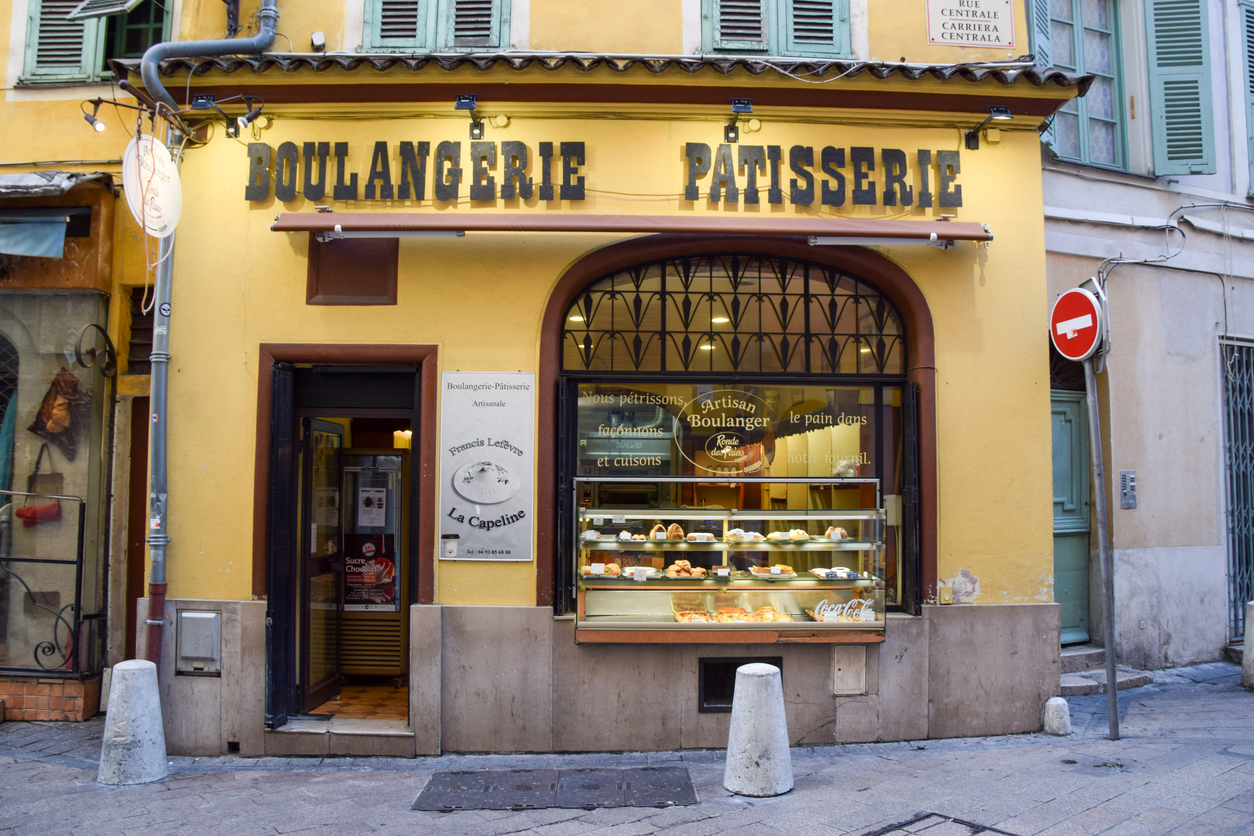
From Boulangerie to Bistro in Nice: A Day of Eating Like a Local
Nice rewards curiosity at the table. Its food culture is not a photogenic afterthought to the sea; it is the city’s rhythm and, in many ways, its language. A day of eating here moves to a human tempo—early market bustle, a late-morning slice of socca, a tidy lunch at a chalkboard bistro, the soft pause of the apéritif, and dinner that whispers of gardens, hillsides, and the port. If you’ve ever wondered how to eat like a Niçois, it helps to start with the produce, the time of day, and a few addresses where the city’s gastronomic identity is alive and well.
For additional context on neighborhoods, local traditions and seasonal ingredients across the region, you might enjoy browsing our complete guide to Nice and other local guides to the Côte d’Azur.
Morning Ritual: Croissants, Fougasse, and the First Coffee
Begin with the scent of butter and coffee. In Nice, that means a boulangerie counter lined with golden crescents, flaky pain au chocolat, and, if you’re lucky, a tray of olive-studded fougasse still warm from the oven. Head to Boulangerie du Palais just steps from the Cours Saleya. It’s a compact shop where the queue reveals the staples: croissants with a fine, shattering lamination; crisp baguettes for later; and occasional savory tarts that make a stealthy second breakfast. Across town on Rue Masséna, Chez Maître Pierre is another long-standing stop known for reliable viennoiseries and breads that hold their crust for hours. If you drift toward brunch territory, Déli Bo, a pâtisserie-kitchen not far from the Promenade, offers pastries alongside light breakfast plates; consider splitting a flaky kouign-amann or a slice of fruit tart to calibrate sweetness.
Locals rarely rush. Stand at the counter for a quick espresso or settle into a seat if there’s room—pastries first, coffee close behind. And while the French are not typically morning juice drinkers, in Nice you’ll occasionally find fresh-pressed citrus when winter oranges and grapefruits are at their glossy peak.
Where the City Shops: Cours Saleya and Libération Markets
Eating like a Niçois means seeing what people buy to cook at home. Cours Saleya is the postcard market, and for good reason: mounds of zucchini flowers, basil bunches exhaling their perfume, and olives in hues from green-gold to ink black. Early is best—arrive by 8:30 or 9:00 am to beat the crowds and watch chefs browsing in quiet focus. Tomatoes in late summer, tender artichokes in spring, and wild mushrooms in autumn set the menu for trattorie and bistros across town. If you see a farmer with courgettes still dusted by morning dew, that’s your signal to expect stuffed vegetables—petits farcis niçois—on chalkboards that night.
On Mondays, Cours Saleya becomes an antiques fair; for produce and a more everyday rhythm, many locals head to Marché de la Libération along Avenue Malaussena. The Libé market (as everyone calls it) is unvarnished and full of good buying: seasonal greens, glistening fish laid over ice, goat cheeses from the back country, and ripe peaches stacked in wooden crates. You’ll notice a higher percentage of people shopping with lists—they have dinner in mind. Nearby, the renovated Gare du Sud food hall nods to global bites, but the open-air stalls remain the neighborhood’s pulse.
If you’re curious about the day’s catch, amble to the small fish market on Place Saint-François in the Old Town, a tradition with modest stalls that speaks to Nice’s fishing heritage. For a broader introduction to the French Riviera beyond Nice itself, see our Côte d’Azur travel guide. Offerings come early and vanish quickly; it’s a window into what seafood might appear on menus hours later.
A Late-Morning Tradition: Socca, Pissaladière, and Panisses
Mid-morning in Nice belongs to chickpeas and onions. Socca, the city’s iconic chickpea crêpe, is a lesson in simplicity and heat. The batter—chickpea flour, water, olive oil, salt—is poured into a wide metal pan and plunged into a fierce wood-fired oven; minutes later you’re handed a blistered wedge, its edges crackled and its center tender. At Chez Pipo near the Port, socca has a slight smoky char and the habit of disappearing while it’s still too hot. In the Old Town, René Socca and Lou Pilha Leva serve the city’s greatest hits—socca, pissaladière (the sweet-savory onion tart with anchovies), and panisses (fried chickpea batons) that beg for a sprinkle of salt and a squeeze of lemon. At Cours Saleya, keep an eye out for Chez Thérésa, a venerable stall sending out socca by the slice with brisk efficiency; a dusting of black pepper brings it into local territory.
What to order depends on the hour. Before noon, a wedge of socca or a rectangle of pissaladière is a perfectly valid “second breakfast.” Closer to lunch, consider a pan bagnat, the quintessential Niçoise sandwich: a round olive oil-brushed bun crammed with tuna or anchovies, tomatoes, peppers, olives, hard-boiled egg, basil, and enough oil to drip onto your wrist. Purists frown at add-ons like mayonnaise. Let the bread soak; it’s part of the pleasure.
Pastry and Coffee, the Local Way
If you’ve reserved your sweet tooth, Nice has a deep pastry and confectionery lineage. Pâtisserie LAC, with several addresses in town, balances elegance with precision—try a seasonal fruit entremets or a restrained chocolate éclair. Maison Auer, founded in the 19th century opposite the Opéra, is an ornate shop known for candied fruits and chocolates; it’s a window into the Riviera’s long love affair with citrus and flower-based sweets. Pâtisserie Canet on Rue Gioffredo is another stalwart for classic French patisserie with reliable execution.
For coffee, the city’s historical connection runs through Malongo, a local roaster whose Malongo Atelier Barista on Rue de la Liberté is a comfortable stop for espresso, cappuccino, and the occasional limited-origin pour-over. Don’t expect a third-wave scene on every corner; Nice’s coffee is more about steadiness than novelty, though you’ll find capable baristas who take milk texture and water temperature seriously. Pair your cup with a slice of tourte de blette sucrée if you spot it—a sweet Swiss chard tart dusted with icing sugar that tastes better than it sounds and belongs firmly to Niçoise tradition.
Lunch in Old Town: Chalkboards and Classic Niçoise Plates
Lunch in Nice is a punctual affair. Kitchens tend to open between noon and 12:30 pm and take last orders by 1:45 or 2:00 pm. The Old Town’s lanes are well stocked with small bistros that still read the seasons and negotiate prices at the markets each morning. La Merenda, an ascetic pocket restaurant once helmed by Michelin-starred chef Dominique Le Stanc, remains a rite of passage: no phone, no cards, tight seating, and an unembellished menu of Niçoise staples like pissaladière, daube niçoise with homemade pasta, and stockfish when it’s on. It’s as close as a restaurant can get to a grandmother’s kitchen without sentimentality.
A few minutes away, Le Bistrot d’Antoine favors a short chalkboard that changes daily, with generous plates that nod to the Mediterranean without straying from good sense. Its sibling, Le Comptoir du Marché, leans even more into market-led cooking—think grilled sardines, slow-cooked shoulder cuts in winter, and salads that taste of proper olive oil and lemon. For old-school charm, Chez Palmyre is tiny and unfussy, with a straightforward prix-fixe approach that keeps locals coming back. And Olive & Artichaut, small and serious, channels garden flavors into delicate but grounded dishes, especially when spring artichokes arrive in quantity.
Typical lunch orders might include: a plate of petits farcis (zucchini flowers, tomatoes, and onions stuffed with herbed meat or rice), rabbit with olives, or linguine tossed with clams when coastal catches are generous. Wines by the glass are normal, especially a pale rosé or a light, chilled red when the sun is high. Don’t shy from a carafe; it’s not a shortcut to mediocrity here.
Seafood and the Port: Oysters, Anchovies, and the Taste of Salt
Nice may be a garden-focused cuisine, but the sea defines the horizon. For shellfish, Café de Turin on Place Garibaldi has been opening oysters and plating bulging seafood towers for more than a century. The service is brisk, the feel slightly theatrical, and the bivalves—Gillardeau, Marennes-Oléron, or Belon depending on the slate—arrive icy and impeccably shucked. A squeeze of lemon is typical; vinegar-shallot mignonette is available but not obligatory.
Closer to the sea, the port area harbors a clutch of seafood-forward tables. Le Bistrot du Port does well with simply grilled fish, letting the day’s catch carry the plate. If you want a lighter, Mediterranean nose for citrus and herbs, Peixes near the Opéra riffs on crudos and ceviches with a Riviera lilt—think sea bream lifted by lime, olive oil, and a snap of fennel. Anchovies, whether marinated or fried, remain the quiet Niçoise essential; when you see them offered, order them, if only to taste the city’s enduring anchovy-olive love story in a single bite.
Afternoon Pilgrimage: Olive Oil, Candied Fruits, and Other Producers
After lunch, the city slows. Use the quiet hours to visit producers who tell Nice’s story beyond restaurant tables. In the Old Town, Alziari is a hallmark name in olive oil—house of the small, fruity cailletier olive that anchors many Niçoise dishes. Their shop on Rue Saint-François de Paule is more than a boutique; it’s a reference point, with tins and stoneware jugs that end up in professional kitchens as often as in travelers’ bags. Sampling different pressings underscores why a Niçoise salad can taste so clean and assertive with only oil, salt, and lemon.
For confections, Confiserie Florian operates a workshop by the Port where candied citrus peels, flower jellies, and chocolate-dipped orange slices are more than souvenirs; they’re part of a preservation tradition born from surplus fruit and sun. In winter and early spring, citrus is at its best—the moment to buy a jar of bitter orange marmalade or a box of peels with the right elasticity and glow.
Throughout the Old Town, you’ll notice small epiceries with anchovy pastes, tapenades, salted capers, and plump olives from inland. These are not just picnic fodder; they’re building blocks. A pot of olive paste and a loaf from your morning boulangerie can set up an effortless seaside snack before apéritif hour begins.
Bellet in the Glass: Wineries on the Hills and Wine Bars in Town
Nice holds a quiet viticultural ace: AOC Bellet, an appellation that sits entirely within the city limits on terraced hills above the Var Valley. The soils are mostly pebbly “galets roulés,” the air a mix of sea and mountain, and the varieties distinctive—Rolle (Vermentino) for whites; Braquet and Folle Noire for reds and rosés that drink with lift and spice rather than heft. Several domaines merit attention: Château de Bellet, with a chapel crowning its estate; Domaine de la Source, where the wines often show a clean, saline thread; Domaine de Toasc, which balances modern cellar work with local varieties; and Château de Crémat, a historic property whose hillside parcels give elegant reds when the vintage cooperates.
In the city center, wine bars are the ideal apprenticeship. La Part des Anges, near the station, reads like a naturalist’s notepad with well-chosen bottles from the Loire to Sicily and a warm respect for local domains. By the glass, ask for a Bellet white or rosé and compare it to a Provençal counterpart; the differences in salinity, fruit, and herb notes tell a terroir story in two sips. Le Canon, a compact bistro-wine bar near the seaside, pours joyfully unvarnished wines and serves a daily chalkboard that obeys the market—raw-milk cheeses, simply cooked vegetables, and whatever the fisherman has handed over. Over in the Old Town, Cave de la Tour maintains an old-Nice atmosphere with a counter, plates, and an unpretentious bottle list, while Cave Bianchi 1860 is part wine shop, part cellar, and a place to explore both Bellet and Italy’s near neighbors across the border.
For the uninitiated, an apéritif in Nice doesn’t demand a Negroni or a cocktail; a glass of pastis, a chilled vermouth, or a dry, slightly saline white is plenty. The hour is about tone-setting and hunger-stoking, not sating appetite.
Apéritif Habits: Small Plates, Natural Pause
From around 6 pm, cafés and wine bars ease into apéritif mode. The point is to sharpen appetite. Expect olives, perhaps a ramekin of almonds, or a little tartine if you’ve ordered a glass. Some spots do more. At Le Bistrot du Fromager, a cheese-centric cave in the Old Town, you might share a board with a glass of Savoyard white or a light-bodied red; the better boards mirror the markets, pairing alpine tommes and goat cheeses with seasonal fruit and a swipe of local honey. Les Distilleries Idéales on Rue de la Préfecture stands out for its Belle Époque room and a classic bar approach; a Kir with a dry white and a modest pour of crème de cassis is not out of place here, nor is a well-measured Americano.
Bar snacks worth seeking include panisses with a crisp shell and a creamy middle; little toasts smeared with anchovy paste; and in summer, chilled melon cubes folded with a few strips of cured ham. If you’re near the Port, watch for cuttlefish or anchovy fritters as a daily special—briefly fried, simply salted, and deeply satisfying.
Dinner at the Neighborhood Table: Niçoise Identity on the Plate
By dinner, appetite and curiosity should be acquainted. To see Niçoise cooking in full voice, choose a bistro that treats vegetables and fish with the same seriousness as meat. Le Canon, mentioned earlier for its wines, becomes a dinner destination with a terse, daily-changing menu: line-caught fish with fennel and citrus in summer; slow-cooked beef or a grilled pork chop with a bitter leaf salad when evenings cool; and always a vegetable or two that taste like they were picked at 8 am. At La Table Alziari in the Old Town, the kitchen nods to the family’s olive oil heritage; dishes are often dressed to lift rather than smother, and a plate of cod with aioli might be the most Niçoise thing you eat all week.
For a fuller survey of the city’s home cooking, Restaurant Acchiardo, a family-run address on Rue Droite, has been welcoming regulars for generations. Expect soupe au pistou when basil is fragrant, ravioli niçois with beef and chard, and stews like daube that taste of patient reductions. The room tends to fill with people who know what they’ve come for; the mood is relaxed, the service brisk but kind. Across town, Le Bistrot d’Antoine remains equally persuasive at night—rabbit with olives, braised octopus, or calf’s liver when it appears—all grounded by the sort of sauces that earn second helpings of bread without apology.
The best dinners here are not complicated. They are built from a tomato that tastes of sun, an anchovy that’s been treated with care, a handful of summer herbs, and an olive oil that knows when to shimmer and when to stand back. If you remember one rule, it’s this: ask what’s good today and listen with intent. The cook likely walked the market you did.
Sweet Closers: Gelato, Chard Tart, and Chocolate
Nice finishes on a soft note, often cold. Fenocchio, on Place Rossetti, has been scooping ice creams and sorbets long enough to earn trust and indulgence in equal measure. Classic flavors—pistachio, dark chocolate, lemon—are safe; more local riffs like olive, tomato-basil, or violet can charm or polarize depending on the day. Arlequin Gelati on Boulevard Gambetta keeps a tighter focus on texture and seasonal fruits; summer strawberry is invariably bright, and melon can verge on savory in a way that pairs beautifully with a neutral cone.
If you veer back toward pastry, Pâtisserie LAC’s chocolate work rewards attention: thin-shelled bonbons with deftly balanced ganaches and pralines, or a slice of a dark chocolate entremets that feels engineered for the Riviera’s humidity. For a final bite anchored in Nice alone, go hunting once more for sweet tourte de blette. The filling—chard, raisins, pine nuts, and a hint of orange flower water—makes sense after a day of eating here; it tastes of thrift, garden smarts, and a love for perfume that spans centuries.
Seasonality, Timing, and Other Ways to Blend In
To eat like a local in Nice, follow the clock and the calendar. Markets hum in the morning and wind down by early afternoon. Lunch runs from about 12:00 to 2:00 pm; dinner service often begins around 7:00 pm, with peak tables between 8:00 and 9:00. Sundays and Mondays can be tricky—some kitchens take a rest; the best plan is to keep a short list of alternatives and be flexible. If a place doesn’t take reservations, arriving at opening time is a reliable strategy, especially for compact bistros in the Old Town.
Seasonal cues are everywhere. Winter means citrus, cardoons, and sturdy greens; expect stews, soups, and gratins. Spring shines with artichokes, peas, and zucchini flowers that appear batter-fried, stuffed with herbs, or folded into pastas. Summer is a pageant of tomatoes, aubergines, peppers, basil, and the youthful wines that suit them. Autumn tilts toward mushrooms, figs, and the first cool evenings that make braises and polentas feel right again. Through it all, olive oil—often from Alziari or small inland mills—anchors dressings, sautés, and finishes. Butter plays a supporting role; the Niçois pantry leads with olives, anchovies, capers, garlic, and herbs.
When ordering, ask for the day’s fish rather than a specific species; cooks buy what looks good and what the sea allows. Consider carafes of house wine alongside bottles; in many bistros, the selection by the glass is curated with care. And pacing matters: an apéritif, a starter to share, a main, perhaps a salad of bitter leaves before dessert—that framework leaves room for conversation and the small surprises of a kitchen that changes with the market.
An Evening Ramble: A Few More Addresses Worth Knowing
Nice rewards repeat visits, but even in a single day you can sketch the city’s edible identity with a handful of addresses. For a compact tasting of Niçoise street classics in one place, René Socca and Lou Pilha Leva deliver with speed and steadiness. If dinner leans more toward seafood, Le Bistrot du Port’s straightforward grilling respects a fresh catch. For wine and a plate that behaves like a second course, La Part des Anges and Le Canon show how natural-leaning lists can be hospitable rather than dogmatic. In pastry, Maison Auer’s candied fruits connect the present to a 19th-century Riviera; Pâtisserie LAC brings precision to contemporary chocolate.
If you have an extra hour before dinner, thread the Port and the Old Town, stopping for an olive oil tasting at Alziari and a handful of Nice’s small epiceries that specialize in tapenades, anchovy pastes, and olives. Pack a paper bag with a few jars and a baguette. Later, on the Promenade or on a quiet bench along the Paillon, you’ll have exactly the sort of impromptu snack that passes for a local habit here: simple, salty, and buoyed by sea air.
Putting It Together: A Sample Day’s Itinerary
Morning
- Boulangerie du Palais for a croissant and a rustic fougasse.
- Stroll Cours Saleya for produce; taste olives, smell basil, and note which vegetables are in force.
- Socca at Chez Thérésa’s stall or a short walk to Chez Pipo by the Port if you prefer a sit-down slice.
Midday
- Lunch at Le Bistrot d’Antoine or Le Comptoir du Marché; order petits farcis or grilled sardines if they’re on the board.
- Espresso at Malongo Atelier Barista; sweet stop at Pâtisserie LAC or Maison Auer.
Afternoon
- Producer visits: Alziari for olive oil, Confiserie Florian by the Port for candied fruits.
- Pause at a wine bar—glass of Bellet rosé at La Part des Anges or a crisp white at Le Canon.
Evening
- Apéritif with olives and panisses at Les Distilleries Idéales or Le Bistrot du Fromager.
- Dinner at La Table Alziari, Restaurant Acchiardo, or Le Canon, depending on your appetite and mood.
- Gelato at Fenocchio on Place Rossetti or Arlequin Gelati for a final, cool bite.
Why Nice Tastes Like Nowhere Else
Nice’s food is a conversation between garden and sea, with Italy whispering from the east and Provence murmuring from the west. Its signature dishes—socca, pissaladière, pan bagnat, petits farcis—are not chef inventions; they’re democratic foods, built from ingredients that thrive here and habits that respect the day’s tempo. Bistros worth your time write menus only when they know what the market looks like. Wine bars pour bottles that echo the city’s light and its appetite for herbs, citrus, and salt. And even its sweets, from violet-scented confections to chard tarts dusted like snow, feel anchored in place.
To eat like a local in Nice is to pay attention: to what’s piled high on market tables, to what the sea has allowed, to when the streets grow quiet and when they lean into noise. Begin with a boulangerie crumb and end at a bistro table, and the city will have said something clear and generous: this is how we live, and this is how it tastes.
Planning a stay on the Côte d’Azur? Explore our collection of holiday villas and holiday homes across the Côte d’Azur.

