

 EN
EN  NL
NL
 DE
DE
 FR
FR

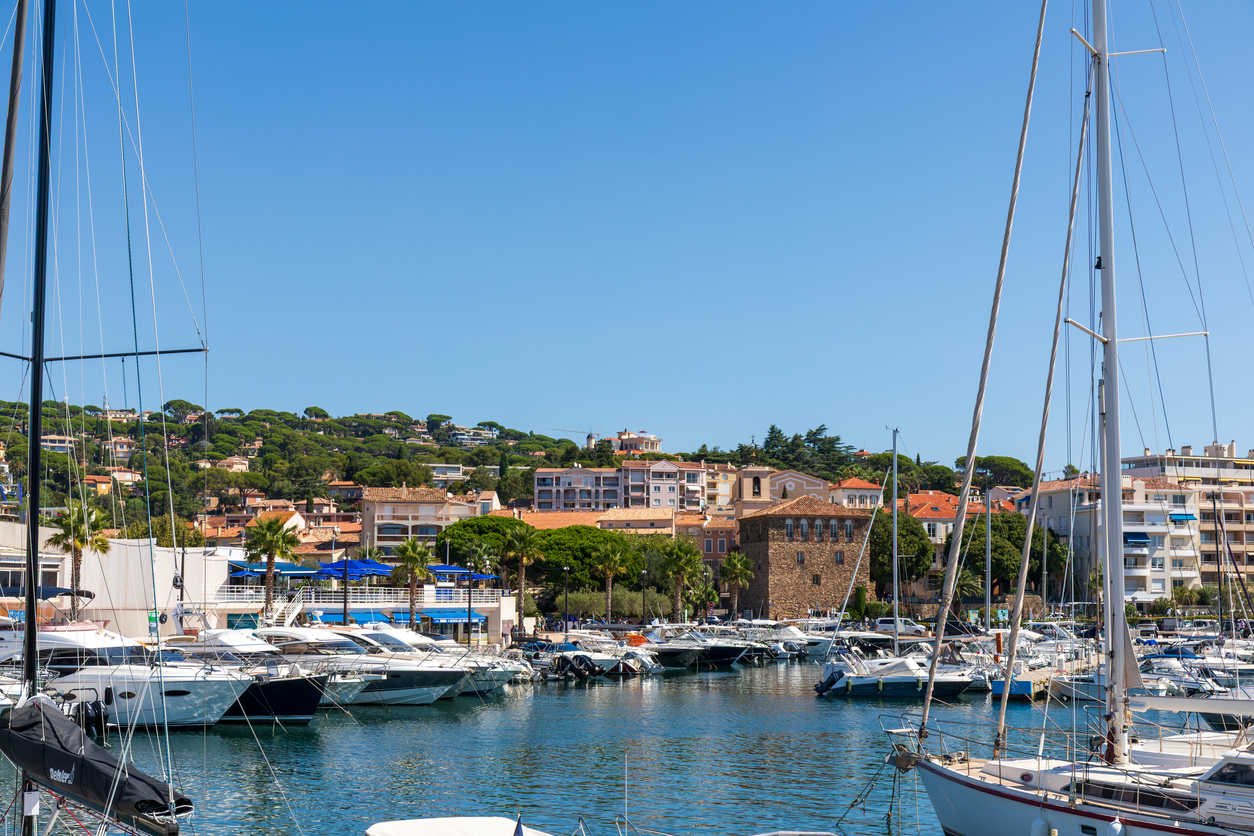
Coastal and Hillside Walks from Sainte-Maxime
Sainte-Maxime sits at a sweet spot on the French Riviera where easygoing coastal paths meet fragrant, forested uplands. If you love walking, you can step out from the seafront and find yourself, within minutes, on a wave-swept headland, a shady cork-oak track, or a ridge with a sea-to-summit panorama across the entire Bay of Saint-Tropez. This guide gathers a walker’s-eye view of the best coastal and hillside routes you can enjoy from Sainte-Maxime, with practical tips, seasonal advice, and a few local nuggets you won’t always find in quick summaries.
Getting Your Bearings: Coast, Hills, and the Bay
Think of Sainte-Maxime as the northern curve of a vast amphitheater of sea and hills. To your south is the mirror-bright Bay of Saint-Tropez; to your east, the low-slung shore arcs toward Les Issambres; and just behind town the land rises into the first rounded shoulders of the Maures mountains. That mix of shoreline and upland is why walks here are so rewarding: you can start on a palm-lined promenade and, in less than an hour, be among cork oaks and heathers, with the Mediterranean flashing through the branches.
Two names you’ll hear often on the coast are La Croisette and La Nartelle. La Croisette is the gently curving seaside just east of the old port, and La Nartelle is a long, blonde-sand beach a little farther along. Between them hides a scenic, craggy headland—Pointe des Sardinaux—where rocky shelves brim with rockpools, Aleppo pines lean into the breeze, and relics of World War II crouch among the scrub. Inland, you’ll quickly come across the Col du Bougnon, a pass that hikers and cyclists alike use as a gateway to the low ridges between Sainte-Maxime and Les Issambres.
When to Walk: Light, Seasons, and Sea Breezes
Walkers in Sainte-Maxime get three gifts from the local climate: luminous winter light, long spring blooms, and late, lazy evenings in summer. Each season has its character:
- Winter and early spring: Crisp visibility makes hilltop views astonishing. You’ll see the snowcaps of the distant Alps on bright days. Paths are quieter, and daytime temperatures are ideal for sustained hikes.
- Late winter to early spring: Mimosas burst into yellow fireworks across the Maures. You’ll smell honeyed scent along many upland tracks, especially after light rains.
- Late spring and early summer: Morning is prime time on the coast—calm, glassy sea, fewer crowds, and softness in the light for photography.
- High summer: Start early or aim for sunset. Midday heat on rock and sand can be fierce. The sea breeze helps, but coastal rock can radiate heat; choose shaded hillside routes if you’re walking in the afternoon.
- Autumn: Warm seas, mellow light, and changing hues in the scrubland make for atmospheric walks. Occasional storm systems bring dramatic skies—check weather before committing to long ridge routes.
One extra note: the mistral, a dry northwesterly wind, can blow with conviction. On such days, coastal walks are still possible—sea spray will sparkle, and air clarity is unbelievable—but consider more sheltered inland tracks under the cork oaks if gusts feel tiring.
Essentials Before You Set Out
A few local habits make walking here more enjoyable:
- Maps and waymarking: The classic paper reference is the IGN 1:25,000 map covering the Bay of Saint-Tropez and the Maures. Many trails carry the familiar waymarks: yellow blazes for local paths (PR) and red-and-white for long-distance (GR), though coastal segments sometimes rely on discrete posts and painted arrows. In town, look for brown pedestrian-sign panels pointing to beaches and headlands.
- Water and shade: Public fountains occasionally dot the seafront, but not every beach has one. Refill whenever you see a fountain and carry more water than you think you’ll need—especially if a route moves inland. A broad-brim hat is priceless in summer.
- Footwear: The coastal path includes smoothed rock slabs, compacted sand, and occasional uneven steps. Sturdy walking shoes with a good grip beat beach flip-flops for anything beyond the promenade.
- Forest access: The Var department sometimes restricts forest access due to fire risk, particularly in high summer. You’ll find color-coded notices at main trailheads. If it’s a red-alert day, choose shoreline or urban green spaces instead.
- Transport basics: Local buses connect Sainte-Maxime with Les Issambres and beyond; there’s also a frequent ferry service by Bateaux Verts across the bay to Saint-Tropez. For walkers, this means you can plan one-way routes without backtracking.
Easy Coastal Wanders: Step Straight from Town
One joy of Sainte-Maxime is how quickly a stroll can become a “walk,” without any logistics. Start at the old port and head east along the promenade and you’re on a front-row balcony over the bay, with bobbing boats, parasol pines, and the soft clink of halyards. You’ll pass the Tour Carrée, a square tower that anchors a small heritage museum, and then continue along a broad, well-kept path by the sea. Early in the day, locals amble with dogs or stop for a quick espresso; by late afternoon, pétanque balls click under the plane trees near the waterfront courts.
The Promenade and the Garden of Myrtles
A lesser-known pause along this stretch is the Jardin Botanique des Myrtes, a modest but delightful botanical garden tucked just off La Croisette. It’s an easy add-on to a seafront walk—think 20–30 minutes of slow wandering among Mediterranean species like myrtle, cistus, arbutus, and lentisk, with plant labels that help you put names to the fragrances you’ll meet again in the hills. If you’re walking with kids, it’s a gentle break from open shoreline.
Across the Préconil Footbridge
Another small pleasure, particularly at sunset, is the pedestrian footbridge over the mouth of the Préconil. The river’s short run to the sea creates a broad sweep of sand on either side; in calm conditions you’ll see reflections of pastel skies in the shallows. From the bridge, continue east to link up with the beaches leading toward La Madrague and, eventually, the headland at Pointe des Sardinaux.
Pointe des Sardinaux: A Pocket Wildland at the Water’s Edge
Sainte-Maxime’s most characterful coastal walk is the compact loop at Pointe des Sardinaux, a low, rocky cape where shorelines fold into small coves and pines cast moving shade on flat shelves of stone. If you can spare just one hour for nature on the edge of town, make it here.
Approach along the coastal path from La Madrague or La Nartelle. As you near the tip of the headland, the sounds shift: waves slapping rock rather than rolling sand, gulls riding the lift, cicadas thrumming on summer days. Keep an eye out for the remains of World War II defenses—weathered concrete bunkers set among scrub and pistachio lentiscus. They’re a sober reminder that this shore formed part of the August 1944 Allied landings in Provence.
Circle the headland clockwise to keep the sea on your right. You’ll find numerous places to sit on flat rock benches and watch the dance of light over the water. In calm seas, the glassy pools between slabs become impromptu aquariums. Kids can peer for blennies, hermit crabs, periwinkles, and the velvety green bloom of algae; adults will appreciate the scent palette—iodine, pine resin, a hint of wild thyme crushed underfoot.
For photographers, dawn rewards the early riser: the sun lifts behind the Estérel and sends a band of silver across the bay. In winter, the low arc of the sun gives long shadows and textures; in summer, the late evening glow is kinder for portraits and landscapes alike.
The Sentier du Littoral Toward Les Issambres
From La Nartelle, a classic Côte d’Azur experience unfolds: the coastal path, or sentier du littoral, threading along the water toward Les Issambres. This path alternates between purpose-built walkways and more natural sections over rock and sand, but the principle is consistent—keep the sea to your right as you head east, and enjoy a constantly changing sequence of coves, capes, and glimpses into the daily life of the shoreline.
Highlights along this stretch include the rugged inlets around Pointe de la Rabiou and the softer, family-friendly coves closer to San Peïre in Les Issambres. But the standout for history-minded walkers is the Roman fish farm—the Vivier Maritime—at La Gaillarde, where you can still make out stone walls that once formed seawater tanks for breeding and storing fish. At low tide on calm days, the layout becomes surprisingly legible. It’s one of those places that quietly collapses twenty centuries into a single view.
As you near Les Issambres, the coast tumbles into a sequence of small calanques—reddish rock tongues dipping into green water. On summer afternoons you’ll see snorkellers finning along the base of the cliffs; on winter mornings, the same coves can feel like private amphitheaters of sound, every wave magnified.
Family-Friendly Discovery on the Shore
If you’re introducing young walkers to the coast, the area between La Madrague and Pointe des Sardinaux works beautifully. The route is varied enough to keep everyone interested, with frequent “mini-missions” you can set:
- Find three kinds of shells and compare their shapes and textures.
- Spot a limpet on the rock and explain how its “home scar” fits like a key in a lock.
- Look for traces of the Posidonia oceanica seagrass—brown fiber balls called egagropili that wash ashore after storms, and mats of leaves that safeguard dunes.
- Count the number of pine species you can see—Aleppo pine is most common, but stone pines with umbrella crowns are easy to recognize too.
Bring a small magnifier to turn tidepool visits into true exploration. If jellyfish warnings are posted—usually for the mauve stinger in summer—stick to shoes-off paddling at the edge and make the rocky pools the day’s focus instead of open-water swimming.
Hillside Rambles: From Sea Breeze to Cork Oak Shade
Walk a few streets inland from the seafront and you’ll feel the slope under your feet. Sainte-Maxime’s backcountry begins almost immediately, with sandy tracks and narrow lanes rising toward mixed woodland. These are not alpine peaks—think 150 to 400 meters of elevation—but the views are disproportionate to the effort.
The Col du Bougnon Ridge Loop
A favorite short, moderately energetic outing is the loop around the Col du Bougnon. The pass sits on the road between Sainte-Maxime and Les Issambres, but walkers can link up from neighborhoods on either side and stitch together a ridge-and-valley circuit. Once you gain the crest—recognizable by low scrub, broom, and heather—the bay unfolds like a topographic model. To the west, the Maures roll away in soft humps; to the east, on clear days, you might spot the russet fingers of the Estérel.
Look down, too. The vegetation here tells a story: cork oaks with bark like dark chocolate; arbutus (strawberry tree) with peeling cinnamon skins; myrtle with small, aromatic leaves. In winter, light frosts are rare and short-lived; year-round, the sandy soils drain quickly, which is why these hardy plants thrive.
Above the Golf Course: Quiet Tracks with Big Views
Above the Sainte-Maxime golf course, a network of service tracks and footpaths offers relaxed hillside walking. The terrain is forgiving and views are surprisingly expansive, especially where clearings open toward the sea. On early mornings, golfers’ calls carry up faintly, but just a few minutes away under the oaks you’re in a calm, resin-scented world. If you prefer to avoid steep climbs but still want that “top-deck” perspective, this area is ideal.
Plan-de-la-Tour and the Lower Maures
If you’re happy to travel a short distance inland, the countryside around Plan-de-la-Tour lets you sample the Maures in miniature. Expect chestnut groves on cooler slopes, streambeds that run after rains, and long, weaving tracks perfect for half-day loops. Keep an ear out for the drumming call of green woodpeckers and, if you’re lucky, the harsh scold of jays mobbing a passing buzzard. In spring, orchids can dot the verges—nothing extravagant, but small discoveries that reward an unhurried pace.
A Day Out on the Rocher de Roquebrune
For a striking change of scenery, the Rocher de Roquebrune makes a superb day’s outing from Sainte-Maxime. The triple-peaked red sandstone massif rises above the Argens plain, and the usual circuit climbs to the “three crosses” on its crest. While not coastal, it’s a classic walk within easy reach: fragrant pines, sculpted rock, and a ridgeline view that sweeps from the Maures to the Estérel and beyond.
The rock’s color deepens in the golden hours, so consider a morning ascent if you want crisp air and long views, or a late-day climb if you’re drawn to saturated tones for photography. The descent often follows a loop, so you’ll encounter changing vegetation and outlooks. On quieter days you might share the slope with a handful of climbers, who love the rock’s pockets and grippy texture.
History and Culture Along the Way
Walking here is as much about stories as scenery. A few to look for:
- World War II traces: On and near Pointe des Sardinaux, you’ll encounter concrete blockhouses and rusted fittings. These are relics of the wartime coastal defenses, part of the context for the Allied landings in August 1944. Several small memorial plaques along the La Nartelle stretch commemorate units and events from that period.
- The Roman fish farm: At La Gaillarde near Les Issambres, the Vivier Maritime reminds you that this coastline has been provisioned by sea trade for millennia. From the path, take a moment to pick out the walls at low tide.
- Tour Carrée: Back in town, the square tower by the waterfront houses a small heritage collection. Even if you don’t step inside, it anchors the historical silhouette of Sainte-Maxime’s port and makes a point of reference as you begin or end seafront walks.
Keep an eye, too, for hand-painted tiles on older walls indicating property names. These little signs often reference local plants, winds, or family histories, and they add texture to the urban edges of your routes.
Wildlife and Flora: What You’re Smelling, Seeing, and Hearing
Part of the pleasure of walking here is sensory. If you know a few names, your awareness sharpens:
- Maquis shrubs: Cistus (rockrose) with crinkled white or pink flowers; myrtle with starry blossoms and berries; lentisk with resinous leaves; and heaths that dust the slopes in white or pink.
- Trees: Cork oak with thick, fissured bark that looks almost sculpted; holm oak with deep-green, leathery leaves; Aleppo pine with airy crowns and curved trunks; and stone pine with parasol shapes and big, woody cones.
- Birdlife: Sardinaux attracts yellow-legged gulls and cormorants; in migration season, watch for small flocks of finches skimming along the coast. Inland, listen for serins’ busy trills and the occasional, mournful call of a hoopoe.
- Marine life: Tidepools are nurseries. You’ll find anemones like small red pom-poms and periwinkles grazing on film algae. Farther out, offshore seagrass meadows of Posidonia oxygenate the water and stabilize sand—respect any cordons protecting dunes or grass accumulations.
- Seasonal extras: After rain, the hills release a distinctive perfume—a blend of pine resin, crushed herbs, and damp earth. In late summer, the strawberry tree’s red fruits ripen alongside white bell-flowers, a quirky botanical double act.
Three Tried-and-True Route Ideas
To help you turn the possibilities into plans, here are three itineraries that balance scenery, effort, and variety. Timings are for an average pace with stops for photos or a snack.
1) The Gentle Seafront and Garden Meander
Who it’s for: Anyone wanting a flat, easy walk with lots of interest and zero navigation stress.
Route: Start at the old port and walk east along the promenade past the Tour Carrée. Follow the seafront toward La Croisette. Detour into the Jardin Botanique des Myrtes for a circuit among Mediterranean species, then return to the promenade. Continue to the Préconil footbridge, cross for a different perspective, and loop back along the sand.
Distance and time: 5–6 km round trip, 1.5–2 hours with garden time.
Highlights: Ever-changing angles on the Bay of Saint-Tropez; informative plant labels in the garden; sunset reflections near the footbridge if you time it for late afternoon.
2) Pointe des Sardinaux Explorer
Who it’s for: Families and photographers who want short climbs, mini-adventures, and dramatic shore textures.
Route: From La Madrague, follow the coastal path toward the headland. Circle Pointe des Sardinaux clockwise, exploring rock shelves and shallow pools. If seas are calm, linger at one of the little inlets; if windy, keep to the more sheltered inner side of the loop. Return via the same path or continue onward to La Nartelle for a longer outing.
Distance and time: 4–8 km depending on start point and extensions; 1.5–3 hours.
Highlights: WWII relics among vegetation; hush of pine shade even on bright days; tidepool critters for kids to spot.
3) Col du Bougnon Ridge and Return
Who it’s for: Walkers looking for an undulating half-day with a “big view” reward.
Route: Work up through residential lanes into the lower scrub and cork oak stands on the Sainte-Maxime side. Gain the ridge near Col du Bougnon via a sandy track, then follow undulating paths along the crest, with regular sea vistas. Loop down through a parallel valley track to return close to your starting point.
Distance and time: 10–14 km depending on your exact loop; 3–4.5 hours.
Highlights: Sea-to-hills panoramas; spring bloom of cistus and broom; cooling shade patches that make even warm days manageable if you start early.
Practical Tips: Food, Picnics, and Simple Pleasures
Part of the Riviera walking rhythm is simple: walk, pause, taste, repeat. A few local touches to fold into your routes:
- Market provisions: Sainte-Maxime’s covered market and open-air stalls stock picnic-ready goods—olives, goat cheeses, tapenade, fougasse, and sun-kissed fruit. A still-warm baguette plus a tub of tapenade can turn any shaded bench into a perfect picnic spot.
- Gelato and coffee: Before or after a seafront stroll, grab a gelato near the port or a simple espresso at a bar set back from the busiest waterfront tables. Small streets behind the promenade often have quieter terraces.
- Pétanque pause: By late afternoon, shaded courts near the seafront come alive. A few minutes watching seasoned players measure and mutter is a local masterclass in concentration. It’s a relaxed intermission between a coastal loop and dinner.
- Picnic etiquette: Avoid glass on the shore, pack out all waste, and keep picnics off fragile dune vegetation. On breezy days, a small cloth or towel lays flatter than a lightweight blanket.
Safety, Access, and Good Etiquette
Walking here is generally straightforward, but a few reminders help ensure smooth outings:
- Heat and hydration: In summer, schedule coastal routes for early morning or after 17:00. Drink steadily rather than in big gulps, and carry electrolytes if you’re sensitive to heat.
- Footing on rock: The coastal path occasionally traverses smoothed stone where sea spray can make a light film. Slow down and use hands if needed. Children may appreciate a guiding hand on short steps and ledges.
- Jellyfish and swimming: If you’re planning a combined swim-and-walk day, check beach flags and notices for jellyfish presence. A small bottle of vinegar in the car or pack won’t go amiss in peak season.
- Forest fire rules: Respect any posted restrictions in the Maures. Even on green-flag days, avoid any flame, and skip smoking entirely on trails.
- Dogs: Many locals walk dogs on the promenade and upland tracks. Seasonal rules often restrict dogs on certain beaches—look for signage and use the path margins rather than dune areas.
- Tides and swell: The Mediterranean tide range is modest, but a long-period swell can make some rocky edges lively. If waves are breaking over low shelves, choose higher ground and avoid edge photography.
Beyond the Obvious: Small Places that Reward Attention
Along the Sainte-Maxime coastline, treasure is often in the details. Here are a few less-publicized stops to weave into a walk:
- Shaded bench under the great pine east of La Croisette: A natural “viewing platform” on a root-laced rise. It’s a superb spot to watch sails ghost across the bay.
- Old stone waymarkers on hillside lanes: Some of the narrow lanes inland incorporate weathered stones that once guided cart tracks. You’ll spot them at corners where old and new paving meet.
- Seasonal freshwater trickles: After decent rain, small runnels cross the lower hillside tracks. The temporary murmuring adds an Alpine note to otherwise dry country.
- Wild asparagus: In late winter, you may see locals scanning scrubby edges for wild asparagus tips. It’s a reminder that these hills have long offered both pleasure and sustenance.
Photography Tips and Vantage Points
The bay’s geometry gives you multiple angles for compelling photos without needing a tripod or heavy kit:
- Pointe des Sardinaux at dawn: Low sun rakes textures on the rock shelves and sets the bay aglow. A polarizing filter helps manage glare on water and brings out the aquamarine in clear pools.
- Col du Bougnon crest in late afternoon: Side light defines the folds of the Maures and the bulge of the Estérel beyond. If there’s light haze, it can add depth for layered compositions.
- Préconil footbridge at sunset: Strong leading lines and reflective water make simple, graphic frames. Wait for a lull in walkers to get a clean shot.
- Les Issambres calanques: Mid-morning light catches the red tones in rock. Keep compositions tight and watch for kayakers or paddle boarders to add scale.
In summer, expect high contrast under the midday sun. Embrace silhouettes—pines make wonderful patterns—or step into shade to soften scenes. In winter, bring a light wind shell for ridge photos; even a gentle breeze feels cooler when you stop moving.
If the Weather Turns: Walkable Alternatives
On blustery or showery days, adjust the ratio of walking to culture rather than scrapping the outing entirely. The seafront promenade remains walkable most days; in squalls, tuck into sheltered streets one block inland and loop back along the port. The Tour Carrée offers a compact diversion before or after a short, wind-aware stroll.
With steady rain, the Jardin Botanique des Myrtes can be atmospheric—the plants glisten, the scents intensify, and you can cut the visit short the moment it becomes less pleasant. Aim for smooth surfaces and avoid sandy slopes that may become slick; leave the ridge loops for drier days.
Combining Walks with Ferries and Buses
An underrated advantage of walking from Sainte-Maxime is the ability to string together one-way routes. Use a local bus to hop to Les Issambres and walk back along the sentier du littoral, or do the reverse if you prefer to finish at a favorite café in town. On days with a calm sea, consider a ferry crossing to Saint-Tropez and a shoreline walk there before returning by boat, framing your Sainte-Maxime strolls with a change of scene across the bay. Keep schedules in mind and maintain a buffer—sunset over the water makes everyone linger longer than planned.
How to Choose the Right Walk for the Day
With so many options, decision fatigue is real. A simple process helps:
- Check the wind: Strong northwesterly? Choose sheltered forest tracks. Light onshore breeze? Coastal path is ideal.
- Consider the sun: Hot day plus late start? Pick a short coastal loop with shady pauses or a hillside route with oak cover.
- Match the mood: Inquisitive with kids? Sardinaux. Craving a view? Col du Bougnon crest. Photography-first? Dawn at Sardinaux or late-day ridge light.
- Build an exit: When in doubt, choose a route with public transport options at one end. It gives freedom to extend or cut short.
If you’re here for a week, you can comfortably rotate: promenade plus garden on arrival day; Sardinaux with a picnic; Les Issambres coastal section; a hill morning above the golf course; a rest day of short seafront ambles; and, if you fancy, a Rocher de Roquebrune daytrip.
Respecting the Shore: Dunes, Seagrass, and Small Habits
Two quiet heroes protect Sainte-Maxime’s beaches: the dunes and the offshore seagrass meadows. Dune fences and planted grasses hold the sand in place—step around, not over, and stick to marked entries. Offshore, the Posidonia meadows create habitat for juvenile fish and stabilize the seafloor. When storms wash up seagrass leaves or fiber balls, they can look messy but they’re essential; leaving them in place helps the beach recover naturally.
On rocky shorelines, avoid prying creatures from stones and keep collecting to a minimum. A single shell in a pocket is a souvenir; a bucketful is an absence.
Little Rituals to Make Walks Memorable
Even familiar routes feel fresh with small traditions. Try one or two during your stay:
- An early coffee at the same quiet bar before the promenade walk, noting how the light hits the bay on different days.
- A simple sketch at the Jardin des Myrtes—just five minutes tracing the contour of a pine or the arc of a cistus petal.
- A daily photo from the Préconil footbridge, taking the same frame each time to watch the sky change.
- A seashell “sound check” with the kids: does the ocean sound different at Sardinaux compared with La Croisette?
Conclusion: Walking Sainte-Maxime Your Way
From a gentle bench-to-bench amble along La Croisette to a cork-oak loop over the Col du Bougnon, Sainte-Maxime makes walking feel effortless. The town’s scale means you can begin nearly every outing on foot; the variety of coastline and upland keeps even repeat visitors discovering new angles. Add a botanical garden tucked along the seafront, a Roman fish farm down the coast, a headland brimming with rockpools and wartime echoes, and you have the makings of a walking week that balances ease and depth.
Take the coast when you crave breeze and horizon; take the hills when you want resin-scented shade and long views back to the sea. And when choices feel abundant, let the day decide—light wind or strong, soft sun or painterly clouds. Sainte-Maxime will reward whichever path you choose.
For those who want to explore these coastal and hillside walks at their own pace, staying nearby offers the greatest flexibility, and our villas in Sainte-Maxime provide a comfortable base between sea and nature.

