

 EN
EN  NL
NL
 DE
DE
 FR
FR

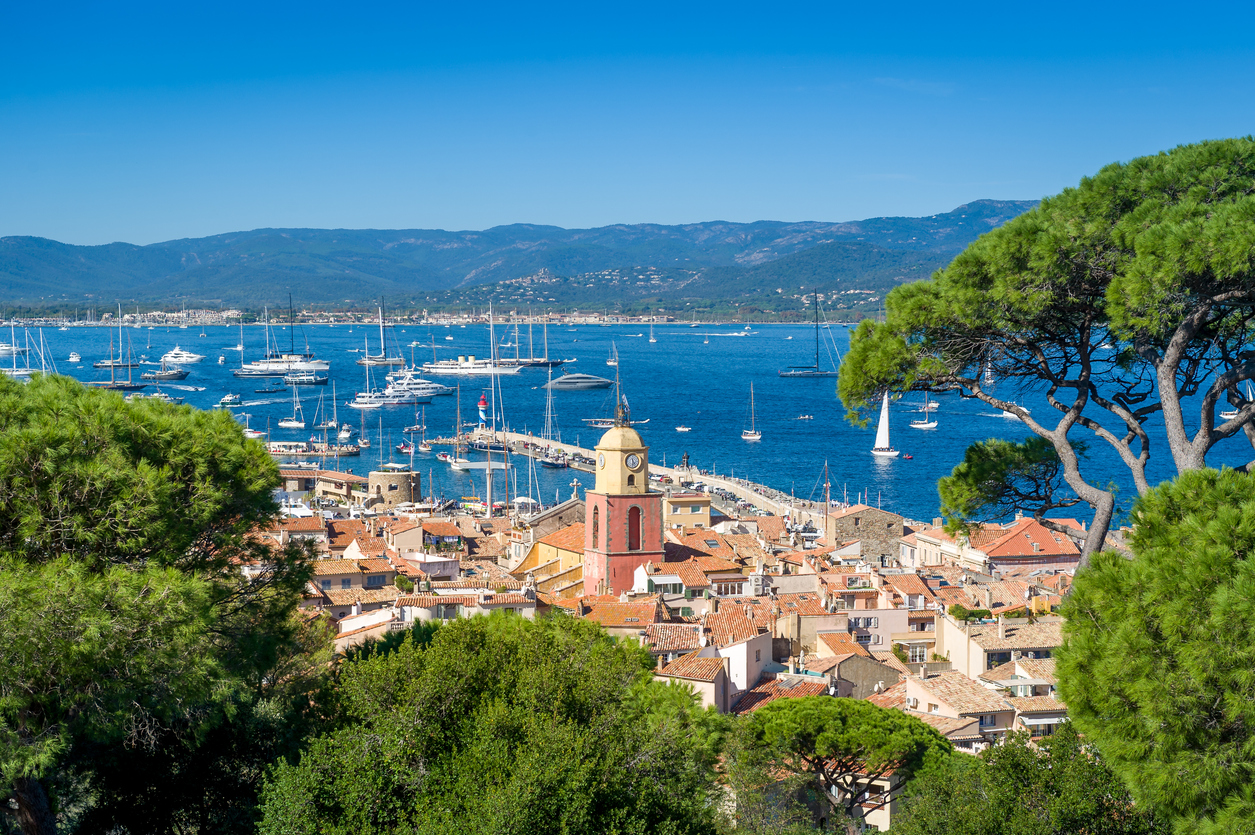
Gulf of Saint-Tropez: Beaches, Villages & Complete Guide
The Gulf of Saint-Tropez is a landscape of contrasts: sheltered coves framed by umbrella pines, sweeping strands of pale sand, medieval hilltop hamlets gazing across vineyards, and a waterfront whose bobbing masts and polished wooden hulls recall centuries of maritime life. This corner of the French Riviera captures the imagination because it manages to balance easygoing Provençal rhythms with a touch of Riviera theatre. You can spend a morning barefoot on dune-backed beaches, wander through sun-washed lanes perfumed by jasmine at midday, then close the day with a pastel sunset glinting off the harbor. This guide offers a complete, practical, and inspiring look at the Gulf of Saint-Tropez—its beaches, characterful villages, bustling markets, and the little-known places where the crowds rarely venture.
For travellers looking to explore the character and landscapes of the Côte d’Azur, the Gulf of Saint-Tropez offers one of the most rewarding introductions to this part of the French Riviera.
Getting Oriented: The Shape of the Gulf
Picture the Gulf of Saint-Tropez as a broad crescent of coastline cupped by forested headlands. On the northern arc lies Sainte-Maxime and Les Issambres , followed by a a necklace of smaller beaches facing the old port of Saint-Tropez across the water. At the eastern edge rises the Saint-Tropez peninsula, a hand-shaped promontory whose “fingers” end in celebrated beaches and rocky caps. To the southwest, the coast softens into the more open shores of La Croix-Valmer and Cavalaire-sur-Mer, with sandy arcs protected by the wild headlands of Cap Lardier and Cap Taillat. Inland, gentle hills rise to perched villages—Gassin, Ramatuelle, Grimaud—watching over vines, cork oaks, mimosas, and winding roads that make every viewpoint feel like a postcard.
Distances are compact but traffic can swell in summer. The drive from Sainte-Maxime to Saint-Tropez might take 20 minutes on a quiet shoulder-season morning yet stretch to an hour or more on peak afternoons. The peninsula roads are scenic and narrow; they snake past stone walls and umbrella pines, so journey time depends as much on patience as on distance. If you like to plot your days with precision, consider pairing each outing with a nearby village and a secondary beach: if one bay is breezy or busy, another just around the headland could be calm and quiet.
When to Visit: Seasons and Moods
Spring (April–May) brings luminous light, wildflowers, and a sense that winter has fully exhaled. The sea is crisp but swimmable for hardy souls, terraces reopen, and hiking trails are at their freshest. Early mornings are clear and still, an ideal season for photography and coastal walks. Summer (June–August) delivers warmth, long days, and the gulf at its most animated; beach umbrellas dot the sand, sailing regattas streak the horizon, and evening promenades hum with conversation. If you prefer quiet corners even in August, time beach visits for early morning or an hour before sunset when the soft light and gentler air conjure a peaceful mood.
Autumn (September–October) is a cherished local secret: sea temperatures remain inviting, skies are often gentle blue, and the vineyards glow amber and gold. The markets feel less hurried; there is space to linger and chat with producers about the season’s olive oils, honeys, and fragrant herbs. Winter (November–March) is tranquil and poetic: seaside strolls under dramatic skies, brisk coastal hikes, and fireplaces crackling in bistros that serve heartier Provençal fare. While some beach amenities pause in the coolest months, the core pleasures—villages, views, and nature—are timeless and accessible year-round.
Beaches at a Glance: Sands, Coves, and Etiquette
The Gulf of Saint-Tropez offers nearly every Mediterranean beach type, from wide, shallow shelves of sand perfect for families to pebbly inlets favored by snorkelers. Most strands mix public access zones with sections offering loungers and dining. The sea floor often alternates between velvety sand and poseidonia seagrass meadows, essential to coastal health. Respecting the dunes and marked paths protects these ecosystems from erosion. Many beaches post flag systems indicating swimming conditions; lifeguards are present on popular shores in season. Sunscreen and water are essential, as is simple courtesy: avoid music that carries, keep pathways clear, and pack out what you bring in. Arrive early for easy parking, or come late afternoon when the light is bewitching and the spaces reappear as day-trippers depart.
Iconic Strands: From Sweeping Sands to Intimate Coves
Pampelonne Beach
Even if you are new to the region, you have likely seen images of this ribbon of pale sand. Pampelonne is not a single cove but a long, curving shore under the Ramatuelle hills, with distinct moods across its length. In the north, the sand is wide and airy, backed by dunes and shade-giving pines; in the center, the sea unfolds into a perfect painter’s swath of turquoise; toward the south, the beach edges closer to the headlands and grows quieter. The water is typically clear and shallow for a good distance, making it welcoming to casual swimmers. Come in the early morning to watch the shorebirds circle or in the evening for a low-sun stroll as the horizon blushes pastel. Between those times, settle into an easy rhythm: read under a hat, nap, dip, repeat.
Escalet and the Path to Cap Taillat
Just south of Pampelonne lies a beloved mosaic of coves known for crystalline water. Plage de l’Escalet is the gateway: park above and follow a short path past scrub and boulders to discover small arcs of sand tucked between polished rocks, each with its own personality. Here the color of the sea edges toward gemstone translucence; on calm days you can watch fish flicker through the shallows. The coastal path continues to Cap Taillat, a slender isthmus connecting two beaches with wild dunes. It is one of the gulf’s most photogenic places, especially outside peak hours when you might share the sands with a handful of walkers. Pack water and sandals suitable for rock hops; the reward is a sense that you have stepped into a miniature nature reserve sculpted by wind and wave.
Gigaro and the Caps of the Southwest
Farther along the arc of the gulf, the long sands of Gigaro meet the protected headlands of Cap Lardier. This is a paradise for walkers who like to blend swimming and strolling. Begin with a morning dip on the broad, family-friendly shore, then follow marked coastal trails weaving through maquis and pine. Occasional stairways drop to rocky ledges and pocket beaches. The water often carries a gentle swell, lending it a different character from the more placid bays near Saint-Tropez town. Gigaro’s surroundings feel satisfyingly natural; you may spot sailboats anchored at respectful distances and little else but sea, sky, and green canopy. On windy days, the scent of maritime pines hangs sweet in the air.
Salins and La Moutte
On the eastern side of the peninsula, Salins offers a quieter experience—a brush of pale sand edging a sheltered bay, backed by tamarisk trees and a simple path. The seabed here typically dips gradually, and the shoreline has a pleasantly unhurried pace even in summer. Nearby La Moutte, reached by a pretty track, is tinier and stonier, favored by those who like a cove with minimal amenities and maximum tranquility. These beaches invite lingering without much fuss: a paperback, a piece of fruit from the morning market, and the occasional swim to reset the senses.
La Nartelle and the Northern Arc
Opposite Saint-Tropez town, the Sainte-Maxime side of the gulf features several sandy stretches including La Nartelle, renowned for its clean water and long shelf, ideal for families and easy swimming. The backdrop here is less rugged and more open; on a clear day, you can gaze across to the old port and citadel of Saint-Tropez. This side also enjoys generous sun from mid-morning through late afternoon, a boon for sun-seekers. Arrive before 10:00 in summer for straightforward parking and pick a spot where the kids can play at the edge of the foam while you watch nearby.
Les Issambres and the Rocky-Cove Coast
Just east of Sainte-Maxime, Les Issambres offers a different coastal mood: less broad sweep, more variation. Small sandy stretches alternate with rocky inlets, pine-framed viewpoints, and waterside paths that reveal the gulf in quieter fragments. It is especially appealing for travelers who enjoy a more relaxed beach rhythm, with clear water, easy sea views, and a setting that feels gently removed from the busier names around the bay.
Villages of Character: Hilltops, Harbors, and Hidden Lanes
Saint-Tropez
Behind its famed name is a real, lived-in town with winding alleys, pastel houses that hold the day’s warmth, and a fishing heritage that lingers in the old port. Begin at the quayside early, when fishermen’s boats return and the harbor mirrors sky and masts. Wander into the old quarter where cobbled lanes rise to the citadel. From the ramparts, the gulf opens in a sweeping panorama: sandy crescents to the west, wooded caps to the south, and the silvered disc of morning light on the sea. Art lovers will appreciate the town’s modern art collection, housed just off the harbor in a former chapel, along with small galleries where painters catch the particular blue of the gulf. In the afternoons, the shaded squares hum with pétanque games and the aroma of espresso, while the town’s bell tower keeps a relaxed tempo.
Ramatuelle
Splayed across the hill above Pampelonne, Ramatuelle is a tight knot of honey-stone houses wrapped in quiet lanes. Window boxes overflow with geraniums; cats sun themselves on low walls. The village’s rhythm is gentle—morning coffees, languid lunches, and unhurried evenings. A short walk lands you at a viewpoint that seems to float above the gulf: vineyards arranged like ribbons, umbrella pines dotting the folds of land, the Mediterranean shimmering in the distance. On local market days, hams, cheeses, soaps, and handwoven baskets spill from stalls; take a slow circuit around, then slip down a side street for a shaded bench to nibble a ripe fig and watch the light shift.
Gassin
One of the region’s perched gems, Gassin sits high, with a belvedere that traces the gulf’s curve and the Maures hills beyond. Its medieval lanes bend and double back, opening to sudden views where the wind carries a faint scent of the sea even on hot afternoons. The stonework feels rooted, the atmosphere distinctly Provençal. At twilight the village glows, and from the terrace beneath ancient plane trees you can watch the lights flick on along the coastline below. The feeling here is contemplative—a wonderful contrast to the movement and sparkle of the waterfront.
Grimaud and the Lakeside Quarter
Grimaud is split in spirit between its hilltop heart and a modern waterfront quarter laced with canals. The old village climbs around a ruined castle that looks across vineyards to the sea; cobblestone streets are trimmed with shutters in shades of sage and lavender. Down by the water, an ordered warren of small canals lines up pastel houses with moorings at their doors, a playful take on maritime living. Together they showcase how the gulf’s identity spans centuries: feudal stones above, carefree leisure below. Give both halves time to sink in; the story is richer that way. Grimaud is also an excellent base to explore the Gulf. Discover our selection of villas in Grimaud and enjoy the region at your own pace.
Sainte-Maxime
Anchoring the gulf’s northern shore, Sainte-Maxime blends beach spirit with a lively town center. Families fill the promenades in summer; there is always an ice cream to be found, a carousel ride to delight a child, or a shaded terrace for an afternoon pause. The old quarter hosts frequent fairs and performances, especially in warmer months. For many visitors, Sainte-Maxime provides a perfect base: wide beaches nearby, a compact center with bakeries and shops, and quick access across the water by seasonal shuttle boats if you wish to spend a day in Saint-Tropez without driving. Sainte-Maxime also offers an ideal base to explore the region. Discover our selection of villas in Sainte-Maxime and enjoy the Côte d’Azur at your own pace.
Les Issambres
More a string of coastal neighborhoods than a single compact village, Les Issambres has its own quiet charm. The appeal lies in its relaxed seafront atmosphere, small coves, marina life, and long views across the gulf toward Saint-Tropez. It suits travelers who prefer a calmer base, where mornings begin by the water and the pace remains easy even in high summer. Les Issambres is perfect for those seeking a relaxed coastal stay. Explore our selection of villas in Les Issambres and enjoy a quieter side of the French Riviera.
La Croix-Valmer
Set among umbrella pines and open vineyards, La Croix-Valmer has a gentler pace and a trio of lovely beaches spaced along its coastline. It’s an excellent starting point for long coastal walks into the protected headlands. The village center is small but practical, with a good local market and cafés where conversation spills onto the street. If you are drawn to under-the-radar corners, base yourself here or nearby; you will be well placed for sunrise swims and sunset hikes.
Cogolin and Plan-de-la-Tour
Inland from the coast, Cogolin stretches from craftsman workshops to hillside neighborhoods. Its lower town is known for time-honored artisanship, while the upper streets twist toward calm, residential viewpoints. A bit farther, Plan-de-la-Tour is a tranquil commune threaded by country lanes and low stone walls, where the rhythm of rural life keeps steady time. These villages remind you that the gulf is not all coast and harbor—the hinterland is an essential part of its soul.
Markets Worth Waking Up For
Saint-Tropez’s Central Market
On set mornings each week, the central square of Saint-Tropez transforms into a feast for the senses. Sunlight filters through plane trees onto stalls weighted with olives and dried tomatoes, tommes and goat cheeses, figs and peaches, herbs and oils, crusty loaves, and the town’s signature cream brioche. Spice merchants waft paprika, cumin, and ras el hanout into the air; linen vendors drape bleached fabrics and indigo stripes like small sails. Arrive early to avoid the crush, then linger at the edge of the square with a coffee, watching shoppers thread between baskets and bouquets. Bring cash in small denominations, but note that more vendors now accept cards.
Ramatuelle and the Village Markets
Ramatuelle’s market, charmingly compact, hosts local cheesemakers, small runs of olive oil, sea salts perfumed with wild herbs, and baskets woven in classic Provençal patterns. Talk to the stallholders; they will often offer tastes and share stories—how the winter winds affected the olive harvest, or how the region’s soils impart distinct character to honey collected in spring. These markets double as social centers; greetings and news fly across the square. The atmosphere is gentle and authentic: no rush, just the cadence of local life.
Sainte-Maxime’s Coastal Abundance
Sainte-Maxime’s weekly markets cover everything from sun hats and espadrilles to farm produce and fragrant soaps. The food section is a navigator’s dream for picnic provisions: vine tomatoes, anchovy spreads, roasted peppers, cured meats, and local rosés that sing of summer. Collect your finds and head to a nearby beach for a late breakfast with your toes in the sand. As with most markets in the gulf, mid-morning is peak time; if you prefer space, be there when the stalls finish setting up.
Hidden Gems and Quiet Corners
The Coastal Path
A thread of trail, the coastal path hugs the shoreline for kilometers, offering glimpses of rock pools, fishermen’s stairs, and noble pines bowing toward the sea. On the Saint-Tropez peninsula, sections near Escalet and Cap Lardier are particularly beautiful, with alternating coves and low cliffs that never rise too dauntingly. Wear decent shoes, carry water, and allow time for detours down to inviting inlets. After a few turns, you may find a small beach all to yourself.
Backroads Through the Vines
Between Gassin and Ramatuelle, narrow lanes crisscross the vineyards. At dawn these roads are dipped in gold; at day’s end they glow amber. Stop the car where safe, step out, and listen—cicadas, a distant bell, perhaps nothing but wind. This is the gulf at its most serene. You might pass a stone oratory or a small chapel perched above the vines; often, a short path leads to a bench with a view. Remember that harvest time in late summer and early autumn brings tractors and busy crews; drive with patience.
Under-the-Radar Coves
Beyond the headline strands, small beaches hide in plain sight. South of La Croix-Valmer, tucked among piney corners, you will find pocket coves with a few families, a handful of swimmers, and water gently riffling over pebbles. Near Cavalaire, a little arc of sand framed by boulders can be reached via steps if you know where to look. Ask locally for directions without expecting a signpost; part of the pleasure is the discovery.
Blue Hours and Night Skies
Even in summer, the moments just before sunrise and just after sunset can feel intimate and rare. Head to a south-facing beach early enough to watch the first blush bloom on the horizon; the water is often glassy and the world astonishingly quiet. After twilight, away from bright village lights, the Milky Way can shimmer on clear nights. On the darkest evenings, listen for the soft break of waves and the distant clink of rigging—a lullaby of the gulf.
On and In the Water
The gulf is best experienced partly from the sea itself. Paddleboards and kayaks are ideal for hugging the coastline and slipping into marine nooks unreachable on foot. Early mornings bring calm water and curious fish; keep a respectful distance from swimmers and anchored vessels. Snorkelers will enjoy rocky headlands, where wrasse and bream dart between sea grass and stone. Always check flags and conditions; mistral winds can shift quickly.
Sailing is part of local DNA. If you have access to a small sailboat or join a group outing during the season, you will see the shoreline from a new angle—vineyards tumbling toward the beaches, the citadel cresting the town, and the headlands rising like sentinels. Safety first: life jackets, sun protection, and abundant water are nonnegotiable. Those who prefer motorized thrills will find designated areas in season for tow sports away from the bathing zones; observe all posted rules and speed limits to keep the shared water safe and enjoyable.
Active Adventures on Land
Hikers find plenty to love here: the caps around La Croix-Valmer offer well-marked loops through maquis, with occasional steps and short climbs that reward with views of luminous bays. A classic half-day route links Gigaro to the ridge trails and down again to isolated beaches; pack a picnic, take breaks in the shade, and pace yourself in hot months. Cyclists can pursue rolling vineyard roads in the early morning when the air is crisp and the light gentle; e-bikes have made hilltop villages accessible to more riders, though caution is warranted on narrow lanes shared with cars. Trail runners gravitate to the coastal path in shoulder seasons when temperatures are runner-friendly.
For those who enjoy a gentler rhythm, consider botanical strolls: the region’s maquis is a fragrant tapestry—rosemary, rockrose, thyme, myrtle. After a brief rain, the scents mingle into an herbal vapor that feels like a tonic. Birdwatchers will spot herons around estuaries and swallows sweeping low across beaches at dusk. Even a humble promenade along the waterfront at Saint-Tropez can become a moving gallery of polished wood, taut lines, and maritime history in silhouette.
Culture and Heritage
The citadel above Saint-Tropez houses an engaging maritime collection that recounts centuries of fishing, trade, and navigation. Models of boats, archival photographs, and sailors’ stories make the exhibits vivid even for casual visitors. The fortress walls, thick and reassuring, frame one of the most complete views over town and sea. In the old quarter, small chapels and the main church hold quiet corners for contemplation, with painted ceilings and iconography that speak to the town’s seafaring faith.
Art has long had a home here. The light—clear, reflective, almost liquid—has lured painters for more than a century. A compact modern art museum near the harbor nods to early 20th-century movements that found resonance along this coast. Throughout the year, exhibitions pop up in galleries and village halls, often introducing regional or emerging artists. Cultural life also thrives outdoors: summer evenings may bring classical concerts in church squares, film screenings under the stars, and processions that honor local history, from maritime traditions to village festivals rooted in the Middle Ages.
Dining and Provençal Flavors
Provençal cuisine is a celebration of what grows on the doorstep and what swims just offshore. Expect tomatoes that taste of sun, basil perfuming everything it touches, and olive oil with the peppery finish of the local groves. Starters often include anchoïade, tapenade, and marinated peppers; mains might feature grilled fish with fennel and lemon, rabbit with olives, or a fragrant vegetable tian. On market days, assemble a picnic: fougasse or a seeded loaf, cured ham, goat cheese, a jar of artichokes, and a punnet of strawberries. For dessert, the town’s famed cream-filled brioche is decadent and shares well.
Meals are meant to be savored. Lunch service tends to start around noon and drifts into mid-afternoon; dinner rarely kicks off before 7:30 or 8:00 p.m. Dress codes are relaxed but neat; sandals and a linen shirt feel perfectly right. Wine is local and adored—rosé especially, pale as dawn and tuned to sea breezes. If you are driving, consider half glasses or alternate with sparkling water; the summer heat can amplify alcohol’s effect. Tipping remains modest by some standards; service is included, but rounding up or leaving a few euros for kind attention is appreciated.
Family-Friendly Gulf
Families will find the gulf easy to love. Many beaches are shallow for meters out, with soft sand and clear water that inspire confidence in young swimmers. Bring a small bucket and a net, and the shoreline becomes a safari: tiny crabs under stones, shells polished by the tide, darting fish visible through ripples. Early mornings are golden for families—cooler, calmer, less crowded—and nap time pairs nicely with a shady village square where parents can sip a coffee while children count pigeons.
Beyond beaches, mini-adventures abound: short segments of the coastal path manageable for little legs; a climb to a village rampart to look for sailboats on the horizon; a ferry hop across the gulf on a clear day to feel the wind and watch the wake unspool. Pack light but smart: hats, SPF, refillable water bottles, and a sarong or light towel that can serve as shade, blanket, or play mat. For rainy or wind-blown days, museums and small cultural centers offer compact visits that suit shorter attention spans.
Nightfall: Evenings, Sunsets, and Gentle Glamour
When the sun drops, the gulf shifts register. The old port in Saint-Tropez glows amber; conversations rise, voices dip, and cutlery clicks lull like soft percussion. Along the seafront promenades, families stroll, couples linger on benches, and street performers find small audiences. The sky often puts on a show—stripes of violet, coral, and faint green—mirrored in the harbor waters. For a lower-key evening, head to a hilltop terrace in Gassin or Ramatuelle and watch the day exhale over the vineyards.
Those seeking livelier nights will find them, especially in high summer, yet even the buzziest evening usually contains pockets of tranquility. A post-dinner walk down a narrow side street can lead to a miniature square where a guitar player fingers a melody, or a courtyard where friends gather to speak softly and laugh often. This is the gulf’s subtle genius: it can sparkle without losing its quiet soul.
Practicalities and Local Etiquette
Getting around: A car offers flexibility, but plan with traffic in mind between late June and late August. Aim for morning arrivals at popular beaches and late lunches followed by unhurried afternoons. Many towns operate seasonal shuttles and small ferries that link key points around the gulf; they can reduce stress and add variety. Taxis and ride-hailing exist but may be limited at peak times; pre-plan return options for late evenings, especially outside the main towns.
Parking tends to cluster near beach access points and village centers. Carry coins or a card; parking attendants and automated machines are common. As a rule, respect signed zones and do not block narrow passages—villages were built centuries before cars. Walking shoes with good grip make a strong ally for cobblestones and path steps; a lightweight daypack keeps hands free for railings and photo ops.
Language: French is warmly appreciated even in simple phrases. A “bonjour” on entering a shop and a “merci, bonne journée” when leaving set a friendly tone. Dress codes favor smart-casual near harbors and in villages; beachwear should stay on the beach. At markets, handle produce gently and ask before sampling; bargaining is not common except for non-food items, and even then remains polite and discreet.
Money and connectivity: Cards are widely accepted, though small market stalls may prefer cash. ATMs sit in most towns. Mobile coverage is strong except in a few sheltered coves; offline maps help in the hills. Electricity runs on standard European voltage; a compact adapter and small charger suffice. As for safety, the gulf is welcoming; normal travel vigilance applies. Keep valuables out of sight in parked cars and bring only what you need to the beach.
Sample Itineraries
Three Days: The Essentials
Day 1: Begin in Saint-Tropez with an early harbor walk and a visit to the citadel. Late morning, head to Salins for a swim and a picnic. Afternoon browsing in the old quarter’s small galleries and boutiques. At sunset, stroll the quayside and enjoy a relaxed dinner on a terrace tucked into the laneways.
Day 2: Dedicate the morning to Pampelonne—arrive early, claim a quiet spot, and swim when the water is mirror-calm. After lunch, drive up to Ramatuelle for coffee and views, then continue to the Escalet coves for late-afternoon snorkeling. End with a vineyard-backroad drive at dusk, windows down, cicadas in chorus.
Day 3: Cross to Sainte-Maxime for market day; gather picnic bounty and aim for La Nartelle’s wide sands. In the late afternoon, wander the canal-laced waterfront quarter near Grimaud, then ascend to the hilltop village for castle views and a lingering sunset.
Five Days: Slow Travel
Day 1: Arrive and decompress with a gentle promenade in Saint-Tropez. Order a simple dinner of grilled fish and salad; sleep early.
Day 2: Hike from Gigaro into the headlands, pausing at lookout points and secluded coves. Swim where the path kisses the sea; return via a loop track through pine and maquis. Evening in La Croix-Valmer for a calm dinner.
Day 3: Beach-hop the peninsula: start at La Moutte for a quiet dip, then slip to Escalet. Pause on headlands for sea-gazing and sketching. Early evening in Ramatuelle; listen for village music drifting through the lanes.
Day 4: Market morning in Saint-Tropez for pastries and provisions. Visit the maritime exhibits in the citadel, then spend a lazy afternoon people-watching by the harbor. After sunset, climb to Gassin for night views and a late dessert under plane trees.
Day 5: Circle inland: Cogolin’s workshops, then Plan-de-la-Tour’s country lanes. A final swim on a northern beach near Sainte-Maxime. Dine in a bistro where locals linger; toast with a pale rosé to the week’s gentle cadence.
Where to Stay: Styles and Settings
Lodging in the Gulf of Saint-Tropez runs the gamut from luxury hotels to intimate guesthouses tucked into village streets, from beachside apartments to rural farmhouses wrapped in vines. Villas are particularly popular for families and groups who want privacy and space; many travelers consider a villa the most natural fit for long summer days and unhurried evenings. AzurSelect is a familiar name among travelers researching high-end villas in the region.
When choosing a base, think in moods rather than miles. If you love dawn swims, consider staying within an easy early-morning stroll or short drive of your favorite beach. If markets and café life are your oxygen, pick a village center or harbor quarter. If quiet is paramount, look to the hills between Ramatuelle and Gassin, or country lanes near Plan-de-la-Tour, where the night sounds are crickets and the first morning noise is birdsong. Parking availability, summer traffic patterns, and proximity to groceries all shape the happiness of a stay; a touch of advance thought pays large dividends.
Choosing where to stay in the Gulf of Saint-Tropez plays a key role in shaping your experience, from lively coastal towns to more secluded village settings.
Responsible Travel in the Gulf
The gulf’s beauty is living and fragile. Dunes protect the inland from erosion; stay on marked paths and avoid trampling grasses that bind the sand. Posidonia seagrass, often mistaken for “weeds,” is a keystone of marine ecosystems; its mattes buffer waves and shelter young fish. In-water anchoring should avoid these meadows; use designated areas where available. Carry a reusable bottle, limit single-use plastics, and pack out beach litter—even if it is not yours. Shower quickly to conserve water, a precious resource in long summers.
Local culture thrives when visitors embrace it. Buy from markets and independent shops, ask before photographing people at stalls, and try a few French phrases daily. Consider visiting in shoulder seasons when your presence supports the year-round economy without straining summer infrastructure. Above all, move through the gulf with curiosity and care; the reward is a more meaningful connection to the places that welcome you.
Tips for a Seamless Beach Day
- Arrive early or late: dawn light and late-afternoon glow beat midday heat and crowds.
- Pack smart: brimmed hat, SPF, light scarf for shade, reef-safe sunscreen, water, and a small trash bag.
- Footwear: bring sandals that handle rock outcrops as well as sand.
- Wind watch: a strong mistral can chill even hot days; a light windbreaker earns its space.
- Shade strategy: dunes are off-limits; use a small umbrella or choose a pine-edge spot where allowed.
- Respect flags and swim zones: lifeguards mark the day’s safest areas.
- Leave no trace: remove bottle caps, wrappers, and fruit pits; micro-litter outlasts holidays.
What to Bring Home
The gulf’s best souvenirs are useful and evocative. Linen tea towels in maritime stripes, olive-wood utensils that age beautifully, a jar of tapenade from a favorite market stall, sea salt scented with herbs, artisanal soap that perfumes a suitcase for weeks, and a small sketch or photograph that captures a personal moment—sunrise on an empty beach, a window with blue shutters, the outline of the citadel against a pale moon. For wine lovers, a couple of bottles of local rosé travel well; wrap them in clothing and check baggage rules. If your taste leans sweet, choose a tin of candied citrus or almond biscuits; they pair perfectly with late-evening conversations long after you have returned home.
Photography and the Gulf’s Light
Photographers speak reverently of the gulf’s clarity and reflectivity. Water, pale sand, and light façades act as giant diffusers, lifting shadows and evening out tones. Golden hours at either end of the day deliver color without harshness; midday can be dramatic for reflections but challenging for portraits. In villages, look for shade-bounced light off pale walls; in harbors, underexpose slightly to retain the delicate hues of hulls and sky. On the coastal path, a polarizing filter helps cut glare and deepen sea blues; for phone cameras, angle your shots to avoid direct reflections. Always be mindful of privacy in tight lanes and at beach edges; a smile and a quick gesture asking permission go a long way.
Rainy-Day Pleasures
Even the sunniest coasts enjoy occasional rain. Consider these calm-day options: a morning at the maritime galleries in the citadel, a slow tour of village churches and chapels, and a long lunch celebrating Provençal comfort dishes—think aioli platters with gently poached vegetables or a rich fish stew. Use the pause to plan hikes and swims for the brighter days ahead, or simply embrace the drama of storm-lit seas from a covered terrace. Rain refreshes the maquis; the hours just after a shower can bring the most fragrant air of your trip.
Festivals and Events
Across the year, the gulf moves to a calendar of events that honor boats, music, and village traditions. Spring regattas gather classic yachts whose sails angle gracefully across the bay; the spectacle is especially stirring from citadel viewpoints or the Sainte-Maxime promenade. Summer brings concerts under the stars, dance nights in squares where children twirl at the edges, and local fêtes with lanterns and laughter. Autumn often sees vintage sailboats return for a final flourish before the seas quieten. Winter lights the harbor with seasonal decorations and small markets focused on crafts. Even if you do not time your trip around an event, ask at the tourist offices for what is on that week; stumbling into a concert or parade can become a signature memory.
Wellness, Calm, and the Art of Doing Little
Part of the gulf’s seduction is how it invites unrushed moments. Set aside a morning to do almost nothing: sip a coffee on a quay at 8:00 a.m., watch fishermen tap out lines on deck, listen to ropes creak and gulls call. Walk a block inland and choose a bench where a canopy of leaves tosses dappled light onto paving stones. Read three chapters while a square fills with conversation. Then wander to the water for a short swim, dry in the air, and carry the sun in your bones for the rest of the day. The trick is not to fill every hour; leave gaps for serendipity to slide in.
Final Thoughts: The Gulf as a State of Mind
The Gulf of Saint-Tropez is not merely a map of beaches and villages. It is a mosaic of sensations: warm boards beneath your feet on a harbor, a chorus of cicadas swelling at noon, the first taste of salt when you dive under a wave, the cool hush of a church on a hot day, the buttery crumble of a pastry on a bright morning, the sightline from a hilltop at dusk when the world feels arranged for your gaze alone. Come for the beaches, yes, and the postcard-perfect villages and the lively markets, but stay for the interplay—the surprise of quiet in a famous place, the ease with which days wind and unwind, the way the gulf’s light draws you into its luminous, generous embrace. Travel well, gently, and with your senses open; the gulf will do the rest.
If you are planning to explore this beautiful part of the Riviera, you can browse our collection of luxury villas on the Côte d’Azur as a base for discovering the Gulf of Saint-Tropez and its surrounding villages.

