

 EN
EN  NL
NL
 DE
DE
 FR
FR

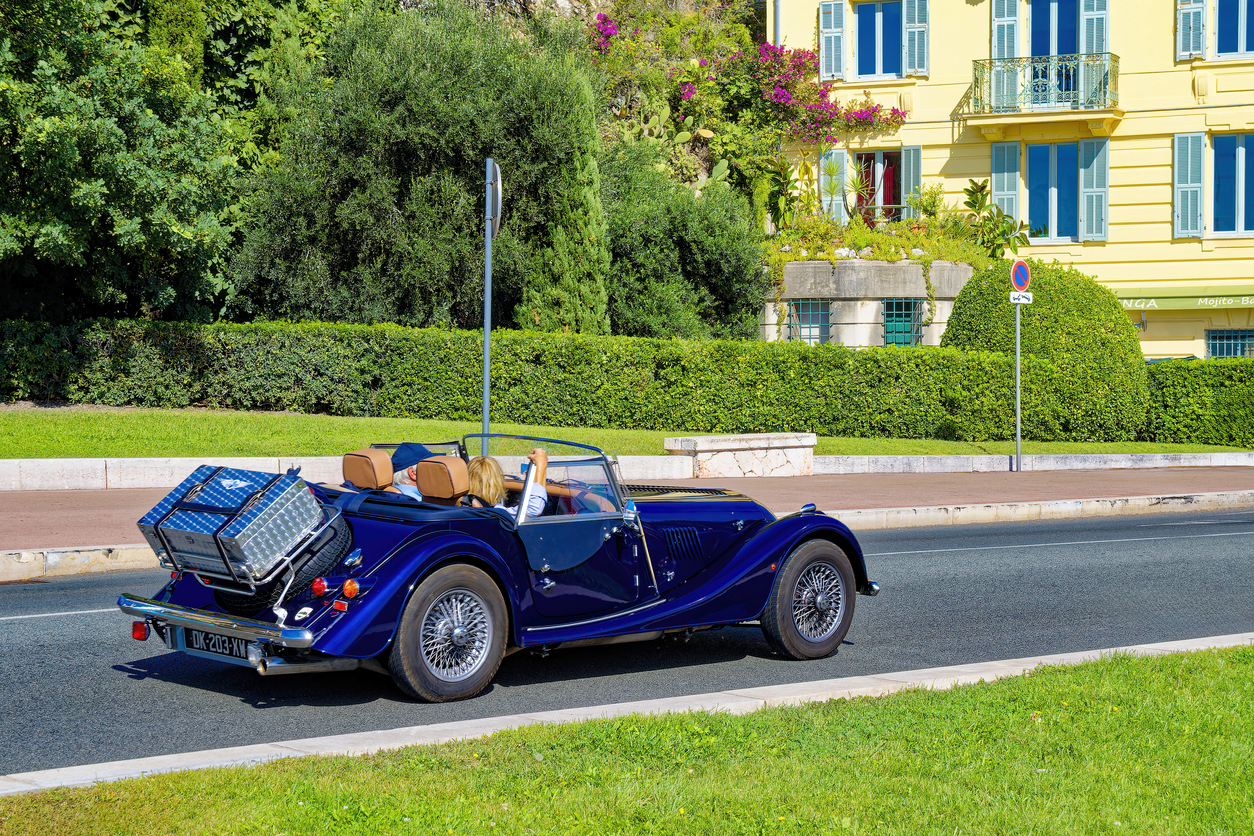
Classic Car Rallies on the Côte d’Azur | French Riviera Events
There are few places where vintage motoring feels more at home than the Côte d’Azur. The light is crystalline, the roads are ribbon-smooth yet thrillingly sinuous, and the Riviera’s towns serve as a stage set for chrome, wire wheels and old-school craftsmanship. Whether you’re looking to enter a regularity rally, spectate from a spectacular hairpin, or simply plan a few days of classic-friendly drives, the French Riviera combines heritage, scenery and a certain art de vivre that turns every ignition turn into a small celebration.
This guide walks you through key events and routes, local etiquette, and practical tips—plus a handful of lesser-known stops where you’ll share the road with locals, not crowds. Think of it as advice from a friend who loves the smell of warm leather and knows which corniche offers the best late-afternoon light.
For a broader look at the Riviera’s atmosphere, landscapes and places to stay, you can also explore the Côte d’Azur with AzurSelect.
Why the Riviera and Classic Cars Are Made for Each Other
Motoring culture here isn’t an overlay—it’s the DNA. The section of coastline from Menton to Saint-Raphaël has hosted early hill climbs, film-set car chases, and the kinds of short, twisty connections between sea-level villages and eagle’s-nest hamlets that make an old engine sing. You don’t have to be competing to enjoy it; even a casual morning loop can feel like you’ve stepped into a period postcard.
It’s also a region that respects craft, style and provenance, which is why you’ll see reserved bays during major race weekends, curated displays in town squares, and entire events dedicated to vehicles that have served their time and earned their patina. Add reliable weather outside the peak of summer, and a support culture of garages, detailers, and parts specialists, and it’s easy to understand why classic car calendars keep circling back to the Riviera.
The Spirit of a Classic Car Rally: What to Expect
Classic rallies on the Côte d’Azur are more about precision and enjoyment than raw speed. Even when stages climb into the Alps-Maritimes, the emphasis is regularity, navigation and teamwork. Cars queue at time controls, co-drivers juggle roadbooks and tripmasters, and drivers do their best to keep a steady pace over changing gradients. It’s more chess than drag race—though the decibels and downshifts can be wonderfully theatrical.
Regularity Versus Competition
Most events open to broader participation fall into the “regularity rally” category. You’ll be assigned target averages and timed sections, with penalties for arriving too early or too late. It’s accessible for classics of many eras, and it keeps mountain roads civil and safe. A few events feature closed-road specials for historic competition classes, with strict eligibility rules, safety gear and scrutineering. If you’re new to this world, regularity is an inviting entry point.
Navigation, Timing and Scrutineering
Before the ceremonial start, cars pass scrutineering to confirm basic safety and adherence to event categories. Navigation generally relies on a roadbook with tulip diagrams and distances. Many crews run a mechanical or electronic tripmaster; a reliable odometer and stopwatch can suffice for simpler events. Time controls are spaced through the day at village squares, checkpoints or scenic lay-bys, where you’ll also find some of the best conversations—the Riviera’s friendly culture shines when bonnet badges become icebreakers.
Signature French Riviera Events to Mark on Your Calendar
“French Riviera events” covers everything from hill climbs to concours. The following highlights are well-known among enthusiasts, but each offers its own flavor and vantage points for visitors.
Rallye Monte-Carlo Historique (Monaco and Alpine Foothills)
Organized by the Automobile Club de Monaco, this winter classic draws crews from all over Europe. Cars start from multiple cities and converge toward Monaco, then head into iconic stages in the Alpes-Maritimes. Even if you’re not competing, watching cars crest the Col de Turini in the cold, with the glow of headlamps pooling on hairpins, is unforgettable. Menton and La Turbie often host control zones that double as open-air museums of rally history.
Grand Prix de Monaco Historique (Monaco)
Held on alternate years, this is single-seater and sports-car racing on the same street circuit that modern F1 uses. Not a rally, but truly essential for classic fans. The atmosphere in the paddock is approachable, with mechanics adjusting Weber carburetors within earshot and drivers happy to chat about set-ups. Between track sessions, wander the Rock’s upper lanes for views few visitors find: try the terrace below the Fort Antoine theater for a quiet angle over the harbor.
Rallye d’Antibes Côte d’Azur Historique (Antibes and Hinterland)
Antibes has a rallying tradition that spills into the scented hills of Grasse and the tight folds of the Gorges du Loup. The historic edition offers a friendly environment for regularity competitors and a spectator-friendly format with regroup points along the waterfront. If you’re watching, consider a late-morning stroll along the ramparts near the Bastion Saint-André, then step inland to catch cars climbing toward Tourrettes-sur-Loup under jacaranda shade.
Megève–St-Tropez and Alpine-to-Sea Rallies (Finishing on the Riviera)
Several summer fixtures chart a glamorous path from the Alps to the sea, often finishing along the Riviera. The Megève–St-Tropez by Peter Auto is a good example, mixing mountain passes with Riviera ceremony at the finish. The route varies, but many editions weave through Castellane or Comps-sur-Artuby before dropping toward the Esterel red rocks, with the Mediterranean unfolding like a stage curtain.
Rallye des Princesses Richard Mille (Often Passing Through the Riviera)
This women-only regularity rally blends panache and precision. The route changes annually, but the Riviera frequently serves as a stage for one of the most elegant classic gatherings in Europe. Expect meticulous roadbooks, time controls in photogenic squares, and an atmosphere that’s focused but unhurried. When it passes through Cannes or Nice, the juxtaposition of silk scarves and stopwatches feels quintessentially Riviera.
Rallye Jean Behra Historique (Nice-Based)
Named after the celebrated Niçois driver, this historic event celebrates local roads and driving heritage. It typically explores the Moyenne and Grande Corniche, dips into back-country cols, and sets unhurried tempos that let crews savor both the drive and the scenery. It’s a favorite with local clubs; if you spot an eclectic grid at dawn on the Promenade des Anglais, you may have found the starting line.
Var Historic Rally and Late-Season Regularities
Late autumn has its own appeal: cooler air, gentler light, and quieter roads. Historic regularities in the Var sometimes feature loops around the Estérel and the Maures, offering generous views and long, steady climbs perfect for period drivetrains. Listen for echoes of engines among umbrella pines at overlooks like the Belvédère de l’Observatoire near Pic de l’Ours.
Iconic Roads Made for Classics
Even outside an event, the Riviera’s roads invite. Some are famous; others are best discovered early in the day when cicadas are still warming up and you can hear your engine’s idle reflect off stone walls.
The Three Corniches: Basse, Moyenne, Grande
Linking Nice to Monaco, the three Corniches offer three very different moods. The Basse Corniche hugs the sea, threading through Villefranche-sur-Mer and Beaulieu-sur-Mer, with views of yachts and citrus gardens. The Moyenne Corniche grants wider curves and scenic pull-offs over Èze-sur-Mer. The Grande Corniche is the driver’s favorite: an airy terrace with grand arc turns and minimal traffic early in the morning. Detour to the park at Fort de la Revère for a quiet panorama of Cap Ferrat and a cool breeze around the radar dome.
Corniche d’Or through the Estérel
Between Théoule-sur-Mer and Saint-Raphaël, the D559 slides between red porphyry cliffs and intensely blue sea. The geometry is gentle enough for older suspensions, with enough sweep to keep the driver engaged. Pull into the lay-by below the Belvédère du Cap Roux near the Petit Rastel spur for photos—sunset inflames the rock to a deep copper that matches many a period paint code.
Col de Turini and the Alpine Balcony Roads
A pilgrimage for rally fans, the Turini offers linked hairpins and changing light as you ascend. Pair it with the Col de Braus, whose stacked hairpins look like a model railroad set from above, and the Col de l’Orme for a satisfying loop. If you have time, roll into Sospel for espresso under the arcades by the old stone bridge, then return via the D53 to Peille; the road narrows to a single track in places, with views that feel suspended between sky and valley.
Tanneron’s Mimosa Route
From late January to early March, the Massif du Tanneron blooms in mimosa, perfuming the entire ridge. The D38 and D4 weave between stands of golden puffballs and cork oaks, and you’ll often have the road to yourself on weekdays. Stop at a local co-operative for honey and jam, then continue toward Montauroux for a balcony view across the Saint-Cassien lake.
Gorges du Loup and the High-Perfume Road to Grasse
The D6 and D3 carve along the Gorge du Loup with spray kicking from waterfalls in spring. It’s a cool drive on a hot day, with rock overhangs and tight chicanes. Above, the approach to Grasse delivers what locals call the “route des parfums”: distilleries and historic perfume houses, along with a clutter of vintage signwriting and lemon trees. A short detour brings you to the Pont du Loup area, where you can still see the bones of the old tram bridge and sample candied peel at the Confiserie Florian workshop.
Cap d’Antibes and the Garoupe
It’s a short loop, but the lighthouses and kneeling pines are worthy of a film still. Early mornings are best to avoid traffic. Park respectfully and walk to the Chapelle de la Garoupe; the little marine votives inside speak of a different era of travel, and the terrace offers a perfect shot of the curve of the Baie des Anges. Continue along Boulevard de la Garoupe for glimpses of sea spray and low stone walls.
Lesser-Known Stops and Local Flavor
For every headline village, there’s a quiet bench with a better view. Finding them turns a drive into a story.
Fort de la Revère and the Eyrie Above Èze
Beyond the usual lookouts on the Grande Corniche, the Plateau de la Justice near Fort de la Revère has a picnic area and little trails marked with geology notes. On clear days, you can trace the coast from Italy to the Esterel. Park in designated areas—no need to venture onto grassy verges—and let the car cool while you wander the cliff edge pathways.
Peillon, the Vertical Village
Most visitors stop at Èze. Drive a little farther to Peillon, which rises like a honeycomb above terraces of old olives. The access road is narrow and scenic, perfect for a light, nimble classic. Once parked at the village entrance, ascend on foot to the vaulted alleys and tiny piazza. You’ll often share the cobbles with cats and the hush of midday shutters.
Saint-Jeannet and the Baou
Saint-Jeannet sits below a formidable limestone block called the Baou. The approach from Gattières curves nicely, and the village square keeps its rhythm around the fountain. While there, seek out a small cave à vin offering local Saint-Jeannet whites—an unusual style sometimes aged in glass demijohns in the sun. The drive to La Gaude afterward passes low stone walls and the scent of fig leaves in late summer.
Bellet Vineyards Above Nice
Few people realize Nice has its own AOC wine. The Bellet vineyards cling to steep terraces, and the access roads are classic-friendly if you’re comfortable with narrow lanes. Some estates welcome visitors for tastings by appointment; even if you don’t stop, the panorama of the Var valley and the airport runway with sweeping planes makes a striking contrast to the quiet of vineyard rows.
Sospel’s Arcades and Romanesque Calm
Sospel offers all the charm of an Alpine border town without the fuss. The arcaded square on the Bévéra, the cathedral’s serene interior, and the rattling of a bicycle over old cobbles make a gentle interlude between cols. There’s a shaded parking area near the old bridge; from there, walk five minutes for local pastries and strong coffee before your next climb.
How to Enter or How to Watch
If the smell of hot oil is your idea of perfume, you’ll enjoy the action whether you’re holding a roadbook or a camera.
Entering a Regularity Rally
Entries typically open months in advance and ask for basic car details, insurance, and a valid driver’s license. Some events require a historic passport or club membership for certain categories. You’ll need a warning triangle, reflective vests, and sometimes a handheld extinguisher; check the event’s technical list carefully. A shakedown drive on similar terrain is the best preparation—find a loop with a steady climb, hairpins, and a descent to test brakes, cooling and gear selection.
Spectator Tips and Etiquette
Closed-road specials have marshals and taped lines; choose vantage points that are uphill from the course and away from exits of corners. Arrive early, park without blocking farm access, and take litter with you. On liaison sections through villages, drivers must obey speed limits—applause for a beautifully preserved dashboard speaks louder than calls for revs. If you’re photographing, avoid stepping onto the road between cars; you’ll have plenty of dramatic angles at hairpins and bridge approaches.
Preparing Your Classic for Riviera Conditions
Mountain-to-sea routes mean variation: temperature climbs, long descents and stop-start seaside traffic. A few small adjustments go a long way.
Cooling, Brakes and Fuel
An efficient radiator, a clean cooling system and fresh hoses are worth their weight in serenity. Consider a slightly richer mixture for sustained climbs and verify that your fan clutch engages when warm. For brakes, check for even pad wear, flush fluid if it’s older than two years, and bed-in gently before a big drive. Premium unleaded is widely available along the coast; inland stations may be less frequent, so plan to top up before exploring balcony roads.
Tyres, Geometry and Ride Height
Roads are generally smooth, but cambers change and villages hide steep ramps. Period-correct tyres often ride beautifully at Riviera speeds; make sure date codes are fresh, and pressures set for heat. If your car runs very low, consider temporary protection like a discreet skid plate—some village ramp thresholds bite lower front valances.
Electrics and Spares
Heat can expose weak alternators and marginal connections. Carry a spare fan belt, fuses, a bulb kit and basic ignition parts if your classic is points-based. A compact toolkit, a pressure gauge and a tarp for roadside work will make you popular with yourself. A paper map of the Alpes-Maritimes is still handy when phone coverage drops in tight gorges.
Paperwork and Local Rules
Keep registration, insurance and identification in the car. Emissions and noise regulations evolve; check if any low-emission zones or municipal rules apply on specific dates in larger cities. When in doubt, choose perimeter parking and walk into historic centers—nicer for photos, kinder to clutches, and appreciated by residents.
Navigating Towns and Parking with Grace
Arriving with an older car is an invitation to politeness. You’ll find people are curious and genuinely respectful if you are, too.
Monaco: Structured Parking and Surprising Calm
Monaco’s public parking system is extensive and well-marked. Garages near the Rock, the Oceanographic Museum and Fontvieille are clean, well-lit and signed with digital boards showing availability. Approach slowly, use turnouts to let modern traffic flow, and enjoy the tunnel acoustics on the way in and out. Early mornings on the Rock’s upper lanes remain remarkably peaceful.
Antibes and Cannes: Old Ports and Easy Regroups
Antibes has several underground car parks around Port Vauban and the ramparts. The Pré-aux-Pêcheurs area is convenient for a regroup if you’re traveling with friends, placing you a short stroll from the covered market and the Picasso Museum. In Cannes, facilities near the Old Port and along La Croisette make simple entrances and exits; if you’re arriving during an event week, expect traffic marshals and signposted detours that protect the central promenade.
Nice: Perimeter Parking, Stroll In
Nice’s center is compact but busy. Perimeter car parks by the port or at the eastern and western edges of the Promenade des Anglais simplify city visits. Leave the car in shade, then walk the length of the Promenade to the Cours Saleya flower market. If you’re keen on photos, the Cascade at the Colline du Château gives a wide-angle backdrop for a car portrait taken below on the Quai Rauba-Capeù, where the bay curves perfectly.
Photo-Friendly Loops and Vantage Points
Give yourself time to stop, wander and frame. The Riviera rewards patience with layers of light and color.
Sunrise from La Turbie to Eze
Start in La Turbie, where the Trophée d’Auguste ruins add a Roman note to your morning. Roll east on the Grande Corniche and pause at the Esplanade de la Colette overlook before descending toward Èze. The sea picks up pink and silver at this hour, and your car’s curves will glow. Park in a marked lay-by, never on tight bends—the locals will appreciate it, and you’ll be safer.
The Red Rocks at Golden Hour
Plan an afternoon on the Corniche d’Or and time your return from Agay as the sun lowers. Small pull-offs after the Viaduc d’Anthéor offer angles on both the arches and the coastline. If you want a short leg-stretch, look for the signed path to the Pointe de l’Observatoire above the road—just enough of a walk to change the perspective without leaving the car unattended for long.
Gorges du Loup Waterfalls After Rain
A day or two after rainfall, the Saut du Loup cascades energize the gorge. Light bounces from wet rock, and the road’s dark ribbon sets off lighter-colored cars beautifully. Keep speeds modest—rock fragments sometimes wash onto the verges—and take a minute in Bar-sur-Loup’s square for a postcard of oranges and shutters before climbing toward Gourdon.
Markets, Cafés and Friendly Pit Stops
Classic driving isn’t just about revs. Breaking for a market or a terrace keeps days balanced and charming.
Cours Saleya in Nice
Arrive early, find perimeter parking, and stroll the flower and produce market before it becomes crowded. A coffee facing the arcades sets a tone of easy gentility. It’s also a pragmatic stop for provisions if you’re planning a picnic at a high viewpoint later.
Marché Forville in Cannes
Behind the Old Port, this covered market is a hymn to produce: tomatoes that taste of sun, local cheeses from the back country, fisherman’s catches on crushed ice. Bring a small tote, and you’re set for an impromptu roadside lunch at a belvédère overlooking the Estérel.
Antibes’ Marché Provençal and the Ramparts
One of the region’s most photogenic markets, with spice sellers and olive merchants who have stories to match their wares. Take a few minutes afterward to walk the seaward wall; the breeze cleans the palate and prepares you for an afternoon loop toward Biot and Valbonne.
Perfume and Confectionery Stops
In Grasse, historic perfume houses such as Fragonard maintain workshops and small exhibitions that feel tailored to curious drivers, not just tour buses. Down in Pont du Loup, the Confiserie Florian’s candied citrus, violets and rosemary are classic Riviera flavors. Stash a small box in the glove compartment; it’s the kind of period-correct snack that wouldn’t feel out of place in a 1960s glovebox.
Respect for Roads, Nature and Neighbors
Part of the Riviera’s magic is how close villages, sea and mountains sit. A bit of courtesy keeps it that way.
- Keep revs modest in villages and around cyclists; early mornings amplify sound.
- Use marked pull-offs, not grass verges; many are protected habitats.
- Pack out litter, even fruit peels—wild boars are opportunists, and you’ll see signs asking visitors not to feed them indirectly.
- Give way on narrow lanes; locals have errands and routines that make the region hum.
A Three-Day Classic Rally-Style Itinerary
You don’t need entry numbers to build a memorable route. Here’s a balanced three-day plan that mixes headline roads with quieter treasures.
Day 1: Nice to Monaco via the Corniches and Peille
Begin with an early coffee in Nice, then take the Grande Corniche toward Èze for crisp curves in cool air. Pause at the Fort de la Revère for a sweeping view, then drop to La Turbie to see the Trophée d’Auguste. Continue to Peille via the D53—a road that feels like a secret shared. Park at the village gate, wander the alleys, and listen for the hush that defines this part of the hinterland. After lunch, descend toward Monaco on the Moyenne Corniche, stopping for a late-afternoon walk around the Prince’s Car Collection, where racing and touring icons line up with clear placards and generous spacing. End your day with a slow lap past the harbor and the Rascasse corner before heading back via the Basse Corniche at dusk.
Day 2: Cannes to the Estérel and Tanneron
Set off from Cannes toward Théoule-sur-Mer and join the Corniche d’Or. Take your time, and pull into a signed lay-by when the cliffs glow. At Saint-Raphaël, swing inland toward Fréjus and then climb into the Tanneron massif. If mimosa is in season, the scent arrives before the views. Detour to the Lac de Saint-Cassien for a serene lunch spot by the water, then loop back via Montauroux and the D37 ridge road, which gives long views across the Var. Late afternoon, return to Cannes along quiet lanes through Auribeau-sur-Siagne, where stone houses catch the last light.
Day 3: Antibes, Gorges du Loup and the Balconies of Grasse
Start in Antibes with a stroll through the Marché Provençal, then drive to Biot for a quick look at its glassmaking tradition. Continue to the Gorges du Loup, keeping an eye out for runoff after recent rains. Climb to Gourdon for a balcony view that seems to gather the entire Riviera into a single frame. Afterward, drift to Grasse via the D3, stopping at a perfume house for a short workshop or exhibition. If time allows, drop into Valbonne’s checkerboard square before rolling back to the coast at sunset.
When to Come: Weather and Road Rhythm
Early spring and late autumn are ideal for drivers: cool air for engines, soft light for photos, and lighter traffic once the peak holiday weeks pass. Winter brings crisp days and the thrill of seeing snow-dusted peaks above turquoise water; that’s when events like the Monte-Carlo Historique sparkle. Summer is beautiful but busy and warm; plan dawn starts and long lunches in the shade, saving tight village access for late afternoon when the heat eases and locals emerge for an apéritif.
Inside the Culture: What Makes Riviera Rallies Different
It’s the blend of Mediterranean ease and meticulous organization. You’ll notice that even small village regroup points are tidy, cafés are ready for a rush of co-drivers in period sunglasses, and marshals greet you with a mix of precision and good humor. The backdrop matters, too: Belle Époque architecture on the seafront, stone villages that look unchanged since the first hill climbs, and coastal promenades that invite slow, appreciative returns after spirited inland loops. There’s also a sense of continuity; local clubs maintain archives and oral histories, and you’ll meet mechanics whose fathers tuned cars for drivers whose names are now on street plaques.
Practical Checklists Before You Roll
Short lists keep long days smooth. Here’s a pragmatic pre-drive rundown:
- Fluids: oil, coolant, brake fluid, clutch fluid if applicable; top up and check for leaks.
- Tyres and wheels: pressures, date codes, spare condition and a jack that fits your car.
- Electrics: charging voltage, clean grounds, spare bulbs and fuses.
- Paperwork: registration, insurance, and any event-specific documents in a waterproof pouch.
- Comfort: brimmed hat, sunscreen, driving gloves if your wheel rim is delicate, microfiber cloth for screens and windshields.
- Navigation: paper map of Alpes-Maritimes and Var, plus a notepad and pencil for tulip notes.
- Snacks and water: stash them where they won’t rattle; a small cooler keeps drinks from warming in the footwell.
A Few Words on Safety and Serenity
The best drives are unhurried. Give scooters and cyclists generous space, watch for damp patches in shaded gorges long after rain, and resist the temptation to chase a timetable when the road invites a pause. If you sense heat soak at a viewpoint, lift the bonnet for a few minutes while you enjoy the scenery; a simple ritual that extends the life of your classic and your enjoyment of the day.
Final Thoughts
Classic car rallies and the Côte d’Azur form a natural pairing—style meeting substance in a landscape that flatters both. Whether you’re standing on a curb in Sospel as tailpipes burble past, tracing the Grande Corniche at dawn with salt air in your lungs, or synchronizing a regularity passage through a quiet square in Antibes, you’re joining a living tradition. Come for the events, stay for the roads between them, and leave a little space in your schedule for detours: a side street framed by lemon trees, a picnic under Aleppo pines, or a conversation with a villager who remembers when a famous driver missed a shift on the Col de Braus and laughed about it later over coffee. That’s the Riviera at its best—welcoming, unhurried, and always ready for one more story on four wheels.
Discover the Côte d’Azur and explore all our holiday villas to experience these iconic roads, events and coastal landscapes throughout the year.

