

 EN
EN  NL
NL
 DE
DE
 FR
FR

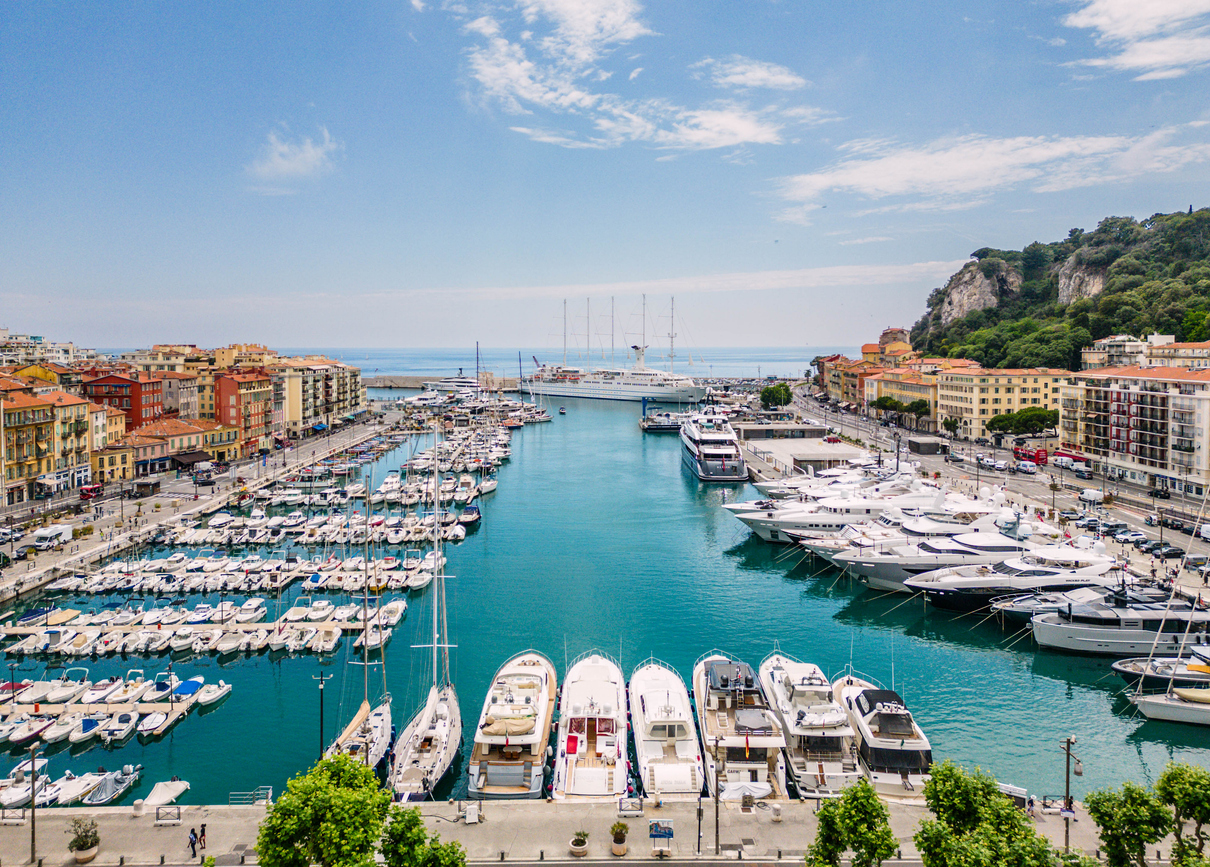
Discovering the Côte d’Azur by Boat from Nice to Cannes: Scenic Routes, Bays and Anchor Spots
There’s a special kind of freedom that comes from exploring the Côte d’Azur by boat. The coastline between Nice and Cannes delivers a perfect mix of Riviera glamour, gentle passages, transparent water, and bays that invite you to linger for a swim or a long lunch on deck. Whether you’re at the helm of a small dayboat or easing along on a comfortable cruiser, this stretch of shore is an ideal introduction to Mediterranean boating: close-set harbors, reliable weather windows, plenty of day anchorages, and cultural highlights just a short tender ride ashore.
What follows is a practical, detailed guide to help you plan and savor your journey from Nice to Cannes, with suggested scenic routes, favorite anchor spots, and some lesser-known corners worth seeking out. Consider it a friendly set of notes, the kind of tips you’d normally get from a local friend who also loves to be out on the water.
For a broader introduction to the coastline, seaside towns and atmosphere of the region, this guide to the Côte d’Azur offers useful background before setting out by boat.
Why this route shines: short hops, big rewards
The stretch from Nice to Cannes is tailor-made for coastal cruising. Distances are short—often just a few nautical miles between highlights—and the coastline is varied, with rocky headlands, sandy bays, and guarded coves that shift character as the light changes. That makes it easy to plan your day around the wind and sea state, choosing a bay that offers lee from the breeze or a swell-free lunchtime stop. It also means that if a particular anchorage feels crowded, you can try another just around the point without losing hours of your day.
There’s also a rich blend of history and nature along the way. From the colorful markets of old Antibes to the serene monastery on Saint-Honorat and the storied Fort Royal on Sainte-Marguerite, you can weave cultural visits into your cruising rhythm. And for those who love snorkeling, free-diving, or simply spotting fish from the swim ladder, the water clarity around Cap d’Antibes and the Lérins Islands is routinely excellent.
Planning your passage: charts, weather, and local rules
Before you cast off, build a quick framework so your trip feels relaxed rather than rushed. Most skippers find two or three days ideal for Nice to Cannes with time to explore. If you only have a single day, focus on Cap d’Antibes and one of the Lérins anchorages; if you have more time, add an early detour to the bay of Villefranche-sur-Mer or extra snorkel stops around the islands.
Charts and navigation: Use up-to-date electronic charts and keep an eye on local notices. The waters are generally straightforward, but there are reefs and isolated dangers (notably around Cap d’Antibes and in the Golfe-Juan area) that are clearly marked and easy to avoid with basic attention. Always monitor VHF 16 and contact marinas on their published working channels (commonly 9 or 12) when requesting a visitors’ berth.
Weather and sea state: The area benefits from gentle summer sea breezes, with calmer mornings and a predictable afternoon wind. Swell from an easterly or southeast breeze can roll into open bays, while a northerly often leaves south-facing coves calm. The Mistral can brush this coastline, though it tends to be less severe than further west. Keep an eye on forecast gusts and any thunderstorms; brief but intense summer squalls are not unknown. Tides are minimal in the Mediterranean, but do factor in afternoon chop when planning tender trips.
Local regulations to note: Anchoring in seagrass (Posidonia) meadows is restricted or prohibited in many areas. You’ll see buoys marking protected zones and, in some places, organized mooring fields with pickup buoys in season. Use sand patches for your anchor where permitted, and if moorings are available, they are often the simplest, most eco-friendly choice. Within 300 meters of the coast, keep speed to 5 knots or less, give swimmers wide berth, and stay clear of marked bathing areas. For the Lérins Islands, respect designated no-anchoring zones and abide by local guidelines for noise and drones—tranquility is part of the islands’ character.
Departing Nice: a coastal curtain-raiser
Leaving Nice’s Port Lympia is a small spectacle. Steep ochre facades frame the harbor, and the sea tends to settle into an inviting, deep blue within minutes of clearing the breakwater. On your starboard quarter, Castle Hill stands watch; on your port side, Cap de Nice leans into the sea with a rugged profile perfect for morning photographs. Early in the day, the water around Cap de Nice can be glassy, with the scent of pine drifting onshore. It’s not a bay for anchoring, but it’s a memorable start to the route.
If your timing allows, consider a quick pause along the Nice seafront after you clear the port—slow cruising off the Promenade des Anglais at a respectful distance is a classic Riviera moment. Keep to speed limits near the shore, and pay attention to swimmer and watercraft zones marked by yellow buoys.
A short optional warm-up: the bay of Villefranche-sur-Mer
Strictly speaking, Villefranche-sur-Mer sits east of Nice rather than on the westward line to Cannes, but seasoned boaters consider it one of the most beautiful anchorages on the coast. If you can spare a half-day before turning back west, the Rade de Villefranche gives you a deep, sheltered bowl of water with steep hillsides and pastel houses layered above the quay.
Anchoring is possible in sand patches where permitted, and the holding is generally good—but depths increase quickly, so allow for the right scope and the swing room you’ll need if the breeze clocks around. Early morning is the quietest time. Ashore, the old streets wind up from the water, and the citadel hosts small cultural exhibits in summer. For a quick swim stop without going ashore, pick a patch of clear turquoise to port of the main ferry lane, then return west around Cap de Nice once you’ve had your fill.
The Baie des Anges: easy miles toward Cap d’Antibes
Heading west from Nice, the coastline bows gently past the airport and Cagnes-sur-Mer, forming the Baie des Anges. This is broad, open water, with a long line of pebble beaches ashore and a feeling of space that contrasts with the tighter coves around the headlands. It’s a pleasant transit, though many skippers don’t linger here because the bay is open to swell and lacks the sheltered intimacy found further west. If you do pause for a midday swim, keep well outside any marked swimming zones, and mind the afternoon sea breeze, which can ruffle the surface by early afternoon.
Past Villeneuve-Loubet and toward Antibes, the coast begins to take on that sculpted Riviera profile again, with pine-covered slopes and the lighthouse at Cap d’Antibes feeling suddenly close. Antibes sits at the cusp of this change in scenery, a natural staging point before you round the headland and choose your first proper anchorage.
Cap d’Antibes: choosing the right bay for the wind
Cap d’Antibes is one of the coast’s best clusters of anchor spots, with options on the east, south, and west flanks depending on the breeze. The water is clear, the backdrop of umbrella pines is quintessentially Mediterranean, and the seabed alternates between sand and protected seagrass. Check local charts for Posidonia protection zones; as a rule of thumb, look for paler turquoise (often sand) and use those patches for your anchor while avoiding the darker, grassier areas. Cap d’Antibes is also frequently mentioned among the most beautiful beaches and coastal landscapes of the Côte d’Azur, particularly for its clear water, rocky coves and protected swimming spots.
La Salis: a gentle introduction on the east side
Just south of Antibes town and east of the headland, La Salis offers a wide, approachable anchorage that’s often calmer when a westerly is blowing. The seabed includes sand areas, making it a convenient first stop if you want to test the water temperature, have lunch, and decide whether to continue around the cape. Shore access is straightforward by tender, though it’s wise to use designated dinghy areas and keep a respectful distance from bathers. If you go ashore, the coastal path toward the lower slopes of the cape makes a pleasant walk with views back toward the Alps on clear days.
Anse de la Garoupe: classic Riviera scenery
On the south side of the cape, the curve of Garoupe is a natural amphitheater framed by pines and rock shelves. It’s a celebrated bathing spot for a reason: summer mornings can be exceptionally clear, and the seafloor here offers a mix of sand and seagrass that attracts fish. This bay is typically comfortable in northerly winds and less so if a swell runs from the south or east. If you plan to linger, arrive early; the character transforms as boats fill in during peak months. Above the cape, the Garoupe lighthouse is a notable landmark and a useful reference as you round the headland.
Baie des Milliardaires and l’Olivette: west-side gems
Rounding the cape onto the west face, you’ll find the Baie des Milliardaires (also known locally by the historic name Anse de l’Argent Faux) and, slightly north, the small harbor of l’Olivette where traditional wooden pointu boats moor. The Milliardaires anchorage is strikingly beautiful, with high, scented pines and water clarity that invites long snorkels along the rock fringes. It’s less protected in a strong westerly, but delightful in settled conditions or light northerlies. Sand patches can be found with a careful eye; avoid anchoring in seagrass and give space to local moorings. If you’re curious about the landward side, there’s a renowned coastal path on the cape, sometimes called the Tire-Poil trail, that threads close to the water and reveals hidden perspectives on the rocks and coves. Access points are signposted from land; from sea, it’s more a vista to enjoy from your cockpit than a landing target.
Antibes as a shore stop: history, markets, and a relaxed pace
If you’re ready for a stroll, a provisioning top-up, or a museum visit, Antibes is your easiest stop before you push on. Visitors’ berths are generally available with prior contact, and the town’s old quarter is minutes from the quays. Allow time for the Marché Provençal, a covered market known for ripe fruit, local cheeses, olives, and the kind of herbs that transform simple onboard cooking. If you enjoy art, the Picasso Museum occupies the old château and gives a window into the artist’s period on the coast. For a short, leg-stretching walk with views, the path around Fort Carré, north of the port, brings you close to the sea and offers a refreshing change of pace. The walled lanes of the Safranier quarter are also worth a wander, especially in the late afternoon when the light softens and the day cools.
Juan-les-Pins and Golfe-Juan: open anchorages with character
From Cap d’Antibes, the shoreline sweeps into Juan-les-Pins, a broad, sandy bay that feels different from the rocky coves you’ve just left. It’s a simple anchorage in light winds, especially when an easterly makes La Salis and Garoupe less inviting. The bay is exposed to westerly swell, so watch the forecast. In high season, music from the waterfront drifts out over the water, and on summer nights when the “Jazz à Juan” festival is on, you can sometimes hear the performances from your cockpit if you anchor at a respectful distance—a nice Riviera perk if you prefer your concert with a sea breeze.
Continue a touch further west to Golfe-Juan, which has two marinas and open roadstead anchoring. The water is deeper and more open here, but it can be a practical pause if you’re timing your hop to the Lérins or Cannes. Navigation note: the Fourmigue shoal sits offshore between Juan-les-Pins and Golfe-Juan, marked by a beacon. It’s well charted and well marked; simply give it healthy clearance, especially in playful afternoon light when surface cues can be deceiving.
The Lérins Islands: a serene world opposite Cannes
Just off Cannes, Sainte-Marguerite and Saint-Honorat are the kind of islands that never lose their appeal. Forested, low-rise, rimmed with clear water and stonework, they form a marine playground that can fill a day or more of your plan. The channel between the islands is a famous anchorage known for turquoise clarity and sandy patches, though it’s busy in peak months and churned by passing traffic. Outside the channel, you’ll find mooring fields and no-anchoring zones designed to protect seagrass; follow local signage and pick up a mooring if directed. Early arrivals tend to find the best spots, and early evenings can be magical as day traffic ebbs and the light warms.
Anchoring between the islands: what to expect
The water in the channel is shallow enough in places to show that classic Caribbean-like hue, with plenty of sand for good holding. You’ll share the area with tenders, kayaks, and ferries, so keep speeds very low, lay generous scope without crowding neighbors, and consider setting a stern line if the breeze is fluky and boats are swinging differently. If the afternoon parade of traffic becomes too lively, shift to a mooring field on the outer, south-facing sides where conditions are often calmer and you’ll sleep better.
South-side moorings: calmer nights and easy swims
On the south side of both islands, you’ll find designated moorings that help protect the seabed. They are especially appealing if a light northerly is blowing, as the island mass provides welcome lee. The snorkeling is rewarding along the rocky margins, where small groupers, bream, and wrasse patrol the edges of the grass. Keep an eye out for small, precise movements on the seafloor in sandy tongues—you may spot flounder or rays half-buried and perfectly camouflaged.
A lesser-known highlight: the underwater ecomuseum
Off Sainte-Marguerite’s southern shore, the underwater ecomuseum features a set of submerged sculptures that have quickly become a local favorite for snorkelers and free-divers. The installation sits at modest depths, and on clear days you can float above the forms with excellent visibility. Choose a slack-water moment with minimal boat traffic, use a visible buoy if you’re guiding swimmers away from the boat, and keep well outside any no-go zones marked on buoys.
Saint-Honorat: quiet paths and handcrafted wines
Saint-Honorat is the more contemplative of the two islands. The active monastery lends the place a distinctive calm, and you’ll find signed footpaths beneath pines, small chapels, and old stonework that catches the evening light. If you land by tender, dress modestly, keep voices low near the abbey, and respect the posted guidelines. The island’s vineyards have a long tradition; if you enjoy thoughtful souvenirs, their limited-production wines are part of the local story. Returning to your boat at sunset, you’ll often be treated to still water and the soft hum of cicadas.
Approaching Cannes: choosing your finale
From the Lérins, it’s a short glide to Cannes proper. The view as you line up with the Croisette is a panorama of palms, a long sweep of beach, and the silhouette of the old town on the Suquet hill. There are two principal marina options—one by the old town and one farther east—and outside anchorages in settled weather. If you plan to go ashore, look for designated dinghy zones and tie up where permitted, as the waterfront is busy and regulated in season.
Events are part of Cannes’ identity. Fireworks festivals dot the summer calendar, creating temporary exclusion zones and worth watching from a safe, well-chosen anchorage. The regatta season, including the Régates Royales in early autumn, fills the bay with classic yachts—a spectacle best enjoyed from a respectful distance and with a sharp eye for race committee marks and safety boats. If crowds aren’t your scene, time your approach for late morning or arrange your final night back by the islands, then come in early when the light is soft, and the harbors are stirrings rather than full swing.
Navigation notes and small hazards to mind
This coast is straightforward with basic care, but a few practical notes help keep your day smooth:
- Reefs and rocks: Off Cap d’Antibes, read the chart closely. There are scattered rocky patches off the headland and toward Juan-les-Pins. The Fourmigue shoal is well marked—give it space.
- Ferries and movement: Around the Lérins, ferries operate to fixed timetables and run predictable lines. Cross behind them and allow for their wake.
- Swimming buoys: Yellow buoys define bathing zones along beaches. Stay outside these, proceed slowly near shore, and always give priority to swimmers and non-motorized craft.
- Afternoon breeze: Plan longer tender rides for morning or early evening if possible; it’s simply more comfortable.
- Night visibility: The coast glows at night, which is beautiful but can be visually busy. Confirm light characteristics on prominent marks if transiting after dusk.
Responsible anchoring: Posidonia, waste, and sound
Seagrass meadows are the blue lungs of the Mediterranean. They stabilize the seabed, provide habitat, and literally keep the water clear. Anchoring in Posidonia is restricted or prohibited in many zones between Nice and Cannes. To do your bit, choose pale sand patches or designated moorings whenever possible; lift and reset if your anchor drags toward grass; and keep scope appropriate but tidy in crowded anchorages. When available, pick up organized mooring buoys provided by local authorities—these exist specifically to protect the seabed.
As for onboard habits: keep trash secured, use marina facilities for recycling and pump-out where available, and minimize noise late at night (sound travels far over water). Many skippers also carry a small net aboard to retrieve floating litter when they see it. It takes seconds and improves the very waters we enjoy.
Micro-adventures by tender: coves, paths, and viewpoints
With your main hook set, a short tender run can open up miniature explorations that larger boats can’t reach:
- Rock gardens off Cap d’Antibes: Along the margins of Baie des Milliardaires and Garoupe, the interface of rock and sand is a snorkeler’s treasure. Look for sea urchins tucked into crevices and shoals of juvenile fish schooling along the edge of the grass.
- Traditional boats at l’Olivette: The pointu harbor on the west side of the cape is postcard-worthy. Approach slowly, stay well outside the mooring field, and enjoy the view of these beautifully maintained craft without disturbing local traffic.
- Sainte-Marguerite’s western tip: The water clarity and sculpted rock shelves here are top-notch when the sea is calm. Set a swim ladder and explore in pairs, keeping mindful of small boat traffic.
- Coastal footpaths: From shore, the Sentier du littoral around Cap d’Antibes offers an hour or two of memorable walking. If you’ve come by land earlier in the day, it’s enjoyable to later spot from the water the very rocks you walked across.
When to go: seasons, sea life, and water temperature
From late May through September, the weather and water are at their most inviting. June and September often feel like insider months: warm, lively, but less crowded than peak August. In July and August, plan earlier starts, secure your anchorage by mid-morning, and be flexible—it’s peak season after all. Water temperatures typically climb from the high teens Celsius in late spring to the mid-20s by midsummer. Visibility improves after calm spells, especially around the headlands and islands.
Sea creatures you might spot include bream, wrasse, and the occasional octopus around rocky bottoms. Dolphins do visit the area, more often in the quieter shoulder seasons and a bit further offshore; if you’re fortunate enough to see them, keep distance and speed consistent so they can choose how close they want to approach. Jellyfish can appear in warm weather, especially after onshore winds. A quick scan before committing to a swim is always worthwhile, and some beaches deploy seasonal anti-jellyfish nets for bathers.
Provisioning, fuel, and practical shore errands
Between Nice, Antibes, and Cannes, you’re never far from fuel docks, chandleries, or fresh produce. For boats on longer itineraries, Antibes is a practical place to restock—its market, bakeries, and small grocers are all within a short walk of the quay. Nice offers varied options near Port Lympia, and Cannes has multiple choices near both marinas. Plan fuel stops for early morning when docks are less busy, and always confirm hours in advance during shoulder seasons when schedules can shift.
Fresh finds that elevate an onboard lunch include ripe tomatoes, basil, olives from the Marché Provençal in Antibes, and a loaf of fougasse. If you’re in Nice before departure, the Cours Saleya market is a classic source for herbs, fruit, and local treats to tuck into your galley.
Events and local rhythms you can enjoy from the water
Part of the pleasure of this route is catching the region’s seasonal heartbeat without getting stuck in traffic. Notable moments include:
- Jazz à Juan (Juan-les-Pins): On certain nights in July, music carries across the bay. Anchor at a respectful distance, keep noise down on your own boat, and enjoy the soundtrack to sunset.
- Fireworks over Cannes: Several summer evenings feature choreographed displays. Check the city’s calendar, choose a safe anchorage with a clear sightline, and arrive early to settle before the show.
- Régates Royales (Cannes): In early autumn, classic yachts flood the bay. It’s a floating history lesson—stay clear of race courses and watch the starts and mark roundings from outside the lines.
A comfortable 2–3 day itinerary from Nice to Cannes
If you’re looking for a framework, here are two versions that build in time to swim, stroll, and soak up the setting.
Two-day plan:
- Day 1: Morning departure from Nice. Transit the Baie des Anges, a swim stop at La Salis or Anse de la Garoupe depending on wind, lunch on board, then around to Baie des Milliardaires for an afternoon snorkel. Evening swing back toward the Lérins and pick up a mooring on the south side of Saint-Honorat. Quiet dinner and a night under the pines’ silhouette.
- Day 2: Morning tender ashore to Saint-Honorat for a walk on the footpaths. Late morning anchor between the islands for a swim and a look at the underwater ecomuseum off Sainte-Marguerite. After lunch, short glide into Cannes for an afternoon on shore or a last swim off the Croisette, then berth for the night or return eastward depending on your schedule.
Three-day plan with a Villefranche prelude:
- Day 1: Early departure from Nice and a short run east to Villefranche-sur-Mer for a swim and coffee on deck. Late morning return west and set a lunch hook at La Salis. Afternoon in Antibes: stroll the old town, visit the market, and refresh your stores. Overnight in a calm anchorage off the west side of Cap d’Antibes if weather allows, or a berth in port if you prefer shore power and a quiet night.
- Day 2: Slow morning at Baie des Milliardaires with snorkeling along the rocks. Midday run to the Lérins, moor on the south side of Saint-Honorat, and explore the island. Sunset swim and dinner on board.
- Day 3: Early dip and lazy breakfast. Shift between the islands for shallow-water play. Early afternoon toward Cannes for a walk up the Suquet hill and a last look across the bay. If you have time, catch the golden hour back among the islands before your final leg or your berth for the night.
Packing the little things that make a big difference
Keeping the boat light and simple is part of the pleasure, but a few items raise comfort and safety levels noticeably:
- Anchor toolkit: A reliable primary anchor suited to local sand bottoms, chain with marked lengths, a short kellet if you like quieter nights, and a snubber to reduce swing and noise.
- Seagrass-friendly mindset: A polarized set of sunglasses to spot sand patches, plus a handheld depth sounder if your main instrument is fussy close to shore.
- Tender and swim kit: A low-profile fender or ladder mat to protect gelcoat, a bright float for swimmers, and a small dry bag for shore runs.
- Sun and wind comfort: A good bimini or shade cloth, reefable canvas for sudden gusts, and lightweight layers for evening breezes.
- Local nav cheats: A paper overview chart or printed screenshots as a backup, and notes on marina contact channels to avoid fumbling when calling in.
- Galley enhancers: A small mortar and pestle for quick pesto or aioli, and reusable containers to store market finds while reducing plastic aboard.
Arriving and overnighting: how to sleep well on the hook
Good nights at anchor are mostly about matching the spot to the conditions. If a northerly is forecast, the south sides of the Lérins can be excellent. If an easterly is due, consider Juan-les-Pins over La Salis, or tuck into a mooring field that has some shelter from swell. In all cases, lay generous scope based on depth and expected gusts, back down gently to set the anchor, and watch for how neighboring boats swing. The Mediterranean habit of anchoring with a stern line to shore isn’t widely necessary in this stretch, but it can be used in very settled, uncrowded coves if you know the technique and you’re careful not to damage rocks or vegetation.
Set a simple anchor alarm on your plotter or phone, do a nighttime reference check onshore lights so you can orient yourself if you wake, and enjoy the sound of small wavelets tapping the hull. In summer, a hand fan or a quiet cabin fan can make the difference between “warm” and “restful.”
Respecting the rhythm of each place
Each stop along this route carries its own tone, and leaning into that makes the trip richer. Nice feels cosmopolitan and grand on departure; Villefranche is contemplative at dawn; Cap d’Antibes invites swims and long lunches; Antibes town is unhurried and grounded in everyday life; Juan-les-Pins is playful and musical; the Lérins are serene and monastic in spirit; Cannes is energetic and a little theatrical. If you move with those rhythms—earlier starts where needed, quieter evenings where welcomed—you’ll find the trip adds up to more than the sum of its parts.
Frequently asked questions for this route
Is it beginner-friendly?
Yes, provided you’re comfortable with basic coastal navigation and anchoring. Distances are short, hazards are well marked, and shelter is never far away. The key is to keep an eye on the wind direction and choose anchorages accordingly.
Can I rely on mooring buoys?
In season, organized moorings exist around the Lérins and in some protected areas, but they can fill quickly. Always have a plan B for anchoring in permitted sand patches and be ready to adjust if a mooring field is full.
What about crowds in summer?
They’re part of the charm and the challenge. Start early, anchor before midday, and be gracious; most boaters are happy to share space when everyone communicates and sets scope sensibly.
Where are the calmest places to sleep?
In settled conditions with a northerly, the south sides of the Lérins are excellent. In a light easterly, the west side of Cap d’Antibes can be comfortable. Avoid wide-open roadsteads if any swell is forecast overnight.
Are there quiet, lesser-known corners?
Yes: in early morning or late afternoon, the rock shelves near the western tip of Sainte-Marguerite can be wonderfully peaceful, and the small pointu harbor of l’Olivette is a sight many visitors miss. On land, the path around Cap d’Antibes offers coves and viewpoints you won’t see from the main beaches.
Bringing it all together
There’s a reason so many boaters trace this short arc of the Côte d’Azur again and again. It’s approachable, but not dull; glamorous, but full of quiet places where you can hear the cicadas; close to services, but still offering clear-water swims that feel far from the city. With a bit of planning, an eye for the wind, and a respect for the seabed under your anchor, the passage from Nice to Cannes can be equal parts adventure and ease. Start with a morning glide past Cap de Nice, sample a couple of anchorages around Cap d’Antibes, sleep under the pines of the Lérins, and greet Cannes from the water the next day. You’ll carry the rhythm of these bays with you long after you tie up.
Planning to discover more of the French Riviera by boat? View all our holiday villas on the Côte d’Azur.

