

 EN
EN  NL
NL
 DE
DE
 FR
FR

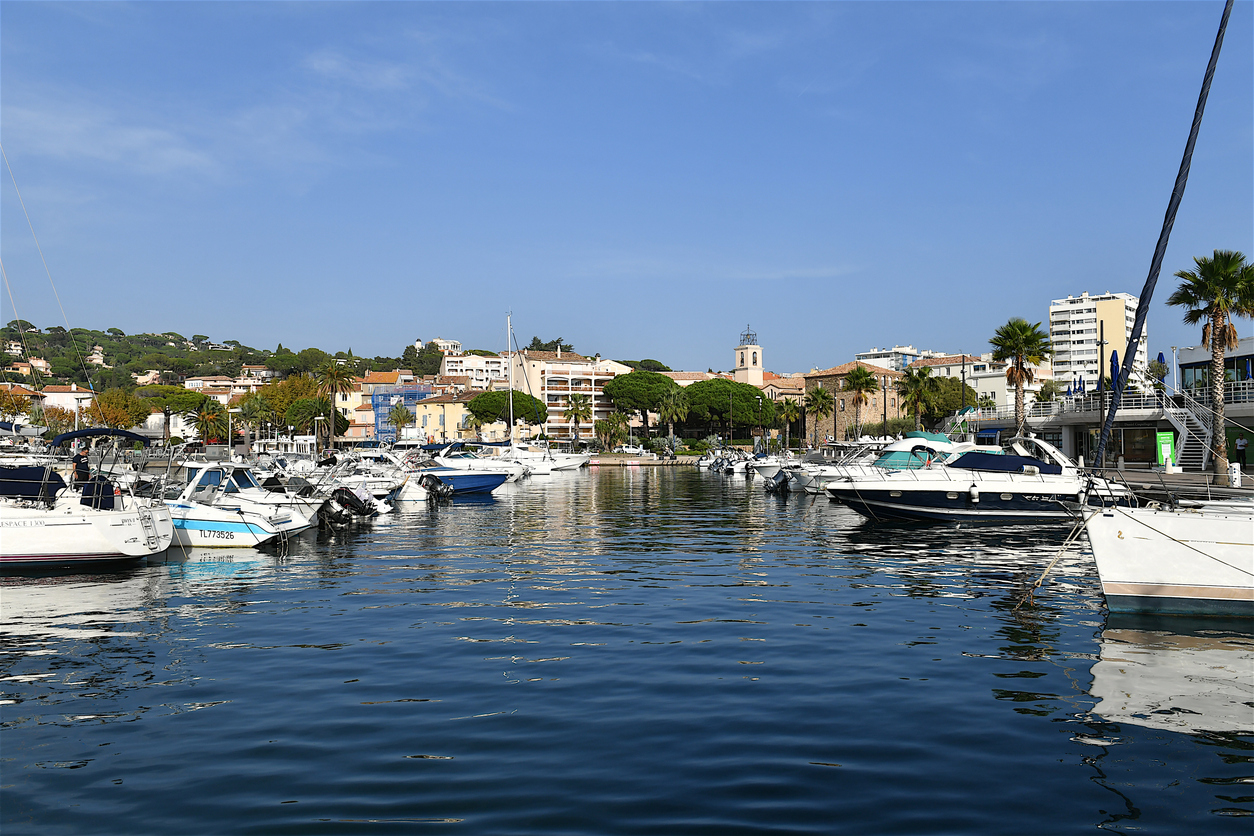
Discovering the Côte d’Azur by Boat from Sainte-Maxime to Les Issambres: Routes, Bays and Anchor Spo
Why This Stretch by Boat Feels Like Your Own Private Riviera
Between Sainte-Maxime and Les Issambres, the coastline seems purpose-built for easy, rewarding boating. Distances are short, the scenery changes every mile, and you’ll find a mix of sandy bays, rocky points, and intimate coves with water so clear it feels unreal. What makes it truly special is how many options you have in a compact area: you can leave the harbor mid-morning, reach a protected anchorage in minutes, swim, snorkel, enjoy lunch on deck, and reposition once or twice without ever feeling rushed. If you want a day that’s more “hidden coves and swim stops” than “open-water slog,” this is your sweet spot on the Côte d’Azur.
The character of the shoreline also helps. From the family-friendly arc of La Nartelle to the rugged little cuts around Les Issambres, you get variety and interest without the stress of offshore passages. You’ll pass a Roman fishpond carved into the rocks, snorkel over Posidonia meadows framed by pale sand, and—on calm mornings—cruise a mirror-smooth sea fringed by pines. Even peak summer can feel relaxed if you time it right and know where to tuck in.
For a broader introduction to the villages, beaches and coastline surrounding these waters, this Gulf of Saint-Tropez travel guide offers an excellent overview before setting out by boat.
Chart at a Glance: The Coastline from Sainte-Maxime to Les Issambres
It helps to picture the coast in segments. Leaving the Port de Sainte-Maxime, you trend east along a generous sweep of shore. First comes the low headland of Pointe des Sardinaux, a natural terrace of rock with a shallow reef. Beyond it, La Nartelle opens in a long, sandy bow, with a few discreet rocky interruptions that create nooks to anchor. Continue east and you’ll start to feel the coastline of Les Issambres: a mosaic of little beaches and calanques, with two main reference points—the area of La Gaillarde (where the Roman fishpond sits) and the small harbor at San Peïre (Port des Issambres). Past that, the rocky crenellations continue toward Boucharel and the Saint-Aygulf side of the bay.
Below are a few landmarks and typical distances, to set expectations:
- Port de Sainte-Maxime to Pointe des Sardinaux: roughly 2 nautical miles.
- Pointe des Sardinaux to mid-La Nartelle: about 1 nautical mile.
- La Nartelle to Port des Issambres (San Peïre): around 2–3 nautical miles, depending on your line.
- Port des Issambres to La Gaillarde: approximately 1 nautical mile.
Navigation is straightforward with few surprises, provided you stay alert near rocky points and observe the 300-meter rule close to shore. You’ll see swimmers, paddleboards, and kayaks throughout summer; build that into your scan and speed choices.
Weather Windows and Sea State: When the Coast Shines
On this coast, your most comfortable boating hours often come early. On a typical summer day, mornings are calm or gently rippled, with thermal breezes building later. By mid to late afternoon, a localized sea breeze can kick up short chop. Plan to get your longer moves and snorkeling done before lunch, then choose more protected anchorages for the afternoon.
Wind direction matters. A mistral (northwesterly) can slide down off the hills and ruffle the bay, though it also has a habit of making the water sparklingly clear. Easterly systems and swell tend to push onto these beaches more directly, especially La Nartelle and La Gaillarde, making them rollier; that’s when tucked-in coves and the lee of rocky points earn their keep. If you wake to an easterly swell day, target pocket coves with some rock around them rather than broad beach arcs.
Tides are minimal in the Mediterranean, but swell and boat wake matter. Keep an eye on wind forecasts from Météo-France and any local notices to mariners. As always, if conditions evolve, keep options open—one of the advantages here is how quickly you can shift from an exposed bay to a sheltered nook.
Local Rules, Etiquette and the 300-Meter Zone
France’s coastal boating rules are reasonable but strictly enforced, especially in summer. A few reminders tailored to this area:
- Within 300 meters of the shore, the speed limit is 5 knots. Use the designated channels to approach beaches and remember swimmers can be well beyond the surf line.
- Anchoring should avoid Posidonia oceanica. It appears as dark green or brown patches. Aim for pale sand, and never drop anchor onto seagrass. Besides being protected, Posidonia keeps the water clear and the seabed stable.
- Respect mooring fields and seasonal buoys; take a public mooring if permitted, rather than dropping your own anchor in a restricted spot.
- Music carries over water. Keep sound levels courteous, especially late in the day when more people are relaxing at anchor.
- Carry basic safety equipment, monitor channel 16 when under way, and keep a close lookout—this is a multi-use coastline with swimmers, divers, paddleboards and fishing buoys.
Getting Under Way from Port de Sainte-Maxime
Port de Sainte-Maxime is one of the most user-friendly departure points on the Riviera. Visitor berths are typically well-marked, the fuel dock is convenient, and you can pick up last-minute ice and provisions steps from your boat. Allow a few minutes before departure to stow lines and fenders; once you exit the harbor you’ll likely have a gentle crosswind, and tidy decks make everything easier.
Upon clearing the breakwater, set a modest speed, warm up the crew, and let everyone take the view in. Even veteran boaters feel a little lift as Sainte-Maxime falls astern and the bright green of the shoreline contrasts with that signature turquoise band near the sandy bottoms ahead. You’ll pass close to broad beaches, so be conservative with your line and keep an eye out for the yellow buoys that mark the 300-meter zone.
First Stop: Pointe des Sardinaux, “La Petite Corse”
Pointe des Sardinaux is a loved local landmark—a low, rocky headland with a scatter of pines and a shallow reef that shelves gradually into deeper water. Locals call it “La Petite Corse” for its craggy look and the way the rock meets sea in these attractive little ledges and basins. There’s an old bunker on the point and a small coastal path, but the real draw for boaters is in the water: clear, lively, and often calmer than the open arcs of sand on either side. Pointe des Sardinaux is also featured in this guide to the most beautiful beaches around Sainte-Maxime and the Gulf of Saint-Tropez, particularly for its rocky shoreline and clear snorkeling waters.
Anchoring at Sardinaux
The key here is to give the point respectful room and look for pale sand patches on either side, in 4–8 meters of water. You don’t want to stray onto the rock ledges or across seagrass. The water clarity can make it feel shallower than it is; measure with your depth sounder, and set a scope of 4–5 times depth if room allows. If other boats are already anchored, observe their swing and drop well clear—you’ll often see a mixed fleet of RIBs, small day-cruisers, and a few pocket sailboats.
On an easterly swell, the point can funnel a bit of roll around the corner. If it’s lumpy, take a look and move on to La Nartelle. On a calm morning, though, this is as good as it gets: still water, good snorkeling, and a sense of being anchored somewhere that feels more remote than it is.
Snorkeling and Shoreside Details
Bring masks and fins: the shallow reef is a favorite spot for kids and first-time snorkelers. You’ll see salema, wrasse, and the occasional sea bream; in mid-summer, small shoals cruise the edge of the seagrass. Along the rocky fringe on the east side, you may find cracks with octopus lairs—look for the telltale ring of shells. On land, a short walk reveals the low bunker and signage about local nature. If you go ashore by tender, use the boat channel and pull the dinghy clear of swimmers, then return promptly so you’re not blocking access.
La Nartelle Bay: Easy Anchoring, Big Horizons
From Sardinaux, continue east and you’ll ease into La Nartelle, a long curving bay backed by pines. This is one of the Riviera’s classic beach anchors: on a calm day, you’re spoiled for choice. The seabed is mostly sand with isolated patches of Posidonia. The water here tends to be that unmistakable bright turquoise you see in brochures, because the pale sand reflects light straight up to the surface.
Where to Drop the Hook at La Nartelle
Pick your spot with the wind and swell in mind. On a typical summer morning with little wind, anchoring in 4–6 meters off the central stretch gives you plenty of swing and an easy swim to the ladder. Keep clear of any marked swimming areas and note the beach access channels for small craft. If the beach is crowded, stay farther out and let the view do the work—you’re in an amphitheater of sea and pine-framed sand, with the Maures hills rising behind.
When choosing your patch, the color cue is your friend: pale means sand, dark means seagrass. If your anchor drags or bites on grass, lift and reset on sand rather than plowing a trench through the Posidonia. You’ll set faster and sleep better that way. Once settled, take a compass bearing on a shore feature so you’ll notice any unexpected swing.
Lunch at Anchor and Beach Landings
La Nartelle is made for long, lazy lunches. With the boat’s bow into a light breeze, the cockpit stays pleasant, and the kids can swim off the stern while the grill cools. If you’d like to step ashore, use the marked access channel with your tender and beach it at the edge of the swimming area, or tie to the small mooring line if one is designated for tenders. Always shut your outboard well before swimmers and paddle in the last few meters.
In summer you’ll notice a few beach restaurants lining the shore. If you do head in for a coffee or a late afternoon drink, keep your visit brief and your anchor watch mindful of changing winds. It’s easy to lose track of time.
La Madrague and Small Pocket Coves
Between Sardinaux and La Nartelle, the coastal indentations near La Madrague make for charming pause points. They’re smaller, with more rock, and therefore a touch more technical. On a light day, you can nose in and drop on a small sandy patch in 3–5 meters, then set a stern line ashore if needed to keep your bow into the afternoon breeze. The reward is intimacy—fewer boats and a sense of being in your own little room of sea and rock.
Because these are narrow, it’s vital to avoid blocking swimmer access or creating a hazard for boats entering and exiting the cove. If it feels tight or swell is wrapping around, choose the more generous space at La Nartelle instead. When the sea is calm, though, these small coves are magic for a quick snorkel stop and a quiet read with your feet in the water.
Approaching Les Issambres: From La Garonnette to San Peïre
Continue past La Nartelle and you’ll transition subtly into the Les Issambres coastline, which belongs to the commune of Roquebrune-sur-Argens. You’ll notice the rocks change character—slightly more sculpted, with a few honeycombed pockets—and the beaches become small, separated by low points. The area around La Garonnette often has a bit of shelter, and shortly after that you’ll see the masts and breakwaters of Port des Issambres at San Peïre.
Port des Issambres: Approach and Practical Notes
Port des Issambres is compact but handy as a mid-cruise stop. The approach is straightforward in calm conditions, though always give the harbor entrance room for inbound and outbound traffic. If you want to step ashore for provisions or a stroll on the waterfront, this is a convenient place to do it. In peak season, plan your timing early or late in the day to avoid queues; be ready with lines and fenders on both sides and a boat hook handy for tight maneuvers.
Facilities typically include water and electricity on the pontoons, and seasonal fuel availability varies—check ahead. Even if you don’t berth, the harbor area is a pleasant visual anchor point and a good place to turn back if your plan is a half-day cruise.
The Roman Fishpond at La Gaillarde
One of the area’s unique waterfront sights is the ancient Roman fishpond—locally called the “Vivier Romain”—near La Gaillarde. Carved directly into the rock platform, this coastal pool used to keep live fish fresh for Roman tables. From the sea, you can make out the geometric outlines at low water. If the swell is up, keep a respectful distance; the rock shelf is shallow and exposed. On calm days, though, idling by at a safe offing gives you a little hit of history in the middle of your swim-and-snorkel cruising.
The Calanques of Les Issambres: Tardieu, Boucharel and Hidden Cuts
East of Port des Issambres, the coastline gets interesting again for small-boat explorers. These “calanques” are not deep fjords like in Marseille, but rather intimate inlets and undercut coves that feel far from the beach crowds, especially early or late in the day. Calanque Tardieu often has clearer water and a bit of shade from overhanging rock. Farther along, the Boucharel area has two small coves—Grand and Petit Boucharel—with a mix of sand pockets and rock fingers. Approach slowly and eyeball your path; the clearer the water, the easier it is to read depth gradients by color.
As a rule, go in with someone on the bow to spot rocks and be ready to back out if it feels tight. Remember these are also favorite spots for shore-based swimmers and snorkelers. A gentle horn tap and wide berth go a long way toward keeping everyone comfortable.
Using a Stern Line in Tight Coves
When a cove is narrow, set your bow anchor in sand where possible, then pay out chain as you back toward the rock. Clip a fender to your stern line in case it ends up in the water, pass the line around a natural bollard or ring if available, and cinch it back to your stern cleat so the boat sits bow-to-swell. In this area, the afternoon breeze often lines up with the cove’s orientation, so a stern line keeps you from sheering into neighbors or shifting too close to shore. Keep prop wash minimal near rocks; a slow, deliberate approach beats being brisk and imprecise.
Afternoon Strategy: Sheltered Re-Anchor and Easy Return
By early afternoon, if the sea breeze has filled in, you’ll be glad to move from an open bay to a cove with some rock around it. A good pattern is to enjoy the width of La Nartelle in the morning, then slide into Tardieu or Boucharel for an afternoon swim. Alternatively, tuck in on the eastern side of Sardinaux if it’s sheltered from the day’s wind direction. From any of those, it’s a simple run back to Sainte-Maxime in the soft light of late afternoon, with time for a last swim if the water is inviting.
If you’re lingering for sunset, check that your navigation lights are working and your route home doesn’t thread any unlit buoys up close to shore. After sunset, boat traffic drops off quickly, but night vision on the water takes patience—keep to moderate speed, maintain a wide scan, and resist the glare of bright cabin lights.
Sample Itineraries for Different Kinds of Days
It’s nice to have a framework, even if you pivot mid-cruise. Here are a few tried-and-true patterns to make the most of the Sainte-Maxime to Les Issambres stretch.
Half-Day Taster
- Depart Port de Sainte-Maxime around 9:30.
- First stop at Pointe des Sardinaux for a swim and snorkel. Anchor in 4–6 meters on sand.
- Late morning reposition to mid-La Nartelle for a second swim and snacks on board.
- Back to Sainte-Maxime by 13:00 before the breeze builds.
Full-Day “Three Bays”
- Early depart to Sardinaux, then a leisurely hour of snorkeling and coffee on deck.
- Slide along to La Nartelle, anchor on sand, lunch aboard and maybe a tender run ashore.
- Mid-afternoon shift to a Les Issambres calanque like Tardieu for a sheltered swim.
- Optional short call at Port des Issambres for a stroll, then return with the evening light.
Family Day with Kids
- Start with a short hop to La Nartelle where the entry is easy, the water is shallow near shore, and there’s room to swim.
- Pack a fish ID card and do a “treasure hunt” snorkel at Sardinaux where fish congregate along rock edges.
- Afternoon at La Gaillarde to show the Roman fishpond from a safe distance, then an ice cream break at San Peïre before heading back.
Photographer’s Loop
- Dawn departure for glassy reflections off Sardinaux and the first swimmers at La Madrague.
- Late morning texture shots of rock and water at Boucharel, plus surface patterns over sand at La Nartelle.
- Golden-hour run back, shooting pines, ochre rocks and the mauve tones on the Maures hills behind Sainte-Maxime.
Anchoring Technique: What Works Best Here
Anchoring along this coast is mostly about reading the bottom and setting cleanly the first time. A few practical tips that suit the local conditions:
- Bottom reading: Pale turquoise with slight grain = sand; mottled dark-green patches = Posidonia; sharp dark-gray = rock. Adjust your plan accordingly.
- Scope: In 4–8 meters of water, a 4:1 to 5:1 scope works well. If you’re staying through a breeze, add a bit more chain. If you have rope rode, consider a snubber for shock absorption.
- Set gently: Drop the hook with the boat just moving back, pay out chain steadily, and give a brief reverse to set. Have someone sight the chain angle and feel for the “bite.”
- Swing room: On summer days, boats may anchor closer than ideal. If your neighbor has a different rode type or length, you will swing differently. Leave room or choose another patch rather than spending the afternoon on edge.
- Stern lines: Use only in coves where it’s customary and you won’t obstruct access. Fenders on the stern line help others see it and prevent chafe on rock edges.
Safety and Seamanship: Localized Advice That Pays Off
Even on a gentle coastline, good habits matter. Stay aware around Pointe des Sardinaux’s shallow reef; what looks like open water can hide low rocks close to the point. Watch for fishing floats and nets near Les Issambres—give them a wide berth and don’t pass between paired markers. The 300-meter zone sees a lot of human-powered craft; keep a slow, predictable line and announce any course changes early with gentle helm.
Carry sun protection in abundance. The reflection off pale water at La Nartelle is no joke—caps, long sleeves, and fresh water for rinsing after swims keep the whole crew comfortable. Jellyfish appear some summers; if you spot purple-pink jellies with long trailing tentacles, exit the water calmly, rinse with seawater and avoid rubbing. Most stings are minor but annoying; a basic first-aid kit and after-sun gel earn their place on board.
Posidonia, Clarity and Doing the Right Thing
One reason this stretch looks and feels pristine is the Posidonia oceanica meadows that stabilize sand, oxygenate the water, and shelter marine life. Anchoring on Posidonia tears rhizomes and leaves scars that can take decades to heal. The rule of thumb is refreshingly simple: don’t. If your anchor drops on grass, lift and reset on a clean patch of sand. It takes two minutes and protects the habitat that makes these bays so appealing.
Beyond anchoring, practice light-impact boating. Keep greywater to a minimum near swimmers, stow trash securely and bring everything back to shore, and rinse gear with a bucket rather than a hose for a quick freshwater spritz. Underwater, enjoy and observe without touching—octopus dens and urchin clusters are fun to spot but best left undisturbed.
What to Pack for a Seamless Day on the Water
Good days on this coast are built on small comforts and a few thoughtful extras. Consider the following:
- Two anchors if you plan to try tight coves—one bow, one light stern anchor.
- Long stern line with a fender clipped midline for visibility.
- Snorkel kits, plus a small laminated fish ID sheet for kids and curious adults.
- Plenty of drinking water, a thermos of coffee for early swims, and simple, packable snacks.
- Soft-soled deck shoes for rock landings and a dry bag for phones and wallets.
- Shade solutions: bimini or a light boom-tent panel for lunch hours.
- Nav lights checked before departure if you might return after sunset.
Extending Your Radius: Easy Add-Ons Beyond Les Issambres
If you find yourself with time and a settled forecast, it’s tempting to widen the arc. Westward, the Golfe de Saint-Tropez offers a classic panorama—though busy in high season. Eastward, as you continue past Boucharel towards Saint-Raphaël, the rock gets redder and more dramatic, a preview of the Esterel. Keep in mind that the moment you leave the Sainte-Maxime–Les Issambres corridor, distances increase and shelter options spread out. It’s a good second-day plan once you’ve gotten to know the local rhythm.
For many boaters, though, the beauty of this stretch is that you don’t need to go far to feel like you’ve discovered something. You can always choose the more ambitious loop another time and let today be about the pleasures right in front of you.
Lesser-Known Local Highlights You’ll Appreciate
Even regular visitors miss a few small, special things on this coast:
- The eastern flank of Pointe des Sardinaux is prime for morning light. If you anchor early, the low sun turns the rock a warm honey tone and lights up the fish below.
- Between La Madrague and La Nartelle, micro-coves open after small weather shifts. A calm day after an easterly can reveal sand pockets that weren’t there the week before.
- Off La Gaillarde, look for the subtle line where sand meets low rock; this edge is a highway for small fish schools, especially around midday.
- From the water, glance up at the semaphore above Les Issambres on a clear afternoon; the crest-line adds a sense of scale to the coast that you don’t see from the beach.
- In late season, when crowds thin, the tiny notch at Calanque Tardieu often holds unbelievably clear water in the mid-afternoon, perfect for one last swim before returning.
Practical Flow: Fuel, Waste, and Timing
Top off your tank at departure to keep options open; while there’s often fuel at Port des Issambres in season, availability and hours can vary. Bring a few trash bags and a small container for recyclables; the harbors have collection points, and it’s easier to keep waste sorted as you go. If you plan a busy weekend day, especially in late July and August, consider an early start. You’ll find a calmer sea, easier anchoring, and a more relaxed return even as others are just heading out.
As for meals, many boaters like a light on-board breakfast, a leisurely lunch at anchor, and an open plan for the late afternoon—either a coffee ashore at San Peïre or a quiet hour reading in a cove before heading back. The trick is to avoid trying to do everything; three good stops beat six rushed ones.
Common Mistakes—And How to Avoid Them
Even experienced skippers occasionally trip over small details here. A few to watch for:
- Anchoring too close to shore: a swell can wrap around later and have you uncomfortably near swimmers or rock. Give yourself room to breathe.
- Ignoring color cues: dropping on dark patches that look like sand can mean landing on Posidonia or rock. Take a minute to confirm with the sounder.
- Staying put when conditions change: if the breeze builds and boats start rolling, move. Five minutes of cruising often finds calmer water around the next point.
- Underestimating afternoon chop: plan the day so your last leg is short and upwind only if needed, not a long pounding run when everyone’s tired.
A Day in the Life: How It Often Feels
You leave Sainte-Maxime with coffee in hand and the deck still cool to bare feet. Sardinaux comes into view and you can almost see the water clearing as the bottom brightens. The anchor sets smoothly, fins go on, and the first whoop from the water tells you the day has landed. By late morning, La Nartelle is a color study—turquoise under the boat, a darker band of seagrass farther out, pale sand where waves kiss the beach. Lunch is simple and perfect, the kind that tastes better on a boat than anywhere else. In the afternoon, the coastline of Les Issambres gives you a little drama: rock, shade, water chiselled by light. You idle past the Roman fishpond and imagine merchants on this very platform two thousand years ago. As you point the bow back toward Sainte-Maxime, the hills lose their noon glare and settle into softer tones. It’s short, it’s close, and yet you feel like you slipped into a quieter world for the day.
Conclusion: Short Distances, Lasting Impressions
The run from Sainte-Maxime to Les Issambres proves that you don’t need a long passage to get a full day’s worth of Riviera wonder. You’ve got accessible anchorages for beginners and nuanced coves for seasoned skippers, open sandy bays for a picnic and rocky inlets for adventure, practical harbors when you need them and wild-feeling corners when you don’t. With a little attention to wind and swell, an eye for sandy patches, and the willingness to move once or twice as the day evolves, you’ll stack up swim stops and sea views that linger long after you’ve rinsed the salt off the decks. It’s the sort of outing you’ll repeat, because each time you’ll notice something new—the way light hits the point, a quieter cove, a school of fish where you didn’t expect it. That’s the charm of this little piece of Côte d’Azur, and why discovering it by boat feels both effortless and endlessly rewarding.
Planning to discover the Côte d’Azur by boat? Explore our holiday villas in Sainte-Maxime.

