

 EN
EN  NL
NL
 DE
DE
 FR
FR

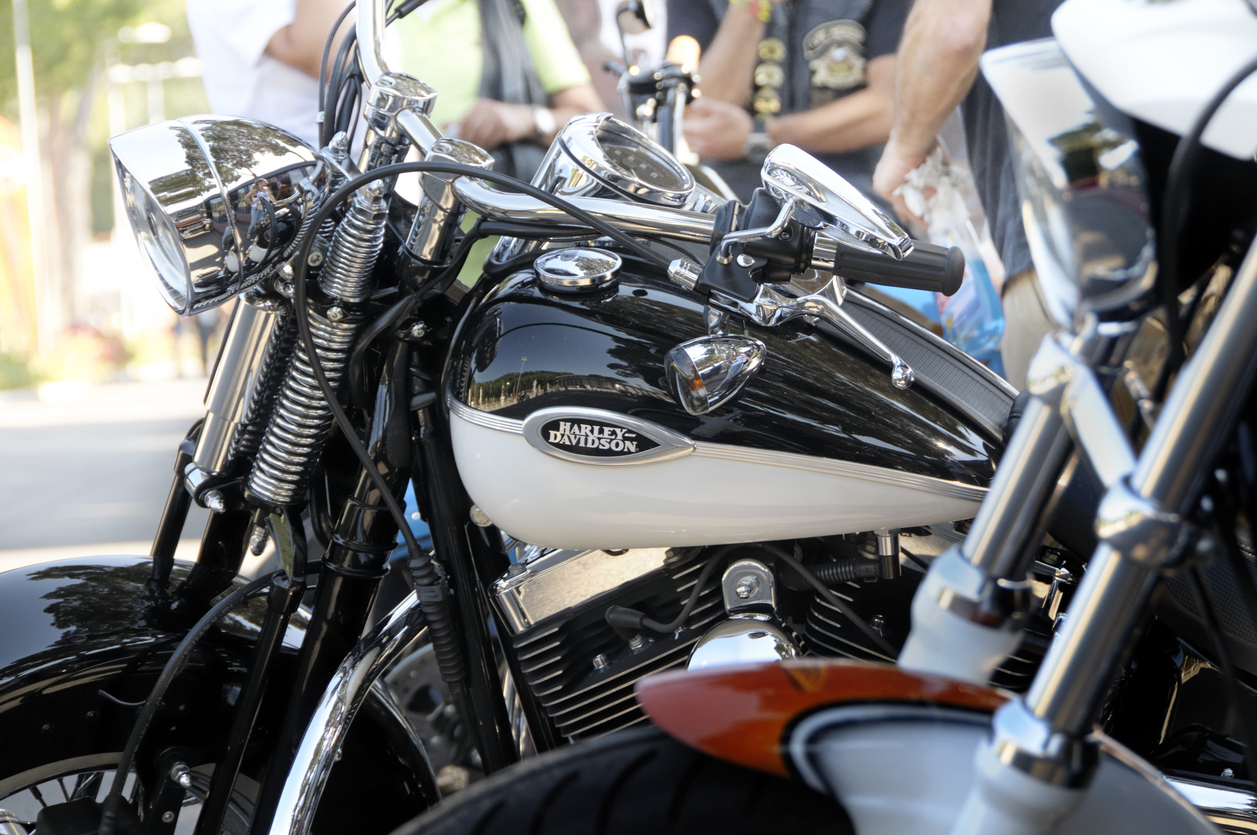
Harley-Davidson Euro Festival in Saint-Tropez: Freedom on the Riviera
A festival where chrome meets coastline
There are motorcycle gatherings, and then there’s the Harley-Davidson Euro Festival in Saint-Tropez—a celebration that blends open-road spirit with a Mediterranean setting that feels almost cinematic. Imagine the rumble of V-twins rolling along palm-lined quays, the scent of sea salt in the air, and a sun that seems to spotlight every curve of chrome. The Gulf of Saint-Tropez becomes a living stage: bikes lined up along the waterfront, riders swapping stories under plane trees, and the old town glowing in the late afternoon light as live music takes over the evening. It’s equal parts ride, reunion, and Riviera holiday, and if you’ve been thinking about experiencing it, consider this your inside track. For those who want to experience the Côte d’Azur beyond the clichés and discover its most vibrant moments, explore more stories, destinations, and local insights at AzurSelect before diving into this celebration of engines and Mediterranean light.
What sets this event apart isn’t just the venue—though Saint-Tropez, Port Grimaud, and the surrounding villages are impossibly picturesque—it’s the rhythm. Days drift from scenic rides through vineyards and over low mountain passes to spontaneous meetups at the harbor, and nights unfold into classic rock sets and casual hangouts where you’ll meet riders from all over Europe. You’ll find not just an event but a feeling: freedom with a saltwater backdrop.
What makes the Harley-Davidson Euro Festival unique on the Riviera
Calling the Euro Festival “unique” is easy; explaining why is more interesting. First, there’s the mix of cultures and styles. You’ll see everything from meticulously restored Shovelheads to brand-new touring machines kitted out for long-haul comfort, and you’ll hear accents from across the continent. It’s a rare space where collectors chat with new riders and custom builders showcase bikes that blur the line between engineering and art.
Second, the environment adds an unmistakable signature. Riding in from a morning loop through the Massif des Maures and then parking along a 16th-century quay has a way of making even a simple espresso feel like a small ceremony. Off the bike, you’re steps from art museums, hidden chapels, and shaded squares. On the bike, in 20 minutes you can trade a busy waterfront for a vine-flanked backroad where the only sound is wind over your visor.
Finally, it’s a festival that knows when to be loud and when to let the Côte d’Azur do the talking. Yes, the parades and concerts bring the energy. But there’s also space for quiet—sunset at a coastal lookout, a slow walk through the old fishing quarter, or a detour to a tiny beach cove where the water turns glass-clear. You don’t have to choose between your rider self and your traveler self here; they fit together naturally.
When the engines roll in: timing, flow, and where the action is
The festival traditionally takes place in late spring, when the Riviera shakes off winter and before the high-summer crowds arrive. Think warm days, cooler nights, and a sea that starts to look tempting for a swim. The main action typically revolves around a purpose-built event village near the water in the Gulf of Saint-Tropez, with rides, meetups, and parades spilling into Saint-Tropez, Grimaud, and neighboring hilltop villages. You’ll see official programming on the main stage and in designated zones, but some of the best moments happen organically: a spontaneous lineup of bikes along a quay, an impromptu blues session after dinner, a dozen riders deciding to loop the coast at golden hour.
Plan for a gentle, early start each day. Roads along the gulf can get busy by late morning; if you want that nearly car-free ride along the pines, roll out just after sunrise. The old town of Saint-Tropez wakes up slowly: fishermen unloading at the harbor, bakers opening shutters, market vendors spreading out fresh herbs and olives. It’s a perfect time to stretch your legs and get bearings before a day of throttle and discovery.
The roar and the rituals: highlights you shouldn’t miss
While the festival welcomes spontaneity, a few signature moments tend to anchor the experience. If you’re balancing limited time, make space for these.
The grand parade along the Gulf
Whether you ride in it or watch it, the parade is the heartbeat of the weekend. Rows of bikes snake around the gulf, flags waving, headlights shimmering in the sun. Spectators line the route with cameras and kids on shoulders, and there’s a real sense of community—locals who’ve seen decades of editions waving back at riders who’ve crossed countries to be here. If you plan to ride, arrive early; marshals will help order the flow, and being upfront means a clearer run and less start-stop. If you’re watching, stake out a spot near the harbor bend in Saint-Tropez or along a straight stretch near the water where the sound reverberates just right.
Custom Bike Show: artistry in steel
The Custom Bike Show is where ideas turn into machine. You’ll find radical builds, tasteful restorations, and clever daily riders that hide smart engineering. Builders are typically happy to chat about their choices—paint finishes that nod to local colors, machined parts inspired by nautical motifs, and seat leathers that echo Riviera sandal craftsmanship. When you look closely, you’ll notice small Riviera signatures: a shade of blue that matches the gulf, a vintage font referencing a local café sign, or a brass detail recalling old boat fittings.
Live music after dark
Once the sun dips behind the Maures hills, the main stage takes over. Past lineups have leaned heavily into classic rock, blues, and crowd-pleasing covers—music that works as well for dancing as it does for lingering over conversations. The atmosphere is straightforward and warm. People sing along, a few couples find space to sway, and the sound carries out toward the bay. If you prefer something more intimate after the headliners, some riders drift to the old town, where you might stumble upon a guitarist in a tucked-away square or a late-night set in a small bar.
Demo rides and the vendor village
If you’re curious about the latest models or gear, the demo areas are worth your time. Staff typically guide you through short loops that include both coastal flats and mild curves, giving a real feel for suspension and throttle response. The vendor village is part marketplace, part clubhouse: patches and pins to mark the ride, functional upgrades, crafted leather, and some inventive art pieces. It’s an easy place to bump into friends you haven’t met yet—someone who rode in from Scotland with weather stories to match, or a couple who built their custom in a tiny garage in Bavaria.
Riding the Gulf: scenic loops and secret detours
The region offers a rare combination of seafront cruising and low-mountain sweepers, all within an hour’s ride. Here are a few rider-tested ideas that balance beauty with good road feel.
The classic harbor-to-vineyard loop
Start at Saint-Tropez’s Vieux Port in the early light, when fishing boats wobble gently and the water looks like hammered silver. Roll out toward Gassin, a hilltop village with panoramic views over the entire gulf. The climb isn’t aggressive, but you feel the world open up; on a clear day, you can pick out each curve around the bay. From Gassin, continue toward La Croix-Valmer and into the vineyard plains. Roads thread between rows of vines, and if you lift your visor you’ll catch the scent of wild herbs—rosemary, thyme, and rockrose. This is gentle, relaxed riding, ideal for finding your rhythm. Loop back via Ramatuelle, stopping briefly at the viewpoint above the village for a postcard view that never gets old.
Cap Camarat and the coastal watchtowers
If you’re chasing sea views, head out along the Route des Plages and peel toward Cap Camarat. The road narrows and twists, and the landscape shifts to Aleppo pines and scrub oaks clinging to rock. You’ll pass coastal watchtower remnants and old defensive structures—quiet witnesses to centuries of seafaring and skirmishes. There are pull-offs where you can safely stop for a look at the water smashing into pale stone in the distance. Keep it smooth; the curves reward a measured hand, and it’s easy to get distracted by the blues and greens just beyond the guardrail.
Into the Maures: La Garde-Freinet and Plan-de-la-Tour
When you need a break from the coast, point your front wheel into the Massif des Maures. The ride up toward La Garde-Freinet is a favorite: tight bends open into sweepers, cork oak forests throw cool shade, and the traffic thins as you gain elevation. Continue to Plan-de-la-Tour for a village feel and slower pace. There’s a laid-back charm here—fewer crowds, more room to breathe. This is where you’ll appreciate a nimble setup, and the satisfaction of stringing together curves at a steady cadence.
Navigating Saint-Tropez during the festival
Saint-Tropez handles crowds with grace, but bikes and bustling streets still require a bit of strategy. A little planning translates into more riding and less waiting.
Beating traffic and smart parking
Arrive early. It’s the single easiest way to enjoy the town with minimal hassle. If you ride in just after sunrise, you’ll find calmer roads and plenty of space to park near the old port and market areas. During the festival, temporary motorcycle zones often appear along the quays and around major squares, but always look for official signage and follow marshal instructions. Keep your bike tidy and aligned; the more considerate we are as a community, the more welcome we remain year after year.
If you’re planning a mid-day exit, skip the tightest waterfront routes and use the backroads that loop behind the town toward the main departmental roads. Watch for roundabouts; they keep things flowing, but local drivers can hesitate when confronted with a long line of bikes, so signal clearly and maintain steady speed.
Noise, respect, and local rhythms
Saint-Tropez lives at two tempos: lively by day, mellow late at night outside the music zones. Keep revving in check when weaving through residential streets, and cut the engine if you’re idling in a narrow lane. You’ll see plenty of smiles and cameras pointed at bikes; goodwill is strong here. Return the favor: nod to pedestrians, don’t block crosswalks, and resist the temptation to blast down the waterfront at peak hour. The best kind of attention is the kind that breeds invitations rather than restrictions.
Local flavor: food, coffee, and late-night bites
Half the joy of the Euro Festival is the taste of it: seafood brought in that morning, local rosé poured with restraint, pastries that somehow vanish as fast as you can order them. Here’s how to eat and drink like a local rider.
Morning rituals at the market
Start at the Place des Lices market. On market days, the square transforms into a Provençal pantry: olives in shades you’ll want to photograph, nougat logs, lavender sachets, sun-dried tomatoes, goat cheese, and the inevitable jars of tapenade. Grab a warm fougasse, an espresso, and find a spot under the plane trees. There’s also a quieter corner at the Lavoir Vasserot, a restored washhouse not far from the center; step in for a moment’s calm before firing the ignition again.
Provençal plates and what to order
If you want a crash course in regional flavors, try these:
- Pissaladière: a caramelized onion tart with anchovies and olives—simple, salty, and perfect with a cold drink.
- Bouillabaisse-style fish soup: not Marseille’s exact version, but you’ll find robust fish soups along the gulf served with croutons and rouille.
- Aioli: poached fish and vegetables served with an assertive garlic emulsion; it’s lighter than it sounds.
- Petits farcis: vegetables stuffed with a mix of meat, rice, and herbs, usually served at room temperature.
For a sweet finish, the region’s signature is the Tarte Tropézienne—a cream-filled brioche created in the 1950s and still the dessert you’ll see in every window. If you’re riding later, save it for an afternoon break. It pairs nicely with an espresso and a shady bench.
Sweet things and iconic stops
For a classic waterfront moment, sit at a harbor café and watch the choreography of yachts and fishing boats. If you prefer something quieter, duck into a side street for a slice of tarte fine aux pommes or a scoop of lemon sorbet. The point is less where you sit and more how you slow down. Let the day breathe for a moment before you get back to the good stuff.
Saint-Tropez beyond the handlebars: culture and quiet corners
Even the most ride-focused visitor benefits from a few off-bike discoveries. They add texture to the trip and give your ears a rest from helmet wind.
The Citadel and the Maritime Museum
Climb up to the Citadel of Saint-Tropez for a 360-degree perspective on why this harbor mattered long before it was glamorous. The Maritime Museum inside is thoughtfully curated, with models, maps, and stories that connect the town to global trade routes and naval history. Outside, the ramparts make a generous picnic spot; you’ll look down over red roofs and out to the blue where you were riding earlier.
Little-known nooks: Lavoir Vasserot, Chapelle Sainte-Anne, and La Ponche
We’ve mentioned the Lavoir Vasserot, but it’s worth a second nod. It’s a small, quiet place with a cool hush, and it anchors you briefly in the town’s everyday past. The Chapelle Sainte-Anne sits on a hill above Saint-Tropez and offers a peaceful view over the gulf—especially pretty in late afternoon when the light softens. Down in La Ponche, the oldest quarter by the water, wander the narrow lanes where fishermen still mend nets outside their doors. Early morning is best; you’ll feel the town before it fully wakes.
Art and makers: Annonciade Museum, Rondini, and Cogolin craft
The Annonciade Museum is a pocket-sized gem showing how painters from the late 19th and early 20th centuries saw the light and color of this coastline. It’s intimate and digestible—perfect for an hour’s visit. For something more tactile, stop by Atelier Rondini, a family workshop crafting Tropezienne sandals by hand since the 1920s. In nearby Cogolin, you’ll find long-respected craftspeople, including the tapestry makers whose looms turn out intricate designs. These stops will give you a richer sense of place than any souvenir shop ever could.
Beaches without the crowds
It’s no secret that the gulf has celebrated beaches, but a bit of timing and a willingness to walk put quieter spots within reach.
Les Salins and La Moutte
East of town, Plage des Salins stretches in a soft arc beneath a line of pines. Arrive early and you’ll hear more birds than people. Continue further and you’ll find Plage de la Moutte, a smaller crescent reached by a sandy path. On calmer days the water is clear enough to count pebbles beneath your toes, and the line between sea and sky can look airbrushed. Stash riding boots in a backpack and switch to sandals; you’ll thank yourself when you step onto the sand.
L’Escalet to Cap Taillat
For a gentle walk that rewards you with postcard scenes, park up near L’Escalet and follow the coastal path to Cap Taillat. The headland is a signature shape—two sandy curves meeting a thin spine of dune dressed in low shrubs and wildflowers. The water here shifts from azurite to pale green over white sand, and it’s surprisingly easy to find your own patch even on busier days. Bring water and a light layer; the wind can freshen later.
Wine country in riding distance
Saint-Tropez sits in the heart of rosé territory, and even if you’re riding (and therefore not drinking), the landscape of vines and the culture around them add a flavorful subplot to your trip.
Rosé 101 and estates to know
The Côtes de Provence rosé you’ll see everywhere isn’t a monolith. Some bottles lean citrusy and crisp, others show ripe peach and a flush of wild strawberry. While tastings should wait until you’re off the bike for the day, you can still ride past some esteemed estates. In Gassin, the hills around Château Minuty roll out like a green quilt. Further around the gulf, Domaines Ott has been synonymous with pale, refined rosé for generations. Château Barbeyrolles is known for subtlety and balance, producing delicate wines that pair beautifully with local cuisine. Even without a glass in hand, it’s enjoyable to see where these bottles are born.
Tasting tips for riders
If you do plan to taste after you’ve parked up for the day, a few basics help:
- Use the spittoon. It’s perfectly normal and keeps your senses sharp.
- Hydrate between pours; the sun and salt air can be dehydrating.
- Ask about non-alcoholic options; many estates offer grape juices or sparkling waters for designated riders.
- Buy later or have bottles held; carrying glass on a bike adds risk and weight.
Practical ride prep for the Riviera
Good trips become great when you’ve planned for the hard-to-predict: wind shifts, sudden showers, a surprise detour. Here’s a practical checklist tailored to the Euro Festival and the local terrain.
Legal essentials in France
France requires an approved helmet for both rider and passenger and certified gloves designed for motorcycling. Keep your registration and insurance documents handy, and make sure your license is valid for the displacement you’re riding. Pay attention to local speed limits; many smaller roads are 80 km/h unless otherwise posted, with lower limits through villages and towns. If you intend to enter larger cities elsewhere on your trip, look into Crit’Air emissions stickers. For alcohol, France’s limit is lower than many travelers expect; the safest choice when riding is to skip it entirely until the engine is off for the night.
Toolkit and gear for coastal microclimates
The gulf enjoys generous sunshine, but the Mistral can surprise with a cool blast, and short, sharp showers aren’t unheard of. Pack a breathable mesh jacket with a removable wind layer, ventilated gloves plus a warmer pair for early mornings, and a neck tube that doubles as sun protection. A compact toolkit with a tire repair kit, multi-tool, and small roll of gaffer tape earns its keep. Throw in microfiber cloths—for visors and for wiping sea spray off chrome—and an extra bungee or two. For navigation, an offline map backup on your phone helps when reception stutters between hills.
Insurance, breakdown, and language cheat sheet
Before you go, confirm that your insurance covers you in France and note the roadside assistance number. Most local riders and residents are used to helping stranded visitors, but it’s worth having a plan. A small language cheat sheet goes a long way too. A few phrases like “Je cherche la route pour…” (I’m looking for the road to…), “panne” (breakdown), and “station-service” (gas station) can smooth over tricky moments. People here are welcoming, and trying the local language—even a little—opens doors.
Photography spots for bikes and sunsets
Saint-Tropez rewards an eye for angles. To capture your bike without the crowd, head to the end of the moles by the harbor early in the morning; you’ll get clean lines and reflections off the water. The bend by the Tour du Portalet offers a classic perspective of the old town walls. Up at the Chapelle Sainte-Anne, you can frame your ride with the gulf shimmering beyond. For sunset, the viewpoints above Gassin or the coast near Cap Camarat usually deliver gold that feels custom-ordered. If you’re shooting other riders, pick a spot with a safe pull-off and communicate stops clearly; the road comes first.
The community spirit: camaraderie and charity
Even if you roll in solo, you won’t be alone for long. The Euro Festival is social by nature: you’ll meet neighbors at the bike stands, share local tips over sandwiches, and end up riding together without much planning. There’s plenty of mutual aid too; you’ll see someone holding a panel while a rider checks a wiring harness, or passing around a spare pair of earplugs. Charity rides and raffles often feature in the program, and they’re a simple way to give back to the place that hosts us. If you can, participate—it’s another way to say thank you to the community that makes this weekend possible.
A sample three-day plan
If you like a bit of structure, use this as inspiration. It balances iconic moments with quiet corners and leaves space for the unexpected.
Day one: Arrive early and warm up with a short coastal ride. Park by the harbor and take a slow walk through La Ponche before the crowds. Lunch near the market with something simple—pissaladière and a salad. Afternoon at the Custom Bike Show and vendor village, then back to the quay for golden-hour bike watching. Night falls with live music on the main stage, then a low-key nightcap and an early bed.
Day two: Sunrise ride across the Gulf to Sainte-Maxime, where the light hits the waterfront promenade beautifully in the early morning. From there, continue up toward Gassin and into the Maures—La Garde-Freinet and Plan-de-la-Tour—following quiet, winding roads through cork oak forests. Back toward Saint-Tropez by late morning to claim a shady coffee spot and watch the parade prep. Join or spectate the grand parade in the afternoon. A quick visit to the Citadel near sunset; bring a light jacket for the breeze. Dinner built from market finds or a plate of grilled fish, then music and conversation until you feel the day catch up with you.
Day three: Morning swim at Les Salins if the sea is calm, sand still cool. Late morning walk from L’Escalet to Cap Taillat. Light lunch, then one last loop along Cap Camarat for photos. Stop by the Annonciade Museum for an hour to rest feet and eyes. If you’ve got spare time, detour through Port Grimaud’s canals and bridges for a different flavor of waterfront. Late afternoon coffee on the quay, unhurried, and a final nighttime stroll past rows of bikes that have come to feel oddly familiar.
Responsible travel on two wheels
The Euro Festival thrives because riders and residents share the space with care. A few simple habits keep that healthy balance:
- Throttle etiquette: Keep revs mellow in town and avoid long idles in narrow streets.
- Environmental respect: The surrounding hills are prone to fire; don’t flick cigarette butts, and be mindful of parking on dry grass.
- Waste light: Carry a small bag for trash on rides so you’re never tempted to leave anything behind.
- Support local: From fruit stands to family-run workshops, your euros help sustain the character that brings you here.
- Patience pays: A little courtesy at roundabouts and crosswalks goes a long way toward keeping the welcome warm.
Hidden gems you’ll be glad you found
There are places around the gulf that don’t shout. Seek them out when you want a quiet counterpoint to the festival’s buzz. In Ramatuelle, the Moulin de Paillas windmill sits above the village, a simple silhouette against the sky with views over vines and sea. Near Saint-Tropez, the narrow lane down to Plage des Graniers puts you at a small cove beneath the Citadel—perfect for a morning dip. In Grimaud, the ruins of the medieval castle offer a contemplative pause and views across the gulf to the Maures. Early evening near the lighthouse at Cap Camarat, even if you can’t access the tower itself, gives you that edge-of-the-world feeling; the wind carries the smell of resin from the pines and a little salt from the spray far below.
Gear and style: blending function with Riviera ease
You don’t need to overhaul your kit for the Riviera, but a few tweaks help you fit the climate and the mood. A breathable jacket in a lighter color reflects heat and looks at home in sunlight. Riding jeans with discreet armor fit into cafés without missing a beat. For boots, consider something you can walk in for an hour; you’ll want to wander markets and viewpoints. Sunglasses with decent polarization reduce glare off water and chrome, and a compact scarf doubles as a wind break when evening turns breezy. Above all, prioritize safety; style lingers, but comfort and control matter more when roads are curving and the light keeps shifting.
Festival etiquette for photographers and observers
With so many striking machines in one place, photographers flock to the Euro Festival. If you’re shooting, ask before staging close-ups, especially when riders are prepping to move. If someone takes a shine to your bike, consider the request—most owners are fine with photos as long as there’s no touching without permission. Drones are a gray area; local regulations can be strict near the coast and in town zones, so check rules before takeoff. The best rule of thumb is simple: connection over capture. A quick chat leads to the kind of portraits and moments no lens can force.
What to do when the Mistral blows
When the north wind picks up, the gulf changes personality. Clear skies sharpen, the sea turns textured, and the air can feel cooler than the temperature suggests. On two wheels, that means a snugger collar, an extra layer, and a slightly slower pace on exposed stretches. If whitecaps are signaling rougher conditions, consider swapping a coastal ride for an inland loop where the hills soften the gusts. The upside is deeper visibility; distant islands and headlands snap into focus, and sunset can be uncommonly vivid after a windy day.
Keeping your bike happy by the sea
Salt air is wonderful for the soul and less so for metal. A few habits keep your ride in prime condition throughout the weekend. Wipe down chrome each evening with a soft cloth to remove salt film. A quick chain check and lube after a coastal run can prolong life and keep things smooth. Covering controls with a light cloth when parked near the harbor reduces the layer of salt spray that settles overnight. If you’re meticulous, a small bottle of quick detailer earns space in your bag; it restores shine for morning photos and makes cleanup easier later.
After-hours: calm ways to wind down
When the headliners finish and the harbor quiets, Saint-Tropez offers gentle ways to close the day. A walk out to the end of the mole lets you reset under a big sky, with the occasional lighthouse flash to keep you company. In La Ponche, the sound of glasses and low conversation replaces the thrum of engines. If you’re with friends, find a bench facing the boats and compare notes on the day’s roads—you might even sketch out the next morning’s route with a finger on a paper napkin. The idea is simple: leave a little space at the end of the day so the good parts have room to echo.
If you’re coming with a group
Group rides look great and feel even better when they’re smooth. Keep formations flexible; a staggered pattern works on wider roads, while tight twisties call for single file and bigger gaps. Assign a sweep who knows the route and a mid-pack rider who can manage pace. Agree on a few hand signals and a couple of regroup points with safe pull-offs. It’s tempting to push, but it’s better to finish together, with everyone ready for the evening. In town, split into smaller clusters to reduce congestion and make parking easier; you’ll regroup on the quay within minutes anyway.
Final thoughts: freedom on the Riviera
The Harley-Davidson Euro Festival in Saint-Tropez isn’t about ticking boxes. It’s about a feeling you carry home: a corner taken just right with the sea flashing to your left, a shared grin with a stranger at a fuel stop, the way a guitar riff drifted out over the water after dark. It’s about how well riding pairs with this coastline—how the landscape invites you to slow down and speed up in equal measure, and how the culture rewards curiosity. Come early, ride kindly, eat well, and leave a little time each day to simply stand and look out at the gulf. You’ll return with the kind of stories that only two wheels and salt air can write.
Discover the Côte d’Azur and explore all our holiday villas to experience this vibrant Riviera lifestyle throughout the year.

