

 EN
EN  NL
NL
 DE
DE
 FR
FR

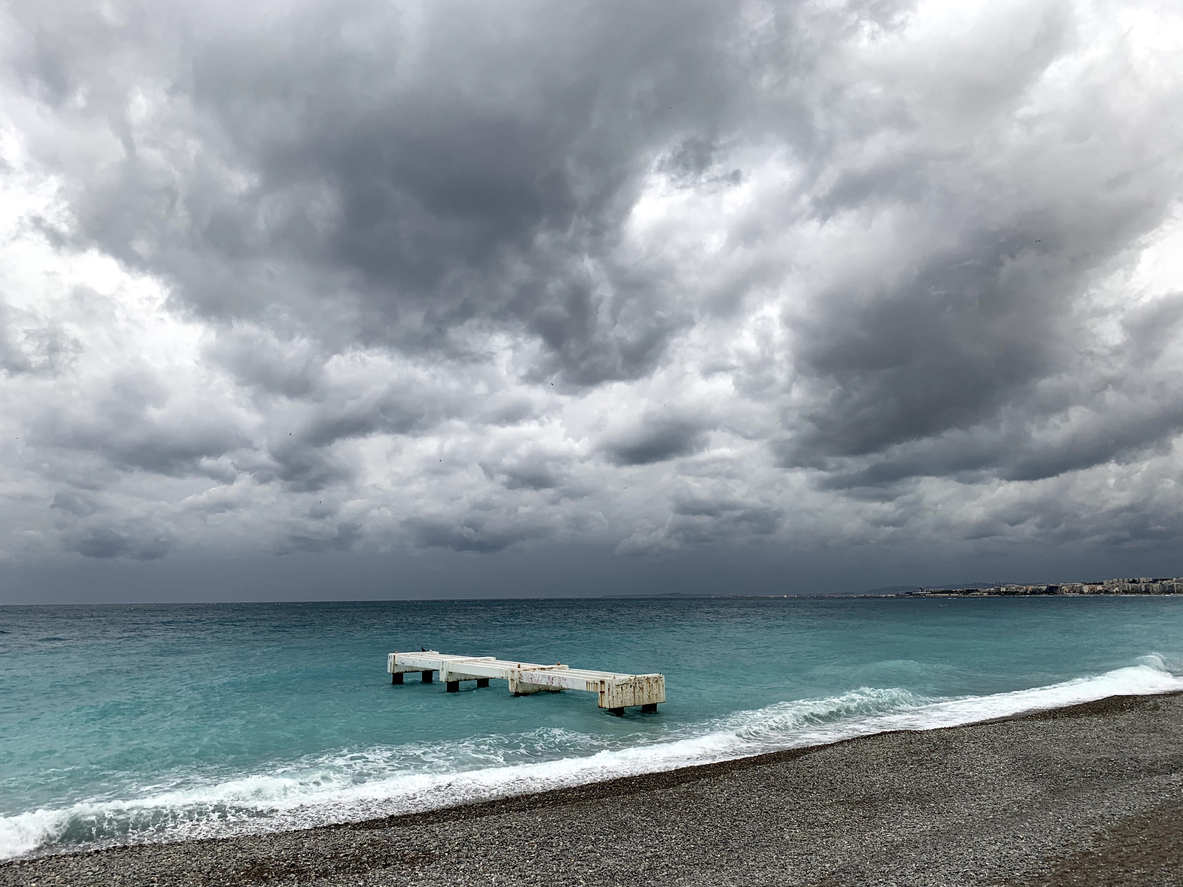
The Mistral on the Côte d’Azur: What to Do, What to Avoid and How to Enjoy Your Day
If you spend enough time on the Côte d’Azur, you’ll eventually meet the mistral—a crisp, northwesterly wind that can turn a calm, blue morning into a day of whitecaps and flying café napkins. Locals don’t dread it; they work with it. With the right plan, a mistral day can be luminous and unexpectedly memorable, from sheltered coves and crystal-clear views to gallery visits and superb long lunches away from the gusts. Here’s a thoughtful, local-minded guide to making the most of it: what to do, what to avoid, and how to enjoy your day when the mistral is in charge.
Planning to explore more of the French Riviera? Our complete Côte d’Azur guide introduces the region’s beaches, villages, landscapes and local highlights.
Meet the Mistral: A Friendly Foe
The mistral is a strong, dry wind that funnels from the northwest through the Rhône valley and spills toward the Mediterranean. On the Côte d’Azur, it’s more frequent and forceful in the Var department (around Saint-Tropez, Fréjus, and Hyères) and typically weaker as you move east toward Nice and Menton, where mountains blunt its bite. It follows weather patterns, often arriving after a cold front sweeps through. The sky turns a crystalline blue, humidity drops, and visibility stretches for tens of kilometers. In summer, you can get a fresh, energizing day; in winter, the mistral can be bracingly cold.
What does it feel like? On the Beaufort scale, which mariners use to gauge wind, a moderate mistral might sit around force 5–6 (fresh to strong breeze), tossing whitecaps on the sea and making balcony planters wobble. A strong event can push higher, driving heavy swells and shutting down ferry connections. You’ll notice fine sand moving like fog over beaches, flags snapping hard, and gulls struggling to hover. The important thing is that it’s usually dry and brilliantly clear, which is why many locals secretly love it—provided they plan their day with a bit of care.
Reading the Day: Forecasts, Flags and Real-World Clues
It helps to build a quick morning ritual. Check the wind direction and strength from a reliable forecast (most weather apps show hourly wind; local radio bulletins and harbormaster notices are also useful). Look for beach safety flags: green means lifeguards consider conditions acceptable, yellow means caution, red means no swimming. Even on a green-flag day, a solid mistral can whip up chop, especially on open sands.
Reality checks are simple: step outside and look at tree tops—are the plane trees swaying or just rustling? Watch the sea: fine “cat’s paws” on sheltered bays hint at a breeze; whitecaps aligned in rows mean it’s stronger offshore. If you can, glance at a nearby headland; misty spray blowing off wave crests suggests it’s an exposed-coast day. On roads like the A8 and the coastal corniches, variable message signs sometimes warn of gusts—always slow a touch when crossing viaducts, where wind can be funnelled.
Where the Wind Bites and Where It Hides
Not all places feel the mistral equally. Understanding a few microclimate pockets lets you steal a calm day from a windy forecast:
- Villefranche-sur-Mer: The bay is one of the coast’s most sheltered natural harbors. On mistral days, the water often stays manageable along Plage des Marinières, with far less sand-blast than open beaches.
- Antibes and Cap d’Antibes: Plage de la Salis can be comparatively gentle when the wind is northwest. The old town’s Plage de la Gravette, tucked behind the ramparts, is often an excellent mistral-day swim if lifeguards are on duty.
- Menton (Garavan): Protected by the mountains and Cap Martin, Garavan bay frequently dodges the worst gusts, making it a good eastern option when everywhere else is edgy.
- Estérel coves between Théoule-sur-Mer and Agay: Red-rock headlands break the wind. Some calanques (small rocky inlets) can feel positively calm while open sands get scoured.
- Gulf of Saint-Tropez: Pampelonne is wide open and choppy in a mistral, but the old port of Saint-Tropez itself can be surprisingly comfortable behind the quays. Inland hill villages (Ramatuelle’s lanes, stone alleys in Grimaud) can be breezy in squares but tranquil in narrow, sun-warmed passages.
- Hyères and the Giens peninsula: World-famous for wind sports on l’Almanarre—brilliant for kitesurfers and windsurfers, less fun for sunbathers when the wind is strong.
Beaches to Choose (and to Skip) on a Mistral Day
Sheltered pebble and cove beaches
When the wind is up, pebble beaches and snug coves are your friends. Pebbles mean no sandstorms, and coves break the fetch that builds waves.
- Villefranche-sur-Mer, Plage des Marinières: Long, pebbly, and tucked deep in the bay. It’s one of the first places locals think of when the mistral blows.
- Antibes, Plage de la Gravette: Inside the old town’s arc of sea walls, the basin often stays swimmable when open coasts are rough. Early or late in the day it’s especially lovely.
- Nice, eastern end near the château hill: The big city beach is pebbly, so no sand in your eyes; sit near the base of Colline du Château for a hint of extra shelter.
- Estérel calanques near Le Trayas and Anthéor: Small rocky inlets like those near Cap Roux can be strikingly calm, but access involves steps and rocks—bring good sandals and always respect posted safety notices.
- Menton, Garavan: Pebbly shelves and narrow sands are often usable here when beaches to the west get whipped.
Exposed sands to skip when it’s howling
Open, shallow sands can turn into a grit-blaster under a strong mistral. A few to reconsider on very windy days:
- Ramatuelle, Pampelonne: Gorgeous under normal conditions, fiercely windswept in a strong northwesterly.
- Hyères, Plage de l’Almanarre: A legend for boards and kites; give it a miss if you’re seeking a quiet swim.
- Îles de Lérins (off Cannes): Ferries may be curtailed, and island beaches are exposed to chop and spray.
- Fréjus and Saint-Aygulf open sands: Lovely in calmer weather, but the grains can sting when the wind really picks up.
Beach-day tactics on a windy coast
- Skip umbrellas; use low-profile beach tents or windbreaks only where local rules allow, and anchor them well.
- Bring a light windbreaker, even in summer—the mistral can chill you quickly when you’re wet.
- Prefer pebbles or coarse-grit coves; if you do choose sand, sit close to a dune, wall, or rocks for a lee.
- Keep gear minimal and in zipped bags; sand gets everywhere on a mistral day.
- Watch for changing flags; conditions can flip in an hour as the wind strengthens or eases.
Wind-Lover’s Paradise: Safe Ways to Embrace It
For experienced riders, mistral days are pure joy. The coast hosts some of Europe’s most consistent wind spots, with local schools tailoring sessions to ability and safety conditions. If you want to lean into the breeze:
- Hyères, Plage de l’Almanarre: A benchmark for windsurfing and kitesurfing, especially good for down-the-line riding when the mistral is side-off. Lessons here often pivot to technique in strong wind, with rescue cover on hand.
- Six-Fours/La Coudoulière (west Var): Wave sailors know it well; advanced terrain only when it’s big.
- Saint-Aygulf lagoon: Depending on water levels and safety notices, it can work for kiting with flat water; always check local regulations and seasonal wildlife protections.
Even if you’re not riding, it’s fun to watch. Find a vantage point above l’Almanarre to see neon kites carving across glassy sections while whitecaps roar offshore. Pack binoculars, and remember that spectators should stay well clear of launch and landing zones.
Culture Under Cover: Museums, Villas and Craft Studios
Mistral days are perfect for diving into the region’s deep cultural pockets. A few tried-and-true ideas that keep you indoors or out of the wind most of the time:
- Nice: The Musée Matisse in Cimiez for pure color and calm; MAMAC (Museum of Modern and Contemporary Art) for bold, airy galleries. The Russian Cathedral’s interiors are serene and ornate.
- Antibes: The Picasso Museum inside the Château Grimaldi feels anchored to the sea but stays snug in blustery weather. The Marché Provençal (covered) is steps away for fragrant pauses.
- Saint-Paul-de-Vence: The Fondation Maeght—maze-like and meditative—shelters art and sculpture in pine-scented quiet.
- Monaco: The Oceanographic Museum is superb for adults and children alike, with aquariums and tactile exhibits—plus storm-dramatic views from the ramparts between gusts.
- Saint-Jean-Cap-Ferrat: Villa Ephrussi de Rothschild offers glamorous salons and themed gardens; on windy days, tour the house first, then pick garden pockets that feel leeward.
- Biot: Glassblowing workshops put you ringside for artisans shaping molten glass into vases and sea-blue tumblers. The warmth and craft are a comforting antidote to drafty promenades.
- Vallauris: Ceramics and a thread of Picasso’s legacy; many studios welcome visitors even when gusts make outside cafés less inviting.
If you like food experiences, consider a morning market tour and cooking class in Nice’s old town—shops and kitchens are clustered tightly in sheltered lanes, and you’ll learn to make socca, pissaladière, or a proper aioli with local lemons. Perfume houses in Grasse and Èze also excel on windy days: workshops are indoors, and you’ll leave with your own blend in a little glass bottle cushioned from the weather.
Food and Wine: Comforting Tables Out of the Wind
When the mistral is bracing, dishes with soul hit the spot. Look for stews like daube provençale, rabbit with olives, or octopus braised in wine; on the coast, soupe de poissons with rouille warms hands and spirits. A few neighborhood ideas:
- Nice: Tuck into the old town’s narrow lanes off rue de la Préfecture or rue du Marché—many small dining rooms are cozy and protected. For a casual, utterly local bite, socca from a wood-fired oven (Chez Pipo is a classic address) and a glass of rosé does wonders between museum stops.
- Antibes: Around the covered market, bistros serve plats du jour built from what’s on the stalls. It’s easy to stay out of the wind—step from arcaded market to warren-like streets in minutes.
- Cannes: The Suquet hill’s stone-paved lanes put you in tiny, warm dining rooms; just avoid terraces on sharp corners where gusts can funnel.
- Menton: Focus on citrus-driven menus and Ligurian accents; look for trattoria-style rooms around the covered market or in the quieter Garavan backstreets.
Wine tasting is excellent on mistral days because many estates pour in barrel rooms or vaulted cellars. In the Var, Château Minuty near Gassin is a benchmark for elegant rosé; Domaine de la Croix in La Croix-Valmer and Château de Saint-Martin inland near Taradeau also host tastings and tours. Call ahead to confirm hours, and assign a designated driver if you’re touring with a car; otherwise, stick to one stop and linger over a tasting flight paired with olive tapenade and a sliver of tomme.
Family-Friendly Plans When the Wind Howls
Mistral or not, the coast is kind to families if you pick wisely:
- Oceanographic Museum (Monaco): Touch tanks, shark lagoon, and a rooftop terrace you can visit briefly between gusts. The lower galleries are immersive and calm.
- Parc Phoenix (Nice): Greenhouses shelter tropical and Mediterranean plants; kids love the aviaries and terrariums.
- Confiserie Florian (Nice or Tourrettes-sur-Loup): Watch candied fruit and flower-petal sweets being made; tastings are a hit with children and adults.
- Musée Picasso (Antibes): Compact and engaging; combine with a quick run-around on the ramparts where wind is funnelled but views are huge.
- Monaco’s Condamine Market: An easy lunch stop under cover with kiosks serving pasta, socca, seafood, and more—every family member finds something, and you stay out of the blast.
For downtime, seek out bookshops with a reading corner. In Valbonne village, The English Book Centre is a friendly stop on market days, and you can duck in from the square when gusts sweep through. Many Riviera libraries also run children’s hours; check the mairie’s weekly agenda.
Hiking and Views: Choosing the Leeward Side
Hiking is still possible on a mistral day—just choose routes cushioned by terrain. Forested ridges and valleys offer lee-side calm while clifftop traverses are best saved for calmer conditions.
- Mont Boron (Nice): Woodland trails between Nice and Villefranche give filtered views and tree-sheltered paths. Loop to Fort du Mont Alban for a panorama without standing on an exposed brink.
- Cap d’Antibes: The Sentier du Littoral around Villa Eilenroc can be dramatic in wind and swell; if seas are running, pick interior lanes and garden paths on the cap instead, saving the full loop for calmer days.
- Estérel massif: Opt for inland tracks above Agay—toward the Belvédère du Cap Roux, cluster under pines and red cliffs. Avoid cliff edges or airy promontories when gusts are strong.
- Plateau de la Justice (Èze): A short climb puts you in scrubby woodland with scattered viewpoints toward Cap Ferrat—choose the most sheltered benches facing south.
- Gorges du Loup (back-country): Waterfalls and riverbank walks are often shielded by canyon walls; take extra care after heavy rain.
Footwear with grip is non-negotiable—loose gravel and gusts don’t mix. Pack a hooded shell and a thermos of tea; a ten-minute bench break in a pocket of sun out of the wind can be the best moment of your day.
After the Blow: The Day-After Magic
What many visitors miss is that the day after a mistral can be the most beautiful of all. The air turns transparent, the sea settles to a royal blue, and the horizon line looks etched in ink. It’s a prime time for photographs and outings that might have felt exposed the day before.
- Vantage points: Tête de Chien above Monaco for a balcony over the whole coast; Col d’Èze or the drive up to La Turbie for vertiginous views; Mont Boron’s belvederes for classic Nice postcards.
- Snorkeling: Once the swell drops, the water clarity is superb along rocky fringes—try the edges of La Darse in Villefranche or coves near Cap d’Antibes when lifeguards deem it safe.
- Boat trips: Island ferries to Sainte-Marguerite or coastal cruises often resume; if you were frustrated by cancellations on the windy day, consider booking for the calm that follows.
- Sunset strolls: The Promenade des Anglais in Nice or the seaside walkway at Menton glow in the peach light after a mistral scrubs the sky clean.
What Not to Do in a Mistral
It’s tempting to shrug off the wind, but a few no-go’s make sense when the mistral bites:
- Avoid paddleboarding or kayaking on open water—offshore winds can carry you quickly away from shore before you realize it.
- Skip rooftop terraces and cliff-edge viewpoints at peak gusts; it’s not just about comfort but footing and safety.
- Do not open large beach umbrellas; they turn into sails. Likewise, secure balcony furniture and parasols—harbormasters see them in the water more often than you’d think.
- Reconsider island ferries and coastal speedboat rentals; schedules can be cut abruptly, and seas are hard work in small craft.
- Respect fire bans. The mistral’s dryness and speed make brush fires spread fast; avoid open flames, even in designated areas, when alerts are active.
- Drone flying is a poor idea in gusts; you risk losing the aircraft and running afoul of local regulations.
A Practical Packing List for Windy Days
If the forecast flags a mistral, throw a few extras into your bag:
- Light, hooded windbreaker; merino or technical mid-layer if it’s a cool season.
- Neck gaiter or scarf; it makes outdoor café stops more comfortable.
- Hat with a cord or beanie; classic straw hats don’t last five minutes.
- Wraparound sunglasses; the air is ultra-clear, and glare can be strong.
- Lip balm and sunscreen; dry wind plus bright sun equals chapped skin and quick burns.
- Microfiber towel for pebble coves; it dries fast under windy conditions.
- Dry bag or zip pouches; sand gets into everything on open beaches.
- Portable phone charger; you’ll likely spend more time on maps and transit apps as you pivot plans.
- Small bills for markets and parking meters if card readers sulk in gusty setups.
Markets, Makers and Indoor Strolls
On a mistral day, covered markets and arcaded streets come into their own. Cannes’ Marché Forville is ideal for a mid-morning graze—olive stalls, socca slices, flower vendors, and fishmongers under one roof. In Antibes, the Marché Provençal lets you weave between cheese counters and spice pyramids, sheltered from the wind, with cafés at either end where you can sit under heaters facing inward to the lane.
Consider a maker’s afternoon: in Biot, watch glass masters gather and blow molten glass into aquamarine tumblers; in Vallauris, meet potters making robust, everyday wares in deep yellow ochres and sea-greens. If you bring something home, ask the artist for a quick packing job with extra paper wraps—gusts can make carrying fragile finds a balancing act.
Practical Adjustments for a Mistral Day
The mistral can tinker with timetables. Ferries to the Îles d’Hyères and Îles de Lérins are the first to be paused in heavy wind. Smaller coastal shuttles also curtail runs. Trains along the TER coastal line usually run as normal, and using the train on a windy day makes sense: stations are often in sheltered pockets behind town centers, and you minimize time spent waiting on exposed quays. Buses over windy corniche roads might be delayed if debris falls on the roadway; give yourself an extra margin.
If you’re driving, hold the wheel steadily on bridges and when exiting tunnels—gusts sometimes punch unexpectedly. Park away from pines or tall, brittle trees if the forecast suggests very strong winds. And when you step out of the car, crack the door carefully; the mistral loves to snatch doors wide open.
If you are staying in a villa, always close sun umbrellas and retract awnings before leaving the property. A sudden mistral gust can damage them within minutes, and repairs are often expensive.
Local Food Shops to Seek Out Between Gusts
When terraces are blustery, duck into food shops that feel like time capsules. In Nice, a traditional socca oven or a delicatessen selling bottled anchoïade and bagneto (Ligurian green sauce) is worth a detour. In Menton, lemon confitures and candied peels are quintessential gifts; the citrus perfume in small boutiques can lift your mood on the windiest day. Around Antibes, olive mills sell new-season oils—ask for a peppery or a fruité vert style to match grilled fish at home. Grab a loaf of fougasse, paper-thin pissaladière, and a young goat cheese for a mistral-proof indoor picnic.
Simple Wind-Aware Etiquette
Good manners change slightly under a mistral. If you’re on a café terrace, weight your napkins and check that your chair isn’t about to slide across the tiles. If you’re carrying a sunhat, hold it on crowded lanes; a runaway hat on the Promenade des Anglais can start an unplanned sprint. On beaches, keep kites small and away from bathers; it takes only one misjudged tug to send a line into someone’s lunch. If you’re moored or picnicking near a harbor, ensure nothing lightweight can blow into the water—harbor staff will thank you for not adding to the daily drift of cups and wrappers.
Three Sample Itineraries Adapted to the Wind
1) Nice–Antibes, moderate mistral
Morning: Head to Villefranche-sur-Mer’s Plage des Marinières for a protected swim or shoreline walk; the bay’s calm often surprises first-timers. Dry off and ride the TER train two stops to Antibes for a mid-morning coffee in the old town. Duck into the Marché Provençal for a tasting lunch—cheese nibbles, a paper cone of socca, and seasonal fruit.
Afternoon: Visit the Picasso Museum in Antibes, then stroll the ramparts (if sprays are low) or wind through the narrow lanes to admire carved door lintels and flower boxes out of the blow. If you still have energy, hop back to Nice and spend an hour at MAMAC. Watching the light drop from the top terrace is a little-known treat on mistral-cleared days.
Evening: Walk on the Promenade des Anglais while the sky turns lavender, but keep your scarf handy. Choose dinner in the old town’s interior lanes—small rooms fill early on windy nights, so arrive on time.
2) Saint-Tropez–Fréjus, strong mistral
Morning: Skip Pampelonne. Instead, explore Saint-Tropez’s old port and the Annonciade Museum for a calmly curated art fix. If it’s market day at Place des Lices, arrive early; gusts can swirl through, but the arcaded streets nearby let you dip in and out of wind. Alternatively, choose Ramatuelle or Grimaud village for snug, stepped alleys that trap sun and block gusts.
Lunch: Settle into a bistro in a sheltered square or an interior dining room—ask for a table away from the door. Go for a bowl of soupe de poissons followed by grilled squid or daube, with a glass of local rosé from Gassin’s slopes.
Afternoon: Plan a cellar visit around the Gulf—many estates pour tastings indoors. If you prefer walking, aim for the Estérel’s interior trails above Agay, choosing routes in the pines below red cliffs rather than promontories. Reward yourself with a bakery stop in Saint-Raphaël for flaky tarts before sunset.
3) Menton–Monaco, breeze to brisk
Morning: Start in Menton’s Garavan for a stroll among pastel façades, then visit the Val Rahmeh Botanical Garden, which is often sheltered by walls and terraces. Pause for a citrus pastry in the old town.
Afternoon: Take the train to Monaco and spend a couple of hours at the Oceanographic Museum. For lunch, the covered Condamine Market is easy and delicious—order a socca slice and a salad niçoise, and sit at a communal table out of the gusts.
Evening: If the wind eases, ride up to La Turbie for the Trophée des Alpes view or drive to the Tête de Chien lookout to see the coastline glitter under mistral-cleared air. Dinner back in Menton in a snug room off the main drags makes for a soft landing.
Small Details That Make a Big Difference
A few micro-tactics elevate a mistral day. When choosing a terrace, face inward toward a lane rather than outward toward the sea; the building will block the wind, and you won’t spend an hour chasing napkins. On pebble beaches, a compact sit pad or folded towel under your hips keeps the chill from seeping in. If you’re set on a promenade walk, pick leeward segments: in Antibes, the harbor-side path behind the bastion feels calmer than the outer sea wall; in Nice, the stretch nearest the château hill tends to be gentler than the airport end. For sunset, wire the habit of checking the wind at headlands: if it’s ripping at Cap Ferrat, drop back to Beaulieu’s marina, where masts chime softly and cafés huddle out of the blow.
Enjoying the Mistral Mindset
Locals don’t try to overpower the mistral; they let it set the day’s rhythm. They read the coast, pivot plans, and look for pockets of shelter and comfort. They also enjoy its gifts: sharp, prismatic light; empty promenades; and the satisfaction of finding just the right cove or neighborhood bistro where wind is a rumor, not a force. If you think of a mistral day as a chance to zig where most people zag, it becomes more than “weather to endure”—it’s a different, cleaner-angled lens on the Côte d’Azur itself.
Conclusion: Turning Wind Into an Ally
There’s a certain elegance to a well-spent mistral day. You start with a simple plan—sheltered swim or market stroll—add a cultural stop, choose a lunch spot with walls and warmth, and pick a late-afternoon walk that finds lee-side sunshine. You skip open sands and ferries, favor pebbles and galleries, and pack a light shell in case the breeze sharpens. By dinner, you’ve seen the coast in high-definition light and probably eaten better than you would have on a standard beach day. That’s the quiet lesson of the mistral: with a few local instincts and a willingness to adapt, it takes your hand and points you to experiences you might have missed in still weather.
From sheltered coves to panoramic hilltop villages, discover our holiday villas and holiday homes across the Côte d’Azur.

