

 EN
EN  NL
NL
 DE
DE
 FR
FR

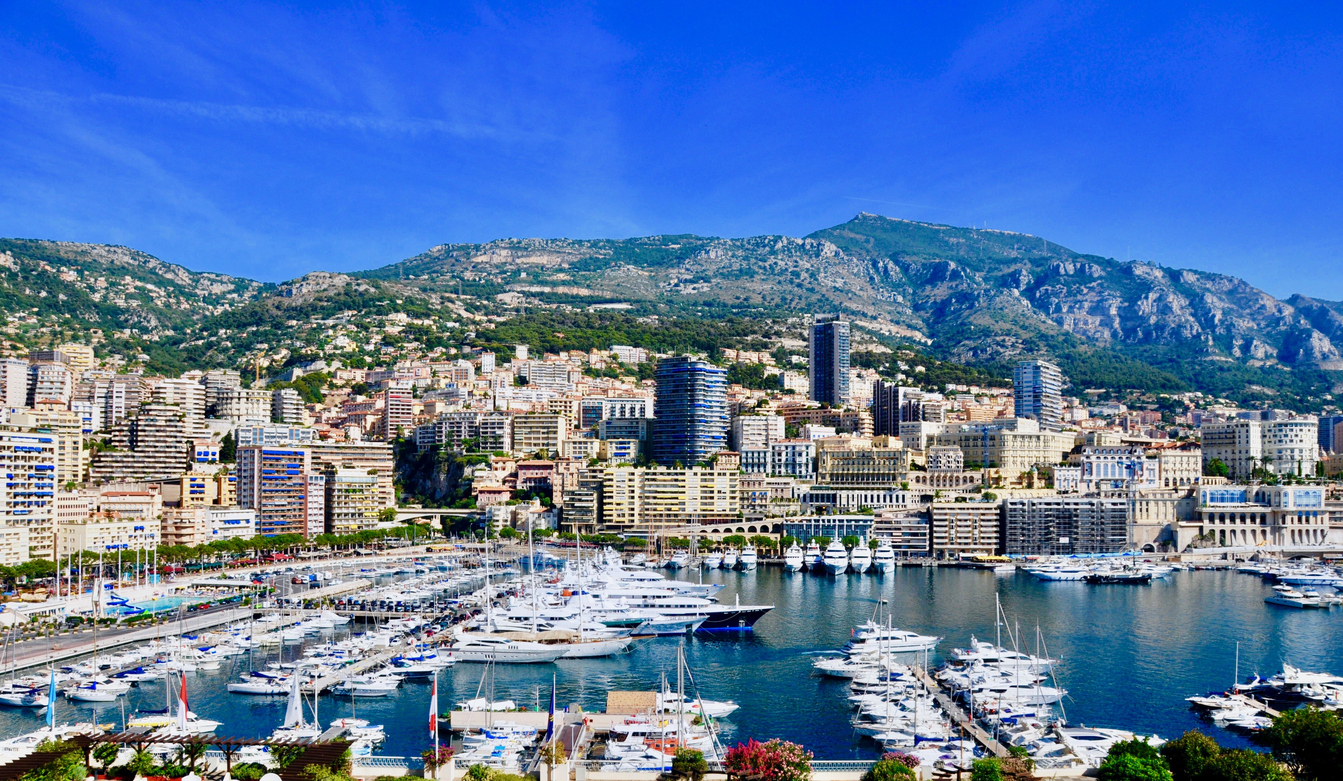
Most Beautiful Photography Spots in Monaco
For a territory that fits within a long afternoon stroll, Monaco offers an astonishing range of visual moods: medieval stone lanes balanced on sea-battered cliffs, Belle Époque grandeur facing mirror-flat yacht basins, minimalist boardwalks catching the first light, and vertiginous vantage points that compress sea, city, and mountains into a single frame. What makes it irresistible to photographers isn’t only spectacle—it’s the sheer density of contrasts packed into such a small place. If you know where to stand and when to return, Monaco rewards you with textures, layers, and a distinctive Riviera light that seems to polish every surface.
To discover more destinations, beaches and highlights across the region, explore our complete Côte d’Azur guide.
How Monaco’s Light and Layout Shape Your Shots
Monaco is a vertical city: stacked neighborhoods, hanging gardens, and overlapping terraces. That topography is your friend. Elevated viewpoints let you pull telephoto frames across different levels, while sea-level promenades give you long, cinematic leading lines. It’s also a city that shifts with the light. Mornings tend to be crystalline from Larvotto to Monte-Carlo; afternoons warm up the rock of Monaco-Ville and Fontvieille; and blue hour drops a coherent glow over Port Hercule, when yacht masts, cranes, and cliffs turn into silhouettes against velvety water. Expect midday haze in summer—a polarizer and a willingness to wait out bright hours pay off.
The other secret lies in Monaco’s engineered order. This is a place of pristine landscaping, deliberate sightlines, and polished surfaces that spring to life after a brief rain. Casino Square’s stonework becomes a mirror, Larvotto’s pergolas throw rhythmic shadows across the sand, and even the carved balustrades along the Jardins Saint-Martin can double as leading lines. Knowing a few precise vantage points helps you harness those design choices rather than fighting them.
Monaco-Ville: The Rock’s Historic Heart
Monaco-Ville—often simply “Le Rocher”—feels like a hill town floating above the Mediterranean. The lanes are tight, the light is filtered, and every turn carries you either toward the sea or a parchment-hued facade. Visit in the morning for empty alleys washed with soft light; return late afternoon for long shadows that reveal texture in centuries-old stone.
Prince’s Palace Square and the View Over Port Hercule
The palace square offers an unparalleled overview: Port Hercule below, La Condamine folding around it, and the pale cliffs of Tête de Chien cresting the horizon. The classic composition places the harbor in the lower third, leaving space for sky and cliffs. If you want a touch of human story, time your visit for the daily guard change around late morning; frame the sentries against the palace’s creamy facade, or use the cannons along the ramparts as foreground anchors leading toward the sea.
Jardins Saint-Martin and the Oceanographic Museum
Walk the Jardins Saint-Martin along the seaward edge of the rock for layered cliffside compositions. The Oceanographic Museum, perched on the precipice, is best caught in late afternoon when the stone warms and the shadows carve out depth below the cornices. There’s a statue of Prince Albert I near the garden paths; include it for a narrative nod to Monaco’s maritime legacy. On windy days, spray from below can create a fine mist—shoot across it at a shallow angle to catch a pearly veil against the museum’s facade.
Monaco Cathedral and the Back Lanes
The Cathedral (Cathedral of Our Lady Immaculate) photographs beautifully after a short rain. Its pale stones gleam under cloud-filtered light, and the steps make a simple stage for portraits. Wander Rue Basse and Rue Emile de Loth for quieter angles: hanging lamps, salmon and ochre plaster, and glimpses of blue between rooftops. In narrow spots, an ultra-wide lens can exaggerate the slope of the lanes while preserving verticals if you keep the camera leveled.
Fort Antoine and the Ramparts
Fort Antoine, the small open-air theatre, sits where the rock feels raw. The ramparts offer diagonals and negative space—perfect for minimalist frames at golden hour. Look east toward Monte-Carlo as the sun dips; facades turn amber, and the sea settles into deep cobalt. A compact telephoto compresses boats against the skyline, while a 35 mm primes street-style details: sun-bleached shutters, chipped steps, and maritime hardware along the edges.
Chemin des Pêcheurs: Cliffside Path and Belvedere
From near the Oceanographic Museum, descend the Chemin des Pêcheurs to a viewing platform hugged by cliffs. At sunrise it feels like a secret stage; the museum looms above, and swells move in long bands beneath you. Bring a small tripod for exposures around 1–4 seconds to smooth the water without losing texture. The railing here makes a great leading line—place it from the corner of your frame and let it pull the eye to the cliff and beyond.
Port Hercule and La Condamine
Port Hercule is Monaco’s beating heart. The basin’s geometry—piers, pontoons, and breakwaters—creates readymade lines, and the surrounding amphitheater of La Condamine colors your background with peaches, pinks, and eggshell blues. Early morning is glassy and quiet; blue hour stitches together yacht lights, mast reflections, and the glow of Boulevard Albert 1er.
Quai des États-Unis and Route de la Piscine
Walk the quay along the east and south sides of the harbor for classic marina frames, then move to Route de la Piscine for a ground-level, motorsport-inflected angle. At night, this curve is perfect for light trails as cars sweep along the waterfront—with a tripod, aim for 3–10 seconds to achieve clean ribbons while keeping boat reflections crisp. Work low: place bollards, chains, or painted curbs in the foreground to add scale and grit to an otherwise polished scene.
Yacht Club Lines and the Breakwater
The Yacht Club’s tiered decks echo a ship’s profile; photograph it obliquely from the opposite quay to play with symmetry and reflection. When access permits, step onto the outer breakwater and shoot back toward the port—this flips the perspective and reduces clutter. Use a 70–200 mm to isolate wedges of architecture and the checkerboard of sterns; seek out repeating patterns in fenders, deck railings, and signal flags.
Marché de la Condamine and Rue Princesse Caroline
For color and local life, the market square opens early with produce stands and a bright, convivial food hall. Ask vendors before close-ups; a simple smile and “merci” helps. Later, stroll Rue Princesse Caroline, the pedestrian shopping street dotted with seasonal bunting. Shoot low and wide to emphasize the overhead garlands, or compress from a distance to create a ribbon of flags over heads and signage. Late afternoon turns storefronts honeyed while leaving the sky a clean Riviera blue.
Sainte-Dévote and the Valley
The small Church of Sainte-Dévote sits tucked in a ravine at the base of overpasses and the railway. It’s a unique juxtaposition: devotional calm cradled by urban infrastructure. Frame the church beneath a train crossing, or use a long exposure from the opposite sidewalk to paint soft car light around the white facade. If you’re lucky enough to be in Monaco around 26 January, the traditional evening ceremony honoring Sainte Dévote involves a boat set alight—arrive early, and be respectful of space and sightlines.
Monte-Carlo and Casino Square
This neighborhood is Monaco’s formal salon: ornamental gardens, classical facades, and the city’s most choreographed plaza. Even without stepping indoors, you can draw endless variations from archways, palms, and sculpted stone that seem engineered for camera lenses.
Casino Square and Its Reflective Surfaces
Casino Square rewards patience. Wait for a lull to frame the building centered through palms, then step to one side and use fountains or low walls to catch reflections. After rain, the stone becomes glossy—shoot at a slight angle so reflections read as painterly rather than literal. People add scale and glamour; look for someone in a vivid jacket or monochrome outfit to walk through your composition.
Opéra de Monte-Carlo and Petite Afrique
Walk behind the casino to the terrace near the opera house for elegant architectural details: tiled domes, sculpted figures, and old-world curves. Below, explore the Jardin de la Petite Afrique—lush planting, towering palms, and tranquil paths. It’s worth framing the casino through a curtain of green for an unexpected, garden-first take on a famous icon. Early morning is best here; you’ll catch crisp shadows from fronds edging across stone paths.
The Grand Prix Hairpin and Tunnel Entrance
Monaco’s most photographed bend is the tight hairpin above the tunnel, recognized worldwide. Even off-season it’s distinctive: layered railings, bold street markings, and a steep drop that lets you compress sea and curve in one frame. A mid-length telephoto helps stack elements without distortion. For motion, pan passing vehicles at around 1/30–1/60s; the curve amplifies the sense of speed, and your background becomes a soft tapestry of railings and planters.
Boulevard de Suisse Overlook
For a higher, quieter look at the harbor, seek the terraces along or above Boulevard de Suisse. You’ll get a clean diagonal that runs from the yacht club across to the palace. With a 135–200 mm lens, isolate crisscrossing masts, gangways, and apartment balconies; misty mornings are perfect for pastel-toned abstractions. Late afternoon turns the rock golden—plant the palace in the upper frame and let the port fill the lower, a classic Monaco postcard reimagined with tighter geometry.
One Monte-Carlo’s Contemporary Lines
Steps from Casino Square, the contemporary complex of curved facades and high-end boutiques plays beautifully with reflections and shadow. In late day, light bounces from glass to stone across the narrow passages; use an ultra-wide to accentuate the curves, or pick a 50 mm and hunt for layered reflections of arches, palms, and passersby in boutique windows. Weekdays after lunch are calmer for sharply defined architectural frames.
Larvotto Beach and the Japanese Garden
On Monaco’s eastern side, Larvotto’s long arc invites minimalist compositions: bands of sea and sand, pergola shadows, and swimmers turned into scale markers amid vast blue. The nearby Japanese Garden folds in a wholly different palette—mossy stones, koi ripples, and maple textures that feel worlds away from the Riviera blaze, yet right at home with Monaco’s design-forward sensibility.
Sunrise on the Larvotto Promenade
Arrive at first light. The pergolas sketch crisp grids across the walkway and the sea is usually calm, letting you place clean horizons. Negative space works here: put a lone jogger or paddleboarder low in the frame against a sweep of sky. Bring a polarizer; it deepens the sea and cuts glare on wet sand without turning everything unrealistically saturated. On overcast mornings, shift to black-and-white and emphasize the geometry of the promenade furniture and railing shadows.
Japanese Garden: Bridges, Stones, and Stillness
The Japanese Garden rewards slow looking. Photograph the red bridge reflected in the pond at a slight angle to avoid flattening; switch to a macro for maple leaves, ripples around koi, and dew on stone lanterns. Watch for backlit scenes in late afternoon, when leaves glow and waterfalls sparkle. Tripods can feel intrusive in tight paths—use a fast prime or raise ISO slightly to hold detail without interrupting the flow of visitors.
Grimaldi Forum Exteriors and Seafront Walk
The congress center’s angular glass and metal contrasts with Larvotto’s curves. Frame it with the sea to one side and a passing cyclist or couple to anchor scale; the alternating blue of glass and water makes a gentle gradient. In high sun, the building throws crisp, triangular shadows—excellent fodder for abstract architectural studies at 35–50 mm.
Fontvieille: Sculptures, Sea Walls, and Roses
Fontvieille is Monaco’s most spacious quarter: parks, sculpture gardens, and a marina tucked beneath the rock’s western flank. It’s the place to slow down—shoot through olive branches, linger by fountains, and follow the seawall all the way to the heliport for planes-and-sea frames you won’t find elsewhere in the principality.
Princess Grace Rose Garden
In season, the rosary is a dream for soft-focus studies: petals veined like silk, bees backlit in late afternoon, and signage that helps you remember varietals you’ve fallen in love with. Work wide to place a single bloom against geometric hedges, then switch to a longer focal length for creamy backgrounds. Early evening is gentle and fragrant; bring a small reflector if you’re shooting portraits among the beds—the hedges can block light in surprising ways.
Fontvieille Park and the Sculpture Path
The park stitches together an open-air exhibition: bronzes and modern works by renowned artists reveal themselves along winding paths and ponds. Two beloved pieces—playfully voluminous figures and outsized everyday objects—invite scale games; pose a friend at a respectful distance or use a low angle to set sculptures against swaths of sky. Reflections abound in the ponds; a polarizer lets you dial in either surface reflections or submerged stones for different moods.
Seawall, Heliport, and Industrial Edges
Walk the seawall west of the marina to where the sound changes—open sea to your left, the harbor at your back, and occasionally helicopters rising or descending with a metronomic rhythm. Keep a safe, respectful distance and aim for silhouettes against the horizon, or let the choppers blur at 1/125s for a sense of rotors-in-motion. The quays and light industry behind the marina give you grittier textures to set against the polished harbor: ropes, bollards, tugboats, and corrugated doors aged by salt.
Upper Monaco and the Jardin Exotique District
The principality’s upper reaches offer perspective. From here, Monaco compresses into a single, legible diagram: port, palace, slopes, and sky. The Jardins Exotiques area has long been a go-to for sweeping skyline views; if parts of the garden or its surrounds are under renovation, you can still find adjacent belvederes that capture the same feeling of elevation and expanse.
Jardin Exotique and Cliffside Vistas
When accessible, the cactus-studded paths carve dramatic lines across limestone, with glimpses down to the port like cutaways in a model city. Late afternoon warms everything to honey; early morning is crisper, better for detail-rich frames of spines, rock, and sea. If certain paths are closed during ongoing works, use the nearby sidewalks and small terraces to recreate the angle—what matters most is the layering: terracotta roofs, marina geometry, and the serrated horizon beyond.
Villa Paloma and Upper-Garden Textures
The contemporary art space at Villa Paloma (part of the national museum) sits within a refined setting of terraces and greenery. Even if you’re not touring exhibitions, the exterior steps, balustrades, and plantings reward close compositions: shadows of balusters stripe white stone, and clipped hedges form natural frames for the sea. Keep an eye on subtle tonal shifts in late day; whites go warm, greens deepen, and the sea turns glassy slate.
Les Révoires Belvedere
The highest point in Monaco lies in Les Révoires. Nearby streets and micro-terraces (often little more than widened sidewalks) provide that coveted, head-on view where the rock faces the port. Use a telephoto to compress vertiginous layers into an almost abstract study of color blocks and windows. Haze is common—wait for a Mistral-cleared day after a blow from the northwest, and everything snaps into ultrahigh definition.
Blue Hour and Night Photography
As evening sets in, Monaco’s contrasts sharpen. The harbor becomes a lantern tray, Monte-Carlo balances candlelit windows and reflective paving, and cliff lines cut clean silhouettes. Night shooting here is about restraint: expose for highlights, preserve the cobalt bleed of the sky, and let reflections carry the midtones.
Port Hercule from Boulevard Albert 1er
From the curve along Boulevard Albert 1er, you can run a tripod close to the barrier and pull in crisp light trails from waterfront traffic while keeping the fleet in focus. Start at ISO 100, f/8, 6 seconds, then adjust for movement density. The goal is ribbons that mirror the rigging reflections below—diagonals dancing above and below the horizon line.
Casino Square at Night
At blue hour, the square’s lighting design feels like a set. Work fast as sky tone slips; the perfect moment is the minute when the blue still holds, and building lights have fully kicked in. Reflections on the stone are sensitive to small changes in angle; a slight crouch or a sidestep can double your payoff. Be discreet with tripods here; security is present, and you may be asked to handhold during busy periods.
Winter Scenes at the Outdoor Swimming Stadium
In cooler months, the Rainier III swimming complex beside the harbor often transforms for seasonal activities; when the decking and lighting appear, it’s a chance for graphic night frames that contrast seasonal decor with the solid geometry of boats and cranes. Walk the periphery for leading lines, and expose for the highlights to avoid blown whites in illuminated areas.
Fireworks Over the Port
Summer fireworks, when scheduled, are best framed from the upper town or the eastern terraces near Monte-Carlo for reflections in the water. Use bulb mode with a cable release, f/11, ISO 100, and vary exposure from 3–8 seconds depending on the density of bursts. Watch wind direction—smoke drifts can turn your third frame into fog. Compose so the palace or yacht club anchors one edge, keeping the display suspended over recognizable Monaco.
Monaco Through Lenses: Gear and Settings That Work
Travel light but versatile. The city’s mix of tight alleys, expansive vistas, and polished architecture benefits from a compact, flexible kit designed for quick shifts between wide environmental shots and compressed, layered frames.
Smart Lens Choices
A three-lens setup covers nearly everything: a 16–35 mm for architecture and tight streets, a 35–50 mm prime for walkabout candids and garden textures, and a 70–200 mm for compressing the skyline from upper terraces and isolating details on the water. If you prefer lighter, a 24–105 mm does reliably well here; add a small fast prime (35 mm f/1.8) for night scenes in the lanes of Monaco-Ville.
Filters and Long Exposures
A circular polarizer is transformative on bright days—use it to tame reflections on the Larvotto promenade, reveal pond stones in the Japanese Garden, or darken a midday sky just enough above Monte-Carlo. A 3–6 stop ND filter earns its place when smoothing the sea below the rock or soft-washing pedal boats into pastel streaks at the beach. Avoid overdoing it; Monaco’s story is structure and clarity more than dreamy blur.
Tripods, Stability, and Permissions
Monaco is safe and orderly, but it’s also compact and well-policed. In high-profile areas—Casino Square, some viewing terraces—you may be asked to move or stow a tripod, especially during events. A small travel tripod or a clamp for railings is less intrusive. Inside museums and religious buildings, follow posted rules: often handheld, no flash. Outdoors, be mindful of foot traffic; narrow lanes on the rock don’t leave room for sprawling setups.
Drones and Legalities
Assume urban drone flying is off-limits. Regulations are strict, and the principality’s dense airspace and security considerations make spontaneous flights a bad idea. The good news: Monaco’s stacked viewpoints give you many of the angles people chase with drones—legally and safely from public terraces and paths.
Practical Logistics for Photographers
Monaco is made for pedestrians who like shortcuts. The trick is to weave together public elevators, escalators, stairs, and covered passages so you conserve energy for golden hour and late-night sessions.
Getting Around: Elevators, Escalators, and Shortcuts
Public lifts connect La Condamine to Monaco-Ville, the train station to Monte-Carlo, and upper neighborhoods to the port. Look for well-marked signs indicating ascenseurs publics. A typical ascent from the market to the rock might combine an escalator, an elevator, and a short ramble along the ramparts—quicker than it looks on a map. The train station itself has terraces above it; step out for a quick check on sky tone over the port before you commit to a sunset location.
Timing, Seasons, and Microclimate
Spring and autumn bring cleaner air and softer light. Summer dazzles but can haze over midday; plan indoor or shaded explorations during the brightest hours (market hall, shaded garden paths), then spring back out for late light. Winter offers crisp mornings and deep blue hours; you may find seasonal decor around the port that adds graphic elements to night frames. After a mistral or tramontane blows through the region, the next day’s clarity can be extraordinary.
Etiquette, Safety, and Respect
Monaco is welcoming but formal in places. Around the palace and religious sites, dress and behavior matter; avoid blocking entrances, and step aside for ceremonies. In markets and small shops, ask before tight portraits. At night, security presence is routine; a friendly nod and keeping your kit tidy goes a long way. The city is one of the safest on the coast—still, keep gear close in crowded events and watch your tripod legs on busy promenades.
Rain Plans and Interiors
Rain is your ally on Casino Square and the rock’s paving stones. Embrace reflections, umbrella silhouettes, and neon bouncing off wet marble. For interiors, museums such as the Oceanographic Museum or the national museum’s villas are photogenic spaces—check onsite photography guidelines and leave flash off near sensitive exhibits. The Marché de la Condamine’s indoor counters glow on gray days; steam, chalkboard menus, and stacked citrus are mood-rich subjects.
Suggested Photo Itineraries
Even a single day can yield a balanced Monaco portfolio if you position yourself for changing light. These routes minimize climbs and double back strategically for golden hour and night shots.
Dawn to Midday: East-to-West Flow
Start at Larvotto for sunrise—pergola shadows, beach minimalism, and a quick loop through the Japanese Garden as light filters through leaves. Walk or bus toward Monte-Carlo; catch the casino and opera terraces while facades still hold a morning sheen. Slip into the Jardin de la Petite Afrique for green-on-stone frames, then descend toward Port Hercule via Avenue d’Ostende, stopping for compressed telephoto layers of port, palace, and cliffs. Coffee at the market, then a quick portrait circuit along Rue Princesse Caroline beneath bunting before lunch.
Afternoon to Sunset: The Rock and Fontvieille
Climb or ride up to Monaco-Ville after lunch; lanes are quieter and side light reveals texture. Work the palace square overview, then trace the Jardins Saint-Martin for cliffside studies and the Oceanographic Museum’s sunlit facade. Descend Chemin des Pêcheurs for a late-afternoon seascape with the museum above. As the sun lowers, swing to Fontvieille: rose garden glow, sculptures rim-lit, and stroll the seawall toward the heliport for silhouettes against the open sea. If clouds cooperate, sunset from Fontvieille paints the rock in soft caramel; if not, head back to Port Hercule for the sure thing—blue-hour reflections.
Blue Hour and Night: Harbors and Squares
Set your tripod along Route de la Piscine for harbor light trails, then pivot to Casino Square for stone-gloss reflections as sky tone deepens. Finish with Sainte-Dévote framed beneath passing trains, or return to Boulevard Albert 1er for longer exposures across the calm basin. Keep an eye on event calendars; rehearsals, light shows, and occasional concerts around the port can offer bonus frames.
Rainy-Day Backup
Start under shelter at the market hall for color and steam; drift to the Japanese Garden for soft, saturated greens; then climb to the cathedral, where wet stone glows against umbrellas. Casino Square last—your reflections will be richest as evening nears and lights come on. Handheld at higher ISO is often kinder to passersby than a tripod on wet, busy paving.
Framing Local Life
Monaco’s surfaces shine, but its people animate the story. Whether you’re after candid street moments or small cultural details, look for everyday rhythms beneath the gloss.
Market Conversations and Café Corners
At the Marché de la Condamine, photograph morning regulars greeting vendors, baskets of artichokes and lemons, and the interplay of aprons, chalkboards, and tiled counters. Step outside for terrace scenes—an espresso, a newspaper, and a city waking up. Be gentle with candid portraits; a shared look and a simple “bonjour” can turn a passing moment into a photograph with permission implicit in the smile.
Pétanque at Place d’Armes
In the afternoons, look for pétanque players near Place d’Armes or tucked pockets of La Condamine. The game is slow, expressive, and classic for storytelling sequences: the stance before a throw, the group conferring over a close call, the chalk mark on a boule. A 50–85 mm lets you stay respectful while capturing gesture and camaraderie. Add context by including a corner of the market hall or a street sign—details that root the scene unmistakably in Monaco.
Regattas and Car Culture
Marine events punctuate the year; a line of sailboats heeling in parallel outside the port is best framed from Monaco-Ville or the eastern terraces. On land, automotive culture is never far away—sleek machines cruise the waterfront and the uphill sweep past the casino. Avoid gawking crowds; instead, look for reflections of grillework in wet stone, or abstract details—taillight trails looping past palms—rather than mere trophies.
Traditions and Moments of Ceremony
Ceremonial notes add depth to a Monaco portfolio. The late-morning guard routine at the palace square offers formal choreography; shoot wide for context, then tight for uniform details. Around 26 January, the Sainte-Dévote celebration brings ritual to the ravine-centred church. If you attend, stay behind barriers, turn off flash, and let the light of the moment carry your frames.
Small Techniques That Yield Big Monaco Results
Monaco rewards finesse. A few technique tweaks can elevate your results from pleasing to distinctive, especially when shooting in familiar postcard locations.
Layering With Purpose
From the palace ramparts or upper terraces, anchor foreground with balustrades, cannons, or garden edges. Midground becomes rooftops and quays; background is the cliff line or sky. Stop down to f/8–f/11 for crispness across layers, and nudge your focus slightly into the midground to avoid soft edges on near elements.
Reflections as Subject
On Casino Square, don’t just use reflections as garnish—make them the subject. Compose so the architectural “real” is cropped, while its reflection occupies most of the frame, flipping expectation and adding a hint of abstraction. Puddles at the rock’s edge or marina surfaces at dusk let you repeat the trick in quieter settings.
Color Discipline
With so much gloss and branding around luxury districts, color can get noisy. Simplify by choosing frames that feature two or three dominant tones: port blues and hull whites; casino cream and palm green; rock amber and sky cobalt. If a stray bright billboard intrudes, move a step or two to hide it behind a palm or pillar.
People as Measure
Monaco’s icons can dwarf scale. Add a lone figure on a terrace, a cyclist on the Larvotto path, or a market shopper under bunting to ground your scene. A long shot from Boulevard de Suisse with a single pedestrian becomes a study in human-urban proportion—a timeless way to show place without leaning on cliché.
Beyond the Border: One Classic External Vista
Though your focus should stay within the principality, it’s worth noting that the high promontory above, commonly accessed from the neighboring hill town, offers a famed, panoramic look back at Monaco—wonderful after a Mistral-cleared day. Keep this as a contextual extra rather than the main course; Monaco’s own terraces and rockside paths give you 90 percent of that drama without leaving its boundaries.
Bringing It All Together
Monaco is best approached like a studio with multiple sets: historic stone, precise gardens, engineered waterfronts, and stacked terraces above them all. Return to the same spot in different light to watch textures change: the Oceanographic Museum glowing in late sun versus its cliffline starkness at noon; Casino Square’s polished mirror after rain versus its quiet gloss at dawn; Port Hercule’s clinical geometry under midday blaze versus its jewelry-box shimmer at blue hour. The physical distances between these transformations are tiny—it’s the patience to revisit that yields your most distinctive frames.
Above all, keep your kit nimble and your eyes soft. Let gardens frame grandeur. Seek the spaces between spectacle: a hand on a railing at Fort Antoine, sea spray dusting the museum cliff, a child peering into a koi pond, a bowline knot casting a perfect oval shadow at noon. Monaco’s beauty isn’t only the postcard; it’s the precise way the postcard is staged, and the surprising human details that slip through the seams.
Looking for the perfect base for your photography trip on the Riviera? Discover our holiday villas and holiday homes on the Côte d’Azur.

