

 EN
 NL
 DE
 FR

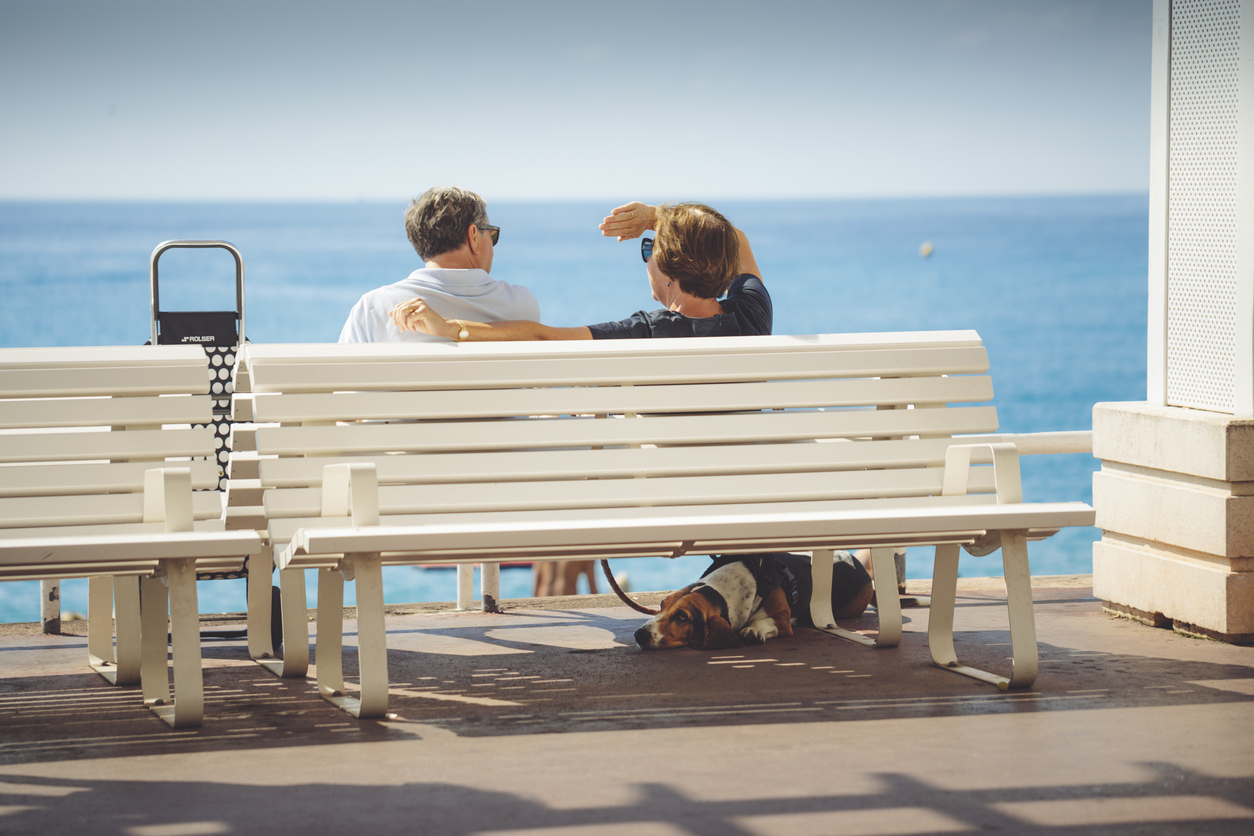
Bringing Pets to the Côte d’Azur: What Dog Owners Should Know
The French Riviera is one of Europe’s most rewarding places to travel with a pet: café terraces that happily set down a water bowl, seaside promenades built for long, sunset strolls, and a Mediterranean climate that begs for slow, outdoor days. But it’s also a region with specific rules—especially in summer—plus a few local quirks (from pine processionary caterpillars to jellyfish days) that matter when you have a four-legged companion. Consider this your locally informed, practical guide to arriving prepared and enjoying the Côte d’Azur with your pet, from Nice to the red rocks of the Estérel and the sandy stretches around Fréjus and Saint-Aygulf.
For readers interested in the character and appeal of luxury villas on the Côte d’Azur, our page on luxury villas in the South of France offers further context.
Entry requirements and paperwork: start right, travel smoothly
Microchip and rabies: the non‑negotiables
France follows EU rules for pet travel. Dogs, cats, and ferrets must be microchipped (ISO 11784/11785 compatible) and vaccinated against rabies. The microchip must be implanted before (or on the same day as) the rabies vaccination, and the first vaccination requires a 21‑day waiting period before travel. Booster shots follow the vaccine manufacturer’s schedule; lapses typically reset the 21‑day clock. Keep the microchip certificate and rabies certificate together in your travel folder.
EU residents vs. non‑EU travellers
If you live in the EU, your veterinarian issues an EU Pet Passport. For non‑EU travellers (including the UK, USA, Canada), you’ll need an EU Animal Health Certificate (AHC) completed by an authorised veterinarian in your country within 10 days of entering the EU. The AHC must be accompanied by proof of microchip and rabies vaccination and remains valid for entry once, then for onward travel and re‑entry within the EU for a limited time. Some travellers on extended stays subsequently arrange local EU passports from a French vet; eligibility can vary, so ask locally once you arrive if you intend to return frequently.
Tapeworm treatment and re‑entry notes
France does not require tapeworm treatment for entry. However, if you are returning to the UK, dogs must receive an approved tapeworm treatment 24–120 hours prior to re‑entry. It’s easy to arrange this at a local French veterinary clinic on the Riviera—most are well‑versed in issuing the required treatment and paperwork in high season.
Restricted breeds and muzzling rules in France
France classifies certain dogs as “Category 1” (prohibited) and “Category 2” (restricted). Category 1 dogs—often non‑pedigree pit bull–type dogs—cannot be imported into France. Category 2 includes specific pedigree breeds (for example, American Staffordshire Terrier, Tosa) under strict conditions for residents (muzzle and leash in public, handler age and permit requirements, insurance). As a visitor, it can be difficult to meet those conditions. If your dog could fall under these categories, check with your consulate or the local prefecture before planning travel; otherwise, choose a destination without these complications.
Timing your trip: heat, crowds, and calmer months
Summer on the Riviera: plan early, move slowly
July and August are dazzling—and hot. Midday pavement on the Promenade des Anglais can be too warm for paws, and some beaches restrict dogs in peak season. Plan early walks (before 10 a.m.), long, shaded siestas (many gardens and pine groves are breezy), and late‑day outings after 6 p.m. Bring a collapsible water bowl, carry extra water, and consider a light cooling vest for dark‑coated dogs. When you drive, seek shaded parking and never leave an animal in a parked car—even “for a minute”—as temperatures soar quickly.
Off‑season advantages: October to April
The shoulder and low seasons transform the Côte d’Azur. From October to April, dogs are allowed on many beaches that are off‑limits in summer, the light is luminous for coastal walks, and restaurant terraces are relaxed. Locals love winter for long dog romps on wide sands at Saint-Aygulf, the beaches around Sainte-Maxime, or quiet pebbles west of Nice. In January–March, mimosa blooms perfume the hills around Tanneron and Mandelieu—gorgeous for leashed hikes.
Events and fireworks: a note for anxious pets
Major events punctuate the Riviera calendar: Nice Carnival (February), the Cannes Film Festival and Monaco Grand Prix (May), firework festivals in Cannes and Antibes/Juan‑les‑Pins (summer), and Bastille Day (14 July) across the coast. If your pet is noise‑sensitive, plan indoor evenings on big firework nights and ask your vet about calming options before you travel. Many towns publish event calendars early; if you’re staying near a seafront or harbour, you’ll hear fireworks distinctly.
Getting there and getting around with a pet
Flying into Nice Côte d’Azur Airport
Nice (NCE) is the primary gateway. Airline pet policies vary: small pets often travel in‑cabin in soft carriers if they meet weight and size limits; larger dogs may travel as checked baggage or cargo. Summer heat can affect acceptance for pets traveling in the hold, so consider morning or evening flights. On arrival, Nice Airport has relief areas outside the terminals; baggage carousels are busy in peak hours, so give yourself time to collect pet carriers and re‑assemble gear.
Trains, trams, and buses: what to expect
On SNCF trains (TGV and TER), small pets under a certain weight can travel in a closed carrier for a modest fee; larger dogs generally require a muzzle and a ticket (often half the full second‑class fare). Keep your pet on a short leash in stations and platforms; in summer the shaded ends of platforms in Nice‑Ville or Cannes can be calmer. On the Nice tram and local buses, small pets in carriers are typically accepted; larger muzzled, leashed dogs may be permitted depending on the operator and time of day—check posted rules. Regional coaches are air‑conditioned but can fill up; off‑peak rides are easier with animals.
Driving the A8 and coastal roads
The A8 autoroute runs parallel to the sea. Rest areas often have shaded green patches; always leash—areas near the Var River and in the Estérel are home to protected fauna. Use a seat‑belt harness or secured crate; French road rules require the driver to maintain full control, and unrestrained pets can lead to fines after an accident. Paid parking in seaside towns varies from underground garages (cooler) to surface lots where cars bake; carry reflective sunshades and never rely on cracked windows for ventilation.
Where dogs can stretch their legs: promenades and parks
Seafront strolls built for paws and people
The Riviera’s promenades are a gift to travellers with pets. In Nice, the Promenade des Anglais runs for several kilometres, broad and breezy, with fountains and shaded benches. Early mornings bring joggers and dog walkers; evenings glow with sunset swimming groups and pétanque on the pebbles. The leafy Promenade du Paillon cuts through central Nice with “aires canines” (small dog areas) signposted—useful breaks between old town and the sea.
Between Cagnes‑sur‑Mer and Villeneuve‑Loubet, the flat waterfront path traces quiet pebble beaches, with steady breezes and easy parking. In Antibes, the ramparts walk around the old town is dramatic; go early to avoid midday sun reflecting off stone, and detour into small squares for water and shade. Cannes offers the Croisette (busier near the Palais), but the western promenade at La Bocca feels more local and less crowded in summer mornings.
Up the hill for views and shade
For views and pine shade, Nice’s Mont Boron park trails loop under umbrella pines with panoramas over the Baie des Anges and the port; it’s a favourite of local dog owners. In Cannes, Parc de la Croix des Gardes is a beautiful, hilly green space perfumed with mimosa in winter and spring. East of Antibes, Parc Vaugrenier (technically in Villeneuve‑Loubet) offers broad lawns and woodland paths; families and dog walkers share it year‑round. Throughout the coast you’ll see small, fenced “espace canin” or “canisite” areas—handy for quick stops and waste disposal.
Red rock drama in the Estérel
Between Théoule‑sur‑Mer and Saint‑Raphaël, the Estérel Massif’s iron‑rich cliffs drop into the sea, with hiking tracks threading ravines and maquis. Dogs must be leashed (fire risk and wildlife protection are serious here). Start early; the red rock radiates heat by late morning. From Agay, family‑friendly loops offer shade and viewpoints; from Cap Roux, stronger hikers get unforgettable sea‑and‑mountain panoramas. In extreme fire risk, paths can close—obey closure notices, as enforcement is strict.
Beach rules and dog‑friendly swims
How summer restrictions work
Beach rules on the Côte d’Azur are set by individual municipalities and vary widely. Common patterns:
- In summer (roughly May/June to September), many urban beaches prohibit dogs entirely during posted hours.
- Some towns designate specific “plage pour chiens” (dog beaches) where leashed dogs can swim year‑round.
- In the off‑season, rules often relax on less central beaches; signage will state “chiens interdits” or permitted conditions if allowed.
Look for the municipal signboard at each beach access. Enforcement increases in July–August. Even where allowed, use a short leash on shore, keep a respectful distance from sunbathers, and avoid crowded patches—early morning or late dusk swims are the sweet spot.
Consistently pet‑friendly spots locals use
Designated areas shift occasionally, but some have proven reliable over the years:
- Nice (west end): Near Plage de Carras, there is typically a marked dog‑friendly pebble stretch where locals let dogs wade. It’s convenient to the Promenade and less busy than central beaches.
- Villeneuve‑Loubet and Cagnes‑sur‑Mer: Sections of the long pebble shoreline usually include a posted dog area; the open feel and easy parking make it practical for quick swims.
- Antibes (La Fontonne/La Brague): East of the old town, a stony stretch historically set aside for dogs allows leashed dips; it’s low‑key and generally used by residents.
- Menton: Toward the Italian border and around the Garavan side, the town has signposted dog zones that are calm outside peak afternoon hours.
- Fréjus/Saint‑Aygulf: The sandy coastline has variable rules—off‑season access is broad, and even in summer, early and late slots on less central strands can work when signage permits.
Before visiting the area with your pet, discover more beaches and nature areas in our guide to Fréjus and Saint-Aygulf.
Because municipalities tweak rules, a quick stop at the local “Office de Tourisme” or a scan of the latest beach noticeboards pays off. Wherever you go, rinse dogs after sea swims to remove salt and sand—look for showers at access points or bring a water canister in the car for a quick wash‑down.
Water etiquette and safety
Keep swim sessions short in heavy surf, and watch for jellyfish (méduse) alert flags in summer. If you see a purple flag or posted notice, skip the swim—stings are unpleasant for dogs and humans alike. On pebbly beaches (Nice, Cagnes), booties can help tender‑pawed dogs until they reach deeper water. On sand (Saint‑Aygulf), rinse paws to prevent irritation. Always leash on shore; even friendly dogs can startle sunbathers or knock into fishing lines at dawn and dusk.
Café culture and dining with a pet
Terraces, markets, and what to say
Across the Riviera, dogs are commonly welcomed on outdoor terraces. Staff often offer a water bowl without being asked; if you’re unsure, a simple “Est‑ce que le chien est le bienvenu en terrasse ?” does the trick. In indoor dining rooms and food shops, rules are stricter—assume no unless invited. At markets such as Nice’s Cours Saleya, Cannes’ Marché Forville, or Antibes’ covered market, go early to avoid crowds and keep dogs on a tight leash; steer clear of fish and cheese counters out of courtesy.
Beach kiosks and seaside spots
Casual kiosks and snack bars along promenades tend to be relaxed about leashed dogs at outdoor tables. Beach clubs vary; some accept small, quiet dogs under tables at lunch while declining during packed service. A smile and quick ask make all the difference—front‑of‑house teams generally know the drill. Bring a portable mat so your dog can settle comfortably on warm decks or pebble floors.
Health, safety, and Riviera‑specific hazards
Heat, salt, and paws
Pavement temperatures climb fast in summer; if the back of your hand can’t comfortably rest on the ground for five seconds, it’s too hot for paws. Walk on the shaded side of streets, use garden paths over granite quays at midday, and plan beach visits early or late. After swimming, rinse salt thoroughly to prevent skin itch and paw licking. Regularly check ears—sea water left in ear canals can trigger irritation; a gentle, vet‑approved ear cleaner can help after warm swims.
Pine processionary caterpillars
From late winter into spring (timings vary with weather), pine processionary caterpillars descend from nests in coastal pine forests and parks. They move in lines along the ground and are extremely toxic to dogs if sniffed, licked, or even brushed against—causing severe mouth and tongue swelling. Avoid pine groves on warm, windless days in late winter/early spring, watch for silky nests in trees, and heed municipal warnings. If exposure is suspected, flush the mouth with water if safe and seek a vet immediately.
Parasites and preventive care
The Mediterranean hosts sand flies (leishmaniasis risk), ticks, and fleas. Ask your vet about region‑appropriate preventives (repellent collars or spot‑ons that cover sand flies; tick control; heartworm prevention if advised). If you plan hillside hikes (Estérel, Tanneron), do post‑walk tick checks. Carry your pet’s medical summary and prescriptions; French pharmacies are excellent for advice and often stock basic pet supplies.
Jellyfish and sea urchins
Jellyfish blooms come and go in summer; when present, lifeguards or town halls may fly a purple flag. Stings on dogs are managed similarly to humans: rinse with sea water (not fresh), avoid rubbing, and consult a vet if your pet is distressed. On rocky entries, sea urchins lurk; keep dogs from bounding into shallow, rocky coves and prefer gentle‑slope beaches for swimming.
Vets, emergencies, and supplies
Who to call and where to go
For an urgent veterinary issue anywhere in France, dial 3115 to be routed to an on‑call veterinarian service (“vétérinaire de garde”). In the Nice–Cannes–Antibes corridor, you’ll also find modern clinics with extended or 24/7 hours; one well‑known example is Azurvet in Nice. In the Var (Fréjus, Saint‑Raphaël, Sainte‑Maxime), there are multiple full‑service clinics; locals can direct you to the closest option if you ask at a pharmacy. Keep your pet’s documents and insurance details in your day bag; French clinics appreciate clear histories and medication lists.
Pharmacies, pet shops, and what’s easy to find
Most towns have at least one “animalerie” or a larger chain store for food and gear, and many supermarkets stock reputable kibble brands. Chains such as Maxi Zoo or Jardiland have locations along the coast (Antibes, Fréjus, Mandelieu) with grooming and accessory aisles. Pharmacies can supply antiseptics, saline, and paw balms, and they will often advise you to see a vet if a wound needs professional care. Waste bags are widely available, but you’ll also spot municipal dispensers near parks and beach entrances.
Grooming, daycare, and pet sitting
“Toilettage canin” salons are common and useful after salty weeks or shedding seasons. For day trips that are not pet‑friendly (certain museums or long wine lunches), look for “garde d’animaux” or “petsitter” services—many are owner‑operated and will do a couple of long, shaded walks rather than high‑energy dog park sessions in heat. Book ahead in July–August.
Staying in a rental with your pet: house rules and routines
What Riviera homes typically ask of pet owners
Most pet‑friendly homes along the Côte d’Azur will ask that animals stay off sofas and beds, that any garden mess is cleared promptly, and that dogs do not swim in the pool (filters clog easily with fur and sand). Many gardens here are terraced or partially fenced; confirm fencing details if your dog is an escape artist. If there’s a robotic pool cleaner, store it out of sniffing reach—curious noses and cable tangles don’t mix.
Sand management and daily cleanup
On sandy beaches like Saint‑Aygulf, a quick paw rinse at the car with a 5‑litre water canister and a microfibre towel can save floors back home. Keep a mat by the door for shake‑offs. A small handheld vacuum is a gift during shedding season; pebbles from Nice’s beach have a way of hiding in linings and then rolling onto tiles. If you visit coves around Théoule or Les Issambres, bristle brushes work better than cloths on clinging red dust.
We’ve drawn on local know‑how shared by the team at AzurSelect when compiling these small but sanity‑saving housekeeping habits—they’re the tricks locals use to keep the coast outdoors and the house indoors.
Day trips and gentle adventures with a dog
Boat rides and islands: what’s realistic
Many coastal ferry operators allow leashed dogs on outside decks. Îles de Lérins (from Cannes) and Porquerolles (from Hyères, a bit farther west) are classic days out; on the islands, keep dogs leashed and avoid protected dunes and bird zones. Midweek mornings are calmer than weekends. If you’re chartering a small boat for a coastal swim around Cap d’Antibes or Saint‑Raphaël’s calanques, confirm pet acceptance and bring a non‑slip mat and fresh water—salt is thirstier than you think.
Rivers, lakes, and cool shade
When the sea feels too briny, the hinterland has shaded water spots. Lac de Saint‑Cassien, north of the A8 near Montauroux, is surrounded by piney slopes and calm coves; dogs love the soft entries, and mornings are particularly peaceful before paddlers arrive. Along the Siagne near Mandelieu, riverside paths offer cool greenery; mind the signage around private gardens and fishing areas.
Markets and mellow village circuits
Village loops are perfect for dogs that like to sniff and stroll. Try a morning amble through Antibes’ old town, circling the ramparts before ducking into the market for peaches; or loop around the port and gardens of Saint‑Raphaël before a shady coffee near the basilica. In Sainte‑Maxime, the seafront walkway is breezy in the morning, and the little squares of the old town are filled with café chairs to tuck under for an espresso and a water bowl.
Practical packing and quick checklists
Paperwork bundle
- Microchip certificate and number noted on a keyring tag
- Rabies certificate and EU Pet Passport or AHC (for non‑EU travellers)
- Insurance details (pet and travel), plus your vet’s contact
- Photo of your pet and microchip number stored on your phone
On‑the‑go kit for the Riviera
- Collapsible water bowl and 1–2L water bottle
- Short leash (urban), long line (quiet beaches/off‑season where permitted)
- Light towel, wipes, and a small brush
- Booties for hot pebbles if your dog has tender paws
- Shade mat or lightweight cooling vest for summer
- Waste bags (even though dispensers are common)
- Basic first‑aid: saline, antiseptic, tweezers, tick remover
- Any ongoing medications and preventive treatments
Villa and car essentials
- Door mat and microfibre towel for the entry
- Old sheet or dog blanket to cover a favourite corner
- Seat cover or crate for the car, plus sunshades
- 5‑litre water canister for quick rinses after the beach
Local rules, fines, and neighbourly etiquette
Leads, waste, and municipal expectations
Most Riviera towns require dogs to be on a leash in public areas. You’ll see clearly posted “chiens interdits” where dogs aren’t allowed (certain gardens, beaches, and children’s play parks). Waste must be picked up (“déjections canines”)—dispensers and bins are frequent, and fines apply for non‑compliance. In older town centres with narrow lanes (Vieux Nice, Antibes), keep your dog tight at heel; doorways open directly onto the street, and café trays sweep through fast.
Noise, shared spaces, and lifts
Residential buildings expect quiet, especially after 10 p.m. In lifts, ask before entering if another passenger seems uneasy; most people are charmed by polite, leashed dogs. If your pet barks at hallway sounds, a white‑noise app can help muffle echoes in tiled stairwells common to Mediterranean buildings.
Wildlife and protected areas
Protected dune zones, nesting sites, and cliff paths often have seasonal restrictions for dogs. Always heed roped‑off areas and signs about ground‑nesting birds. On rural walks, wild boar inhabit some coastal hills; keep dogs close at dawn/dusk and avoid thick scrub if you hear rustling. Even in village gardens, toads and spiky chestnut husks can cause mischief—teach a solid “leave it” before your trip.
A four‑day, pet‑friendly outline
Day 1: Nice, sea air, and pine shade
Arrive in Nice and stretch legs along the Promenade des Anglais. If the sea is calm and the signage still shows a dog zone near Carras, let your dog wade, then rinse at the beach shower. Climb to the Colline du Château gardens for sweeping bay views—shade and fountains make it a cooling loop. Late afternoon, head to Mont Boron’s pine paths for an easy circuit above the port, returning at golden hour.
Day 2: Antibes ramparts and a pebble swim
Morning in Antibes: walk the ramparts before the sun is high, peek into the old town lanes, and pick up fruit from the covered market. Drive or take the train one stop to Villeneuve‑Loubet’s waterfront for a low‑key, leashed paddle in the designated area if posted. Linger on the promenade for a café stop; watch the kitesurfers if the Mistral brushes the bay. Evening stroll through Cap d’Antibes’ quiet streets; skip the cliff path if signs exclude dogs, choosing shaded lanes lined with jasmine instead.
Day 3: Red rocks of the Estérel and a harbour sunset
Start early in the Estérel from Agay: a short, shaded loop with big views delivers the drama without midday heat. Keep the dog leashed—trails can drop steeply, and the scent of wild boar is tantalising to noses. After a long rest, wander the waterfront of Saint‑Raphaël in the evening; the squares behind the basilica are lively, with terraces that set down water bowls without fuss. If you prefer sand, Saint‑Aygulf’s edges are breezy after 7 p.m.; check the day’s signage.
Day 4: A market morning and a quiet coastal walk
Choose a market—Cannes’ Marché Forville is convivial on non‑cruise‑ship mornings; keep the leash short and slip outside to the shaded arcade if it fills. In the afternoon, drift along the wide, flat seafront between Cagnes‑sur‑Mer and Villeneuve‑Loubet, letting the breeze do its work. End with a low‑key, early dinner on a terrace where your dog can snooze; in high summer, the late dusk makes it pleasant to walk home afterward.
Transport micro‑details that locals learn the hard way
Tickets and muzzles on trains
Buy your pet’s ticket before boarding—conductors do check. Attach a lightweight, well‑fitted muzzle to your day bag; even if your dog never wears it, having one avoids disputes on a crowded TER. On platforms like Nice‑Ville and Antibes, stand near carriage doors for quick onboarding and offloading; let other passengers pass first if your dog is curious or large.
Taxi and rideshare etiquette
In Nice, Cannes, and Antibes, many taxis and some rideshares accept dogs if you message politely in advance and bring a blanket or seat cover. Hold small dogs on your lap in carriers; larger dogs sit foot‑well or on the back seat on a cover. Sandy dogs and wet paws are best after a quick rinse—drivers will thank you.
Ferries and quays
On ferries, stick to exterior decks unless crew invite you inside, keep the leash short in boarding queues, and avoid the gangway scrum by waiting for the second wave. Quays can be roasting at midday; plan crossings early or late, and carry water even for short hops.
French phrases you’ll actually use with a pet
- “Est‑ce que le chien est le bienvenu en terrasse ?” – Is the dog welcome on the terrace?
- “Avez‑vous un bol d’eau, s’il vous plaît ?” – Do you have a bowl of water, please?
- “Où est la plage pour chiens la plus proche ?” – Where is the nearest dog beach?
- “Le chien doit‑il être tenu en laisse ici ?” – Does the dog need to be on a lead here?
- “Où puis‑je trouver un vétérinaire ouvert aujourd’hui ?” – Where can I find a vet open today?
- “Avez‑vous des sacs pour les déjections canines ?” – Do you have dog waste bags?
A few region‑specific courtesies that go a long way
Water bowls and where to place them
Set your dog’s bowl under your table, not in walkways where waiting staff carry trays. In tight old‑town passages, step into a doorway alcove for water breaks to keep the flow of pedestrians.
Markets and noses
In covered markets, keep a close heel and avoid letting noses hover near produce—stallholders appreciate it, and other shoppers do too. If your dog is likely to say hello to everyone, place them on the “street side” of your body and browse from the edge.
Beaches and towels
Carry a small towel to dry your dog before returning to a seafront promenade; wet shakes on passersby are a classic Riviera faux pas.
When plans change: back‑up options for hot days
Shade first, views second
Trade cliff paths for pine parks on sweltering days. Mont Boron (Nice), Croix des Gardes (Cannes), and the green belts around Biot and Valbonne stay cooler than seafront stone. Early morning errands, long siestas, and post‑7 p.m. dinners are the summer rhythm here—and dogs settle into it quickly.
Indoor culture with quick pet breaks
Museums generally prohibit dogs, but you can pair a short visit with shaded walk breaks: for instance, take turns at the Picasso Museum in Antibes while the other loops the ramparts with the dog; or alternate at Cannes’ hillside Suquet for views, then regroup in a breezy square. Most cities have small, fenced canine areas near central sights.
Putting it together: a Riviera mindset for pet travel
The Riviera rewards those who move with the light and the breeze: mornings on promenades, shaded snoozes during the cicada chorus, and golden‑hour wanderings when the façades glow. With a little paperwork prep, a clear read of beach signs, and a rhythm that honours the climate, pets fit into this life beautifully. You’ll find café waiters who remember your dog’s name by day two, fellow walkers who point you toward the nearest “plage pour chiens,” and parks where pines frame the sea just so. Keep it courteous, keep it cool, and the Côte d’Azur opens up for both of you.
Exploring the French Riviera? View all our villas and holiday homes where pets are welcome upon request.

