

 EN
EN  NL
NL
 DE
DE
 FR
FR

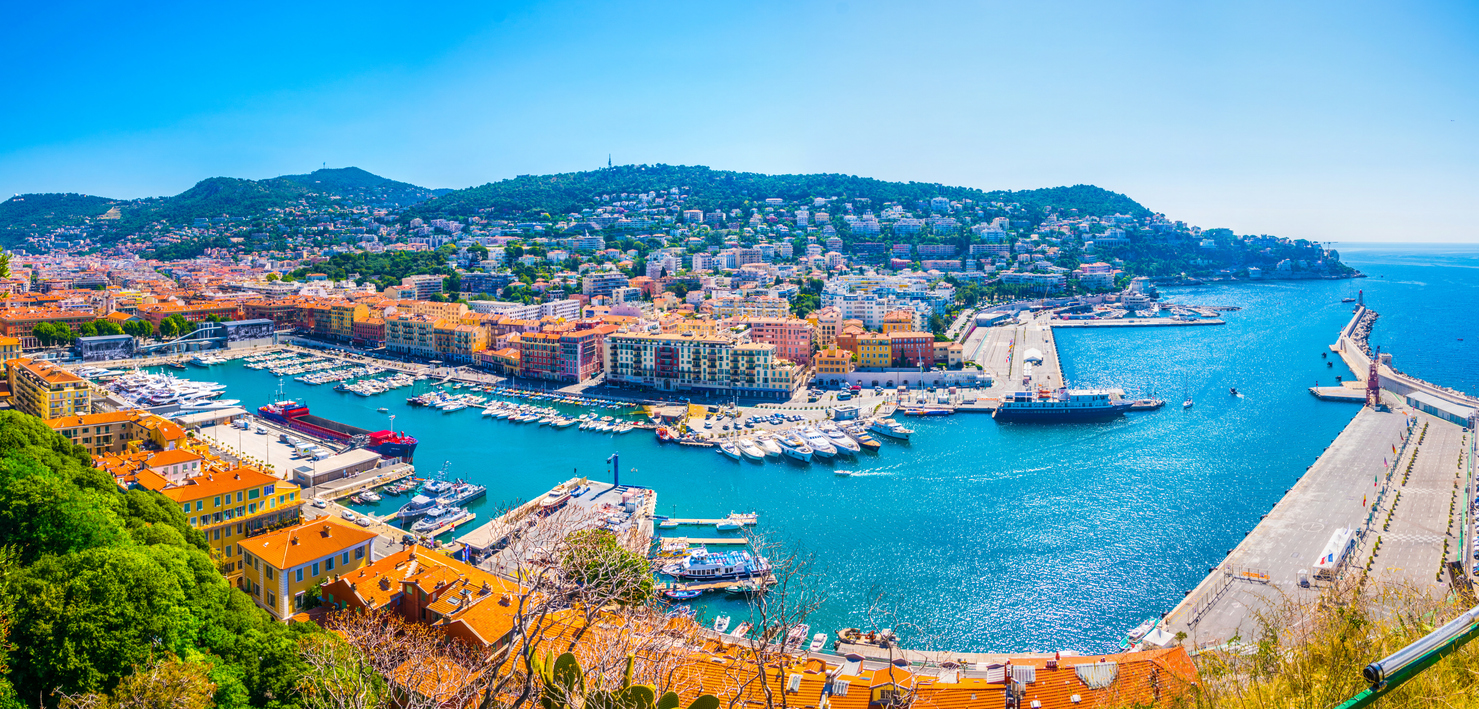
The Port of Nice: Colorful Heritage and Mediterranean Spirit
First Impressions at Port Lympia
Arriving at the Port of Nice—known locally as Port Lympia—feels like stepping into a sunlit painting. Terracotta and ochre facades, picked out with mint-green shutters, reflect across the water where traditional wooden boats bob next to sleek contemporary yachts. The scene is framed by the perfectly proportioned Place Île-de-Beauté and its neoclassical church, and by the gentle arc of quays where daily life unfolds at a relaxed, Mediterranean pace. It’s a working harbor and a promenade rolled into one, rich with maritime history yet always alive with the warm bustle of the present. For a broader perspective on refined travel and life along the Côte d’Azur, discover more curated insights at AzurSelect.
Walk toward the harbor mouth and the sea breeze carries a trace of salt and wild herbs from the cliffs of Cap de Nice. Drift deeper into the port and you’ll catch the scent of lemon and olive oil drifting from kitchens. The rhythm is unhurried: fishermen chat as they sort nets, cyclists glide along the waterfront, and neighbors greet each other in French and in the local Niçard dialect. The harbor is on a human scale—intimate, walkable, and endlessly photogenic—offering a balance of local character and cosmopolitan flair that encapsulates the soul of Nice.
From Marsh to Maritime Heart: A Brief History
The port owes its unusual name to a spring and marsh once known as Lympia. In the 18th century, engineers began the long process of taming this low-lying land to give Nice a proper harbor. Under the Kingdom of Sardinia—when Nice was not yet French—the waterfront emerged with a classical symmetry that still defines it today. By the early 19th century, the port was taking shape as a sheltered basin linked to the open sea by a stone pier and protected by the hulking cliffs of Mont Boron and Cap de Nice.
Annexed to France in 1860, Nice modernized its harbor infrastructure while retaining Sardinian-era architectural harmony. The two worlds—Italianate color and French administration—combined to make the port a microcosm of the city’s identity. Through the World Wars, the harbor witnessed upheaval and rebuilding. In the postwar decades, commercial traffic shifted to larger facilities along the coast, while Port Lympia grew into a marina and passenger harbor. Today, it remains both a living neighborhood and a gateway, where traditional fishing craft share the water with pleasure boats, day cruisers, and occasional passenger sailings.
Architecture in Ochre and Light
Stand on the edge of Place Île-de-Beauté and take in the square’s pleasing symmetry. The church of Notre-Dame-du-Port anchors the scene with calm, classical lines, its portico drawing the eye down the length of the basin. The adjacent arcaded buildings—washed in warm reds and golds—show the Ligurian influence that makes Nice feel subtly Italian. Tall shutters and wrought-iron balconies cast intricate shadows as sunlight moves across the facades through the day.
The port’s harmonious palette is more than decorative; it’s part of a carefully planned urban composition from the 19th century. On the eastern side, look for the restored clock tower rising above the old prison complex, now a cultural venue, its sandstone glow especially striking at golden hour. Along the quays you’ll see handsome warehouses and former trade buildings, some repurposed into galleries or workshops. There’s a tangible sense of continuity—even as the harbor adapts to new uses, the architecture preserves a classical frame for everyday life.
The Quays: Each with a Personality
Not all quays are created equal. One of the simple pleasures of Port Lympia is wandering from quay to quay, noticing how the atmosphere shifts with every few steps. Each side of the basin reveals its own rhythms, from nautical bustle to café culture and antique hunting.
Quai des Docks
Once devoted to cargo and storage, the Quai des Docks retains its sense of purpose. Here you can spot marine trades in action—rigging repairs, provisioning, and the comings and goings of service boats. It’s also where you might stumble upon small cultural happenings, including exhibitions hosted in repurposed historic spaces. The quay feels authentic and grounded, with fishermen’s stories etched into every bollard and mooring ring.
Quai Entrecasteaux
Quai Entrecasteaux has a village-like charm. Early in the morning, keep an eye out for local fishermen selling the day’s catch directly from the quay—a fleeting scene that hints at centuries of maritime tradition. Later in the day, this side becomes a lazy panorama of boat reflections and casual strolls. The view back toward Place Île-de-Beauté is one of the finest ways to appreciate the port’s geometry.
Quai Lunel and Quai Papacino
These quays form the port’s social center, lined with addresses where neighbors stop for coffee, or linger over an aperitif as the benches fill up with conversations. It’s an easy place to people-watch and absorb a sense of everyday life: delivery vans, dog walkers, crews loading up for a coastal outing. The open views toward the Mediterranean remind you that although the port feels cozy, the sea is right there—teal, glassy, and irresistible.
Pointus and the Fishing Heritage
One of the most endearing sights at Port Lympia is the cluster of pointus, traditional wooden fishing boats with pointed bows and bright livery. Painted in sunflower yellow, sea blue, and cherry red, these boats give the harbor a timeless spirit. They are lovingly maintained by local associations and owners who treat them as floating family heirlooms. If you look closely, you can often make out the boat’s name painted on the prow—saints, grandparents, or playful nicknames.
The fishing tradition is honored in summer during the Fête de la Saint-Pierre et de la Mer, when the community gathers to bless the sea and remember fishermen lost to storms. Processions, music, and small maritime parades animate the quays. Even outside festival days, you’ll notice how fishing inflects the port’s identity: the scent of tar and rope, the stacks of lobster pots, the steady presence of weathered hands deftly mending nets. Buy a paper cone of fried local fish when you find it—simple, salty, and elemental, it tastes like the Côte d’Azur in one bite.
Art, Culture, and Small Museums by the Water
Cultural life thrives quietly in and around the port. A standout is Galerie Lympia, set in the former prison complex beside the basin. The gallery’s stone walls and vaulted rooms provide an evocative backdrop for photography shows, contemporary art, and heritage exhibits. It’s a deeply atmospheric space—one of those lesser-known corners where you can step out of the sun and into another world for an hour.
A short stroll away on the slopes above the harbor is the Terra Amata Museum, dedicated to a remarkable prehistoric campsite discovered during construction in the 1960s. Long before Nice became a resort city, Paleolithic hunters set up seasonal shelters here, leaving traces of hearths and tools. It’s an unexpected window into deep time, and an especially good stop if you enjoy archaeology or want to balance seaside pleasures with a dose of context.
Back at the water’s edge, small galleries and studios dot the streets leading away from the quays, particularly around Rue Catherine Ségurane and Rue Antoine Gautier. You’ll find restored furniture, mid-century lamps, and contemporary prints sharing space with marine paintings. On Rue Bonaparte—nicknamed the “Petit Marais Niçois”—street art, indie galleries, and neighborhood cafés add a creative pulse to the port’s edge.
Everyday Life: Markets, Antiques, and Local Characters
Port Lympia sits beside one of Nice’s most engaging shopping zones for antiques and design objects. The network around Rue Catherine Ségurane and Rue Antoine Gautier is packed with dealers who specialize in everything from vintage Riviera posters to maritime instruments, ceramics, and Art Deco treasures. Wander without a plan; the best finds often appear when you’re not searching for anything in particular. The owners are passionate and happy to share stories behind a piece’s patina or provenance.
Don’t overlook the small food specialists tucked among the antique shops: a neighborhood bakery with perfect olive fougasse, a cheesemonger with tomme from the backcountry hills, a spice seller who blends herbes de Provence with a Niçois twist. If you visit on a Monday, consider looping over to the big flea market at Cours Saleya in the Old Town; antique dealers from the port often browse there too, and you can circle back via Place Garibaldi to finish the day at the harbor.
This is also a people-watcher’s neighborhood. Sit on a low wall by the quay, and you’ll see the full cast: sailors in deck shoes carrying coiled lines, cyclists with baguettes clipped to baskets, and kids practicing their first, wobbly roller-skate turns. The port is a stage for daily rituals, and those small portraits are what make it feel personal.
Food with a Niçoise Soul
Meals around the port taste anchored to the city’s past. For a snack that locals grow up with, order socca: a thin, wood-fired chickpea pancake, crisp at the edges and soft within. It’s at its best when eaten within minutes of leaving the oven, with a grind of pepper and a glass of cool rosé. Pan bagnat—a round sandwich built from olive oil-dressed salad Niçoise ingredients—is another local essential, perfect for taking to a sunny bench by the water.
Seafood, naturally, takes center stage. Look for simple preparations that let the fish speak for itself: grilled sardines, octopus with lemon, and barely warmed prawns drizzled in local olive oil. You’re never far from classic Niçoise dishes either: pissaladière with sweet onions and anchovies, stuffed vegetables called farcis, and zucchini flower fritters, light as a breeze when freshly fried. Around Place du Pin and down toward the quays, neighborhood spots keep things honest and seasonal.
If you’re in the mood for a sea-facing setting, keep an eye out for the Belle Époque landmark near the harbor mouth that locals simply call La Réserve. Perched above the water, it’s as much about the view as the menu. For dessert, a lemon tart scented with the fragrance of Menton citrus feels right at home on this stretch of coast.
Seaside Strolls and Secret Swimming Spots
The coastline near the port is full of small pleasures. Just west of the harbor mouth, the Rauba-Capeù promenade curves around the base of Castle Hill. It’s a beloved photo stop and a favorite place to feel the spray of waves on stormy days; on calm evenings, the sea turns to polished slate and the sky blushes with sunset. From here, follow the seafront to discover sheer views of the Baie des Anges and the movement of boats as they slip in and out of the harbor.
To the east, seek out Bains Militaires, a tiny planked platform and pebble cove below the coastal road, popular with locals for quick dips before work. A little farther along, Coco Beach offers ladders set into rocks for clear-water swimming and snorkeling—no frills, just the essentials. The water here is particularly transparent, especially early on summer mornings before the day warms up.
If you’re in the mood for a longer walk, continue along the path that skirts Cap de Nice. You’ll find stretches of coastal trail where pines lean over the sea and cormorants dry their wings on rocks. It’s one of those surprising, wild-feeling pockets within city limits—bring water, wear proper shoes, and take your time.
Castle Hill and Port Panoramas
For the definitive view of the harbor, climb to the top of the Colline du Château. From the main park, the lookouts open like theater balconies over both the Baie des Anges and Port Lympia. The port vista is a study in geometry: the rectangle of water, the luminous quays, the grid of streets radiating inland. Look for the neat ranks of pointus, the bright flags of moored boats, and the slow choreography of vessels entering the harbor mouth.
Photographers will appreciate the changing light. In the morning, the facades along Quai Entrecasteaux catch the sun, their colors richer and shadows sharper. Late afternoon brings warmth to the arcades and the church at Place Île-de-Beauté, while the water deepens to bottle green. If you prefer a lower climb, there are also intimate viewpoints from the staircase that winds up behind the harbor—each landing offering its own small frame on the scene.
Boats Large and Small: Yachting, Cruises, and Corsican Links
Port Lympia is, at heart, a lively marina. Yachts and sailing boats tie up along the quays, with crews provisioning from local bakeries and markets before setting off along the Riviera. You’ll spot dive boats, fishing craft, and gleaming day cruisers sharing the same water, along with pilot boats guiding larger vessels. On some days, tenders from visiting cruise ships shuttle passengers ashore, adding an extra ripple of activity without overwhelming the harbor’s scale.
For a sense of maritime movement up close, look for the small seasonal port shuttle—locals call it Lou Passagin—that ferries pedestrians across the basin. It’s a tiny crossing, a minute or two at most, but it changes your vantage point and gives you the feeling of being in the middle of the harbor’s daily dance. Historically and seasonally, passenger sailings have linked Nice to Corsica as well; you can feel that island connection in the air, a reminder that this harbor opens onto the wider Mediterranean.
Clubs and associations are part of the port’s social fabric too. The Yacht Club and local rowing and dive groups bring enthusiasts together for regattas, training, and seaworthy camaraderie. Even if you’re not a sailor, the sight of masts tilting in tandem with the breeze is enough to make you dream of a course plotted east along the coast.
Festivals and Traditions on the Waterfront
Nice’s calendar of waterfront events gives the port its own festive heartbeat. The Port Festival—an evening when the quays turn into open-air stages—celebrates maritime culture with music, boat parades, and stalls showcasing local flavors. It’s the kind of community gathering that turns neighbors into hosts, opening the harbor to anyone who wants to share in its spirit.
Equally moving in a quieter way is the Fête de la Saint-Pierre et de la Mer. The procession honors fishermen and sailors, with boats decked out for the occasion and a blessing of the sea. Families come to watch, children wave at the boats, and elders tell stories of how fishing once sustained entire neighborhoods. These rituals don’t feel like performances; they are living traditions, stitched into the port’s identity.
Smaller happenings—pop-up photo exhibits, dockside tastings of olive oil and local wines, or regatta days with colorful sails—appear throughout the year. Even on non-festival days, the harbor offers an everyday theater where small pleasures add up: a guitarist playing as shadows lengthen, neighbors pulling chairs into the last patch of sun.
Designing Your Perfect Port Day
Start early if you can. Morning light makes the facades glow, and the quays are quiet enough to hear rigging clink against masts. Grab a coffee from a neighborhood spot around Place du Pin and wander down to Quai Entrecasteaux. If fishermen are selling, choose something simple to cook later—sardines, perhaps, or a handful of prawns. Otherwise, stroll the length of the harbor and cross by the little ferry to mix up your angles on the scene.
Late morning is perfect for antique browsing. Duck into a cluster of shops along Rue Catherine Ségurane and Rue Antoine Gautier. Ask questions; owners are full of tips and happy to pull out a piece from behind the counter if you’re genuinely curious. For lunch, keep it Niçoise with socca or a pan bagnat, then claim a sunny bench to watch boats leave the basin and turn toward the open sea.
In the afternoon, take to the coast: a swim at Coco Beach or Bains Militaires if conditions are calm, or a scenic walk along Cap de Nice. Later, climb to Castle Hill for the panoramic view of the port. Return at dusk for an aperitif, when the harbor’s colors soften and the conversation swells along Quai Lunel. Keep dinner simple and fresh—grilled fish, a salad of tomatoes and basil, lemon sorbet—and end the night with a slow walk back across the square. You’ll sleep with the rhythm of the rigging in your ears.
Getting There and Getting Around
Port Lympia is easy to reach without a car. Tram Line 2 runs across Nice and terminates near the harbor, putting the quays within a short stroll. The tram also connects directly to the airport, so it’s straightforward to step off a flight and find yourself by the water soon after. Several bus lines serve the area as well; notably, the coastal bus toward Monaco and Menton leaves from near the port, making it a handy base for day trips along the shore.
If you prefer to drive, expect narrow streets and one-way systems. There’s a public parking garage near Place Île-de-Beauté, and you can usually find short-term street spots farther up the hills. Cycling works well too. Dedicated lanes link the port to central Nice and the Promenade des Anglais, and bike shares offer a flexible way to move between the harbor, Old Town, and nearby beaches.
The port itself is compact and walkable. Wear comfortable shoes—stone quays and cobbles deserve respect—and carry water in warmer months. Most of the waterfront is accessible, with gradual inclines and benches at sensible intervals. If you’re planning to swim off rocks, bring steady sandals and check the sea before you go in.
Responsible Travel: Respect the Port
A harbor is a working place as much as a scenic backdrop, and a few small courtesies go a long way. Stay clear of mooring lines and avoid stepping aboard boats without invitation. If you’re photographing people at work—net-mending, provisioning—ask permission with a smile; the conversation you’ll start is often worth more than any snapshot. Keep voices low late at night; sound carries over water and along stone facades.
Consider sustainability in your choices: refill water bottles, bring a tote for purchases, and opt for local, seasonal food. When buying seafood, ask which species are abundant and which are better left to recover. Many restaurants now note provenance and fishing methods; choosing those who do supports a healthier Mediterranean.
Finally, seek out the small businesses that give the port its personality: the roaster who knows your coffee by day three, the upholsterer restoring a classic deck chair, the family that’s kept a pointu seaworthy for decades. Your presence, when thoughtful, helps keep these vocations alive.
Beyond the Harbor: Mont Boron, Villefranche, and Secret Viewpoints
It’s easy to treat the port as both destination and springboard. From Place Île-de-Beauté, climb toward Mont Boron along shaded residential streets, where citrus trees scent the air and sudden gaps between buildings reveal slivers of blue. The park at the top is a tangle of pine and olive, with trails that lead to scenic lookouts and picnic spots. Continue to Fort du Mont Alban, a 16th-century sentinel commanding astonishing views over the Baie des Anges and the bay of Villefranche-sur-Mer.
For coastal exploration, descend toward the east and you’ll find yourself above the Rade de Villefranche, one of the most beautiful natural harbors in the Mediterranean. Trains and buses make it easy to dip over for a few hours, but there’s also pleasure in taking your time on foot, following stairways and quiet lanes down to the sea. On the return, look back: the view toward Nice, with its Citadel Hill and the light catching on the port, is worth the climb.
Closer to home, a pair of lesser-known vantage points rewards the curious. Near the port entrance, the lookout by the seaside curve often called the Rauba-Capeù terrace gives a low, cinematic angle on boats entering the harbor with Castle Hill rising behind. On the eastern side, a little balcony carved into the road above Coco Beach frames the lighthouse and the harbor mouth just so; it’s a local favorite for watching storms roll in from the open sea.
A Neighborhood of Stories: Rue Bonaparte and Place du Pin
A short walk from the quays, the grid of streets around Rue Bonaparte offers another facet of port life. The area centers on Place du Pin, a small square that hums from morning coffee to late-evening conversation. Nicknamed the “Petit Marais Niçois” for its creative energy, the neighborhood holds independent shops, a micro-roastery, and bars that tilt toward artful cocktails and natural wines. It’s lively without feeling contrived, shaped by locals who matter-of-factly keep the scene authentic.
Keep an eye out for murals and discreet pieces of street art, sometimes tucked down side streets or under archways. Galleries here often spotlight regional artists working with Mediterranean light and urban textures. It’s a good place to linger before drifting back to the water—especially at that magical hour when lamps switch on and the harbor turns reflective, catching the square’s glow.
Hidden History in Plain Sight
The port rewards curiosity. On Rue Catherine Ségurane, the name commemorates a local folk hero said to have defended Nice during a 16th-century siege. You can still find carvings and plaques that hint at this story if you keep your eyes open. Around the quays, faint marks etched into stone—depth notations, haul points, dates—speak to centuries of use. Even the rounded corners of old warehouses tell tales of carts wheeling past and sails stacked against walls on still days.
Down by the water, look for the contrast between very old and very new. A traditional pointu may share a mooring line with a carbon-fiber racing boat; a century-old bollard may sit beside a bright, modern safety ladder. The layers aren’t curated; they’re simply present, the result of people adapting the harbor to their needs across generations. It’s this coexistence that keeps the port from becoming a museum piece. Instead, it remains what it has always been: a place where the sea meets daily life.
Light, Color, and the Art of Looking
Artists have always been drawn to the Port of Nice. Raoul Dufy, who knew this coast intimately, painted harbors as orchestras of color and line; you can feel that sensibility here. Look at the water on a windy day and note how the green deepens under gusts. Watch the facades at noon when the sun leans straight down, flattening shadows and intensifying hues. In the silvery light of winter, when the air is crisp and the sea goes slate-blue, the port looks like a charcoal study with a few careful strokes of color.
If you enjoy sketching or photography, choose a single corner to revisit through the day. The corner by the church, the breakwater with its lighthouse, the line of pointus sheltering at the head of the basin—each will teach you how light sculpts this space. The trick is simply to be present, to stand still long enough for the port to make its own quiet introductions.
Why the Port of Nice Stays with You
Some places charm on first sight and then blur in memory. Port Lympia does the opposite: the longer you linger, the more it reveals. There’s the obvious beauty—those facades, those boats, that perfect mix of stone and sea—but beneath that surface is a living neighborhood with its own rituals and rhythms. You remember the knotted ropes slick with tar, the warmth of a handrail at sunset, the way conversations echo under arcades on a hot afternoon. You remember a taste—anchovy sweetness over slow-cooked onions, the smoky edge of socca—and a sound: rigging ticking in the breeze.
The harbor contains multitudes. It’s a gateway to the Mediterranean and a backdrop for everyday errands; a worksite and a promenade; a historic stage and a contemporary canvas. In a single day, you can trace human time from Paleolithic hearths to the present, from fortifications on the hills to a swim off granite rocks. Leave the port and you carry a small museum of colors in your head: sienna and lime, cobalt and butter yellow. They’re hard to forget, and harder still to replace.
Discover the Côte d’Azur and explore all our holiday villas to experience this vibrant Mediterranean lifestyle throughout the year.


