

 EN
EN  NL
NL
 DE
DE
 FR
FR

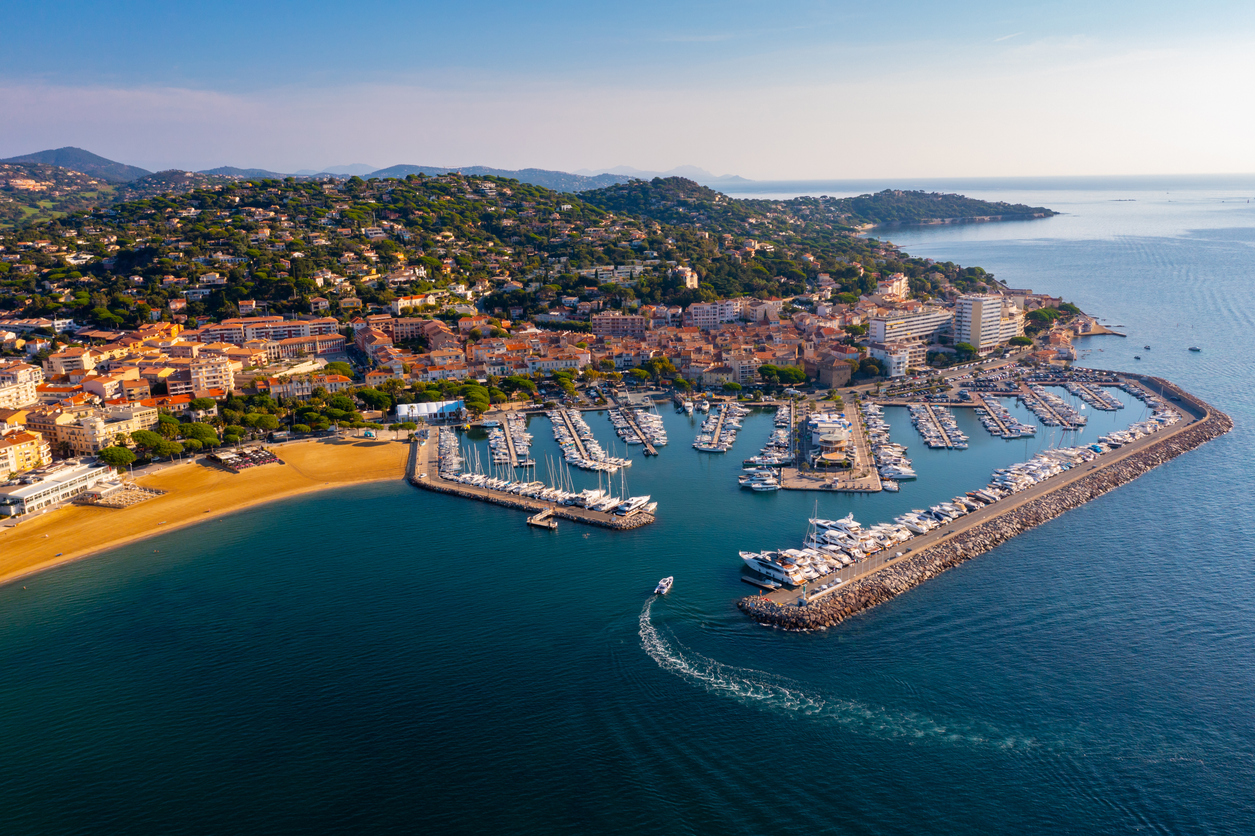
The Port of Sainte-Maxime: Seaside Life and Riviera Charm
The heart of the bay
Arriving at the Port of Sainte-Maxime, you can feel the rhythm of the town before you even hear it. The faint jingle of rigging against masts, scooters humming along the promenade, a flotilla of ferries gliding across the water toward the opposite shore—everything converges here in a daily ballet that’s unmistakably Riviera. The port is the community’s living room, its stage, and its front porch facing the Gulf of Saint-Tropez. Whether you’re stepping off a boat, strolling in for morning coffee, or timing your day to catch the golden light at sunset, the port gathers the best of seaside life into one welcoming, walkable space.
It’s easy to be captivated by the postcard view—the pastel facades, the bobbing fishing boats tucked between sleek yachts—but what makes Sainte-Maxime’s port memorable is the way it invites you in. It’s not a museum piece or a luxury enclave; it’s a working, breathing place where locals buy seafood off the boats, sailors tune their rigs, and families claim a bench by the water to watch the world go by. The charm is authentic, and it’s wonderfully contagious. If you’re planning your stay and want a clear overview of the region, exploring holiday homes and destinations along the Côte d’Azur is a good starting point.
A port with a past
There’s history in these quays. Long before holidaymakers crossed the bay for leisurely lunches, Sainte-Maxime was a modest fishing settlement, its fortunes tied to the sea and the cork oak forests of the Maures behind it. Coastal defense was serious business in the 16th century, and the town’s sturdy Tour Carrée—today a small museum—still watches over the waterfront. Peek inside to get a feel for local traditions, maritime crafts, and the daily objects that anchored life here long before the Riviera became a byword for leisure.
Unlike some purpose-built marinas, Sainte-Maxime’s harbor evolved organically as the town did. You can feel that in the layout: a mixture of old stonework, modern pontoons, and generous public space. The result is a port that’s both functional and welcoming, comfortable for a morning wander or a weekend of boating, and rich with hints of the region’s past.
Morning rituals by the water
If you want to understand the port’s personality, come early. First light finds fishing boats easing into their berths while the earliest café terraces set out chairs. Keep an eye out for direct-from-the-boat seafood sales—on many mornings, local fishermen will offer their catch right on the quay. If you’re feeling brave with your French, ask for advice on the best way to cook what you buy; you’ll often get a tip or two that has been passed down for generations.
Just a short stroll back from the docks, the covered market—Les Halles de Sainte-Maxime—fills with fragrance: basil, peaches, olives, fennel, and a chorus of voices bartering politely over cheeses and tapenade. It’s a great spot to assemble a picnic for later on the beach or a snack for the ferry. While you’re there, look for a slice of tarte tropézienne, a local brioche-and-cream specialty that pairs perfectly with a morning espresso. Yes, the pastry famously hails from across the bay, but Sainte-Maxime’s patisseries make excellent renditions, and the port is a delightful place to taste them while boats glint in the sunlight.
The marina today: a sailor’s perspective
For boaters, the Port of Sainte-Maxime is a practical base as well as a scenic one. It offers a good mix of visitor berths and long-term moorings, protected by breakwaters that temper the swell, with the harbor master’s team on hand to help you settle in. Services are what you’d hope for along this coast: fuel, water, power, and helpful guidance about local rules and weather conditions. If you’ve been out along the headlands and feel a mistral gearing up, the port’s sheltered embrace is a welcome sight on the return leg.
Sustainability matters here, too. Waste sorting points are clearly marked, and you’ll find facilities meant to protect the bay’s marine environment, such as pump-out stations and practical information about sensitive seagrass meadows. If you’re cruising in, ask the capitainerie for the latest chart of no-anchoring zones to avoid the Posidonia beds that are crucial for water clarity and marine life. Seen from shore, these efforts translate into something simple: water that sparkles on still mornings and remains inviting all summer long.
Ferries and freedom: crossing the bay made simple
One of the pleasures of staying in Sainte-Maxime is the easy hop across the water. Ferry shuttles operate frequent crossings to Saint-Tropez, turning the bay into a big, beautiful boulevard you can traverse without a car. It’s more than just transport; it’s part of the experience. Sit outside if the seas are calm and watch the lighthouse slip past as the bell tower across the bay comes into focus. In high season, lines can form at peak times—late morning heading out, late afternoon coming back—so a little planning goes a long way. Early crossings reward you with gentler crowds and a richer light on the water.
Even if you’re not heading to a destination, a circuit on the ferry to enjoy the panorama is a relaxed way to appreciate the shape of the coastline: Sainte-Maxime’s gentle arc, the pine-dusted hills beyond, and the scatter of beaches tucked around the points.
Strolling the waterfront
Between the port and the beaches stretches a promenade made for dawdling. Palms punctuate the view; benches invite pauses; the sea sends a regular hush of small waves onto the sand. This is where you’ll see Sainte-Maxime slowing to greet the day, and where, in the evening, couples and families circle back for a passeggiata along the water. Don’t miss the graceful footbridge over the Préconil—its white lines curve as elegantly as a sail. It’s a fine vantage for photos, especially at sunrise when the light slants in from the east and the bay is glassy.
From the bridge to the port, you’ll pass ice cream counters and bakeries with windows you’ll struggle to resist. If the mistral is blowing, the air will be crisp and clear enough to make far-off contours look etched. On still evenings, the bay settles into a slow shimmer, making those last few minutes of daylight feel endless. Bring a lightweight wrap or sweater no matter the season; the onshore breeze can surprise you even in summer.
Beaches within a short walk
If your ideal day hops between the quay and the sand, you’re in the right place. The main town beach spreads east from the port’s edge, putting you a flip-flop’s throw from cafés and shops. A little farther out, Plage de la Croisette unfurls along a stretch that’s especially pretty at sunset, while Plage de la Nartelle rewards early risers with long, bright mornings and a wilder feel when the wind picks up. Families like these beaches for their easy gradients and shallow entry; swimmers appreciate the marked zones that keep boats at a respectful distance.
For something with more of a broad-brim-hat Riviera mood, set up near the edge of the port and watch the comings and goings. And if you’re after a half-day adventure without a car, rent a bike in town and pedal east toward La Madrague; you’ll find small coves and gentle rocks where the water turns a particularly luminous turquoise. Pack reef-safe sunscreen and a mask—that color is an invitation to linger.
Hideaways and local secrets
It’s the tucked-away places that complete the picture, and Sainte-Maxime keeps a few in easy reach. A short coastal walk from town brings you to the Pointe des Sardinaux, a low, windswept headland locals sometimes call “little Corsica.” Clamber out onto the rocks (mind your footing) and spy down into clear pools; you’ll spot hermit crabs and darting minnows on calm days. There’s a small World War II bunker on the point, a reminder that even this peaceful coastline has stories with edges. In summer, you may find an underwater snorkel trail marked with buoys and signs, turning a simple swim into a guided tour of the seagrass meadows and rocky outcrops. Even when the trail markers aren’t in place, follow the coast slowly—this is a shoreline best appreciated at a snorkeler’s pace.
Another gentle surprise is the Jardin Botanique des Myrtes, a pocket of shade and scent just outside the center. Pathways zigzag through myrtle, laurel, and other Mediterranean plantings, with occasional glimpses back toward the sea. It’s a quiet place to catch your breath in summer, or to stretch your legs on a winter afternoon when the light feels sharp and the air is scented with pine resin. If you enjoy seeking out lesser-known corners, this garden is worth fitting into your loop between the port and the beaches.
On and in the water: easy ways to play
The port’s charm is half about watching boats, half about getting on—or in—the water yourself. If you’re new to sailing, the local sailing school will ease you into a dinghy or catamaran with the right blend of instruction and confidence. Paddleboarding is another relaxed way to explore, especially around breakfast time when the surface is mirror-like. Launch from the town beach and make a gentle loop toward the port before turning back with the current. Kayaks let you cover a little more distance; on a calm day, the route out toward La Nartelle is a mini-expedition with sandy stops whenever a cove catches your eye.
For divers and snorkelers, the waters around the Pointe des Sardinaux reward patience. Look for octopus dens tucked under rocks, and keep an eye on the Posidonia meadows where small fish gather. The bay sees boat traffic, so hug the coast, wear a bright marker buoy if you’re snorkeling far from shore, and always check local swim-zone markings before you head out. If the forecast calls for a mistral, consider swapping your afternoon swim for a morning dip—the wind often picks up as the day goes on.
The taste of the quay
When the sea air turns into an appetite, follow your nose along the waterfront. You’ll find unfussy seafood spots that treat the day’s catch with respect—grilled simply with lemon and a scatter of herbs—or hearty bowls of soupe de poisson sharpened with rouille. The best meals here match the mood of the port: relaxed, generous, unpretentious. If you’re curious about local flavors beyond fish, try a slice of pissaladière (anchovy and onion tart) or a socca-like chickpea flatbread if you see it on a menu. To drink, the surrounding hills are rosé country; a chilled glass of Côtes de Provence with a plate of tiny, briny olives is just about the most Riviera pairing you can conjure.
For dessert, re-visit the idea of tarte tropézienne or go for gelato as the evening cools. On the hottest days, locals will often duck behind the first row of waterfront terraces to find a slightly quieter side street café. If you’d rather stay by the sea, choose a table that catches the breeze, and time your meal so the lights begin to glow on the marina as the sky turns cobalt. It’s hard to beat that moment.
Music, markets, and long summer evenings
The port is a stage throughout the year, but summer amplifies everything. Open-air concerts at the Théâtre de la Mer bring an easy-going festival vibe to the waterfront. Bastille Day fireworks reflect across the bay, and August often brings another bright cascade in the night sky. Look, too, for the Fête de la Saint-Pierre et de la Mer, when boats receive a blessing and the town celebrates the sea’s role in its life. The details change year to year, but the spirit—music, color, community—stays endearingly consistent.
Market days expand from the covered hall to the streets, with vendors setting up stalls that mingle local produce with woven baskets, soaps perfumed with lavender, and sun hats you’ll end up wearing sooner than you thought. Go early to beat the heat and the bigger crowds, and carry a reusable tote; you’ll fill it faster than you planned. If you’ve timed a ferry to or from Saint-Tropez’s famous market, consider spending the return time browsing Sainte-Maxime’s own—it’s less frenetic, and you’ll find gems without the rush.
Family-friendly by design
One reason the port works so well for families is its human scale. There’s enough space to roam, but distances remain manageable for small legs. In summer you’ll often find a traditional carousel whirling near the water, and ice cream is never more than a few minutes away. Many parts of the promenade are happily car-free or slow-speed, making it easier to relax while kids collect smooth pebbles or kick a ball in the sand. If you need a break from salt and sun, Aqualand Sainte-Maxime offers slides and pools a short drive from the port—handy for a half-day change of pace.
Keep a small “beach go-bag” ready: quick-dry towels, hats, a deck of cards, a refillable water bottle, and a thin sarong that doubles as a shade. Watching the ferries come and go becomes a game all by itself, and the harbor’s seating nooks turn out to be perfect for impromptu snack picnics. The goal here is gentle spontaneity; the port makes it easy.
Little adventures: day trips by sea
A calm morning is an invitation to think in arcs rather than lines. You can stitch together an easy day trip without ever touching a bus schedule. A favorite loop starts with an early ferry across the bay for a few hours of wandering, then returns to Sainte-Maxime for a late lunch at the port with your feet in the shade. If you’re set on staying on the water, consider a coastal mini-cruise that introduces you to the headlands east of the bay. You’ll see the coastline from a different perspective—pines leaning over rocks, sandy scallops of beach where the water exchanges its blues for emerald streaks—and you’ll step off the boat with a sense of how the pieces of the bay fit together.
Those with their own boat or a rental can plot a simple navigational triangle: depart Sainte-Maxime, hug the coast toward La Nartelle to admire the beaches from the sea, pivot out into the bay for an open-water leg, then nose back in toward the lighthouse at the end of the breakwater. Always check the latest local notices about no-wake zones and restricted areas, and keep outside the swim buoys along the town beaches. Even small adventures feel bigger when the sea draws the map.
Practical wisdom for port days
A few small habits make time around the port smoother and more enjoyable:
- Arrive early if you’re after easy parking near the marina. Mid-morning is the daily peak, especially on market days and during summer holidays.
- Pack light layers. Sea breezes cool the air even when the sun is high, and evenings can feel a touch brisk after sunset.
- Carry cash and a card. Many market stalls and direct-from-boat sellers prefer cash, while cafés and shops are universally card-friendly.
- Respect the rhythm of the quay. Keep clear of mooring lines and bollards, and avoid walking across pontoons unless you’re a berth-holder or invited guest.
- Mind the wind. A mistral day brings crystal views but choppier seas; a gentle east wind can push in light swell. Plan swims and ferry crossings accordingly.
- Hydrate often. Elegant as it looks, seaside sun is sneaky. Refill water bottles at public fountains along the promenade when you spot them.
For boaters specifically, a couple of notes help preserve the bay’s clarity and calm. Use the pump-out rather than discharging any wastewater, and ask for a map of Posidonia zones before anchoring off a beach. Ashore, small courtesies—like letting strollers and bikes share the promenade gracefully—keep the port welcoming for everyone.
A perfect day by the port
If you like to picture an ideal day, here’s a gentle one to borrow and rework as you wish. Start with an early stroll before the heat arrives, and settle at a café that faces the boats—order a croissant that flakes into a dozen golden pieces and a coffee that keeps you sitting for a second cup. Wander to the covered market for peaches and a wedge of cheese, then loop back past the Tour Carrée to absorb a bit of history before the crowds. By late morning, slip onto a ferry and let the view do the talking. Return when the sun tips west and settle under an umbrella on the town beach for a book and a swim.
Evening should be slow. Meander the promenade, savor a glass of rosé with olives that taste like little notes of the sea, and choose a spot for dinner where you can watch the harbor’s lights braid with the stars. If there’s music wafting from the open-air stage, drift closer. Pause on the Préconil bridge as the night air settles. That’s the port at its best: simple, layered, and more restful than the day’s pace might suggest.
From the quay into the hills
One of Sainte-Maxime’s quiet advantages is the way sea and hills lean toward each other. From the port, the Maures beckon—a set of rolling, pine-covered rises that hide small roads and bigger vistas. A short drive or cycle takes you into country lanes where stone walls warm in the sun and vineyards align in soft geometry. If you’re curious about the local wine scene, look for small estates offering tastings in the direction of Plan-de-la-Tour or La Garde-Freinet. The rosé here reflects the landscape: fresh, pale, and meant for conversation in the shade.
Returning to the port after a hill excursion feels like closing a circle. Sea breezes meet the scent of pine resin, and the harbor, always in motion, seems to slow down just enough to welcome you back. It’s another reminder that the port isn’t an isolated postcard; it’s a hub that gathers all the surrounding textures—vines, stone, salt, and light—and knits them into a single day.
Photo moments and favorite angles
If you’re a photographer—or simply enjoy bringing home a few thoughtful images—the port gives you a short list of classic frames. At sunrise, stand near the Préconil footbridge and aim across the bay as the first light tilts over the water. Mid-morning, capture the bustle along the quays as boats return and ferries exchange passengers. Late afternoon is for details: close-ups of coiled rope, reflections of masts wavering in the water, the warm stone of the Tour Carrée catching the sun.
Blue hour rewards patience. As the sky deepens, watch for the moment when the harbor lights come alive and their reflections stretch in gentle bands toward the camera. A small tripod helps, but bracing your phone against a railing works in a pinch. If you want a broader panorama, walk to the end of the breakwater and look back—Sainte-Maxime arranges itself in layers, from beach to town to hills, all wrapped around the port’s calm curve.
Weather and the port’s changing moods
In spring, the port feels like a promise. Terraces reopen, the bay trades its winter steel for a more playful blue, and the hills behind town turn greener by the week. It’s a wonderful season for quiet days and exploratory walks, with enough warmth to make a long coffee feel luxurious. Summer is the port’s full expression: animated evenings, music drifting from the open-air stage, and the kind of leisurely daylight that keeps dinner late. Plan swims for early and late; keep midday for shade and slow lunches.
Autumn might be the connoisseur’s choice. The sea stays warm, crowds loosen, and the light gets that painterly slant photographers dream about. By winter, the port returns to its locals—mornings become crisp strolls with scarves and a book, and the bakery’s windows steam slightly as people warm their hands around cups. Don’t be put off by a winter wind; on those days, the visibility sharpens and the bay becomes a mirror for the mountains’ distant outlines. There’s a quiet beauty to the off-season that many visitors never see.
The port as a community living room
What unites all these seasons and small scenes is the sense that the port belongs to everyone who uses it—fishermen and families, sailors and strollers, visitors passing through and locals passing the time. It’s a working space and a leisure space, and it never quite holds still. That has a way of rubbing off on your plans. Even if you intend nothing more than a coffee, you find yourself lingering to watch a yacht thread into its berth in a crosswind, or a fisherman chat with a child about a net, or a couple debating the merits of pistachio versus lemon gelato. The little stories happen constantly; they’re generous in their quiet way.
If you’re used to big-city ports where industry dominates, Sainte-Maxime’s scale will surprise you—in the best sense. You can read the day’s weather from the color of the water, gauge the wind by the clatter of halyards, and find your own rhythm quickly. That’s the deeper charm of the port: it helps you tune into a tempo that is both Riviera and refreshingly human.
Local flavors to bring home
Set aside a small moment to pick up tastes of the region that travel well. Olive tapenade from a market vendor, a jar of anchovy-rich pissalat for the curious, or a sachet of herbes de Provence that will perfume your kitchen long after you’ve left. If you’ve discovered a favorite rosé from a vineyard in the Maures, tuck a bottle into your bag for a future evening. Even a packet of Navettes—boat-shaped biscuits scented with orange blossom—makes a gentle souvenir that connects straight back to the port.
For something truly local, keep an eye out for salt-cured anchovies from nearby fishmongers or small-batch marmalades made with the citrus trees you’ll notice in sheltered squares. These are the kinds of souvenirs that don’t shout; they whisper, and they taste like memories.
Gentle etiquette by the sea
The port’s ease comes from a mix of good design and thoughtful behavior. Join that tradition by keeping a few small courtesies in mind. If you’re sharing the promenade with cyclists and joggers at dusk, keep to the right and glance over your shoulder before stopping for a photo. On the quays, treat mooring lines as live wires—don’t step over them, and steer children clear of bollards when boats are docking. If music floats from a terrace, enjoy the soundtrack but keep your own phone speakers tucked away; the shared hum is part of the magic here.
At the beach, biodegradable sunscreen and a small trash bag make a difference. Pick up a wayward bit of plastic if you see it; someone else will follow your lead. And if you’re tempted, like so many are, to feed the gulls near the port, consider resisting. The birds will be fine without handouts, and the terraces will be more peaceful for everyone.
Why this port lingers in memory
Plenty of Riviera ports are glamorous; plenty are busy. Sainte-Maxime’s port finds a more lasting sweet spot. It is elegant without strain, lively without commotion, and deeply connected to the sea and hills that frame it. You can watch its surface—the ferries and yachts, the tables along the quay, the silhouettes on the Préconil bridge—and enjoy a classic coastal day. Or you can look a layer deeper: the early-morning fish sales, the snorkeling trail on a quiet point, the garden of myrtles that seems to exhale shade, the way the wind writes the day’s plan in the water’s texture.
That is the charm you carry home. Not a single image or a perfunctory tick on a list, but a handful of simple moments—your coffee while the harbor woke, your swim while the water shone like cut glass, your walk as the lights came on and the bay grew still. The port of Sainte-Maxime turns those moments into a kind of gentle habit. And it welcomes you back to repeat them, season after season, tide after tide.
Conclusion: a Riviera classic with a human touch
For those looking to experience this coastal lifestyle from a well-chosen base, exploring holiday homes along the Côte d’Azur offers an easy way to discover the different areas and possibilities along the Riviera. In the end, the Port of Sainte-Maxime is exactly what seaside life promises when it’s at its best: room to breathe, a horizon to read, and a community that gathers around the water with easy warmth. It’s a launchpad for ferries and kayaks, a backdrop for dinners and fireworks, a setting for markets and morning strolls. It asks very little of you beyond showing up with curiosity and leaving a little time unscheduled. Do that, and the port will fill your day, and your memory, with the kind of details that keep you thinking in seascapes long after you’ve left.
To experience the atmosphere of the Port of Sainte-Maxime and enjoy seaside life at your own pace, you can explore the selection of villas in Sainte-Maxime here.

