

 EN
EN  NL
NL
 DE
DE
 FR
FR

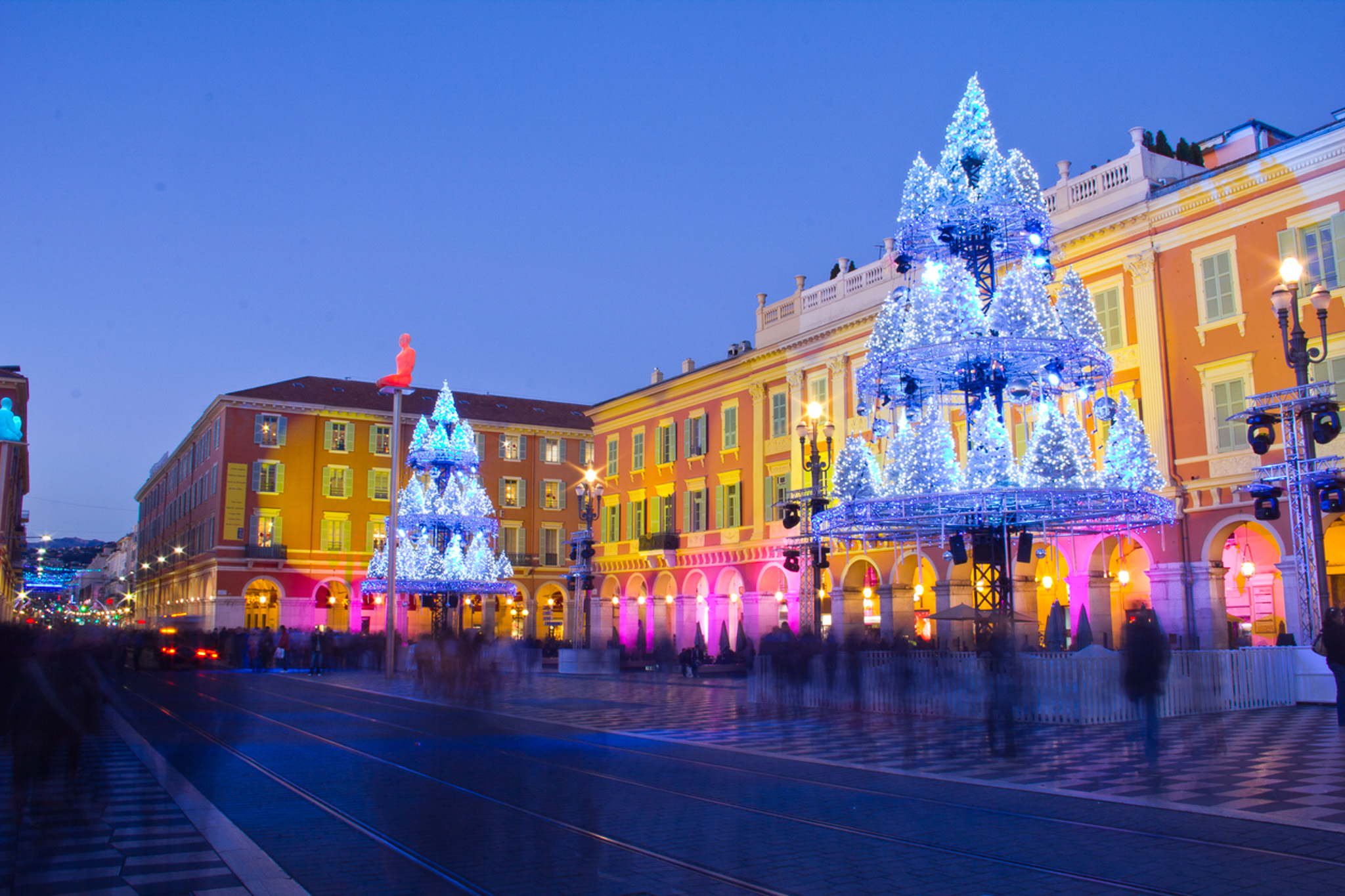
Winter on the French Riviera: Light, Markets and the Art of Slow Living
Winter on the central Côte d’Azur is a quieter, brighter revelation. Between Sainte-Maxime, Les Issambres, Grimaud, Saint-Aygulf and Fréjus, the season strips away the Riviera’s summer gloss and leaves its essentials in perfect focus: a crystalline light that makes colours ring, village markets where growers know their regulars by name, and a pace of life measured by the tides, the mistral and an unhurried lunch. If you’re drawn to good bread, salt-tanged walks, and the simple elegance of a glass of rosé at sunset, these months are a gift. The trick is to think small and local—short hops along the Gulf of Saint-Tropez, a basket under your arm, a scarf at the ready—and to let the region’s daily rituals shape your days.
To discover more of the region’s beaches, villages and local traditions, explore our complete Côte d’Azur guide.
The winter light that locals quietly cherish
There is a particular shade to winter light here—hard to describe, easy to recognise. After a mistral, the sky vaults a deep alpine blue and the sea turns steel at the horizon before slipping into bottle green near the coves. Photographers love December and January for precisely this: low sun, long shadows, crisp contrasts. From Sainte-Maxime’s Pointe des Sardinaux, a small protected headland with pines bent by years of wind, afternoons glow honey-gold; the reflected brightness off the water lights the path beneath your feet. In Les Issambres, where the coastline folds into little creeks and rocks, look west in late afternoon—between La Gaillarde and San Peïre, the sea often looks like hammered metal, a shifting patchwork of blues and pewter.
Grimaud’s winter light rewards a small climb. Follow the cobbled lanes up to the ruins of the château just before sunset; the Gulf lies at your feet, and the Maures hills behind catch the last of the day like a velvet screen. In Fréjus, step into the cloister of the Cathédrale Saint-Léonce around noon: the pale sun slips between columns and warms the ancient stone; it’s a quiet moment that feels centuries old. On days without wind, Saint-Aygulf’s Étangs de Villepey look like polished glass, with reed beds and a wide sky layered in soft shades—subtle, muted, and often more moving than summer’s brash glare.
Morning rituals: harbours, boulangeries and a first walk by the sea
Start in Sainte-Maxime while the town yawns awake. The harbour is busier than you’d think in winter—fishermen talk in low voices, gulls behave as if breakfast might be shared, and the coffee machines in the quayside cafés begin their steady hum. The old lanes behind the port lead you to warm windows of boulangeries where locals queue for warm baguettes and fougasse. Pick up a slice of pissaladière if it’s out early (olive-laced, caramelised onion, a touch of anchovy), and carry it towards the water’s edge.
Les Issambres’ rhythm is gentler still. San Peïre gathers the morning in small ways: a newspaper tucked under an arm, a fruit-and-veg stall setting out glossy clementines and fennel bulbs. If you prefer to begin with a stroll, take the littoral path northbound: the sea murmurs over pebbles, and the rocks wear soft moss. In Saint-Aygulf, step out along Plage des Esclamandes; in winter the dunes are guarded, birds trace arrows over the breakers, and kite surfers sometimes dance along the edge of the mistral—spectacle without crowd.
Markets in winter: theatre, pantry and conversation
Even when the calendar loosens and summer visitors thin out, the markets stay true. They are the region’s kitchen and its newsroom, as essential in January as in July. Timings can shift with holidays and weather, but as a rule of thumb:
- Sainte-Maxime: the main weekly market is typically on Friday morning in and around the old town and Place du Marché. There’s also a smaller covered market presence many mornings, with fishmongers, cheese and seasonal produce.
- Les Issambres (San Peïre): expect a local market on Monday mornings along the seafront area; winter sees fewer stalls, but you’ll still find produce, olives and good bread.
- Grimaud (village): Thursday mornings on or near Place Neuve, intimate and friendly, with a more local pull when the nights are cold.
- Saint-Aygulf: often Tuesday and Friday mornings in the centre; winter brings a simpler line-up, but fish, citrus and flowers are reliable.
- Fréjus: Wednesdays and Saturdays in the historic centre, with a good balance of produce, charcuterie, and household finds; there’s also a Sunday market in the Fréjus Plage area most of the year.
Winter market shopping is about the specific. Seek firm leeks with deep green tops, squat artichokes, and celariac for purées. The goat cheeses from the Maures can be brilliant now—fresh, chalky rounds or ash-dusted disks that love a drizzle of local honey. Try a jar of black tapenade, a pot of anchoïade, and a pale green bottle of olive oil from the hinterland (producers from around Plan-de-la-Tour often appear). For something sweet, look for orangettes (candied orange peel in dark chocolate) and, around the holidays, the components of Provence’s famed “13 desserts”: dried figs, almonds, nougat, and the kind of brioche known as pompe à l’huile, perfumed with orange blossom.
Talk to the stallholders. Ask which olives they cure themselves. If a fishmonger in Sainte-Maxime has rascasse (scorpion fish) or grondin (gurnard), request the bones for broth. In Fréjus, a charcutier might press a thin slice of caillettes for you to taste. It’s all part of the theatre: browsers become regulars, and the news of the day is passed like a loaf across the counter.
Sainte-Maxime after breakfast: gardens, galleries and a harbourfront pause
Once the market bag is half full, give yourself an hour at the Jardin Botanique des Myrtes on the east side of town. In winter, camellias blush, myrtle hedges breathe out a resinous scent, and the shade feels kind rather than fierce. The paths run close to the water with fine views across the gulf. Back in town, the Musée de la Tour Carrée, housed in a 16th-century watchtower, is worth twenty winter minutes for its quiet look at local maritime history and the birth of Sainte-Maxime as a seaside town.
Lunch can be a simple bowl of soupe de poisson with rouille and croutons at a small bistro off the seafront, or a plate of daube provençale, slow-cooked beef dark with wine and orange peel. In winter, restaurants often close a couple of days a week—Wednesday, for instance—so a quick check while passing in the morning is a good habit. Afterward, the harbourfront benches ask very little of you: a scarf pulled high, a book, the slow shuffle of boats beyond the breakwater.
Coastal paths: Les Issambres to Saint-Aygulf on foot
The sentier du littoral connects coves, headlands and sandy pockets across this stretch of the Var coastline, and in winter it belongs to walkers. One of the most rewarding sections runs from Les Issambres towards Saint-Aygulf. Begin near San Peïre and pick your way along ochre rocks and low pines; the trail is mostly easy, with occasional climbs and handrails. The sea is never out of sight, and on still days you can watch the wriggle of small fish in clear water at your feet.
Near La Gaillarde, pause at the remains of a Roman sea-water fish tank carved into the rock—a quiet archaeological oddity that makes you think of amphorae and salted mullet. Closer to Saint-Aygulf, the terrain softens, and dunes reappear near the Esclamandes beach. If you’re lucky, the Étangs de Villepey will reward you with a heron paused like a statue or, on occasion, a blush of flamingos lingering in the distance. Take binoculars; winter is when the reserve feels most itself.
Grimaud in winter: windmill, lanes and the artisan’s hour
Grimaud village is as good in winter as anywhere on the Riviera, perhaps better. The lanes, set with river stones, twist gently upward past shuttered houses in the soft ochres and pinks typical of the Maures. The 12th-century Saint-Michel church anchors the village, and if you stand in its square on a clear afternoon, the hills fold around you like a hand. Walk up to the windmill of Saint-Roch; its blades have turned again after restoration, and the crest offers a full view of the gulf, a map written in blue and green.
This is a lovely place to meet craftspeople. A leatherworker cutting straps by hand; a ceramicist opening the kiln on a new batch of bowls in sea-glass glazes. In December, the village often hosts a Provençal crèche with santons—those hand-painted clay figures that carry a whole world in miniature: the shepherd with a bundle of sticks, the fishmonger with his basket, the village girl offering a posy. Whether or not a formal display is on, you’ll still find santons in small shops; they make fine, unhurried gifts and are very much of this place.
Fréjus without the crowds: Roman stones and a seafront park
Fréjus is a layered town—Roman, medieval, seaside—and winter lets you read it calmly. The Cathédrale Saint-Léonce is a complex of spaces best appreciated slowly: the baptistery is among the oldest in France, and the cloister’s wood-beamed galleries filter light like a lattice. A few streets away, the Roman amphitheatre and theatre, though restored, still communicate the scale of the colony that once stood here. It’s easy to imagine an audience wrapped in capes against a sharp evening in January, just as you might be.
When you want open air, head to the Base Nature François Léotard, a broad seafront expanse with cycling paths and huge skies. In winter it feels almost like an airfield for light; runners pass quietly, families teach children to ride bikes, and the sea sits benignly beyond the low dunes. If you’re a sunrise person, this is your spot—sky peeling from slate to peach as fishermen dot the horizon.
Saint-Aygulf’s quiet character: dunes, ponds and small-town ease
Saint-Aygulf has the feel of a seaside town that keeps its own counsel. The main square does what it needs to do—haircuts, a newsstand, café tables that drift into the street when the sun is kind. The town is also guardian to one of the coast’s most interesting natural areas in winter: the Villepey ponds and their network of small bridges. The reed beds hum with life. Kingfishers flash—electric blue, blink and you miss it—while grebes and ducks cruise in miniature flotillas. Winds shift the reed tops like a well-drilled chorus line; it’s oddly hypnotic, and somehow restorative.
Walkers will appreciate the quiet continuation of the littoral path from here, cut into low cliffs and slipping down to narrow strands of sand. When you find a cove empty in January, with only the scratch of a robin in the bushes behind you, you realise why slow living is not a slogan but a choice.
Lunches that stretch into the afternoon
There is an art to winter lunch on this coast. You will be forgiven for thinking of bouillabaisse (a Marseille classic), but more often along this Var stretch you’ll be offered a steady fish soup with rouille, aïoli garni on Fridays (salt cod and steamed vegetables swaddled in garlic emulsion), or a fillet of daurade with citrus and fennel. Inland game appears more often after the first cold snap; a daube of sanglier (wild boar) if you’re lucky, scented with thyme and juniper. These are dishes that taste best in mild sun, a sweater over your shoulders, a carafe of pale rosé that still seems appropriate in January because the light tells you so.
If you prefer something snacking and mobile, no one will judge a lunch of market cheeses and bread on a bench above Sainte-Maxime’s beach at La Nartelle. In Les Issambres, the low rocks around Calanque de Tardieu offer natural seats and gulls for company. Remember the French way with time: even in winter, lunch is sacred. Kitchen hours are kitchen hours; arrive on time, ask what’s fresh, linger without haste.
Wine and olive oil: tasting the region in a glass and a drizzle
The Gulf of Saint-Tropez area is a serious wine countryside behind its beach reputation. Winter is an excellent time to visit estates around Gassin, Ramatuelle, Cogolin, Grimaud and La Motte; vines are asleep, roads are quiet, and tasting rooms welcome curious visitors without the summer queue. You’ll drink mostly Côtes de Provence AOP—multiple shades of rosé with mineral backbones and citrus lift—but don’t skip the whites (often floral and saline) or the light reds that can be a surprise with charcuterie.
Olive oil producers from the Maures and around Plan-de-la-Tour sometimes set up at markets in Sainte-Maxime or Fréjus. A quick tasting teaches the basics: herbaceous versus fruity notes, a peppery tickle at the back of the throat that signals polyphenols. Pick up a half-litre for your winter kitchen; drizzle on roasted squash or add to a salad of shaved fennel and parmesan with lemon zest and a handful of local olives. It’s remarkable how region and season can live in a plate that simple.
Art, crafts and a slower museum hour
Winter is when small museums and ateliers reward attention. In Sainte-Maxime, the local heritage rooms in the Tour Carrée are intimate enough to absorb in half an hour; the displays of fishing gear and turn-of-the-century beach scenes feel right when the wind rattles the shutters outside. In Fréjus, the archaeological museum’s Roman collection—everyday objects, inscriptions, a modest but telling mosaic—gains power when you’re almost alone with it.
Drive the few minutes up to Grimaud on a grey day, and duck into an artisan’s studio just to warm your hands on a kiln or a coffee. Winter workshops are sometimes less formal: a potter might be willing to talk about glazing methods or let you peek at moulds for santons; a textile maker could have time for a chat about natural dyes. Purchase a bowl or a scarf if it speaks to you; there’s a quiet economy in these villages that appreciates thoughtful support when the promenade is sleeping.
Rituals of slow living: coffee, pétanque and an early dusk
The good life here is not a complicated equation. It’s an espresso on a sunlit terrace in Sainte-Maxime while reading the local paper; a game of pétanque early in the afternoon on a compressed-gravel square in Grimaud, where the soft clack of boules marks time better than a watch; a promenade in Fréjus Plage, hands tucked in pockets, watching dogs greet one another with dignified sniffs.
As the sun tips down, shift towards places where the horizon is wide. Pointe des Sardinaux in Sainte-Maxime is a faithful sunset companion—bring a thermos of tea and let the last light glow in the glassy pools at your feet. In Les Issambres, any west-facing cove does the trick; on the clearest days you might pick out the Esterel’s sawtooth ridges to the east, cut into maroon and rust. Back in your kitchen, lay out what you found at the market and let the evening fall early. Here, electric light is not the enemy of winter; it gilds stones and sets a table private and pleasing.
Winter festivities and gentle traditions
The Riviera dresses itself modestly in winter. In December, Sainte-Maxime and Fréjus usually string white lights above their lanes and set up small seasonal chalets selling nougat, hot chestnuts and mulled wine. The mood is family-forward, not grand. Nativity scenes appear in church naves, often with elaborate Provençal crèches featuring the santons that animate village life in miniature. Grimaud can feel particularly tender in this season; the windmill stands like a sentinel and the church scents of wax and greenery.
January brings mimosas to life—pale, fluffy suns nodding in the breeze. The Route du Mimosa—of which Sainte-Maxime is a part—is a late-winter promise that colour returns, and it’s not unusual to find cut bunches brightening market tables. February can be the gentlest month, daylight stretching its muscles again, cafés pulling an extra row of tables outside even if a coat is wise.
Weather, winds and what to wear
Pack layers. Winter days often reach 12–16°C in the sun, but nights can be crisp, and the mistral, when it comes, is a character worth respecting: dry, cleansing, a little bossy. A windproof jacket and a scarf will make you invincible on the seafront; a light sweater suffices for café terraces at noon if you sit in the sun. Shoes should be ready for mixed terrain: stone lanes, sandy paths, and the occasional damp step on the coastal rocks. Umbrellas? Less essential than further west; winter rain tends to arrive in purposeful bursts, then retire to let blue skies return.
Small pleasures: bakeries, chocolatiers and pantry treasures
Winter is the season for good patisserie enjoyed slowly. In Sainte-Maxime’s old town, it’s hard to resist a slice of the region’s namesake cream brioche—tarte tropézienne—at a local patisserie. Look for orangettes and citronettes in chocolatiers; the citrus fruit now is at its aromatic peak, the zest full of perfume. A slab of pain d’épices makes a fine breakfast with butter and a bowl of café au lait.
For your pantry, buy anchovies packed in olive oil, a jar of sundried tomatoes, local honey made from heather or rosemary, and a packet of herbes de Provence from a spice merchant who actually mixes them (not all do). A handful of chestnuts, if still around in December, roast beautifully in a heavy pan at home; eat them warm with a glass of marc de Provence to close a night that needs no other company than the sound of the sea through a cracked window.
A day shaped by the market: a gentle itinerary
Here is a winter day shaped by easy cadences, starting in Sainte-Maxime and bending along the gulf:
- 08:30 – Coffee by the harbour in Sainte-Maxime. Watch the town assemble itself.
- 09:15 – Friday market for produce (adjust for day): choose fennel, citrus, goat cheese, baguette, a jar of tapenade. Quick detour to a fishmonger for a small bar (sea bass) if you plan to cook tonight.
- 10:30 – Stroll the Jardin Botanique des Myrtes. Sit for ten minutes on a bench with the gulf in front of you.
- 12:30 – Simple lunch in town: soupe de poisson or aïoli if it’s on. Ask what’s local.
- 14:15 – Drive to Les Issambres (10–15 minutes). Walk the littoral path towards Saint-Aygulf. Pause by the Roman fish tank at La Gaillarde.
- 16:00 – Continue to Saint-Aygulf’s Étangs de Villepey for quiet birdwatching. A fleece and a thermos are your friends now.
- 17:30 – Return to Sainte-Maxime via the coastal road. Pull in at Pointe des Sardinaux for sunset—ten, fifteen minutes of silver-blue horizon as the day exhales.
- 19:30 – Back home to cook your market finds. A pan-roasted fillet, fennel salad, a glass of local white. Winter, refined to its essentials.
A Roman thread: Fréjus in focus
Another day might orbit Fréjus. Begin in the historic centre with a pastry and a short walk through Place Formigé, just to feel the town’s scale. The cathedral cloister will take the edge off any chill, its wooden ceiling and painted beams catching warm shadows when the sun is kind. Visit the amphitheatre not as a monument to be conquered but as a space to inhabit: climb a few steps, face the stage and imagine a scene in winter—torches, shawls, the murmur of anticipation. Lunch near the centre can be rustic: a plate of charcuterie, a salad scattered with chèvre, a glass of red from the Var hills. Then to the Base Nature for a long, flat walk, the sea to one side, picnickers laughing, a kite wobbling into the pale daylight. It’s a day that feels knitted together—threads of time, simple pleasures, sky.
Short day trips for contrast, kept light
When you’re based in Sainte-Maxime, light day trips fit neatly into this slower season—not to dominate your week, but to offer contrast. Saint-Tropez is an easy hop: winter empties the streets and gives Place des Lices back to pétanque players. The Annonciade Museum feels like a private gallery, its collection of Bonnard, Signac and Matisse resonant in the softer light. Cannes and Nice, though larger, are pleasant for a winter wander: in Cannes, a quick climb to the Suquet for views and a promenade along a much calmer Croisette; in Nice, the flower and produce market at Cours Saleya opens bright even on cool mornings, and the Promenade des Anglais is friendlier at walking pace in January. Keep these outings concise; the pleasure, in winter, lies in returning to the smaller towns by late afternoon, when the gulf reclaims the day’s attention.
Wellness that’s really just being outdoors
Talk of “wellness” can sound overdone until you realise how simple it is here. Walk daily, breathe deeply, eat what the season offers, and sit in the sun whenever it appears. A plunge in the sea, even in winter, is not madness—on windless days, a quick swim at a sheltered cove in Les Issambres leaves you tingling and clearer than any spa. Yoga or stretching on the sand at Fréjus Plage in the early light can reset a week. And if you do nothing more involved than carry a small tin cup of espresso to a bench facing the water, you may find that’s all the reset you needed.
A winter weekend, sketched simply
For a long weekend centred on the primary towns, this outline balances movement and ease:
- Friday: Arrive by noon in Sainte-Maxime. Stroll the lanes, shop the market if it’s on, and visit the Tour Carrée. Late afternoon at Pointe des Sardinaux; dinner in town.
- Saturday: Morning in Fréjus—cathedral, amphitheatre, then the Base Nature. Long lunch. Siesta or reading hour, then a sunset walk along Fréjus Plage. Early evening, wander the historic centre again for a chocolatier or an apéritif.
- Sunday: Les Issambres to Saint-Aygulf on the littoral path. Picnic by the dunes or find a table for aioli. Mid-afternoon, drive up to Grimaud; walk to the château ruins, browse an artisan studio, and end the day with a quiet coffee in the village square.
Insider notes only locals tend to mention
A few small pieces of advice carry more weight in winter than summer:
- Parking is easier, but street markets still close certain roads. In Sainte-Maxime on market mornings, arrive before 09:30 for calm logistics.
- When the mistral blows, choose leeward coves. On the gulf, that often means hugging the Les Issambres and Saint-Aygulf side, where the coastline’s folds offer shelter.
- Carry cash for market stalls; card readers become more common every year but are not universal, especially in winter.
- Ask for “un quartier soleil” in cafés—locals in the know select the table that catches sun even in late morning. Staff smile at this request; they know exactly what you mean.
- For birdwatching at Villepey, early or late light is best; avoid windy middays. Bring a light scarf—reeds fling sand at ankles when the breeze is frisky.
- On storm-cleared nights, look west from Les Issambres; the stars come closer than you expect for a coast this lived-in.
Cooking winter Riviera at home
One of winter’s underappreciated pleasures here is the urge to cook. With a small market haul, you can make a pot of soupe au pistou (yes, more a summer soup by tradition, but a winter version with white beans, celeriac and dark greens sings nonetheless). Fry thin slices of courgette with garlic and a handful of parsley; toss with pasta and lemon zest. Roast wedges of pumpkin with olive oil, scatter with torn sage leaves and walnuts, and finish with goat cheese. For dessert, peel clementines at the table; their perfume is half of the meal.
Drinks are simple, too: a splash of pastis at noon on a sunny day creates an instant Riviera mood; local whites with seafood, rosés with almost everything else, and a red from the hinterland when you’re feeling like a fire (real or imagined). Water, always. The sea air asks for it.
Why winter suits the art of slow living here
Summer is social; winter is personal. The central Riviera, especially along Sainte-Maxime, Les Issambres, Grimaud, Saint-Aygulf and Fréjus, invites you to be present. There is no pressure to collect sights; the list makes itself: the way light slides across the harbour, the sound of boules on a square that could be any year in the last hundred, the woman at the market who tells you how her grandmother made anchoïade with a mortar and pestle like the one on her stall. Slow living here is about attention. To the weather. To the food. To a walk taken without goal.
Perhaps the best measure of a winter stay is how easily you absorb the rhythm. By day three, you know which baker slices pissaladière just the way you like it, which rock along the littoral warms fastest, and which bench in Grimaud gives the best view for a five-minute think. You look up more. You feel the shift when the wind flicks north and the gulls angle with intent. Time settles. That’s the Riviera many locals secretly guard: not only a place, but a way to inhabit it.
Closing notes: a season that rewards the unhurried
Winter on this stretch of the Côte d’Azur isn’t an off-season; it’s its own season. Light, lucid and precise. Markets that feel like neighbours. The freedom to wander, sit, taste, and repeat. If you plan nothing more than to follow the curve of the gulf day by day—Sainte-Maxime to Les Issambres, arc to Saint-Aygulf, double back through Fréjus, then climb to Grimaud for the blue-long view—you will have learned the art the region teaches best: life, slowed to the point where you can watch it unfold in front of you.
Looking for a slower and more authentic season on the French Riviera? Discover our holiday villas and holiday homes on the Côte d’Azur.

