

 EN
EN  NL
NL
 DE
DE
 FR
FR

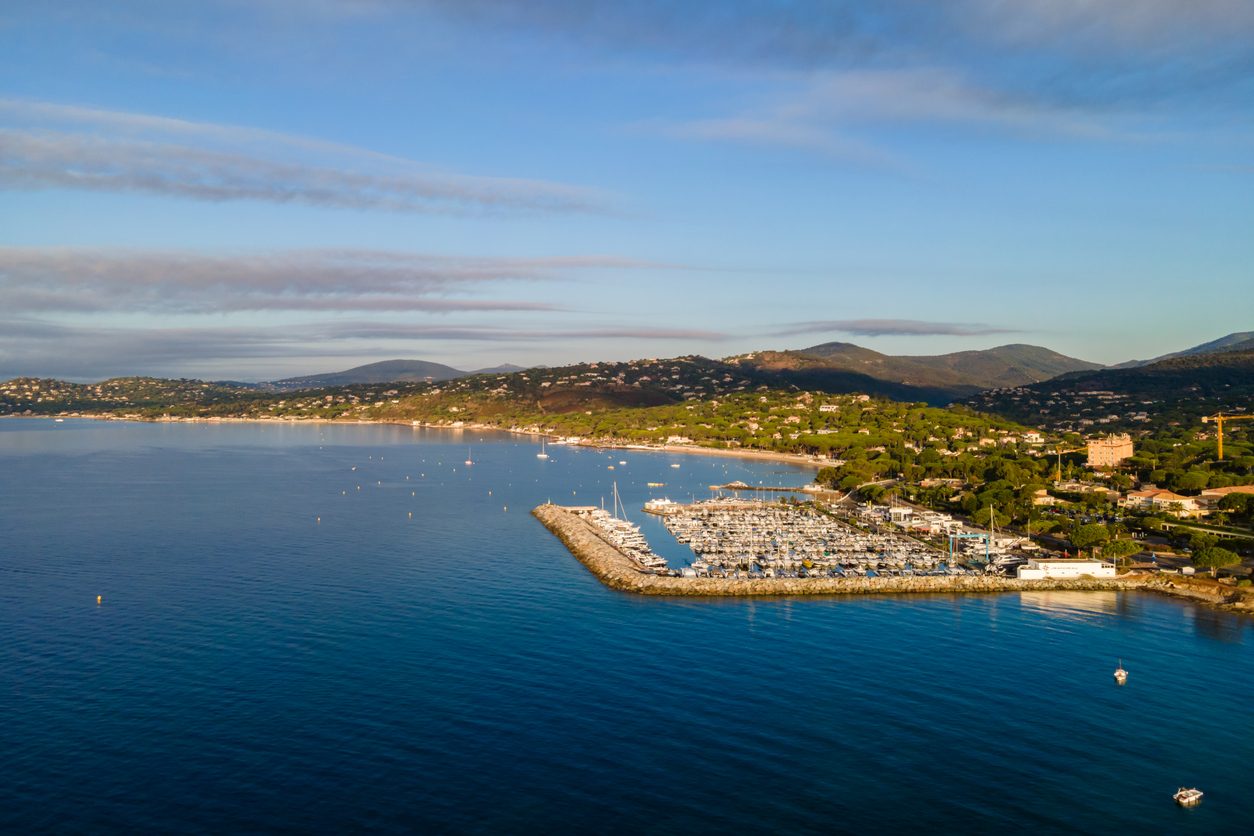
The Port of Les Issambres: Serenity by the Sea
Why the Port of Les Issambres Wins Your Heart
Some ports feel like a stage set, all polished sheen and no soul. The Port of Les Issambres is the opposite. Tucked along a gentler curve of the Côte d’Azur between Sainte-Maxime and Saint-Aygulf, this marina operates at a human pace. There’s the hush of halyards and the swish of water against hulls, a bright morning market once a week, and that everyday rhythm you only get in places that really live by the sea. If you’re looking for a calm base with Riviera views, easy access to coves, and an authentic slice of coastal life, start here.For travellers who want to get a broader sense of the region before choosing their base, exploring the Côte d’Azur as a whole offers a useful overview of places, atmospheres, and distances.
Think of the port as a village within a village. Its semicircle of quays holds small fishing boats, elegant day cruisers, and a handful of traditional wooden pointus that look like watercolor brushstrokes at sunrise. Just behind the moorings, the heart of Les Issambres—San Peire—unfurls along the promenade with bakeries, cafés, and the sort of seaside bistros where time expands. It’s not fancy. It’s not fussy. It’s exactly the kind of place where you exhale and start living on Mediterranean time.
Setting the Scene: First Impressions Along the Quays
Arrive early and the port greets you with the smell of warm bread and a glassy sea, usually dotted with paddleboarders tracing slow arcs past the breakwater. You’ll hear conversations drifting from the café terraces, a blend of French, a little Italian, and the soft murmur of people who have nowhere else to be. Children lean over the quay wall to watch tiny fish dart among the shadows. A few locals push bikes loaded with a baguette or two. It all feels utterly unforced.
By late morning, the harbor is a living room of sun and shade. Sail covers are rolled away for a lunchtime cruise, a charter skipper reminds a crew how to cleat a line, and someone in the distance laughs as a bucket of water proves heavier than expected. If you wander toward the far end of the breakwater, you get a wider panorama: the low, terracotta-toned town behind you, the blue stretch toward the Estérel to your left, and the open sea in front. On days when the Mistral has taken a rest, the water sits like silk.
A Brief History: From Roman Fishpond to Riviera Haven
It’s easy to forget how long this coastline has been busy with boats and trade. The wider area around Les Issambres—administratively part of Roquebrune-sur-Argens—has been used by seafaring people for centuries. If you’re interested in fragments of the past you can touch, look for the remains of a Roman fishpond near La Gaillarde, a short hop along the coast. Known locally as the “Vivier Maritime des Issambres,” it’s a rare reminder that farming the sea is not a modern idea.
Much later, the coastline bore witness to a decisive moment in modern history. In August 1944, the Allied landings of Operation Dragoon unfolded along beaches between Cavalaire and Fréjus. Around Les Issambres, modest memorials and plaques record the courage of those days. You won’t find a parade of museums, but that’s the point: this is a lived-in shore that has always faced outward, a working edge where people meet the sea and keep going.
By the mid-20th century, Les Issambres embraced a slower brand of seaside life. Homes appeared along the hillsides, the port developed to serve small craft, and the village became a place for restorative days in the sun rather than grand spectacle. That spirit still defines the marina today.
Navigating the Marina: Layout, Atmosphere, and Practicalities
The Port of Les Issambres is not vast, and that’s part of the charm. A curved harbor basin, a protective breakwater, and quays that you can walk end to end in a few minutes create a sense of intimacy—great for families, casual strollers, and anyone who likes to take in details rather than hurry along.
What You’ll Notice First
Boats here tend toward modest size—not too many towering masts or superstructures to block your view. You’ll see day boats ready for island-hopping, fishing craft that still head out at dawn, and the occasional sailing yacht whose owner clearly knows every bolt by name. It’s a marina used by people who use their boats, which changes the energy entirely. The hum of a winch, the soft chatter from a tool locker, the competent calm of a harbor hand catching a line—it’s all part of the daily theater.
Helpful Conveniences
Just back from the moorings, you’ll find exactly what you need for a day or a week by the water: a bakery with perfect morning croissants, a supermarket for the last-minute picnic ingredient, ice cream stands for the late afternoon, and friendly spots for coffee you’ll end up visiting twice. Boat services—fuel, maintenance, parts—are nearby, and in season the sea shuttle to Saint-Tropez leaves from close to the port, which is the most graceful way to avoid summer traffic on the coastal road.
Parking is available in several small lots and on nearby streets, but space fills fast during peak season. Arrive early for a morning by the sea or consider coming mid-afternoon, when many beachgoers start drifting away and you can slip in for a sunset stroll.
On the Water: Sailing, Boating, and Quiet Cruises
If your idea of serenity involves a wheel, a keel, or a pair of oars, the port is your launchpad. Gentle mornings are ideal for novice sailors or those introducing kids to the basics—wind often picks up after lunch, but many days stay friendly. Renting a small boat or booking a half-day skipper-led outing is straightforward in high season; local operators are used to explaining coastal rules and pointing out sheltered anchorages where you can swim off the stern.
One of the smartest moves you can make on a summer day is to trade wheels for wake. The seasonal sea shuttle operated by Les Bateaux Verts connects Les Issambres with Saint-Tropez, letting you glide across the water without worrying about parking or traffic. Over the course of a year, those light-green boats might be the most soothing way to approach Saint-Tropez’s old port—no horns, no jams, just the rhythm of waves and a quick disembark right into the town.
Simple Itineraries Anyone Can Enjoy
- Morning Swim Cruise: Head east toward the quieter coves near the Gaillarde area, drop anchor in clear water, and start the day with a swim before the sun grows bold.
- Picnic at Anchor: Hug the coast westward, find a sandy pocket off the Pointe de la Garonnette when conditions allow, and enjoy a long lunch with your feet dangling in the sea.
- Sunset Drift: Motor out just beyond the breakwater for a slow circle as the sky turns apricot and the marina’s lights begin to glow. Simple, beautiful, perfect for photos.
Salt-on-Skin Adventures: Paddle, Snorkel, and Swim
Even if you never step on a sailboat, the port puts you close to water that practically begs for a paddle. The coastline here is friendly to human-powered crafts—stand-up paddleboards and kayaks in particular. On calm mornings, you can push off from beaches near the marina and trace the edge of the rocks, exploring underwater gardens visible from above when the sun is high and the water is clear.
Snorkelers should keep an eye out for patches of posidonia seagrass swaying gently—a sign of healthy waters—and schools of small fish that shimmer like spilled coins. Bring a simple mask and snorkel and play hide-and-seek with the sea life tucked into the rocks. Early or late in the day is best; midday light can be harsh and the water busier.
Safety in a Nutshell
- Choose calm hours: mornings are often gentler, afternoons can bring chop.
- Stay near the coast: you’ll see more and avoid crossing boat lanes.
- Use a visible buoy if you snorkel far from shore, and heed buoys and marked swim zones.
The Coastal Path: Secret Coves and Storybook Vistas
The sentier du littoral, the coastal path, threads right past the Port of Les Issambres and becomes your ticket to the kind of corners that rarely make glossy brochures. Follow it east or west and the pavement quickly turns to packed earth and rocks, with occasional stairways that drop to pocket-sized coves locals have loved for years.
One favorite stretch leads toward the calanques near La Gaillarde, where ochre rocks cradle inlets soft enough for a quick dip. Slip out early to claim a flat rock shelf just big enough for two towels and a thermos of coffee. Another direction, toward the Pointe de la Garonnette, rewards you with wide-open views and the gentle architecture of villas set back from the sea.
Little Places Worth a Pause
- Plage de la Bonne Eau: A small beach by local standards, it wins on clear water and protection from breezes that can ruffle larger bays.
- Calanque du Petit Boucharel: When the sea is calm, it’s a snorkeler’s playground of nooks and crannies. Access is via steps off the path; bring reef-safe sunscreen to keep the water happy.
- Viewpoint near the Breakwater: Climb the breakwater’s end for a panoramic sweep that’s especially lovely at sunrise, when the first boats head out.
Beaches Around the Port: From San Peire to La Gaillarde
Les Issambres is essentially a string of beaches braided by rocky points and coves. You’ll find family-friendly sand near the village core and more rugged, photogenic corners as you wander away from the center.
Closest to the port is the beach at San Peire, an easy choice if you want quick access to cafés and shade. For a bigger scene with lots of space, head toward La Gaillarde, where long, golden arcs meet deeper blue water. Between these two, you’ll encounter mini-beaches that might only fit a handful of people—ideal for couples or solo reads with your toes in the water.
If you’re a creature of habit, you might settle into a single favorite. If not, try a new stretch each day and note how the light changes. Mornings and evenings are best for soft color, while midday is all about the Caribbean-like clarity that the Côte d’Azur is known for.
Market Days and Harborside Life
Most weeks, Monday morning brings the Provençal market to the area around Place San Peire, steps from the port. Arrive early to browse produce that tastes like sunshine—figs when they’re in season, local tomatoes that need nothing more than a drizzle of olive oil, goat cheeses wrapped in chestnut leaves, and herbs bundled like tiny bouquets. It’s also a great place to pick up a beach picnic: a fougasse or two, olives from a vendor who lets you sample, maybe a small tub of anchoïade if you like a salty kick.
In summer, evening stalls sometimes pop up along the promenade, the kind of night markets that are more about discovery than necessity. You’ll see artisans with hand-painted ceramics, photographs of the coast printed on wood, and the kind of bracelets you buy on holiday and end up wearing for years. None of it is loud or showy; it all matches the gently sociable mood of the port.
Local Flavors: What to Taste and Where to Find It
One of the pleasures of staying near the port is eating with a sea view as your constant companion. While the Riviera has no shortage of refined dining rooms, Les Issambres encourages simpler, deeply satisfying meals that taste of place.
Classic Bites to Look For
- Pissaladière: An onions-and-anchovy tart from Nice that pairs brilliantly with a crisp rosé. Perfect for a beach picnic.
- Pan Bagnat: A Niçois sandwich—tuna, tomatoes, olives, hard-boiled egg, and a kiss of olive oil—pressed until the bread soaks up the juices.
- Stuffed Vegetables: Courgettes, peppers, and tomatoes filled with herbed meat or rice, baked until soft and sweet.
- Bouillabaisse-Style Fish: You’ll find versions of the famed fish soup across the coast; near Les Issambres, simpler fish platters or grilled catches of the day shine equally bright.
For dessert, a slice of tarte tropézienne—brioche filled with orange blossom cream—sets the tone for a leisurely afternoon. Pair it with an espresso on a shaded terrace behind the harbor and you are officially on holiday time.
If you enjoy wine, the hills behind the coast are dotted with Côtes de Provence estates. Many offer tastings where you can sample pale, mineral-driven rosés that seem expressly made for afternoons by the water. For a special memento, look for bottles from the Fréjus area, an appellation known for distinctive volcanic soils that lend character to the wines.
Wellness by the Sea: Slow Mornings, Long Evenings
Les Issambres has a quiet tradition of sea-bathing and wellness that goes back decades. The idea is simple: let the coast reset you. Start the day with a barefoot walk on the sand, a few stretches by the waterline, and a dip if you’re feeling brave. After breakfast near the port, wander the coastal path until you find a calm rock shelf for a short, mindful pause. You don’t need a schedule. You need the sea, a hat, and time.
Back in the village, seek out small beauty salons and massage studios tucked into side streets for an hour’s quiet. Or keep it self-guided: a book under a parasol near the marina, a plate of ripe fruit from the market, and the luxury of doing very little. The softest days here are the ones with the least on the agenda.
Family-Friendly Moments Around the Quays
The port’s compact size and easy promenade make it a comfortable place for families. Children love watching boats swing on their lines and spotting sea life along the quay. On gentle days, the waters near the sandy beaches are shallow and clear, great for first swims and sandcastle architectural triumphs. Keep a small net and bucket handy for crab-and-shell “expeditions” among the rocks—just remember to let every little creature go where you found it.
Ice cream stops are part of the culture, particularly in late afternoon when sun and sea combine to make pistachio or lemon sorbet feel like a right rather than a treat. If you prefer to keep activity levels up, rent a couple of paddleboards and head out as a group, hugging the coastline. You’ll cover just enough distance to feel like adventurers without venturing far.
Photography Guide: Light, Angles, and Timeless Scenes
Good light is the secret to memorable images, and the port is generous with it. Early morning brings pearly tones and long shadows that flatter both people and boats. Stand at the end of the breakwater to capture the crescent of the marina with hills in the background. Move onto the coastal path to frame a single pointu in front of terracotta rooftops. Or set your camera low at water level on a calm day and use the reflections for painterly effects.
Photographing people? The narrow alleys just back from the quay offer soft, bounced light without glare, ideal for portraits. Shooting the sea? Wait for that moment when a paddleboarder or kayaker glides into your frame to add a sense of scale. Evening is for silhouettes: families strolling the promenade, a row of masts against a milky sky, or the subtle glow of deck lights picking out the curve of the quay.
Beyond the Harbor: Easy Day Trips Without the Stress
Staying in Les Issambres doesn’t mean staying put. In fact, the port’s location makes short excursions simple—by sea when you can, by the scenic D559 road when you must.
Sea Shuttle to Saint-Tropez
When in season, the Les Bateaux Verts shuttle from Les Issambres is the least fraught way to enjoy Saint-Tropez. It’s a direct line from tranquility to bustle, and it flips the usual story: the fun is in the journey, not the parking space. Go early to wander the old town streets, and come back in time for a late afternoon swim by the port.
Nature at the Étangs de Villepey
Drive or cycle east to Saint-Aygulf and the Étangs de Villepey, a protected wetland where you can follow wooden walkways between lagoons and spot herons, egrets, and, in the right season, flamingos. It’s a startling contrast to the coast—a hush of reeds and rippling water perfect for a gentle walk before dinner back at the port.
Inland to Roquebrune and the Red Rocks
Inland, the rust-colored Rocher de Roquebrune rises over the Argens valley, visible from miles away. Trails around its base offer sweeping views of the countryside, vineyards, and the snaking river. If you like short hikes, the Gorges du Blavet in the Estérel massif provide cool, shaded paths and volcanic rock formations that feel a world apart from the beach.
Vineyard Tasting Routes
A short drive places you among vineyards where rosé is serious business and tasting rooms welcome curiosity. Some estates invite you to stroll their grounds before sampling, others keep it strictly to the glass. Either way, ask about vintages with a little age—you’ll be surprised how a year or two can add quiet complexity to a summer wine.
Seasonal Rhythms: Choosing the Right Time to Visit
The Port of Les Issambres shifts character with the seasons, though its fundamental calm endures.
- Spring: Wildflowers pepper the coastal path, the sea begins to warm, and café terraces wake up. Ideal for walkers and photographers.
- Early Summer: Long days, lively markets, and water as clear as glass. Busy but still breathable before peak holiday weeks.
- High Summer: Expect a buzz—families, boat trips, and a little marina choreography at dusk. Arrive early to park and book sea shuttles ahead of time where possible.
- Autumn: The sea is still warm, the light mellow, and the port slides back into a local rhythm. This is arguably the sweetest time to savor its serenity.
- Winter: Quiet and contemplative. Wrap up for coastal walks, enjoy long lunches, and watch the horizon do its slow work.
Sustainable Seas: Caring for the Coast You Came to Enjoy
Part of the port’s appeal is how intact the coastline feels. Keeping it that way is simple, and it starts with a few habits. Choose reef-safe sunscreen to protect marine life. If you’re boating, use mooring buoys where provided and avoid dropping anchor on posidonia seagrass beds, which are nurseries for countless species. Carry a small bag for snack wrappers so nothing escapes into the breeze. Most marinas in the region, including here, provide waste sorting and facilities for boat maintenance that minimize pollution—use them. It’s a short list with a big payoff.
For a closer look at the underwater world you’re protecting, join a guided snorkel or eco-walk when available. Local associations sometimes organize family-friendly outings that reveal hidden species and explain how tides, storms, and human choices shape the shore.
Insider Corners and Lesser-Known Stops
Beyond the obvious curves of sand, Les Issambres hides a handful of quiet places that become personal favorites once you find them.
- Roman Fishpond at La Gaillarde: Go at low tide to see the outlines clearly and imagine the Roman engineers who built it, balancing practicality and the sea’s whims.
- Pointe de la Garonnette: Not far from the port, this point offers big skies and room to breathe. Sunrise and early morning paddles here are pure balm.
- Rock Pools between San Peire and Gaillarde: After a calm night, small pools collect transparent water perfect for spotting mini-ecosystems—snails, tiny shrimp, and anemones that look like underwater flowers.
In the village itself, look for small delis where the owner will happily talk you through olive varieties or cut a sliver of cured ham for tasting. A few streets back from the promenade, you’ll stumble upon artisan workshops and galleries with hours that follow the sun rather than a time clock. It’s all part of the gentle pace that defines the port.
Getting There and Getting Around
Les Issambres sits on the D559, the scenic coastal road linking Sainte-Maxime and Fréjus. If you’re arriving by car, plan your approach to avoid peak beach hours in high summer—early morning or later afternoon is kind to your nerves. Public buses on the regional “Zou!” network connect Les Issambres with neighboring towns; it’s a simple, low-stress option if you don’t mind a slightly slower ride.
Once you’re here, keep it simple. Walking covers the harbor and nearby beaches easily. Cyclists will find rolling terrain in both directions, with plenty of places to stop for water and a view. When you want a bigger leap along the coast, that seasonal sea shuttle to Saint-Tropez is more than a convenience; it’s the Riviera at its most effortless.
Harbor Etiquette: Fitting into the Flow
Even as a visitor, you become part of the port’s daily rhythm the moment you step onto the quay. A little etiquette goes a long way. Keep fingers clear when a boat is docking—lines can snap tight without warning. Ask before stepping onto a boat or photograph people working on deck. Return borrowed cleat space if you’ve tied up a dinghy for a quick coffee. And if you see someone wrestling a heavy coil of rope, an extra hand is always appreciated.
For boaters, mind the speed limit inside the harbor, watch for paddleboarders near the entrance, and use your horn sparingly. The tone of the port is unhurried, and that’s exactly how everyone likes it.
A Sample Day at the Port of Les Issambres
If you like the comfort of a plan that still leaves room for serendipity, try this gentle day that balances water, food, and time-for-nothing.
- Sunrise Stroll: Start with a quiet walk along the breakwater. Watch a handful of boats head out and feel the first warmth on your face.
- Café Breakfast: Back in San Peire, order coffee and fresh pastries. Sit outside. Bring a notebook if you like to collect moments.
- Coastal Path Meander: Follow the path toward a small cove. Swim if it’s calm, or just lie back and listen to the water breathe against the rocks.
- Market Picnic: If it’s Monday, pick up picnic supplies from the market; otherwise, assemble a spread from the village shops and take it to the beach.
- Afternoon on the Water: Rent a paddleboard or book a short boat outing to a favorite anchorage. Swim, nap, repeat.
- Rosé and Sunset: Return to the port for a harborside glass of wine. Watch the masts turn to ink lines as the sky softens.
- Evening Promenade: Finish with a slow walk under the streetlights, gelato in hand, and the soft chorus of cutlery and conversation from waterside tables.
If You Love Small Details, This Port Is Your Place
Some ports reward the big gesture—the yacht, the headline name. Les Issambres rewards attention. The pattern of a fisherman’s net drying over a rail. The way a row of boats leans ever so slightly with a passing wake. The bright shock of bougainvillea spilling over a white wall. The quiet competence of a harbor assistant stepping across a bouncing bow. When you start to notice the small things, the port opens up like a book you want to take slowly.
Even the soundscape feels curated by nature: the clink of rigging against masts, the whisper of the breeze through pine needles along the path, the far-off squeal of a delighted child discovering a starfish. It’s all the music you need.
Frequently Asked Questions, Answered Conversationally
Is the water calm enough for beginners?
Most mornings, yes. If you’re trying paddleboarding or kayaking for the first time, go early before wind and boat traffic pick up. Stay close to shore and you’ll have a great time.
Do I need a car to enjoy the port?
Not really. If you’re staying nearby, walking covers almost everything—beaches, shops, the market, and the coastal path. For day trips, buses and the seasonal sea shuttle fill the gaps nicely.
Where can I find a quiet beach near the port?
Head along the coastal path and watch for stairways down to coves. Plage de la Bonne Eau is a reliable bet for calm water and a relaxed feel. Early or late in the day helps if you want space to yourself.
Are there kid-friendly activities?
Plenty. Rock-pooling near the coves is a hit, and the shallow edges of the main beaches are perfect for first swims. A short paddleboard session along the coast, supervised, feels like a grand adventure.
How busy does it get in summer?
It’s lively but manageable. The secret is timing: early starts and lazy mid-afternoons. Even in the busiest weeks, you can carve out calm by exploring the path or slipping out on the water.
Moments Worth Planning Around
While the port thrives on the everyday, a few recurring moments add extra color to the calendar. A local blessing of the boats sometimes takes place early in the season, a tradition along the Mediterranean that infuses the harbor with a sense of continuity and care. Lighter evening markets in summer add a festive note without turning the village into something it isn’t. And on certain weekends, you might see a small flotilla of classic boats gather—a living tribute to the Riviera’s maritime heritage. None of this is scripted; that’s why it feels special.
Tips for First-Time Visitors Who Want It Easy
- Arrive early on beach days: Parking is simpler, the water is calmer, and the light is gorgeous.
- Pack light but smart: Reef-safe sunscreen, a hat, water shoes for rocky coves, and a small dry bag for phones on paddle outings.
- Use the sea shuttle when it runs: It turns day trips into part of the pleasure.
- Ask locals: A two-minute chat at the bakery often yields the day’s best tip, from a sheltered swim spot to a fresh catch worth ordering.
Final Thoughts: Serenity You Can Feel
The Port of Les Issambres offers a kind of quiet that sticks with you. It’s not the silence of a remote bay, but the softer hush of a place that knows itself—a marina where boats earn their keep, where the market hums without hurry, and where the sea is both playground and backdrop. You come for the simplicity and leave with the kind of memories that breathe: coffee with a view, salt-damp hair after a morning swim, a pocket of shells collected on a walk you meant to make short and happily failed to.
Maybe that’s why so many people return. Not for the spectacle, but for the everyday beauty of a port that remembers the sea is meant to be lived with, not looked at from afar. If serenity by the sea is what you’re after, Les Issambres doesn’t have to try hard to give it to you. It just has to be what it is—and that’s more than enough.
To place Les Issambres within the wider rhythm of the Riviera, our Côte d’Azur overview is a natural starting point for discovering how different coastal towns connect.
Inspired by Les Issambres? Discover our Les Issambres holiday rentals.

