

 EN
EN  NL
NL
 DE
DE
 FR
FR

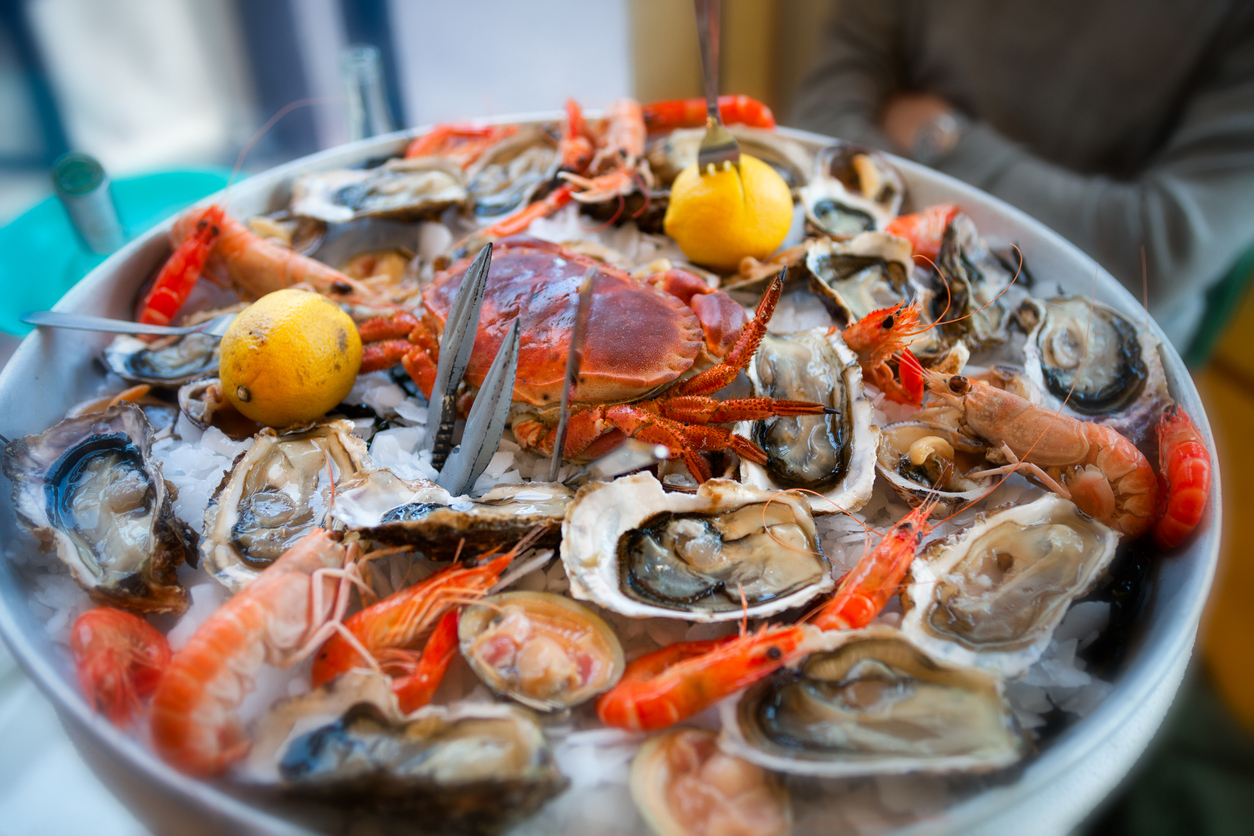
Gastronomy on the Côte d’Azur: Cuisine, Markets and Specialities
The Côte d’Azur has a way of slipping into your senses before you know it. Morning light on the sea, the scent of thyme and fig leaves carried inland, a chilled glass of rosé beading over a zinc counter—here, the table is a mirror of place. The Riviera’s food culture is not one thing but a mosaic: Niçoise street specialities cooked on hot stones, Var rosés drawn from schist and volcanic soils, fisherman’s aioli, orchard lemons preserved into confitures. This article follows the region’s edible map—from bustling markets and sea-to-plate institutions to village bakeries, wine domaines, and a few serious gastronomic addresses—so you can taste the Côte d’Azur through its most telling flavors.
To get your culinary bearings around Saint-Tropez Bay and its villages before diving in, the Gulf of Saint-Tropez travel guide at Azurselect’s magazine offers a concise, region-wide overview.
The Mediterranean pantry: ingredients that define Riviera cooking
Food on the French Riviera is a study in clarity. Olive oil is the primary fat; garlic, lemon, and aromatic herbs provide lift; and vegetables and fish are given room to taste of themselves. “Cuisine du soleil” is more than a phrase—sun and salt are seasoning here.
Expect tomatoes that travel from market crate to plate the same day, zucchini flowers ready for a quick fry in a light batter, and deep green courgettes sliced into ratatouille that is soft yet bright. The sea supplies loup de mer (sea bass), daurade (bream), rouget (red mullet), and langoustines. Inland, orchards and hills add almonds, figs, lavender honey, and goat cheeses that are fresh and lactic in spring, firmer as summer progresses. Two regional signatures anchor the pantry: Menton lemons (IGP), prized for their perfumed zest that flavors tarts and liqueurs, and the AOP Figue de Solliès from the Var, typically peaking late summer into early autumn.
Olive oil deserves its own note. In Nice, Maison Alziari bottles elegant, soft-pressed oils with floral notes, while inland mills such as Moulin de Callas in the Var favor fruité vert styles with pepper and artichoke tones. The choice between them can tilt a dressing or aioli from subtle to assertive—a useful calibration to keep in mind when shopping and tasting.
Markets: where the Côte d’Azur wakes up
If you want to understand what people actually cook and eat, follow the markets. They are early, sociable, and practical—equal parts provisioning and ritual. Arrive with a small list, leave with your plans rewritten by what looks best.
Nice: Cours Saleya and the Libération halls
Nice remains the Riviera’s most complete market town. The Cours Saleya hosts a food market every morning except Monday (devoted to antiques), with stalls for courgette flowers, basil bunches, bottarga, and olive oils, flanked by vendors selling socca to eat on the go. A few tram stops inland, the Marché de la Libération and its hall are where Niçois cooks head for serious shopping: fish counters with glistening dorade, stands selling petits farcis ready to bake, and cheese mongers like Maison Cénéri who know which tomme will best match your rosé. Libération is a little less photogenic and a lot more daily-life, which is exactly the point.
Antibes and Cannes: produce and fish in the heart of town
On the Cours Masséna in Antibes, the Marché Provençal mixes seasonal produce with charcuterie and prepared items; in summer you may find tomatoes from the Plaine du Var alongside tapenades and anchoïade for an impromptu apéro. Cannes, meanwhile, hinges on the Marché Forville, a bellwether for what’s in peak condition. Look for local artichokes in spring, white peaches in July, and the day’s catch on ice. From Forville it’s a short walk to Astoux & Brun, a seafood institution where market shoppers sit for platters of oysters and bulots or a simple fried squid before heading back out.
Saint-Tropez Bay and the Var: from celebrity bustle to village rhythm
On the Var side of the Riviera, the Place des Lices market in Saint-Tropez (typically Tuesday and Saturday mornings) is busy, colorful, and undeniably fun. Pyramids of tomatoes share space with ham slicers, spice sellers, and—if you time it right—warm ganses (fritters) dusted with sugar. In Sainte-Maxime, Friday mornings bring a broad market through the old center; there is also a small fishermen’s stall many mornings on the harbor for those who prefer to grill at home. Grimaud holds its market on Thursday mornings in the village square, compact but well-curated. In Fréjus, expect Wednesday and Saturday in the historic center and a Sunday market along Fréjus-Plage in summer; Saint-Aygulf’s open-air market typically runs on Tuesdays and Fridays. Les Issambres hosts a seasonal Monday market at San Peïre, small enough to browse in a half-hour and friendly enough for stallholders to remember your face by midweek.
As a rule, arrive early with a basket, ask to taste before buying, and follow the line—committed locals are better guides than any signboard. Don’t overlook the rotisserie trucks; a poulet fermier and a paper cone of potatoes often become the best lunch you didn’t plan.
Street food and everyday classics: Niçoise soul on a plate (or napkin)
Some Riviera foods are best eaten standing up. Socca—a chickpea flour galette baked in a wood-fired oven on a round copper pan—should be blistered on the surface and soft within, torn into strips, salted, and eaten at once. In Nice, Chez Pipo near the port is practically shorthand for the dish, while Lou Pilha Leva serves it by the slice alongside pissaladière (onion tart) and beignets de fleurs de courgette. For a sit-down side of tradition, La Merenda—Dominique Le Stanc’s tiny, no-frills restaurant in the old town—cooks an unimprovable roster of Niçoise recipes: petits farcis, pasta with pistou, and stockfish in tomato.
Pan bagnat, the portable cousin of salade niçoise, is a round bread split and filled with oil-packed tuna or anchovies, hard-boiled egg, tomato, peppers, black olives, and plenty of olive oil. Purists insist there is no mayo and no cooked green beans; the point is the tomato-and-oil-soaked crumb. It’s ideal market food: find a shady bench, tilt your head forward, and eat without apology.
From bistros to gastronomic tables: where chefs interpret the coast
Beyond markets and street counters, the Riviera is a living atlas of chef philosophies. Some guard tradition with precision; others pursue a light, contemporary grammar built on local produce and seafood. The pleasure lies in moving between them.
Nice and Menton: terroir-driven and imaginative
In Nice, Restaurant Jan distills chef Jan Hendrik van der Westhuizen’s South African roots through a Riviera lens—delicate, geometric plates with lucid flavors and an emphasis on vegetables and flowers, alongside a small wine list where Bellet whites feature prominently. At Pure & V, chef Vanina Vanoni cooks an intimate, produce-driven tasting menu paired with low-intervention wines from the South; dishes might hinge on baby artichokes or line-caught fish, with reductions that stay feather-light. An hour east, Mirazur in Menton famously draws from biodynamic gardens that climb the mountain above the sea; the kitchen’s discipline with herbs, citrus, and texture has shaped contemporary coastal cooking well beyond the region.
Saint-Tropez Bay and the Var: sunlit precision
In Saint-Tropez, La Vague d’Or has set a high-water mark with a cuisine that layers Provençal ideas—bouillabaisse, garden herbs, preserved citrus—into fine, exacting compositions. For a more relaxed harbor view with dependable seafood, Le Girelier on the quai is known for bouillabaisse, grilled fish, and shellfish platters; it’s straightforward, with the virtue of a kitchen that respects its raw materials. In the back country, near Lorgues, Chez Bruno is a Var institution given over to truffles—especially winter black truffles—folded into mashed potatoes, shaved over tagliolini, or tucked beneath a veal chop. It is inland, yes, but few places explain the Var’s seasonal appetite more clearly.
Cannes and Antibes: classic technique meets the market
Cannes blends its festival gloss with pragmatic gourmandise. Bistronomy has a foothold near Marché Forville, where small places build menus around what looked best that morning. After the market, many locals drift to Astoux & Brun for fruits de mer that favor freshness over flourish. Antibes, with its tight lanes and fisherman’s harbor, supports intimate dining rooms that practice restraint—roasted local fish, zucchini blossoms stuffed and baked, a glass of rosé from just over the hills. The cuisine here is less about invention and more about well-judged seasoning.
Sea to plate: fishmongers, aioli, and Riviera bouillabaisse
The coast’s daily logic is simple: when the boats come in, eat fish. Markets display whole fish on ice with clear eyes and tight scales; ask the monger to prepare your choice for grilling or baking. At home, a whole daurade stuffed with lemon and fennel fronds, drizzled with olive oil, and roasted is the Riviera on a tray.
Restaurants carry the same ethic. In Nice, Café de Turin has served shellfish platters for more than a century—oysters from the Atlantic and Mediterranean sit alongside prawns and sea snails, with a glass of crisp white. In Saint-Tropez, Le Girelier’s bouillabaisse is built on rockfish and carefully timed service. The aioli, a garlic emulsion, is not a dip but a main course when served “grand aioli”: cod or line-caught fish, potatoes, carrots, and green beans with a pot of the pungent sauce. A well-made aioli can make an evening as easily as any tasting menu. Many of these coastal restaurants are located close to some of the best beaches on the Côte d’Azur, where long lunches and seaside dining are part of daily Riviera life.
Rosé country: wine domaines and appellations to know
If the Côte d’Azur tastes of olive oil and lemon, it drinks rosé. But the region’s wine story includes serious whites and structured reds, often overlooked. Two major threads run through it: the Côtes de Provence appellation, which frames much of the Var including the Gulf of Saint-Tropez, and the AOP Bellet around Nice. Within the Côtes de Provence, sub-appellations like Fréjus and La Londe highlight distinct soils and exposures.
Gulf of Saint-Tropez and the Var
In the hills around Gassin and Ramatuelle, Château Minuty and Domaines Ott (notably Clos Mireille near the coast) have helped define the modern, pale, saline style of Provence rosé. Nearby estates like Château Barbeyrolles and Château Saint-Maur in Cogolin produce nuanced cuvées that reward a closer look; many cuvées gain texture and quiet complexity as they warm a few degrees in the glass. For something a bit under the radar, Domaine de la Tourraque in Ramatuelle works organic vineyards near the sea, and Château des Marres often shows a more structured, food-friendly edge in certain vintages.
Closer to the Estérel’s volcanic outcrops, the Côtes de Provence Fréjus sub-appellation has a distinct voice, with sandy-red soils lending spice. Château Paquette, Domaine des Planes (in Roquebrune-sur-Argens), and Château du Rouët (at the foothills) are good doors into the style—a reminder that rosé can be serious at the table, especially with grilled fish or stuffed vegetables. In Roquebrune, Château Vaudois has drawn attention for precise, modern winemaking across all three colors.
Bellet and the Nice hills
On terraces above Nice, AOP Bellet produces characterful wines from native varieties. Rolle (vermentino) makes a white that is citrusy and herbal, lovely with socca and anchovy-driven dishes. Reds and rosés from Braquet and Folle Noire are perfumed and light on their feet. Producers such as Château de Bellet, Domaine de la Source, and Domaine Toasc offer a tasting counterpoint to the Var: altitude, ocean breezes, and low yields build wines that shine with Niçoise cuisine.
Wine bars and cavistes can help you triangulate your palate. In Nice, La Part des Anges pours natural-leaning selections with a predilection for southern France, while La Cave de la Tour is a classic spot for a glass and small plates. In Antibes, compact wine bars near the old town stock local rosés alongside a few thoughtful Bellet whites; it’s worth asking for recommendations by the glass to learn the area through sips, not labels.
Bakeries, sweets, and the Riviera’s sweet tooth
There is a moment in the late afternoon when the Côte d’Azur turns to sugar. The most famous bite is the Tarte Tropézienne, a brioche cake split and filled with a diplomat cream; it was created in the 1950s in Saint-Tropez and now appears from village pâtisseries to beach kiosks. A good one should be subtly orange-blossomed and not over-sweet.
Nice carries a deep tradition of candied fruits and confiserie. Maison Auer, facing the Opéra, is a historic address for glacé fruits—clementines, apricots, pears—that speak of patient craftsmanship. Confiserie Florian, with workshops in Nice and in Pont-du-Loup, produces candied citrus peel, violet petals, and jams that often turn up on breakfast tables and cheese boards. For ice cream, Fenocchio’s colorful array in the old town is an old standby; flavors range from Menton lemon and fig to verbena and rose.
Throughout the Var, look for nougat stands at markets, almond croissants in village boulangeries, and seasonal chestnut specialties in autumn from the Maures Massif. A simple fougasse studded with olive or rosemary, torn and shared with tapenade, might be the most Riviera dessert of all—especially with a last sip of local muscat.
Olive oil, citrus, herbs: producers and ateliers worth knowing
To cook as locals do, start with what locals buy. In Nice, Maison Alziari’s boutique is a tutorial in olive oil styles—taste a fruité mûr next to a greener, peppery oil and you will understand why chefs keep multiple bottles on hand. At the Distillerie de Nice, small-batch spirits lean into regional botanicals; its Pastis de Nice offers a more herbal, citrus-tinged register than big-house versions and pairs naturally with a bowl of olives.
In Menton, Maison Herbin has long translated the town’s lemons into confitures and candied peel. Inland, honey producers set hives among chestnuts and wildflowers; lavender, garrigue, and chestnut honeys vary wildly in flavor, each with a place at breakfast or with cheese. Aromatic herb blends are often hyperlocal—buy from the person who grew and dried them, and you will taste the difference in a tomato salad or a grilled fish dressing.
The apéritif hour: a daily ceremony
Apéritif is a cultural throughline on the Côte d’Azur. Come early evening, café terraces fill with glasses of rosé, pastis louched with water, or a vermouth over ice with an orange slice. Bowls of olives, anchoïade with crudités, and a plate of pissaladière invite lingering. In Saint-Tropez, Sénéquier’s red chairs on the port are a theatrical version of the ritual; in Nice, the streets behind the port and around Place du Pin offer a looser, neighborhood feel with small wine bars and snack counters. In Sainte-Maxime or Les Issambres, the apéro often slides naturally from market shopping into a seaside glass before dinner—informal, local, and unhurried.
Seasonality: a practical calendar for the Riviera table
While the Côte d’Azur cooks year-round, seasonality is the quiet logic behind memorable meals. A few anchors to guide your choices:
- Spring: violets and baby artichokes; first zucchini flowers; peas and fava beans; goat cheeses at their freshest; local langoustines.
- Early summer: tomatoes at full voice; apricots and cherries; basil and tender herbs; anchovies in season; rosés release.
- High summer: figs from Solliès; peaches and nectarines; Melons from nearby Cavaillon; plenty of small, flavorful Mediterranean fish.
- Autumn: mushrooms inland; chestnuts from the Maures; late tomatoes and peppers; heavier daubes appear on bistro menus.
- Winter: Menton lemons at peak; black truffles inland around Aups; daube provençale and chickpea stews; bouillabaisse feels especially right on cool, clear days.
Markets track these shifts day by day. When you see crates of something everywhere, that’s your cue to lean in.
Local dishes to seek out—and where they shine
Beyond socca and pan bagnat, the Riviera’s “greatest hits” are worth encountering with intent. Pissaladière varies from thick and soft to thin and crisp; in Nice and Antibes, pay attention to onions cooked down without caramelizing to sweetness, balanced by the salt of anchovy. Petits farcis—tomatoes, peppers, zucchini, and onions stuffed with a herb-scented meat or rice filling—should taste more of vegetables than stuffing; they’re at their best when eaten barely warm.
Daube provençale, the slow-cooked beef stew with wine and orange peel, drifts in and out of coastal bistros as the weather cools. Courgette flower fritters are a summer constant; the best are airy, barely salted, and cooked to just-there gold. Aioli, as noted, is a dish as much as a sauce; in Saint-Tropez Bay, you’ll often find it as a Friday special in small bistros and beachside tables. In Cannes, try a bourride—a garlicky fish stew with aïoli enriched into the broth—for a coastal variation, and keep an eye out for octopus “à la plancha” at casual addresses from Fréjus to Antibes.
Wine bars and casual addresses: learning by the glass and plate
Wine is a language; casual bars are the best conversation schools. In Nice, La Part des Anges curates a slate of southern French bottles that change frequently, with small plates of charcuterie and cheese. La Cave de la Tour anchors a more classic register, where locals argue, gently, about the merits of Rolle versus riper Provençal whites with anchoïade. Antibes’ old town hides a handful of tight, stone-walled bars where rosés from Ramatuelle sit next to a Bellet Braquet—ask for guidance and you’ll leave with a new favorite style. Around Sainte-Maxime and Grimaud, village caves and beachside spots pour local domaines by the glass; it’s a rewarding way to taste side by side and decide which estates to visit for a more formal tasting.
Etiquette and practical tips for eating well
The Riviera is friendly to curiosity. A few habits unlock better experiences:
- At markets, greet vendors, ask questions, and let them guide cooking times and ripeness. “Pour aujourd’hui ou demain?” is a useful phrase when buying tomatoes or peaches.
- At seafood counters, fresh fish has clear eyes and firm flesh; don’t hesitate to ask for a recommendation on the best-of-the-day rather than the most famous species.
- At bistros, daily specials often track the market; listen for “selon arrivage” on fish and pounce when you hear “rouget” or “loup.”
- For rosé, don’t drink it ice-cold. A few minutes out of the bucket let flavors register; 10–12°C is a friendlier zone than near-freezing.
- For socca and street foods, peak times are late morning to early afternoon; the next pan is usually the best pan.
Gulf of Saint-Tropez and nearby: a compact producer map
If your base of exploration is around Saint-Tropez Bay, a handful of producers make a tidy primer on local taste. For wine, Château Minuty (Gassin), Château Barbeyrolles (Gassin), Château Saint-Maur (Cogolin), and Domaine de la Tourraque (Ramatuelle) show different faces of coastal rosé and white. Around the Estérel, Château Paquette (Fréjus), Domaine des Planes (Roquebrune-sur-Argens), and Château du Rouët (Le Muy) pour the spicy, mineral streak of the Fréjus terroir. In village bakeries across Sainte-Maxime and Grimaud, look for still-warm fougasse and seasonal tarts; many stock Tarte Tropézienne slices that hold their texture better than large-format cakes.
For olive oil and citrus, Nice is a useful day’s excursion: Maison Alziari for oil, Confiserie Florian and Maison Auer for candied citrus and glacé fruits, and a stroll through the Libération market to collect herbs and goat cheese before heading back along the coast. Closer to Fréjus and Saint-Aygulf, summer stalls on the eafront sell figs and peaches that redefine “ripe”—shop late morning for fruit that will be perfect by apéritif.
Conclusion: tasting a coastline
The Côte d’Azur rewards attentiveness. Underneath the postcard views is a living food culture where markets set the day, fishermen and farmers define what’s possible, and chefs translate that reality through their own sensibilities. Whether you are standing at a counter with a slice of socca and a paper napkin, or tasting a structured rosé that traces the contours of the Estérel hills, the throughline is the same: clarity, season, and a sense of place. Start at the market, ask a few questions, taste widely, and let the region teach you how it likes to be eaten. The rest, like a good aioli, will come together with practice and patience.
Planning a culinary escape to the French Riviera? Explore our carefully selected holiday villas on the Côte d’Azur

