

 EN
EN  NL
NL
 DE
DE
 FR
FR

10 Best Rosé Wines from Provence and the Côte d’Azur
Spend a day along the Côte d’Azur in summer and you’ll see it everywhere: frosted bottles beading in the shade, delicate pale hues shimmering in the glass, and plates of sea-fresh fare made brighter by a perfectly chilled sip. Rosé from Provence isn’t just a seasonal ritual; it’s a style born of sun, sea breeze, and centuries of know-how. Whether you’re wandering a seaside path near Cap Taillat or exploring the pine-scented hills behind Gassin, there’s a rosé to match the moment. Here is a curated guide to the 10 best rosé wines from Provence and the Côte d’Azur, plus practical tips, food pairings, scenic stops, and subtle details that locals love.
Why Provençal Rosé Feels Different
Provence is one of those rare regions where the lifestyle and the wine are inseparable. The light is bright, the cuisine is herb-laced and Mediterranean, and the coast is never far away. All of that shows in the glass. Most top rosés from the Côte d’Azur strive for freshness and texture rather than sheer power, keeping alcohol in check, leaning into citrus, stone fruit, and delicate red berry notes, and finishing with a whisper of saline minerality you only get near the sea.
Soils range from the crystalline schists hugging the coast around La Londe and Bormes-les-Mimosas to limestone and clay in the interior hills around La Motte, Flassans, and Bandol. These differences translate to subtle stylistic shifts—think sleeker, sea-breeze profiles near the shore and slightly more structured, spice-laced rosés inland. Add in the Mistral wind, which keeps vineyards healthy and grapes pristine, and you have a natural recipe for crisp, elegant wines.
Grapes and Appellations You’ll See
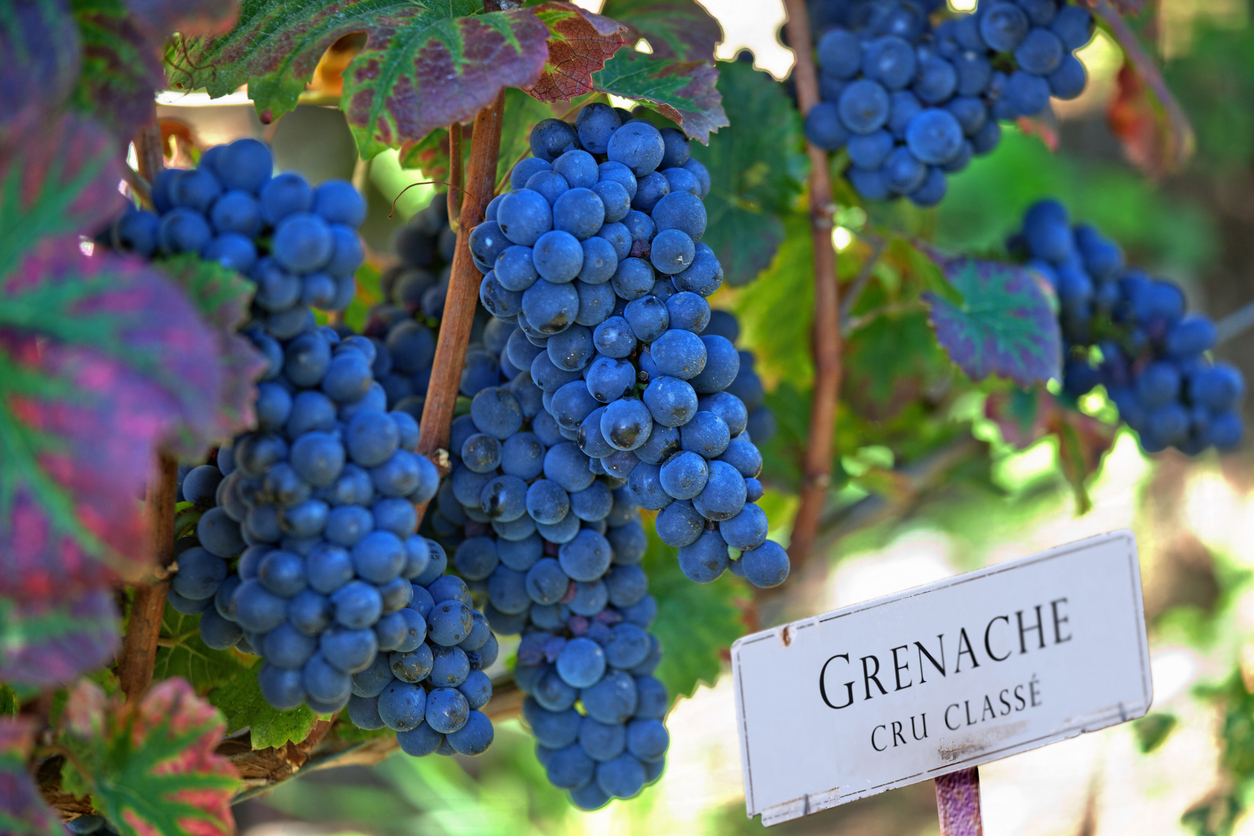
Grenache, Cinsault, and Syrah are the trio that defines most Côtes de Provence rosés, often joined by Mourvèdre for structure and the white grape Rolle (Vermentino) for lift. In Bandol, Mourvèdre plays the starring role, giving rosés more depth and a fine, lightly tannic frame that lets them age. If you spot Tibouren on a label—especially near Le Pradet and Toulon—pay attention; it’s a heritage variety that brings savory complexity and a distinctive, almost garrigue-like perfume.
Most of what you’ll drink falls under Côtes de Provence or Coteaux d’Aix-en-Provence. Bandol, to the west of Toulon, is a separate appellation known for serious, gastronomic rosés that are as good with grilled red mullet as they are with a slow afternoon. Within Côtes de Provence you may also notice named subzones such as La Londe, Sainte-Victoire, and Fréjus—useful clues to style and terroir if you like to nerd out a bit.
How These 10 Wines Were Chosen
Every bottle on this list earns its spot by consistency, terroir expression, and sheer pleasure. We prioritized estates with strong viticulture and a long track record, wines widely regarded by sommeliers and locals alike, and styles that show the range of Provence—from lithe, sea-kissed charmers to Bandol’s age-worthy benchmarks. Think of this as a short list to build a reliable, versatile rosé collection for your next Côte d’Azur table.
The 10 Best Rosé Wines from Provence and the Côte d’Azur
1) Domaine Tempier Bandol Rosé
Anchored in the rugged terraces of Bandol, Domaine Tempier’s rosé is a reference point for the entire region. Mourvèdre leads the blend, supported by Grenache and Cinsault, giving a wine that marries peach and wild strawberry notes with a savory, anise-and-thyme inner life. The texture is tactile—silky mid-palate, a faint grip, and a long, clean finish that can ride alongside grilled sea bream or a rosemary-studded lamb skewer. Many locals set a few bottles aside each year; it evolves beautifully over two or three summers, revealing saffron and blood-orange nuances. If you’re exploring nearby, a detour to the terraced vineyards above La Cadière-d’Azur offers a sense of the steep exposures that make Bandol so distinctive.
2) Clos Cibonne Cuvée Tradition Tibouren Rosé
For something unmistakably Provençal and just a little wild in the best way, Clos Cibonne’s Tibouren is a must. The estate ages its rosé under a veil of yeast in large foudres, an old-school method that adds subtle spice and a whisper of curry leaf to the wine’s citrus and red-fruit core. The grape Tibouren brings a savory, herbal tone you won’t find anywhere else, with a saline echo that seems to carry the scent of the nearby sea. It’s captivating with anchoïade, grilled octopus, or a plate of petits farcis. If you’re in the area, the Sentier du Fenouillet coastal path in Le Pradet is a quiet, low-key walk with turquoise views that pair perfectly with this wine’s maritime edge.
3) Château d’Esclans “Garrus”
Garrus is a modern icon: old-vine Grenache (and often a touch of Rolle) fermented and aged in large oak barrels to create a rosé with serious depth. Expect a seamless blend of white-peach, pink-grapefruit, and almond cream, all wrapped around a spine of mineral precision. Despite its satin texture, the finish is keen and bright—a wine for slow lunches and top-tier seafood, like saffron-steamed mussels or a butter-basted turbot steak. While the broader estate lies in the interior near La Motte, plan a scenic stop at Sillans-la-Cascade—an emerald waterfall tucked into the Var’s backcountry—if you want a side trip that most visitors miss.
4) Domaines Ott “Clos Mireille” Côtes de Provence Rosé
Clos Mireille sits right by the sea near La Londe-les-Maures, and you can taste it. Grenache, Cinsault, and Rolle drive a sleek, saline profile that feels like a breeze off the water: white nectarine, pink citrus, a whisper of iodine, and a glimmer of fennel. It’s a wine that begs for raw shellfish or thinly sliced sea bass with lemon and olive oil. The schist soils here amplify that distinctive, mouthwatering edge. Not far away are the Salins d’Hyères, where flamingos wade in rose-tinted salt pans—an arresting, quiet place to take in the coastal light before heading to dinner.
5) Château Minuty “281” Côtes de Provence Rosé
The “281” is Minuty’s haute-couture bottling from old Grenache vineyards perched on the hills of Gassin and Ramatuelle. It’s ethereal in color and feel: crushed strawberries, lemon blossom, and tangerine peel glide over a fine, chalky line. There’s nothing loud here; it’s a study in balance and restraint, with a long, whisper-light finish. Serve it with grilled prawns, tomato tart, or paper-thin carpaccio of sea bream. If you’re nearby, duck down to the quieter stretch of Cap Taillat via the Sentier du Littoral; the short hike through pine and juniper opens to one of the coast’s most photogenic peninsulas, especially in late afternoon.
6) Château Pibarnon Bandol Rosé
Another Bandol great, Pibarnon’s rosé leans into Mourvèdre’s dimension without losing the region’s signature freshness. Expect summer peach, grapefruit zest, and a dusting of white pepper, framed by a gentle, refined structure. The vineyard amphitheater wraps around hillsides at altitude, giving tension and lift to the fruit. This is a true table wine—try it with bouillabaisse, grilled quail with herbs, or mature goat cheese with a drizzle of olive oil. For an under-the-radar viewpoint, trace the ridge roads that look south toward the Mediterranean; on clear days you can pick out the shape of Porquerolles on the horizon.
7) Commanderie de Peyrassol “Château Peyrassol” Rosé
Deep in the Var, Peyrassol blends Grenache, Cinsault, Syrah, and sometimes Rolle to produce a rosé with hallmark finesse: pomegranate and white-peach notes lifted by citrus flowers and a stony, almost chalk-dust finish. It’s a versatile bottle for almost anything on a Riviera table—from pissaladière to grilled sea bass to a simple bowl of courgette beignets. Leave time to roam the estate’s sculpture park, where modern art punctuates the pine forests and vineyards; it’s one of those quietly magical places locals suggest when they want to surprise friends.
8) Château Sainte Marguerite “Symphonie” Rosé
Certified organic and Cru Classé, Sainte Marguerite’s Symphonie is a pure, aromatic expression of coastal Provence. Grenache and Cinsault combine for delicate strawberry and white-currant tones, a streak of Meyer lemon, and a precise, cool finish that feels effortless. The clarity and lift make it ideal for raw or barely cooked seafood—think oysters, sashimi-grade tuna, or sautéed clams with garlic and parsley. If you’re in the vicinity, the winding road up to the Chartreuse de la Verne, a restored Carthusian monastery hidden in the Maures forest, is a quietly spectacular excursion that most itineraries skip.
9) Miraval Côtes de Provence Rosé
Miraval’s amphitheater of vines sits in a cool valley near Correns, and that freshness shows in the glass. The blend often includes Cinsault, Grenache, Syrah, and Rolle, delivering crisp red-apple and strawberry notes, crushed stone, and a gentle, herbal lift. It’s one of the most reliable, widely available Provençal rosés, especially good with pan bagnat, salade niçoise, or grilled sardines. On a warm afternoon, follow the Argens upstream to Vallon Sourn, a limestone gorge where the river glows turquoise. It’s an easy, photogenic walk and a local favorite when the heat kicks up inland.
10) Château Léoube “Rosé de Léoube”
On the coast near Bormes-les-Mimosas, Léoube farms organically and crafts a rosé that tastes like a shoreline picnic: pale strawberry, pomelo, and a delicate brine, with thyme and bay leaf swirling at the edges. The palate is all about poise—silky in the middle, crisp at the end. Paired with grilled cuttlefish, fennel salad, or goat-cheese tart, it shines. Set aside an hour to wander the nearby Plage du Pellegrin and the coastal trail that hugs the dunes; early morning is sublime, just you and the pine scent floating on the breeze.
Serving and Savoring Rosé Like a Local
Temperature matters. Too cold and flavors mute; too warm and the wine feels fuzzy. Aim for 8–10°C (46–50°F) for delicate, coastal styles, and 10–12°C (50–54°F) for Bandol’s more structured rosés. A quick 30–40 minutes in the fridge is usually enough if the bottle starts at room temperature, and a few minutes on the table will let aromas open without slipping into flabbiness.
Glassware can be simple. A white wine glass with a tulip shape helps concentrate aromatics and keeps the wine lively. If you’re setting a long, lazy table, a magnum or jeroboam isn’t just festive; the slower oxygen exchange often preserves freshness. And if you’re pouring multiple rosés, start with the most delicate coastal expressions, then move inland to richer cuvées, leaving Bandol or barrel-aged bottlings for last.
Food Pairings from the Riviera Pantry
Provençal rosé thrives with the region’s classic flavors—olive oil, citrus, garlic, basil, fennel—and a spectrum of textures from raw to grilled. A few pairings to keep in your back pocket:
- Domaines Ott Clos Mireille with oysters or a simple sea bream crudo. The salinity on the finish picks up the ocean notes beautifully.
- Clos Cibonne Tibouren with anchoïade and raw vegetables, or with pan-seared tuna and tapenade. The wine’s savory, slightly spicy register is a natural match.
- Château Minuty 281 with grilled prawns, zucchini ribbons, and lemon zest. Its delicacy enhances sweet shellfish meat.
- Domaine Tempier or Château Pibarnon with bouillabaisse, rouille, and grilled octopus. The Bandol structure holds steady with bold flavors.
- Château Léoube with a goat-cheese and herb tart, or with a salad of fennel, orange, and black olives.
- Miraval with pan bagnat, pissaladière, or a plate of socca fresh from the griddle in Nice.
- Château Sainte Marguerite Symphonie with sashimi-grade tuna, citrus-dressed scallops, or a simple tomato tart.
- Commanderie de Peyrassol with grilled sea bass or courgette flowers stuffed with ricotta and herbs.
- Château d’Esclans Garrus with lobster, monkfish, or roast chicken with lemon and thyme—dishes that benefit from its satin weight.
For ingredients, locals love the morning markets: Marché Forville in Cannes for gleaming fish and herbs, the market in La Croix-Valmer for sun-ripe tomatoes, and the smaller, under-the-radar market in Cogolin for cured olives and fresh chèvre. A quick note: ripe summer tomatoes and garlic can make light wines feel leaner; offset with a drizzle of good olive oil and a pinch of sea salt to round the palate.
Scenic Routes and Under-the-Radar Wine Stops
You can spend days weaving through the Var and never run out of quiet, beautiful detours. Three ideas to build into a leisurely rosé day:
- The La Londe–Bormes Corridor: Start along the shore where Domaine Ott and Château Léoube draw their sea air. Walk the low-key path at Plage du Pellegrin, then head to the Salins d’Hyères to watch flamingos in late afternoon light. Pick up local chèvre and herbed fougasse from a nearby boulangerie for an impromptu picnic.
- Interior Var Ramble: Aim for La Motte, Flassans, and Les Arcs. Visit the Maison des Vins Côtes de Provence in Les Arcs, where rotating selections let you taste across producers in one spot. If the heat builds, slip into the shade of the Argens riverbanks or detour to Sillans-la-Cascade’s waterfall for a cool break before dinner.
- Bandol Hills and Sea: Wind through the terraces above La Cadière-d’Azur where Tempier and Pibarnon map the slopes. The drive alone explains Bandol’s spine. Drop down to the harbor at Sanary-sur-Mer for a late aperitif and sunset view, or hike a short leg of the coastal path near Saint-Cyr-sur-Mer for pine and spray in equal measure.
Two small gems that fly under most radars: the Chartreuse de la Verne tucked into the Maures forest—serene, pine-scented, and absorbing—and the Pont des Fées in Grimaud, a medieval bridge over a quiet ravine that’s especially peaceful in the early evening. Neither requires a long detour, and both reward a slower pace.
Vintages, Cellaring, and Smart Buying
Most Provençal rosé is made to be enjoyed within a year or two of release, when the fruit is brightest and the palate most taut. That said, Bandol rosés—especially Domaine Tempier and Château Pibarnon—can develop for three to five years, gaining spice, saffron, and tea-like complexity. Clos Cibonne is also famously comfortable with time, thanks to its oxidative élevage and Tibouren’s savory character.
If you’re choosing between recent vintages, look for consistent producers first, then consider the season. Warm, dry years tend to deliver riper fruit and softer acidity; cooler years bring verve and citrus lift. Pale color isn’t a guarantee of quality—winemaking choices affect hue—but it’s a style marker in much of Provence. When in doubt, try a bottle then return for a few more; many local cavistes set aside magnums of key cuvées precisely because larger formats age a touch more gracefully over a summer.
Organic, Biodynamic, and the Mediterranean Mindset
The shift to organic and biodynamic farming is more than a trend in Provence; it’s almost a return to form. The Mistral reduces disease pressure, making organic practices more feasible than in many regions, and the biodiversity of garrigue, pine, and olive groves provides natural buffers. Estates like Château Léoube and Château Sainte Marguerite have embraced certified organic methods, while others—Commanderie de Peyrassol, Domaine Ott, and many Bandol producers—have steadily reduced inputs and embraced cover crops, composting, and careful water management.
One lesser-known locus of innovation is the Centre du Rosé in Vidauban, a research hub devoted to rosé viticulture and enology. That kind of quiet, focused work underpins the freshness and stability we take for granted in today’s wines and helps estates navigate warmer summers with precision rather than pumping up alcohol or sacrificing elegance.
Winery Visit Etiquette and Practicalities
A little planning makes tasting days smoother. Check estate opening hours, especially outside peak season, and note that some domaines pause for lunch. Casual-chic dress is the norm; sandals and a hat serve you better than perfume, which can mask aromas. Tasting fees, when they exist, are modest and often waived with purchase. If you’re sampling several wines, a small spit cup keeps your palate sharp and the afternoon buoyant.
Buying directly from an estate is a pleasure—bottles are well stored, and staff often share vintage tips. If you’re collecting for a group, consider a magnum of a favorite cuvée; it’s convivial and often tastes just a bit more harmonious over a long meal.
Festivals and Seasonal Moments to Savor
The Côte d’Azur’s calendar is studded with occasions that pair naturally with rosé. In late spring, the Bravade de Saint-Tropez fills the old streets with color, drumbeats, and the scent of powder from ceremonial muskets. Later in the season, Les Voiles de Saint-Tropez gathers classic and modern yachts in the bay—a spectacular backdrop for an early evening glass on shore. Many estates also host summer concerts under the pines; look for dates from “Les Musicales dans les Vignes de Provence,” a roving series bringing chamber music and jazz to vineyard lawns across the region.
Autumn brings the Fête de la Châtaigne in Collobrières, a chestnut celebration under the gold-tinged canopy of the Maures. It’s a quieter time to taste, with fewer crowds and milder days—ideal for exploring inland villages, walking the Sentier du Littoral in gentler light, and revisiting a favorite rosé as menus tilt toward mushrooms and roasted vegetables.
Bringing It All Together
Provençal rosé at its best is a conversation between sunlight, sea air, and the patient craft of growers who know when to pick and how to preserve freshness. The bottles above show the region’s range—from the salty precision of coastal cuvées to Bandol’s age-worthy depth and Tibouren’s savory charm. Whether you’re planning a seaside picnic near Cap Taillat, an art-and-vine walk at Peyrassol, or a quiet lunch after a stroll to the Pont des Fées, there’s a rosé to suit the moment. Start with one or two of these wines, find your style, and let the coastline guide the rest.
To enjoy the rosé wines of Provence and the Côte d’Azur and experience this region at your own pace, you can browse the full selection of villas here.

