

 EN
EN  NL
NL
 DE
DE
 FR
FR

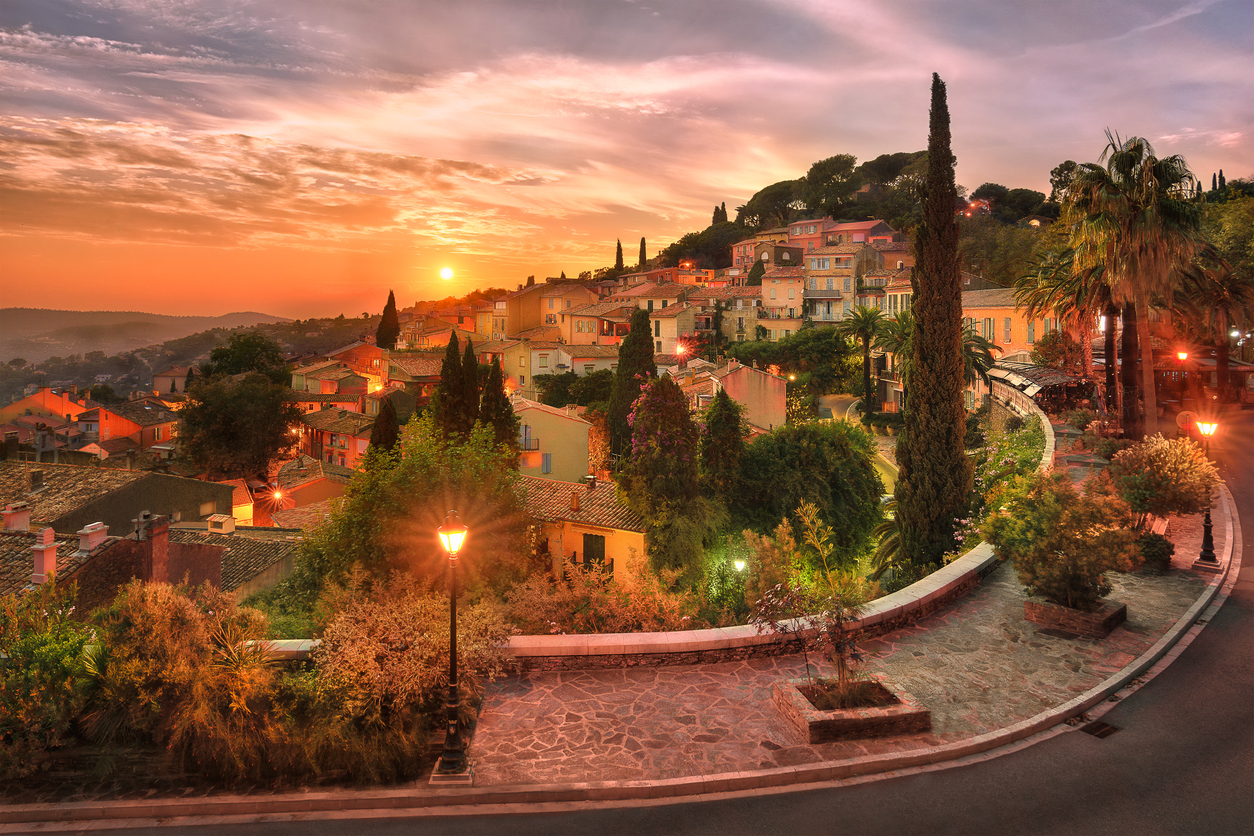
Autumn on the French Riviera: Why It’s the Best Season to Visit
Why autumn hits the sweet spot
Ask people to picture the French Riviera and you’ll likely hear about sun-scorched July afternoons, boats glittering in harbours, and beaches set out like living postcards. But speak to locals, photographers, and restaurant owners, and they’ll tell you a secret: autumn is when the Côte d’Azur really comes into its own. From September through November, the light softens, the sea stays invitingly warm, and the Riviera exhales after the rush of summer. Terraces are no longer elbow-to-elbow; coastal footpaths feel leisurely again; and the markets overflow with figs, wild mushrooms, new olive oil, and plump tomatoes that have soaked up months of sunshine.
Autumn also means better access. Many of the region’s highlights can be explored throughout the Gulf of Saint-Tropez, one of the most beautiful areas of the French Riviera. You can wander unhurriedly through medieval lanes in Èze or Biot, drift peacefully around the Îles de Lérins, or take your time in Nice’s museums without queueing. The high heat gives way to comfortable days and cool evenings, perfect for cliffside walks or a glass of local Bellet wine at dusk. If you want the Riviera’s scenery and style without the seasonal squeeze, you’ll find autumn is not just good—it’s arguably the best time to come.
Gentle weather, warm sea, and the Riviera’s golden light
The French Riviera in autumn is a masterclass in balance. Daytime temperatures commonly hover in the low to mid-20s Celsius through September and often into October, great for lingering lunches and relaxing beach time. The Mediterranean remains warm from summer’s retained heat, which means you can swim well into October and, in sheltered coves, even early November if conditions are right. Onshore breezes are typically kinder, making boat trips and paddle excursions smoother and more enjoyable.
Then there’s the light. Autumn on the Côte d’Azur gives you that painterly glow that inspired Matisse and Bonnard. The angle of the sun is lower, which translates to longer golden hours: soft morning light for portside strolls and an amber wash at sunset across the Esterel’s red rock. Photographers love this season for exactly that reason—colours are richer and skies more nuanced. On many days, clear air after a light rain delivers crisp views from the Grande Corniche where you can see all the way from Italy’s Ligurian promontories to the calanques west of Cannes.
It’s true you might encounter the occasional Mediterranean storm, especially late October into November. Yet, between fronts, the weather often resets to bright and calm. Pack a light waterproof, add a layer for evenings, and you’re set for that magical combination of reliable sunshine and just-right cool.
Quieter beaches and coastal paths you can actually hear
One of the Riviera’s pleasures in autumn is discovering how serene the coast feels once the high-season tempo fades. This is also the ideal season to explore some of the best beaches in the Gulf of Saint-Tropez, where the sea remains warm while the coastline becomes noticeably quieter.You can have space on celebrated stretches like Plage de la Garoupe on Cap d’Antibes, or find your own rhythm on the Sentier du Littoral. If you enjoy soundscapes, autumn is a treat—you’ll hear waves lapping at the rocks and the soft percussion of pebbles turning in the surf.
For coastal walks, try these favourites:
- Cap Ferrat’s Chemin des Douaniers: A loop of seafront path circling Saint-Jean-Cap-Ferrat. The section between the lighthouse and Passable beach is especially beautiful with views into the deep sapphire of the Rade de Villefranche-sur-Mer.
- Cap d’Antibes: The path skirting the cap’s rocky edge passes spray-kissed rocks and villas framed by Aleppo pines. In autumn, the air carries a resinous scent and you’ll often share the track with locals out for a daily constitutional.
- Cap Martin from Roquebrune-Cap-Martin: This gentle, largely flat trail follows the sea to Menton, offering cinematic perspectives across to Monte Carlo.
- Pointe de l’Aiguille in Théoule-sur-Mer: Shorter and a little wilder, with rust-red rock contrasting the blue water and views across to the Lérins Islands. If the sea is calm, the light for snorkelling can be exquisite here.
- Plage de la Mala at Cap d’Ail: Accessed by steps, this tucked-away beach feels blissfully removed in autumn. Arrive late morning for sun on the cliff, and bring water—facilities are quieter out of season.
Tips: Footpaths can be uneven and slippery after rain, so walking shoes help. Start earlier if you want to catch gentle light and build in time for photo stops—it’s extremely difficult not to pause every few minutes.
The autumn palette inland: larches, gorges, and high-country quiet
If you can tear yourself from the water, autumn inland is equally compelling. Within two hours of the coast, the Mercantour National Park and its surrounding valleys turn into a kaleidoscope: larches blaze gold, chestnut groves deepen to burnished copper, and the air smells of wood smoke in the evenings. The variety is remarkable—from gentle river strolls to high passes where you might spot ibex if you’re patient.
Consider these places for colour and quiet:
- Madone de Fenestre and Le Boréon, near Saint-Martin-Vésubie: Alpine meadows, larch forests, and high cirques that are accessible before the first significant snows. Trails are well-marked; start early and bring layers.
- Gorges du Cians and Gorges de Daluis: Striking red rock canyons north of Nice near Beuil and Guillaumes. The contrasts are intense after rain, and the sinuous road offers plenty of pull-outs for photography.
- Col de Vence and Plateau de Caussols: Rolling limestone landscapes with big skies; late afternoons can be dreamlike as mist pools in the lower valleys.
- Vallée des Merveilles: The famous Bronze Age rock engravings near Mont Bégo are reachable until snow and ice return. Go with a licensed guide if you want deeper context and the safest route choice.
- Massif des Maures: Slower-paced, chestnut-wooded hills above the Var’s villages. The scents after a light shower—moss, leaves, and earth—are as evocative as the views.
On many of these excursions you’ll find summer crowds gone, leaving a calm that’s rare in high season. Bring a thermos and snacks; part of the joy is sitting in silence and letting the landscape work its quiet magic.
Culture with breathing room: museums, villas, and gardens
Autumn is perfect for art and architecture, not least because exhibitions and historic sites are easier to enjoy at your own pace. In Nice, the Matisse Museum in Cimiez pairs nicely with a stroll through the surrounding olive groves where fallen leaves add bronze tones to the lawns. Down the hill, MAMAC presents modern and contemporary art, while the Musée Masséna on the Promenade des Anglais offers a refined portrait of Belle Époque Nice.
Northwest in Saint-Paul-de-Vence, the Fondation Maeght’s sculpture garden is beautiful under autumn light, and the maze of stone lanes within the village is calmer. Continue to Biot for the Fernand Léger Museum—bold, bright, and particularly rewarding on a clear afternoon when the mosaic façade pops against blue sky. While in Biot, peek into the artisanal glassblowing studios; the town’s bubble glass tradition is alive and well, and many workshops demonstrate their craft in autumn without the summer rush.
Along the coast, the Villa Ephrussi de Rothschild on Saint-Jean-Cap-Ferrat feels intimate outside summer. The gardens—which include themed areas like the Spanish, Florentine, and rose gardens—wear autumn gracefully, with gentler tones and lingering blooms. Nearby in Beaulieu-sur-Mer, the Villa Kérylos re-creates a Greek villa with scholarly attention to detail; it’s fascinating to compare the perspectives of both homes in the same afternoon.
In Menton, seek out the Bastion Museum dedicated to Jean Cocteau. The small, fort-like space right on the seafront often surprises visitors with its atmosphere. And in Vallauris, the National Picasso Museum in the former chapel presents La Guerre et la Paix—moving and thought-provoking in the quiet of the shoulder season.
Markets and seasonal flavours: where to go and what to try
Autumn is when Riviera markets brim with the kind of produce that makes you rethink lunch plans on the spot. At the Marché Forville in Cannes and the Marché Provençal in Antibes, rows of cèpes, girolles, late-summer tomatoes, figs, and glossy peppers seem to glow in the morning light. In Nice, Cours Saleya’s food market hums, and the nearby covered Marché de la Libération offers a more local feel. East in Menton, Les Halles shelter vendors whose grandmothers likely stood at those very stalls; ask about the season’s best olives and the day’s fresh fish.
If you’re new to Niçoise flavours, start simple. Try a slice of pissaladière (caramelised onion tart with anchovies), share a hot paper cone of socca from a dedicated oven, or pick up small goat cheeses that pair astonishingly well with late figs. If you enjoy hearty dishes, daube niçoise—a slow-cooked beef stew fragranced with orange zest and local red wine—hits the spot when evenings turn crisp. For dessert, look for tourte de blette, a sweet chard pie dusted with sugar, as well as candied citrus peels from long-running confectioners.
Autumn also marks the olive harvest, and several mills open their doors for tastings and demonstrations. In the hills above Antibes, the Moulin d’Opio is a longstanding producer where you can learn the basics of pressing and the difference between early and late harvest oils. If you’re exploring the backcountry around Grasse, press houses and small cooperatives often host open days—an excellent excuse to buy a bottle you’ll wish you’d bought two of.
Wine time: harvest energy without the bustle
There’s a quiet thrill to visiting vineyards in autumn. The Côte d’Azur has its own appellation, Bellet, on the hills above Nice—a tiny region producing whites, rosés, and reds with character, shaped by sea breezes and stony terraces. Many estates welcome visitors for tastings, and in autumn you can often sense the harvest’s end-of-season energy, with sorting tables, perfumed crush pads, and barrels beginning their long, slow work.
Beyond Nice, follow the wine roads across the Var to discover estates tucked among oak and pine, often set near Romanesque chapels or centuries-old plane trees. It’s the perfect time to ask winemakers about the vintage, as they’ll have fresh stories from the season. If you’re exploring further afield on a day trip, you’ll also hear about festivals celebrating the new oil and new wine—convivial, food-forward gatherings where the community comes together.
Etiquette is simple: a reservation call or message is appreciated even in shoulder season; be modest with perfume before a tasting; and don’t hesitate to say what you like—locals prize honest conversation over jargon.
Autumn events worth planning around
One of the best parts of an autumn visit is the cultural calendar. It’s rich without being packed, giving you space to weave events into your days rather than build entire itineraries around them.
- Régates Royales, Cannes (late September): An elegant parade of classic yachts competing off the Croisette. Watching from the Pointe de la Croisette or the Île Sainte-Marguerite shoreline can be sublime.
- Monaco Yacht Show (late September): Even if superyachts aren’t your focus, the atmosphere in Port Hercule and the surrounding streets is lively. The play of reflections at dusk is a photographer’s gift.
- Les Voiles de Saint-Tropez (late September to early October): A remarkable blend of modern and classic sailing. The view from the citadel’s ramparts over the bay during race days is unforgettable.
- Journées Européennes du Patrimoine (mid-September): Heritage Days open doors to historical sites that are usually closed or ticketed. On the Riviera, that can include villas, chapels, observatories, and civic buildings with guided tours.
- Chestnut festivals (October): Towns in the Massif des Maures, such as Collobrières, host fêtes celebrating châtaignes with roasted chestnuts, sweets, and seasonal dishes.
- Fête de la Sainte-Réparate, Nice (early October): The Old Town honours its patron saint with a procession that fills the narrow streets around the cathedral.
- Marathon des Alpes-Maritimes Nice-Cannes (early November): Whether you run or spectate, the coastal route is a spectacle; cheering in Juan-les-Pins or at the finish adds local colour to a Sunday morning.
As always, confirm dates close to your trip; schedules can shift slightly year to year. For village fêtes, it’s worth checking notice boards or local tourist offices when you arrive.
Day trips by rail and road: make the journey part of the joy
Autumn is tailor-made for scenic travel. The coastal TER trains are still frequent and comfortable, with windows framing sea views between Monaco, Nice, Antibes, and Cannes. If you’re feeling adventurous, the Train des Merveilles from Nice up through the Roya and Bevera valleys is a revelation—stone viaducts, tunnels, and mountain villages unfolding like a travelogue. On clear days, the colours pop: slate roofs, terraced vines, and forests moving into gold.
For drivers, the three Corniche roads between Nice and Menton are a lesson in perspective. The Basse Corniche hugs the water through Villefranche-sur-Mer and Beaulieu, ideal for café stops. The Moyenne Corniche threads through Èze, whose medieval village is simply lovely on a quiet autumn morning. And the Grande Corniche, the highest, rewards with panoramic lay-bys near La Turbie. Stop at the Trophée d’Auguste, the Roman monument overlooking the coast; if you enjoy views with a side of history, this is your place. A little farther inland, the Fort de la Revère near Èze offers walking trails and sweeping outlooks across the Riviera and, on clear days, even to Corsica’s outline at dusk.
East of Cannes, the Corniche d’Or between Mandelieu-La Napoule and Saint-Raphaël is cinematic: red Esterel cliffs, little coves, and viewpoints you’ll want to linger at. Many visitors also use nearby Sainte-Maxime as a base for exploring this part of the Riviera, thanks to its beaches, restaurants, markets and easy access to the Gulf of Saint-Tropez. Go midweek for quieter roads. If you’re continuing, the Estérel’s interior roads to Mont Vinaigre and Pic de l’Ours make an excellent loop for hikers and photographers alike.
Islands and sea: autumn calm on the Îles de Lérins
A short boat hop from Cannes brings you to two islands with a completely different feel from the mainland. Sainte-Marguerite is covered in a dense Aleppo pine and eucalyptus forest laced with walking paths; you can spend a full day losing track of time here. The Fort Royal on the island has a layered history, including the story of the Man in the Iron Mask, and the shoreline offers rocky ledges for picnics and swims in crystal-clear water.
Saint-Honorat, smaller and more contemplative, is home to a community of Cistercian monks who tend vineyards and produce wine and liqueurs. The footpath that circles the island passes small chapels and gunpowder-era towers, all with views back to the Esterel’s dramatic horizon. In autumn, ferries are less crowded, the air is scented with pine, and the water is often glassy—ideal for a last swim of the season.
Perfume, pottery, and glass: meeting artisans and their craft
Grasse, set in the hills above Cannes, is the world’s historic capital of perfume. Autumn is a wonderful time to visit because the jasmine harvest, which begins in late summer, still lingers in September, and the perfumeries are abuzz with the creation of new blends. Major houses offer tours that demystify the process—from extraction to maceration—and workshops where you can compose your own fragrance. Beyond the big names, keep an eye out for small ateliers focusing on natural ingredients and limited runs; conversations tend to be richer when it’s quiet.
In Vallauris, pottery is embedded in daily life. Even a simple walk through its streets reveals studios glazing and firing, and if you’re curious, many artisans are happy to explain their techniques. The town’s connection with Picasso adds a layer of resonance; seeing contemporary ceramics just a few steps from his monumental work creates a meaningful bridge.
Back in Biot, glass is the headline. The distinctive bubble glass pioneered in the 1950s remains a signature, but you’ll also find sleek contemporary pieces. Autumn’s pace invites you to stand and watch as a glowing gob of glass transforms into a carafe or bowl through breath, gravity, and practiced motion. It’s one of those quietly captivating experiences that stays with you long after you leave.
Lesser-known corners the crowds miss
Autumn is also your chance to explore places that deliver a strong sense of place without the summer bustle. A few to weave into your plans:
- Saorge: A dramatic, stacked village in the Roya Valley with a Franciscan monastery that seems suspended over the gorge. Time slows down here; the views are meditative.
- Sospel: Stone bridges, arcaded squares, and a relaxed rhythm. The surrounding trails make easy half-day hikes into chestnut woods.
- La Turbie: Beyond the Roman monument, stroll narrow alleys and duck into small eateries. On clear afternoons, the terraces here offer ridiculously good light.
- Gourdon: Perched above the Loup Gorge, it’s a textbook eagle’s-nest village with artisans and a tiny perfume shop. The viewpoint just beyond town is a must for sunset.
- Cap d’Ail’s coastal museums: Villa Les Camélias brings local history to life with rotating exhibitions. It’s an often-overlooked gem that pairs nicely with the walk to Plage de la Mala.
- Chapelle Saint-Pierre in Villefranche-sur-Mer: Decorated by Jean Cocteau, this small fishermen’s chapel offers a poetic, intimate look at his work.
All of these feel more potent in autumn’s quiet. You hear church bells, conversation from open windows, and leaves ticking along old stone—tiny details that vanish at peak times.
Family-friendly ideas for cooler, brighter days
With milder temperatures, autumn broadens your choices if you’re visiting with children. The Oceanographic Museum of Monaco fascinates across ages, its aquariums and exhibitions appealing whether you like science, maritime history, or simply close-up views of reef life. In Nice, Parc Phoenix blends botanical gardens and a small animal park, making it a good compromise between grown-up strolling and kid energy. If your family loves sport, the National Sports Museum near the Allianz Riviera stadium offers interactive exhibits that are engaging on rainy afternoons.
On the cultural side, the Musée National Fernand Léger in Biot is vibrant and accessible for young eyes; the colours and bold shapes invite conversation. Likewise, a hands-on visit to a glass studio or pottery workshop is often a hit—children are transfixed by the transformation in front of them. Finish with a stop for ice cream at Fenocchio in Nice’s Old Town, where flavours run from lavender to fig; the shorter queues in autumn make tasting a pleasure.
Photography: where to catch the Riviera at its most photogenic
Autumn light craves a camera. Early risers will love the Colline du Château in Nice for sunrise—watch the harbour and Old Town slowly wake as the sun picks out pastel façades. In Antibes, Port Vauban and the ramparts reward at both dawn and dusk; Fort Carré’s geometry becomes especially graphic with long shadows. Around Monaco, the walk up to the Jardin Exotique gives elevated angles over the port and palace crag; the succulents themselves make great subjects after a light rain when droplets cling to spines.
For big skies and horizons, the Grande Corniche is hard to beat. Pull-outs near the Fort de la Revère and the Mont Bataille area provide vast perspectives. West of Cannes, climb to Cap Dramont in the Esterel for views of Île d’Or and a sweep of copper and blue that feels almost cinematic at sunset. On calmer days, reflections on the Rade de Villefranche-sur-Mer act like a natural mirror—perfect for minimalist compositions.
Timing tip: In September, sunrise is pleasantly later than midsummer and sunset earlier, so you can catch golden hour without overly early starts or late returns. Bring a polariser to tame glare off the sea and intensify autumn skies.
Wellness, walks, and slower living
When temperatures dip, wellness takes on a different hue—more about fresh air and gentle movement than escaping heat. Locals lean into long walks on promenades: the Promenade des Anglais in Nice, the palm-lined Croisette in Cannes, and the seaside path in Menton. Mornings are best for stillness. If you prefer green over blue, the Promenade du Paillon in Nice threads lawns, water features, and play areas through the heart of the city—ideal for a quiet read on a bench or a relaxed amble between museums.
Food becomes ritual. Coffee at a counter you return to every day, a paper bag of warm fougasse, a late lunch of grilled fish and roasted vegetables. In the evening, cosy wine bars and neighbourhood bistros come into their own; ask about the day’s catch and seasonal specials. You’ll find many places where the menu shifts subtly week to week, following the market’s lead.
Practical tips for an easy autumn escape
A few simple pointers make autumn travel on the Riviera even smoother:
- Packing: Layers are your friend—think light knits, a windproof jacket, and a compact umbrella. For walking, bring shoes with good grip; coastal paths can be slick after rain.
- Sea and safety: The Mediterranean is usually calm, but swells can rise after storms. Choose guarded beaches if you swim after a blow, and always check local notices.
- Opening hours: Some attractions shift to shorter hours in autumn; plan morning visits to gardens and villas if you’re unsure. Restaurants often appreciate a quick call to confirm dinner service midweek.
- Driving and parking: Traffic is lighter, especially outside school holidays, and parking is far less stressful. If you’re visiting hill villages, arrive before lunch for easier spaces and gentler light.
- Public transport: Trains along the coast are frequent; autumn timetables can change after summer. If you’re heading into the backcountry, check bus schedules a day ahead and have a backup plan.
- After-rain opportunities: Don’t be discouraged by a passing storm. The day after, colours pop, the air clears, and waterfalls such as Saut du Loup in the Loup Gorge often run fuller and more dramatic.
- Local produce etiquette: At markets, it’s polite to let the vendor choose fruit after you indicate ripeness preferences; they’ll select the best for today or tomorrow as you wish.
Suggested autumn day plans
Nice and Cap Ferrat loop
Begin with coffee near Place Garibaldi, then walk the Colline du Château for views over the Baie des Anges. Head to Cours Saleya for a market nibble—socca or a slice of pissaladière—before hopping a bus or driving to Saint-Jean-Cap-Ferrat. Walk a section of the coastal path from Passable towards the lighthouse, pause at Villa Ephrussi de Rothschild, then return to Nice for an afternoon at the Matisse Museum and a stroll through the olive groves of Cimiez. Sunset on the Promenade des Anglais rounds things off.
Antibes, Biot, and the Lérins Islands
Start in Antibes at the Provençal market, visit the ramparts, then pop into Biot for glassblowing demonstrations and the Léger Museum. In the afternoon, catch a ferry to Île Sainte-Marguerite for a forest walk and a late swim. Return at golden hour when the sky behind Cannes turns peach and gold.
Grande Corniche, Èze, and La Turbie
Drive the Grande Corniche early for views, stop at the Fort de la Revère for a short loop walk, then continue to Èze for a quiet amble through the village. Lunch in La Turbie, followed by a visit to the Trophée d’Auguste. If time allows, detour to Cap d’Ail for steps down to Plage de la Mala and a restful hour by the sea.
Mercantour taster
Head to Le Boréon for a mid-altitude hike among larches, pack a picnic, and keep an eye out for chamois. On the return, stop in Saint-Martin-Vésubie for a warm drink. If you prefer a shorter drive, the Gorges du Cians and Daluis provide that dramatic geology with plenty of pull-outs and modest walks.
A note on rhythm: let autumn set the pace
Perhaps the greatest luxury of the Côte d’Azur in autumn is pace. You’re not racing the thermometer or a crowded reservation book. You can decide on a boat trip after breakfast because the sea looks calm; you can linger at a market stall in Antibes while the vendor debates the merits of two goat cheeses; you can sit an extra ten minutes on a bench in the Promenade du Paillon simply because the plane trees are shedding leaves in a way that feels choreographed.
This season encourages a kind of travel that’s more attentive and less performative. You notice the sound of cicadas fading as evenings cool, the ritual of shutters opening in Old Town alleys, and the change in sea scent as the wind swings between east and west. You bring more home than photos: the memory of a particular slant of light on the Esterel, or the taste of a tomato that tasted of summer deep into October.
Conclusion: the Riviera, distilled
Autumn on the French Riviera distils everything people love about this coast into a calmer, richer experience. You still have the sea, the elegance, and the easy glamour, but they’re filtered through softer light, cooler air, and the pleasures of everyday life returning to centre stage. It’s a season made for coastal walks and island picnics, for museums without queues, for vineyard chats and bowls of hearty daube. It suits first-time visitors who want an unhurried introduction, and it delights returning travellers who crave a deeper, more local rhythm.
If you’ve always wondered whether there’s a better time to see the Côte d’Azur than high summer, there is. Come in autumn. Bring curiosity, comfortable shoes, and an appetite. The Riviera will do the rest.
After exploring the French Riviera in autumn, you can discover our full collection of holiday homes and villas on the Côte d’Azur here.

