

 EN
EN  NL
NL
 DE
DE
 FR
FR

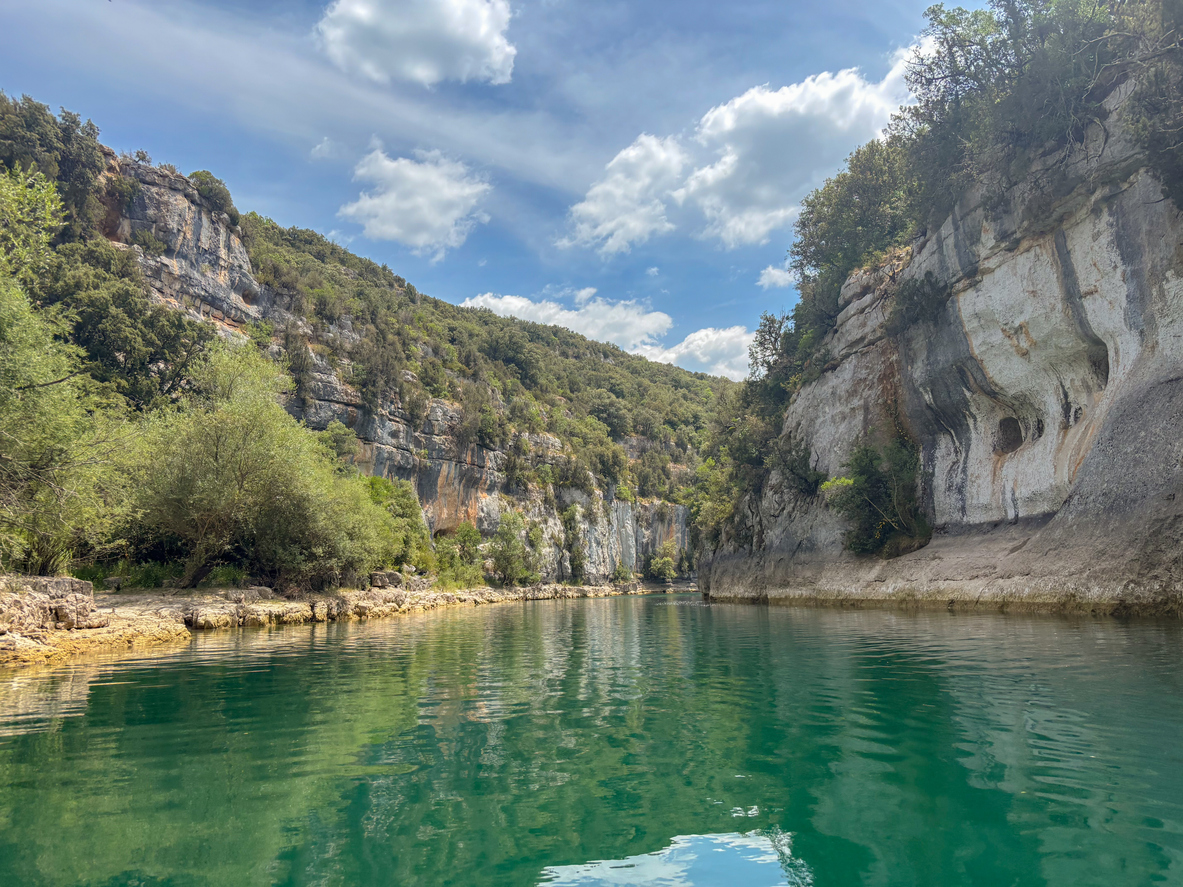
Best Day Trips in the Var: Top Excursions on the Côte d’Azur
There’s a special way the Var reveals itself when you give it a single day. The sea may be the headline, but the stories run inland: pine-scented trails to forgotten headlands, Cistercian stones humming in the heat, rosé poured in cool cellars, a cliff village where amphitheatre steps face a troglodyte wall. Whether your base is along the Gulf of Saint-Tropez or near Hyères, a well-chosen day trip can change how you feel about the Côte d’Azur: less glitter, more grain—still luminous, but steeped in place.
For a broader orientation to the coastline’s rhythm and how the towns interlock around the bay, you may find this Gulf of Saint-Tropez travel guide a helpful primer: an easy overview to set the scene.
How to plan a Var day trip like a local
Most first-time itineraries follow the postcard: stroll the old port of Saint-Tropez, hop to a beach, and call it a day. Locals tend to run the opposite direction—literally. They start early, steer for an anchor (a specific trail, a fort, a cloister), then allow for a swim, a market, or a vineyard tasting as the day opens up. The Var rewards this kind of purposeful wandering because its treasures are close together but vary wildly in mood. A 30–60 minute drive can move you from boisterous seafront to hushed forest, from Roman brickwork to a headland where gulls and the wind do most of the talking.
Timing and seasons
July and August are peak season along the coast; the sea is warm but parking is tight and afternoons hot. Aim for dawn starts, swims before lunch, and shaded visits (abbeys, museums, wine cellars) in the early afternoon. Spring (April–June) and early autumn (September–October) are sweet spots—clear light, milder seas, still-lively markets. Winter gives you empty trails and slow conversations with vintners inland; on the coast, you’ll see locals in down jackets sipping coffee in full sun. The mistral—cold, dry north wind—can sweep the sky clear but make boat days bumpy; on mistral days, consider inland plans or south-facing coves.
Getting around
A car is the most flexible way to day-trip in the Var, especially inland. On the coast, regional TER trains stop right by the sea between Saint-Raphaël and Anthéor, and seasonal boats connect the mainland to Porquerolles and Port-Cros from the Giens peninsula. In busy months, many coastal car parks reach capacity by mid-morning; early starts or shoulder-season days will make your life easier.
What to pack for a perfect Var day
- Good shoes for stone and sand: light hikers or sturdy sandals
- Swim kit in a compact tote; a light towel dries fast on headland breezes
- Hat, reef-safe sunscreen, and water—1.5L per person minimum in warm months
- Small cash for village bakeries, farm stands, and some car parks
- Mask and snorkel; a rash guard helps on long swims and snorkeling trails
- Thin scarf or light jacket for boat rides; the mistral bites even in summer
Cap Taillat and Cap Lardier: the Saint-Tropez peninsula’s wild side
Just beyond the yachts and café chairs of Saint-Tropez lies one of the coast’s loveliest day walks. From the soft sands at L’Escalet, the sentier du littoral undulates over rocks and thyme-scented scrub toward Cap Taillat, a thin isthmus connecting to a low, pine-dotted cape. The sea flashes Caribbean-turquoise in good light; gulls and a 19th-century semaphore keep watch.
Route and timing
Start from the L’Escalet parking area (arrive early in summer). Walk south along the marked coastal path: it’s an hour, more if you swim, to reach Cap Taillat. Continue another hour toward Cap Lardier if you fancy a longer loop. The walking is easy but rocky in places; bring swim shoes if you like to scramble off granite ledges into the water.
Swim spots and etiquette
Small coves freckle the route; the lee side of Cap Taillat often has glassy water. You’ll see posidonia seagrass washed ashore—vital to the coastline’s health; leave it be. In summer, beach shuttles and private boats anchor off the cap; the shoreside remains wonderfully low-key. If you picnic, pack out what you pack in; bins are sparse by design.
Porquerolles in a day: bikes, beaches, and a splash of culture
The largest of the Îles d’Hyères feels like an old Riviera daydream: a village square under palms, dusty lanes ribboning through holm oak and pine, cliffs that pour into milky-blue coves. It’s a true day-trip: boats from the Giens peninsula run frequently in season. On arrival, almost everyone rents a bicycle—gears are fine for most, e-bikes make hills a breeze—and pedals toward beaches with watercolor names.
Beaches and easy circuits
Classic first ride: the dirt track to Plage Notre-Dame, often cited among Europe’s most beautiful, its sand pale and shimmering, the water a gradient of celadon to cobalt. Another fine loop combines Plage d’Argent (gentle shelving, family-friendly) with the lighthouse at Cap d’Arme for broad views. If you prefer wild coves, aim for the southern cliffs and Plage de la Courtade’s eastern end where scrub-covered slopes drop to clear water. Bring everything you need; many beaches have no facilities.
Culture and lunch
Break the day with a visit to Fort Sainte-Agathe, an amphitheatre-like bastion above the village with a compact exhibit on the island and rooftop views. Contemporary art lovers can check if the island’s art foundation is open and whether timed entry is required; the sculpture-dotted grounds are a serene counterpoint to the sea. For lunch, pick up a fougasse or a slice of pissaladière from a village bakery and find shade under maritime pines; the island bans smoking in swathes of summer to reduce fire risk—heed signage.
Port-Cros National Park: snorkel a living museum
Port-Cros is Porquerolles’ wilder sibling: a granite hump clad in dense maquis where the sea is protected and fish behave like they own the place. There are no cars. Ferries deliver you to a pocket harbor; from there, narrow trails lace the island and the water itself is the main attraction. The marked underwater trail at La Palud is a highlight: swim from buoy to buoy to read underwater panels (bring a mask) while gilt-head bream and saupe mingle around you. Slightly inland, the path to Fort de l’Estissac rises in zigzags through thick shade to a lookout that frames the island’s teethy coastline. The park strictly limits open flames and smoking. In summer, jellyfish (méduses) sometimes drift by; a thin rash vest makes stings less likely, and lifeguards often post flags if they’ve been spotted.
The Estérel’s red rocks and Cap du Dramont
Between Saint-Raphaël and Agay, the Estérel Massif meets the sea in a lacework of red porphyry cliffs punctured by blue inlets. The Cap du Dramont loop is a half-day of drama in small format: park near the Poussaï harbor and follow the coastal path past juniper and strawberry trees. The view to the Île d’Or—a coppery tower rising from a rock islet—feels lifted from an adventure book, and in a way it is; the island’s silhouette is said to have nudged a certain comic-book imagination decades ago. Continue around to the pebbly Plage du Débarquement where an unobtrusive stele recalls Provence’s 1944 landing. If the sea is calm, a SUP or kayak rental in Agay makes light work of exploring the inlets; go early to beat the wind.
Fréjus and Saint-Raphaël: Roman stones to Riviera strolls
On days when you want rhythm rather than exertion, pair Fréjus’ archaeology with Saint-Raphaël’s seafront. In Fréjus, the Roman amphitheatre (restored sympathetically in recent years) anchors a circuit that also includes the 12th-century cathedral group with its cedar-roofed cloister and a section of the aqueduct that once threaded water toward the colony—small fragments appear along country roads if you keep your eyes sharp. Lunch can be as simple as a socca slice or a salade niçoise on a shaded square. Saint-Raphaël’s promenade is for gelato and sea-watching; the Belle Époque villas just inland remind you this was a fashionable wintering spot well before summer tourism took hold. If you’ve kept your swim kit handy, Plage du Veillat is right there.
Hilltop villages near the Gulf: Grimaud and La Garde-Freinet
When the coast feels busy, head a few kilometers inland where the Massif des Maures hides villages with slower pulses. Grimaud’s cobbled lanes climb between rose-draped façades to the castle ruins, whose windswept ramparts look down to the sea; this guide to Grimaud and the Gulf of Saint-Tropez offers a deeper look into the village and its surroundings. On the church square, you might catch a string quartet tuning for an evening concert in summer. A short drive away, La Garde-Freinet is more wooded and intimate, its weekly market spilling over stones. A 20-minute walk takes you to the Cross of the Maures for a panorama over cork oak and chestnut forest. Craft-minded travelers often dip to nearby Cogolin, where workshops still turn briar root (bruyère) into pipes and makers open small showrooms by appointment or chance.
Thoronet Abbey and rosé country
Deep in the Var’s interior, Le Thoronet Abbey sits cool and silent amid beeches and oaks, a perfect 12th-century Cistercian exercise in light and proportion. Walk slowly: the place rewards quiet looking. In late morning, docents sometimes demonstrate the acoustics with a plainchant scale; the space seems to inhale the sound. This pairs naturally with the Dracénie wine road, where rosé is serious and terroir-driven. After the abbey, head toward Les Arcs for an hour or two of tastings: Château Sainte Roseline has a rare blend of art, chapel and vines (its Romanesque chapel shelters the eponymous saint’s relics), while across the region estates like Château de Selle (Taradeau) pour structured rosés that can age. Tasting rooms often welcome walk-ins in mid-season, but calling ahead the morning of your visit is wise in harvest time. Designate a driver, sip rather than quaff, and pick up a bottle for dinner.
Gorges du Verdon from the Var side
Even if you’ve seen photos, the first encounter with the Verdon’s limestone chasm startles. From the Var, the D71 “Corniche Sublime” feels carved for day-trippers who like their views unmediated. Drive counterclockwise from Comps-sur-Artuby toward Aiguines, stopping at the Balcons de la Mescla—steel balconies bolted to a sheer wall where the Artuby river braids into the Verdon far below. The Pont de l’Artuby, a dizzying single span, sometimes hosts bungee days; most of the time, it’s a quiet lookout with swallows stitching the air. For a gentler interlude, continue to Les Salles-sur-Verdon on Lac de Sainte-Croix, where you can rent a kayak or pedal boat and nose upstream into the lower canyon as cliffs rise around you and swallows skim the green water. Aiguines itself is worth the uphill: wander to the viewpoint behind the château to catch the lake’s crushed-turquoise spread, and drop into the little museum dedicated to woodturners who once made pétanque boules here before metal won out.
Green Provence: Cotignac and Sillans-la-Cascade
South of the Verdon, the “Provence Verte” trades drama for grace. Cotignac sits below a honey-colored cliff whose caves and stairways make a natural stage set. Linger over coffee under plane trees on Cours Gambetta, then climb toward the troglodyte dwellings; some sections open on guided visits in season, but even the exterior promenade is a thrill. Nearby Sillans-la-Cascade is the Var’s poster-waterfall, a 42-meter pour into a jade basin. A shaded footpath leads to a belvedere—swimming is often prohibited to preserve the site, so plan the dip elsewhere and enjoy the cool spray from the overlook. In late afternoon, loop back through Salernes where ceramic workshops stack their hexagonal tiles—tomettes—like honeycomb; the local museum has a crisp overview of the craft if the heat suggests an hour indoors.
Bormes-les-Mimosas and the Fort Brégançon coast
Even in high summer, Bormes keeps its hillside dignity: geranium-bright balconies, blue shutters, alleyways that twist to sudden views. Park at the base and weave upward to the terrace below the church for a view that sweeps the islands. A short coastal drive away, you’ll spy the islet of Fort Brégançon, France’s presidential retreat, off a sequence of quietly beautiful beaches. You can’t enter the fort without advance arrangements when it opens on select periods, but you can stroll the sands with it in frame and feel worlds away. Garden lovers should add a circuit to the Mediterranean conservatory garden at Rayol-Canadel, where plantings in tumbling ravines show how Chile, South Africa and Australia rhyme with this coast; the footpath down to the sea is a bonus. Time your return to catch the late light on the esterel-pink stone of nearby Le Lavandou’s coves, which seem to drink in golden hour.
Forest of the Maures and the Chartreuse de la Verne
Between the Gulf of Saint-Tropez and the Var interior rises the Maures, a massif of cork oak and chestnut. From Collobrières—the Var’s chestnut capital—narrow roads wind under canopies toward the Chartreuse de la Verne, a restored Carthusian monastery set in solitude. The last stretch is pedestrian: a short walk brings you to thick walls, cool chapels, and a sense of removal that is hard to find on the coast. Inside, the rule of silence persists; even photography may be restricted. Back in Collobrières, sample marrons glacés or chestnut cream, then watch a cork-stripping demonstration if you’re here on a festival day. In autumn, the chestnut celebration turns the village into a living glossary of varieties and recipes, from velvety soups to tarts with a buttered crumble.
Villepey lagoons and Fréjus Base Nature: a family day that breathes
For a child-friendly day with light walking and easy swims, pair the Etangs de Villepey with Fréjus’ Base Nature. The Villepey lagoons lie just behind Saint-Aygulf’s dunes, a mosaic of brackish pools, reedbeds, and low islets where egrets, stilts, and—some seasons—flamingos feed. Short boardwalks and hides make it a gentle loop; bring binoculars and bug spray, and keep to marked paths to protect nesting birds. A few minutes’ drive away, the Base Nature François Léotard spreads out big-sky lawns, a beach, and bike paths over a reclaimed airfield; kite-fliers share the breeze with joggers and families on scooters. If you need an interlude out of the sun, the small aviation and war history displays near the entrance reward a look before you roll back to the sea.
Le Pradet’s capes and an underwater trail
West of Hyères, Le Pradet offers a compact coastline full of texture: sandstone capes, copper-mining history, and a bay with a marked snorkeling trail. Start at the Cap Garonne Mine Museum to understand how this coast glittered with ore; exhibits are hands-on enough for kids but layered with geology for adults. Then head down to the Baie de la Garonne, where in season buoys mark a sentier sous-marin—an underwater “nature path” with panels that explain posidonia meadows, rocky nurseries, and the creatures you’ll likely meet. The water here clears up beautifully on days without swell; early mornings and weekdays feel the most personal. When you towel off, take the clifftop path toward the Cap de Carqueiranne for another perspective on the bay.
Art by the sea: from Signac’s port to a sculpture-studded island
Pairing sea light with art makes sense here; painters and sculptors have been doing it for more than a century. In Saint-Tropez, the Musée de l’Annonciade is small and quietly magnificent, hung with works by Signac, Matisse, Bonnard and friends who came for the light and stayed for the color. It faces the masts but looks inward, a perfect stop for a heat-blasted afternoon. Across the water on Porquerolles, a contemporary art foundation set in a pine wood shows rotating exhibitions and an outdoor trail where pieces show through trees like small visions; timed entry is common in high season. For a no-ticket option, seek out village galleries in Ramatuelle or a coastal photo exhibition often staged on the promenade in Saint-Raphaël during summer; they’re reminders that the sea is muse and stage.
Markets and tastes of the Var: a day built around flavor
Food days are best begun early and with an appetite. The Tuesday market in Lorgues is one of the most spirited in the region: farmers from the surrounding plain load tables with peaches, goat cheeses, jars of tapenade and anchoïade; stalls hang bunches of thyme and rosemary like sea-scented bouquets. If you’re on the coast, the port market in Saint-Tropez thrums on market mornings around Place des Lices; stop for a slice of tarte tropézienne—the brioche-cream cake invented here—or pick up a slab of pissaladière for the road. Farther east, in Saint-Aygulf, the seafront market brings together fishmongers and bakers with a front-row view of the sea; schedules shift slightly across the year, so check signage in town the week you arrive. In the afternoon, visit an olive mill such as the traditional press at La Farlède where tours explain how green turns to gold and let you taste oils that carry pepper or tomato leaf on the finish. End the day with a chilled glass of Côtes de Provence rosé on a shaded terrace and a bowl of local olives—small pleasures that taste exactly like this place.
Seasonal ideas: the mimosa road to autumn sails
Some of the Var’s best day trips exist only at certain moments. In February, mimosa season paints the hills in fluffy yellow, and Bormes-les-Mimosas leans into its name with parades of fragrant branches and decorated floats; even a simple drive along the Corniche des Maures feels dipped in honey-colored light. Spring folds out with wild orchids along inland trails and sea thrift on coastal cliffs. July brings lavender nearby on the plateau beyond the Var, but closer to the coast you’ll feel summer in night markets and outdoor concerts. In late September and early October, sails fill the gulf for the regattas off Saint-Tropez; you can watch from headlands like Cap Camarat or the quieter rocks near La Moutte as classic yachts heel under the mistral. Autumn also marks chestnut time in the Maures: Collobrières hosts weekends where roasted chestnuts perfume the streets and artisans display woodwork cut from cork oak and chestnut burl.
Sample day-trip sketches
If you prefer a simple, almost turn-by-turn shape, these sketches keep things unhurried and grounded.
Sea-and-stone on the Saint-Tropez peninsula
- Arrive at L’Escalet by 8:30, walk to Cap Taillat with swims en route
- Picnic in shade near the isthmus; continue to Cap Lardier if energy allows
- Stop in Ramatuelle village mid-afternoon for coffee and a shaded wander
- Return via a farm shop for tomatoes and figs; dinner on a terrace
Var interior: abbey hush and rosé
- Thoronet Abbey on the opening bell; linger for the acoustic demonstration if offered
- Drive to Les Arcs or Taradeau for one or two cellar tastings
- Late lunch under plane trees with a simple plat du jour
- Return via a village like Flayosc for an evening stroll
Verdon light
- Early start to Comps-sur-Artuby; drive D71 with stops at Mescla balconies
- Kayak from Les Salles-sur-Verdon into the lower canyon
- Late-day view from Aiguines; back via a farm stand for goat cheese
Respectful travel and small, important notes
Var’s landscapes are resilient but not indestructible. Summer fire risk is real; forest access rules change daily in hot, windy spells. Check local postings before heading into the Maures or Estérel and avoid any open flames, including cigarettes, on trails. At sea, seagrass meadows anchor beaches; don’t trample or drag anchors over them. Many natural sites cap parking for good reasons—accept the limit and the reward is a quieter experience. On busy market days, buy only what you can carry and bring a tote; vendors appreciate reusable bags and small change. If you snorkel, watch for boats and stay near buoys; in swell, avoid cliff-base paths where waves rebound. Jellyfish happen; a small vial of vinegar in the car earns its keep some summers. Finally, remember the pace here: a short “bonjour” opens doors, and even a touristy square can feel local if you give it a bit of time.
Orientation resources and a note on local curation
Regional visitor offices are excellent for up-to-date trail and market schedules; many produce pocket maps with suggested loops that match the season.
Under-the-radar micro-adventures
Sometimes the day you remember is the one you didn’t plan. A few small ideas to keep in your back pocket:
- Cap Camarat lighthouse steps: short, steep, and a view that jumps all the way to the islands
- Agay’s inland loop to the Pic de l’Ours: early start, big Estérel vistas, and purple cistus if you catch spring
- La Croix-Valmer coastal path between Sylvabelle and Gigaro: tide pools and pine shade for a lazy morning
- Les Issambres rocky coves near San Peire: hop-in, hop-out swims, easy parking midweek outside peak
- Fréjus aqueduct fragments in the Reyran valley: tiny proof that Rome’s reach still threads the landscape
Putting it all together: where the Var shines
At the end of a week of day trips, patterns emerge. The coast is best when you move your feet: along headlands, into coves, from harbor to harbor by train or path. The interior is best when you let stillness teach you something—about how stone can hold light, how wine can taste like scrub and sun, how a village can sustain craft over centuries. Between, markets and bakeries knit everything together. If you leave room for weather and local rhythm—start early on heat days, switch inland when the mistral blows, make your long drives when the light is milky and the cafés quiet—the Var will repay you with days textured enough to remember and simple enough to repeat.
Planning to explore the French Riviera further? View all our holiday villas on the Côte d’Azur.

