

 EN
 NL
 DE
 FR

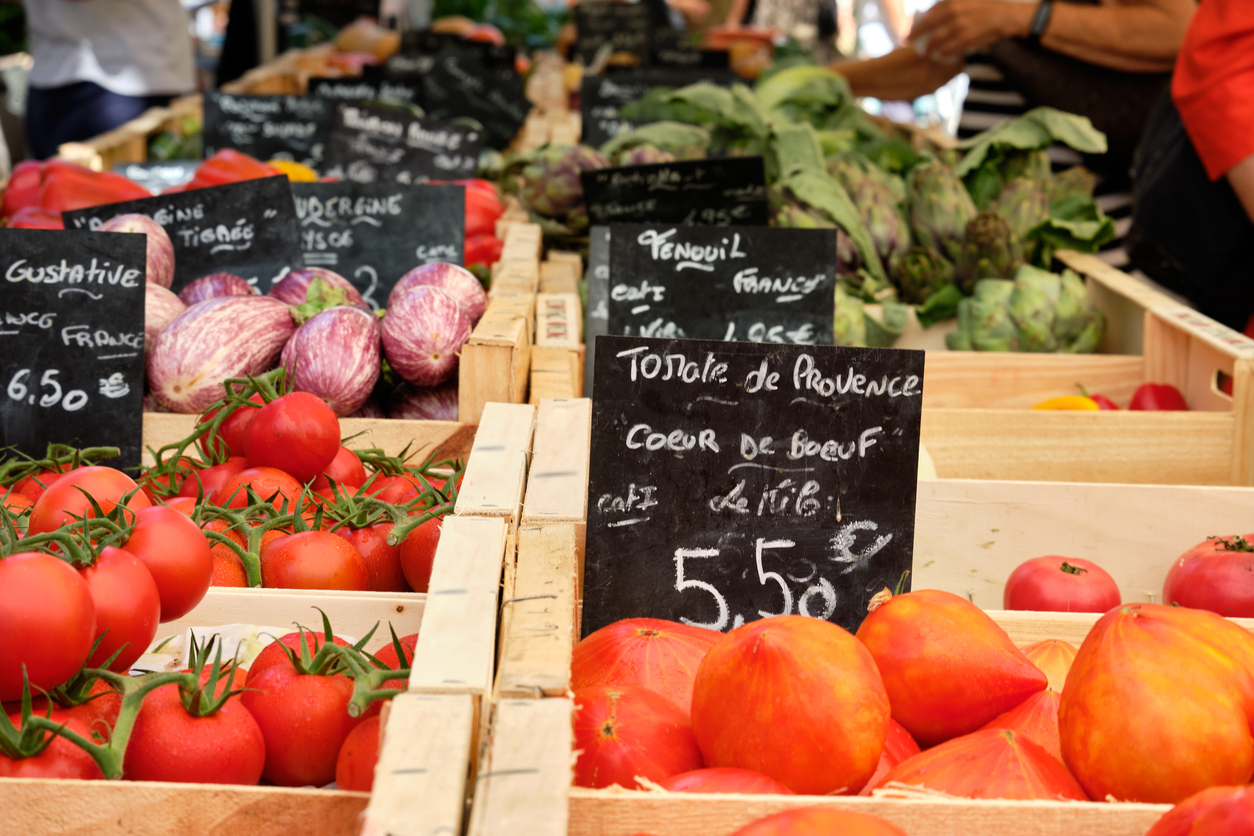
The Best Provençal Markets in the Gulf of Saint-Tropez: Market Days, Local Products and Insider Tips
If you really want to understand the Gulf of Saint-Tropez, go early, bring a straw bag, and follow the scent of ripe peaches and olives to the nearest market. The region’s open-air marchés are where fishermen bring the morning’s catch, where growers from the Maures hills sell goat cheese beside baskets of wild herbs, and where neighbors swap recipes under the plane trees. This guide gathers the most reliable market days, the tastiest local products, and pragmatic tips you won’t find on generic lists—so you can plan mornings that feel both effortless and deeply rooted in place.
For a broader orientation to the villages, landscapes, and rhythms of the area, see this concise Gulf of Saint-Tropez travel guide.
How to use this guide
The Gulf of Saint-Tropez is compact yet remarkably varied. In practice, that means you can visit a famed market like Saint-Tropez’s Place des Lices on a Saturday, then slip across the bay for a quieter Friday morning in Sainte-Maxime, and still be back in time for a seaside lunch. Below you’ll find an overview of market days, followed by deep dives into the most rewarding markets—what they’re best for, where to park, and what to taste first. Practical sections toward the end cover things like payment, etiquette, and easy itineraries if you’re planning a few days of market-hopping.
Market days at a glance
While stalls usually open around 8:00 and wind down by 13:00, exact hours and seasonal presence can shift slightly. Arrive early for the best selection and easier parking. Here’s a quick orientation by town:
- Saint-Tropez (Place des Lices): Tuesday and Saturday mornings year-round; small fish stalls most mornings by the harbor
- Sainte-Maxime (old town): Friday morning; lively craft night markets along the seafront in peak summer
- Cogolin (center): Wednesday and Saturday mornings
- Grimaud (village): Thursday morning, typically around Place Neuve and nearby lanes
- Port Grimaud (canalside): Thursday and Sunday mornings
- Ramatuelle (village): Thursday and Sunday mornings in and around Place de l’Ormeau
- La Croix-Valmer (center): Sunday morning, a generous all-round market
- La Garde-Freinet (inland): Wednesday and Sunday mornings on the main square
- Plan-de-la-Tour (inland): Thursday morning around the village center
- Cavalaire-sur-Mer (southern edge of the gulf): Wednesday morning near the center
Night markets featuring artisans and local crafts bloom across the gulf in July and August, especially in Saint-Tropez, Sainte-Maxime, Cogolin, and Port Grimaud. These are excellent for regional crafts and gift shopping rather than produce.
Saint-Tropez: Place des Lices and the harbor fish stalls
When and where to go
Place des Lices is the photogenic heart of Saint-Tropez’s market life. On Tuesday and Saturday mornings, the gravel square where pétanque clacks through the afternoon becomes a patchwork of striped awnings. Get there by 8:30 if you can; by 10:30, the mid-morning crush lingers between the spice racks and the linen stands. If you’re staying across the bay, the quick passenger ferry between Sainte-Maxime and Saint-Tropez is a stress-free way to avoid traffic and arrive right at the harbor.
What to buy here
Beyond the excellent fruit and veg, this is one of the gulf’s best places for pantry and picnic upgrades. Look for:
- Olives and tapenades: Ask for varieties pressed from Bouteillan, Cayon, or Aglandau olives common in the Var; the green tapenade with a hint of lemon zest is dazzling with grilled fish.
- Artisanal cheeses: Fresh goat’s cheese (chèvre frais) from the Maures hills is often sold in small rounds; try one rubbed with herbes de Provence or cracked pepper.
- Corsé charcuterie: Thinly sliced lonzo and saucisson with thyme and rosemary make simple beach sandwiches sing.
- Herb salts and dried wild thyme: The distinct garrigue aroma—pine, myrtle, and rockrose—finds its way into salts and spice blends that elevate roast chicken.
- Bread and sweets: Fougasse studded with olives or anchovies and rum-laced baba from local pâtissiers. If you spot a cream-filled brioche dusted with sugar—yes, that’s the region’s emblematic tarte tropézienne in individual form.
Insider tips
Parking fills quickly around Place des Lices; if you must drive, aim for the early slots or use the larger lots just beyond the old town and walk a few minutes in. The most relaxed coffee break is to slip off the square to a terrace tucked into a side street: order an espresso, set your bags on a spare chair, and watch locals greet friends by name. After browsing, swing by the harbor fish tables where small boats unload rouget (red mullet), daurade (sea bream), and sometimes sea urchins in the cooler months. Vendors will usually gut and clean fish on request—ask politely and learn the word écailler (to scale) if you’re cooking at home.
Sainte-Maxime: a locals’ favorite by the sea
Market day and location
Sainte-Maxime’s weekly market is a Friday-morning ritual. It spreads through the old town streets near Place du Marché, wrapping around flower stalls and bakeries fragrant with warm loaves. While Saint-Tropez gets the headlines, Sainte-Maxime quietly serves residents with consistently good produce—and you feel it in the friendly prices and unhurried chatter at the stands.
Highlights not to miss
Look for stalls from smallholdings in the hinterland: tomatoes with real perfume, bunches of basil, and sun-thick courgettes ideal for a quick tian. In early summer, cherries pile in deep red pyramids; later, figs soften to jammy sweetness. Honey from the Massif des Maures—lavender, chestnut, or maquis blends—is a thoughtful souvenir that travels well. For a treat, grab a slice of pissaladière (onion tart with anchovies) to eat as you walk, or a still-warm baguette tradition for coastal picnics.
Practical tips
If you’re combining with a trip across the bay, the small passenger boats leave from the port right by the old town; buy your return ticket after you’ve secured your market haul. For drivers, the underground parking near the waterfront typically has spaces earlier in the morning. From late June through August, Sainte-Maxime’s seafront hosts evening craft markets several nights a week; arrive just before sunset for the prettiest light, then wander the promenade while artisans set out ceramics, leather goods, and handwoven baskets.
Cogolin: artisans, briar pipes, and a generous weekly market
Market rhythm and setting
Cogolin’s markets on Wednesday and Saturday mornings occupy streets around the center, with a confident everyday feel. The town has a quietly industrious soul—home to traditional workshops like handwoven rugs and long-established briar pipe makers—and that spirit spills into the market, where household wares share space with excellent food stalls.
What to seek out
On the edible front, you’ll find superb rotisserie chickens dripping juices over potatoes, robust goat’s cheeses, and stalls with marinated olives and sun-dried tomatoes ready for apéro spreads. As the season warms up, melons sweeten and are often sold with free tasting wedges—ask for “bien mûr” if you want one for the same day. You’ll likely spot a stand or two selling locally made knives and sturdy kitchen tools; even if you’re just browsing, it’s worth handling pieces and asking about the wood used for handles (olive and boxwood are common). In late summer, look for grape sellers with small crates of Muscat and table grapes that crunch like honey.
Insider tips
Cogolin is a smart choice if you prefer a market where you can linger without elbow-to-elbow jostling. The cafés around the square are used to regulars; greet the server with a quick “Bonjour” and you’ll blend right in. If you’re heading to the beaches afterward, pick up fougasse and a tub of anchoïade (anchovy-garlic dip), then stash them in a cooler bag with a few peaches—for the full Provençal beach picnic effect.
Grimaud and Port Grimaud: village charm and canal-side browsing
Grimaud village on Thursdays
Perched on a low hill with views toward the gulf, Grimaud’s Thursday market pools around Place Neuve and neighboring lanes, making the most of the village’s soft-stone backdrops. Come for vegetables with field-fresh scent, saucissons from small producers, and seasonal mushrooms when autumn cools the Maures. Bakeries near the square do a fine line in olive bread; ask for a loaf still warm if you’re lucky with timing.
Grimaud's Marché aux Puces
Besides its Thursday Provençal market, Grimaud is also known for its popular Marché aux Puces, one of the best flea markets in the Gulf of Saint-Tropez. Antique dealers, brocante stalls and collectors offer everything from vintage furniture and old Provençal pottery to books, jewellery, paintings and decorative objects. Even if you are not looking to buy, it is an enjoyable place to browse and often rewards patient visitors with unexpected finds.
The flea market complements the weekly food market perfectly, allowing visitors to combine local produce with a leisurely search for unique souvenirs and antiques before enjoying lunch in the picturesque village.
Port Grimaud on Thursdays and Sundays
Down by the water, Port Grimaud hosts a canal-side market on Thursday and Sunday mornings. It’s arguably one of the prettiest settings in the gulf: arcaded bridges, bobbing boats, and pastel facades mirrored in the water. Stalls here skew a little more toward gifts and crafts alongside produce, making it an easy stop if you need lavender sachets or ceramics as well as apricots and cheese. Parking sits just outside the gates; arrive shortly after opening to enjoy the canals in hushed morning light before the day-trippers arrive.
Insider tips
In warm weather, the breeze off the water makes Port Grimaud especially pleasant. For a simple breakfast, buy two croissants and an orange juice from a small stand, then slip into a quiet corner by a bridge parapet and watch the village wake. If you’re planning a full day, pair the morning’s market with an early-afternoon boat tour on the canals, then head inland to Grimaud village for golden-hour views.
Les Issambres: the friendly San Peïre market
The weekly market in San Peïre, the heart of Les Issambres, is one of the area's most pleasant local markets. Held twice a week during the main season, it combines fresh produce, regional delicacies, clothing, household goods and Provençal specialities in a relaxed seaside atmosphere. Compared with the larger markets in Saint-Tropez or Sainte-Maxime, it is easier to park, less crowded and particularly popular with holidaymakers staying nearby.
Fresh fruit and vegetables from local growers, olives, cheeses, rotisserie chickens, artisan honey and lavender products are among the highlights. After browsing the stalls, it is only a short walk to the beach, making it an ideal stop for a leisurely morning before spending the rest of the day by the sea.
Ramatuelle: vines, sunshine, and easy elegance
Market days and mood
Ramatuelle’s Thursday and Sunday markets gather around Place de l’Ormeau beneath resilient plane trees that seem to bottle the gold light. This is a compact, delicious market—nothing flashy, but with deep quality and a village cadence that invites lingering.
What to buy
Beyond produce, look for rosé from nearby estates on the Saint-Tropez peninsula—vendors often offer a quick tasting splash so you can choose between paler and more fruit-forward styles. Summer brings baskets of sun-warmed tomatoes, basil, and aubergines ideal for ratatouille. Prepared foods are strong here; you’ll find provencal dips like tapenade, anchoïade, and sometimes brandade. A wedge of local tomme and a pot of lavender honey tucked into your bag will carry the market’s spirit well beyond the day.
After the market
Ramatuelle is moments from the long arc of Pampelonne, but the best pause after shopping is simply to sit under the trees with a short coffee and share a paper-wrapped packet of beignets if you see them at a stall. The surrounding lanes hold small galleries and a few ateliers, rewarding an unhurried wander.
La Croix-Valmer: Sunday abundance with village warmth
Sunday morning essentials
La Croix-Valmer’s Sunday market is a byword locally for “you’ll find what you need.” It’s generous and family-friendly, with tables laden in flowers and fruit and prepared dishes that sell out by noon. If you’re self-catering, this is an excellent stop to stock the week: consider a whole chicken from the rotisserie, a tub of olives, and a bag of mixed salad greens just rinsed that morning.
Specialty finds
Keep an eye out for organic produce stands—often smaller, sometimes with misshapen but intensely flavored tomatoes and stone fruit. Bread stands carry olive-studded rolls and herb-scented loaves that toast beautifully. Sea salt flavored with wild thyme and fennel pollen makes a compact gift that actually gets used. In late August, you may see early figs and the first hints of autumn mushrooms from the hills.
Practical notes
Arrive by 9:00 for easy parking in the center. The market radiates out from the main square, with enough shade that late morning still feels comfortable. If you need a quick beach fix afterward, the coast is a short drive away, but the best plan is usually to take your goods home and enjoy a long lunch—market mornings reward a slow afternoon.
La Garde-Freinet and Plan-de-la-Tour: inland flavors of the Maures
La Garde-Freinet’s hilltop appeal
Just inland from the coast, La Garde-Freinet’s Wednesday and Sunday markets gather around the village square, setting off the honey-colored stone facades with bundles of wildflowers and late-summer blackberries. This is where you feel the Maures hills most clearly in what’s on offer: chestnut products in autumn (candied marrons, flours for cakes and crêpes), foraged mushrooms when the first rains return, and robust goat’s cheeses that prefer a hearty bread.
Plan-de-la-Tour’s Thursday tempo
Smaller and sleepier, the Thursday market in Plan-de-la-Tour is ideal if you enjoy a slower wander. One of the area’s joys is stumbling on a stall run by a farmer who will chat about a single thing—olive oil, for instance, with notes of cut grass and almond from Bouteillan olives. Tasting side by side with something milder helps you decide what suits your cooking style best.
Why go inland?
Coastal markets are glamorous; inland markets are intimate. Mix both and you’ll leave with a richer picture of the gulf. Bring a small cooler bag—cheeses and delicate herbs thank you for it—and a short list of meals you might cook so you shop with intention.
Seasonal specialties: what’s at its best and when
Spring
Expect green spears of asparagus, baby artichokes, and early strawberries. You’ll also see bundles of fresh herbs and tender lettuces. Early-season rosés begin to show, crisp and pale, perfect for the first lunches outdoors.
Summer
Tomatoes, courgettes, aubergines, peppers—everything ratatouille was born for—plus peaches, nectarines, melons, and cherries. Anchovies and sardines are plentiful and affordable. Goat cheeses are at their most expressive. Look for tapenade and anchoïade for effortless apéros.
Autumn
Figs, grapes, wild mushrooms after rain, and chestnut products from the Maures. Olives arrive for table and oil; some stalls will have new-season oil with an electric green hue and peppery finish. Hearty greens and squash appear as temperatures cool.
Winter
Citrus, hardy greens, pumpkins, and carrots. Fishermen bring in excellent daurade and loup de mer (sea bass). Markets are quieter, mostly locals—still rich in character and produce, without summer bustle.
Buying fish and seafood in the gulf
Where to find the freshest catch
Mornings by the harbor in Saint-Tropez are the place for fish that still smell of sea spray. Ask for rouget, daurade, or small mackerel to grill simply. In season, you may see sea urchins and clams. Vendors will clean fish; if you plan to grill whole, ask them to leave the head on but remove the innards. Bring a small insulated bag with an ice pack in summer; Provence heat and fish do not mix.
Simple cooking ideas
For daurade: score the skin, tuck in lemon slices and sprigs of thyme, rub with olive oil and sea salt, and grill hot. Serve with a salad of tomatoes and basil bought the same morning. For rouget: pan-fry quickly in olive oil and finish with capers and a squeeze of lemon. Keep flavors clean; the point is to taste the sea.
Rosé and winery stalls at the market
How to navigate tastings
Many markets feature stalls from nearby estates, often pouring a chilled sample into small plastic cups. Start with the lightest rosé and move toward fruitier styles; ask about the grape blend (Grenache, Cinsault, and Syrah are common). A good rule: buy one bottle you’ll drink that evening and a second to bring home. Most vendors will wrap bottles well; if you plan to walk in the sun, request an extra sleeve and keep bottles out of direct heat.
Beyond rosé
Whites made from Rolle (also called Vermentino) can be crisp and saline—lovely with grilled fish or a goat cheese salad. A few reds, especially from slightly cooler inland plots, surprise with freshness; ask the vendor what they open at home with a daube (beef stew) or grilled lamb.
Bread, pastries, and pantry staples worth carrying home
Bread to match the produce
Market mornings reward the bread-lover. Seek out:
- Fougasse: tearable, olive-oil rich, sometimes studded with olives, anchovies, or lardons.
- Olive bread: dense enough to support ripe tomatoes and tapenade without collapsing.
- Pain de campagne: the workhorse loaf for cheese and charcuterie.
Sweet treats and keeps
Alongside tarte tropézienne slices, look for canistrelli (a crumbly Corsican-style biscuit that made its way across the water), honey from lavender or chestnut blossoms, and jars of confiture that actually taste like fruit. Spices and herb mixes keep well; salts blended with rosemary and thyme sit beautifully on grilled vegetables long after the holiday ends.
How to talk, taste, and buy like a local
Etiquette in two minutes
Greet vendors with a simple “Bonjour” before asking questions. Don’t squeeze fruit without permission—ask which are ripe for today versus tomorrow. If you’re not sure how much to buy, describe the meal: “Pour une salade pour quatre” (for a salad for four). Vendors will often tuck in a sprig of basil or parsley when you’re buying tomatoes or fish; it’s friendly custom, not a hard rule.
Tasting and choosing
It’s common to be offered a taste of olives, cheeses, or melon before you commit. If you taste, buy something—it doesn’t have to be much. For wine tastes, a nod and “Merci, c’est très bon” goes a long way, and if it’s not your style, a gentle “Peut-être un peu plus fruité?” can lead to the right bottle.
Payment, packing, and storage
What to bring
Carry a tote and at least one reusable produce bag; a compact cooler bag with an ice pack is golden in summer for cheese, fish, and fresh herbs. Small notes and coins speed up transactions; more and more vendors take cards, but not all. If you’re planning multiple stops, buy heavy items at the end or ask the vendor to hold your bag while you fetch something else—many will do so if you’ve already paid.
Storing your finds
Tomatoes, peaches, and basil prefer room temperature; chill only what you’ll eat very cold. Wrap cheese in paper rather than plastic to let it breathe; olive oil keeps best out of sunlight and heat. If you’re traveling home soon, consider vacuum-sealed saucisson or well-wrapped jars, and pack liquids carefully between soft items.
Night and craft markets in summer
Where to go after sunset
From early July to late August, villages around the gulf host evening markets focused on crafts, jewelry, and regional specialties. Saint-Tropez lines its quays with artisan stands several nights a week; the setting alone is worth the stroll. In Sainte-Maxime, the seafront promenade fills with stalls and families post-dinner, a gentle carnival of light and conversation. Cogolin and Port Grimaud also run evening markets on selected nights. These are about ambience and gifts—don’t expect the same breadth of produce as morning markets.
How to make the most of them
Arrive near sunset, and start with a slow loop to see what’s on offer. If you’re choosing ceramics or textiles, ask the maker about their process; you’ll come away with a story as well as an object. For snacks, look for crêpe stands and cones of roasted nuts; for drinks, order a small glass of rosé at a nearby café and take it slowly.
Family-friendly ideas for market mornings
Making it fun for kids
Give each child a small budget and a short mission—choose the week’s fruit, pick a new cheese, or find herbs for roasted chicken. Many vendors will offer a tasting slice of peach or a cube of cheese to curious young faces. End with a stop at a glacier near the square for a scoop of lemon or strawberry; markets are best remembered with something sweet in hand.
Stroller and timing tips
Arrive right at opening for the easiest navigation with strollers. Look for squares with benches under trees where you can regroup; Place des Lices and the centers of Sainte-Maxime and La Croix-Valmer all have shaded perches and fountains where small legs can rest.
Responsible shopping in Provence
Small choices that matter
Ask what’s local and in season; buy strawberries in spring, figs in late summer, and skip imported produce when possible. Bring your own bags, return plastic punnets if a stall reuses them, and favor honey, oils, and preserves from the Var rather than far-flung blends. The gulf’s markets thrive on small producers; a few euros spent well help keep them coming back week after week.
Frequently asked practical questions
What time do markets start and end?
Most open around 8:00 and taper by 13:00, though peak season can stretch setup and teardown by a bit. For the best produce and easiest parking, target 8:30–10:00.
Can I haggle?
Not for food. Prices are fair and margins slim. It’s fine to ask for a small discount if you’re buying multiple linens or a set of bowls at a craft stall, but keep it polite and good-humored.
Are dogs allowed?
Generally yes, on a short lead. Be mindful around cheese and charcuterie stands and avoid peak-hour crowds if your dog is nervous.
What if it rains?
Most markets operate in light rain, though some stalls may skip poor weather. A compact umbrella and early timing help; check with the local tourism office if storms are forecast and you’re making a special trip.
Where do I park?
Space is tight in peak season. In Saint-Tropez, aim for lots just beyond the old town and walk in; in Sainte-Maxime and La Croix-Valmer, central car parks are well signposted. Arrive early or consider crossing the bay by boat for Saint-Tropez market days.
Three easy market-hopping plans
Plan A: The classic Saturday in Saint-Tropez
Be at Place des Lices by 8:30. Buy olives, a loaf of fougasse, tomatoes, basil, and a soft goat’s cheese. Swing by the harbor for fish if you’re cooking. Coffee on a side-street terrace around 10:30, then retreat before the midday swell. Lunch at home with what you’ve found, nap, then an evening stroll on the quays for artisan stands.
Plan B: Friday Sainte-Maxime and canals of Port Grimaud
Start with the Sainte-Maxime market: fruit, herbs, and a rotisserie chicken. Late morning, drive or boat over to Port Grimaud for a canal-side wander and a light lunch. If it’s summer, come back to Sainte-Maxime’s promenade after dinner for the craft market and a nightcap.
Plan C: Inland flavors on a Thursday
Head to Plan-de-la-Tour for a relaxed Thursday morning, tasting olive oils and choosing a chèvre. Continue up to Grimaud village for a view-rich coffee and a loaf of olive bread. If you want a final flourish, drop to Port Grimaud in the late morning for canal breeze and a jar of honey to take home.
A note on choosing the right market for you
Match your mood to the morning
If you live for spectacle and variety, Saint-Tropez on Saturday is a must. If you want a grounded, locals’ feel with very good value, Friday in Sainte-Maxime or Wednesday in Cogolin hit the mark. Lovers of photogenic strolls should try Port Grimaud’s canals or the lanes of Grimaud village; for a hilltop hush and a sense of the Maures, aim inland for La Garde-Freinet or Plan-de-la-Tour.
Checklist: what to buy for a perfect Provençal picnic
Here’s a simple list that never fails:
- A loaf of fougasse or olive bread
- Two ripe tomatoes and a handful of basil
- A small round of fresh chèvre
- A jar of tapenade or anchoïade
- A bag of stone fruit or a ripe melon
- Sea salt blended with herbes de Provence
- A chilled bottle of local rosé (and cups)
Find a shady bench under plane trees or a quiet spot above the water, and you’ve distilled the gulf into a single, perfect meal.
Final thoughts: the markets as a window into the gulf
Markets in the Gulf of Saint-Tropez are less about checking boxes and more about catching the day at its best—when peaches drip, when fish shimmer like coins at dawn, when a vendor slides a sprig of thyme into your bag without a word. Choose a few markets that fit your route, arrive early, and let your plans soften. Every bag you carry back to the car or the boat holds more than ingredients; it carries voices, light, and the tastes that make this corner of Provence feel unmistakably itself.
Planning your next visit? Discover our holiday homes and holiday villas on the Côte d’Azur and enjoy the region’s Provençal markets, charming villages, beautiful beaches and Mediterranean lifestyle.

