

 EN
 NL
 DE
 FR

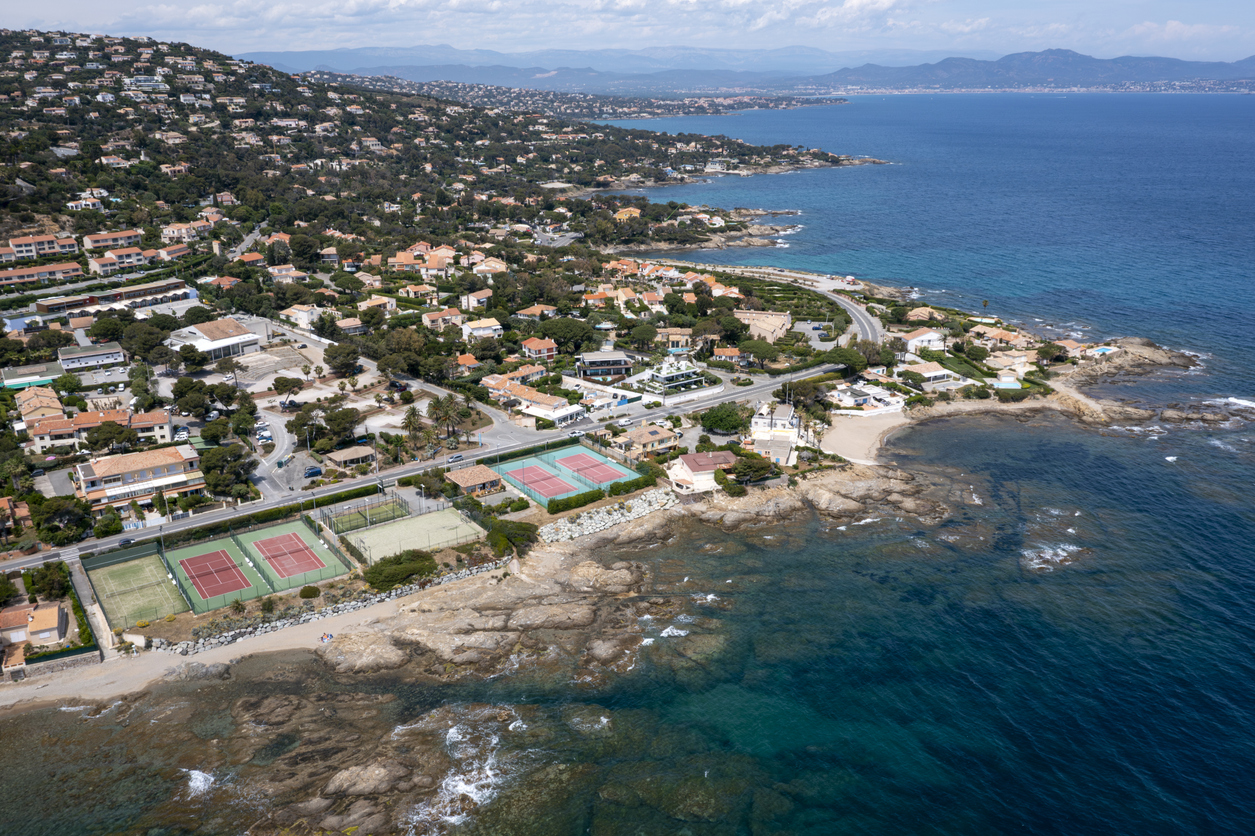
The Best Tennis Clubs in the Gulf of Saint-Tropez: Where to Play During Your Holiday
Between early-morning cicadas and late-afternoon golden light, the Gulf of Saint-Tropez is as much a tennis destination as it is a seaside escape. Courts here sit beneath umbrella pines, tucked into village sports complexes, and within earshot of the sea—inviting a holiday rhythm of a dawn hit, a swim, and a chilled glass of rosé by noon. Whether you’re after a casual rally with friends, a summer “tournoi open,” or a junior clinic for the kids, the Gulf’s towns—from Saint-Tropez and Ramatuelle to Sainte-Maxime, Grimaud, and beyond—offer welcoming clubs, practical amenities, and a quietly competitive culture that makes it easy to keep your game sharp while you’re away.
For a broader sense of the area’s neighborhoods, distances, and ambience as you plan your playing days, see this concise regional overview: Gulf of Saint-Tropez travel guide.
How to Read the Gulf: A Quick Orientation for Players
Think of the Gulf of Saint-Tropez as a generous arc. On the southern curve sit Saint-Tropez, Gassin, and Ramatuelle, whose courts are framed by pine forests and sandy tracks leading to Pampelonne. Turning clockwise inland, Cogolin and Grimaud host reliable year-round municipal complexes popular with locals. Across the water, Sainte-Maxime anchors the northern shore with a busy tennis culture and plenty of playable hours even in shoulder seasons. Les Issambres and the coastline toward Fréjus offer breezy, sea-adjacent courts that pair nicely with a beach morning or an evening swim at a calanque. Each micro-area has its own tempo: Saint-Tropez thrives in July–August buzz, Ramatuelle is all about pre- and post-beach sessions, while Sainte-Maxime and Grimaud deliver availability and programming beyond high summer.
Distances are manageable: most clubs are within a 10–25 minute drive of each other outside peak traffic, and you can easily build a week of varied surfaces and settings without ever driving far. If you’re traveling in July or early August, simply plan around traffic windows and heat: play at sunrise or late afternoon, break for lunch, then drift to the beach or a shaded café.
Surfaces and Seasons: What to Expect
The Gulf’s clubs primarily offer clay (terre battue) and resin/hard courts, with a growing cluster of padel courts at several complexes. Clay dominates in Ramatuelle, Saint-Tropez, and Sainte-Maxime; hard and resin surfaces are common in Grimaud, Cogolin, and along the northern curve. Summer maintenance is solid—courts are generally well-watered early and late, with midday bookings possible but hot. Shoulder seasons (May–June, September–October) are superb for tennis: warm enough to play in the mornings, with light-filled evenings and lighter booking pressure. Winter play is very much alive in larger towns like Sainte-Maxime and Cogolin, often with local leagues and social ladders that welcome short-term visitors for friendly hits if you ask at the clubhouse.
For tournaments, keep an eye out for “tournois open” posted on club noticeboards and social channels. July and August are peak months for junior stages (camps) and club tournaments that range from beginner-friendly to FFT-ranked events. If you’d like a slot, consider registering in advance or speaking to the club at least a few days before; even if the draw is full, coaches often help visitors line up practice matches at compatible levels.
Saint-Tropez: Classic Courts Under the Pines
Saint-Tropez’s tennis scene reflects the village’s character: lively, social, and set in a landscape that makes even a simple rally feel cinematic. You’ll find courts nestled between village streets and the roads that drift toward sandy coves. Arcing serves echo through the pines in the early hours, when locals squeeze in a set before the market opens on Place des Lices and day-trippers arrive.
Tennis Club de Saint-Tropez: Setting and Vibe
The main municipal club serves as a friendly hub for both residents and visitors, with a mix of clay and hard courts, simple on-site amenities, and a staff that’s used to hosting holiday players. Arrive early to catch the best light and gentlest temperatures. In high summer, you’ll hear a blend of French and Italian across adjacent courts, alongside visitors from Northern Europe finding their match rhythm after a travel day. Organized activities tend to spike in July–August: ad hoc doubles, junior clinics, and casual mixers that make it easy to meet partners. If you’re traveling as a pair, the club is a convenient first stop to ask for match play at your level.
Booking, Coaching, and Juniors in Saint-Tropez
Booking is typically handled via phone or in person at the clubhouse, and many clubs also use France’s Ten’Up system for reservations and federation paperwork. Coaching is attainable even with short notice in shoulder season; in peak weeks, request a slot a few days ahead. If your junior player is keen, look for half-day “stages” running Monday to Friday—these often include drills, point play, and a mini-tournament on Friday morning, leaving afternoons free for the beach. Rackets are easy to rent, but bring your own grips and preferred strings.
After-Tennis: Simple Pleasures a Short Stroll Away
Post-session, wander back into the village for coffee and a slice of Tarte Tropézienne from the original bakery of the same name—a classic pairing with a cooling Perrier or an apricot juice. On market days (typically Tuesdays and Saturdays), a quick browse on Place des Lices after your morning hit can turn into an impromptu picnic: tomatoes, chèvre, local bread, and a punnet of figs, all enjoyed under the plane trees.
Ramatuelle and Pampelonne: Beach Mornings, Clay Evenings
Playing in Ramatuelle is about timing: get your laps in the sea at Pampelonne after sunrise, hit the clay once the courts are watered, then return to the beach in late afternoon when the light softens and the cicadas hum.
Courts Near the Village and the Route des Plages
Ramatuelle’s municipal courts are split between village-side settings and spots closer to the Route des Plages. Expect classic southern French clay, ringed by pines and low stone walls, with decent shade near fences for water breaks. When the mistral picks up, these courts can actually play beautifully: the air is crisp and the ball moves fast, while the clay remains grippy if properly watered in advance. Parking is straightforward compared to beach lots, and it’s a pleasant hop to morning espresso in the village afterwards.
Summer Tournaments and Casual Hitting
July brings “tournois open” that pull a friendly local crowd. Visitors are welcome—just ask about sign-up windows and whether you need FFT licensing or a medical certificate. If organized play isn’t your thing, stop by in the early evening and ask the desk about pairings; doubles courts often free up around 18:00 as families drift to dinner. Kids’ clinics here tend to be lighthearted and social, with coaches folding in simple French phrases and games to keep the mood relaxed.
Nearby Beach Cafés for a Gentle Recovery
After an evening set, the roads to Pampelonne are quieter. Pick a low-key beach café for a straightforward carpaccio, grilled fish, or a salad Niçoise. If you prefer a quick bite, keep an eye out for seaside kiosks that serve lemon granita and simple pan bagnat—perfect after a long rally day.
Gassin and Cogolin: Central, Practical, and Year-Round
The Gassin–Cogolin area is a sweet spot for visitors who value reliable availability and a community feel. Clubs here tend to offer a balanced mix of clay, resin, and increasingly, padel. Being central means you’re never far from either shore, and traffic is kinder than in the tight lanes closer to Pampelonne.
Tennis Club de Gassin: Calm and Consistent
Gassin’s courts sit amid gentle greenery, with a calmer pulse than Saint-Tropez. It’s a good base for confidence-building hits after a few days off-court. During shoulder seasons, late morning bookings are often available without fuss, and you’ll meet a blend of retirees, local teenagers, and visiting couples rotating through friendly sets.
Cogolin: Courts, Padel, and Community
Cogolin’s municipal complex is tidy and active, with coaches who often run small-group clinics across varying levels. Padel is very present here; if you’ve never tried it, ask about social evenings where newcomers can jump in without feeling out of place. The pro desk can usually set you up with rental paddles and balls, and you’ll find simple shade and seating for recovery between matches. Cogolin is also a good bet for off-season restringing—clubs and nearby sports shops typically offer quick turnarounds.
Grimaud: Village Charm and Quiet Morning Sets
Grimaud’s tennis spaces feel distinctly Provençal: rosemary-scented breezes, olive trees beyond the fences, and birdsong as your soundtrack. The main sports complex serves locals year-round and is seasoned at welcoming holiday players, especially families staying nearby in the hills.
Les Blaquières Sports Complex: Practical and Friendly
Grimaud’s courts at the Les Blaquières area offer a straightforward setup—parking, a friendly reception, and a mix of surfaces that play well in the morning shade. Coaches here tend to be punctual and pragmatic: warm-up drills, targeted footwork, and lots of rally time so you leave sweaty and satisfied. Even a single tune-up lesson can pay off for the week, especially if clay isn’t your usual surface back home.
Family Sessions and Junior Fun
In peak season, look for mini-tournaments on Fridays that wrap up the weekly junior stages, complete with simple medals, lots of applause, and a palpable sense of achievement. Mixed-level family sessions are common too: 90 minutes with rotating courts for parents and kids, a good option if you want court time without over-structuring the day.
Sainte-Maxime: A Lively, Year-Round Tennis Scene
Sainte-Maxime is one of the most reliable places in the Gulf to secure a good court at almost any time of year. The town’s tennis culture is active, friendly, and anchored by a well-run municipal club where early reservations are rewarded with pristine morning clay and a social buzz at check-in.
Main Municipal Club and Les Bosquettes Complex
Sainte-Maxime’s primary tennis center sits within a larger sports complex often referred to by locals as Les Bosquettes. Expect several clay courts tended early, plus some resin or hard courts for those who prefer a quicker bounce. Midsummer mornings see a convivial rush of regulars, followed by a lull during lunchtime heat, then a second wind around 17:30 as shade returns. The pro desk is adept at fitting in visitors for both casual bookings and one-off lessons.
Padel, Cardio-Tennis, and Social Mixers
Padel has caught on swiftly in Sainte-Maxime. If you’re curious, ask about beginner social sessions; the game’s doubles format makes it easy to join. Cardio-tennis offerings pop up in summer—good music, fast feet, and an hour that feels like twenty minutes. Mixed doubles mixers are common on certain evenings, offering a friendly intro if you’re looking for partners at a similar level.
Where to Refuel: Market Mornings and Smoothie Stops
On market mornings, plan a post-tennis stroll to pick up sun-warmed tomatoes, olives from the Maures, and a loaf from one of the town’s reliable boulangeries. If you prefer a lighter recovery, look for juice bars not far from the seafront serving cold-pressed options and simple salads. An iced espresso and a flaky fougasse can be a very effective between-sets strategy.
Les Issambres: Sea Breezes and Easy Pairings
Les Issambres sits between Sainte-Maxime and Fréjus, with a coastline laced by small coves and a relaxed demeanour that suits unhurried tennis. The local courts attract beachgoers who like to split mornings between a swim and a set, then linger for sunset at a calanque.
Coastal Courts and Sea-Breeze Sessions
Municipal courts here are close to the D559 coastal route, usually with easy parking outside peak mid-day hours. Early evening brings a welcome breeze; if you’re new to clay, you’ll appreciate the slightly slower bounce as temperatures drop. Lighting is typically decent for the first hour after sunset in summer, so you can play dinner-late without feeling rushed.
Pairing Play with Calanque Swims
Make a simple loop: warm up, play for an hour, then cool down at a nearby beach like La Gaillarde. A quick plunge does wonders for recovery, and you can be showered and back at a terrace table in time for grilled sardines and a chilled glass from the Var.
La Croix-Valmer: Woodland Courts and Hillside Air
La Croix-Valmer’s slopes look out toward Cap Lardier, and the local courts reflect that half-woodland, half-seaside personality. It’s a lovely option if you enjoy quieter facilities surrounded by umbrella pines, with the scent of resin rising from the court fence in the afternoon sun.
Woodland Courts, Sunset Hits
Expect a mix of surfaces and a strong end-of-day window as sun angles lower over the Massif des Maures. If you’re a photography-inclined player, bring a small camera: the backdrops here—pines, hills, and slivers of sea—lend even a casual doubles game an elegant stage.
Trails for Cross-Training
On rest days or between sessions, explore the walking paths above Gigaro for gentle elevation and shade. Twenty to thirty minutes of brisk hiking before your set changes how your legs feel on clay—the footwork seems to “arrive” more quickly, and you’ll slip less on wide forehands.
Practical Booking Tips Across the Gulf
You’ll find three principal ways to book: desk or phone reservations directly with the clubhouse; the Ten’Up app (widely used by FFT-affiliated clubs) for digital slots and sometimes tournament registration; and walk-ins when the schedule is light. If you don’t see availability online, call anyway—maintenance adjustments or cancellations open windows that apps don’t always show in real time.
Timing, Waitlists, and Local Rhythm
In July and early August, aim for sunrise or post-17:00 bookings; ask about a waitlist if your preferred hour is taken. Shoulder seasons are forgiving, though weekends can still be lively. Watch for days when mistral winds sweep through—some players cancel, opening same-day opportunities that are delightful if you like crisp, fast air.
What to Pack: A Comfy, Clay-Ready Kit
Clay is kind to joints but asks for a little prep:
- Two pairs of shoes—one for clay, one for streets/beach. Clay outsoles (herringbone) grip and clean best.
- Extra overgrips; humidity and seaside sweat chew through them quickly.
- High-SPF, non-greasy sunscreen; a cap; and a light towel.
- Electrolyte tabs or powder; even short sessions can be dehydrating.
- Spare strings, especially if you play with polyester at low tension—it softens in heat.
Restringing is typically available through club contacts or local sports shops in larger towns like Sainte-Maxime and Cogolin. Overnight turnarounds are common in shoulder season; in high summer, allow 24–48 hours if you can.
Coaching, Clinics, and Junior Stages
Most clubs around the Gulf run seasonal coaching plans: one-off private lessons for technique tune-ups; small-group clinics that focus on serves, returns, and points; junior “stages” (often Monday–Friday, mornings); and friendly match-play ladders for adults. If you’re bringing kids, ask about language mix and age brackets—coaches routinely blend English and French and are excellent at organizing games that keep mixed-level groups engaged.
How to Choose a Program That Fits
Decide what you want from the week: confidence on clay, more aggressive returns, or simply playful holiday tennis. For a gentle re-entry, book a 60-minute private early in the trip; for competitive energy, add a small-group clinic midweek. Juniors who already train at home thrive with two or three stage mornings plus a Friday mini-tournament; new players do well with “multisport” mornings that fold in fun footwork and simple scoring games.
Finding Playing Partners: Social Tennis, Ladders, and Padel
Beyond club mixers, you’ll meet partners by asking the desk for a pairing board or WhatsApp group. In July–August, many clubs maintain informal lists by NTRP/FFT equivalents; state your level and preferred hours. Padel can be a low-friction entry point: sign up for a social slot, meet other players, and you’ll often be invited to a tennis hit the next morning. Doubles dominates evenings, especially in Sainte-Maxime and Cogolin, where regulars welcome newcomers who know basic doubles positioning and are happy to rotate every couple of games.
Etiquette, Dress Codes, and Local Tennis Culture
Dress codes are relaxed but tidy: tennis shoes, light tops, and hats are the norm. Clay courts appreciate small courtesies—brush your court after play, pick up balls and water bottles, and reset scorekeepers to zero. If you’re late, pop by the desk to let them know; turnover is tight in summer, and a quick heads-up keeps things friendly. You’ll notice a gracious rhythm: people greet each other, exchange a few phrases, and move on with smiles. Bring that cadence to your own matches and you’ll fit right in.
Useful Phrases on Court
- “On balaie?” (Shall we sweep?)
- “On change à 2/4?” (Change sides at 2/4?)
- “Avantage / Égalité” (Advantage / Deuce)
- “Bonne balle!” (Great shot!)
Even simple bonjours go a long way: say hello when you arrive, merci when you leave, and you’ll feel part of the scene within a day.
Rain, Mistral, and Heat: Playing the Elements
Rain is sporadic in summer; clay becomes unplayable for a stretch after heavy downpours but dries quickly in breeze and heat. The mistral—a northwesterly wind—shows up clear and cool, making balls fly but also sharpening focus. Embrace it: aim higher over the net when playing into the wind and drive flatter when hitting with it. For heat, the golden rules are early or late sessions, pre-hydration, and conservative expectations for high-noon play—keep those slots to light drills or short sets under shade. Many clubs have small fridges with chilled water; bring a reusable bottle and refill frequently.
Costs, Passes, and Value Tips
Court fees vary by town and surface but hover in a comfortable zone for holiday play. You’ll typically pay by the hour with a small supplement for lights after sunset. Some clubs offer multi-session passes valid for a week or two, which can be a good value if you plan daily hits. Coaching rates reflect the season—shoulder months can be pleasantly affordable; high summer carries a premium, especially for prime hours. Balls and grips are often available at the desk at standard retail prices; bulk-buy before arrival if you’re picky about your brand and feel.
To stretch your budget without feeling constrained, mix formats: one private lesson to reset technique, a social mixer to meet partners, then a few casual bookings for self-led drilling. If you’re padel-curious, social sessions are cost-effective and social by design, ticking both exercise and connection boxes in one go.
Where to Re-Fuel: Simple, Local, and Close to Court
The joy of tennis in the Gulf is how easy it is to eat well, fast, and close by. In Saint-Tropez, a quick stop for a slice of Tarte Tropézienne or a goat-cheese tartine is a classic post-session treat. Sainte-Maxime’s morning markets make an ideal snack run—stone fruit, local cheeses, and a baguette you can tear by hand while cooling down on a shaded bench. Near the Gassin–Cogolin zone, low-key cafés serve omelettes and salads that are light enough for an evening set. In Ramatuelle, beachfront kiosks offer lemon granita that cools you down without weighing you down before dinner.
A Three-Day Tennis-Friendly Holiday Plan
If you’re here for a long weekend or want a gentle structure for the first days of a longer stay, this plan balances play, rest, and a sense of place.
Day 1: Settle In and Find Your Rhythm (Sainte-Maxime + Beach)
- Early morning: 60-minute tune-up lesson on clay in Sainte-Maxime to adjust movement and timing.
- Late morning: Coffee and a market stroll; pick up fruit, olives, and bread.
- Afternoon: Beach time; light swim and nap.
- Evening: Gentle doubles; finish as the lights come on.
Day 2: Coastal Switch-Up (Les Issambres + Sunset)
- Early swim at a calm cove, then a 90-minute hit at Les Issambres as the breeze rises.
- Lunch: Simple grilled fish or a salad at a seaside terrace.
- Late afternoon: Walk a short coastal stretch, stretch your calves and hips.
- Evening: Padel social in Cogolin if you’re curious, or a relaxed dinner and an early night.
Day 3: Pines and Clay (Ramatuelle or Saint-Tropez)
- Morning: Clay session in Ramatuelle; focus on depth and angled cross-courts.
- Midday: Fruit and granita; keep it light.
- Late afternoon: Swim at Pampelonne; float, stretch, and let everything recover.
- Evening: Casual set near Saint-Tropez; stroll into the village for a simple dessert.
Rotate towns from there—Grimaud for a midweek private, Gassin for a quiet doubles evening—and you’ll sample the Gulf’s different textures without over-scheduling.
For Families and Mixed-Level Groups
The Gulf is excellent for families because most clubs are municipal, laid-back, and happy to structure time across levels. Book adjacent courts if you’re a mixed-ability group; let stronger players drill while beginners play service-box games and short-point King of the Court. Many coaches offer 30-minute junior “intros” that teach scoring and safe footwork—very handy before your first family doubles. Plan snacks and shade ahead of time: sliced peaches, almonds, and chilled water beat a heavy lunch if you have afternoon play on the books.
Technique Tweaks for Clay Holiday Tennis
If you’re new to clay, a few simple adjustments smooth the learning curve:
- Higher net clearance on rally balls; accept a longer point.
- Slide into wide balls only when balanced; otherwise, stutter-step and plant.
- Serve to the body more often; returns on clay sit up and can be attacked if you’re predictable.
- Use the drop shot sparingly and early—great on a hot day when legs feel heavy.
For doubles, prioritize lobs over threading needles down the line; clay makes topspin lobs a high-percentage disruptor, especially into the late-afternoon sun.
Local Quirks That Make Play Easier
A few Gulf-specific notes from regulars:
- Bring coins or a small card: some lighting meters and vending fridges still prefer simple payments.
- Arrive five minutes early in July: popular courts turn over like clockwork.
- Ask about maintenance windows: freshly watered clay plays beautifully but can be slick for a minute; wait for the top to settle.
- Keep a soft brush in your bag for shoes; it saves your car floor mats.
Respecting the Setting
The Gulf’s clubs are embedded in residential and natural areas—keep noise low if you’re near homes, dispose of bottles properly, and be mindful of parking, particularly around small village courts. If you’re playing near protected coastal zones, stick to established footpaths and avoid brushing clay dust directly into wild plantings. It’s a small courtesy that keeps these spots idyllic for the next set of visitors.
Choosing Where to Play: A Simple Cheat Sheet
If you want energy and plenty of partners, start in Sainte-Maxime. If you crave pine-scented clay and a beach adjacency, aim for Ramatuelle and Saint-Tropez. For consistent availability and a community feel, Gassin and Cogolin deliver. If you love a quiet village ambience, Grimaud is a happy place to start your day. And if you’re determined to pair every set with a swim, Les Issambres and La Croix-Valmer are hard to beat.
Final Notes
The Gulf of Saint-Tropez rewards players who plan just enough to secure the right times, then let the setting do the rest. Build around cool hours, mix in a lesson or a social fixture, and keep afternoons open for the sea. The court quality is there, the coaching is there, and the local tennis culture is a gentle blend of friendliness and respect for the game. Come with fresh grips, curiosity, and a readiness to sweep your baseline after match point—you’ll leave with a smoother slide, a more patient rally ball, and a handful of stories that smell faintly of pine and red clay.
Planning a tennis holiday on the French Riviera? Discover our holiday homes and holiday villas on the Côte d’Azur and enjoy easy access to excellent tennis clubs, beautiful beaches and the Mediterranean lifestyle.

