

 EN
EN  NL
NL
 DE
DE
 FR
FR

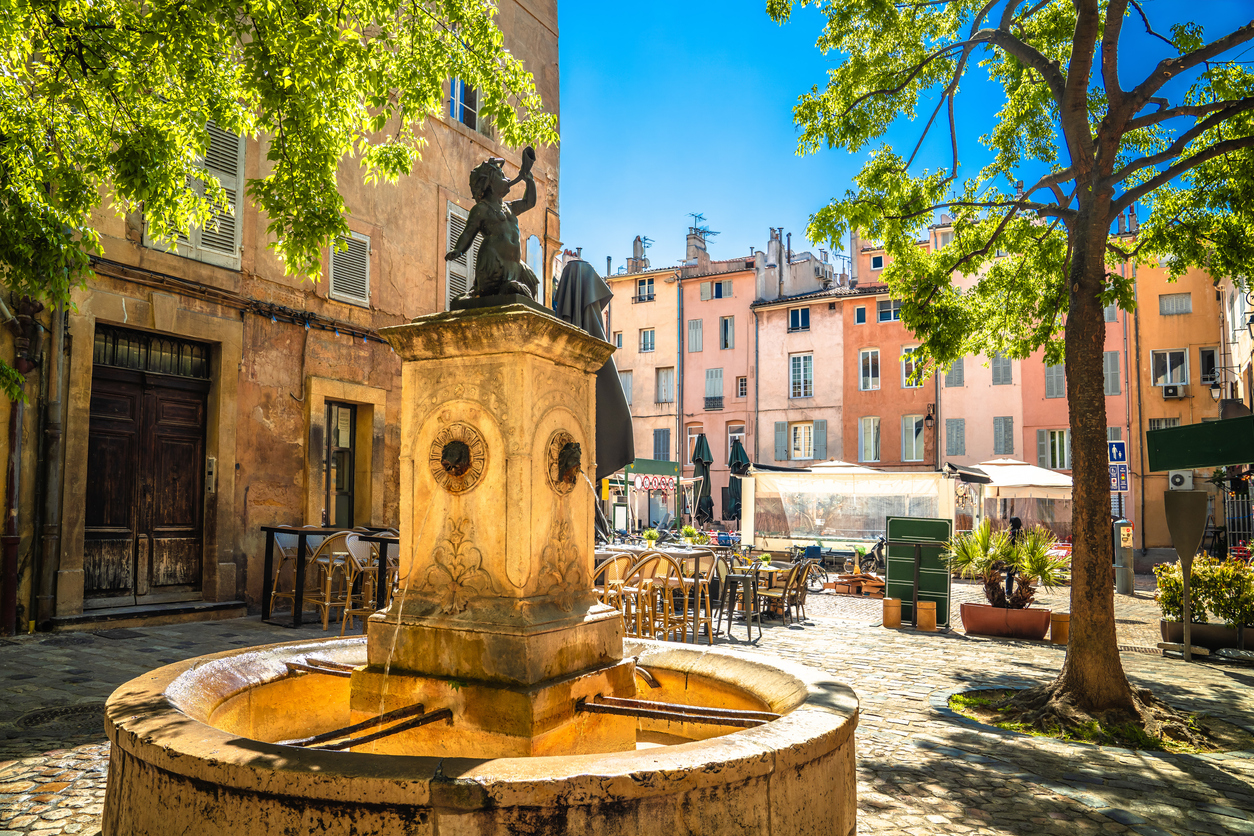
Bicycle Day Trips in Grimaud | French Riviera Cycling
Grimaud is one of those Côte d’Azur bases that rewards curious cyclists. Set between the still waters of the Gulf of Saint-Tropez and the forested folds of the Massif des Maures, it serves up a rare mix: cobbled medieval lanes leading to castle ruins, reed-fringed wetlands alive with herons, vineyards that blush at sunset, and mountain roads scented with cork oak and pine. Whether you prefer a gentle spin to Port Grimaud’s canals or a lung-opening climb toward La Garde-Freinet, there’s a day ride that fits your legs and your mood. This guide lays out the best routes, when to ride them, what to bring, and the small local touches—like the stone aqueduct at the Pont des Fées—that turn a mere ride into a Riviera memory.
For a broader sense of the landscapes, villages, and coastal roads that make cycling on the Riviera so special, you can the Grimaud area in more detail here.
Why Grimaud Is a Cyclist’s Sweet Spot
Grimaud’s setting makes day trips practical and varied. The historic hilltop village, with the Château de Grimaud crowning it, sits just a few kilometers inland from the coastal flats around Port Grimaud and Cogolin. That means you can plan an easy, mostly flat loop close to the sea, a rolling vineyard ride, or a sustained climb into the Maures—all starting from the same doorstep.
Road quality is generally good, with more than a few quiet, narrow lanes tucked behind the main arteries. You’ll find segments of designated cycle lanes closer to the coast, especially near the D559 corridor, and traffic is lighter inland once you get off the principal roads. The variety extends to culture and nature: one moment you’re crossing a stone bridge toward a 16th-century aqueduct, the next you’re coasting along reed beds in the salt meadows of the Giscle River. Add in a friendly café culture in both Grimaud village and Port Grimaud, and you’ve got a solid base for several ride-filled days.
When to Ride: Seasons, Wind, and Timing
Spring and late autumn are the sweet spots for temperature and traffic. April to early June offers wildflowers in the Maures and mild days. Late September into October brings golden vineyard light and still-warm afternoons. July and August bring heat and busier roads; if you ride then, start early, plan your shaded stops, and finish before the afternoon peak. Winter can be crisp and clear, and while some cafés take a seasonal pause, the empty roads are a treat.
Wind matters. The Mistral can show up from the northwest, drying and cooling the air but also tightening your grip on the bars. Coastal breezes often pick up in the afternoon, so aim your return to benefit from a tailwind. If your route heads into the Maures, remember that shade under cork oaks can lower temperatures noticeably—add a light layer if you’re descending late in the day.
What to Ride: Road, E-Bike, or Gravel
Most routes here are ideal for a road bike or a comfortable hybrid, and e-bikes make the hills accessible without turning the day into a slog. For climbs toward La Garde-Freinet and Collobrières, fit sensible gearing. Gravel or wider tires open up options on certain vineyard lanes and forestry pistes, but always respect signage and closures; some tracks are private or temporarily off-limits during high fire risk periods.
If you’re renting, you’ll find options in and around Grimaud village and Port Grimaud, including e-bikes, road bikes, and family-oriented hybrids. Check opening hours in the shoulder season, and confirm whether helmets and repair kits are included.
Safety and Local Etiquette
A few reminders and local quirks make your day smoother:
- Helmets: Common sense and strongly recommended.
- Road priority: On small lanes, France’s “priorité à droite” can still apply—vehicles entering from the right may have priority unless marked otherwise. In practice, ride defensively at intersections.
- Lights and visibility: A small rear light helps in shaded sections and during early starts or late returns.
- Water and sun: Refill whenever you can. Look for village fountains marked “eau potable” and bring sunscreen; shade can be scarce by the coast.
- Forest access: The Var issues daily maps during summer for forest access due to fire risk. Obey closures and avoid spark hazards in the Maures.
- Wildlife and nature: In the wetlands around the Giscle, ride slowly if you’re spotting birds, keep to marked paths, and give space to walkers.
Route 1: The Medieval Heritage Spin around Grimaud
Distance: 12–18 km, Elevation gain: 250–350 m, Difficulty: Easy to moderate
This gentle loop starts and ends in Grimaud village and strings together the kind of sights that make you glad you brought a bike instead of a car. You’ll visit the castle ruins, roll to the Pont des Fées, pass chapels tucked under stone pines, and climb briefly to the windmill on the ridge.
Highlights
Begin in the village center and glide up toward the Château de Grimaud. The final approach is steep on cobbles; walk the last meters if needed. The view takes in the entire gulf, with the maze of Port Grimaud’s canals below. From here, drop gently and follow signs for the Pont des Fées—the “Bridge of Fairies”—part of a centuries-old aqueduct that once brought water into the village. In spring, the ravine below hums with insects and the sound of water under the stonework.
Continue on small lanes past the Chapelle Saint-Roch (a photogenic pause at golden hour) and loop to the Moulin Saint-Roch windmill. Restored and perched among the garrigue, it’s a classic Riviera vignette: rough-stone tower, blue sky, and scent of wild thyme.
Navigation and Tips
Use village lanes to exit toward open countryside; signage to “Pont des Fées” and “Moulin” is clear. Expect short 8–12% ramps in places—gearing and patience help. Mid-morning or late afternoon offers the best light and quieter paths around the aqueduct trailhead.
Café and Photo Stops
Choose a terrace on Place Neuve before or after the loop. For photos, the castle’s orientation table and the windmill ridge at sunset are prime. Pack a small lock if you want to step off for a longer look at the aqueduct trail.
Route 2: Port Grimaud and the Salt Meadows
Distance: 15–25 km, Elevation gain: Minimal, Difficulty: Easy
This is the go-to coastal ride if you want scenery without serious climbing. From Grimaud, descend toward the gulf on quiet connectors and join the corridor that leads to Port Grimaud. Its creator, François Spoerry, imagined a “Provençal Venice” of canals, pastel façades, and moorings at the doorstep—a cyclists’ treat if you arrive early, before the day wakes fully.
Highlights
Make your way to the edge of Port Grimaud and stroll your bike across one of the wooden footbridges to admire the boats and shutters reflected in the water. A few minutes toward La Foux roundabout brings you to the salt meadows along the lower Giscle—an underappreciated slice of nature in an otherwise lively resort zone. Keep your eyes peeled for little egrets, reed warblers, and the occasional grey heron stalking the shallows. In soft morning light, the reeds glow, and the scent of brine and tamarisk drifts over the path.
Market Days and Rhythm
If you time it right, Port Grimaud hosts vibrant markets, typically on certain mornings each week. Rolling in early, doing a quiet lap, and grabbing a croissant from a bakery by the main square before the bustle sets in is a simple pleasure. Confirm current market days locally; schedules shift seasonally.
Variations
Add a gentle extension along the coastal corridor toward Sainte-Maxime and turn back when you’ve had your fill of sea views. Families enjoy this route for its flat profile and easy access to snacks and shade near the water.
Route 3: Vineyards of the Gulf Plain
Distance: 28–40 km, Elevation gain: 250–400 m, Difficulty: Easy to moderate
This loop is all about vine rows, ochre soil, and the play of light between plane trees. Start from Grimaud and aim for the plains around La Foux and the outskirts of Cogolin, threading together secondary lanes that skirt vineyard boundaries. The riding is gently rolling; you’ll rarely see extended climbs, and there’s always another line of cypresses around the bend.
Highlights
Look for subtle estate markers as you pass domaines known for rosé. Some offer tastings; if you stop, do so responsibly and build in a longer rest. A particularly pretty stretch follows a lane lined with umbrella pines that arcs toward hills dotted with olive trees. In late summer, tractors pull through the rows while cicadas pulse in the heat.
Navigation and Tips
Some vineyard lanes are private; signs typically indicate if access is restricted. Stay on public roads and respect gates and tracks marked as service routes. The joy here is not speed but immersion: pace yourself and take in the textured patchwork of vines, stone walls, and farmhouse silhouettes. If mistral gusts rise, the vines offer surprising shelter.
Good Places to Pause
Small village squares on the Cogolin side provide shaded benches and fountains. Pack fruit and a baguette for a vineyard-edge picnic—and carry out every crumb. Late afternoon gives the vines a soft copper tint that photographers adore.
Route 4: La Garde-Freinet via the Col de Vignon
Distance: 36–55 km, Elevation gain: 800–1,100 m, Difficulty: Moderate to challenging
For riders who want a proper climb, this classic route trades sea views for the wild heart of the Maures. From Grimaud, head inland toward La Garde-Freinet, cresting the Col de Vignon. The gradient is civil, the curves are friendly, and the scent of cork oak and rockrose accompanies you all the way up.
Highlights
On the village edge, pick up a steady rhythm; the climb is a metronome rather than a punchy test. Near the top, the forest opens occasionally to reveal the gulf in miniature. La Garde-Freinet itself rewards a slow roll: narrow streets, planed chestnut boards set out at artisan workshops, and a subtle mountain-village calm. If you have spare legs, a short side hike leads to the remains of Fort-Freinet on a rocky outcrop—a glimpse into the region’s defensive past and a vantage over ridges that roll like waves.
Navigation and Descent
Climb, coffee, and retrace is the simplest option. Confident riders can make a loop, returning via different lanes to add variety. The descent asks for attention—shade and filtered light can hide gravel at the apex. Keep your line wide and your eyes up.
Local Flavor
Chestnuts are part of the Maures’ story; if you ride in autumn, you’ll notice them drying by doorways and showing up in pastries. Bring a light gilet; at altitude the wind can bite even on warm days.
Route 5: Coastal Rollers to Sainte-Maxime
Distance: 30–45 km, Elevation gain: 250–450 m, Difficulty: Easy to moderate
When the sea calls, set out from Grimaud, pick up the coastal corridor, and roll toward Sainte-Maxime. You’ll find a patchwork of cycle lanes and shoulder space along this axis, interspersed with pullouts where the gulf opens and fishermen tend lines off the rocks.
Highlights
Between Port Grimaud and Sainte-Maxime, the light can be remarkable—ripples sparkling close enough to hypnotize. On a calm morning, you’ll catch the reflection of hilltop villages in the bay. If you push beyond town a bit, the road undulates gently around coves and beaches, and the aroma switches from brine to umbrella pine.
Timing and Tips
Go early. By mid-morning in summer, traffic grows and the breeze hardens. Weekdays in shoulder season feel very different—still, focused, and friendly to casual spins. Use every marked bike lane on offer and don’t be shy with hand signals; they’re appreciated here.
Food and a Swim
Pack a light towel and add a quick dip to the ride. Even a few minutes in the water refreshes the legs for the return. Beach kiosks and bakeries along the way simplify refueling; choose simple snacks to keep the pedals turning comfortably.
Route 6: Gassin’s Belvedere Loop
Distance: 40–55 km, Elevation gain: 600–800 m, Difficulty: Moderate
Gassin is a postcard on a hill. This loop delivers you to its Promenade Deï Barri—one of the region’s most satisfying viewpoints—and stitches together vine lanes and tidy roads near Cogolin. You’ll climb in stages rather than with a single wall, making it a great route for steady riders.
Highlights
From Grimaud, roll across the plain toward Cogolin, then pick up the climb to Gassin. The village circles its hilltop like a crown, with views over the gulf and, on clear days, as far as the Alps glinting on the horizon. On the ridge, stone walls, lavender pots, and olive branches form a private world above the sea.
Navigation and Variations
There are multiple ways up and down; choose the quieter lanes that zigzag behind the main access road. On the descent, loop through the lower slopes back to the plain, where vineyard roads reconnect you to the Grimaud area. Add a short extension to Ramatuelle’s outskirts if you want an extra vista across Pampelonne’s curve.
Refueling
Carry two bottles—one may go quickly on the climb. Village fountains and shaded benches near Gassin’s viewpoint are natural stops. If you ride in summer, watch pavement temperatures on the exposed slope; heat bounces off stone walls.
Route 7: Big Day Out to Collobrières and Notre-Dame des Anges
Distance: 90–120 km, Elevation gain: 1,800–2,500 m, Difficulty: Challenging
This is a classic mountain day through the Massif des Maures, best for trained riders. You’ll leave the gulf behind, weave through cork forests, crest remote ridgelines, and dip into Collobrières, a small town known for chestnuts and a compact, lively center. From there, the climb to Notre-Dame des Anges—one of the high points of the Maures—delivers solitude and old stones in equal measure.
Highlights
The road to Collobrières reveals a lesser-known Mediterranean: moss underfoot, fern-lined bends, and dappled light. Collobrières’ village core offers an ideal refill stop, with fountains and shaded squares. The ascent to Notre-Dame des Anges narrows and rises in a series of quiet ramps. At the top, the chapel sits amid panoramic views that make the effort melt into satisfaction.
Navigation and Season
Start at dawn and bring extra food. In summer, monitor forest access updates—if parts of the forest are closed due to fire risk, choose another day or shorten the loop. Descents here are long; check brake pads in advance. If mistral is in the forecast, the exposed ridges demand caution.
Why It’s Worth It
Few rides in the region combine such varied textures: humid forest aromas, high-country silence, and the shift back to coastal light as you reapproach Grimaud. It’s a ride you’ll remember in winter, when the scent of cork oak comes back as you pass a cheese counter or uncork a rosé from the plains you crossed.
Route 8: Picnic E‑Bike Meander to Notre‑Dame de la Queste
Distance: 14–22 km, Elevation gain: 200–300 m, Difficulty: Easy
If you want a gentle day that mixes heritage and shady lanes, aim your handlebars toward the Chapelle Notre‑Dame de la Queste. The route traces quiet backroads through low hills and meadow edges, with just enough climbing to feel like you’ve traveled. It’s perfect for families or friends on e-bikes who want a cultural stop without a big push.
Highlights
Notre‑Dame de la Queste is a peaceful compound ringed by old trees and fields. The chapel itself has a timeless, rural presence, and the grounds host local gatherings in summer. Park your bikes respectfully, open a picnic, and let conversation replace the hum of the chain for an hour.
Navigation and Tips
Plot a loop that exits the village on lesser lanes, avoiding arterial roads where possible. Expect birdsong, the clink of goat bells in distant fields, and the occasional farmhouse dog that barks from behind a fence. Keep snacks simple: fruit, soft cheese, and bread travel best in a pannier or small backpack.
Route 9: Gravel Sampler in the Maures
Distance: 25–40 km, Elevation gain: 500–800 m, Difficulty: Moderate (gravel)
Gravel riders can taste the Maures’ forest roads on a curated loop using legal, open forestry pistes and recognized rural lanes. The riding alternates between smooth, compacted dirt and occasional rocky stretches, with shade dominating the experience. It’s best in spring and autumn when the forest wears its most welcoming mood.
Highlights
Expect cork oaks with bark patterns like maps and rare open windows where you glimpse the gulf from an unlikely angle. In summer, forest scents rise in warm waves—bay laurel, cistus, and pine resin—while in winter the air turns crisp and pine-sharp.
Access and Safety
Before you go, review the day’s forest access status. Carry a tubeless plug kit or spare tubes, and consider lower tire pressures for comfort and grip. Keep your speed conservative on blind turns; hikers and wildlife share these spaces.
Route 10: Sunset Spin to Ridge and Ruins
Distance: 10–16 km, Elevation gain: 200–300 m, Difficulty: Easy
Close the day with a short loop that climbs from Grimaud toward the windmill ridge and circles back past the castle. It’s the kind of ride that feels like a ritual: up through fading heat, a pause as swallows arc through the sky, and a slow return as lights begin to dot the gulf.
Highlights
The castle’s ruins glow at sunset, their stones gathering warmth. From the ridge, you can trace the sinuous canals of Port Grimaud and, farther, the line of the coast toward Sainte-Maxime and Les Issambres. If you started the day near the sea, this ride brings you home to the village with a sense of closure.
Practicalities
Bring a small blinker light for the return. Even if you plan to be back by dusk, you’ll be happy to have it if you linger over the view. A lightweight wind layer takes the edge off the descent.
Nature Notes: The Pres Salés and Beyond
A small but notable natural area sits between Grimaud and Cogolin near the mouth of the Giscle River. These salt meadows—pres salés—are a mosaic of reeds, brackish pools, and low scrub. They host migrating birds in shoulder seasons and a resident cast of egrets and waders. If you ride there, go slow. The joy is in noticing: the way reeds move in a breeze, the quick lift of a sandpiper, the distant clatter from rigging in Port Grimaud’s marina.
Inland, the Maures’ oak-and-chestnut forest shelters deer, boar, and curious birdlife. If you ride early, you may catch a rustle crossing the road. Give wildlife space and keep your pace sensible—this is their home too.
Food, Refills, and Small Pleasures
Part of the fun of riding around Grimaud is stringing your route around good bites and reliable refills.
- Village fountains: Grimaud’s core has practical refill points. Look for signs indicating potable water.
- Markets: Port Grimaud comes to life on certain mornings with stalls of fruit, charcuterie, and breads. Cogolin has its own market rhythm during the week. Check local boards for up-to-date days and times.
- Boulangeries: Keep coins or a card handy for an impromptu stop. A slice of tarte tropézienne travels surprisingly well in a jersey pocket if wrapped.
- Vineyard shops: If your loop takes you past a domaine, you’ll often find a tasting room. Consider returning later by car if you discover a bottle you love.
Local History You’ll Ride Through
The landscape around Grimaud reads like a palimpsest. The Château de Grimaud’s ruins dominate the skyline, a reminder of feudal oversight across the gulf. Below, the Pont des Fées aqueduct whispers of the everyday logistics of water in a hillside village. In the Maures, chestnut cultivation shaped local diets and economies, leaving terraces and drying structures as clues. Port Grimaud, by contrast, is a 20th-century vision—François Spoerry’s experiment in coastal living that fuses navigable canals with Provençal vernacular forms. When you pedal from the castle down to the canals, you cross centuries in minutes.
Choosing the Right Start Point and Parking
Grimaud village makes a photogenic and practical start for many routes, especially those heading into the Maures or looping among chapels and the windmill. For coastal spins or the salt meadow route, starting closer to Port Grimaud can simplify navigation and minimize initial descent and final climb. If you’re driving to a start, look for designated parking areas at the village edge or near larger commercial zones below the hill. Avoid obstructing narrow lanes—deliveries and residents rely on those accesses throughout the day.
Gear Checklist for a Comfortable Day
A little preparation goes a long way under Mediterranean sun. Consider:
- Two bottles; in summer, one with electrolytes.
- Compact sunscreen and lip balm.
- Light gilet or arm warmers for descents or shoulder-season chills.
- Basic repair kit: tube or plugs, levers, multi-tool, mini pump or CO2.
- Small lock for heritage stops like the castle and aqueduct trailheads.
- Soft cap under the helmet to manage sweat and sun.
Etiquette at Heritage and Nature Sites
Grimaud’s charm rests on the balance between living village, layered history, and fragile habitats. When you step off your bike to wander ramparts or canal bridges, keep your footprint light. In the pres salés, stay on designated paths. At chapels like Notre‑Dame de la Queste, treat the grounds as you would a neighbor’s garden—quiet, tidy, and with respect for any services underway. A little courtesy preserves the tranquility that drew you here in the first place.
Sample Three-Day Plan for Varied Riding
If you have a long weekend in Grimaud and want a balanced sampler, try this trio:
Day 1: Heritage and Vines
Morning: Route 1’s medieval spin, coffee on Place Neuve. Midday: drift down to Port Grimaud for a light lunch and a slow lap of its canals on foot. Afternoon: an easy add-on through the vineyard plain with a tasting-room pause if desired. Total: 30–35 km of easy riding.
Day 2: Coastal to Sainte-Maxime
Early start for Route 5. Keep the sea to your right outbound, soft pedaling with photo stops at pullouts. A quick dip seals the morning. Roll home before afternoon traffic, and treat yourself to a bakery stop near the village. Total: 35–45 km, mostly easy.
Day 3: Up into the Maures
Pick Route 4 to La Garde-Freinet if you want a moderate climb and café time in a hill village. Alternatively, split into two: morning gravel sampler on legal forestry pistes, long lunch, and a sunset spin to the castle. Total: 40–55 km on tarmac or 25–40 km on mixed surfaces.
Small, Specific Spots Worth Your Handlebar Turn
Beyond the headline routes, a few places reward tiny detours:
- Orientation table at the castle: A simple stone platform where you can match distant peaks and coves to names, honing your local geography in one sweep of the arm.
- Windmill ridge benches: Less visited than the castle, they catch the evening breeze and frame Port Grimaud like a painting.
- Low footbridge over the Giscle near the salt meadows: A quiet pause to watch light ripple across reeds, often with no one else around even on a busy day.
- Sunken lane under plane trees just north of the plain: In midsummer, this cool green tunnel feels like a gift. You’ll know it when the temperature drops a few degrees and your shoulders unclench.
If You’re Riding with Kids
Choose flat routes with predictable surfaces and minimal crossings—the Port Grimaud and salt meadow loop is ideal. Start early to avoid heat and crowds, and make your first stop within 20–30 minutes to keep spirits high. A simple scavenger list—spot a heron, count blue shutters, find a terracotta roof tile with a maker’s stamp—turns the route into a game. Pack an extra layer; even small breezes near the water cool young riders fast after a snack pause.
Respecting the Heat: Summer Strategies
Heat isn’t just uncomfortable; it can end a ride prematurely. Start at first light when cicadas are still quiet. Ride shaded sections first and save a coastal leg for late morning when a breeze helps. Refill at every chance; if a fountain isn’t marked “eau potable,” assume it’s non-drinkable. Sip regularly and eat before you feel hungry—small amounts, often. If your jersey salt lines deepen, increase fluids and consider an electrolyte tab.
Rain and Rare Storm Days
While the Riviera is generous with sun, storm cells can sweep in, especially in autumn. Roads can shed gravel from banks after heavy rain. If clouds build, shorten your loop and avoid deep forest sections where visibility drops and runoff crosses the track. A light, packable shell will see you home in relative comfort. After rain, the Maures release earthy fragrances; the first clear morning thereafter is a beautiful time to ride.
Photo Habits for a Better Memory
Instead of stopping for every view, choose three thematic shots for each ride: one texture (castle stone, vine leaves backlit, cork oak bark), one perspective (handlebars pointing to a ridge, canal reflections), and one human moment (a friend laughing by the windmill, you filling a bottle at a fountain). This simple constraint keeps you moving while still bottling the essence of the day.
Route Stitching: How to Build Your Own Loop
Most of the above rides can be combined with simple connectors. A few principles:
- Head out against the wind if possible, return with it.
- Climb shaded slopes earlier; save sun-exposed rollers for later.
- Place your favorite café at the midpoint to anchor the day.
- Include one short, quiet section—like the pres salés boardwalk edge or a vineyard lane—where pace drops and observation rises.
With a map, link Grimaud village to Port Grimaud via the salt meadows, loop back through the plain’s vines, and finish on the windmill ridge. It’s a quintessential Grimaud day: water, wine country, and stone.
What Changes with an E‑Bike
E-bikes flatten Grimaud’s hills and open longer routes to casual riders. But they benefit from specific habits: start in eco modes to preserve range, use higher assistance only on steeper ramps, and coast when gravity offers it. Plan a lunch stop with a charging option if your battery is modest and your ambitions aren’t. Most modern e-bikes cover these day loops easily on a single charge if you’re measured. On descents, the extra weight demands smooth braking—feather the levers rather than grabbing a handful.
Common Mistakes to Avoid
- Underestimating the Maures: It’s not alpine, but steady gradients and heat can add up.
- Skipping water refills because “the next one is close”: sometimes it isn’t.
- Ignoring wind forecasts: a headwind return can double perceived distance.
- Riding narrow, fast arterials at midday in peak season when a calmer lane sits one block inland.
- Leaving a bike unlocked during a long heritage wander—bring a compact lock for peace of mind.
Grimaud in a Scent: What You’ll Smell as You Pedal
Cycling is olfactory travel here. Near the castle, warm stone and rosemary. In the pres salés, salt, reeds, and a faint metallic tang from brackish water. On the climb to La Garde-Freinet, crushed cistus and cork oak. In the vineyards late in the day, a mix of earth and ferment in harvest season, or baked thyme and dust in high summer. Let scents mark your mental map as much as vistas; they’re what return when a rainy day keeps you inside months later.
Bringing It All Together
Bicycle day trips in and around Grimaud are more than exercise. They’re a way to stitch together the area’s textures: fortress walls and canal shadows, reeds trembling in salt air, vine rows in perspective, and dark green forest corridors that muffle the world. Start with a modest loop and a camera in your pocket, then build to a climb into the Maures or a coastal glide toward Sainte-Maxime. The routes are flexible; your only job is to match the day’s light and wind to your appetite for distance. If you come back with dusty calves, a few stone-bench conversations, and a mental note to revisit the windmill ridge at sunset, you’ve done Grimaud right.
Thinking of Grimaud? Browse our villas in Grimaud.

