

 EN
EN  NL
NL
 DE
DE
 FR
FR

Bicycle Day Trips in Sainte-Maxime | Scenic Riviera Routes
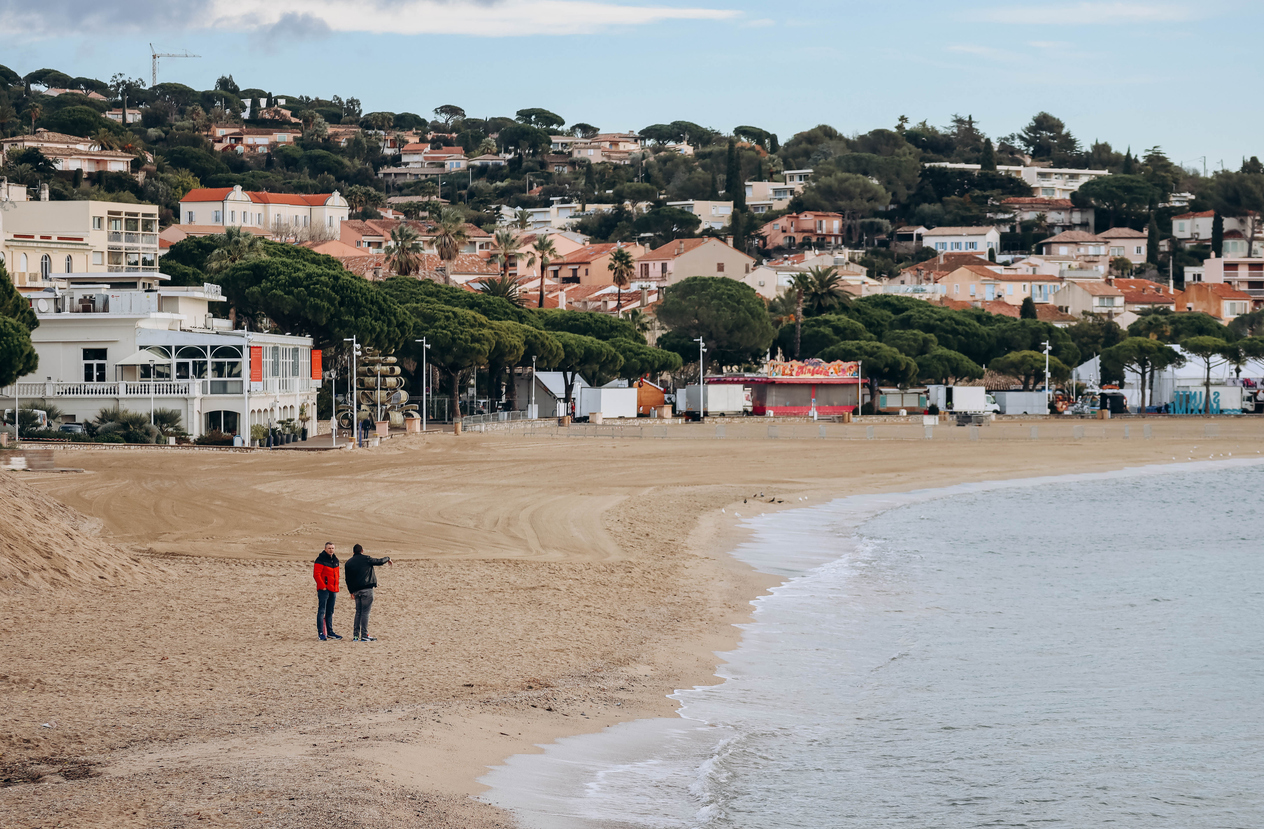
Some places are made for easy, memorable cycling days, and Sainte-Maxime is one of them. Sheltered by the Maures hills and opening onto the calm waters of the Gulf of Saint-Tropez, this town gives you sunlit promenades, sea-hugging lanes, and green backroads in every direction. Whether you want a gentle ride to a sandy cove, a vineyard-laced loop with a café stop, or a short climb into chestnut forests, you can set off from the marina and be in the landscape within minutes.
Below you’ll find a curated collection of day rides that show off the Riviera’s variety—each with practical tips, route ideas, and well-loved stops along the way. The tone is relaxed and friendly because cycling here should be exactly that: the pleasure of a good road, a view that keeps you pedaling, and just enough local flavor to make you linger at the next fountain or market stall.
How to Get Oriented: Sainte-Maxime on Two Wheels
Think of Sainte-Maxime as a fan: the town center at the hub by the marina, the beaches curving east and west along the gulf, and the hills rising behind in a green semicircle. Two arteries are worth recognizing from the saddle:
- The seaside road (D559) runs east–west and is your gateway to La Nartelle, Les Issambres, and, further on, Fréjus. Portions have cycle lanes or widened shoulders, and the sea stays at your side.
- Backroad spurs climb inland toward Plan-de-la-Tour and the Maures. These lanes are quieter and reward you with vineyard scents, cork oak shade, and the steady rhythm of small gradients.
For a soft introduction, follow the waterfront promenade. It begins right by the harbor, near the Tour Carrée, and offers a gentle ribbon of tarmac beneath pines and palms. You’ll pass benches for sea-gazing, pocket beaches, and families out for a stroll—so keep your speed social here. In minutes, you’ll understand the town’s geography: sea to your right, the Preconil river to your left as you head east, and the first folds of the Maures behind you.
Two names will pop up as you ride: Pointe des Sardinaux and Plage de la Nartelle to the east, and La Garonnette marking the boundary toward Les Issambres. They’re the signposts of easy seaside day trips, with views that make it hard to turn around even when you promised yourself “just a short spin.”
When to Ride and What to Pack
Coastal Provence favors early risers and late-afternoon cruisers. In midsummer, mornings offer a golden hush and cooler air, while evenings bring the long shadows that make every curve photogenic. Midday sun can be intense, so plan your longer climbs into spring, autumn, or early hours in July and August. You may also meet the mistral—a northerly wind that can clear the sky to crystal and make flats feel like climbs. If the forecast mentions it, start your ride into the wind so it pushes you home.
As for a simple pack list:
- Two bottles, minimum. Fountains are common in village squares and by beaches, but hydrations lapses creep up on you in sea breezes.
- Sun layers: light sleeves or sunscreen, plus sunglasses that handle glare off the water.
- Multi-tool and a spare tube. Coastal roads are generally immaculate, but little flints and thorns don’t read the memo.
- Swim kit in a dry bag if you plan to dip—many rides below include a beach stop that’s hard to resist.
Choosing the Right Bike for the Riviera Terrain
You don’t need a specialist’s bike to enjoy Sainte-Maxime, just something you’re happy pedaling for a few hours. Road and fitness bikes are perfect for the paved routes, while a gravel or hybrid bike will let you explore forest tracks and rougher lanes with confidence. E-bikes shine here too, keeping mixed-ability groups smiling on the climbs to Plan-de-la-Tour or the short, sharp ramps in the Maures.
Tyre-wise, 28–32 mm works for most paved rides, with 35–40 mm giving you latitude for unpaved detours. If you’re planning the longer loops and Maures climbs, a compact gearing or e-assist helps turn beautiful scenery into a relaxed day rather than a grind. Lights are smart for tunnels on the coastal road and for late sunsets if you linger over a beach picnic.
Route 1: The Seaside Glide to La Nartelle and Pointe des Sardinaux
This is the gentle opener everyone loves—flat, scenic, and dotted with excuses to stop. Roll out from the marina, keep the sea on your right, and follow the coastal road east. In a few minutes you’ll pass the Jardin Botanique des Myrtes, a small botanical garden that’s a fragrant spot to stretch and read plant labels under the pines. A little farther, sandy coves begin to appear. Stay alert for side paths leading to quiet pockets of beach that locals favor on weekdays.
At Pointe des Sardinaux, sometimes nicknamed “little Corsica,” you’ll find a rocky headland with shallow pools, short footpaths, and fine views back to Sainte-Maxime’s curve of coastline. It’s a prize for a short ride: duck into the shade, watch the light change on the gulf, and notice the rough-hewn stone features that hint at the point’s old bunkers. If you packed a mask, the water around the rocks can be clear enough to spot small fish on still mornings.
Continue along to Plage de la Nartelle, a broad sandy stretch that invites a swim or a slow coffee. The return is as lovely in reverse, with the town appearing like a postcard as you approach.
- Distance: 12–18 km round trip, depending on turn-around
- Elevation: Negligible
- Highlights: Jardin Botanique des Myrtes, Pointe des Sardinaux, sandy coves at La Nartelle
Hidden Corners along the Sand
If you like tiny discoveries, look for the short, unmarked footpaths leading off the roadside just before La Nartelle—they thread to sheltered bays that vanish at high tide. Lock your bike responsibly and step down to test the water. Early mornings, you’ll often share the scene with fishermen trailing lines or families collecting smooth pebbles.
Route 2: Les Issambres and the Roman Fishponds at La Gaillarde
Head east beyond La Nartelle and the coast becomes lightly serrated, scalloped by coves and promontories. This ride strings them together in a leisurely ribbon. Pass Pointe des Sardinaux, trace the shore through comfortable rollers, and drift into Les Issambres, where palms shade a low-key waterfront and cafés look out on a harbor sized for small boats rather than megayachts.
Keep going to La Gaillarde and you can visit a little-known archeological site: the Roman fishponds that lie just off the beach behind a protective barrier of stone. When the sea is calm, you can pick out the outlines of basins that the Romans once used to keep fish alive before sale—a slice of daily life from two millennia ago, hiding in plain sight. It’s exactly the kind of detail that rewards curious riders who wander off the most obvious stops.
- Distance: 30–40 km round trip
- Elevation: Gentle undulations along the coast
- Highlights: Calanques around Les Issambres, Roman fishponds at La Gaillarde, family-friendly beaches
Coves Worth a Pause
Between Les Issambres and La Gaillarde, look for small calanques tucked below the road with short stairways down from lay-bys. The water here often turns an unreal shade of turquoise when the sun is high. If the breeze picks up, these inlets can be calmer than the open beaches, making them good swim spots before the return ride.
Route 3: Col du Gratteloup and the Chestnut Slopes of the Maures
When you’re ready for a bit of climbing, turn inland toward the Col du Gratteloup. The ascent isn’t dramatic, but it’s a satisfying stair-step of gradients that reward a steady tempo. You’ll leave the salty air for the resin scent of pines, then pass into a mosaic of cork oaks and chestnuts as you rise. The road twists just enough to keep your eyes busy with new angles on the gulf below, and traffic tends to thin as you gain height.
At the pass, pause for a snapshot of the hills folding away to the north. If you like loops, drop toward Plan-de-la-Tour and return via quieter lanes, or reverse your climb for a grin-inducing descent back to the sea. In spring and early summer, you may spot clusters of wildflowers along the verges—another reason to spin rather than sprint.
- Distance: 35–55 km depending on return route
- Elevation: ~400–600 m of climbing
- Highlights: Shaded climb, views of the gulf, peaceful descent
Shorter Variant: The Balcony Road above Sainte-Maxime
If you’re short on time, a partial climb to a mid-height viewpoint works beautifully. Ride up until the road feels quiet and the town spreads like a model below you, then turn back for a rolling descent that brings the harbor’s masts back into view in no time. It’s the Riviera’s version of a quick reset: sweat a little, breathe pine air, return with a bigger appetite.
Route 4: Plan-de-la-Tour Village Loop and Vineyard Lanes
This is the “why we ride” route: enough hills to feel you’ve earned lunch, enough mellow stretches to chat, and a village center built for lingering. Leave Sainte-Maxime by the inland road that follows the Préconil valley and set your course for Plan-de-la-Tour. As the sea falls behind you, the lanes narrow and the horizon pulls closer. Low, neat vines pattern the land, punctuated by olive trees and the occasional roadside shrine.
Plan-de-la-Tour itself is a compact pleasure: a shady square, a church clock that measures time in lazy quarters, and fountains where you can refill your bottles. Bakeries draw morning riders with warm pastries and afternoon riders with fruit tarts that somehow taste more earned after a loop. If you’re tempted by local wine, many family-run estates welcome visitors for tastings; make it a note for an evening on foot rather than a mid-ride indulgence.
For the return, weave a slightly different path on side roads, keeping an eye out for wayside chapels and stone farmhouses. At several points, gaps in the trees reveal the glitter of the gulf, reminding you that the descent back to town isn’t far.
- Distance: 45–60 km
- Elevation: 500–700 m across multiple short climbs
- Highlights: Village square in Plan-de-la-Tour, fountains, vineyard scenery
Local Tastes without Straying
In the lanes around Plan-de-la-Tour you may pass beekeepers’ stalls signposting honey from the maquis, where wild thyme, rosemary, and heather lend distinct notes. If you do stop, a small jar travels well in a jersey pocket and makes a fine souvenir. Olive oil mills in the broader area often post seasonal opening hours; if a mill door is open, a quick peek into the press room is a step into a living craft.
Route 5: The Gulf of Saint-Tropez Grand Tour via Port Grimaud
This day ride traces the curve of the gulf, circling through lowland marsh, historic villages, and canal-laced pockets of townscape before circling home. Head west from Sainte-Maxime and follow the road toward Port Grimaud, known for its network of waterways and colorful facades. Even from your saddle, the shifting reflections in the canals make a pause worth your time.
Continue toward Grimaud and choose your own adventure: either stay low and fast on the main ribbon of tarmac or detour up to the old village for a dose of medieval stone and narrow lanes. Cyclists often lock bikes in the lower part of the village and walk a few minutes to the castle ruins for sweeping views over the gulf. Nearby, a short footpath leads to the Pont des Fées, an old aqueduct bridge tucked into the greenery, quiet enough that you’ll hear your own footfall on the stones.
Loop back along the coast or through inland lanes skirting Gassin’s hills and the vineyards that spill toward the sea. The return to Sainte-Maxime at day’s end gives you that satisfying sense of a circle closed—the harbor coming into focus, the sea back at your side.
- Distance: 60–75 km depending on detours
- Elevation: 400–700 m with optional village climbs
- Highlights: Port Grimaud canals, Grimaud village, Pont des Fées detour
A Quick Detour up to Old Grimaud
If you’re wavering on the climb, consider the payoff: stone arches, a breeze that lifts the heat from your shoulders, and an amphitheater of rooftops that point you back toward the sea. The streets were made for walking more than riding, so a low gear and a respectful pace are the right choice. Plan a five-minute stroll at the top—worth it for both legs and eyes.
Route 6: Nature Ride to the Étangs de Villepey near Saint-Aygulf
For birdlife and open sky, ride east along the coast and continue past Les Issambres toward Saint-Aygulf. Just inland from the shoreline, the Étangs de Villepey form a lagoon system whose shallow waters draw egrets, herons, and in certain seasons, flamingos. Cyclists can roll the perimeter roads and stop at the edges of the reserve to watch through binoculars; inside the protected zones, bikes often need to be left at the entrance before you continue on foot along boardwalks and observation points.
The ride there is half the pleasure: the sea on one side and scented scrub on the other, with the sense of heading toward a pocket of quiet at the water’s edge. Time your visit for morning or late afternoon when the birds are most active and the light is gentle. On the way back, stop at one of Saint-Aygulf’s small sandy beaches for a leg-dangle and a snack.
- Distance: 50–60 km round trip
- Elevation: Mostly flat with light coastal rollers
- Highlights: Birdwatching at the Étangs de Villepey, easy seaside pedaling
Reading the Wind on the Return
Out-and-back coastal rides can feel completely different in reverse when the breeze shifts. If you’ve had an easy push east in the morning, expect a bit more work on the way home. Tuck in, keep your cadence steady, and make the most of lay-bys that offer quick breathers and photo breaks when the horizon stacks up in shades of blue and gray.
Route 7: Family-Friendly Spins and Ice-Cream Promenades
Not every day needs to be a “ride.” Some days are about simple movement and small pleasures. Sainte-Maxime’s waterfront promenade is ideal for this—wide, scenic, and with a front-row seat to the calm water of the gulf. Start at the marina, roll as far as little legs or low-energy days allow, and reward yourselves at a kiosk with an ice cream or a sparkling water. Early evenings are especially sweet when the town turns golden and the air softens.
If you’d like a small destination, aim for the botanical garden east of town or the long, shallow sands at La Nartelle where kids can wade. Keep speeds gentle and bells handy to share space with walkers—it’s part of the town’s rhythm that everyone enjoys the promenade together.
- Distance: 5–15 km as you please
- Elevation: Essentially flat
- Highlights: Waterfront breeze, garden stop, easy beach access
Route 8: Gravel and Forest Tracks of the Lower Maures
If you brought a gravel or hybrid bike, the backcountry just behind Sainte-Maxime opens a different kind of ride—quiet, textured, and a degree or two cooler under the trees. Forest service roads knit through cork oak and pine, with occasional clearings that frame the gulf like a painting. Surfaces range from firm dirt to light gravel; low-volume traffic and soft gradients make for meditative pedaling.
Always check local access guidelines, especially in the dry months when fire risk can trigger closures. If conditions are favorable, map a loop that ascends on a forest track and returns on a quiet paved lane. You’ll earn the same views as the road route to Gratteloup but with more birdsong and fewer cars.
- Distance: 25–45 km
- Elevation: 300–600 m depending on loop
- Highlights: Cork oak shade, birdsong, off-the-beaten-track viewpoints
Route 9: Sunrise to Markets Micro-Itinerary in Town
This is the day when you keep it hyper-local and let the town’s own small pleasures set the pace. Roll out at sunrise along the promenade to watch fishermen prepping lines and the first sailboats easing in and out of the gulf. Circle back through the old streets as the shutters lift and the market wakes up—Sainte-Maxime’s covered market is compact but fragrant, with seasonal fruit, herbs, and cheeses that make excellent picnic fare.
For breakfast, find a bakery just off the main square. A slice of the region’s signature brioche cream pastry, enjoyed on a bench with the sea in sight, feels like the essence of holiday mornings. If you want to add a dash of culture, pop by the small museum in the Tour Carrée near the harbor; it’s a quick visit and pairs neatly with a coffee stop nearby. The rest of the day can be anything you want it to be—another spin east to Sardinaux, a swim, a nap, and then a second short ride for sunset.
- Distance: 8–20 km
- Elevation: Flat with optional short rises
- Highlights: Harbor sunrise, market aromas, pastry and coffee
Route 10: Evening Golden Hour Spin to the Garonnette and Back
When the day has cooled and the light turns buttery, set out east toward La Garonnette. It’s close enough for an unhurried loop, far enough to feel you’ve traveled. The road tracks just inland from a line of sandy coves; the glow on the water serves as your companion. This is also when the low sun can hide in your periphery—wear glasses with good contrast and use a rear light to stand out.
At the Garonnette area, look for small viewpoints where the headlands separate one bay from the next. You’ll catch Saint-Raphaël’s silhouette far down the coast on clear days, and back toward the west, the familiar crescent of Sainte-Maxime will be ready to receive you. Turn and ride home with the town’s evening murmur rising as you approach.
- Distance: 20–25 km
- Elevation: Minimal
- Highlights: Sunset sea light, quiet coves, mellow traffic
Practicalities: Road Etiquette, Water Stops, and Local Rules
The Riviera rewards calm cycling. Expect to share beachfront lanes with joggers, strollers, and families, especially in summer. A bell and a smile go a long way. On inland roads, drivers are used to cyclists—keep a straight line, signal clearly, and you’ll feel well-treated. In villages, slow for blind corners and respect pedestrian-priority zones where bikes may need to be walked.
Water fountains are common in town squares and at some beaches; they’re often marked by a simple “eau potable” sign. Carry cash for small café stops where cards are sometimes a little fussy. If you plan to venture into the forested Maures, check the day’s fire risk; when risk is high, certain tracks can be closed to protect the landscape. And for coastal nature reserves and headlands, look for signage regarding bikes—in some protected zones, cycling is not permitted on footpaths, but bike racks are provided at entrances.
Navigation and Maps: Staying Found without Stress
Even if you prefer to ride by feel, a pocket map or a route on your phone smooths the day. Most cyclists use a combination of local road signage and a mapping app to track turns. The green departmental signs typically label the D-roads clearly, and the waterfront is the ultimate landmark if you need to reorient yourself quickly.
If you’re collecting rides and looking for gradients and surfaces, tools that show elevation profiles and unpaved segments help. Download your route in advance if you’ll be in areas with patchy reception, and bring a small power bank if you plan to keep your screen on for extended stretches. As a back-up, noting the names of a few key villages—Plan-de-la-Tour, Les Issambres, Saint-Aygulf, Grimaud—gives you a quick way to ask directions if needed.
Sample 3-Day Cycling Plan
If you want a simple framework, here’s a three-day arc that eases you in and opens up progressively broader horizons:
Day 1: Seaside and Settling In
- Morning: Route 1 to La Nartelle and Pointe des Sardinaux, with a stop at the botanical garden.
- Afternoon: Swim and nap, then a short roll along the marina to shake out the legs.
- Evening: Golden hour loop to La Garonnette for sunset viewing, gentle pace back.
Day 2: Inland Flavor and Village Squares
- Morning: Route 4 to Plan-de-la-Tour via back lanes. Coffee under plane trees.
- Midday: Return on a different set of lanes, pausing at a fountain to refill bottles.
- Afternoon: Freewheel through Sainte-Maxime’s old streets and treat yourself to a pastry.
Day 3: Choose Your Adventure
- Option A: Route 3 up to Col du Gratteloup for chestnut shade and views, with a long descent home.
- Option B: Route 6 to the Étangs de Villepey for birdlife and a picnic by the sea.
- Option C: Route 5 circling the gulf via Port Grimaud with a detour to old Grimaud if you’re feeling energetic.
This sequence blends coastal calm with inland texture and gives you the confidence to make your own variations on the theme.
Seasonal Notes: Summer Crowds, Autumn Colors, Winter Calm
Summer in Sainte-Maxime is festive and bright; rides are best early and late, with midday set aside for the beach or shade. Coastal roads can be busy in peak weeks, but the vibe is cheerful and patient when you ride courteously. Autumn is particularly beautiful: the vines deepen in color, the chestnuts are ripening in the Maures, and the sea remains warm. Winter brings an extra level of quiet—crisp mornings, luminous afternoons, and nearly empty roads, perfect for longer loops if you pack a layer.
Spring may well be the sweet spot: wildflowers pop on the verges, days stretch, and cafés pull their chairs back into the sun. Whichever season, winds shape the day. Read the forecast, plan your direction accordingly, and know that a headwind at the start often turns into an easy roll home.
Keeping It Sustainable
Riding a bike is already a win for the place you’re exploring, but small choices make the experience even cleaner and friendlier. Carry a reusable bottle and a small bag to pack out snack wrappers. Use existing bike racks rather than leaning against trees or delicate fencing. Keep to designated paths in protected zones and dismount where requested. If you’re riding in a group, keep chatter-friendly distances and give waves to drivers who wait patiently—Riviera courtesy is a two-way street, and you’ll feel it come back to you all day.
Local Touches and Lesser-Known Stops
Part of the fun here is mixing headline sights with small, local details. A few to slip into your rides:
- Tour Carrée: The square tower by the marina houses a small museum; it’s a cultural palate cleanser between rides.
- Harbor fish stalls: Early mornings sometimes see fishermen selling the day’s catch right on the quay. Even if you don’t buy, it’s a scene worth a minute.
- Stone chapels inland: Short spurs off the main lanes often lead to tiny chapels under cypresses. They’re peaceful corners to sip water and watch swallows loop above.
- Pointe des Sardinaux’s rock pools: Low tide reveals shallow basins perfect for a quick paddle or a child’s first snorkeling peek. Bikes should be left at the entrance before walking the paths.
- Old aqueduct near Grimaud: The Pont des Fées detour is a quiet counterpoint to the coast’s buzz—green, hushed, and made for slow steps.
Food and Coffee Along the Way
On the coast, cafés are spaced just right for a second coffee or a sparkling water with a view. Inland, village squares provide shade and a sense that time isn’t going anywhere. For ride snacks, local bakeries are your best friend: a simple fougasse, a slice of olive bread, or a small fruit tart travels well and tastes better on a low wall in the shade of a plane tree. If you pass a market, pick up apricots, figs, or a handful of almonds—small things that feel like the region in your pocket.
For a post-ride treat, Sainte-Maxime’s pastry shops often display the region’s famous cream-filled brioche alongside lemon tarts that pair beautifully with an espresso. If you prefer savory, a coastal picnic with tomatoes, local cheese, and crusty bread is the kind of meal that makes you ask why life isn’t always this simple.
Safety Tips without the Lecture
Nothing here is complicated, but a few habits keep the day easy:
- Start bright and finish bright: a small front and rear light even in daylight makes you more visible in tunnels and shadowed bends.
- Hydrate early: small sips prevent big slumps when the breeze hides your sweat.
- Be mindful on promenades: pedestrians have the right of way; bells and patience are part of the local vocabulary.
- Respect nature reserves: where bikes aren’t allowed, lock up at the entrance and switch to walking shoes.
- Check the wind: it’s half your route plan, and often the difference between a choppy or silky return.
Putting It All Together: Design Your Own Perfect Day
Once you’ve sampled a few rides, you’ll start stringing your own. Maybe it’s coffee by the harbor, an hour looping the coves, a swim at La Nartelle, then a lazy lunch back in town. Or perhaps it’s a brisk climb to Gratteloup before the world wakes, a bakery stop in Plan-de-la-Tour, and a winding return through lanes that smell of warm pine and crushed thyme. The right day is the one that leaves you contentedly tired, salt on your skin, and a few new landmarks in your mental map.
The charm of Sainte-Maxime is how easy that is to achieve. The geography is friendly, the roads photogenic, and the distances humane. Each turn seems to offer another small prize—an unexpected view, a silent chapel, a cove you’ll want to remember by name—and each day gives you just enough variety to feel like you’re discovering rather than repeating. That’s exactly what keeps riders returning to the saddle here.
Conclusion: Why Sainte-Maxime Makes Cycling Days Easy
These routes aren’t meant to exhaust, but to enrich. Sainte-Maxime’s secret lies in its proportions: small enough to cross in minutes, expansive enough to keep you exploring for days. The sea is steady company, the hills are friendly rather than fierce, and the villages know how to welcome a cyclist with a smile and a shaded seat. Add a few local discoveries—Sardinaux’s pools, a fountain square in Plan-de-la-Tour, a quiet corner of the Étangs de Villepey—and you’ve got a handful of days you’ll remember long after your tan fades.
Bring a bike that fits, a curiosity for small byways, and a taste for simple food. The rest is easy. Start at the marina, pick a direction, and let the Riviera teach you the pleasure of a day well-pedaled.
After a day on the bike around Sainte-Maxime, you can unwind in your own place by exploring the full selection of villas in Sainte-Maxime here.

