

 EN
EN  NL
NL
 DE
DE
 FR
FR

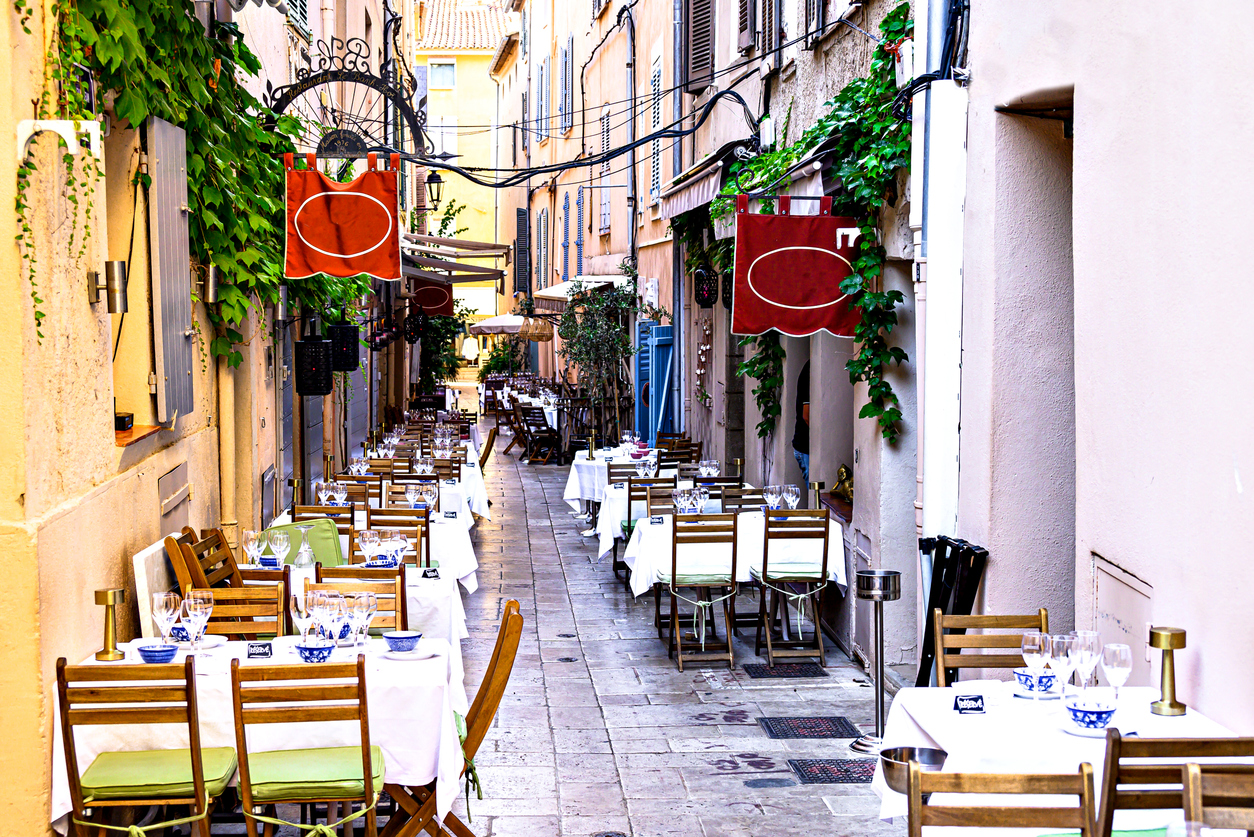
From Boulangerie to Bistro in Saint-Tropez: A Day of Eating Like a Local URL slug
Saint-Tropez’s food scene rewards those who slow down and follow the peninsula’s daily rhythm: early-bird bakers, mid-morning markets, a languid lunch, a seaside afternoon, and a convivial apéro before dinner. If you plan your day the way many Tropéziens do—starting with a paper bag of warm pastries and ending with a candlelit bistro table—you’ll discover the town’s real flavor lies in simple, seasonal cooking and the people who make it.
For a broader sense of regional traditions and neighborhoods beyond the old port, you can browse our Gulf of Saint-Tropez travel guide and other local guides to the Côte d’Azur.
First bite of the day: the boulangerie counter
Begin where almost everyone does: at the bakery. The most emblematic address is La Tarte Tropézienne, a pâtisserie that began when Alexandre Micka introduced a brioche filled with orange-blossom–scented cream in the 1950s; legend has it Brigitte Bardot helped popularize the name during a film shoot. Today the brand has several boutiques around town, including at Place des Lices. Go early for a mini Tropézienne or a slice to share—it’s richer than it looks and pairs beautifully with a short, strong coffee.
If you prefer to watch the harbor wake up, Sénéquier on the quai is a classic address. Known for its red director’s chairs and handmade nougat, the café is as much about people-watching as it is about breakfast. Order a café noisette and a flaky croissant or pain au chocolat and settle into the rhythm of the port as fishing boats unload and delivery vans slip along the cobbles. It’s a little pricier than a corner boulangerie, but it’s been part of Saint-Tropez life since 1887 and still feels unmistakably local at an early hour.
What to order
- La Tarte Tropézienne’s namesake brioche-cream cake, available in individual portions or to share
- Fougasse, sometimes scented with orange blossom or studded with candied fruit, when available
- Freshly baked baguette tradition to stash for later—lunch al fresco is always a possibility
- At Sénéquier, nougat cut to order and a classic espresso-based coffee
Market rituals at Place des Lices
On Tuesdays and Saturdays from roughly 8:00 to 13:00, Place des Lices becomes a tapestry of Provençal color. Locals arrive early with baskets, weaving through stands piled with rough-skinned lemons, fat tomatoes, and bouquets of thyme and rosemary. You’ll find olives in every cure, bright tapenades, anchovy-rich anchoïade, duck rillettes and saucisson, and wheels of goat cheese softening in the sun. It’s not unusual to see a chef haggling over a crate of zucchini flowers before they turn up later, fried to a whisper at dinner.
For a quick market breakfast, pick up seasonal fruit and a still-warm pissaladière—a thin onion tart with anchovies and olives that nods to neighboring Nice. Keep an eye out for artisan honey and jams; if you’re venturing around the peninsula later in the day, La Maison des Confitures in nearby Gassin offers a vast array of flavors, from fig to clementine, made for gifting or for spreading on tomorrow’s tartine.
Local habits to note
- Arrive by 9:00 to see the best produce and avoid the late-morning crush.
- Many vendors offer samples; a friendly “bonjour” and patience go a long way.
- Bread, cheese, and charcuterie bought at the market make an excellent impromptu picnic—just add a view.
From the quay: coffee, candy, and the catch
After the market, circle back to the Vieux Port to see what the boats have brought in. You’ll often spot members of the Prud’homie des pêcheurs de Saint-Tropez—the local fishermen’s guild—sorting through the morning’s lobsters, red mullet, or sea bream. Watch a few minutes and you’ll understand the day’s menus: lighter lunches after a big haul, bouillabaisse when rockfish are plentiful.
If a sweet nibble calls, step into Sénéquier again for a small bag of their nougat. Or head to Barbarac, the gelateria just off the port, where artisan ice creams range from classic pistachio to a brioche-inspired flavor that nods playfully to the town’s signature dessert. One scoop is enough to tide you over to lunch; two if the sun is out and the benches by the boats are free.
Seafood for lunch: a table with a view
Lunch in Saint-Tropez tends to stretch from about 12:30 to 15:00, so it’s worth choosing a table you’re happy to linger at. On the quay, Le Girelier stands out for its straightforward Mediterranean seafood: platters of oysters when in season, simply grilled loup de mer, and a bouillabaisse rich with saffron and local rockfish. The cooking is unadorned and focused on freshness, which is how most locals like their midday meal—light enough to return to the day, but generous enough to count as an occasion.
A few streets back from the harbor, Le Sporting on Place des Lices is a reliable brasserie with a steady hum of conversation and a menu wired to bistro cravings: steak frites, salade niçoise, or a properly dressed artichoke vinaigrette. When the market is on, you can see baskets resting against the chairs as shoppers pause for a glass of rosé and a plate of whatever looks best that day. The scene is come-as-you-are, the sort of place where a solitary lunch with a newspaper is as normal as a table of six clinking glasses.
If you prefer sand under your feet
- Club 55 on Pampelonne Beach in Ramatuelle offers an alfresco, beach-shack mood and a menu built for sharing: crudités, grilled fish, and easygoing Mediterranean salads. It’s a classic address for good reason—simple, sunlit, and salt-aired.
- Restaurant Les Graniers, tucked by the small cove beneath the Citadel, feels close to nature. Expect grilled fish, seasonal sides, and the soft crash of the sea as background music.
- For bouillabaisse-lovers, Chez Camille near l’Escalet has been making the Marseillais classic for generations. It’s hearty, served for two, and shows best when you’re in the mood to linger.
Rosé in its landscape: afternoon tastings at local domaines
No food day in and around Saint-Tropez is complete without stepping into the vineyards that shape the region’s summer palate. This is rosé country, and the top estates have turned pale salmon into a serious, food-friendly wine style. Head into Gassin’s gentle hills to see how the wines taste in the place they’re grown; it’s a thirty-minute shift in perspective that lasts all evening.
At Château Minuty in Gassin, the house style favors precision and lift—dry, floral rosés with citrus edges that work beautifully with shellfish and grilled vegetables. Tastings typically cover several cuvées and often include a discussion of harvest dates and pressing techniques, useful for anyone curious why a pale color doesn’t mean a simple wine.
Domaine Bertaud Belieu, one of the peninsula’s oldest estates, offers a rounder, fruit-forward expression in some wines and a tauter, mineral line in others, depending on the cuvée. If you’re interested in how terroir shifts across short distances, compare a few side by side. A short drive away, Château Barbeyrolles—the home of the well-known Pétale de Rose created by Régine Sumeire—leans decidedly toward elegance and texture. These are wines that quietly elevate a plate of grilled sea bream or a bowl of aioli-dipped vegetables.
Two more names to note: Domaine de la Rouillère in Gassin and Château des Marres in Ramatuelle, both of which produce well-regarded rosés and often welcome visitors for tastings. Calls ahead are customary in peak months, not to secure pampering, but to ensure someone is free to pour and talk shop. Tasting fees, when they exist, are modest and typically waived with a purchase.
Pairing notes to carry into dinner
- Dry, citrus-leaning rosés (think grapefruit and white flowers) flatter raw and lightly cooked seafood.
- Rounder, stone-fruit rosés can handle garlicky anchoïade, aioli, and ratatouille.
- When in doubt, serve rosé at about 10–12°C; too cold mutes the fruit, too warm flattens the finish.
Artisans and sweet pauses: gelato, jams, and chocolate
Back in town, a late-afternoon stroll is an ideal time to visit small producers. Barbarac’s gelato line may run down the street on hot days, but the churn is quick and the flavors clean. If you didn’t pick up jams at the market, plan a short swing to La Maison des Confitures in Gassin for a tasting that can run from apricot–lavender to more daring blends. Sweet tooths should also stop by Rondini, the Saint-Tropez chocolate and nougat house dating to the mid–20th century. Their orangettes, candied orange peel sheathed in dark chocolate, are a classic to carry home—or to nibble on the way to apéritif.
The apéritif hour: the Côte d’Azur in a glass
Apéro begins as the light softens, usually around 18:30 to 19:30. It’s not a rushed prelude but a full social hour of its own. A glass of crisp local rosé is the default, but many Tropezians still enjoy a pastis with a few ice cubes and a carafe of water to dilute to taste. Bowls of olives, almonds, or thin-cut socca-style chickpea crisps appear; a few anchovies or sardines on toast signal a more seafood-forward table to come.
On Place des Lices, Le Sporting remains a laid-back spot for apéritif, particularly on market days when the square still smells faintly of basil and peaches. Down by the port, Bar du Port has an energy that tilts toward the nautical; the crowd is a mix of sailors, shopkeepers, and longtime locals who wave across tables as if they’ve been greeting each other for years—because they have.
What to sip and nibble
- Pastis with a twist of lemon peel or a splash of orgeat for a faint almond note
- A light, herbal vermouth on the rocks if you’re pacing yourself for dinner
- Thin slices of saucisson, anchovies with buttered bread, or a tiny ramekin of tapenade
Dinner at a bistro: warming the Provençal heart
For dinner that feels anchored to Saint-Tropez’s culinary memory, book a table at Auberge des Maures. One of the town’s oldest restaurants, it has long specialized in slow-simmered Provençal dishes: lamb with thyme and olives, stuffed vegetables, artichokes barigoule, and the kind of ratatouille that makes you rethink the dish entirely. Portions are balanced rather than grand; the depth comes from time, not excess. The room itself seems to retain the day’s heat in winter and the summer’s voices in July, lending a gentle hum to the evening.
Prefer a humbler bistro stride? Bistrot des Lices, a stroll from the square, serves a menu that shifts with the market—perhaps a salad of heirloom tomatoes to start, local fish with fennel and citrus, and a tarte fine of apples to finish. The service is brisk but never brusque, and the dining room hums with the comforting rhythm of a place that understands its regulars. The wine list privileges local domaines, so you can carry that afternoon’s tasting notes straight to the table.
Seafood-focused tables
- Le Girelier is just as right for dinner as for lunch, especially when you want a plate of simply grilled fish and a side of seasonal vegetables.
- On certain evenings, Les Graniers’ seaside calm turns dinner into a quietly cinematic affair—flickering candles, the hillside above, the sea below.
- If you’re set on bouillabaisse, Chez Camille’s evening service rewards patience; the dish is a ritual, not a rush.
How locals actually eat here: appetite, season, and simplicity
There’s a reason menus around Saint-Tropez lean toward clarity rather than complexity: this is a place that respects ingredients and what the season gives. In summer, that means tomatoes that taste of the sun, delicate courgette flowers, basil that perfumes a room, and fish so fresh the line between raw and cooked blurs with a quick kiss of heat. In winter, daube and slow-braised meats come forward, heavy on the herbs and olives, served with polenta or potatoes that have absorbed the dish’s essence.
Wine follows suit. Rosé dominates the warm months, but local whites—often from Rolle (Vermentino) and Clairette—quietly pair with shellfish and goat cheese. Reds, when they appear, are often mid-weight blends that take well to lamb, beef, or strong cheeses. The pleasure of eating here is not in exhibition, but in alignment: a kitchen cooking as the market dictates, a cellar stocked with nearby bottles, a table that smells faintly of olive wood.
For context on regional travel and culture from a local perspective, the editorial lens at AzurSelect often emphasizes seasonality and neighborhood nuance—useful ideas to keep in mind as you plan where and what to eat.
Behind the labels: producers to seek out
The peninsula’s producers don’t always make front-page news, but they give Saint-Tropez its daily flavor. In addition to the domaines mentioned earlier, look for small-batch olive oils from the wider Var, jars of anchovies packed in local oil, and goat cheeses from nearby farms that rotate through the market stalls. Chocolatier Rondini’s seasonal creations—particularly at holidays—are worth a detour, as are any citrus preserves you can find when January oranges come on. In early autumn, fig products proliferate: jams, chutneys, and even fig-leaf–infused syrups that bartenders use in low-proof cocktails during apéro.
Many of these producers sell directly at Place des Lices or through small epiceries in the old town. Ask vendors what’s at its peak; you’ll likely receive not only a recommendation but also a cooking tip—grill this quickly, dress that with only lemon and oil, slice the other until translucent and serve cool.
Navigating menus: a short glossary of local dishes
Menus here are a map of the region. Anchoïade is a salty, garlicky spread that lights up raw vegetables. Aioli is both a garlicky emulsion and, more importantly, a full plate that pairs the sauce with poached fish, eggs, and vegetables—often served on Fridays. Pissaladière is the onion tart you’ve been nibbling since morning. Daube is beef braised with red wine and Provençal aromatics. Barigoule is a gentle braise for artichokes or other vegetables, savory with herbs and oil. Ratatouille, when made well, is not a stew of leftovers but a careful layering of textures and sweetness, best when each vegetable is cooked separately and combined at the end.
As for desserts, besides the famous Tropézienne, look for tarte tropézienne-inspired variations, seasonal fruit tarts, and simple ice creams. In summer, melon with a splash of fortified wine sometimes appears; in winter, candied chestnuts and orange-scented confections take over. The pleasure is subtler than a pastry case suggests—often, it’s just a plate of ripe fruit, cut at the table.
Wine bars and caves: last stops before dinner
If you’re the sort who likes to choose a bottle for dinner or a late-night glass, wander to La Cave de Saint-Tropez, a well-stocked shop known among locals for its range of regional wines. Staff can point you toward domaines you might have missed during the afternoon—an under-the-radar cru classé, a blanc de blancs that pairs with oysters, or a sturdy red for a home-cooked daube. Some evenings see informal tastings; if you’re passing and see a small crowd, step in—Var wine knowledge is often shared as freely as rosé on a hot day.
Another discreet address is Bar du Port for a glass before you cross the street to dinner. You don’t need more than olives and a glass to feel part of the scene; the goal is not to “collect” spots but to understand how these places knit into daily life. To discover more of the town’s history, beaches and local traditions, see our Saint-Tropez travel guide. On certain nights, the port is quiet enough that you can hear silverware chiming a few terraces away; on others, laughter rises until midnight. Either way, the heartbeat is culinary.
A day’s arc, from brioche to bouillabaisse
Eating like a local in Saint-Tropez is an act of attention. You begin with the bakers, who wake the earliest; you trace the line from their bread to the market, from the market to the port, from the port to lunch, from lunch to the vineyards, and from the vineyards to dinner. Along the way you meet artisans, growers, and cooks who insist that what’s simple is often what’s most satisfying: ripe produce, excellent olive oil, the day’s catch, a short list of ingredients treated with respect.
With that frame in mind, your itinerary writes itself. Start at La Tarte Tropézienne or Sénéquier. Wind through Place des Lices and snack as you go. Choose a seafood table for lunch—Le Girelier by the port, Les Graniers for waves at your feet, or Club 55 if the sand calls louder. Taste rosé in Gassin and Ramatuelle while the vineyards are still warm from the sun. Pause for gelato at Barbarac or orangettes at Rondini, and find an apéro seat as the light shifts. Finish the day at a bistro whose menu matches the season: Auberge des Maures when you want tradition at its most comforting, Bistrot des Lices when you’re in the mood for a market-led glide.
Practical notes: timing, reservations, and etiquette
Market days at Place des Lices are Tuesday and Saturday mornings; arrive early for the best selection. Lunch service typically runs 12:30–15:00, with many kitchens resetting before dinner, which begins around 20:00. In high season, reservations are wise for dinner at the more popular addresses, but midday walk-ins often find a table, especially just off the port. Expect service compris (service included) in the bill; tipping is discretionary and modest, often rounding up or leaving a few euros for kind service. Dress codes are more about comfort than display—flat shoes for the cobbles, a light sweater in shoulder seasons, and always a hat if you’re lunching outside.
Above all, keep an eye on the blackboard menus and daily specials; they’re the best barometer of what the town is eating. If you spot poivrons just in from the market, zucchini flowers just fried, or a fisherman’s catch named on the board, you’re in good hands. The most pointed advice you’ll hear all day may be the simplest: let the season decide.
Planning a stay on the Côte d’Azur? Explore our collection of holiday villas and holiday homes across the Côte d’Azur.

