

 EN
EN  NL
NL
 DE
DE
 FR
FR

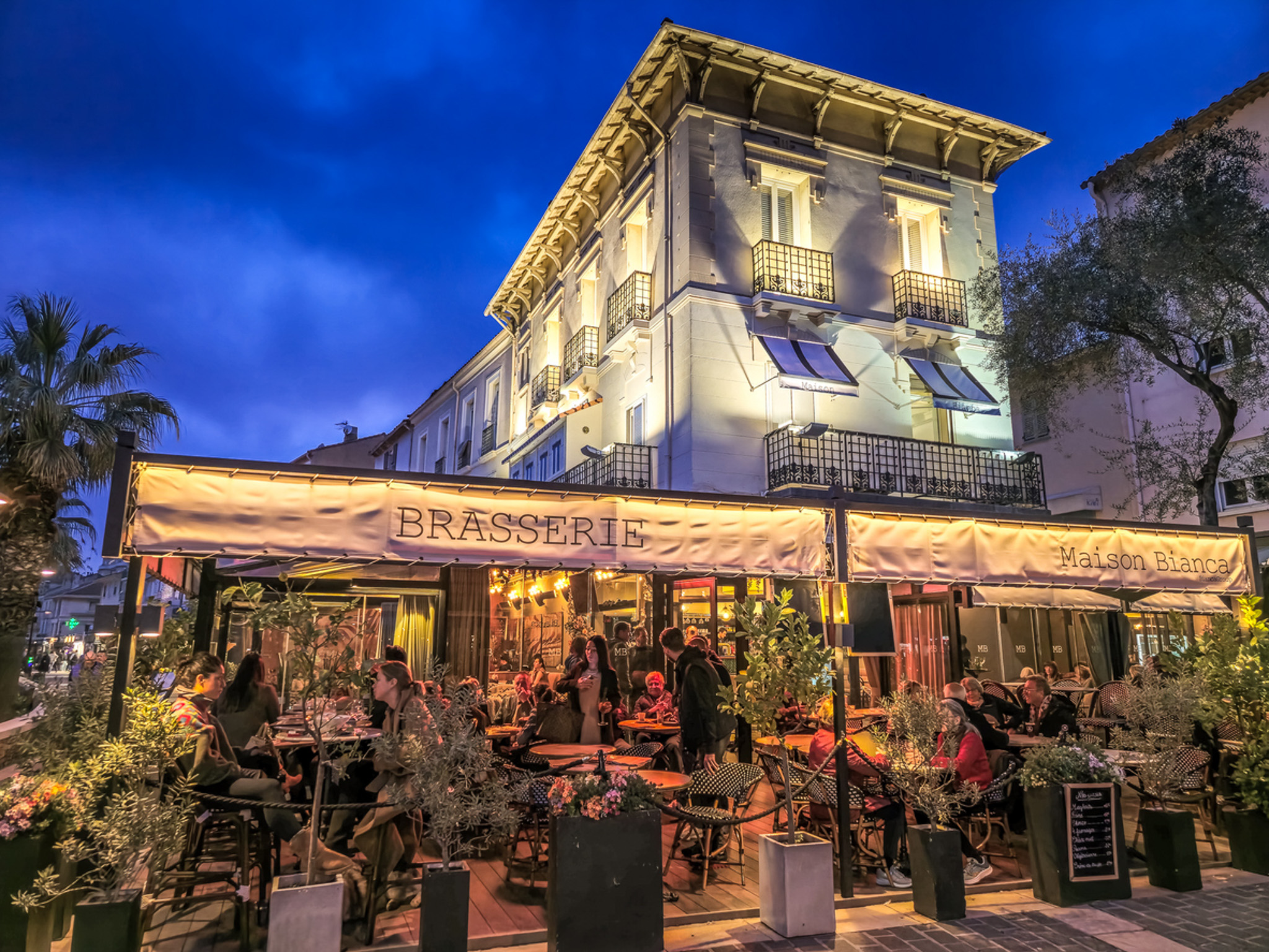
From Boulangerie to Bistro in Sainte-Maxime and Les Issambres: A Day of Eating Like a Local
On this stretch of the Var coastline, the sea breezes carry more than the scent of pines; they bring the morning perfume of warm butter from the oven, the briny promise of lunch by the water, and the clink of glasses at apéritif hour. Eating like a local in Sainte-Maxime and Les Issambres isn’t about ticking off famous names; it’s a rhythm. It starts with a boulangerie bag rustling in your hand at sunrise, detours through market stalls alive with dialect and seasonality, lingers over a rosé-kissed lunch, and finds its way to a simple, well-cooked dinner where the kitchen trusts its ingredients and the view does the rest.
For a wider look at customs, produce, and seasonal rhythms beyond this one-day journey, explore our Gulf of Saint-Tropez travel guide and other local guides to the Côte d’Azur.
Morning light and the fragrance of butter: boulangeries that set the tone
The local day starts early—especially if you plan to eat well. By 7 a.m., the streets of Sainte-Maxime already hum with a precise kind of busyness: baskets swinging, bicycles coasting past, shutters lifting. The boulangerie is the anchor here, both a daily stop and a social hub where you overhear plans for the market, the weather at the plage, and who found the best melons this week.
Begin with a visit to La Tarte Tropézienne in Sainte-Maxime. It’s easy to think of it only as the place to buy the famous cream-filled brioche—more on that sweet indulgence later—but the bakers here turn out dependable viennoiseries every morning: flaky croissants, almond “croissants aux amandes” that walk the line between crisp and custardy, and pain au chocolat with buttery layers that don’t overwhelm the chocolate. Locals will tuck a baguette tradition under one arm (ask for it “bien cuite” if you prefer it darker and nuttier) and add a fougasse or a palmier for the mid-morning slump. If you spot pissaladière—the caramelized onion tart, glossed with anchovies and olives—don’t hesitate. It travels well and tastes even better at room temperature later in the day.
One small but useful habit: buy more bread than you think you need. You’ll use it all day long, whether to cradle charcuterie from the market, mop up a sauce at lunch, or carry a slice of goat’s cheese into the afternoon.
The Provençal market ritual: baskets, banter, and what to buy
From the boulangerie, the logical next step is the market. Sainte-Maxime’s Provençal market fills the old town with color several mornings a week, with Friday typically the most energetic, and is just one of the many reasons visitors enjoy exploring the town. Our complete guide to Sainte-Maxime covers the beaches, markets and local highlights in greater detail. Expect a tight maze of stands—vegetable growers with glistening courgette flowers and bunches of basil, people selling a single product they’ve perfected (honey from the Maures, candied citrus peels, dried herbs), and cheesemongers whose rounds of chèvre are dusted in ash or rolled in herbs. It’s perfectly acceptable to ask for a taste; it’s part of the cadence here, and producers will quickly steer you to the wedge at its prime.
Les Issambres, centered around San Peïre, also hosts a weekly outdoor market that brings the village to a standstill on Monday mornings. Visitors wanting to discover more of the area can also explore our complete guide to Les Issambres. It’s smaller, more intimate, and very much rooted in daily life: snug displays of figs when they’re in season, bowls of green and black tapenade, jars of anchovy-laced anchoïade, and baskets of peaches perfuming the air. If you plan to picnic, this is where you collect the supporting cast: cherry tomatoes that pop, a log of fresh goat cheese, a small jar of honey, a paper twist of olives, and a handful of just-toasted almonds from a roaster who still smells like smoke.
Producers to keep in mind as you browse include the Moulin de Callas for extra-virgin olive oil—a Var classic with peppery bite—beekeepers from the Massif des Maures selling chestnut or lavender honeys, and, when the calendar cooperates (late summer), figs from Solliès that ooze syrup when gently pressed. Goat cheeses from around Plan-de-la-Tour are a safe bet: young and chalky if you like bright acidity, or older and creamier with a rind that’s started to blossom.
Practical tips: go early (before 9 a.m.) to catch the best selection and shorter queues; bring cash; and bring a rigid basket or a sturdy tote so delicate tomatoes and stone fruits don’t get squashed. If you buy fish—sea bream, sardines, or the tiny, silvery “anchois”—ask the fishmonger to clean them; most will do it without fuss.
Second coffee and a slice of history: the Tarte Tropézienne story
Mid-morning calls for a pause. In Sainte-Maxime, the easiest way to slow down is also the most indulgent: a slice of Tarte Tropézienne, invented across the gulf in Saint-Tropez by pastry chef Alexandre Micka in the 1950s. The cream is the secret—lighter than it looks, a blend that whispers of vanilla and orange blossom. The brioche is gently sugared on top, soft without being cloying. Some locals swear by the “mini” versions: manageable, elegant, easy to share in a few bites with a tight espresso or a café noisette (espresso with a dash of milk). The trick is to eat it unhurriedly, preferably in the shade, while watching the old town’s daily choreography play on.
If sweets aren’t your mid-morning thing, grab a small onion-anchovy pissaladière from a baker’s tray and a black coffee. That single, savory square can carry you neatly to lunch, reminding you that local cooking thrives on three pillars: onions cooked to melting sweetness, anchovies for depth, and olives to tether it to the earth.
Seaside lunch in Sainte-Maxime: simple grills and a splash of rosé
By noon, the waterfront pulls you irresistibly toward a long, late lunch. If your appetite runs to waves and sand, head for Plage de la Nartelle, where a handful of beach restaurants operate with an easy rhythm of their own. Barco Beach is a classic example of what the coastline does well: grilled whole fish with nothing more than sea salt, olive oil, and a char that matches the day’s appetite; aïoli platters on certain days (Fridays are a common tradition) where steamed vegetables, cod, and hard-boiled eggs are served with a generous garlic emulsion; and light pastas dressed with local shellfish. It’s food intended for sunlight and bare feet.
A few steps along the sand, Mario Plage serves a similar spirit with its own interpretations—sardines grilled quickly so their skins blister, salads built around tomatoes and herbs rather than lettuce, and a perfumed bouillabaisse-inspired broth ladled over small fillets when the weather is cooler. In high summer, most tables will hold a pale-pink rosé in an ice bucket, the color of a grapefruit segment. You’re in Côtes de Provence country; embrace it. Ask for a carafe d’eau alongside, and make it a leisurely 90 minutes rather than a rush.
If you prefer the hum of the harbor to the hush of the beach, Le WYC—just off the port in Sainte-Maxime—leans into a brasserie-meets-Med approach. A tuna tartare brightened with citrus, linguine with palourdes (clams) slicked with parsley and olive oil, or a simple steak frites for those with red-meat cravings; the point is balance. Harbor lunches tend to run a little longer, and the passing of boats becomes a kind of theatre. Note that lunch service typically runs from about noon to 2 p.m.; arrive on time, and order a “plat du jour” if you see it on the chalkboard. It usually signals what the chef found freshest at the market that morning.
Les Issambres in the afternoon: salt air, sorbets, and a slow apéritif
Once the heat settles and siesta hours begin, the vibe in Les Issambres suits an unhurried afternoon. The seaside promenade around San Peïre hums with families sharing sorbets and tall glasses of citron pressé. Among the beachside addresses, Le 44 offers a relaxed perch for a mid- to late-afternoon pause. It’s as much about view as about what’s on the plate: a small board of tapenade and anchoïade with toasts; a handful of marinated anchovies fanned across a plate with lemon; or a simple tomato salad with basil that tastes like it was snipped a minute ago.
When the mistral has blown the sky crystal-clear, the gulf view stretches toward Saint-Tropez and back. This is when a single glass of rosé hits its stride—cool, saline, refreshing. If raw shellfish are on the chalkboard, look for huîtres de Tamaris (oysters from the Toulon area), often fresh and bright. Pair them with a squeeze of lemon and nothing else. The afternoon at Les Issambres is not about complicated cooking; it’s about prosthetics for conversation.
Understanding the glass: Côtes de Provence rosé and nearby domaines
The rosé you see everywhere isn’t a trend; it’s the region’s natural answer to the Mediterranean climate. Dry, pale, and gently aromatic, Côtes de Provence rosés are built primarily on Grenache, Cinsault, and Syrah, with Tibouren making quietly distinctive appearances in blends closer to the Saint-Tropez peninsula. Expect notes of pink grapefruit, wild strawberries, sometimes a hint of white peach; the best carry a saline edge that mirrors the sea.
If your day allows for a detour into viticulture, there are several domaines within easy reach of Sainte-Maxime and Les Issambres that tell the region’s story well. In Sainte-Maxime itself, Domaine des Beaucas carves vineyards into hillside terraces overlooking the gulf and turns out rosés with lift and freshness that play beautifully with grilled fish. To the west near Fréjus, Clos des Roses offers an instructive tasting through whites, rosés, and reds—a chance to contrast stainless-steel freshness with the subtle texture that comes from time in larger oak. Nearby, Domaine du Curebéasse—also in the Fréjus area—leans into the Var’s sun while maintaining balance; its rosé is a local summer standby. For a benchmark across the gulf, Château Minuty in Gassin has long set a reference for crystalline, lemony rosés that populate many local restaurant lists.
Visiting etiquette is part of the pleasure. Tastings are often available in the late morning or early evening (many estates close for a midday pause). A simple, “Bonjour, est-ce que la dégustation est possible?” will often open the door to a gracious, unhurried pour. Spit if you’re driving; nobody blinks at good form.
Back to town for the apéritif: olives, pastis, and local rhythms
Apéritif hour on this coast is about tempo rather than spectacle. In Sainte-Maxime, shaded terraces fill from about 6 p.m., and tables settle into low-buzz conversations. A glass of rosé is a common choice, but so is pastis—an anise spirit sipped milky after it meets water, usually with a bowl of olives or a handful of marinated chickpeas. You’ll see small boards of charcuterie and cheese, maybe a ramekin of tapenade and crostini, and the old-fashioned pot of rillettes for those who prefer something richer. It’s an hour when cooks are prepping quietly in the back and the light across the water turns honeyed.
This pause isn’t a substitute for dinner; think of it as an appetizing punctuation mark. Locals tend not to rush. A single drink can last the better part of an hour when paired with conversation, people-watching, and a few bites of something salty.
Bistro dinner paths: refined plates or feet-in-the-sand
Evening divides into two distinct but equally satisfying paths. The first aims for a modern Provençal bistro where the kitchen stitches together the day’s best market finds; the second keeps your toes in the sand and lets the grill carry the flavors. Your choice depends on whether you want a composed plate or elemental simplicity.
In the heart of Sainte-Maxime, La Badiane has built a reputation for attentive, seasonal cooking rooted in Mediterranean produce and herbs. You’ll typically find menus that change with the market: maybe a starter of zucchini flowers stuffed with ricotta and herbs, a fillet of sea bass lacquered with a citrus glaze and set against a fennel salad, or slow-braised lamb with thyme and olives when the air turns cool. Saucing is restrained; vegetables aren’t an afterthought but a concurrent star. Ask for the cheese selection if you still have room; it’s a measured way to sample local goat and cow’s milk cheeses without committing to a full course.
If you’re drawn back to the water, Le 44 in Les Issambres serves dinner with the same regard for the view that it holds at lunch, but the kitchen widens its lens after dark. Whole grilled loup de mer (sea bass) is a crowd-pleaser—cooked on the bone, filleted tableside if you ask—and pairs exactly with a glass of crisp, saline rosé. Aïoli can appear as a special, and it’s worth securing when it does. Desserts tend toward the straightforward: a lemon tart with just the right pucker, a chocolate fondant for those who want something richer. The unspoken brief here is honest cooking at the pace of the tide.
Back near the harbor in Sainte-Maxime, Le WYC reenters the conversation at night with a livelier crowd and a menu that straddles brasserie and Mediterranean—plates to share (fried baby squid, burrata with confit tomatoes), a handful of mains that include fish of the day and steak, and a dessert list peppered with familiar comforts. It’s a good choice for mixed groups where half crave fish and the other half wants something else entirely.
Sweet endings: gelato, tarts, and digestifs
No day here is complete without a small, sweet coda. Return to La Tarte Tropézienne for a box of mini brioche-creams to share later, or cool down with gelato from a glacier on the promenade—pistachio, lemon, and stracciatella are usually safe bets. If you prefer to end on a spirit, look for a small glass of marc de Provence or a local herbal liqueur. They’re sipped in small measures—the point is to signal the appetite that the day is coming to a close, not to overwhelm it.
Chocolate lovers will find that even the most seafood-forward kitchens generally keep one dark, cocoa-forward dessert on the menu. Pair it with an espresso for a grown-up finish that cuts through richness and lets you walk away light-footed.
How locals eat: timing, etiquette, and seasonal notes
A few practical observations help you blend in. Lunch really does run from about noon to 2 p.m., after which kitchens close for prep and rest; dinners start around 7:30 or 8 p.m. A reservation is wise in high season (roughly mid-June to late August) and on weekends the rest of the year. If you’re running late, call—politeness goes far here.
Ask for a carafe d’eau, and you’ll receive perfectly good tap water in a jug; bottled water is a choice, not a requirement. Bread arrives unbidden and is meant as an accompaniment, not a course. Service is included in menu prices; leaving small change or rounding up the bill is a kind way to express thanks, but it’s not mandatory. If you’re sharing plates, say so up front; most kitchens will accommodate splitting a starter, though main courses are typically ordered individually.
Seasonality drives everything. In spring, keep an eye out for artichokes and the first strawberries; summer brings tomatoes, peaches, and those figs we keep talking about; autumn leans into mushrooms and heartier herbs; winter can be a revelation for shellfish (oysters shine in the cold) and citrus. Several restaurants here offer an aïoli de vendredi (Friday aïoli), and it’s more than a tourist ritual—it’s woven into the weekly rhythm, a celebration of garlic, vegetables, and cod that fits the day’s pace.
Local shopping detours: small producers worth seeking out
Beyond restaurants, the area rewards curiosity. If you find jars from La Maison des Confitures at a market stall, don’t hesitate: the range is broad, from classic apricot to fig and walnut, and they’re a Provençal breakfast staple. Olive oil tastings at places like the Moulin de Callas can teach you to parse pepperiness from fruitiness and help you choose a bottle that will actually earn its place in your luggage. Honey from the Maures—chestnut for bitterness, lavender for perfume—keeps well and tastes like sunlight even in midwinter.
Wine shops and cavistes across Sainte-Maxime and Les Issambres often host informal tastings in the early evening; you might catch a pour from a nearby domaine and discover a rosé or white that never travels far from the coastline. Keep an ear open for mentions of Tibouren, a heritage grape that yields savory, complex rosés in blends around the gulf. It’s a nice counterpoint to the paler, fruitier styles you’ll see on most menus.
One day, many tastes: putting it together
To knit it all into a single day, imagine this cadence. Sunrise in Sainte-Maxime with a baguette tradition and a still-warm croissant from La Tarte Tropézienne; a slow loop through the Provençal market to fill your basket with chèvre, figs when in season, olives, and a small jar of honey. A mid-morning slice of the namesake tart and a tight espresso. Lunch at Plage de la Nartelle—Barco Beach or Mario Plage for grilled fish, a shared aïoli if the chalkboard tempts, and a carafe of water alongside that pale rosé. A goodbye to the harbor and a short, salt-streaked drive to Les Issambres for a lazy hour at Le 44: a board of tapenade and anchoïade, maybe a few oysters if they’re proper and cold.
As the light softens, choose your dinner lane. If you want composed, produce-led cooking with a slightly urban heartbeat, tilt back toward Sainte-Maxime and settle at La Badiane for a menu that respects the garden as much as the sea. If the water still calls, stay with Les Issambres and let Le 44 carry you through a simple, well-sourced dinner capped by lemon tart. Either way, bring the day home with a small sweet from La Tarte Tropézienne or a nightcap that tastes faintly of herbs and sun. You’ve eaten like the place actually lives—off the sea, from the garden, with time enough to notice the difference.
A closing note on why it works here
The reason this coastal pocket lends itself so naturally to a day of good eating is simple: proximity and restraint. Chefs here can buy fish that flapped at dawn and herbs that were cut before breakfast. They don’t need to gild a fillet with too many ideas, or hide a tomato under a web of tricks. The produce is characterful on its own; local wines are built for the climate; and time—those off-hours between lunch and dinner when shutters click closed—leaves space to do it right. Follow the pace, and the day arranges itself.
Make a promise to yourself before you leave: one more croissant at dawn, one more glass of rosé with the sea in view, one more market morning with a basket you swear is too heavy until you’re home and wondering why you didn’t buy more. That is the quiet contentment of eating like a local in Sainte-Maxime and Les Issambres.
Planning a stay in the Gulf of Saint-Tropez? Explore our collection of holiday villas and holiday homes in Sainte-Maxime and Les Issambres.

