

 EN
EN  NL
NL
 DE
DE
 FR
FR

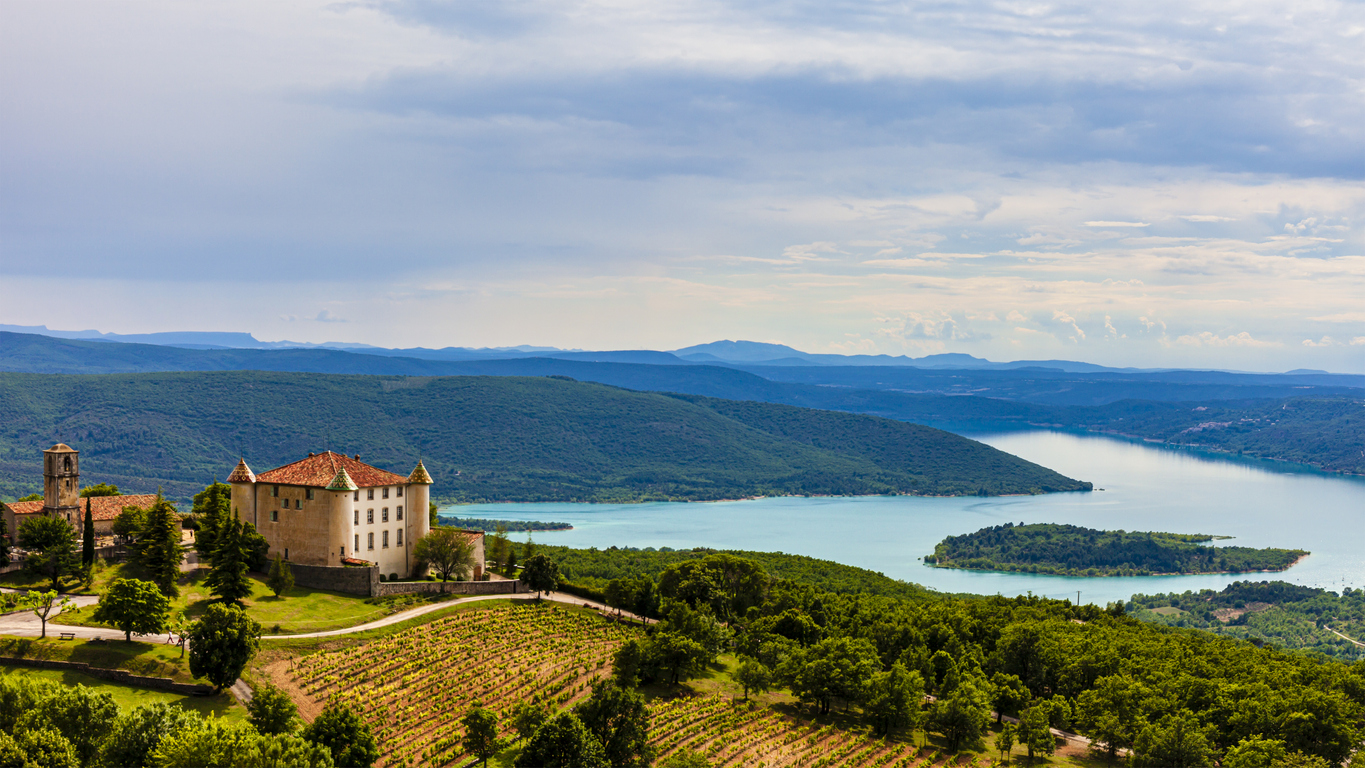
Castles on the Côte d’Azur | French Riviera Heritage
If you’ve strolled the Promenade des Anglais or lingered along a harbor lined with pine-scented yachts, you already know the French Riviera’s light has a way of making everything feel timeless. But it’s the region’s castles, fortresses, and citadels—perched on ridges, guarding harbors, hidden among vineyards—that truly anchor the Côte d’Azur to its layered past. From medieval strongholds and Renaissance bastions to romantic 20th-century revivals, each stone outpost reveals a different chapter in the Riviera’s story. Let’s wander east to west and hilltop to harbor, and get to know the fortifications that shaped the coastline, including a few quiet corners even many locals keep to themselves.
For travellers wishing to experience the Riviera’s cultural treasures at a slower pace, a selection of luxury villas across the Côte d’Azur offers an ideal base.
What counts as a “castle” on the Riviera
On the Côte d’Azur, château can mean many things: a medieval keep, a fortified monastery, a Renaissance palace, or even a 19th-century country house. You’ll also see terms like citadelle (citadel), fort (fort), and bastion (a projecting defensive work). The coastline’s strategic position drew centuries of maritime powers, from the counts of Provence to the Sun King and Napoleon. Many sites evolved over time—temples became watchtowers, watchtowers became forts, and forts became museums.
Practical note: accessibility varies widely. Some citadels crown steep old towns, while others are surrounded by level parkland. In summer, opening hours can extend into the evening; in winter, sites may close earlier or limit access. When in doubt, pick early mornings or late afternoons to enjoy softer light, calmer temperatures, and more space on narrow lanes.
Cannes above the Croisette: Château de la Castre
At the top of Cannes’ old quarter, Le Suquet, the Musée de la Castre occupies a former medieval stronghold built by the monks of Lérins. Even before you step inside, the climb sets the tone: stairways scented with bougainvillea, walls draped in trumpet vines, and shutters catching sea breezes from the Vieux-Port. The museum itself gathers Mediterranean antiquities and far-flung artifacts, but the true highlight is architectural—a square tower with a tiny spiral staircase and 360-degree views over the Bay of Cannes, the Estérel hills, and the Lérins Islands.
Insider tip: aim for golden hour. The mellow light traces the terracotta rooftops and outlines the Suquet’s campanile. Afterwards, slip into the quiet stone cloister behind the museum; its shade, just steps from the bustle below, is a small miracle on warm days. If you’re planning a morning visit, swing by Marché Forville at the base of the hill for strawberries, goat cheese, and socca to turn your castle climb into a picnic with a view.
Mandelieu-la-Napoule’s fairy-tale revival: Château de la Napoule
More romantic than martial, Château de la Napoule sits right on the waterline west of Cannes, reimagined in the early 20th century by American artists Henry and Marie Clews. Their reconstruction wrapped medieval foundations in whimsical turrets, carved doorways, and sculpted grotesques. It’s easy to linger in the garden rooms—citrus alleys, arches framing tiny coves, and shaded lawns that lead your eye straight out to sea. The interiors hold an eclectic mix of art and curiosities, but it’s the love story that adds charm; the couple left symbolic echoes of their partnership throughout the property, from entwined initials to a “secret” seaside door.
Small local perks often go unnoticed: there’s a calm pocket of sand by the castle walls that’s perfect for a few minutes with your feet in the water, and the low volcanic hill of San Peyre—visible just inland—offers a short, fragrant hike through pines to a fine lookout over the bay. Times with onshore breezes will bring the scent of jasmine and orange blossoms through the castle’s arched windows, a madeleine of memory you’ll carry long after your visit.
Antibes: Fort Carré and walkable ramparts
Antibes’ silhouette is defined by its Vauban-era walls and the star-shaped Fort Carré, set on a promontory at the edge of town. The fort’s geometry—four bastions, watchtowers, and grassy glacis—remains remarkably intact. Built to protect one of the Mediterranean’s best natural harbors, it later served as a garrison and briefly as a prison; one cloistered room has a quiet gravity that stays with you. From the ramparts you’ll see Port Vauban’s forest of masts, including the surreal line of mega-yachts along the “Billionaires’ Quay,” alongside local fishing boats that still head out at dawn.
A satisfying loop links the old town’s seaward walls, the Provençal market, and the Picasso Museum set in the Château Grimaldi by the waterfront. If you have half a day, continue along the Cap d’Antibes coastal path—locals call it the Sentier Tire-Poil—for crashing surf and sculpted limestone. Late spring brings the fig trees around Antibes into leaf; stopping by a shaded bench beneath the ramparts for a slice of fougasse makes an easy Riviera lunch.
Nice from above: Castle Hill and Fort du Mont Alban
Nice’s Colline du Château isn’t a standing castle anymore, but the park on its summit—sprinkled with ruins, lookouts, and a man-made cascade—offers the city’s best orientation. A lift from the seafront eases the climb, but the stairs through the greenery are worth the effort if you like the gradual reveal: first the rounded Bay of Angels, then the ochre Old Town rooftops, then the green sweep of the Paillon gardens. Children gravitate to the playground on top, while photographers set up by the belvederes for long exposures of the cascade. Stay long enough and you’ll notice how the light shifts from silver to honey over the Promenade.
If you’re up for a quieter vantage, Fort du Mont Alban sits on the ridge between Nice and Villefranche-sur-Mer. The walk from Mont Boron Park towards the fort threads through Aleppo pines with glimpses of both bays. The fort opens for tours seasonally, but even when the interior is closed, the terraces outside are superb picnic spots, and swallows race the wind along the walls. Pair the hike with a detour to the lower terraces of Mont Boron for a secret bench with framed views towards Cap-Ferrat.
Wine and walls in the hills: Château de Crémat and Bellet terraces
One of the Riviera’s rare wine appellations, Bellet, unfolds on shaded terraces above Nice. Château de Crémat, an ochre Belle Époque landmark with crenellations, anchors the district visually and historically. Tastings introduce the mineral whites and pale reds that suit Mediterranean herbs and seaside picnics, and the castle’s courtyards often host cultural events. A rumor ties its interlaced initials to a famous fashion monogram; whether you believe it or not, the blend of architecture and viticulture is distinctively Riviera.
To make a day of it, link wine with water: start with a stroll along the Canal de Gairaut, a flat path under plane trees following an old irrigation channel. It leads to a stone waterfall folly where kids clamber, couples linger, and you can see all of Nice laid out below. Then head into the Bellet zone for cellar doors and hillside chapels. Between olive groves and cypress rows, you’ll begin to understand how the region’s “castles” are often lived-in estates rather than distant monuments.
Cagnes-sur-Mer: Château Grimaldi and the hilltop quarter
Haut-de-Cagnes rises in stacked terraces above the coastal plain, with the Château Grimaldi perched at the very top. Medieval bones support a 17th-century transformation, so one façade offers stern battlements while the interior staircase shows off painted ceilings and a ceremonial flair. Today the château houses a museum that mixes art with local history; the olive-themed exhibits are a nice nod to the terraced groves still visible around the village.
There’s an electric minibus that spirals up the hill if you prefer not to climb, but taking your time through the lanes has rewards: ceramic street signs, secret shortcuts, and plant-filled mini-balconies that lean into the light. The little square in front of the castle is a pause point with a view towards the sea. If you have an extra hour, the Renoir museum below in the Les Collettes district preserves the painter’s olive orchards and the “dancing light” he chased here; a quiet bench under those trees is one of the area’s gentlest pleasures.
The Lérins Islands: Fort Royal and monastic defenses
Just offshore from Cannes, the Lérins Islands balance culture and nature with rare grace. Sainte-Marguerite is the larger, forested isle, its eucalyptus-scented paths leading to coves as clear as glass. At its heart, Fort Royal holds the mystery of the Man in the Iron Mask, who was imprisoned here in the 17th century. Walking the fort’s battlements, you can peer into old cisterns and barracks, and then step back into the woods within minutes. The island’s small village has an unhurried rhythm; if you pack bread, olives, and fruit, you can picnic where the waves barely whisper.
Saint-Honorat, by contrast, feels deeply contemplative. The Cistercian abbey is active, and silence prevails around the cloisters and the fortified monastery that rises right from the shoreline. Monks tend vineyards that stripe the island; their wines and liqueurs are crafted in rhythms older than the Côte d’Azur’s modern bustle. Circumnavigating the island on foot takes less than an hour, with small stone towers peeking out from the scrub and views that frame the Alps on clear days. Low tide reveals tidepools that draw children in like little laboratories.
Saint-Tropez: the citadel above the harbor
It’s tempting to think of Saint-Tropez as eternally buzzing, but step up to the Citadelle and the mood changes to something more grounded. The 17th-century fort looks directly out over the sea it once defended, and today a maritime museum inside traces the town’s nautical heritage—from tartanes and tuna fishing to long-range voyages and rescue craft. The rampart walk is breezy even on warm days, and benches under fig trees offer shade and a view that swings from the harbor masts to the sandy crescent of the Baie des Canebiers.
Small local details bring the visit to life: early in the morning you can watch fishermen mending nets along the quaysides before the crowds stir; on market days (usually Tuesdays and Saturdays), Place des Lices fills with seasonal produce and pétanque banter. From the citadel, take a quiet descent through the La Ponche quarter’s lanes, where laundry flutters from balconies and doorways are framed in cool stone. The walk is short, but if you let yourself be sidetracked by painted shutters and seashells tucked into mortar, you could happily spend an hour losing and finding your way.
Over the gulf: Grimaud’s hilltop castle
Across the gulf from Saint-Tropez, the village of Grimaud rises around a craggy ruin that once commanded the entire area. The castle’s broken towers and walls frame slices of sea and vineyard, and in summer the amphitheater-like space hosts concerts where swallows swoop overhead at dusk. The climb through the village is part of the pleasure; lanes paved with calades (pebbles set edgewise) wind past pastel facades, and the stone windmill of Saint-Roch turns its sails when a mistral tickles the hills.
Beyond the main site, look for the old canal with its tiny aqueduct, and the Romanesque church that anchors a quiet square. A short drive takes you to Port Grimaud, a 20th-century “lakeside town” on the lagoon where small bridges, shuttered houses, and bobbing boats conjure a water village quite unlike anywhere else on the coast. From the castle at sunset, the whole gulf glows; if you have a camera, this is the moment to catch the long line of hills fading into blues toward the Maures.
Roquebrune-Cap-Martin: a medieval keep above the sea
Set between Monaco and Menton, Roquebrune village huddles below a 10th-century keep that’s wonderfully raw. Timber hoardings cling to the top walls, and narrow stairs lead to a platform with views that run from the Italian border to the cliffs of Cap Martin. The castle is compact, but exploring its angles gives a feel for defense by ingenuity: arrow slits, tight corridors, and a silhouette that blends with the rock. The village’s lanes are a delight in themselves, twisting around vaulted passages and tiny squares where cats doze on sun-warmed stone.
Don’t miss a detour to one of the Riviera’s oldest living witnesses: an olive tree in the village that locals claim is over two millennia old. Its trunk is a sculpture in motion, contorted and patient. Down on the coast, the Promenade Le Corbusier traces the headland along the sea, named for the architect who sketched and swam here; early morning or late afternoon light makes the path’s coves and pines feel particularly cinematic.
Èze: ruins in the clouds, cactus in bloom
Èze is one of those places that seems drawn more than built, rising steeply above the sea on a narrow spine. At the very top, among the exotic plants of the Jardin Exotique, lie the ruins of a medieval castle. The juxtaposition is striking: cacti and agaves basking where banners once flew, sculptures perched in niches, and the sea visible through every gap in the stone. It’s small, but there’s enough history and botany here to linger longer than you expect.
For a scenic, fitness-friendly loop, descend the Nietzsche Path towards Èze-sur-Mer and then return by bus; the path is pebbly, steep, and best done with sturdy shoes, but the reward is seeing the village grow from cliff garden to crown as you look back up. In the village itself, perfumeries offer short tours that hint at the area’s aromatic traditions—angelica, lavender, bitter orange. The trick to enjoying Èze is to arrive early; even half an hour ahead of the main flow transforms your visit into something much more tranquil.
Gourdon: a balcony over the Loup gorges
Further inland but still very much of the Riviera, the perched village of Gourdon balances on the lip of a cliff over the Gorges du Loup. Its château—a blend of medieval fortification and later residence—anchors a tidy ensemble of stone houses, and the gardens, when open, arrange box hedges into geometric rooms that mirror the order of the surrounding terraces. This is a place where the wind changes the baseline of the day; on breezy afternoons, the air smells of wild thyme and rockrose.
Glassblowers and artisans set up in vaulted shops around the village. If you’re combining castles with sweet treats, the confiserie down by the river turns local fruits and flowers into candied jewels; the factory tours are short and unfussy. For views, an orientation table near the clifftop wall helps you name far horizons, and on especially clear days you can pick out the line of the sea beyond the foothills. Bring a light jacket even in summer—sun warms the stone, but shade and altitude keep the air honest.
Villefranche-sur-Mer: the citadel by the harbor
Villefranche’s 16th-century citadel sits right at the water’s edge, its bastions draped in green and its moat turned into a lawned public space. The interior hosts small municipal museums and a sculpture garden; entry is often free, and the quiet courtyards are among the most relaxing places to linger in the area. Just outside, the fishermen’s chapel of Saint-Pierre—decorated by Jean Cocteau—is a reminder that artistry and seafaring have always intertwined here.
Look for the Rue Obscure, a vaulted passage that runs behind the seafront houses like a secret spinal cord; walking its length in the cool shade is an experience that children remember. In summer, evening craft markets sprout along the quays, but the real pleasure is simply sitting on the low wall by the harbor and watching the light soften over the anchored boats. If you want a higher view, the steps up towards the old town’s upper streets weave past bougainvillea-draped corners to glimpses across the bay to Saint-Jean-Cap-Ferrat.
Monaco: the Rock and the Prince’s Palace
Though a separate principality, Monaco’s Rock belongs to the same coastal story. The Prince’s Palace occupies the crest, built on medieval foundations and continuously adapted. Its courtyard is a stage for the daily changing of the guard, while the state apartments, when open, reveal tapestry-hung rooms that feel worlds away from the casino’s glare. From the ramparts, the view “explains” Monaco: cliffs pressing down to reclaimed harbors, gardens tucked into every possible corner, and the steady churn of the sea.
Nearby, the Saint-Martin gardens walk the cliff edge under pines and succulents, leading towards the monumental oceanographic museum perched like a ship’s prow over the water. The old town’s alleys have a theatrical neatness—flag bunting, painted shutters, and polished stone—that suits a stage set. If you’re visiting with children, the guard change and cliffside gardens make for a short but balanced morning before lunch somewhere quieter along the coastline.
Menton: the Bastion and the hill of the old castle
At the far eastern edge of the Riviera, Menton embraces the border with Italy in its palette and its palate. The Bastion, a small 17th-century fort by the water, now houses a museum devoted to Jean Cocteau. The building itself is a delight—rounded, friendly, weathered by salt spray—and its rooftop terrace is a good spot to look back at the Old Town’s painted houses glowing in lemon and apricot shades. Along the front, there’s a paved stretch studded with mosaics designed by Cocteau; children love tracing the patterns.
Climb the steps into the Old Town to the cemetery on the site of the former castle. It’s perhaps the most peaceful viewpoint in Menton. From here, church towers break the skyline, gardens tumble downhill, and on market mornings you can hear the hum without being in it. If time allows, a stroll through one of the town’s historic gardens—Val Rahmeh offers subtropical surprises—adds a gentle counterpoint to the stones and stories of the coast’s fortifications.
Hyères and Bormes-les-Mimosas: western watchpoints
Stretching west into the Var, Hyères’ old castle ruins crown a hill that holds the outlines of medieval streets below. The climb winds past shutters painted in ochres and blues, stair-stepped alleys, and terraces where you can catch your breath under palm fronds. On the summit, you’ll find ragged walls and wide horizons over the islands of Porquerolles and Port-Cros. The land and sea meet in a checkerboard of salt pans, vineyards, and beaches—it’s a near-perfect survey of the Riviera’s western personality.
Nearby, Bormes-les-Mimosas deserves a detour for its cascading bougainvillea and pastel houses. From the Cabasson area, you can admire the presidential retreat at Fort de Brégançon from a respectful distance; beaches here are framed by umbrella pines and soft dunes. A coastal path threads the bights and headlands; early mornings are best for bird song and the kind of sea glass that hides in plain sight. Keep an eye out for small chapels along the lanes; they often mark ancient routes between hilltop villages and the water.
Hidden corners and small strongholds worth a detour
Not all fortifications are headline sights, and some of the Riviera’s most atmospheric corners fly under the radar:
- Villeneuve-Loubet’s medieval castle is a private residence with limited access, but its silhouette above the village and glimpses through olive branches reward a gentle wander. Combine it with a stop at the Escoffier culinary museum down the hill to link architecture and gastronomy.
- Tourrettes-sur-Loup’s central castle is entwined with the village hall; peeking into the courtyard and circling the lanes reveals planters overflowing with violets, the village’s signature flower.
- Carros Village has a small castle that now hosts an art center; the perched site looks over a patchwork of valleys and is particularly pretty when evening lights begin to blink on towards Nice.
- Les Arcs-sur-Argens’ Le Parage quarter offers a warren of medieval passages and a clock tower above wine cellars that open for tastings on weekends.
- Biot isn’t a castle village, but its ramparts and gatehouse frame a center known for glassblowing; gnarled plane trees shade the central square in a way that feels a century apart from the beaches nearby.
Events, festivals and the best times to visit
The Riviera’s castles often serve as cultural stages. In Grimaud, summer evenings bring classical concerts within the castle ruins; the acoustics, with swallows tracing arcs overhead, are something special. Mandelieu-la-Napoule’s castle runs art exhibitions and occasional evening openings where the gardens feel particularly intimate at twilight. Cannes’ Le Suquet hosts music festivals where the silhouettes of the tower and campanile become part of the performance.
Across the region, the European Heritage Days in September open doors and offer guided tours that don’t appear the rest of the year. Even simple things, like climbing Antibes’ ramparts at night during special events, can make a familiar route new again. Fireworks festivals along the coast—especially in Cannes—are best seen from a higher vantage point like the Suquet or, further west, from the promenade by the Château de la Napoule, where reflections turn the bay into a second sky.
Practical planning for castle days
- Footwear and sun: even quick climbs can involve uneven steps and polished cobbles. Wear shoes with grip and bring a hat and water, especially from late spring through early autumn.
- Parking and access: hilltop villages often have car parks at the base with a short uphill walk or a shuttle. In Cagnes, the electric shuttle loops frequently; in Èze, parking fills early and roadside spaces are limited.
- Public transport: the coastal train connects main towns between Cannes and Menton, and local bus networks reach many hill villages. Ferries to the Lérins Islands run regularly from Cannes; seas are usually calm, but afternoon winds can add a bit of chop.
- Families: look for sites with shaded spaces and short loops. Nice’s Castle Hill, the Villefranche citadel, and Sainte-Marguerite Island all offer easy breaks and low-stress wandering. Steep climbs like Roquebrune’s keep are wonderful with teens but may be a stretch with strollers.
- Tickets and timing: smaller museums and forts often close at midday or one day per week; check hours at the entrance in the morning. Combining a castle with a market or garden nearby breaks up the day and keeps everyone happy.
Photographing castles on the Côte d’Azur
Light is your most important ally. East-facing sites like Menton and Roquebrune glow in the morning, while west-facing views from Cannes, Mandelieu, and Sainte-Maxime reward the late afternoon. After a rain shower, colors deepen and the air clears—those are the days when distant Alps feel a fingertip away. If you’re carrying a small tripod, long exposures at Nice’s Castle Hill cascade blur the water into a soft ribbon against the ancient stones.
For compositions, look for frames: alleyway arches, doorways, or tree branches to set the scene; then let a single detail—an iron latch, a carved lintel, an olive leaf—pull you in. The best photographs often involve waiting a minute for the scene to breathe. In summer, that might simply mean pausing as a family wanders out of frame or a breeze lifts a vine from a wall. In winter, you’ll have empty lanes and the pleasure of slow looking all to yourself.
Responsibility and respect at heritage sites
Stone remembers. Please keep to marked paths and avoid climbing on walls or sitting on fragile ledges. Drones are generally restricted around monuments and protected natural areas. On Saint-Honorat, respect the abbey’s quiet zones; it’s an active religious community as well as a historic site. If you’re picnicking, carry your waste back to the mainland—gulls have excellent taste but poor manners, and delicate island ecosystems feel every scrap.
Consider visiting outside the absolute peaks of the day. You’ll reduce pressure on small villages and enjoy more meaningful encounters. Buying a jar of honey, a bag of olives, or a small craft near a castle supports the people who keep these places alive. In short, travel the way you’d want others to visit your own neighborhood.
Short itineraries: stitching castles into a Riviera escape
Three days from west to east
Day 1: Begin in Cannes with a morning climb to the Château de la Castre, then ferry to Sainte-Marguerite for Fort Royal and a eucalyptus-shaded picnic. Late afternoon, visit the Château de la Napoule and pause on the small beach beside the walls before dinner along the shores of Mandelieu or Cannes’ old port.
Day 2: Train to Antibes for Fort Carré and a slow walk around the old town ramparts. After lunch, continue to Nice; ride or walk up Castle Hill for sunset, and if you’re up for it, add a pre-dinner stroll in Mont Boron with a detour to the viewpoint below Fort du Mont Alban.
Day 3: Head to Villefranche for the citadel and Rue Obscure, then continue to Èze to explore the ruins in the Jardin Exotique. End the day in Roquebrune-Cap-Martin, catching the glow of the keep at golden hour and, if you have the energy, a short segment of the coastal path as the sea settles.
Three days focused on the Gulf of Saint-Tropez and inland
Day 1: Saint-Tropez’s Citadelle and maritime museum in the morning, lunch under plane trees near Place des Lices, then cross the gulf to Grimaud for an evening among the castle ruins and village lanes.
Day 2: Drive inland to Gourdon for château views and a lunch of local goat cheese and bread by the walls, then back via the Gorges du Loup to catch sunset over the hills.
Day 3: Explore Hyères’ castle and old town, then continue to Bormes-les-Mimosas for pastel-lane wandering and a late afternoon pause near Cabasson with distant views of Fort de Brégançon.
These are sketches rather than prescriptions; part of the Riviera’s pleasure is how easily you can adjust plans based on weather, mood, or a new recommendation picked up over a coffee.
Conclusion: the Riviera through its stone guardians
The Côte d’Azur’s castles do more than decorate the skyline; they tell the story of a coast that has always looked outward—towards traders and invaders, pilgrims and painters, fishermen and families. In their stones you feel the discipline of defense and the improvisation of daily life, layered and revised over centuries. Visit one or two, and you’ll have lovely views. Give yourself time for several, and you’ll start to hear a conversation between them—the watchful height of Grimaud speaking to the sea-facing confidence of Saint-Tropez, the monastic solitude of Saint-Honorat answering the city-swept hill of Nice.
Walk the lanes slowly. Let a gust of pine from Mont Boron or a eucalyptus shadow on Sainte-Marguerite do its work. And when you come back down to the water, the coast will feel more intelligible, as if its light and its stones had just formally introduced you.
Discover the Côte d’Azur and explore all our holiday villas to experience these historic landscapes and coastal towns throughout the year.

