

 EN
EN  NL
NL
 DE
DE
 FR
FR

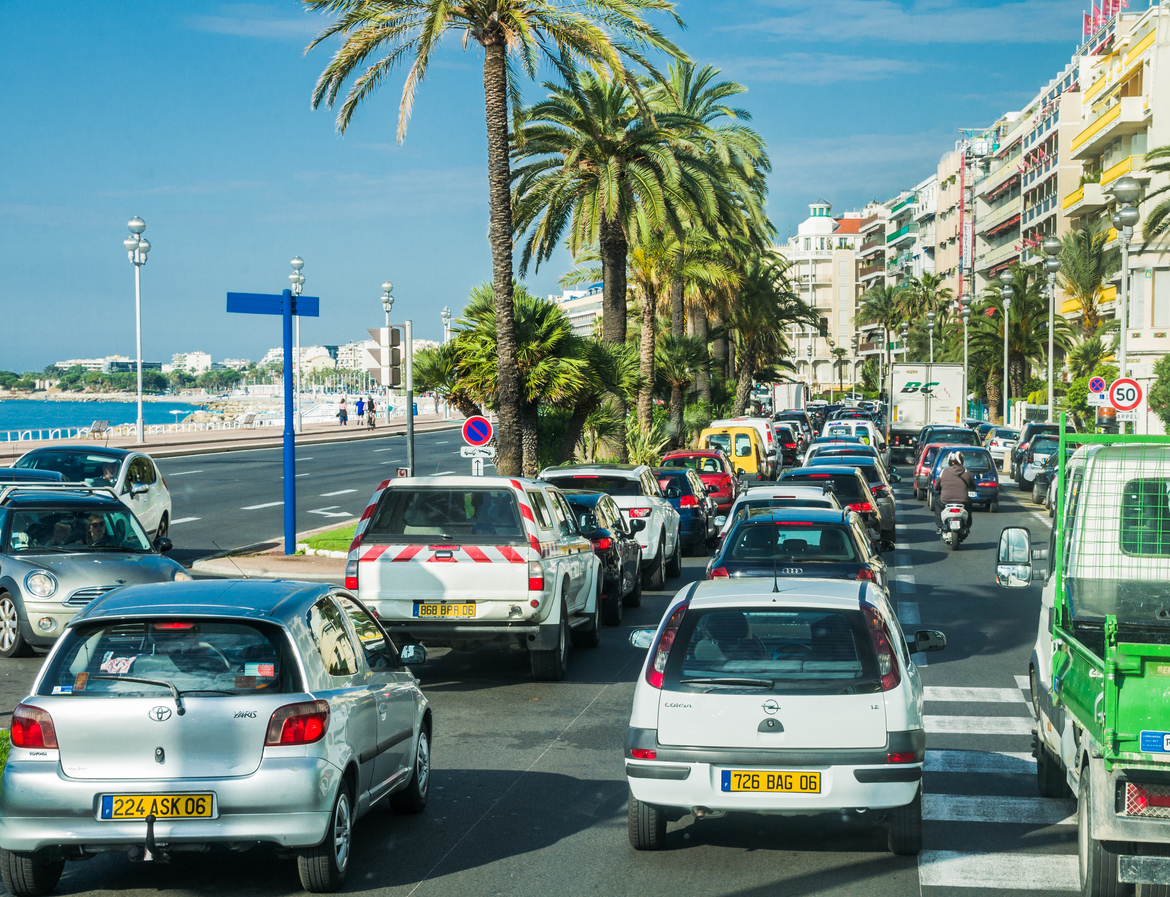
How to Get Around the Côte d’Azur in High Season: Local Tips and Smart Routes
When the French Riviera hits peak season, the region shifts into a lively rhythm: beach days start early, lunches linger long, and roads can swell with visitors. If you’re dreaming of turquoise coves, cliffside villages, and evening strolls along palm-lined promenades—but not the gridlock that sometimes comes with them—you’re in the right place. Here’s a local-style guide to moving freely between Nice, Cannes, Antibes, Saint-Raphaël, Saint-Tropez and the hinterland, even in July and August.
Before we dive into routes and tactics, let’s set expectations: you’ll avoid most bottlenecks with a blend of timing, smart shortcuts, and occasionally swapping wheels for rails or boats. It also helps to plan your base with mobility in mind—many travelers prefer to rent a holiday home in South of France so they can set their schedule and come and go outside the classic rush hours: rent a holiday home in South of France. With a bit of foresight, you can spend your time in the water, at markets, or on cliff paths, not stalled on a coastal road.
Understand the High-Season Rhythm
The Côte d’Azur in summer has a predictable daily pulse. Locals and long-time visitors time their movements to it, and you can too. Think of the day in three waves: early morning (best for driving, running errands, hitting the beach or a coastal walk), mid-afternoon (good for siestas, shaded museums, or quiet village strolls), and evenings (for dinners, night markets, concerts, and coastal breezes). Roads tend to swell late morning (10:00–12:30) as beachgoers head out, and again from late afternoon into early evening (16:30–19:30) as everyone returns, showers, and heads to dinner.
Markets also shape traffic and parking. Tuesdays and Saturdays in Saint-Tropez, Friday in Valbonne, daily mornings in Antibes’ Marché Provençal and Nice’s Cours Saleya—these are glorious but busy. If you’re driving nearby, arrive before 09:00 or swing by after 12:30 when stalls wind down. Festivities—like fireworks in Cannes or summer jazz in Juan-les-Pins—can cause evening gridlocks around waterfronts. When in doubt, park a little outside the action and walk in along the seafront.
Map the Riviera: A Quick Orientation
It helps to visualize the region as three layers running east–west. Along the water you have the scenic coast roads—often spectacular, sometimes slow. Above that, the A8 autoroute (La Provençale) runs from the Italian border past Nice, Antibes, Cannes, Fréjus–Saint-Raphaël, and on toward Aix-en-Provence. Beyond the A8 lie hills and pre-Alps, full of perched villages and quieter roads. If you're unfamiliar with the region, our Gulf of Saint-Tropez travel guide provides a useful overview of one of the Riviera's most popular areas.
Key road names you’ll hear:
- Grande, Moyenne, and Basse Corniche (east of Nice): three stacked cliff roads with epic views between Nice and Menton. The higher you climb, the less crowded it can be, but bends are tighter.
- D6098/Corniche d’Or between Mandelieu and Saint-Raphaël: a red-rock rollercoaster past tiny coves and viewpoints in the Estérel. Stunning but slow; treat it as an outing, not a commute.
- D559 between Sainte-Maxime and Saint-Tropez: the legendarily busy coastal strip. A scenic joy at sunrise; a crawl by late morning on market days.
- D25 (also known as the “Route du Plan de la Tour”/“Route du Muy”): the inland antidote to that coastal D559, connecting Sainte-Maxime to the A8. Often your best escape valve.
- D4 through Plan-de-la-Tour: a green, quiet route linking Sainte-Maxime to hinterland villages and the A8, bypassing coastal queues.
- D6007 (ex-RN7) between Nice–Antibes–Cannes: the old national road, parallel to the A8. Useful for short hops if the A8 is jammed, but watch for urban traffic lights.
Public transport overlays this: TER coastal trains stop close to beach towns; sea shuttles link Saint-Raphaël with Saint-Tropez and Cannes with the Îles de Lérins; city buses in Cannes, Nice, Antibes, and Fréjus–Saint-Raphaël cover local ground; and regional buses (ZOU!) bridge gaps between towns and inland villages.
Beat Traffic with Time-of-Day Tactics
Timing beats distance on the Côte d’Azur. A 12 km drive can take 20 minutes at 07:30—or 90 minutes at 11:30. Planning your movements with the sun and the markets is half the battle. Here’s a simple framework:
- Early out, early back: hit the road by 07:30–08:00, park easily near the beach or village, and enjoy the emptier morning. Depart your beach or town by 12:30 to skip the slow exodus.
- Split your day: relax midday near your base, then head out after 16:00 for golden hours, sunset swims, and dinner. For Saint-Tropez or Cannes fireworks, arrive in the late afternoon and stay till late.
- Drive while others dine: 13:30–15:30 is often a sweet spot on inland routes when crowds are at lunch.
- Know market days: Saint-Tropez’s port area overflows Tuesday and Saturday mornings; Valbonne on Fridays; Biot on Tuesdays and Saturdays; Vence on Friday mornings. Plan around them or arrive very early.
- Skirt the sea at peak times: if you must travel midday, take inland connectors (D25, D4, M6202 bis) instead of hugging the coast.
Evenings bring their own patterns. Seafronts such as the Croisette (Cannes), Promenade des Anglais (Nice), and Juan-les-Pins fill with strollers. If dinner is your goal, park two or three streets back and walk in. In Old Antibes, leave your car near Port Vauban or at the edges of town and meander the ramparts past the bastion by Fort Carré as the light goes pink.
The Car Routes Locals Use (and When)
Cars offer freedom—if you’re selective about routes. Here are practical shortcuts and scenic options that save time or transform a commute into a pleasure:
Nice to Menton: Pick Your Corniche
Between Nice and Menton, the three Corniches are a study in trade-offs. The Basse Corniche (M6098) hugs the sea and crosses Villefranche-sur-Mer and Beaulieu; it’s pretty but clogs at peak hours. The Moyenne Corniche (M6007) threads above, with unforgettable lookouts by Èze; it’s often smoother than the Basse. If you have a head for heights and hairpins, the Grande Corniche (M2564) offers dramatic views and generally lighter traffic—but it’s not for the rush or the faint of heart. Early morning on the Basse Corniche is a dream, with the sun lighting Villa Kérylos in Beaulieu and fishing boats in Villefranche’s bay.
Antibes–Cannes: Coast versus RN7
For short hops between Antibes, Juan-les-Pins, and Cannes, the question is whether to take the coastal Boulevard du Littoral or the D6007 (ex-RN7) slightly inland. In summer, the coast road is atmospheric but slow; if you’re actually trying to get somewhere, use the D6007 and dart back to the sea only near your destination. For a lovely detour, loop around Cap d’Antibes along Boulevard du Cap early in the day—stop near the tiny Plage des Ondes or walk a section of the “Tire-Poil” path at sunset when the sea turns glassy.
Sainte-Maxime–Saint-Tropez: The Inland Escape
That notorious D559 coastal strip is gorgeous at 07:00 and exasperating at 11:00. If you’re set on Saint-Tropez in high season, either go by boat from Saint-Raphaël or Sainte-Maxime, or drive inland: take D25 from Sainte-Maxime to the A8, then exit toward Le Luc or Le Cannet-des-Maures and come in via D98/D93 depending on your target. It’s longer on the map, faster in reality. If you must use the coast road, aim for dawn and savor a coffee by the masts before the crowds roll in.
Fréjus–Saint-Raphaël–Estérel: Red Rocks, Blue Sea
The Corniche d’Or between Agay and Théoule-sur-Mer is both attraction and artery. Don’t rush it. Make it a half-day: stop at the Belvédère du Cap Roux, venture down to the pebbly cove at Calanque de Maubois, or take the short hike on the Sentier du Dramont to the WWII landing memorial and the photogenic Île d’Or. Use the inland D100 or A8 for actual point-to-point travel at busy times.
Var Valley Bypass for Nice
To reach the hills behind Nice or to skirt city traffic, the M6202 and M6202 bis along the Var River are unsung heroes. They link the A8 to Saint-Martin-du-Var, Carros, and beyond, letting you access perched villages like Gilette and Le Broc without tangling with central Nice. For an atmospheric lunch, detour to the village square of Carros-Le-Neuf or sit at the fountain in Gilette, where swifts trace arcs above the rooftops.
Sea Shuttles and Ferries: Let the Coast Work for You
When roads are packed, the water stays wonderfully reliable. Boats not only dodge traffic; they turn a transfer into a mini-cruise. In summer you’ll find frequent services:
- Golfe de Saint-Tropez: regular boats shuttle between Sainte-Maxime and Saint-Tropez in roughly 15 minutes. You ride across brilliant water, step straight onto the port, and skip the parking hunt.
- Saint-Raphaël to Saint-Tropez: a longer but scenic route that doubles as a day trip, with views of coves below the Estérel cliffs.
- Cannes to Îles de Lérins: ferries carry you to Sainte-Marguerite or Saint-Honorat for pine-scented walks and a swim in quiet creeks. Go early for the silence of the forest trails; bring a picnic and water shoes for the rocky shore.
Tip: treat boat timetables as your “driver.” Park near the departure port well before your chosen sailing, grab a croissant, and enjoy a sea breeze while everyone else queues along the corniche.
Rail Strategy: TER Coastal Trains and a Mountain Classic
The TER trains are your fast, predictable spine for coastal movement. The line hugs the sea between Ventimiglia (Italy) and Toulon, linking most major towns. In summer, trains are frequent but can be busy at peak times, so it’s smart to travel early or late.
- Hug the coast, skip the queues: hop between Nice, Antibes, Juan-les-Pins, Biot (actually in Antibes, handy for Marineland and Parc Vaugrenier), Cannes, Mandelieu/La Napoule, Fréjus–Saint-Raphaël, and on toward Les Arcs–Draguignan.
- Use secondary stations: for Cannes events, many locals use Cannes-La-Bocca or Mandelieu–La Napoule stations and avoid the crowds around Cannes’ main station.
- From stations to beaches: in Cagnes-sur-Mer, walk or cycle from the station along the promenade past the Villeneuve-Loubet Marina pyramids; in Antibes, it’s an easy walk to the port and the Picasso Museum; in Juan-les-Pins, the station is steps from sandy beaches and the pine grove where jazz floats under the sky.
For a change of scenery, take the Train des Merveilles from Nice up the Roya Valley towards Tende. It’s a heritage-feel TER, with commentary on some departures, winding past olive terraces and stone villages. It’s an exceptional way to reset after days of beach time and crowds, and to explore mountain hamlets like Saorge or La Brigue on foot.
Bus Networks that Actually Help
While intercity buses can be slow in traffic, local networks excel for short hops and for reaching spots that would be tricky to park at in high season.
- Nice (Lignes d’Azur): trams glide through the center and out to the airport; buses climb to Cimiez’s olive groves and Matisse Museum, or zigzag to perched villages like Èze-sur-Mer (to connect with the Nietzsche Path hike up to Èze Village). Park at a “Parcazur” park-and-ride and hop on a tram to avoid central congestion.
- Antibes and Juan-les-Pins (Envibus): handy for reaching Cap d’Antibes, the Fort Carré area, or residential beaches where parking is scarce by midday.
- Cannes (Palm Bus): practical for La Bocca beaches or heading up to Le Cannet, where you can slip into the calm halls of the Musée Bonnard and wander shaded streets with that old-Côte feel.
- Fréjus–Saint-Raphaël (Agglobus, part of Estérel Côte d’Azur Mobilités): useful for Agay, Dramont, and inland corners without wrestling for parking at popular calanques.
- Regional lines (ZOU!): these buses link towns that the train misses, and reach inland villages like Valbonne, Opio, Vence, and Grasse. Expect slower rides at peak hours but unbeatable fares and a front-row seat on the landscape.
Two bus-friendly gems: the shaded Parc de Vaugrenier between Villeneuve-Loubet and Antibes (picnic, lagoon birds, and a quiet bike path), and the Parc du Paradou above Golfe-Juan (a pocket nature reserve with sea views and the occasional paragliding silhouette overhead). Both are mellow afternoon escapes when beaches are busiest.
Cycling and Walking: Local Mobility Superpowers
When traffic is heavy, a simple bike can be the most liberating tool you have. Towns from Nice to Cannes have increasingly connected bike paths and shared bike systems. With a bit of planning, you can pedal past the queues to a cove, a market, or a museum.
- Nice: from the airport to the port, the Promenade des Anglais is a cycling artery. Continue around the port to Coco Beach for a rocky swim spot loved by locals, or climb gently to the Mont Boron park for a fragrant pine walk and sweeping bay views.
- Cagnes-sur-Mer to Saint-Laurent-du-Var: a wide, flat waterfront path threads beach clubs, skate parks, and family areas. Detour into the Cros-de-Cagnes fishing quarter for grilled sardines or to watch traditional pointus bobbing in the harbor.
- Antibes and Cap d’Antibes: cycle early around the cap, pausing at Plage de la Garoupe or the little Plage des Ondes. For walkers, the Sentier du Littoral (“Tire-Poil”) curls under pines and past spray-soaked rocks—best early or late, with sturdy shoes.
- Siagne River Greenway (Mandelieu/Pégomas): inland, shaded and peaceful, this is an antidote to busy seafronts on hot afternoons. Bring water and savor the cicadas.
- Sainte-Maxime: pedal to the Pointe des Sardinaux, sometimes called “Little Corsica,” for snorkel-friendly water and flat rocks perfect for a picnic; arrive before 10:00 for serenity.
Walking is underrated mobility. In Cannes, the Croix des Gardes hill offers eucalyptus-scented trails and city panoramas, usually quiet even in August. In Fréjus, wander Roman remains—the amphitheatre and aqueduct fragments—late afternoon when the sun softens and streets calm. In Villeneuve-Loubet’s old village, climb stair-stepped lanes to a terrace café and linger in the cool of evening.
Parking Like a Local: Where, When, and How
In summer, parking is less about luck and more about strategy. You can usually find a spot quickly if you think a few blocks beyond the waterfront and arrive early or late.
- Park-and-ride: in Nice, “Parcazur” facilities let you park on the edge of the city and take the tram into the center and to the Promenade. It’s cheap, stress-free, and avoids the toughest urban driving.
- Secondary stations: to visit Cannes during events or Friday/Saturday nights, park near La Bocca or La Napoule stations and pop into Cannes by TER for a few minutes each way.
- Edges over centers: in Antibes, the area near Fort Carré and Port Vauban often yields spots early or late, and from there it’s a scenic walk under the ramparts into old town. Similarly, in Saint-Raphaël, park just beyond the marina and walk the esplanade.
- Morning gains: for small coves (Agay, Pointe de l’Aiguille in Théoule), arrive before 09:00. You’ll get a shady parking place and a calm swim before the day heats up.
- Read the signs: summer brings temporary restrictions for events and fireworks. Allow extra time in late afternoon and watch for one-way changes that appear for festival nights.
A gentle reminder: blue zones often require a parking disc; beach roads fill quickly on hot weekends; and in some historic centers, access is limited. When in doubt, park where it’s easy and stroll in—you’ll enjoy the town more on foot anyway.
Day Trip Loops into the Backcountry
One of the smartest high-season tactics is to pivot inland when the coast feels saturated. Within 30–60 minutes you can be tasting olive oil under plane trees or wandering a village square where the only queue is for the boulangerie. A few rewarding loops:
From Antibes: Biot–Valbonne–Opio
From Antibes, head up to Biot for glassblowing studios and a medieval center with mosaic-like stone lanes. Continue to Valbonne for its perfect arcaded square and Friday market, then to Opio for olive groves and a picnic under cork oaks. Return via Plascassier and Le Cannet, perhaps stopping at the Musée Bonnard. Traffic is gentler, and midday heat is softened by shade and altitude.
From Nice: Vence–Saint-Paul–Gourdon
Drive up to Vence for the Matisse-designed Chapelle du Rosaire, then to Saint-Paul-de-Vence early (or late) to see it before day-trippers descend. Continue to Gourdon, perched spectacularly above the Loup Gorge, where free cool breezes roll even on hot afternoons. On the way back, pause at Pont-du-Loup for a river dip if conditions allow and a peek at the distillery scents wafting through the air.
From Fréjus–Saint-Raphaël: Fayence Villages
Climb toward the “Pays de Fayence,” a chain of hill towns—Callian, Montauroux, Seillans—linked by breezy roads and views across the eastern Var. In Seillans, cobbled alleys cascade toward fountains; find a café table under a plane tree and watch daily life hum slowly by. You’ll return to the coast refreshed and ahead of the evening traffic.
Market and Event Awareness: Choose Your Moments
Quality of movement in summer is about choosing your moments. Keep a mental list of regular weekly markets and recurring events and plan accordingly.
- Major markets to go early: Saint-Tropez (Tue/Sat), Valbonne (Fri), Antibes (daily mornings, cheese and tapenade heaven), Biot (Tue/Sat), Vence (Fri).
- Evening events that reshape traffic: fireworks in Cannes and Juan-les-Pins, concert nights at the Pinède in Juan, Nice Jazz Festival, pétanque tournaments in coastal squares. Park on the fringe by late afternoon; treat the walk in as part of the evening.
- Local gems: the night craft market along the port in Sainte-Maxime, the small brocante at Le Suquet’s foot in Cannes, or spontaneous music on the square in Théoule-sur-Mer. For these, arrive before sunset and claim a spot on a bench with a gelato.
For sunrise photographers, the Old Port of Villefranche-sur-Mer offers mirrorlike water and pastel reflections before the first cappuccinos are poured. For sunset swimmers, the rocks near the Batterie at Cap d’Antibes often catch a last glow while the crowds thin.
Ride-hailing, Taxis, and Car-Sharing
Uber and local taxis operate widely along the Riviera. In high season, expect surge pricing at peak times and after events; pre-booking helps, and taxi ranks around stations and main squares are reliable if you’re patient. Rideshares like BlaBlaCar can be handy for longer hops if you’re flexible on timing, but don’t build a tight schedule around them in peak weeks.
Car-sharing services exist in larger cities, though availability varies. In Nice and Antibes, you’ll sometimes find small electric car fleets with designated charging bays. These can be a convenient way to handle a few hours of errands without committing to a full day of car rental—but make sure you understand pick-up and return zones before you start.
Beach Strategy: Swim More, Shuffle Less
Here’s a summer veteran’s approach to beach time that keeps you out of queues and in the water:
- Go micro: identify a small cove or two near your base—Cap d’Antibes’ coves, Pointe de l’Aiguille’s pocket beaches in Théoule, the rocks below Cap Dramont—and be there by 08:30. Swim, read, and leave before the crush.
- Split beaches and culture: pair a morning swim with a midday museum like Musée Bonnard (Le Cannet), the Picasso Museum (Antibes), or Villa Ephrussi gardens (Saint-Jean-Cap-Ferrat). You’ll enjoy cool spaces while midday roads thicken.
- Evening dips: after 18:00, beaches calm. In Juan-les-Pins, the pine grove becomes music-scented; in Cagnes, summer evening breeze sweeps the promenade and the sea is still warm.
Many travellers also explore some of the best beaches in the Gulf of Saint-Tropez, where early mornings are often the perfect time to enjoy the coastline.
Bring reef-safe sunscreen, water shoes for rocky stretches, and a compact umbrella for midday shade. If you’re carrying a picnic, early morning markets yield sun-sweet tomatoes and tapenades that taste like summer itself.
Family and Group Tips: Move Together Smoothly
Traveling with kids or a group changes the mobility equation; it’s about minimizing transitions and maximizing enjoyment. Build your days around “anchor” activities that don’t require car hopping:
- Pick a base beach and stay: in Antibes, a day at Plage de la Salis plus a sunset loop around the ramparts; in Saint-Raphaël, a morning at Agay’s family-friendly sands, then ice cream along the promenade.
- Use trains as spines: choose a lunch stop near a station—e.g., Antibes old town or Cannes near the Marché Forville—and time your train back before or after rush hours.
- Boat day out: take the ferry to Sainte-Marguerite from Cannes and let kids explore the pine forests and shallow coves; no parking hunt, no mid-day transfers.
- Keep a “rest day”: a local morning market near your base, a shaded siesta, and an evening stroll. Summer is long; you don’t need to tick every box in one go.
For groups, appoint a “parking scout” and a “table scout.” On arrival in a busy town, one person can hop out to find a table or queue at a bakery while others park a few minutes away. You’ll feel less like a caravan and more like locals running an errand.
Safety, Heat, and Common-Sense Etiquette
High season adds heat, glare, and crowds—plan accordingly. Keep water in the car and a lightweight hat in your daypack. In villages with narrow lanes, slow down and yield to pedestrians; in the hills, expect cyclists and motorbikes on bends. Respect fire risk in the Estérel and Maures forests; summer bans on certain trails or barbecue areas are common and important.
On coastal roads, leave space for bikes and scooters, and avoid sudden stops at viewpoints—pull fully off the road. In towns, mind the scooters weaving forward at lights. And if you’re driving after dinner, take it easy: summer evenings buzz with strollers, musicians, and unexpected detours.
Local Corners You’ll Be Glad You Found
Part of moving well is knowing where to go when the famous spots feel overdone. A few places that reward curiosity:
- Fort Carré and the Bastion Walk (Antibes): park near the fort in the late afternoon, then follow the ramparts toward the old town. The light is magical and the crowds thin.
- Cap Dramont’s Semaphore Viewpoint: a short, fragrant hike to a lookout over Île d’Or, with sweep-of-the-hand views along the red coast.
- Sentier du Lit du Loup (Bar-sur-Loup area): a shaded river path perfect for a cool midday walk when the coast is blazing.
- Cros-de-Cagnes: a humble fishing quarter with simple, excellent grilled fish, morning and evening. Combine it with a leisurely cycle along the promenade.
- Le Cannet backstreets: just above Cannes, tiny squares and the Bonnard Museum offer a tranquil pocket with Riviera light and none of the Croisette fever.
When you string together a day around these quieter points, you naturally avoid traffic patterns and sidestep the need to double back midday.
Two Sample Days That Glide Through High Season
Day 1: Antibes–Cannes without the Crawl
Start at 07:45 with a coffee in Antibes by the ramparts; stroll the market as vendors set up. At 09:00, swim at Plage de la Salis, then a short loop along the Cap d’Antibes path. Late morning, walk back via the Picasso Museum area and grab picnic bites. At 12:30, take the TER to Cannes (10–15 minutes). Wander the Marché Forville and Le Suquet’s old lanes, then nap on the shaded benches in the Allées de la Liberté while street musicians tune up. At 16:30, slip to the Îles de Lérins for a late swim and pine-scented walk; return for dinner after the first wave of diners. TER back to Antibes around 21:30. Zero parking hassles, all highlights.
Day 2: Red Rocks and Village Calm
Drive at 08:00 from Fréjus to Agay; park easily and hike a short stretch toward Cap Roux for Mediterranean panoramas. Stop at a calanque for a snorkel as the sun climbs. By 12:30, take the inland road toward Fayence; lunch in Seillans under the plane trees, then a lazy afternoon exploring alleyways and fountain squares. Return via Montauroux after 18:00, when coastal roads calm. Dinner on the Saint-Raphaël promenade as the sky fades from peach to deep blue.
When to Drive, When to Ditch the Car
Use the car for dawn missions, inland loops, and flexible detours. Ditch it for city centers at peak hours and for the most popular coastal transfers. As a rule of thumb:
- Drive: 07:00–09:00 to beaches and viewpoints; midday across rural routes; evenings between nearby villages.
- Train or boat: late mornings and late afternoons along the coast; any time between big waterfront towns.
- Walk or cycle: around capes, promenades, and within towns from late afternoon through the evening.
By mixing modes, you’ll make moves while others are waiting for a space or inching through roundabouts. And you’ll experience the Riviera’s best bits—sea breeze on deck, cicadas on a hill trail, and the hush of old stones at dusk.
Final Thoughts: Travel at Riviera Pace
High season on the Côte d’Azur rewards a light touch. Start early, keep plans flexible, and choose routes that add joy rather than shaving minutes. The A8 will always be there when you need it, but the day is richer when you slide between modes: a morning drive to a calanque, a midday train into town, a sunset walk along ramparts, and a boat back under stars. Keep a mental map of your alternatives—the inland D25 over the D559, the Moyenne Corniche over the Basse, the TER over the car, and your feet over everything in the golden hour.
If you like the idea of setting your own rhythm—quiet breakfasts on a terrace, early swims, and easy evenings after the crowds disperse—many visitors find it helpful to base themselves where parking is simple and trips can be timed around local flows. That’s one reason so many look for holiday homes in South of France that are close to the coast yet tucked just enough inland to keep summer movements relaxed.
After exploring the French Riviera, you can discover our full collection of holiday homes and villas on the Côte d’Azur here.

