

 EN
EN  NL
NL
 DE
DE
 FR
FR

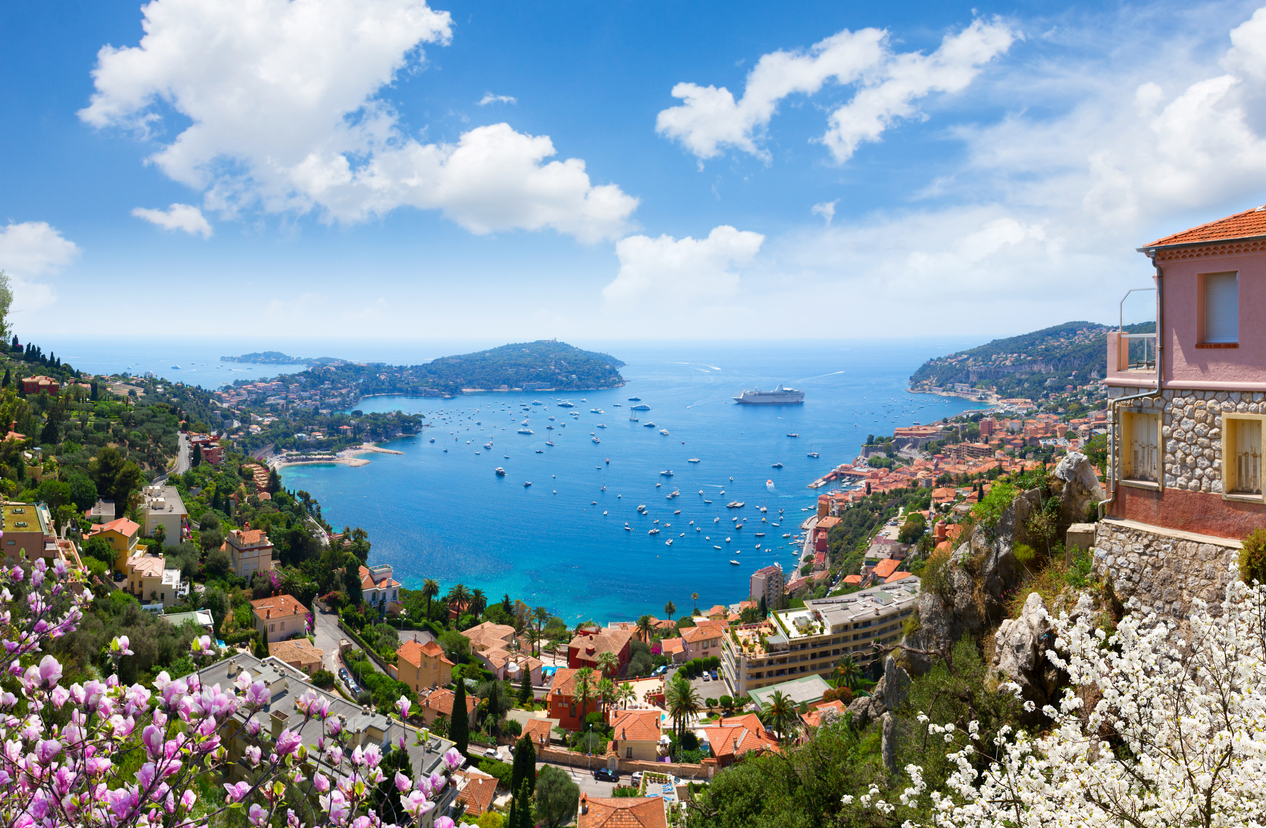
Spring on the Côte d’Azur: Blossoms, Markets and Coastal Walks
A softer light, a slower pace: why spring suits the Riviera
Ask locals when the Côte d’Azur is at its most generous and many will point you to spring. The high Mediterranean sun is still polite, the sea is a shifting slate-blue, and the scent of orange blossom, wild rosemary and mimosa drifts through old stone lanes. The season falls between the spark of late winter festivities and the hum of summer crowds, which means you can actually hear the wash of waves against the rocks, get a spot at your favorite market stall without elbowing, and follow coastal paths in dappled shade. If summer is for basking, spring is for noticing—the rustle of Aleppo pines over a headland, the first baskets of gariguette strawberries at daybreak, and the way light lingers pink over a harbor as cafés set out their wicker chairs.
In this guide, we’ll map out where spring truly shines along the French Riviera and the Gulf of Saint-Tropez, from fragrant gardens and local markets to scenic coastal walks. You’ll find suggestions for lesser-known spots that rarely make quick lists, plus practical tips to make the most of the season’s rhythms.
Blossoms that frame the season
On the Côte d’Azur, spring doesn’t arrive as a single moment—it unfurls. February feels like an early overture with extravagant citrus creations in Menton, March moves in with sheets of mimosa gilding the hills, and by April and May, gardens are fully speaking in color. The stacked towns and protected capes are punctuated with pockets of botanical wonder, each with its own microclimate and story.
The Mimosa Route and the Tanneron hills
Mimosa is the Riviera’s harbinger of spring. Between Mandelieu-la-Napoule and Tanneron, entire slopes flame yellow as acacia dealbata opens its powdery pom-poms. A drive or cycle into the Massif de Tanneron in early spring is intoxicating, but you don’t need a car to appreciate it: even low hills above Mandelieu and Théoule-sur-Mer are scented, and many village lanes are edged with volunteer trees. If you’re feeling like a short, scenic loop, seek out the gentle trail around Mont San Peyre in Mandelieu—an old volcanic cone topped by a small lookout. The climb is short, the sea views wide, and in spring the path is embroidered with flowering rockrose and mimosa. It’s less famous than the dramatic red cliffs nearby, and often you’ll have the breeze and the birdsong to yourself.
If you want a keepsake beyond photos, look for small artisan shops selling honey infused with mimosa or simple wreaths during the season. This is also the time of year when certain pâtisseries quietly prepare “fougassette,” a delicate sweet bread scented with orange blossom water that pairs beautifully with afternoon tea and a sunlit terrace.
Orange blossoms in the Vallée du Loup and the perfume country
Come April, the hills around Grasse fill with the clean, heady note of orange blossom. The Vallée du Loup and the hamlets between Grasse and Opio are where small growers tend bitter orange and the famed Rosa centifolia, the “May rose” harvested at dawn in late spring. The Route des Parfums—the loosely defined road that threads Grasse, Bar-sur-Loup, and Tourettes-sur-Loup—offers glimpses of terraces, distilleries, and family plots. Even if you don’t join a workshop, stepping into a historic perfume house in Grasse is grounding; you understand how spring here becomes an art form. Museums and boutiques explain how the delicate white petals are transformed into neroli and orange-blossom water, and you appreciate why so many Riviera desserts owe their subtle perfume to local orchards.
In Tourettes-sur-Loup, violets often have their moment around late winter into early spring. The small stone town celebrates its flower heritage with candied violets, violet liqueur, and even violet-flavored ice cream. It’s pleasantly old-fashioned—you can meander the medieval lanes, look out over terraces of trees, and stop in a café where everyone seems to know each other’s name.
Gardens awakening: from cliffside cactus to seaside elegance
Gardens on the Côte d’Azur are not merely pretty—they are living atlases of climate and taste. In spring, their collections stir early, when the tourist tide is still edging in.
- Jardin Exotique d’Èze: Above one of the region’s most photogenic villages, this cliffside garden appears to float over the Mediterranean. It’s known for succulents and cacti, which bloom with surprising delicacy in spring. Paths weave among sculptural plants and small stone lookouts; the best view might be early morning, when the sea is still and the village below feels like a set from a story you once read.
- Villa Ephrussi de Rothschild, Saint-Jean-Cap-Ferrat: The pink palazzo is widely known, but spring is when its themed gardens—Spanish, Florentine, stone garden—breathe out. Water features begin their musical fountain displays again, and the rose garden timidly shows color. The real charm is the quietly tended corners: a bench where you can hear only leaves and the occasional gull, a tiled coping still cool from shade.
- Val Rahmeh Botanical Garden and Serre de la Madone, Menton: Nestled in Menton’s gentle microclimate, these gardens feel intimate rather than grand. At Val Rahmeh, palms, citrus, and South American exotics create a soft, layered canopy. The Serre de la Madone, designed by Lawrence Johnston, is all about structure and contrast; spring is when young leaves throw bright, fresh greens against old stone and still water.
- Jardin Thuret, Antibes: A lesser‑known gem in Cap d’Antibes, this 19th‑century acclimatization garden quietly supports botanical research. It’s not flashy, but if you love trees and the idea of how landscapes are curated, it’s rewarding. The shade is sweet, the birds busy, and in spring you’ll notice new growth everywhere.
- Domaine du Rayol, Le Rayol-Canadel: A little west along the Var coast, this “Mediterranean garden of landscapes” showcases flora from climate cousins around the world. In spring, grevilleas, proteas, and echiums pop, and the coastal views over the Baie du Rayol are lifted by a breeze that smells faintly of the sea and pine.
Markets where the season shows up in baskets
Spring markets on the Riviera are a social habit and a seasonal education. Arrive early, when stallholders are clipping bunches of herbs and the first locals exchange gossip over a petit café. You’ll see small piles of wild asparagus, baby artichokes, squat tomatoes waiting for stuffing, and strawberries that smell like strawberries. Listen for which eggs are from “poules rousses,” which goat cheese was made yesterday, and who is frying socca as the oven heats.
Nice: Cours Saleya and the neighborhood market at Libération
Cours Saleya’s flower market is famous for good reason. Stalls display armfuls of anemones and ranunculus in March, perfumed narcissi and tulips, and pots of geraniums ready for balconies. The food market at the Saleya often spills into nearby lanes, brimming with olives (look for the small, inky cailletier variety used for tapenade), sun-dried tomatoes, niçoise herbs, and beeswax-colored cheeses. The conversation flows as readily as the tastes offered on skewers. For a more everyday scene, head to the Libération market near the modernist Gare du Sud building. You’ll find produce from the arrière-pays—mountain honey, bundles of thyme still dusty from the hillside, and hearty greens—alongside fishmongers who arrived before dawn. If you like to sample regional street food, this is where you’ll often spot socca being pulled from a wood-fired oven; the top should be slightly blistered, the interior creamy, and a squeeze of pepper is customary.
Nice is also where picnic dreams come together. Pick up a round loaf and ask for it to be turned into a pan bagnat—tuna, anchovies, tomatoes, olives, egg, all dressed in olive oil—then take your prize to the Promenade du Paillon gardens or the end of the Promenade des Anglais near the jetty, where pebbles and sky make the perfect minimalist dining room.
Cannes: Marché Forville beneath Le Suquet
Marché Forville sits under a roof of curved tiles and feels like the city’s pantry. In spring, one corner will be an ode to tender green things—fava beans, young peas, slender asparagus—while another is all about the sea’s morning offerings: red mullet, sea bream, and a basket or two of baby squid. The herb stalls are the markets’ perfume counter; inhale a bunch of marjoram or wild fennel and you almost taste whatever you’ll cook later. After a circuit, slip into the lanes of Le Suquet, the old quarter that climbs to a quiet square and the church of Notre-Dame d’Espérance. The sea breeze up there is different, and the tiles warm nicely in the sun. If time allows, plan your Forville visit to precede a boat ride—just beyond the Croisette, the boats to the Lérins Islands depart regularly, and bringing a small market picnic is part of the charm.
Antibes: Marché Provençal and the Safranier backstreets
Set under vaulting and framed by the old town’s cream-colored walls, Antibes’ Marché Provençal is wonderfully tactile. Producers weigh out walnuts from corrugated shells, slice truffled cheese into transparent slivers, and twirl honey with theatrical patience. In spring, you’ll notice fresh goat cheeses wrapped in chestnut leaves, squash blossoms waiting to be stuffed, and jars of preserved lemons for bright sauces. Step away from the main throughway and wander into the Safranier quartier, a self-declared free commune of artists and villagers. Wisteria drips theatrically from an archway, a cat surveys a windowsill, and somewhere a door opens into a pocket garden. Later, walk the ramparts looking for cormorants drying their wings on the rocks—spring is a busy season for birds along the coast.
Menton: covered market and citrus surprises
Menton’s hall is a belle époque jewel box. The city’s citrus reputation crescendos during the winter festival, but spring carries it forward in jams, candied peel, and pastry creams. Try a slice of tarte au citron where the filling is more perfumed than tart, and look for jars of bergamot marmalade—it’s not as common as lemon and makes a dashing breakfast. Outside, the sea is never far; the waterfront gardens are dotted with benches, and the slope up to the old cemetery rewards you with a view that takes in both Italy and France. Spring air here manages to be both fresh and gentle, a combination that encourages long, unrushed steps.
Small-town markets: Valbonne, Vence and Biot
Some of the happiest spring Saturdays are spent in smaller markets that feel anchored to their squares. Many of these destinations are also featured among the most beautiful villages on the Côte d’Azur. In Valbonne, stalls wrap around the arcaded plaza, and the town’s rectilinear grid—unusual in the region—makes wandering easy. Artisans set up with olive-wood utensils still smelling of oil, linen aprons, and the occasional basket weaver who can tell you which shape best holds artichokes without bruising them. Vence, with its lived-in charm and a splendid plane tree or two, is a place to linger over coffee and watch locals pick through bundles of radishes. Biot, known for its glassblowing, pairs its market with workshops where the furnaces burn warm in spring; you can stand briefly in the glassblowers’ heat and then step outside into the cool shade of a stone lane as swallows trace patterns overhead.
How to shop the markets like a local
Arrive early and bring a tote. Greet the vendor before you point. When you ask for tomatoes for salad or stuffing, be open to advice—varieties here have personalities. If you’re tempted by cheeses, start with a small, fresh goat cheese and a firmer tomme de brebis; both travel well. Spring favorites include tiny new potatoes for roasting with sprigs of rosemary, bouquets of young courgette blossoms, and the first cherries if you’re lucky. For an impromptu lunch, a slice of pissaladière (caramelized onion tart with anchovies) and a segment of tourte de blette sucrée (a sweet Swiss chard pie unique to Nice) make a simple, deeply local plate. Carry cash, and if you plan a coastal walk later, stash a bag of dried fruit and nuts to share with your companions when a viewpoint insists you sit a while.
Coastal walks that make the sea your companion
Spring is the season to lace up and follow the sea. The sentiers du littoral—old customs paths that ring the capes and coves—invite you to move at a natural speed. Shade from pines, spurts of wildflowers, the texture of rock underfoot, and long, patient horizons set the tone. Many trails are well marked; choose sections that fit your day and energy. A water bottle and comfortable shoes are essential. Even if you aim for just an hour out and back, you’ll return feeling re-tuned to the region’s rhythms.
Cap d’Antibes: the Tire-Poil path
The name “Tire-Poil,” loosely evoking tugging at hair, hints at the wind that combs this cape. The path wraps around the southern edge of Cap d’Antibes, weaving through low scrub and over smooth, sea-washed limestone. Spring keeps the sun kind, and you can pause in pockets where the rock shelves dip gently into jade water. Look back, and Antibes’ medieval walls sit like a postcard; look ahead, and the sea dominates. Start near the small beach at La Garoupe and allow time to visit the white-washed chapelle above—inside you’ll find ex-votos from sailors and a contemplative calm that balances the bright seascape below.
Saint-Jean-Cap-Ferrat: Pointe Saint-Hospice and beyond
Cap-Ferrat has an aristocratic air, but its coastal path is open to everyone. The loop around the cape offers a mix of quiet coves and airy promontories. The section to Pointe Saint-Hospice is particularly tender in spring: olive trees push new leaves, the air carries thyme, and the statue of the Madonna looks out over a sea that seems a little softer than in high summer. When the light deepens in late afternoon, the sea takes on a pewter tone and the path feels suspended between land and sky.
Cap Martin: the Promenade Le Corbusier
Named for the modernist architect who loved this stretch, the trail runs from Roquebrune-Cap-Martin towards Monaco. It’s a study in contrasts: train lines and stone pines, luxurious gardens glimpsed through gates, and small, stubborn headlands where waves slap satisfiyingly against rock. Spring gives you longer, gentler walking hours and a better chance of spotting wild irises and blooms of Mediterranean spurge along the path. On breezy days, a light jacket will feel like a smart friend.
The Esterel: red rock, green scrub, deep blue
Between Théoule-sur-Mer and Agay, the Esterel’s volcanic cliffs jut decisively into the Mediterranean. Even a short sortie, such as the round at Cap Dramont or the calanque of Maubois near Théoule, delivers a hit of color therapy—ochre and rust red against bottle-blue water, highlighted with spring’s young greens. The Pointe de l’Aiguille Marine Park, accessible by footpaths from Théoule, offers a mix of cliff views and small, pebbled coves. The scent here is evergreen and resinous, with notes of immortelle and cistus rising in the warmth. If you crave a little height, seek a signed path inland for a lookout over the Corniche d’Or road as it snakes along the coast; it’s one of those vistas you’ll remember for its graphic elegance as much as its majesty.
Gulf of Saint-Tropez: Gigaro to Cap Lardier and Cap Taillat
On the Var side of the Riviera, the sentier du littoral between Plage de Gigaro and Cap Lardier is the definition of a spring pleasure. This stretch of coastline is also home to some of the best beaches in the Gulf of Saint-Tropez, many of which are particularly peaceful during springPatches of maritime pine give dappled shade, the path sidles between broom and rockrose, and then a small beach appears as if conjured. Continue towards Cap Taillat and you’ll cross a narrow isthmus where, on a windy day, both sides of the sea seem to be in conversation. Spring keeps the sand cool enough for a barefoot pause and gives you a chance to spot the first blooms of sea lavender in the dunes. If you prefer a gentler amble later in the afternoon, the quays of Port Grimaud—built as a “lagoon town” in the 1960s—offer quiet canals and pastel reflections without summer’s bustle.
Îles de Lérins: Sainte-Marguerite’s lagoon and pinewoods
Just a short boat ride from Cannes, Île Sainte-Marguerite and its smaller sister, Saint-Honorat, feel worlds away from the Croisette. A path rings Sainte-Marguerite, leading you through pine woods, past the old fort, and along the Batéguier lagoon—a protected area where you can watch egrets and herons test the shallows. Spring is ideal here, with birds nesting and the woods alive but not yet hot. On Saint-Honorat, monks still tend vines and produce wine; the island’s rhythm is gentle, and the sea licks quietly at pebbled coves. Bring your market picnic and keep your ears tuned for the bell that marks the hours.
Family-friendly promenades and easy seafront routes
Not every spring day calls for hiking shoes. Some afternoons ask for a level, scenic stroll where you can pause for a gelato or to watch children scoot ahead. The ramparts of Antibes make a satisfying loop with plenty of benches. Nice’s Promenade des Anglais delivers endlessly changing vignettes of parasols, cyclists, and parasailers in the distance, while the Promenade du Paillon green corridor nearby offers lawn, fountains, and a long, sinuous playground. On the Menton side, the seafront between the old town and the Sablettes beach gives you the feeling of strolling through a painting in warm pastels, with Italy just over the headland.
Birdwatching and wetlands: Étangs de Villepey near Fréjus
For a change of pace, the Villepey wetlands between Fréjus and Saint-Aygulf are a haven for spring birdlife. Boardwalks and trails thread shallow lagoons fringed by reeds, and if you bring binoculars, you can spot avocets, stilts, and terns as they court and feed. The soundscape is different here—less surf, more rustle and call—and the air often carries the mineral scent of brackish water and the spice of sun-warmed scrub. Go early or late to catch the best light and avoid any midday breezes that ruffle the water and make identification trickier.
Flavors of the season: from market to table
Spring eating in the Riviera is about clarity: bright herbs, vegetables that still taste of their garden, and seafood that hasn’t traveled far. Restaurants and bistros adapt their menus, but even if you’re self-catering or picnicking most days, a few regional favorites will anchor you to place.
Street food and simple classics
Socca, as simple as chickpea flour, water, oil, and heat, is a crisp-edged lesson in restraint. Order a slice during a market morning and eat it hot, ideally with a pepper grinder nearby. Pan bagnat deserves its cult following—don’t ask for it to be changed; it’s a composition that works as is. Pissaladière is the friend of late mornings and early afternoons, when a savory slice feels like both a snack and a promise of the next meal. In Menton and Monaco, keep an eye out for barbajuans—small, fried pastries typically filled with chard and ricotta. And if someone offers you tourte de blette sucrée for dessert, say yes; it’s a sweet-savory surprise that turns even skeptics into fans.
Produce to look for in spring
Gariguette strawberries arrive with their irresistible perfume, and local asparagus—green and sometimes purple-tipped—is tender enough to eat with just a drizzle of olive oil and lemon zest. Baby artichokes are everywhere; slice them thinly, toss with oil and lemon, and shave parmesan over the top. Fresh goat cheeses roll into stalls daily—look for those dusted with ash or herbs, or ask for a young, mild chèvre if you’re new to it. Olive stands often sell tapenades in shades ranging from green to midnight; a spoonful over grilled fish can make dinner feel intentional, even if the recipe is simply “let the ingredients talk.”
Wines to sip as the days stretch
Spring and Provence rosé is an easy match, but try to make space for nuance. Many estates around Gassin, Ramatuelle, and La Londe craft roses that are pale but not shy, with notes of white peach, citrus, and a saline flicker that pairs beautifully with seafood. Bellet, Nice’s own AOC perched above the city, is a fascinating detour for white wines based on Rolle (Vermentino) and structured rosés that feel made for a platter of grilled prawns. If you’re wandering through a local wine shop, ask about a bottle from Château Minuty near Gassin or Domaines Ott, or discover smaller producers whose names may not travel far but whose bottles are the kind you remember when you want “that taste of last spring.”
Day trips that pair culture with open air
Spring lets you move easily between sea and hills, art and markets. Plan days with one anchor and one flourish: a museum and a garden, a hill village and a coastal path, a market and a boat crossing. The distances are shorter than you think, and the rewards multiply.
Hill villages in blossom: Tourettes-sur-Loup, Gourdon and Valbonne
Tourettes-sur-Loup earns repeat mentions because it’s honest and pretty without pretense. Violets still feature in spring—look for artisanal syrups or a scoop of violet ice cream. Gourdon, perched dramatically on a spur, offers vast views down to the coast; in spring, the terrace outside the chateau garden feels almost theatrical. Valbonne is made for a slow morning: arcades, a handsome church, and lanes lined with shuttered houses in faded hues. If you catch the right morning, wisteria and jasmine drape balconies, and the community fountain pours an unhurried song.
Art, modernity, and green rooms
The Fondation Maeght in Saint-Paul-de-Vence is a spring favorite because the outdoor sculpture garden—pinstriped light filtering through pines—feels alive after winter’s crispness. Inside, the works shift your mood; outside, you recalibrate under sky. In Le Cannet, the Musée Bonnard is a color feast, and if you step outside you’ll find quiet residential streets where orange trees cast scent over low walls. Down the road in Cagnes-sur-Mer, the Renoir Museum sits in a gentle olive grove with a view over the landscape that sustained the artist. Spring light has a softness that suits impressionist memories; you stand before a window and feel time stretch.
A ride into the hinterland: the Train des Pignes
If you feel like changing gears, the Chemins de Fer de Provence run the Train des Pignes from Nice into the Alpes-de-Haute-Provence. Spring landscapes flash by: terraces waking, orchards flowering, and pale rivers caught in the light. You can hop off at villages like Touët-sur-Var or Entrevaux for a stroll and a simple lunch before returning. The rhythm of a small, single-track train slicing between coastal brightness and mountain clarity is soothing, and on crisp spring days the contrast between palm and pine is striking.
Practical notes for an easy spring
A few small habits make spring on the Côte d’Azur even better. Remember that sea breezes can cool promenades even when inland squares feel balmy, and that markets usually wake early and rest by midday. Shop with a plan for lunch, carry a scarf for a sudden breeze, and leave time for detours—they’re often where the day’s best story happens.
What to pack and expect from the weather
Spring on the Riviera is a layering season. Mornings can start cool, easily warming to pleasant mid-teen or low-twenties Celsius by afternoon. Pack a light jacket that blocks wind, a sweater, and a scarf. Comfortable walking shoes are essential for coastal paths; closed-toe espadrilles or trainers handle stone and gravel better than sandals. If you plan to swim, be honest about your tolerance; the sea hovers in the mid-teens Celsius in early spring, edging upward by late May. A thin wetsuit makes a shoulder-season dip more pleasurable and lets you linger along a quiet cove.
Getting around: simple ways to link sea and hills
Public transport along the coast is straightforward, especially between Ventimiglia and Cannes on the TER trains. Spring means fewer crowds, so you’ll often find seats by the window. Buses reach most capes and hill towns; the ride to Saint-Jean-Cap-Ferrat from Nice, for example, is short and scenic. If you’re driving, mornings are more forgiving for parking near popular trails, and midweek often feels quieter than weekends. Many shops and markets close for lunch and reopen later in the afternoon; plan your errands around that gentle ritual and you’ll avoid the mild frustration of a shuttered door.
Respecting the paths and the people who share them
Coastal paths are resilient but not indestructible. Stay on marked trails, especially where dunes and native plants stabilize the coastline. Carry water, pack out what you bring in, and keep voices low where birds are nesting. In markets, ask before photographing stalls, and keep bags tucked so you’re not brushing delicate stacks of produce. Small courtesies like these make you part of the region’s quiet dignity.
Three spring day plans to borrow and make your own
Itineraries are suggestions, not instructions. Mix and match depending on the weather, the tides of your energy, and what catches your eye while you’re there.
Nice to Cap-Ferrat: flowers, art, and sea air
- Start early at Cours Saleya with coffee and a slice of warm socca. Pick up fruit and a small goat cheese for later.
- Visit the Matisse Museum or, if the outdoors is calling, ride to Saint-Jean-Cap-Ferrat.
- Walk the Pointe Saint-Hospice loop and find a bench to enjoy your picnic, leaving no trace.
- In the afternoon, step into Villa Ephrussi’s gardens for a slow circuit. The ponds, the roses, and the stone steps feel designed for spring.
- Return to Nice for a stroll along the Promenade des Anglais at sunset. If you picked up a lemon tart in Menton earlier in the week, now is the time to slice it.
Cannes and the Lérins Islands: market color and island calm
- Begin at Marché Forville; ask a fishmonger about the morning catch and let that guide dinner plans, then gather picnic supplies.
- Catch a morning boat to Île Sainte-Marguerite. Walk the coastal path clockwise; the lagoon is loveliest before the midday light flattens.
- Picnic in a pine-scented clearing, then continue to the fort and small museum if you enjoy layers of history.
- Back in Cannes, pause on the Suquet hill for harbor views, then wander down for a simple aperitif—perhaps a glass of Bellet white if you find it by the glass.
Esterel and Théoule-sur-Mer: red rock, blue day
- Drive or train to Théoule-sur-Mer in the morning while the air is still cool. Set off on the path towards Pointe de l’Aiguille and choose a cove for a mid-walk break.
- Continue to Cap Dramont for dramatic sea views. The play of light on the islets off the coast makes mid-spring days feel almost cinematic.
- Return to Théoule for a late lunch on a shaded terrace. If you brought market cherries, they’re dessert material in their own right.
- End your day with a short detour up Mont San Peyre for a 360-degree view that catches the entire amphitheater of coast and hills.
Moments to notice: making spring your own
Trips are built on chapters you can’t predict: the fisherman on the Antibes ramparts who stops to chat, the market vendor who tucks an extra sprig of thyme in your bag “for luck,” the way the sea looks bluer than the day before because a wind shifted overnight. Allow your days to expand around these moments. That might mean abandoning a strict plan to sit under a parasol and watch a family teach a toddler to throw pebbles, or following the sound of a guitar down a side street until you find a pocket square with stenciled shadows and someone humming along.
Photography and the Riviera’s spring light
Spring light is clean and mobile. Early mornings are your friend for markets and village lanes: shadows are gentle, colors are truer, and faces relaxed. For seascapes, seek the hour after sunrise and the last hour before sunset when cliffs and capes throw strong, graphic shadows. On hazy days, turn to detail—Mediterranean spurge blooming firework-like, the pattern of fish scales at a stall, the ribbon of foam that marks a wave’s retreat. If you’re on a coastal path, look for compositions that combine foreground (wildflowers or textured rock) with the distant line of horizon; those layers tell a fuller story than a simple “blue and blue.”
Urban scenes reward patience. The Promenade du Paillon’s mirror-like fountains invite reflections, and the narrow lanes of old Nice and Antibes offer frames within frames: arches, shutters, laundry lines that look like purposeful design. In gardens, be kind to the plants; stay on paths and use a longer lens if you want to isolate a bloom. The best souvenir is sometimes a set of small images that capture scent and sound by implication—the curve of an olive branch, a wedge of lemon on a ceramic plate, the brown paper of a market bag folded at the top.
When the sea calms and the tables open
One of spring’s gentle gifts is time reclaimed. Reservations are easier, the person pouring your coffee has a minute to chat, and coastal benches aren’t a competitive sport. It’s also when the region’s personality is most itself: not performing, just being. You might find a music student rehearsing on a church step in Vence, or a boat builder sanding a hull in a quiet corner of Antibes. If you’re curious about craft, peek into the workshops of Vallauris to watch a potter at the wheel, or into a glass studio in Biot where the maker’s breath, the flame, and the glow of molten glass turn into vases that seem to hold sunlight even when empty.
A small, satisfying ritual is to keep an eye on the sky at dusk. When evening clears, the afterlight can be extraordinary—peach and mauve feather into the sea, and the first lights along the coast switch on like constellations finding themselves. Whether you watch from a headland on Cap d’Antibes, the stony edge of the Promenade des Anglais, or a humble set of steps by a village port, spring twilights give the Riviera a gentleness that will sit in your memory long after you’ve folded your map.
Final thoughts: spring as your best introduction
If you’ve never met the Côte d’Azur in spring, it’s the right handshake: firm, fragrant, and friendly. The region’s icons—promenades and palm trees, painter’s light and spicy food—are all present, but softened by a season that values detail over spectacle. The blossom routes draw you inland, markets ground you in flavors and conversation, and coastal walks remind you that the Riviera is as much about rock and wind as it is about sun. Bring curiosity, a light bag for market finds, and shoes that don’t mind salt. Let your days unfurl. The joy of spring here isn’t something you check off; it’s something you notice, again and again, until it feels like part of you.
After exploring the Côte d’Azur in spring, you can discover our full collection of holiday homes and villas on the Côte d’Azur here.

