

 EN
EN  NL
NL
 DE
DE
 FR
FR

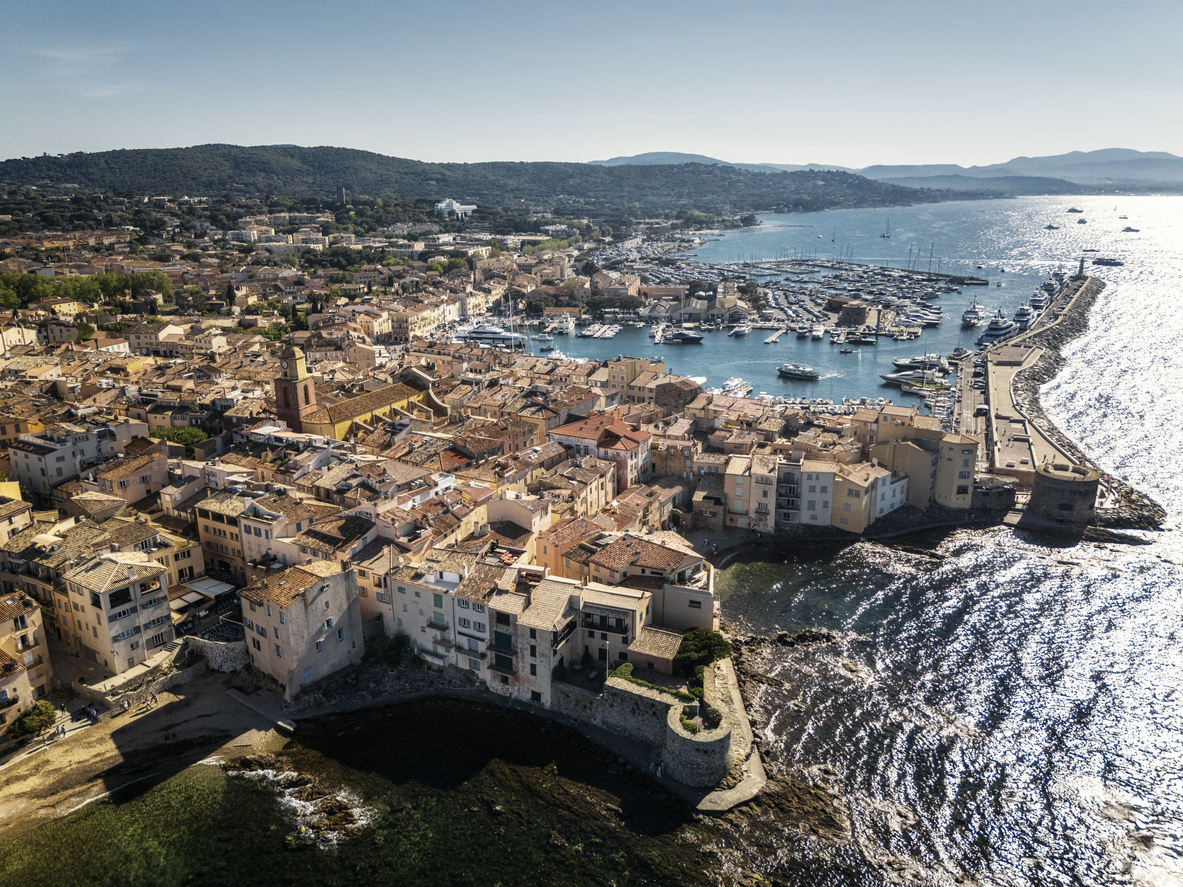
Holidays in the Gulf of Saint-Tropez: Where to Stay and the Best Areas
The Gulf of Saint-Tropez is not a single destination but a constellation of coastal hamlets, hillside villages, pine-scented valleys, and glamorous stretches of sand that each offer a distinct way to spend your holiday. Choosing where to stay shapes everything—from your morning croissant run to how you reach the beach, and whether your evenings hum with port-side people-watching or starlit quiet on a terrace above the vines. This guide maps the Gulf area with a local’s eye, so you can match your base to the holiday mood you really want.
For a broader understanding of the region, you can also read our complete guide to the Gulf of Saint-Tropez.
Understanding the Gulf’s Geography
Picture a wide crescent of coast cupping a glittering bay, with Saint-Tropez anchoring the eastern tip and Sainte-Maxime facing it across the water. Behind the shoreline, low hills rise into vineyard-striped slopes and oak forests, where stone villages like Gassin and Grimaud perch with views that make you pause mid-step. The Gulf is compact—driving coast-to-coast without summer traffic can take as little as 25–35 minutes—but summer brings its own rhythm. Some roads clog at traditional pinch points and late afternoons swell as beachgoers head home, so the smartest base is the one that minimizes your daily zigzags.
Distances are shorter than they feel on the map. Sainte-Maxime to Saint-Tropez is a mere 15 km, yet in August the route can stretch to an hour by car, while the sea shuttle zips across in roughly 15 minutes. The Pampelonne beach ribbon lies south of Saint-Tropez in the commune of Ramatuelle; behind it, quiet lanes meander to vineyard estates that feel a world away from the port’s neon. West of Sainte-Maxime, Les Issambres strings together coves and low-key beaches where the sentier du littoral (coastal path) is as much part of daily life as the morning market. To the south-west, La Croix-Valmer and Gigaro tilt toward nature, with protected headlands and trails out to Cap Lardier and Cap Taillat. Cogolin and its marina area sit inland and by the water respectively, handy for provisioning and boating days.
How to Choose Your Base
There’s no single “best” place to stay—there’s the best place to stay for you. Start by deciding what you want to walk to, and what you’re willing to drive (or boat) to. The following archetypes can help you zero in.
For Beach Lovers Who Live in Flip-Flops
If the dream is toes-in-sand mornings followed by long lunches and lazy swims, focus on Pampelonne (Ramatuelle), La Nartelle (Sainte-Maxime), or the quieter Les Issambres coves. Pampelonne is the marquee stretch—wide, natural, and dotted with iconic beach clubs, from old-school spots to contemporary addresses. Expect a full day’s rhythm: swims before the crowds, lunch under a straw roof, a siesta on a lounger, then a golden-hour dip.
La Nartelle has a sunnier, family rhythm and great swimming when winds are light, while the Issambres shoreline serves up smaller, rocky coves with crystalline water, ideal for snorkelling. If you plan to spend 80% of your time on sand, staying within walking or quick-cycling distance of your chosen beach pays off every day.
For Boaters and Sea-Days First
If you’re charting days by the tide, consider bases with easy marina access: Saint-Tropez’s Vieux Port (for the quintessential morning coffee and provisioning), Marines de Cogolin (practical berths and charter departures), or Sainte-Maxime’s harbour for quick sea shuttles and coastal outings. Being close to a marina simplifies early departures and post-cruise logistics, especially in high season.
For Food, Wine, and Market Culture
If your holiday map is a string of markets, bakeries, bistros, and rosé domaines, choose near a lively village square and plan countryside lunches. Saint-Tropez’s Place des Lices hosts the area’s best-known market on Tuesday and Saturday mornings; Sainte-Maxime’s covered market and Friday stalls brim with seasonal veg, local goat cheeses, and sun-warmed fruit; Grimaud and La Croix-Valmer have charming weekly markets that feel decidedly local. For vineyard visits, Ramatuelle and Gassin concentrate stellar estates, and a base in their countryside means scenic drives are built into your day.
For Quiet, Scenery, and Night-Sky Lovers
If “holiday” reads as birdsong at breakfast and a pétanque court at dusk, look to Gassin’s upper lanes, Ramatuelle’s inland hamlets, La Croix-Valmer near Gigaro, or the hills behind Grimaud village. Nightlife is a distant glow here; cicadas, starfields, and a cool glass of rosé do the entertaining. The Gulf’s best panoramic sunsets often belong to the hilltops—you’ll quickly find “your” bench and time your evenings around it.
Saint-Tropez Village: Where Mornings and Nights Feel Different
Staying in the old village delivers that cinematic Riviera moment: dawn light on the bell tower, fishermen tidying their lines, and the soft clink of porcelain at terraced cafés. The harbour wakes in stages—first the joggers, then the deliveries, then the polished decks. By late morning, the promenade fans out with visitors, and by night, the port becomes a theater of polished shoes, linen dresses, and soft laughter.
La Ponche, the oldest quarter, hides tiny bathing spots at the base of the ramparts and narrow lanes that offer rare silence just a block from the bustle. Climbing toward the Citadelle brings breezes and views; houses here feel embedded in a hillside garden of pines and stone. The Musée de l’Annonciade rewards a midday break with its beautifully curated collection of post-Impressionist works that root Saint-Tropez in art history as much as nightlife.
Evenings often begin at the harbourfront with a glass at the red tables of Sénéquier or a scoop of gelato from Barbarac before a waterside dinner—simple grilled fish at a port-side brasserie can be as unforgettable as any Michelin menu if the night is warm and the company right. On non-market days, Place des Lices becomes a pétanque playground, with shade from plane trees and a spectator culture that welcomes newcomers who ask politely to join.
If you’re staying in the village without a private parking spot, plan for drop-off and park in the structured lots (early is best). And when winds turn to mistral, La Ponche’s small coves often still offer a sheltered dip, with steps cut into rock and a sense that the village is holding you in its arms.
Pampelonne and the Ramatuelle Countryside: Sand by Day, Pines by Night
Pampelonne is the natural amphitheater of your beach dreams: a fine arc of sand framed by grassy dunes and low, umbrella pines, where long lunches can turn into afternoon swims and then card games as the sun softens. Different stretches have distinct personalities, from family-friendly sections with easy parking to livelier zones set around historic beach institutions and newer addresses with design-forward decks. Don’t overlook the early morning—by 9 am, the sea is glassy, the lifeguard posts still yawning awake, and your footprints the first on sand.
A few minutes inland are the lanes of Ramatuelle’s countryside. Think vineyard parcels, cypress alleys, stone walls feathered in jasmine, and a sense of privacy that makes dinner on your terrace as appealing as any reservation. Wineries like Château des Marres and Domaine de la Rouillère pour the rosés that have become the region’s calling card, but also nuanced whites and reds worth discovering. Book tasting appointments and go early; late morning can bring a trickle of minivans when the season peaks.
For a quick reset from beach days, lace up for the path around Cap Camarat or the coastal trail from Escalet toward Cap Taillat. The water turns impossible shades of blue, and depending on swells, you’ll find kids leaping from low rocks while snorkelers fin past small posidonia meadows. Carry water and respect roped-off dune areas—those sand grasses are what keep Pampelonne feeling wild rather than overbuilt.
Gassin Hilltop and Its Balcony Over the Sea
Gassin’s hilltop square is an eyrie for sunsets. From the orientation table, your eye sweeps from Pampelonne to Les Maures hills. The lanes behind the viewpoint drift into a maze of ivy-draped stone and cool passageways, perfect for an after-dinner wander. Restaurants on the summit range from rustic to refined; expect slow dinners built around Provençal standards—stuffed vegetables, buttery artichokes, and grilled local fish dressed simply with lemon and olive oil.
In the surrounding countryside, names like Château Minuty and Château Barbeyrolles carry real weight with rosé aficionados, yet the experience here remains human-scale. You’re as likely to discuss a vintage with someone whose family has tended these vines for generations as you are to see a few discreet supercars nosing up the drive. Staying within this belt puts you within a short drive of Pampelonne while preserving the sense of step-back calm that hill villages are famous for.
Sainte-Maxime: Seaside Living with a Gentle Pace
If Saint-Tropez is a stage, Sainte-Maxime is a lived-in seaside town with a soft, French holiday rhythm. Mornings revolve around the covered market and the boulangeries that line the main avenues. Locals gather for coffee under palms along the promenade, kids cycle to the small fairground when it pops up in season, and the Jardin Botanique des Myrtes offers a shady stroll amid mimosa, eucalyptus, and myrtle.
La Nartelle, the town’s signature sandy stretch, promises good swimming and a run of friendly beach restaurants where the day blurs between loungers and late lunches. Eastward toward La Croisette you’ll find gentle waterfronts ideal for sunset walks with the gulf glowing gold and Saint-Tropez twinkling across the water. Up on Semaphore Hill, quiet residential pockets take in that same cinematic view without the foot traffic below.
One of Sainte-Maxime’s trump cards is the sea shuttle linking to Saint-Tropez. On days when the coast road threatens to jam, simply step aboard with a hat and a paperback, and let the boat deliver you to the port’s heart in minutes. Evening returns are especially lovely—watching the lights string across the bay feels like a small ceremony of summer.
Les Issambres: Rocky Coves and Slower Days
Les Issambres doesn’t chase headlines—it’s content being the place where you measure the day by swims, naps, and the sound of cicadas. The shoreline here is scalloped with small beaches and rocky shelves, perfect for snorkelling in clear water over pebbly patches and seagrass. Plage de la Gaillarde, one of the larger strands, has a sheltered feel, while the path out toward the Pointe des Issambres threads through juniper and pine with frequent excuses to stop and swim.
Families appreciate the mix of manageable parking pockets and low-key cafés that keep things simple. The weekly market at San Peïre, often on Monday mornings in summer, is a good bet for stocking up on apricots, tomatoes, and olive tapenades. There’s a thalasso seawater spa on the seafront for days when you want a different way to unwind, and in the evenings, the absence of heavy through-traffic keeps balcony dinners peaceful.
Grimaud Village and the Beauvallon Coastline
Medieval Grimaud climbs a tight hill of cobbles and flowers, its restored windmill turning slowly at the edge of town and castle ruins crowning the summit. Summer brings concerts in the ruins that echo off ancient stone, and the “Grimaldines” world-music evenings thread performers through the village lanes. Thursday morning sees market stalls tuck into the shadows beneath bougainvillea—this is the place to try local goat cheeses and pick up handmade baskets.
Down on the coast, the Beauvallon and Guerrevieille areas stretch between Sainte-Maxime and the canals to the east, offering wide views back to Saint-Tropez. The Golf Club de Beauvallon gives golfers an unhurried round with sea views and cicada soundtrack. Beach spots here tend to be pocket-sized and less trafficked than the town’s central sands, making them ideal for a swim before breakfast or a quick dip before dinner.
Saint-Aygulf, Fréjus and Saint-Raphaël: The Gulf’s Eastern Shores
Beyond Les Issambres, the Gulf gradually opens toward the broader coastline of Saint-Aygulf, Fréjus and Saint-Raphaël. Here long sandy beaches meet lagoons, marinas and historic town centres. Saint-Aygulf is known for the Étangs de Villepey nature reserve, a protected landscape of lagoons and birdlife just behind the shore, while Fréjus blends seaside promenades with a Roman heritage that still shapes the town’s identity.
Saint-Raphaël adds a livelier Riviera atmosphere, with a harbour lined with cafés, ferries departing toward Saint-Tropez, and easy access to the dramatic red-rock landscapes of the Estérel. Together these eastern towns offer a practical and appealing base for exploring the wider Gulf while enjoying a more relaxed rhythm by the sea.
Insider Itineraries Based on Your Base
Sometimes the easiest way to picture a stay is hour by hour. A few sketches to spark ideas:
- Saint-Tropez Village long-weekend: Early espresso and a tartine on Rue Allard, then walk up to the Citadelle for views before the sun sits too high. Late morning at La Ponche’s tiny beach for a dip, lunch back in the port on grilled sardines and a simple salad, siesta, then evening pétanque at Place des Lices. Day two, boat day—pick up fougasse, cherries, and rosé in the market and sail along to Escalet for snorkelling. Day three, art in the morning at the Annonciade and a lazy afternoon at a quieter Pampelonne section, feet in the sand until sunset.
- Ramatuelle Countryside week: Alternate beach days with vineyard visits. Start with a morning swim at Pampelonne’s southern end, lunch under the pines, then a 4 pm tasting at a nearby domaine when the heat has slipped. Midweek, walk the Escalet–Cap Taillat path and bring bread, olives, and peaches for a picnic in a small cove. Finish the week with dinner in the village of Ramatuelle—stone lanes, candlelight, and the sound of cicadas.
- Sainte-Maxime family stay: Breakfast run to the covered market, beach hours at La Nartelle with bodyboards and buckets, then late-afternoon boat across to Saint-Tropez for ice cream on the harbour. Another day, rent e-bikes and follow the coastal route toward Les Issambres, stopping for swims in rocky coves. Evening carousel spins on the waterfront and crêpes under the palms.
- La Croix-Valmer reset: Mornings on the Cap Lardier trail, a swim at Héraclée where the crowd is sparse, then a winery lunch in the countryside. Read in the shade all afternoon and go to the Sunday market right when it opens for herbs de Provence and tomatoes still warm from the sun.
Getting Around the Gulf Without Stress
High summer is both the Gulf’s glory and its test of patience. A few logistics will ease your days:
- Time your movements. Shift beach arrivals early (before 10 am) and lunches to late (2–3 pm) to dodge crunch times. Sunset swims clear the beach wonderfully.
- Use the sea. The shuttle between Sainte-Maxime and Saint-Tropez turns a potential one-hour drive into a short, scenic crossing. It’s also far more pleasant after dinner than inching along the D559.
- Know your roads. The Route des Plages gets jammed mid-afternoon; back roads through Ramatuelle’s countryside can help, but drive slowly—cyclists and tractors share the way.
- Park early and commit. If you’re set on the Saint-Tropez market, be parked by 9 am in summer and make a morning of it—breakfast, browsing, and an early lunch before retreating.
- Consider e-bikes for short hops. The terrain undulates; e-assist turns hills from a chore into a breeze, and you’ll see more of the shoreline scent and birdsong than you do from a windshield.
Public buses exist but are not the Gulf’s strong suit in high season, and taxis/Uber are limited and expensive late at night. In August especially, align your plans with the natural day—early swims, siestas, and later dinners—rather than forcing urban schedules on a coastal place that breathes differently.
Seasonality and When to Go
May to June and September to early October are the Gulf’s sweet spots—sea warm enough for daily swims, restaurants in full swing, and a general softness to the light. July and August deliver energy and programming to match, but you’ll want reservations for beach days and dinners, and patience for traffic. Late winter brings mimosa season, with yellow pom-poms lighting up hillsides and community parades brightening otherwise calm weeks. Spring is ideal for hikers; autumn for wine lovers, as the air cools and harvest stories float on the breeze.
Signature events punctuate the calendar. The Bravades de Saint-Tropez in mid-May fill the village with drums, muskets, and history, honoring the town’s patron saint with a procession that feels straight from the 17th century. In late September and early October, Les Voiles de Saint-Tropez gathers classic yachts and modern racers in one of the Mediterranean’s most photogenic regattas—early mornings on the Môle Jean Réveille are a sailor’s dream. August brings the Ramatuelle Festival—music and theatre in a pine-framed amphitheater—while the Nuits du Château de la Moutte host intimate classical concerts on a private estate with the sea as backdrop.
Dining and Local Flavours You’ll Want to Seek Out
Riviera cuisine is simple at heart—exceptional produce given space to shine. Look for anchoïade with raw vegetables, pissaladière oozing sweet onion and anchovy, artichokes barigoule, and aioli with just-poached fish. On the water, grilled loup (sea bass) and dorade are standbys, seasoned with salt and lemon and best eaten at a table where you can smell the tide.
Pastry is a quiet pride of the Gulf. The Tarte Tropézienne—brioche split and filled with a cloud of pastry cream—was christened in the 1950s and quickly became a local emblem. Pick one up en route to the beach and taste it cold in the shade mid-afternoon. The old port of Saint-Tropez has cafés whose morning routines are institutions in themselves; find the one that watches the exact corner of the port you like and make it yours.
Wineries deserve an afternoon or three. In Gassin and Ramatuelle, estates like Minuty, Barbeyrolles, Bertaud Belieu, and La Rouillère distill the region’s light into glass. Rosé is the headliner, but do not skip the whites—often mineral, sometimes saline—and the occasional structured red. Book tastings ahead in high season, and if you can, visit at 10 am when the cellars are cool and the conversation unhurried.
Markets are the Gulf’s pantry. Tuesday and Saturday at Place des Lices in Saint-Tropez for a bit of theatre with your tomatoes. Friday in Sainte-Maxime for practical, excellent shopping that turns into lunch. Thursday in Grimaud to tuck into wedges of goat cheese and local charcuterie. Sunday in La Croix-Valmer to live, briefly, as a resident does: with a basket, a plan for dinner, and a patient approach to the olive stall.
Beach Etiquette and Practicalities
Pampelonne’s renewed dune system is not for strolling—keep to marked paths so the grasses can do their work holding sand. On crowded days, leave a respectful buffer between towels and keep music to a private affair; sound carries further than you think. Families often gather near lifeguard posts where the sea shelves gently and amenities cluster; those seeking quiet will find it on the perimeters or along wilder coves toward Escalet and Cap Taillat.
Beach clubs are part of the culture, but the Gulf is also full of public, free beaches—some with showers and lifeguards, others blissfully unadorned. If you want a front-row lounger in July–August at a well-known beach club, reserve a couple of days in advance and confirm the section (first row, second row) to avoid surprises. Shoulder season, you can often walk in without fuss.
What to Look For in a Holiday Home Here
Beyond the usual considerations of bedrooms and pools, there are Gulf-specific details that make a big difference:
- Aspect and breeze: West-facing terraces earn golden sunsets but can run hot mid-afternoon in July; elevated positions catch sea breezes that lower reliance on air-con.
- Noise and road proximity: A hillside address above Ramatuelle or Gassin buys you night silence that coastal roads may not, especially in high season.
- Pool heating and safety: Shoulder season swimmers appreciate heating; families should look for compliant pool alarms or barriers (French law requires safety devices).
- Parking: In-village spots in Saint-Tropez are rare; a private garage or reserved space can be worth more than a second living room.
- Outdoor cooking: A plancha or wood-fired grill becomes the evening’s hearth; check that the setup includes prep space and shade.
- Walkability: “Five minutes to the beach” reads differently on a shaded path than along a busy road; ask for the exact route and elevation.
- Connectivity: Fibre is now common in towns but patchier in the countryside. If you must work a little, verify speeds.
- Wind protection: On mistral days, courtyards and U-shaped terraces can turn a blowy afternoon into a sheltered reading nook.
These notes come from countless conversations with caretakers, owners, and returning guests, and from on-the-ground checks and stays over many seasons by the team behind AzurSelect. The common thread: the right setting smooths out your whole day, from breakfasts to bedtime.
Respectful, Sustainable Travel in a Delicate Landscape
Water has grown more precious in Provence; quick showers and mindful garden watering help the region as much as they help your conscience. Stick to marked trails—the coastal path crosses protected zones where erosion happens fast. Leave beaches as you found them (better yet, pick up a few bits of litter on your way out). Noise carries in pine valleys; late-night voices feel magnified. You’ll find that locals respond warmly when visitors show the same love for the place that they do.
Neighbourhood Snapshots: Where to Stay, Street by Street
Sometimes the name of a road or micro-area trips off locals’ tongues because it captures a lifestyle in a nutshell. A few to help tune your search:
- Saint-Tropez, La Ponche: For those who want the village’s soul at their doorstep—swims at dawn, cafés by ten, and lantern-lit lanes by night.
- Saint-Tropez, Les Canoubiers/Les Salins: On the village’s edge, with bigger gardens and the possibility of a paddle at Plage des Canoubiers before breakfast.
- Ramatuelle, Route des Plages spurs: Discreet lanes close to Pampelonne, ideal if you’ll walk or cycle to your beach spot twice a day.
- Gassin, chemin des Vignerons and surrounds: Vineyards, birds, and wide skies—10–15 minutes from the sand, a world away in feel.
- Sainte-Maxime, La Nartelle backstreets: An easy amble to sand but tucked away enough to sleep with windows open.
- Les Issambres, Pointe des Issambres: Coves around the corner and the coastal path as your morning jog.
- Grimaud, above the moulin: Old-stone calm with a short, steep walk to cafés, and castle sunsets baked in.
- La Croix-Valmer, Gigaro heights: Nature reserve walks from your door, swell-sound by night.
Local Shopping: Bringing the Gulf Back Home
Souvenirs worth suitcase space tend to be edible, wearable, or useful. From Saint-Tropez, a pair of handmade Tropézienne sandals from family ateliers like Rondini or K. Jacques lasts decades and tells a story with every scuff. In Gassin, small-batch confitures from a beloved local producer turn breakfast in November into a sensory time machine back to the coast. Olive oils, lavender sachets, and sturdy market baskets will all actually be used when you return home.
For the table, look for sel gris blended with herbes de Provence, anchoïade from a trusted traiteur, and a few bottles of rosé from estates you actually visited—when you can picture the vine rows, the wine tastes better. If you’ve fallen for local ceramics (it happens), Cogolin and surrounding towns have workshops whose plates and bowls carry the region’s earthy palette quietly and well.
Weather, Wind, and Microclimates
The Gulf can change faces with the wind. The mistral, a dry northwesterly, scrubs the sky to a painterly blue and cools hot days—beaches on the Saint-Tropez side can feel brisk while La Nartelle remains ideal. A softer easterly swell, meanwhile, sends small rollers into Issambres coves while Pampelonne stays gentle. Ask around—bakers, beach attendants, and lifeguards will steer you to the day’s best swimming depending on the wind. Locals also plan beach barbecues and terrace dinners around wind forecasts as much as temperature; a sheltered garden is priceless on mistral evenings.
Frequently Overlooked Joys
Not every memory is a headliner. Early in the week, try a dawn swim off the rocks near La Ponche as the sun strikes the bell tower for the first time. In La Croix-Valmer, catch the scent shift as you walk from pine to maquis to a pocket of wild fennel. In Sainte-Maxime, watch the petanque regulars play in unison, sand scuffed smooth by a thousand careful throws. In Grimaud, climb to the château as the last light fades and sit quietly for three minutes—nothing happens, and everything does.
Packing List for a Gulf of Saint-Tropez Stay
- Light scarf (doubles as sun cover and evening wrap)
- Breathable walking shoes for cobbles and coastal paths
- Reef-safe sunscreen and a packable hat
- Soft beach towel that dries quickly
- Reusable water bottle (many spots now have fountains)
- Small market basket with a flat base (for peaches, not bruises)
- Power adapter and a small extension cord (older stone houses have fewer outlets)
- Lightweight windbreaker for mistral days
- Compact binoculars (yacht-spotting, cormorant-watching, and distant regatta viewing)
Putting It All Together: Matching Place to Mood
Think of the Gulf as a series of overlapping circles—beach life, village life, countryside calm, boating convenience, food culture. Most travelers want two or three of those in easy reach. If you crave classic glamour and café society, make the village of Saint-Tropez your stage and let the sea shuttle and short drives deliver you to Pampelonne or La Ponche. If your holiday DNA is simpler—long swims, a book, salad niçoise on the terrace—then Ramatuelle’s lanes, Les Issambres’ coves, or La Croix-Valmer’s Gigaro belt will feel like an exhale. For families who like to mix low-key beaches with market runs and easy evenings, Sainte-Maxime and the Beauvallon coast are a sweet spot. And when a week’s plan reads “sail, swim, repeat,” proximity to Marines de Cogolin or Saint-Tropez’s port makes logistics a breeze.
Whatever you choose, you’ll find that the Gulf rewards attention to small things: the angle of a terrace at 7 pm, the way a bakery smells at 8 am, which beach is right for which wind, and where the views open suddenly around a bend in the road. That is the pleasure of staying here—not ticking sights, but living the days with a light hand, a good map, and time enough to let place make its own introductions.
Exploring the French Riviera? View all our holiday villas on the Côte d’Azur.

